
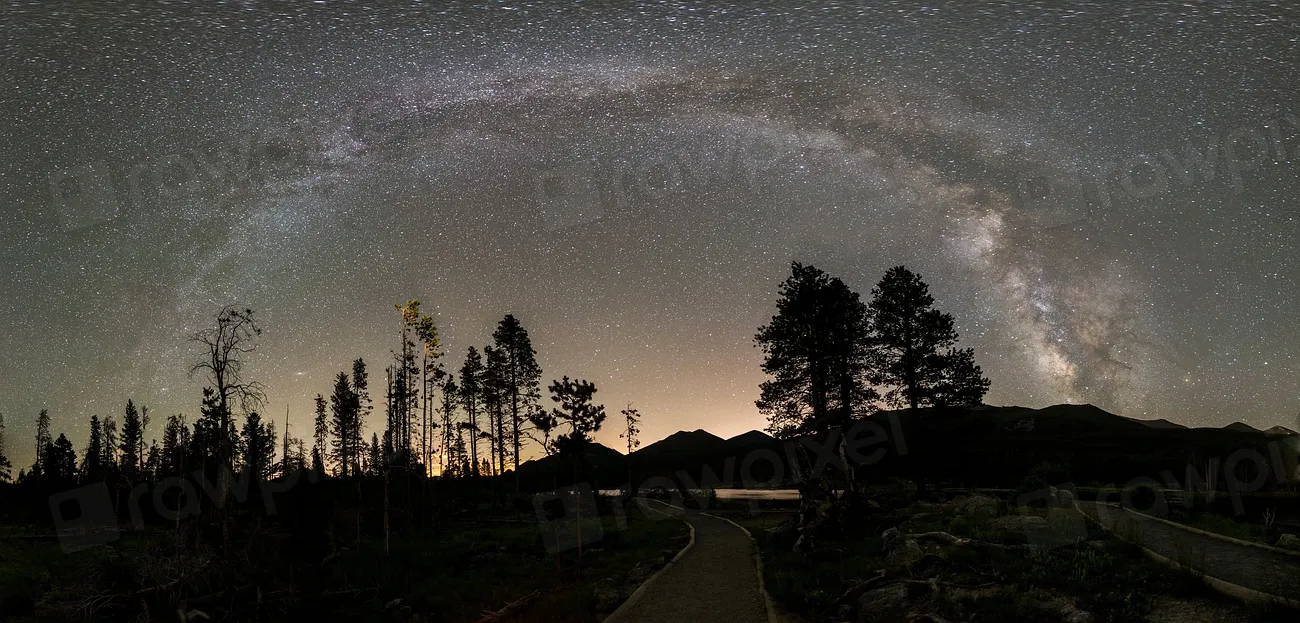

Light pollution is quietly erasing one of humanity’s oldest pleasures. A 2016 study revealed that light pollution prevents roughly four in five people living in North America from seeing the Milky Way. For those who’ve watched the night sky wash out over the decades, that number stings. The good news is that across the American West, a quiet but determined movement has been pushing back – one dark sky ordinance, one replaced streetlight, and one certified community at a time.
There are roughly 150 Dark Sky Places in the U.S. that fall into five International Dark Sky categories: parks, sanctuaries, reserves, communities, and urban night sky places. The West claims a disproportionate share of them, thanks to sparse populations, high elevations, and dry desert air. These are the communities worth visiting.
Flagstaff, Arizona – Where the Movement Began
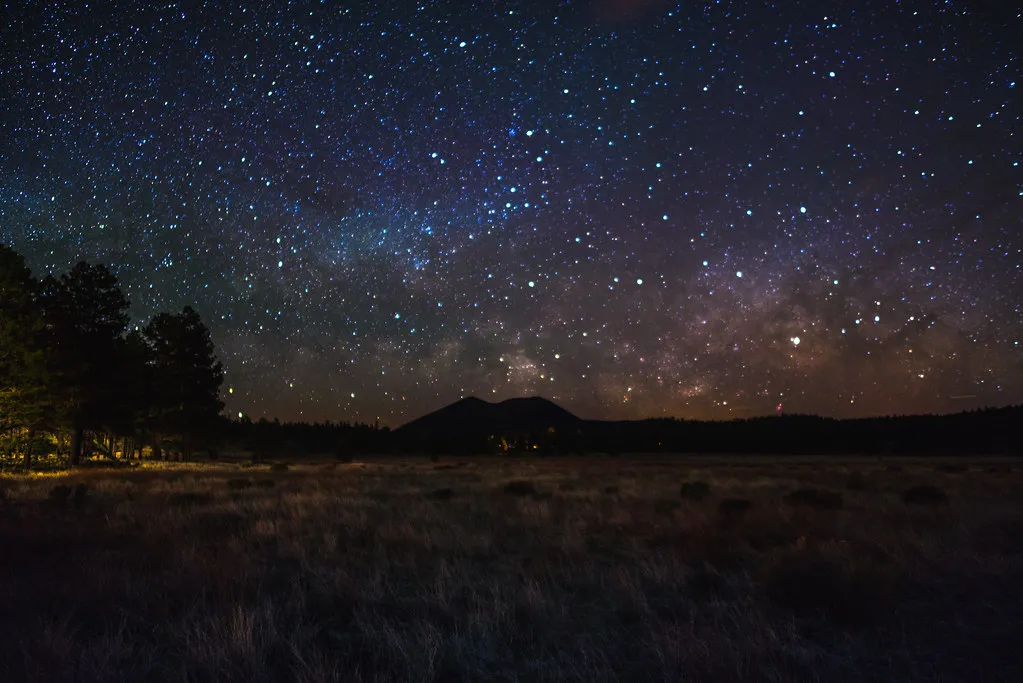
Flagstaff, Arizona was the first city designated as an International Dark Sky Community, receiving that recognition in 2001. That makes it the founding symbol of the modern dark sky movement – a city that chose to protect its night before most people even knew there was something worth protecting.
The dark sky movement has a history stretching back to 1958’s first-ever dark sky legislation, and DarkSky International has grown from a small Arizona-based nonprofit into the world’s leading authority on light pollution. Flagstaff is where that story started, and the city continues to maintain and update its lighting ordinances. Visiting astronomers can access the surrounding ponderosa pine forests and Lowell Observatory, one of the most historically significant observatories in the country.
Bryce Canyon, Utah – A Living Astronomy Classroom
Bryce Canyon National Park is a certified International Dark Sky Park known for its breathtaking night skies. Sitting at high elevation in southern Utah, far from any major city glow, it has earned a reputation as one of the most reliably spectacular stargazing destinations on the continent.
On Tuesdays, Thursdays, and Saturdays during spring, summer, and fall, Bryce Canyon National Park offers about 100 astronomy programs per year, presented by its Astronomy Rangers and volunteers. Both the park’s ranger programs and private telescope tours follow a similar format: a 45-minute multimedia show followed by a 90-minute telescope session, where visitors can observe some of the 7,500 stars visible on a moonless night, along with the Milky Way stretching across the sky. The annual national convention of the Astronomical League, AstroCon 2025, was held under the dark skies of Bryce Canyon National Park in southern Utah, running June 25 to 28, 2025. That kind of national gathering says a lot about the park’s standing in the astronomy community.
Central Idaho Dark Sky Reserve – The Nation’s First and Gold-Tier
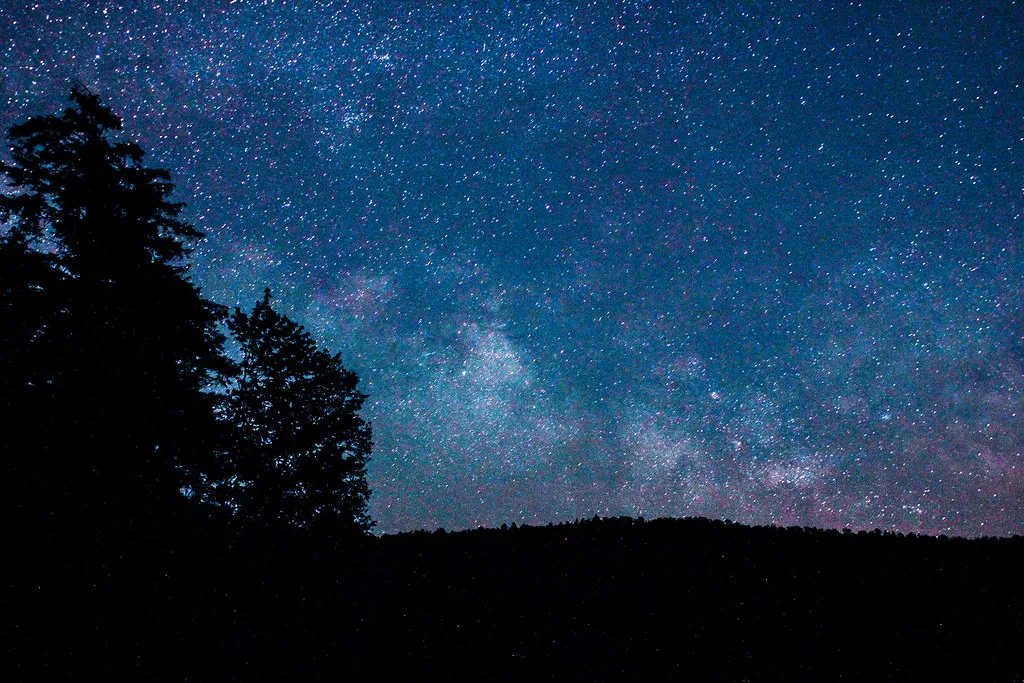
The Central Idaho Dark Sky Reserve is a 1,416-square-mile dark-sky preserve near the Sawtooth National Recreation Area in Idaho. It was designated on December 18, 2017, and is the first gold-tier dark sky preserve in the United States.
The reserve stretches across 1,400 square miles, encompassing the cities of Ketchum, Sun Valley, and Stanley, the Sawtooth National Recreation Area and the counties in between. Its coveted Gold Tier status designation from DarkSky International is reserved only for the darkest of night skies, making it easy to see the Milky Way, meteors, and planets. Local communities and federal authorities collaborated in the designation, with measures such as shielding street lights implemented to preserve the area’s dark sky – Ketchum has had a dark sky ordinance since 1999, and Sun Valley also maintains its own local ordinance. Stanley, the tiny town at the heart of the reserve, makes an ideal base.
Teton County, Wyoming – The World’s First Certified Dark Sky County
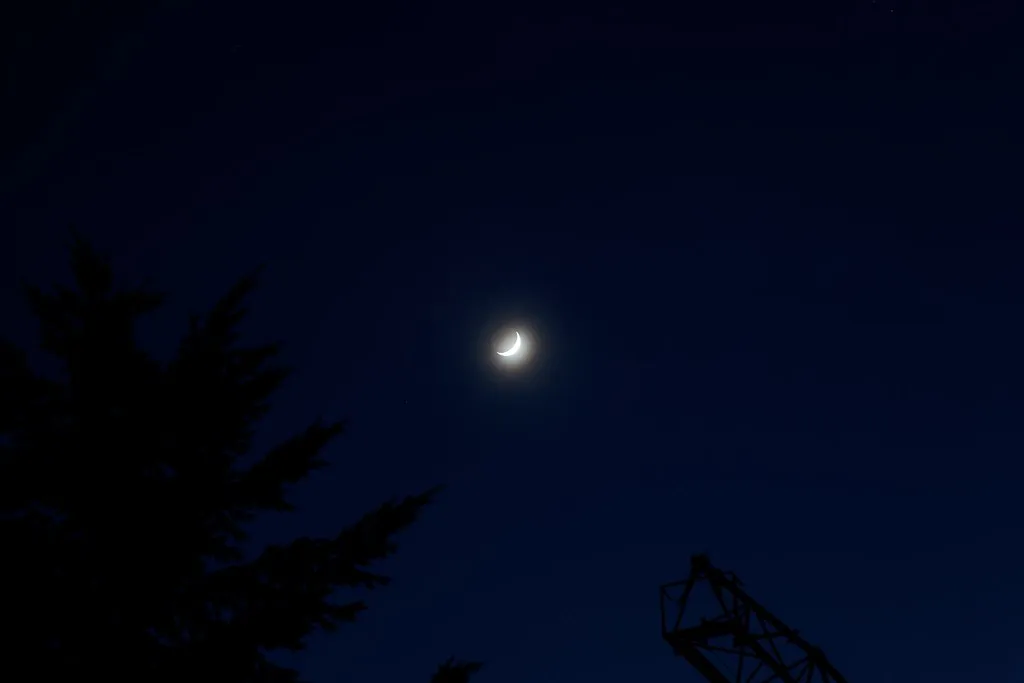
Teton County, Wyoming was certified as an International Dark Sky Community on April 11, 2025, by DarkSky International. This achievement culminated a decade of collaborative work between the Town of Jackson, Teton County, Wyoming Stargazing, and several other stakeholders. Teton County is now the world’s first county to be designated as an International Dark Sky Community.
Because 97 percent of the land area is held in public lands, there is relatively little development and thus dark night skies. With the stark mountain peaks of the Teton Range and the majestic hydrothermal features of Yellowstone, this land and the skies above it are truly extraordinary. Teton County’s designation is also considered an important stepping stone toward the accreditation of a very large region spanning Montana, Wyoming, and Idaho as an International Dark Sky Reserve, which would affect one of the few remaining geographically large regions of near-pristine darkness in the contiguous United States.
Oregon Outback Sanctuary – The World’s Largest Dark Sky Sanctuary
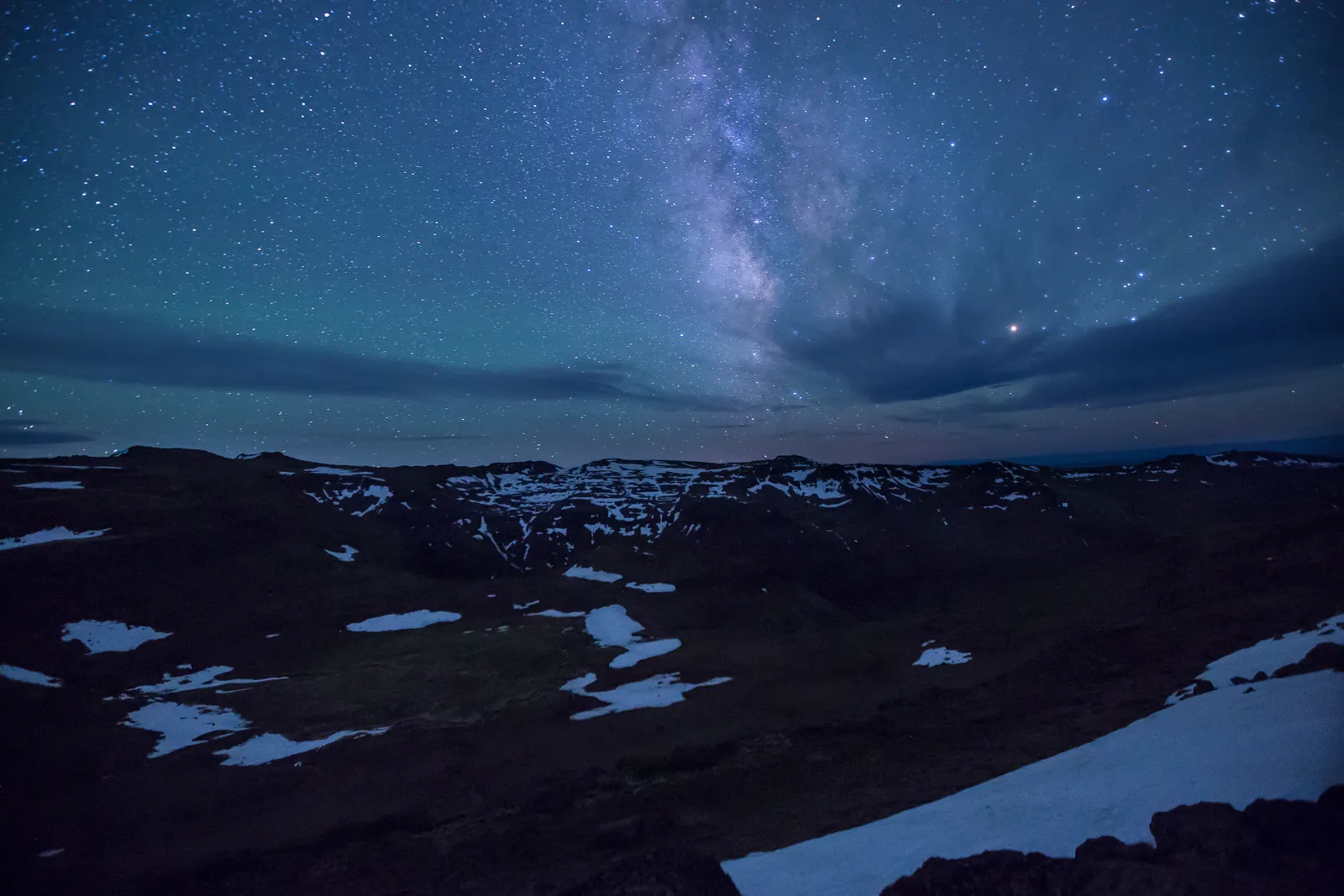
Designated in 2024, the world’s largest international dark sky sanctuary is in the high desert of the Oregon Outback. This 2.5-million-acre sanctuary includes broad and flat basins, mountain ranges with elevations from 4,700 to 8,000 feet, and alkali lakes.
Among the five categories of dark sky certification, sanctuaries meet the most stringent requirements, and many are in the western part of the continent in less populated areas. What makes this place particularly poetic is the way the still alkali lakes mirror the night sky above them – an effect that even experienced astronomers describe as something close to otherworldly. Visitors are advised to be experienced remote travelers, as there may be no cell service or facilities nearby. Come prepared, and it rewards you generously.
Westcliffe and Silver Cliff, Colorado – Highest-Altitude Dark Sky Communities in the World
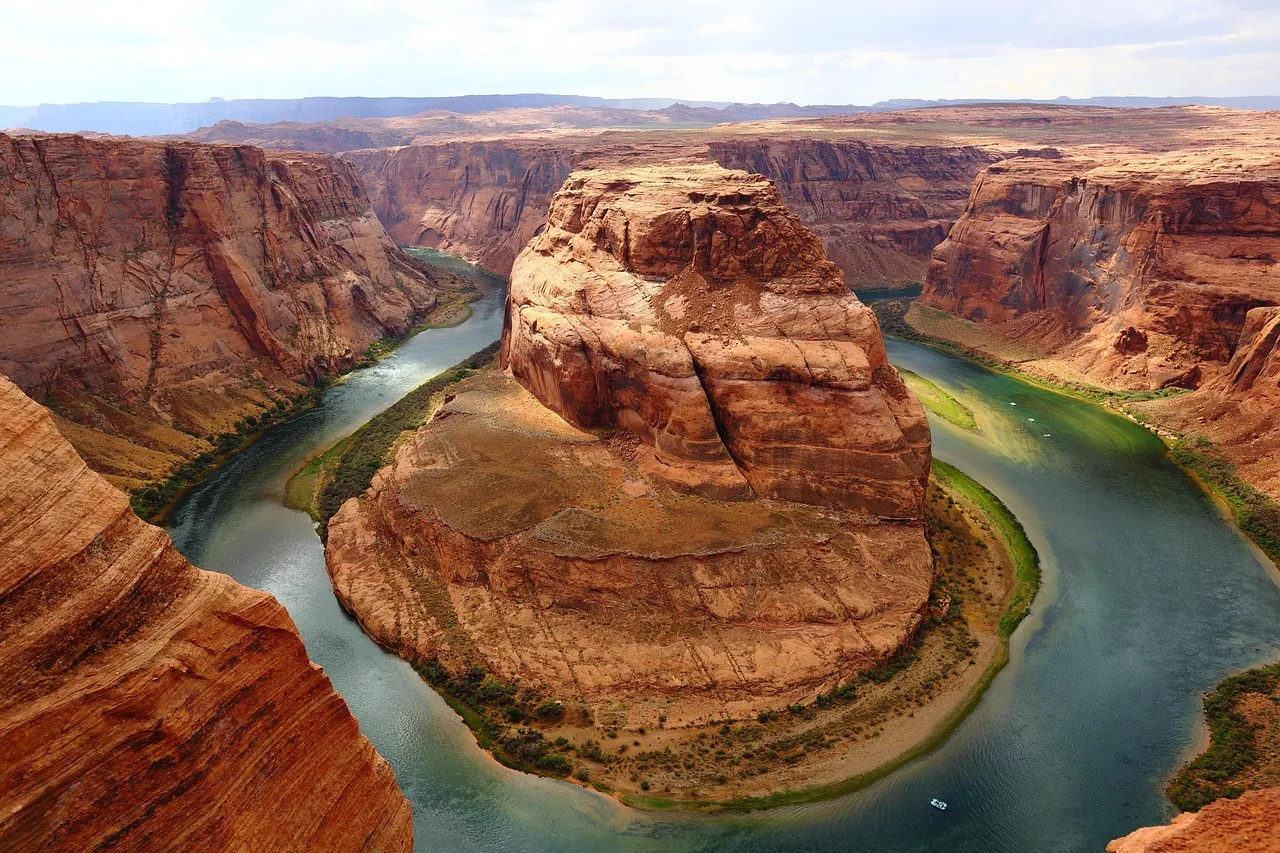
Originally developed around mining but now driven by agriculture and ranching, the rural Westcliffe and Silver Cliff are two of the highest-altitude International Dark Sky Communities in the world. Their elevation alone does a great deal of work – thinner atmosphere means less atmospheric interference between you and the cosmos.
These twin towns in the Wet Mountain Valley sit within view of the Sangre de Cristo Mountains, one of Colorado’s most dramatic alpine backdrops. The combination of rural quiet, ranching heritage, and ink-black skies makes them a compelling overnight destination for anyone willing to leave the more well-trodden Colorado itinerary behind. The community’s commitment to responsible lighting is genuine and long-standing, which shows in the quality of the skies overhead.
Moab, Utah – Red Rock Country Goes Dark
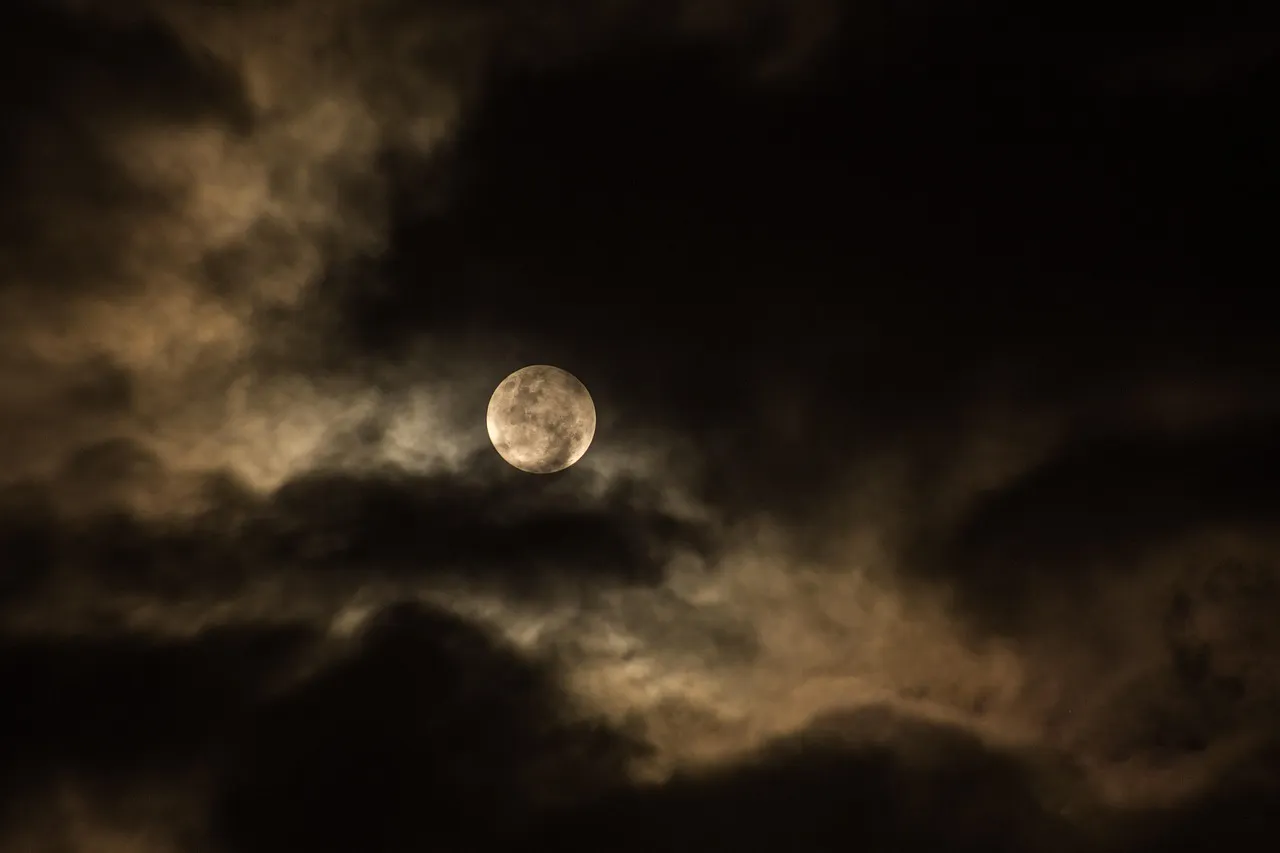
In 2016, Moab area officials began efforts to reduce light pollution, an outdoor lighting ordinance was passed by 2019 and updated in 2023, and Moab became an official dark sky community in 2024. The process took nearly a decade, which reflects the genuine, community-driven nature of the designation rather than any superficial marketing effort.
As a gateway to Arches and Canyonlands national parks as well as Dead Horse Point State Park, Moab is a world-class outdoor destination with incredible dark skies. Spending the day hiking through red rock arches and the night watching the same formations dissolve into a star-filled sky is a rare double reward. Dead Horse Point State Park, also nearby, was the first Utah State Park to achieve IDA certification, and except in winter, it offers multiple evening events each month, such as night hikes, telescope programs, and constellation tours.
Paonia, Colorado – One of the Newest Certified Communities
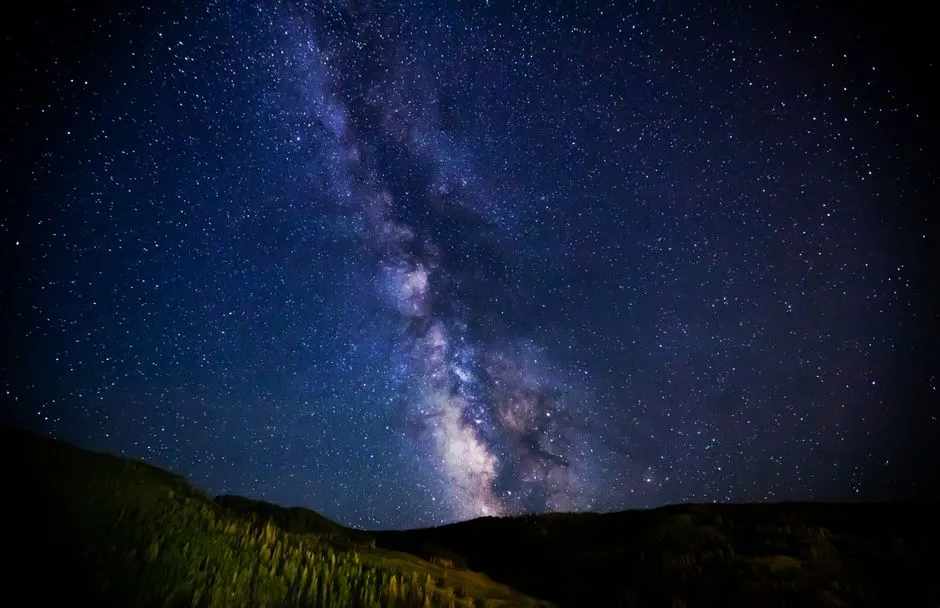
One of the newest International Dark Sky Places is Paonia, Colorado, which was certified in September 2024. The small town is surrounded by a variety of public lands, including a national forest, park, recreation area, and conservation area, which keeps the light pollution to a minimum. During the day, the area is known for its farms, fruit, and wine, but at night the Milky Way is the main attraction.
Paonia sits in the North Fork Valley on Colorado’s Western Slope, at the edge of the Gunnison Gorge National Conservation Area and near the West Elk Wilderness. Colorado now has 12 certified dark sky parks and six certified dark sky communities, providing a variety of dark-sky viewing and activities for astronomy enthusiasts. Paonia is among the freshest additions to that constellation, and its agricultural community identity gives it a warmth you won’t find at more tourist-heavy destinations.
Ridgway, Colorado – The Milky Way Visible from Downtown
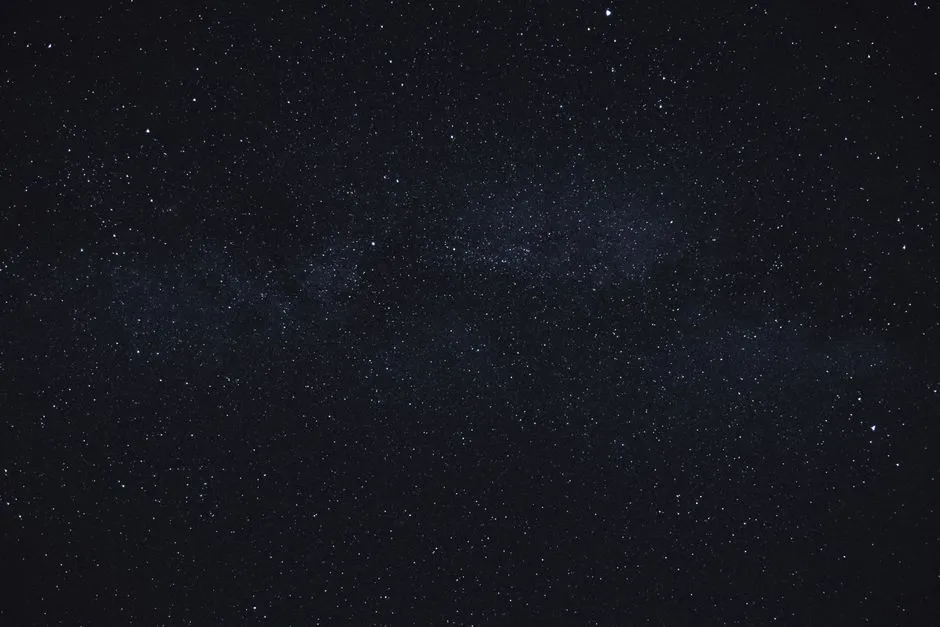
Ridgway’s residents have long embraced protecting their natural surroundings, and the town has passed ordinances for outdoor lighting and produced educational campaigns. During summer from the downtown area, the Milky Way is often visible to the naked eye.
Visitors can get great views from any yard or balcony in town, and local astronomers recommend Ridgway Athletic Park’s fields. Further afield, overnight stays at Orvis Hot Springs offer the unique combination of a hot spring soak under the stars. Timing a visit to coincide with a meteor shower, including the Perseids each August or the Geminids in December, adds an extra layer to the experience. This small San Juan mountain town is genuinely one of the friendliest and most accessible dark sky communities in the West for first-time visitors.
Bluff, Utah – Ancient Landscapes, Fresh Certification
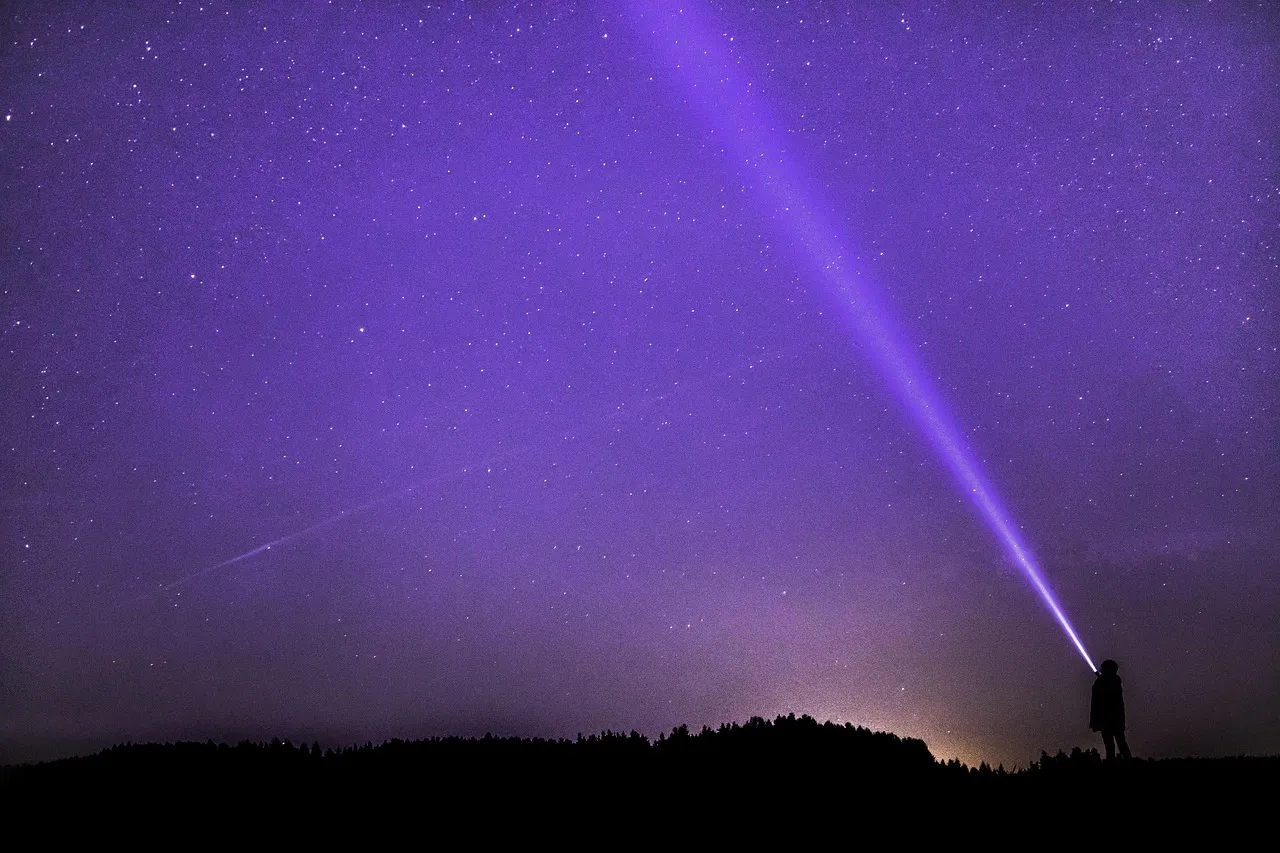
Tucked between sandstone cliffs and the San Juan River, Bluff is rich in human and natural history and is a central point along the Trail of the Ancients National Scenic Byway. Thanks to community dedication to preserving dark skies, Bluff was named an International Dark Sky Community in 2025.
Few places in the American West hold a sky above such layered human history. The Four Corners region around Bluff contains some of the most significant ancestral Puebloan sites on the continent, and looking up at a completely unobscured night sky here carries a different kind of weight. Places that wish to become certified must complete the International Dark Sky Places application process, which can take up to three years and requires significant community support – a reminder that Bluff’s designation represents a real, long-term commitment from its residents, not just a tourism label.
A Night Sky Worth Protecting
The communities listed here share something more than dark skies. They share a deliberate choice – to resist the creep of unnecessary artificial light, to pass ordinances, to educate residents, and to welcome visitors who want to reconnect with what the night actually looks like.
Communities that receive a DarkSky community certification must be committed to reducing light pollution through legally-binding public policies, following five principles of responsible public lighting: lighting must be useful, targeted, low level, controlled, and warm-colored. That framework matters because it means every certified community on this list has made a real, enforceable promise to the night sky.
The western United States remains one of the last regions on Earth where the full depth of the universe is still visible to the naked eye from a community of actual residents going about their lives. That is worth the drive, every time.
AI Disclaimer: This article was created with the assistance of AI tools and reviewed by a human editor.