


There’s one week every year when the American highway system truly earns its reputation. Millions of families pack their cars, load up the cooler, and join a national migration that dwarfs any other travel period on the calendar. It isn’t summer vacation. It isn’t Christmas. It’s Thanksgiving – and the numbers behind it are genuinely staggering.
What makes this holiday so remarkable isn’t just its scale, but its compression. Nearly everyone travels within the same seven-day window, creating a uniquely intense pressure on roads and airports alike. Understanding when and why all this happens is useful for any traveler, and it sheds light on just how deeply Americans are attached to this particular holiday ritual.
The Record That Keeps Getting Broken
A record 81.8 million Americans were set to travel during the Thanksgiving holiday in 2025, with about 90% planning to drive to their destinations, according to a forecast from AAA. That figure beat the previous year’s record, which itself had broken the one before it. Compared with the Thanksgiving holiday a year earlier, an additional 1.6 million people traveled more than 50 miles from their homes, representing a new record for Turkey Day travel, which had rebounded since dipping to 56.8 million travelers in 2020, when the pandemic caused people to cancel their plans.
Thanksgiving is recognized as the peak travel holiday when compared to other notable holidays such as Memorial Day and Independence Day. That ranking holds across every mode of transportation, every region of the country, and every year this decade.
Why Driving Still Dominates
Driving remains overwhelmingly the dominant way Americans get to Thanksgiving gatherings, with 73 million people taking to the roads in 2025, a figure that represents roughly 90% of all holiday travelers tracked by AAA. The logic is simple: cars offer flexibility, door-to-door convenience, and the ability to bring more luggage, gifts, and even pets without the friction of airport security.
Nearly 90 percent of travelers are expected to drive to their holiday destination, with gas prices remaining about the same as the previous year. Stable fuel costs have consistently encouraged Americans to choose their own vehicles over planes or trains during this holiday period.
The Sunday That Breaks Every Record

The busiest travel day of the year in the US is the Sunday after Thanksgiving. While many assume it’s the Wednesday before the holiday, the data consistently points elsewhere. In 2025, the busiest travel day of the year fell on November 30, the Sunday after Thanksgiving. While airports were quieter on the holiday itself, the crowds picked up in the days thereafter as people returned home en masse.
The busiest day saw 3.13 million people screened on November 30, 2025, while Thanksgiving Day itself was actually the lightest day, with just 1.56 million passing through TSA checkpoints in 2025. The contrast between those two days is remarkable, separated by just four days on the calendar.
A Trend That Goes Back Years

The Sunday after Thanksgiving was the busiest day of the year in 2019, and again in every year from 2022 through 2025. This is not a one-off quirk. It’s a deeply embedded pattern in how Americans structure their holiday travel, prioritizing a leisurely arrival over a rushed return. This continued a trend from 2024, when the Sunday after Thanksgiving was also the busiest travel day that year, with 3,088,836 passengers passing through TSA checkpoints in the US.
The consistency of this pattern gives travelers and transportation planners alike a reliable signal: if you’re on the road that Sunday, you are sharing it with more people than on any other day of the year.
Wednesday Before Thanksgiving: The Road Warrior’s Nightmare

INRIX, a provider of transportation data and insights, expects Tuesday and Wednesday afternoon to be the most congested periods before Thanksgiving Day. Millions of workers who take only a half day – or none at all – flood the interstates in the early afternoon, turning what would be an ordinary commute into an hours-long slog. Traffic is about 14% heavier than usual between 10 a.m. and 4 p.m. on the Wednesday before Thanksgiving, with the absolute worst congestion from 1 p.m. to 3 p.m., according to Google Maps traffic data.
The best time to hit the road is Thanksgiving Day itself, when interstates and highways are typically clear. That’s a counterintuitive but well-supported piece of advice from transportation analysts – the holiday morning itself offers some of the lightest traffic of the entire week.
The Summer Surge That Comes Close

Thanksgiving dominates the single-day records, but summer travel volume across an entire season is formidable in its own right. In 2025, TSA screened 85.1 million people in July, its busiest month, an average of about 2.74 million a day. The difference is that summer demand is spread across weeks rather than concentrated into a single frantic weekend. It feels like the peak of the travel year, but the trips are spread over nearly three weeks of school and office closures, so no single day gets crushed.
While the Sunday after Thanksgiving is typically the busiest day of the year for US travel, it is actually the summer months that dominate as the most active days for TSA screenings. The start of the 2025 summer travel season was the second-busiest day on record, and all four Sundays in July ranked in the top ten record travel days.
Memorial Day and the Fourth of July Are No Small Thing
According to AAA, nearly 45.1 million Americans were expected to travel at least 50 miles from home over Memorial Day weekend 2025, making it the busiest Memorial Day weekend on record for road travel. That’s a meaningful number, though it represents roughly half of what Thanksgiving generates. A record 72.2 million Americans traveled domestically over the Fourth of July weekend in 2025, up 2.4% over the previous year, according to AAA.
These summer holidays matter enormously to local economies, highway systems, and airports, but they still don’t concentrate travel quite like Thanksgiving does. The Thanksgiving window is tighter, the emotional pull is stronger, and the pressure on infrastructure is uniquely intense.
The Cities That Feel It Most
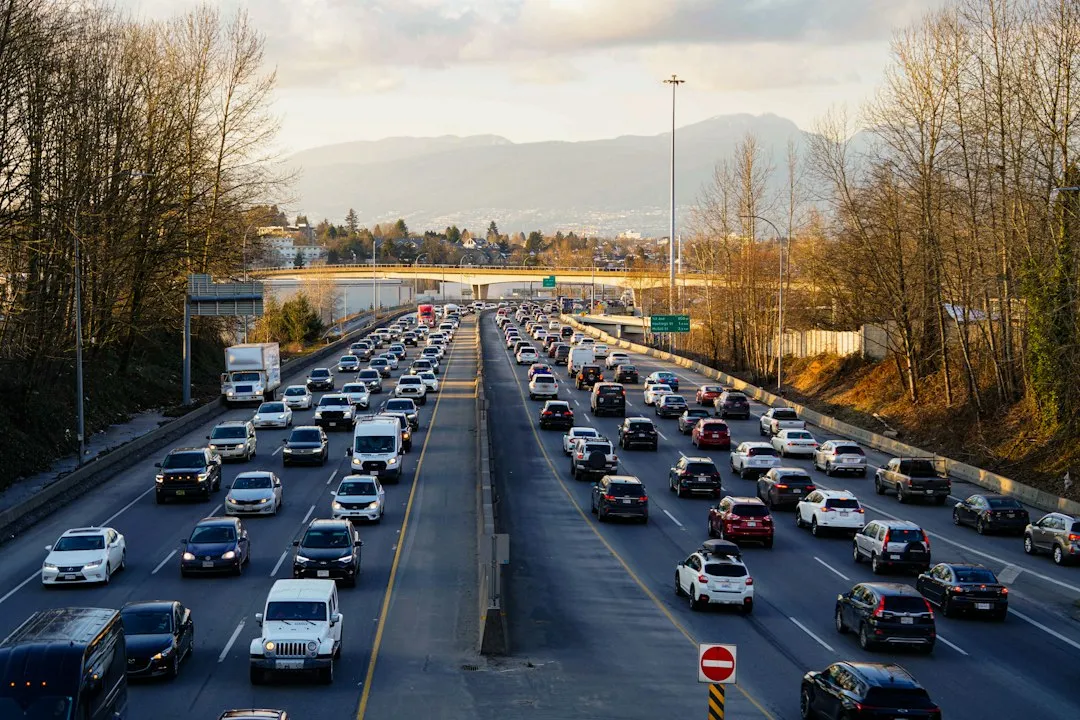
Among the worst-affected corridors during Thanksgiving 2024, the Los Angeles to Bakersfield stretch via I-5 North on the Wednesday before Thanksgiving saw projected travel times increase by 111%, turning a trip that normally takes about an hour and 48 minutes into nearly four hours. Other major metro areas like Atlanta, Houston, and Tampa all saw significant delays on their outbound routes as well. These are not just annoying slowdowns – they reflect tens of millions of vehicles entering the road network within the same narrow window.
Traffic data from AAA and INRIX shows that the worst times to drive are generally midday through evening on Tuesday, Wednesday, Friday, Saturday, and Sunday of Thanksgiving week, especially between about 11 a.m. and 8 p.m. Knowing that pattern can genuinely change how stressful – or stress-free – a holiday journey turns out to be.
Road Safety During the Busiest Week
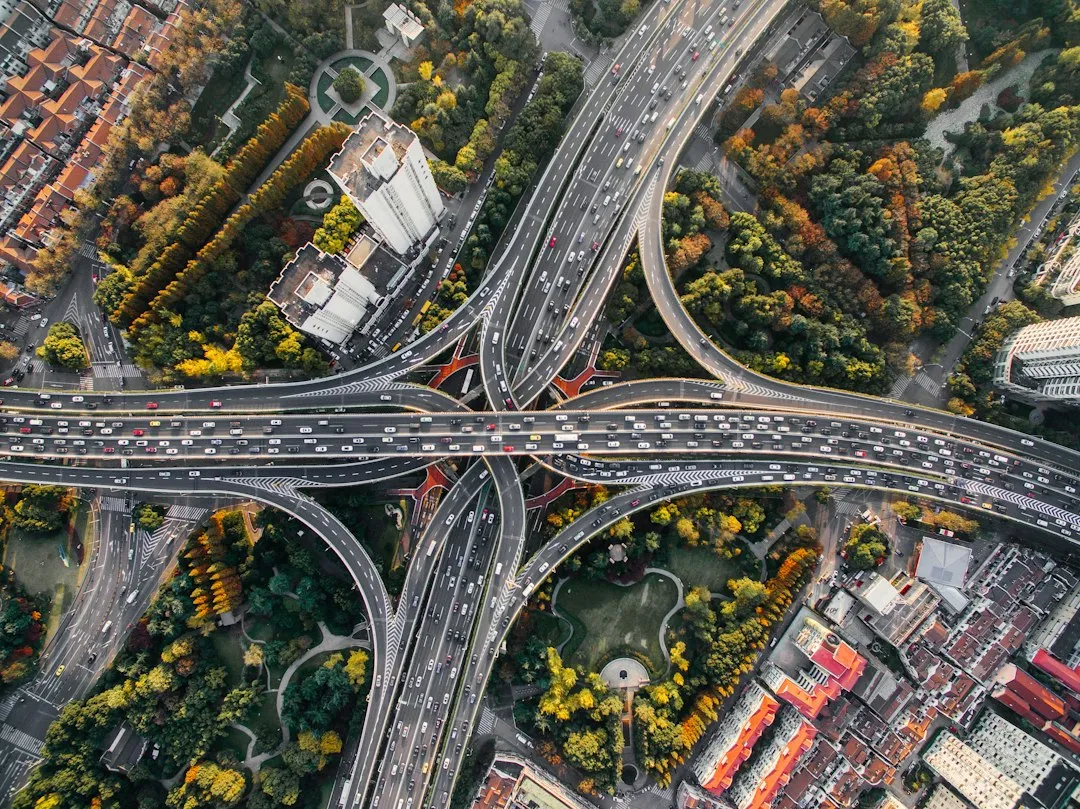
According to the National Highway Traffic Safety Administration, from 2019 to 2023, the death toll in drunk-driving crashes during Thanksgiving festivities was 868, representing more than one-third of all fatalities in traffic crashes during that holiday period. That is a sobering reality behind the holiday travel statistics. More cars on the road means more risk, and the holiday atmosphere can sometimes lead to dangerous decisions.
AAA expects to rescue more than 570,000 Americans at the roadside during Thanksgiving each year. Dead batteries, flat tires, and lockouts spike predictably during this period, making pre-trip vehicle checks one of the most practical steps any road tripper can take before heading out.
What’s Driving the Growth Year After Year

The record Thanksgiving travel volumes are driven by economic trends including robust growth in personal income and gradual decline of inflation. When people feel financially comfortable, they’re more willing to make the trip – even a long one. The average daily volume of about 2.48 million passengers in 2025 represents an increase of about 14,000 travelers per day over 2024. That incremental growth, compounded year over year, explains why records keep falling.
Annual TSA screenings for the full year 2025 reached 906.7 million – an all-time annual record. American appetite for travel, whether by car or plane, has genuinely expanded beyond pre-pandemic norms and shows no sign of reversing.
The Quiet Before and After the Storm
Thanksgiving Day itself is the lightest day of the entire year at US airports, with just 1.56 million people flying in 2025 – almost exactly half the number who flew on the Sunday that followed. It was also the year’s quietest day in 2024 and in 2019. For drivers, similarly, Thanksgiving morning offers unusually open highways. Most people have already arrived by then, and the return wave hasn’t started yet.
This quiet window is one of the lesser-known gifts of the holiday week. If your schedule allows for it, Thanksgiving morning itself is one of the most peaceful times to be on an American highway all year long.
The Takeaway
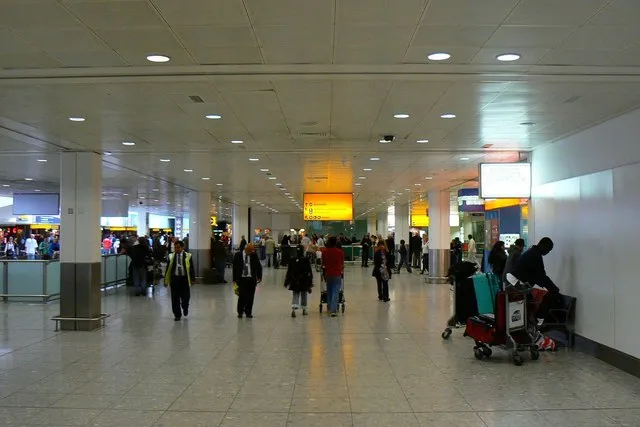
The Sunday after Thanksgiving is, by every credible measure, the single busiest travel day in the United States. Not Christmas Eve. Not the Fourth of July. Not even the Wednesday before Turkey Day, which gets all the press. For many Americans, the post-holiday “return Sunday” is the ultimate travel challenge – and historically, that Sunday has emerged as the single busiest travel day across US airports.
What this really reflects is something deeply human. Americans will sit in traffic for hours, wake before dawn, and navigate crowded airports to share a meal with the people they love. The numbers just confirm what most travelers already feel in their bones: there is no more powerful pull in the American calendar than getting home for Thanksgiving.
AI Disclaimer: This article was created with the assistance of AI tools and reviewed by a human editor.