
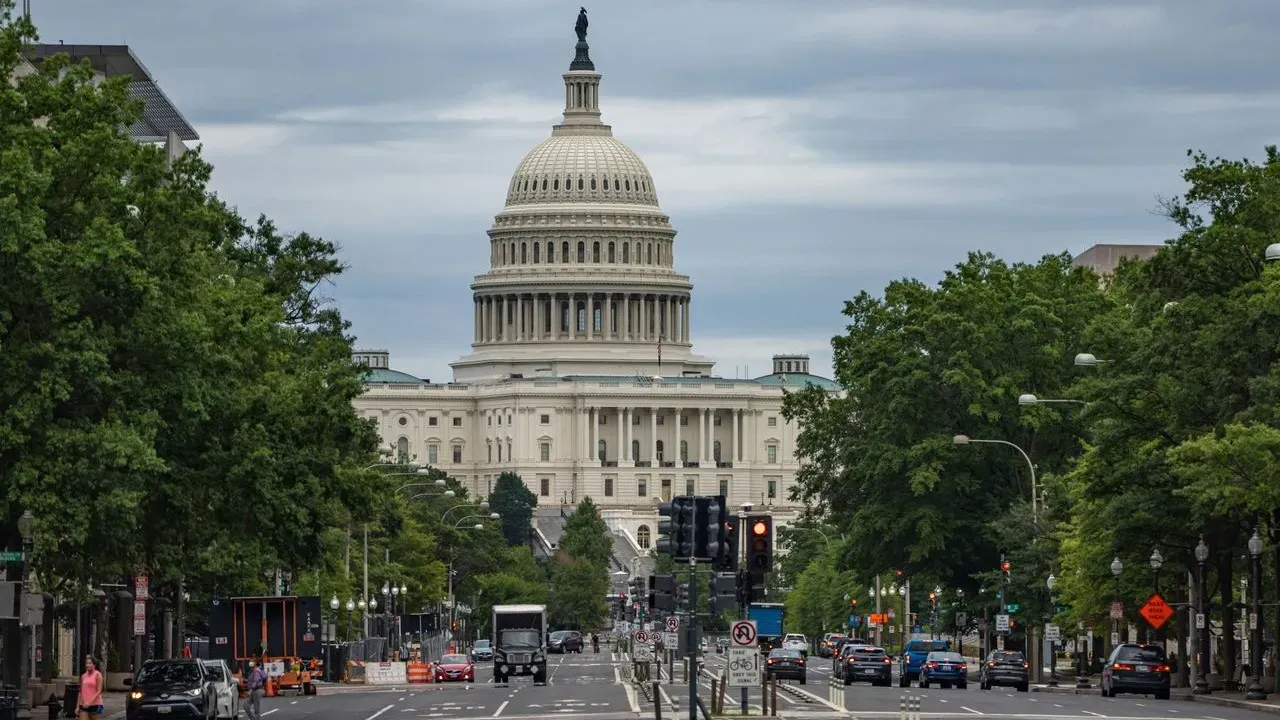

Washington, D.C. – Fifteen years have passed since a 5.8-magnitude earthquake centered near Mineral, Virginia, sent ripples through the afternoon of August 23, 2011. The event stood out not only for its rarity in the region but also for the remarkable distance its effects traveled, reaching well beyond the nation’s capital into a broad swath of the eastern United States and parts of Canada. ([1])Travelers and residents alike later recalled the moment as one that briefly united distant communities through an unexpected natural occurrence.
The Sudden Onset in the Capital Region
That August afternoon began like many others in the Washington area, with commuters and workers moving through their routines. The shaking arrived without warning, causing vehicles to sway and buildings to tremble in ways that quickly prompted people to step outside. Eyewitness accounts described the motion as a distinct, rolling sensation rather than a sharp jolt, leaving many momentarily uncertain about its source.
One reporter driving in Southwest D.C. at the time later recounted how her vehicle seemed to bounce as if someone were playfully pushing down on the rear bumper. Upon turning a corner near L’Enfant Plaza, she observed crowds emerging from structures, some calling out in alarm. The scene clarified that something unusual had occurred across the city.
A Tremor Felt Across Vast Distances
What made the event particularly noteworthy was its geographic reach. Reports soon confirmed that the shaking extended far from the Virginia epicenter, registering in states throughout the eastern seaboard and continuing northward into Canadian provinces. This wide distribution surprised seismologists and the public alike, highlighting how certain geological conditions can allow seismic waves to travel unusually far in this part of the continent.
Phone lines at local news outlets filled rapidly as listeners from multiple jurisdictions described their experiences. The collective reaction underscored the quake’s ability to draw attention from millions who rarely encounter such activity in their daily lives. For those planning visits to the region, the story serves as a reminder of the subtle natural forces that shape even well-traveled destinations.
Effects on Familiar Landmarks
Several prominent sites in the capital area sustained visible impacts that required careful attention in the years that followed. The Washington Monument underwent an extended period of assessment and repair before reopening to visitors in 2014. Similarly, the National Cathedral initiated a multi-year restoration effort, with work projected to continue into the late 2020s while ongoing maintenance addresses the historic structure’s needs.
These projects reflected a measured approach to preserving places that draw travelers from around the world. Rather than halting access indefinitely, the focus remained on thoughtful restoration that respects both the buildings’ architectural significance and the safety of future guests. The process illustrated how communities balance heritage with practical response after uncommon events.
Looking Back with Perspective
Over the intervening years, the 2011 earthquake has become a point of shared regional memory rather than a defining disruption. Discussions often center on the surprising unity it created among people separated by hundreds of miles, many of whom exchanged stories of where they were when the ground moved. This human element continues to resonate with those who explore the area today.
Modern visitors to Washington and its surroundings can appreciate the resilience embedded in the landscape and its landmarks. The episode encourages a deeper awareness of the natural context surrounding popular travel spots, fostering respect for the forces that have long influenced the region. Such reflections align with purposeful journeys that value both history and the environment.
AI Disclaimer: This article was created with the assistance of AI tools and reviewed by a human editor.