

Cash Is No Longer Traveling With Us
Data suggests that in 2024, just sixteen percent of transactions were handled in cash. That figure tells a story not just about payments in general, but about the gap that opens up when a traveler arrives somewhere and simply has no local bills to hand over.
Modern travelers expect seamless digital experiences, and from booking to check-out, digital tipping is increasingly part of that expectation. The cash shortage problem is no longer just an inconvenience. For service workers who depend on gratuities, it has real income consequences.
The surge in cashless travel has put a damper on staff tips and therefore total take-home pay. That tension is what’s driving the hospitality industry to find a different path forward.
QR Codes: The Quiet Revolution at the Bedside Table

QR codes, mobile wallets, and digital payment links are making it easier for guests to reward staff without relying on physical currency. By providing QR codes or mobile payment links, these solutions make it easy for guests to leave gratuities for service staff while ensuring hotels can track, distribute, and manage tips in a transparent way.
The American Hotel and Lodging Association rolled out standardized QR codes for tipping in hotel rooms, a move that signals how seriously the industry is taking this shift. It’s no longer a niche experiment run by a few tech-forward boutique properties.
Airport parking provider The Parking Spot, for example, now provides QR codes in its shuttles with which travelers can digitally tip their drivers. If shuttle drivers are getting QR codes, the rollout is genuinely broad.
Why Travelers Are Actually Using It
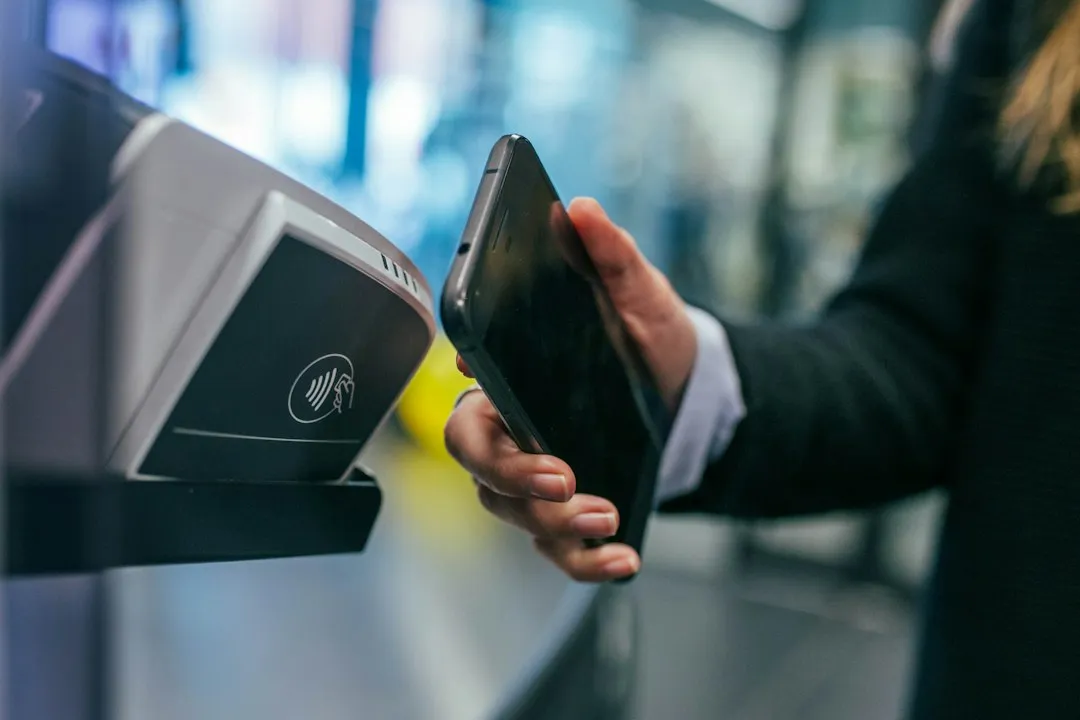
Research from the National Restaurant Association suggests nearly eight in ten consumers prefer a contactless or mobile payment method in restaurants. When the payment goes digital, the tip often follows. The psychology makes sense: if you’re already tapping your phone to pay, switching to cash just for the tip creates friction.
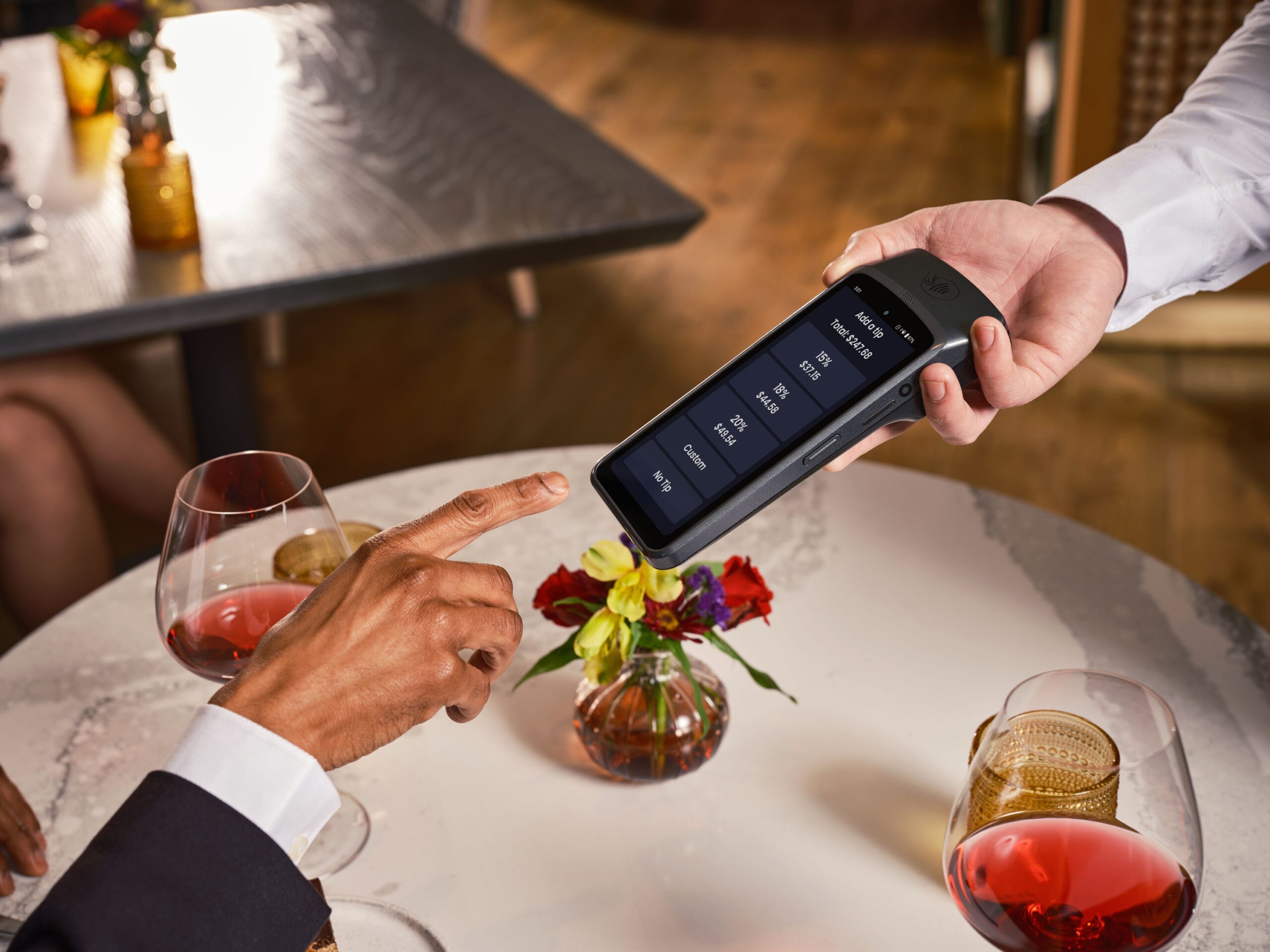
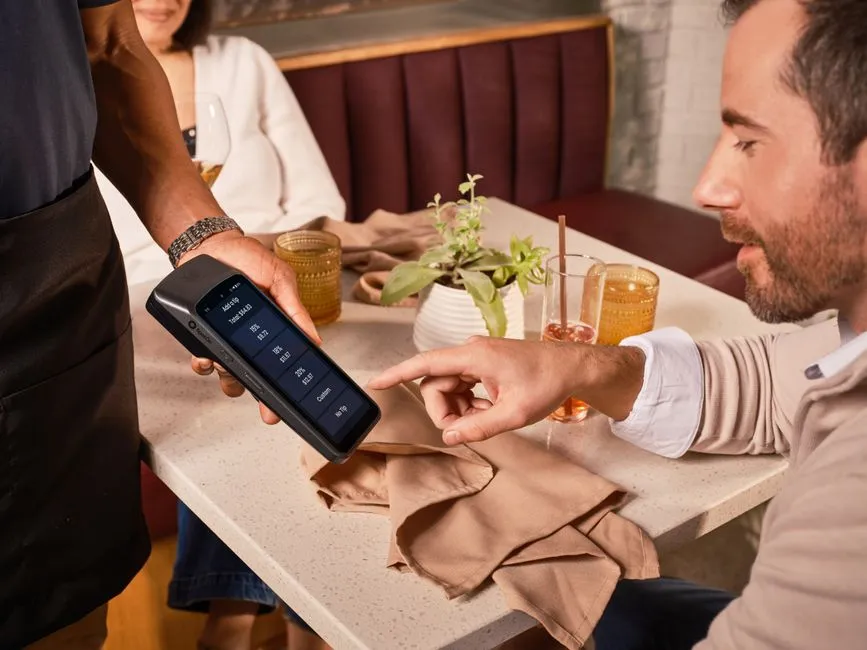
Digital tipping is as easy as selecting a suggested tip amount or typing it directly into a mobile device or payment terminal. Digital records are also automatic, making it simpler to track how much is being tipped, how tips are distributed, and whether any service fees apply.
For whatever reasons, whether no longer having the excuse of no cash or small bills, or perhaps a different psychological response to entering an amount on a mobile device as opposed to handing over actual bills, companies using digital tipping are reporting a surge in tips for their employees. That detail matters for travelers who genuinely want to tip fairly.
The “Tip Creep” Problem Tourists Are Running Into

The phenomenon known as tip creep means digital payment screens now prompt tips at places that never traditionally expected them: self-serve yogurt shops, airport kiosks, online retailers. For international visitors, this can feel bewildering rather than welcoming.
A 2024 Pew Research Center survey found that nearly three quarters of Americans say tipping is expected in more places than five years ago, and even Americans find it confusing. Travelers from countries without a strong tipping culture arrive already uncertain, and then face digital prompts at nearly every transaction.
Visitors from Japan, South Korea, and Scandinavia come from countries where tipping is unnecessary or even offensive. For them, a digital tip prompt isn’t just confusing. It can feel culturally jarring in a way a simple cash exchange might not.
How Tipping Norms Vary by Region, and Why It Still Matters

Countries like Mexico, Canada, the UK, France, and Australia are among those where tipping is customary, usually around fifteen to twenty percent. Meanwhile, Sweden, Norway, Iceland, South Korea, and Finland have customs that generally do not require gratuities.
Countries like Japan and China may not expect tipping at all, as excellent service is considered standard. Being aware of and adhering to local tipping practices can enhance your travel experience and foster respect with local service personnel.
In many European countries, service charges are often included in the bill at restaurants, cafes, and bars. This means tipping may not be necessary or expected, especially if the service charge is clearly stated on the bill. Knowing this before tapping to add twenty percent could save an awkward moment on both sides of the counter.
Asia’s QR Payment Infrastructure Is Already Ahead

In popular tourist destinations, QR code payments are already widespread. Approximately sixty-one and a half percent of Thailand’s population uses QR codes every month. That figure is comparable in Vietnam, and the Philippines saw a nearly one hundred and forty-eight percent increase in the number of merchants accepting QR code payments in 2024.
Tipping culture varies throughout Asia, with some restaurant payment platforms providing the option to leave a tip, while others have staff carrying around personal QR codes for tipping. The infrastructure is there; the customs are simply more nuanced.
Outside of tourist areas, countries in East Asia and the South Pacific do not have much of a tipping culture, so gratuity is not expected and may even be turned down. A digital tip option appearing on a screen does not mean it’s expected or culturally appropriate to use it.
The Impact on Hotel Workers Around the World
People in the service industry, especially hotel housekeepers, bellmen, valets, golf caddies, spa attendants, and others, must now rely on digital gratuities to supplement their incomes. These are often the workers least likely to interact directly with guests, and the ones most historically overlooked when travelers run out of small bills.
The ability to tip with a smartphone throughout a property is important for two reasons, including reducing turnover through retention of staff who normally do not get tips included on a bill, such as housekeeping and porters. Digital tipping, in this sense, has a genuine equity argument behind it.
Hotel platforms offering digital tipping report service score increases of seven to ten percent, improving overall guest experience. It turns out that when workers feel more financially recognized, the quality of care they offer tends to follow.
The Platform Landscape: Who’s Behind the Technology
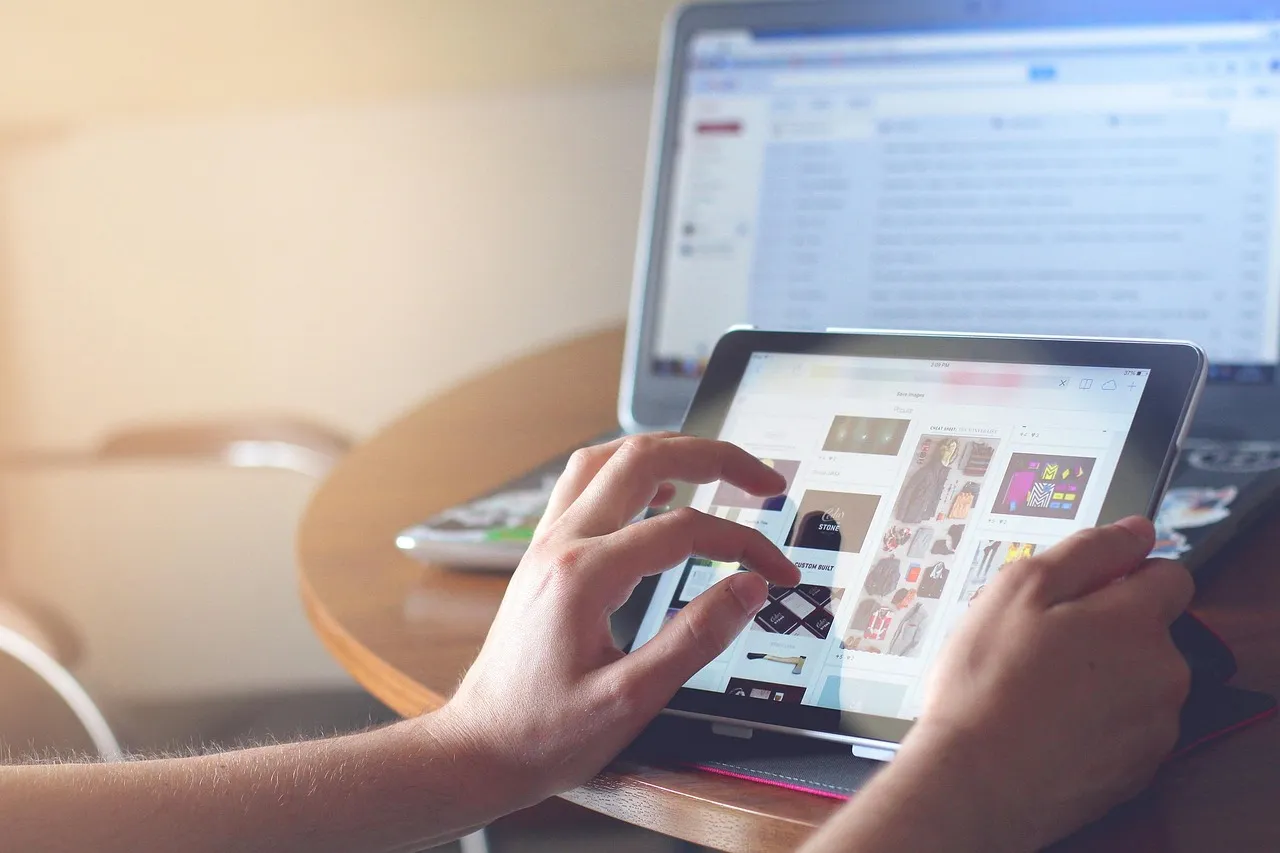
Grazzy is one of several platforms that hotels are adopting to offer digital tipping opportunities to customers, and other service providers that traditionally have relied on cash tips have been adding digital solutions as well. The market has grown quickly, with a range of app-based and app-free solutions competing for adoption.
Digital tipping platforms can look very similar at first glance, with most vendors highlighting QR codes, mobile payments, and the ability for guests to tip staff digitally. In practice, however, the operational differences between platforms can be significant.
How tips are distributed, how staff are onboarded, how payments are processed, and how the platform integrates with payroll or HR systems can dramatically affect how well a solution works inside a hotel environment. For travelers, the visible experience is simple. Behind the scenes, the logistics are anything but.
What This Means for Responsible Travelers
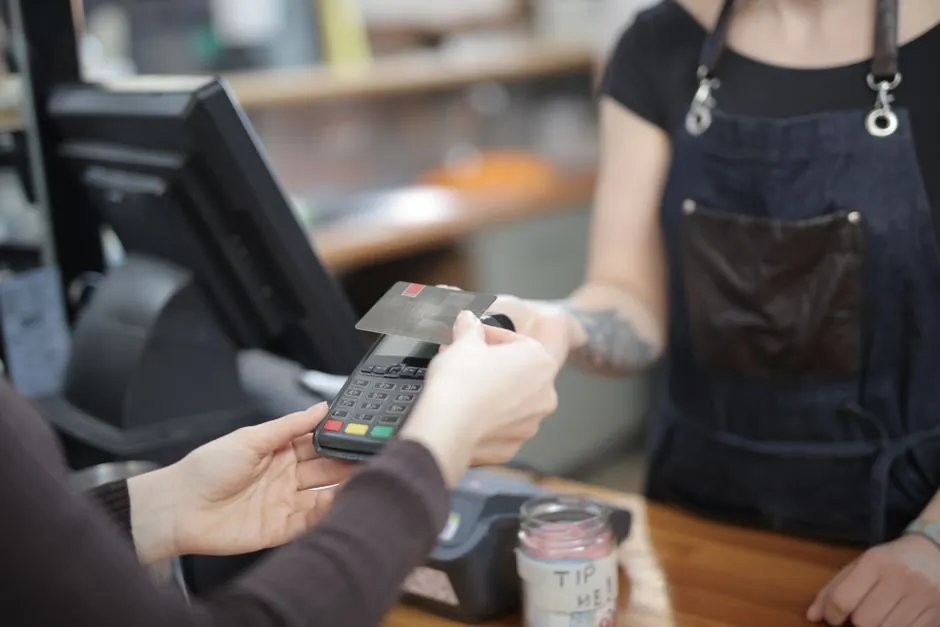
The proliferation of contactless payment methods has resulted in a roughly twenty-two percent decrease in cash tips at tourist attractions, prompting concerns about income stability for guides and seasonal workers. That statistic carries a quiet weight. The shift to digital hasn’t automatically replaced lost cash income everywhere.
This shift has created a more streamlined experience for travelers but has also led to confusion among those accustomed to different tipping norms. In response, some hotels and restaurants are now providing clear guidelines on local tipping expectations, helping guests navigate cultural differences while ensuring fair compensation for staff.
The responsible approach isn’t to assume digital is always better or that a prompt on a screen carries the same weight as a thoughtful local gesture. Researching tipping customs before you arrive, carrying a modest amount of local cash as a backup, and staying attentive to the context of each service encounter remains as relevant as ever.
A Cultural Shift That’s Still Being Negotiated
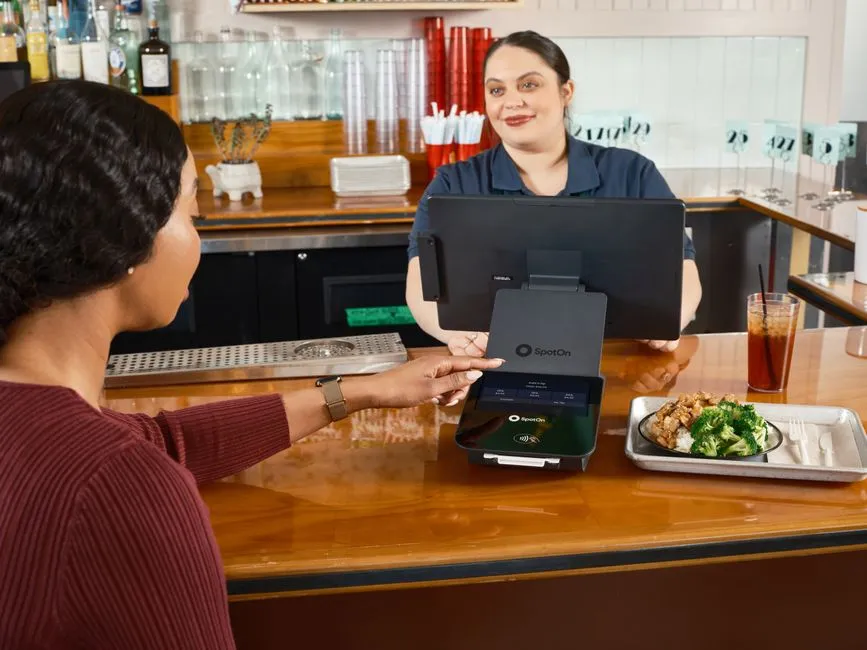
Based on current trends, the year 2025 will likely see a tipping culture where cash still exists but is no longer the default. The same is proving true internationally, though at different speeds in different places and with genuinely different cultural stakes depending on where you are.
In 2024, roughly forty-three percent of luxury hotels implemented a “no-tipping” policy, incorporating service charges into room rates to provide more stable incomes for staff and simplify the guest experience. That model cuts through the ambiguity entirely, which has an appeal of its own for travelers who find the whole system disorienting.
None of this is settled. The technology is moving faster than the cultural conversation around it, and that gap is where most of the friction lives. The digital tip has real advantages, but it works best when it arrives in a context the recipient actually understands and welcomes.
The Takeaway for Travelers Heading Abroad
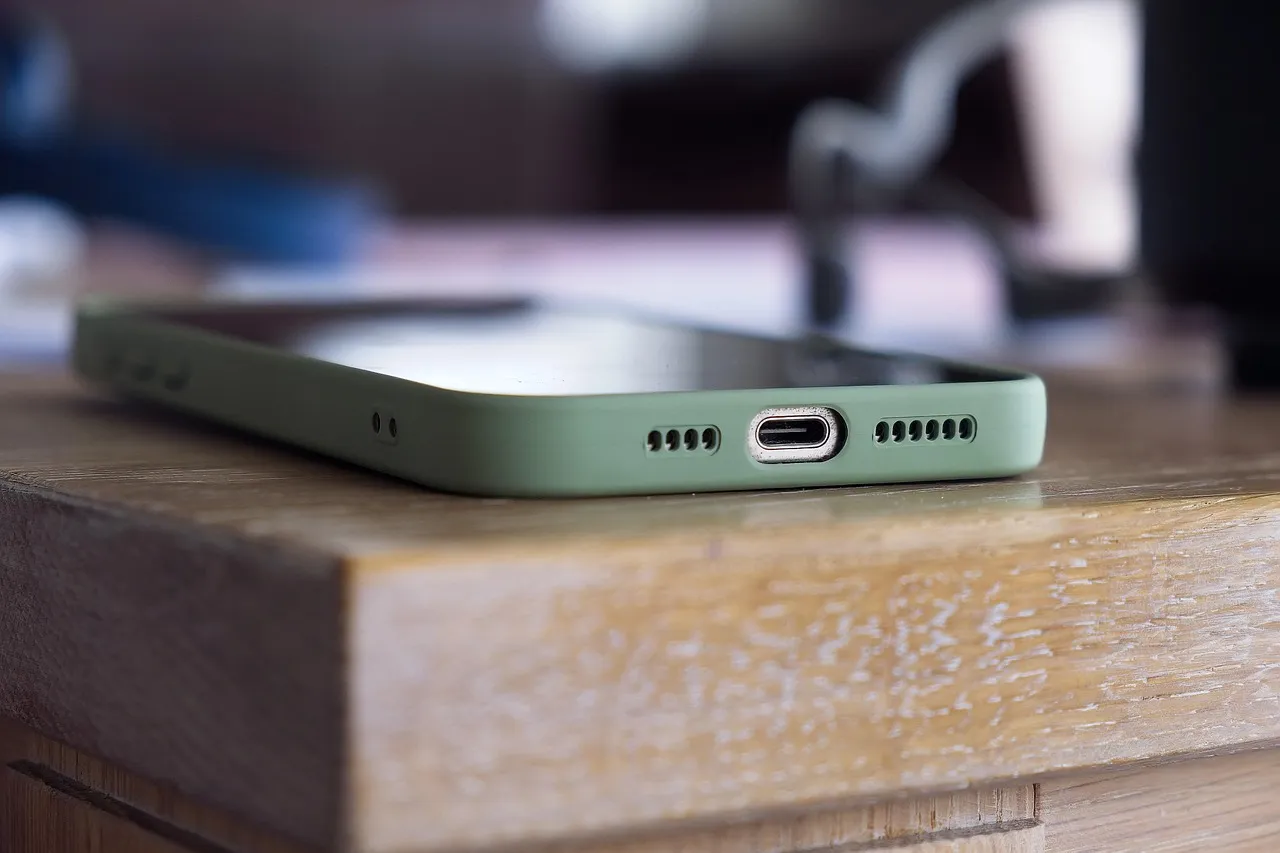
The habit of reaching for your phone to leave a tip is becoming as natural as using it to navigate. That’s not inherently wrong. The concern arises when convenience outpaces awareness, when a traveler taps their way through a country assuming the screen prompts reflect local norms, when they may not.
Before heading abroad, travelers are advised to research the tipping guidelines and standards at their destination and carry both cash and credit cards to tip appropriately. That advice hasn’t changed. What’s changed is that the digital option now sits alongside cash as an equally valid tool, not a replacement for cultural awareness.
The most thoughtful approach is a flexible one. Know the local custom. Have both options available. Choose based on context, not convenience alone. The goal of a tip, wherever you are in the world, has always been the same: to say that the person who served you was worth the moment of attention. The method is secondary to the intention.
AI Disclaimer: This article was created with the assistance of AI tools and reviewed by a human editor.