
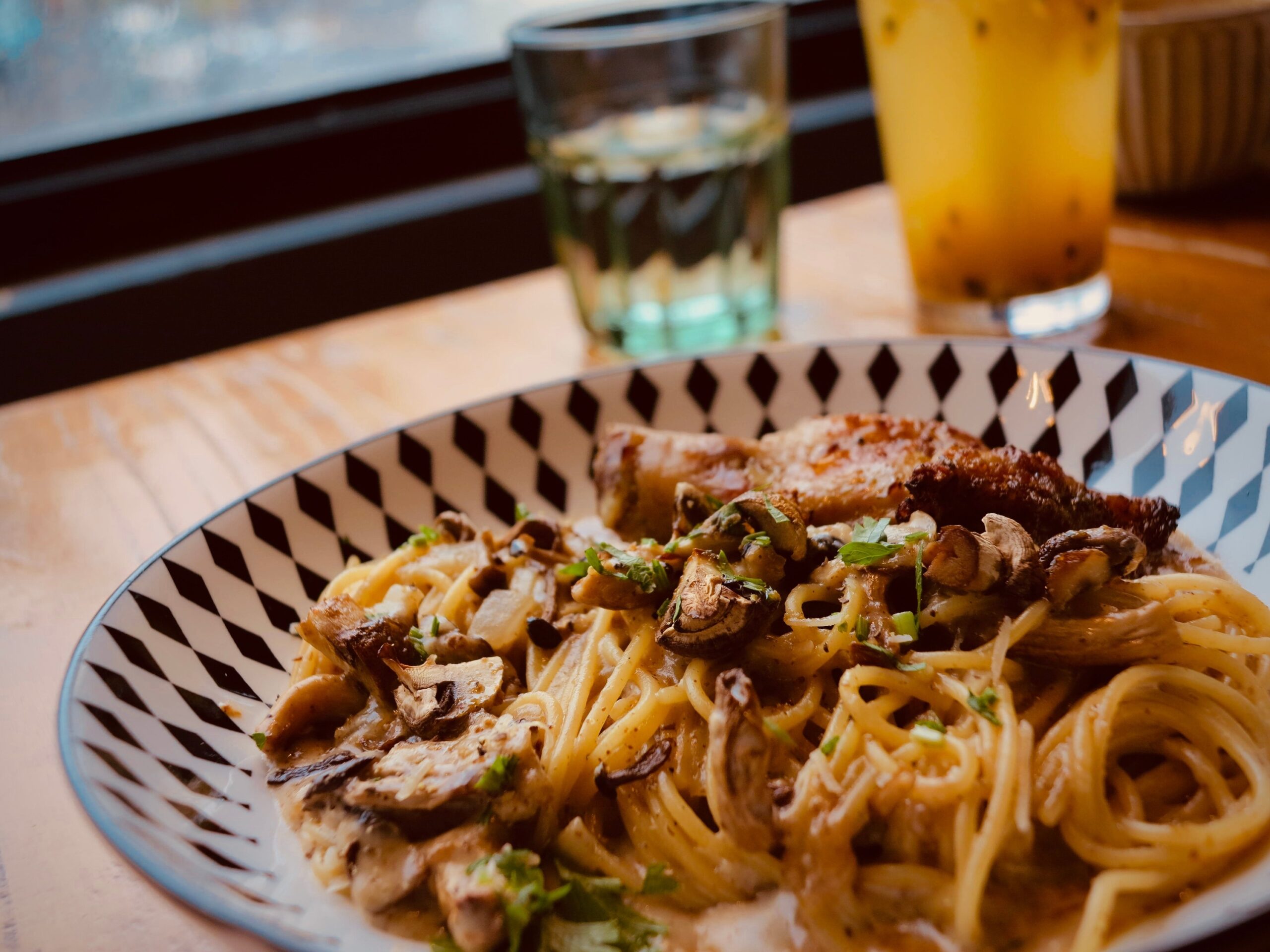
Italy draws tens of millions of visitors every year, and most arrive prepared for the beauty: the piazzas, the art, the light on old stone. Fewer arrive prepared for the table. Italian dining culture is generous and welcoming, but it runs on its own quiet logic, a set of deeply held habits that locals absorb from childhood and that foreigners often encounter mid-meal, usually with a look of polite confusion.
The surprises are rarely unpleasant. More often they’re illuminating, small windows into how Italians actually live. Here are ten dining customs that consistently catch first-time visitors off guard.
No Cappuccino After a Meal
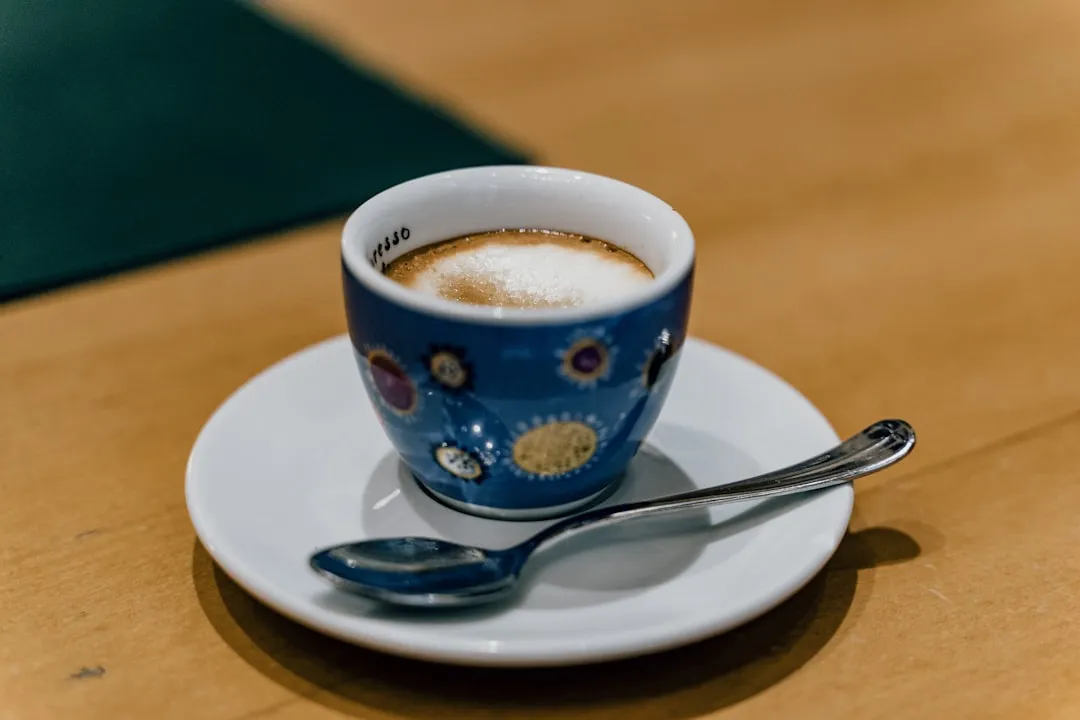
The rule that fascinates tourists most: Italians do not drink cappuccino after about 11 a.m., and almost never after a meal. The reasoning is digestive and traditional. Italians believe large quantities of milk sit heavily on a full stomach, especially after pasta, meat, or anything with tomato sauce.
Cappuccino, caffè latte, and latte macchiato are breakfast drinks, taken with a cornetto or eaten plain. After lunch or dinner, the standard order is a small black coffee, almost always an espresso, sometimes a macchiato with a dab of foamed milk, occasionally a caffè corretto, which is espresso with grappa or sambuca.
After a meal, Italians drink espresso, referred to simply as un caffè, or sometimes a caffè macchiato. Never a cappuccino, never a latte, which in Italian simply means milk and will get you a glass of warm milk if you order it that way. It’s one of those cultural markers that reveals, gently but unmistakably, that you’re new to the table.
Dinner Doesn’t Start Until 8 p.m.
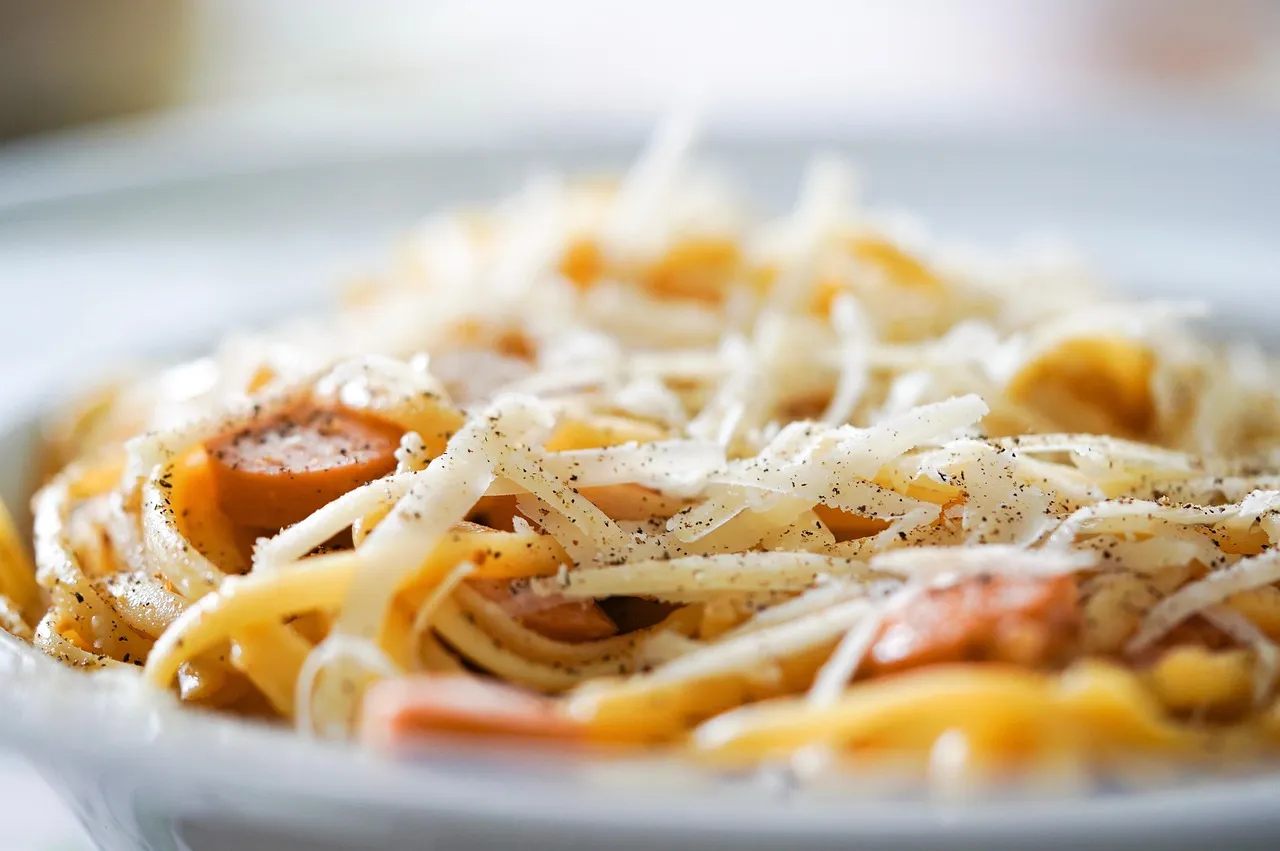
Though more contemporary-leaning spots in cities are beginning to embrace all-day dining, lunch in Italy customarily begins around 1 p.m., and kitchens tend to close around 3 p.m. Dinner is closer to 8 p.m. or, on weekends, even 9 p.m. For most locals, 7:30 p.m. is about the earliest dinnertime conceivable.
There is always aperitivo, the tradition of having a drink and some nibbles to whet the appetite before the proper meal. Think of it as the Italian version of a pre-dinner warm-up. Aperol Spritz, olives, a few small bites – it fills the gap between a later lunch and a very unhurried dinner.
In Italy, you’ll find restaurants bustling until at least 11 p.m. That’s a complete shift from eating patterns in the UK, US, or much of Northern Europe, and it’s not just a quirk of scheduling. It reflects a fundamental view that dinner is an event, not a task to dispatch.
The Cover Charge That Isn’t a Scam
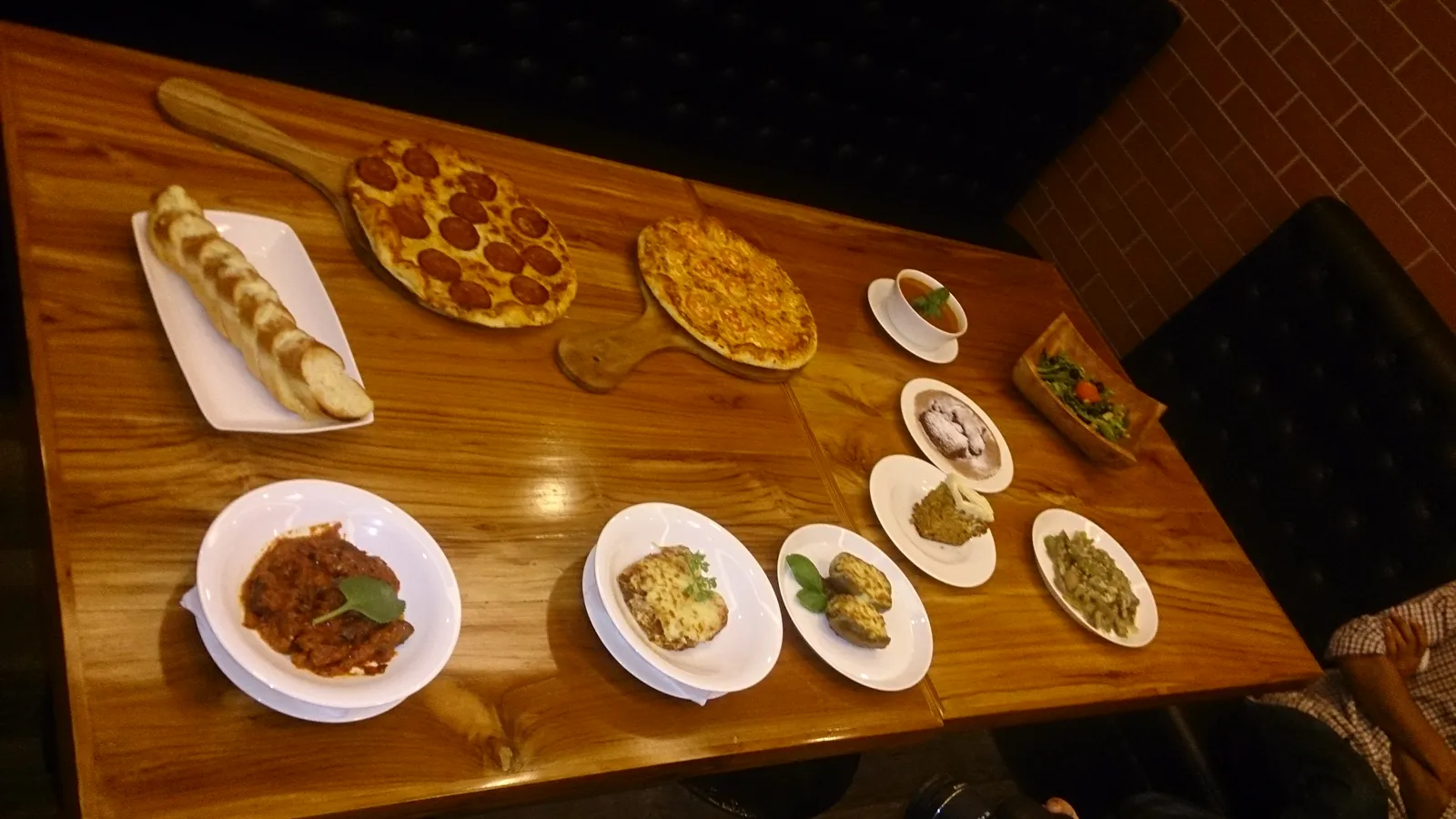
Many first-time visitors look at their bill and notice a small charge they never ordered. This is the coperto, a cover charge that appears on virtually every sit-down restaurant bill in Italy. The coperto most often applies to lunches and dinners, when enjoyed sitting down. It’s a standard and transparent part of Italian restaurant practice, not an add-on to avoid.
The Lazio region has banned line items labeled coperto since a 2006 regional law, so in Rome you’ll usually see a bread charge or a service percentage instead. It differs slightly by region, but the underlying principle is the same: sitting at a table carries a modest cost, separate from your food. Accepting this upfront makes the meal easier and the bill less jarring.
Meals Follow a Strict Course Structure
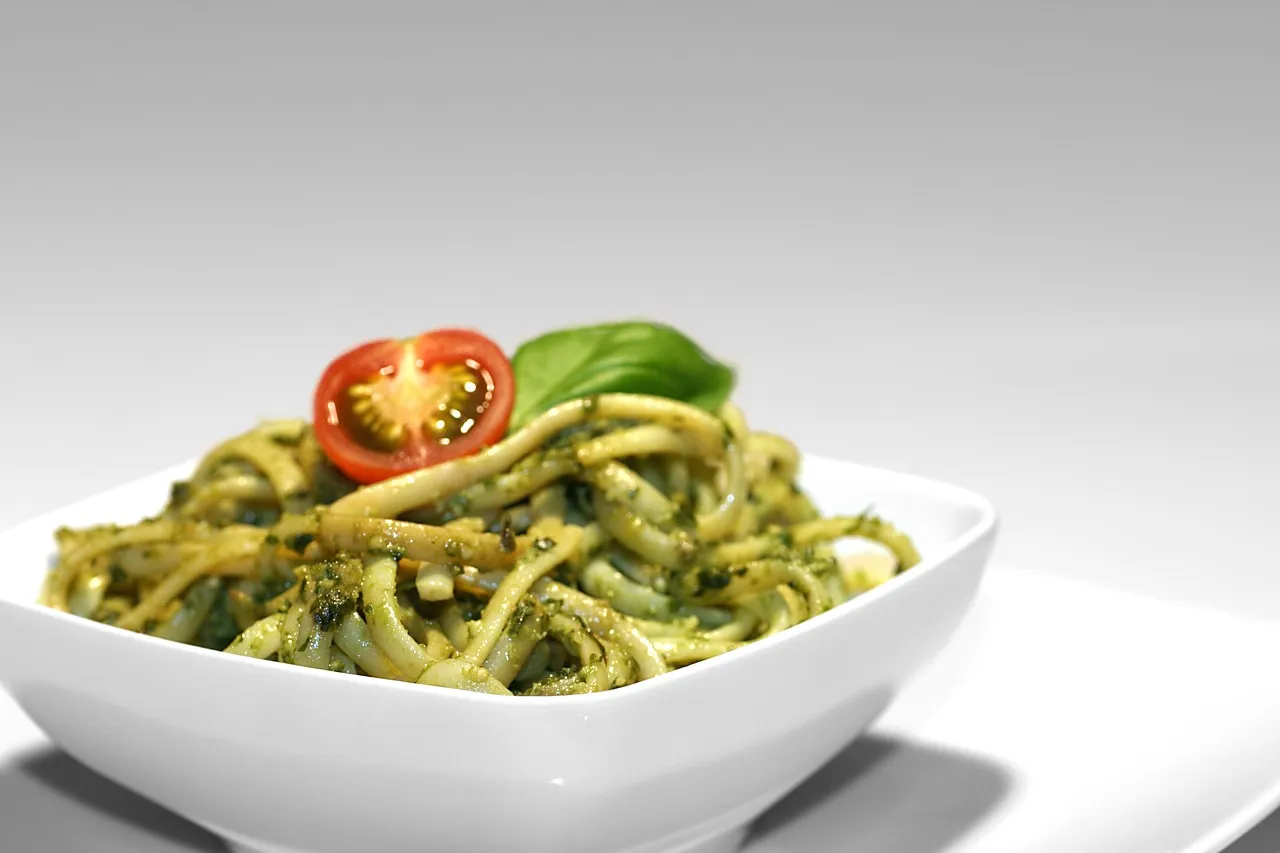
A full Italian meal follows a sequence: antipasto (starter), primo (first course – pasta, risotto, or soup), secondo (main course – meat or fish), contorno (side dish, ordered separately from the secondo), dolce (dessert), and caffè (coffee). Understanding this structure matters because it shapes how you read the menu and how your waiter interprets your order.
Most Italian restaurants don’t serve sides with the main dish – you usually just order the main protein. There is a separate list of contorni, or side dishes, that can be added to the meal. This surprises visitors who expect a protein to arrive with vegetables or starch already plated alongside it.
Italians in a formal meal setting follow this structure; in casual daily eating, most Italians eat a primo or a secondo but not both. So you’re not obligated to order every course. Choosing two or three thoughtfully is perfectly respectable, and quite normal.
Pasta Is a Course, Not a Side Dish
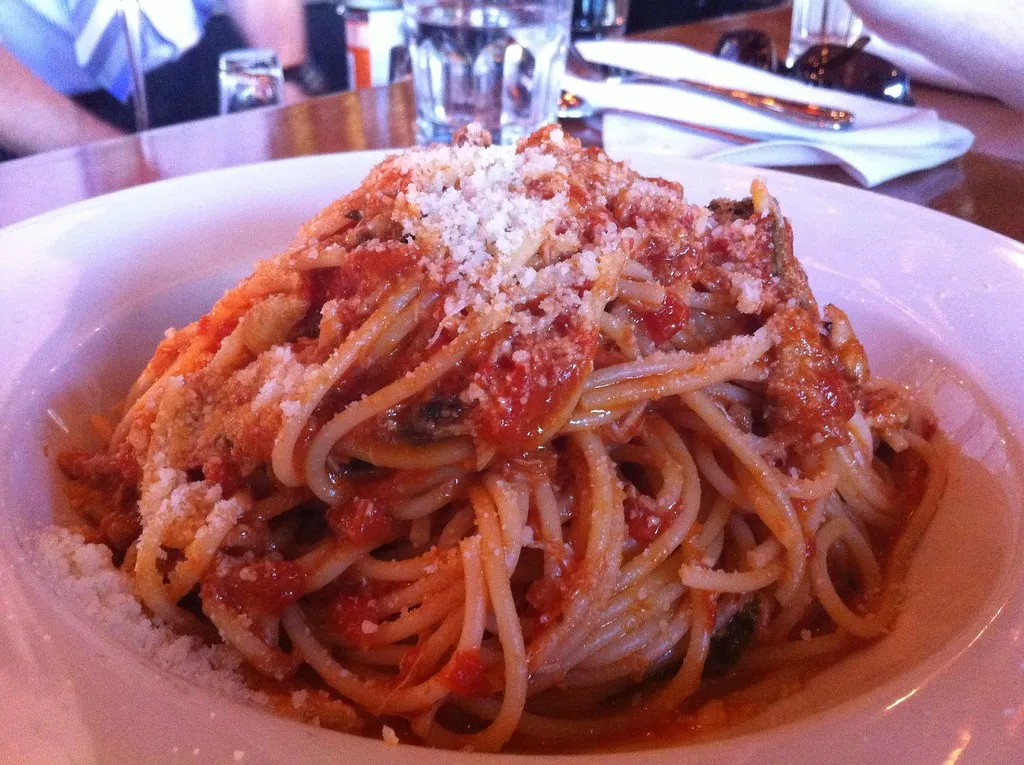
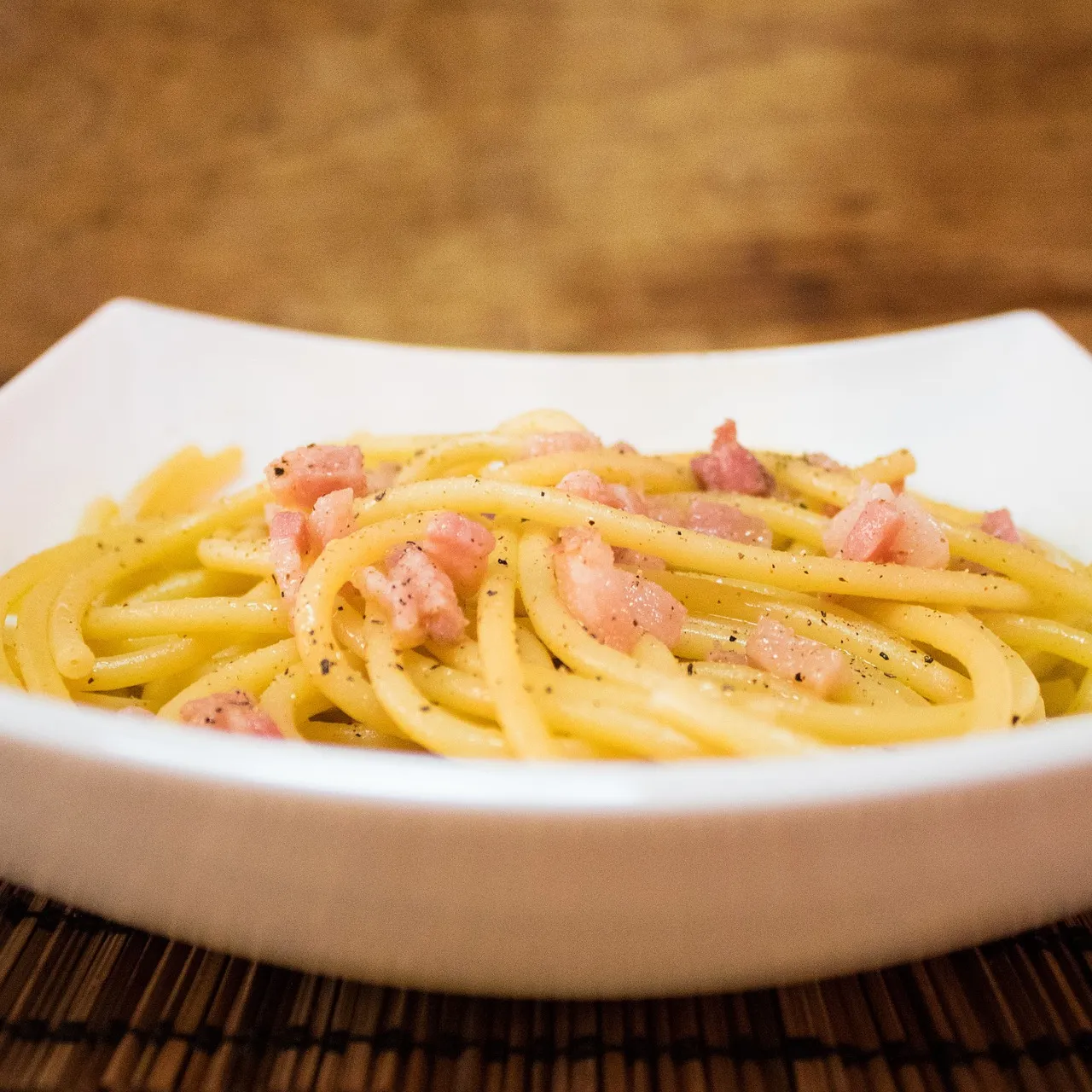
Pasta is a course, not a side. If you order pasta, that’s your course, not something to share alongside another main. This trips up visitors who come from food cultures where a pasta dish might be offered as an accompaniment to meat or fish. In Italy, that combination places two heavy mains on the table at once and disrupts the rhythm of the meal entirely.
Cutting pasta is something that is done for a child; adults roll the strands around a fork. It’s a small thing, but it speaks to how seriously Italians treat the craft of eating well, as opposed to merely eating fast. Pasta is meant to be handled properly, which is also just more enjoyable once you get the hang of it.
Cocktails Don’t Belong at the Dinner Table

For many travelers, vacation time means cocktail hour, and Italian vacation time means indulging in aperitivi like the Aperol or Campari Spritz. But these palate-whetting drinks are best enjoyed at a bar before sitting down to dine. Ordering a cocktail at lunch or dinner in a traditional restaurant or trattoria is a quick way to get side-eye from your server. The venue may not even be equipped to prepare it.
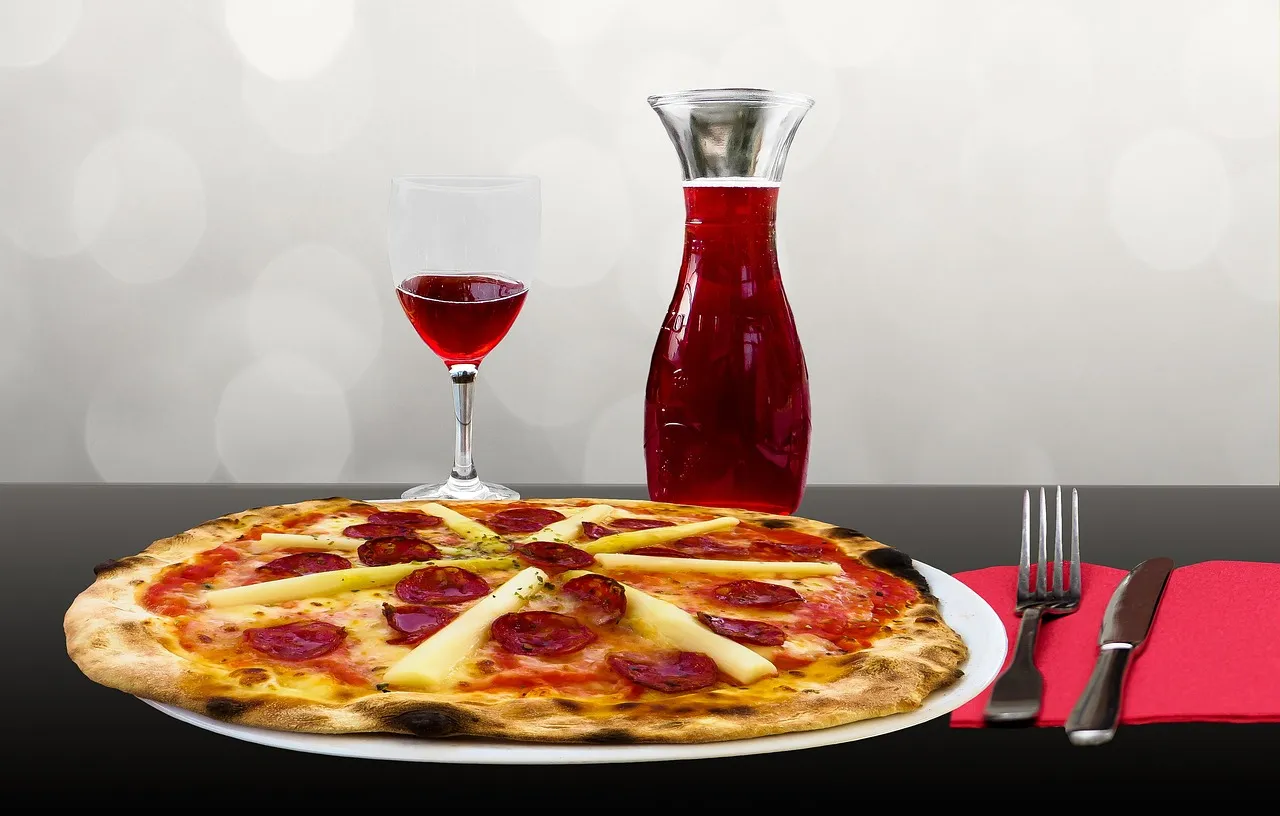
In Italy, there’s a clear cultural divide between “meal drinks” and “standalone drinks.” Coffee is for after the meal, not during. Wine and water are the standard companions to food – wine for the flavor, water for the balance. Still or sparkling water ordered alongside a carafe of house wine is the combination that keeps things both local and enjoyable.
The Bill Won’t Come Until You Ask for It
While not every dining experience is a leisurely, hours-long affair, most Italian meals do move at a relaxed pace. The staff will rarely rush you out, so try not to rush them, either. In Italy, leaving a table prematurely is considered rude – by the restaurant toward the guest. You own that table for the evening.
The flip side is that your server will also not bring the bill unprompted. Coffee is a ritual meant to be savored quickly at the counter. It’s common to stand, drink your espresso in one sip, exchange a few words with the barista, and move on. But at a sit-down restaurant, after coffee arrives, simply catch your server’s eye and ask for the conto. No hustle required on their end or yours.
Standing at the Bar Costs Less Than Sitting Down
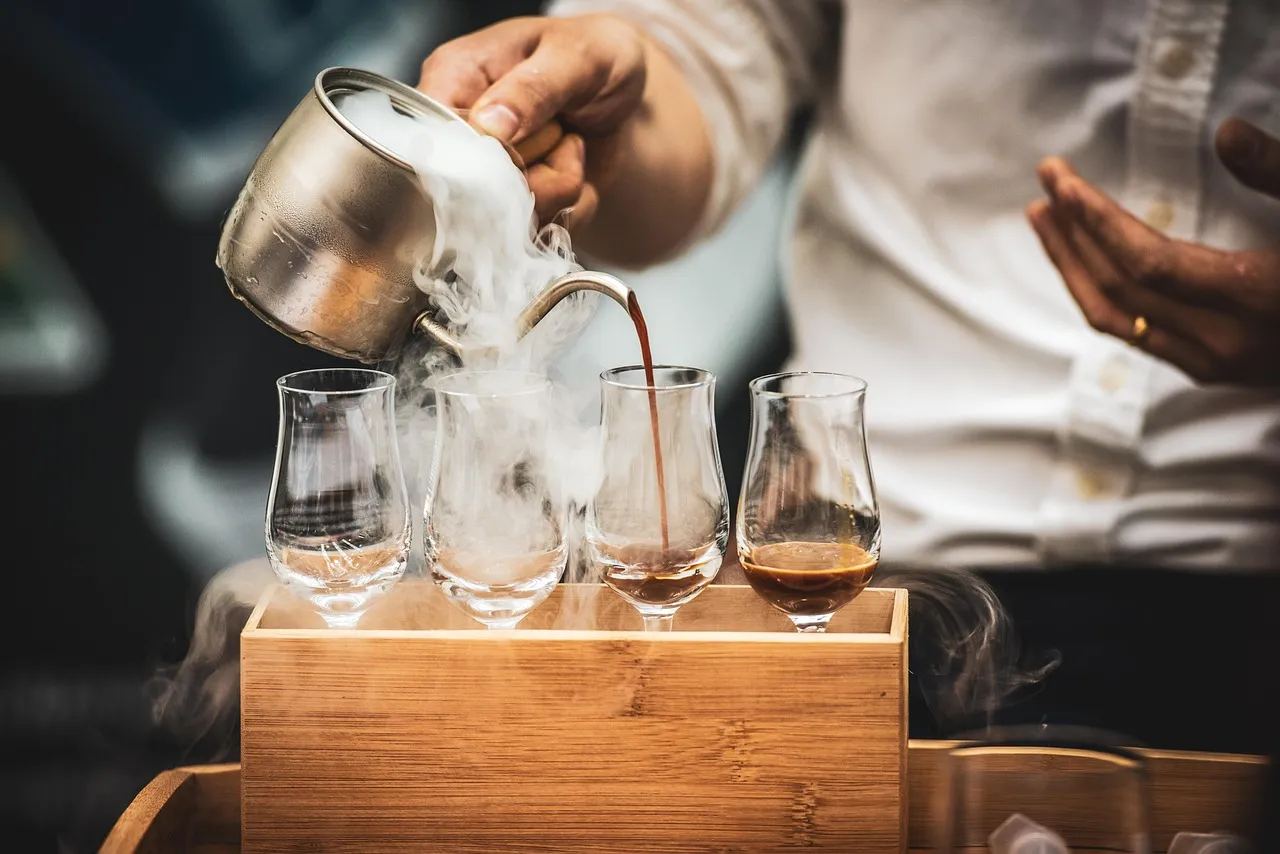
If you order your espresso or cappuccino at a café bar and drink a beverage while standing, you’ll pay for just the coffee. This is, in fact, what most Italians do. However, if you choose to sit down to sip or snack, you may have to pay a table charge equivalent.
Italians often drink espresso standing at the bar. You will save money, sometimes a lot, over sitting at a table. The morning espresso taken quickly at the counter, with a word or two exchanged with the barista, is one of the most distinctly Italian rituals there is. Visitors who discover it usually never forget it.
Tipping Works Differently Here
Tipping traditions are changing in Italy, and restaurants in popular tourist destinations are now used to receiving tips from American travelers. You can round up your bill or leave around 10% of the total. If you’re eating in a small local town, this won’t be expected, though it’ll surely brighten your waiter’s day. Card readers usually don’t have the option to add a tip, so carry some change with you.
Service charges are often included in the bill, especially at restaurants. It’s perfectly acceptable to round up or leave a small extra amount. Leaving 15 to 20 percent is not expected, and in some cases might even confuse the waiter. What Italians do appreciate, though, is gratitude. A sincere “Grazie mille!” or complimenting the meal often means more than a large tip.
Greeting the Staff When You Enter Is Expected
In Italy, it’s customary to greet the host or waitstaff when you enter a restaurant with a polite “Buonasera” or “Buongiorno.” Unlike in some countries where you might seat yourself, you should wait to be shown to your table. Walking in and sitting wherever you please can read as rude, even in casual settings. A brief greeting and a moment of patience signals that you understand how things work here.
Restaurant staff are accustomed to tourists and understand that some customs may be new to you. However, Italians take pride in their dining traditions, and making a small effort to observe local etiquette can transform your experience. You will be amazed at how greeting someone in their native language instantly warms them. A single word at the door can set the tone for an entire evening.
What These Customs Are Really About
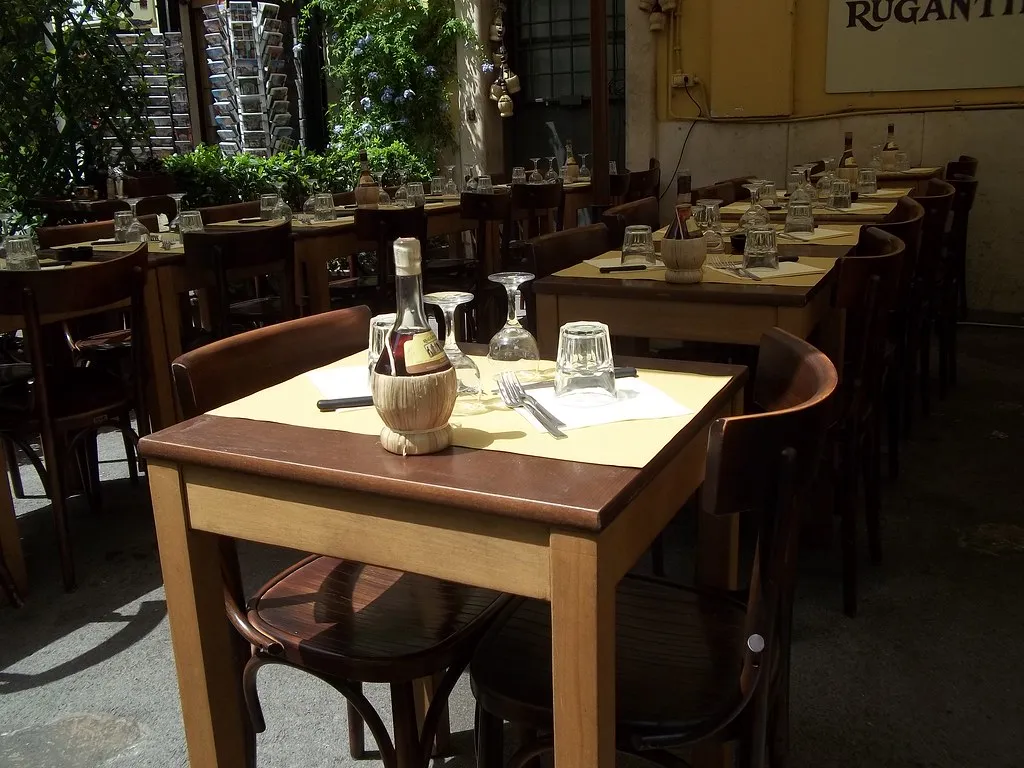
None of these habits exist to make visitors feel unwelcome. They exist because Italians have built a remarkably coherent culture around the act of eating together, one that prizes pace, sequence, and sensory attention over convenience. There’s a reason Italians dedicate a whole day to Sunday lunch. They believe that meals are meant to be shared. Meals are a moment for families to gather around to enjoy good food and good wine for a good time.
Italian etiquette has a name: galateo. The word comes from Giovanni Della Casa’s 1558 Florentine treatise on polite behaviour, which shaped table manners across much of Europe. Modern Italian dining is less rigid than that history suggests, but the underlying logic still holds. The table is still a place of real ceremony, even when it doesn’t feel formal. Knowing a few of these customs doesn’t just help you avoid awkward moments. It lets you settle in, slow down, and actually experience the meal the way it was meant to be enjoyed.
AI Disclaimer: This article was created with the assistance of AI tools and reviewed by a human editor.