
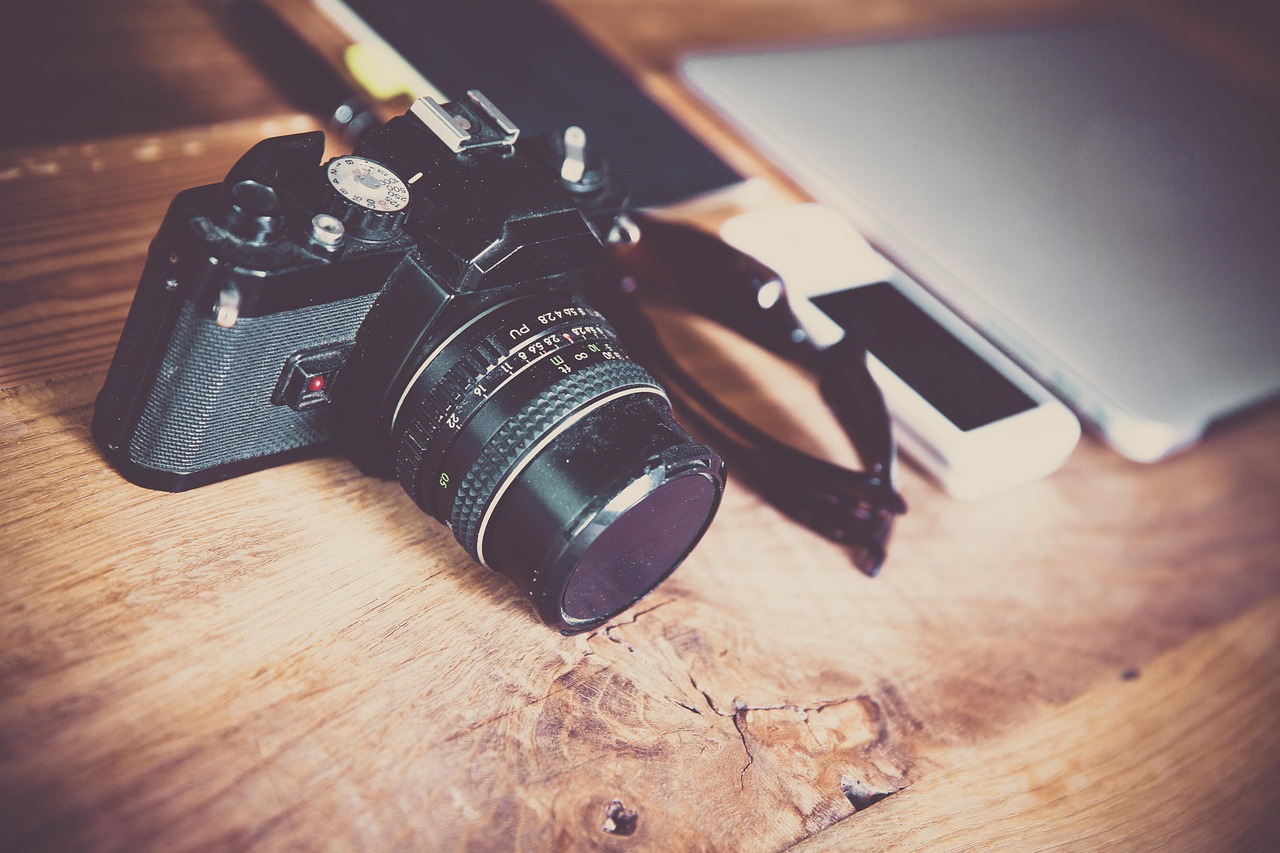

There’s something quietly radical about picking up a small plastic camera with 27 exposures and no screen. You can’t review your shot. You can’t delete it. You just point, press, and move on. In a travel world dominated by terabytes of smartphone images that rarely get looked at twice, that limitation is starting to feel like a gift.
The disposable camera is having a genuine, measurable comeback, and it’s not just a niche curiosity. From beach holidays in Spain to backpacking routes through Southeast Asia, travelers of all ages are rediscovering the particular pleasure of analog vacation photography.
The Numbers Tell a Real Story
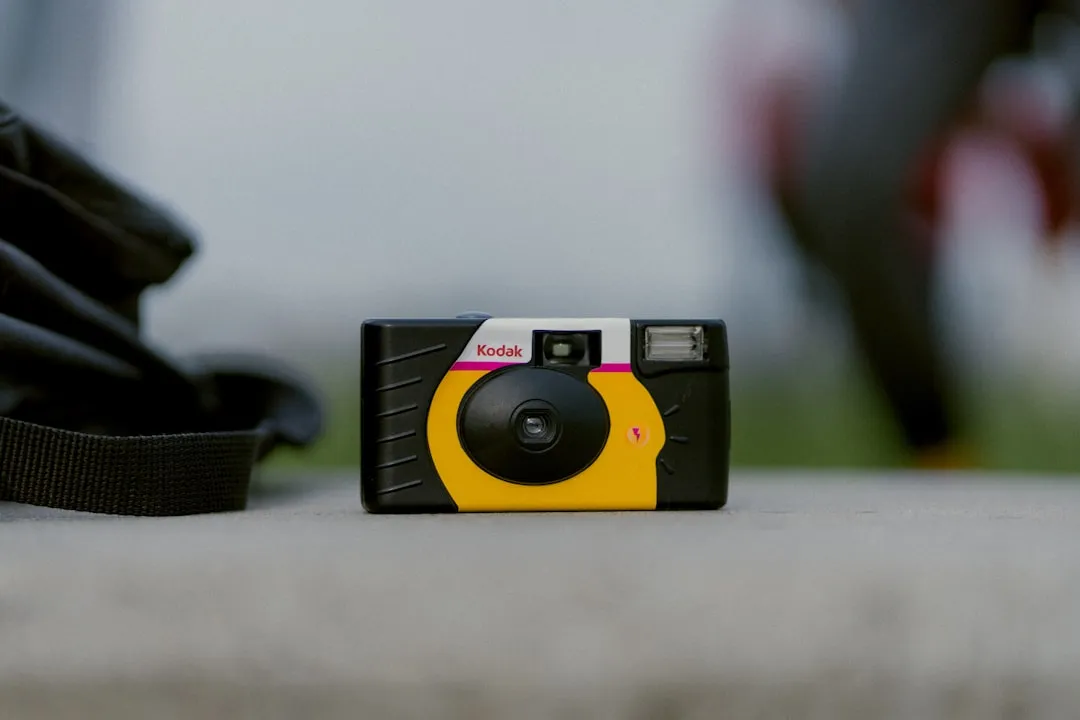
The global disposable camera market stood at roughly USD 978.8 million in 2024 and is projected to reach over USD 1.98 billion by 2034, growing at a compound annual growth rate of 7.3% between 2025 and 2034. That kind of sustained growth doesn’t happen by accident. Searches for film cameras, including disposable models, increased by 51% in 2024, driven by younger consumers seeking analog experiences, according to the Consumer Technology Association.
The Guardian reported a clear revival in 2024, pointing to rising film demand, more processing activity, and a wider return to imperfect, nostalgic photography. The market signal is consistent across multiple sources, which makes it harder to dismiss as a passing moment.
Gen Z Is Leading the Charge
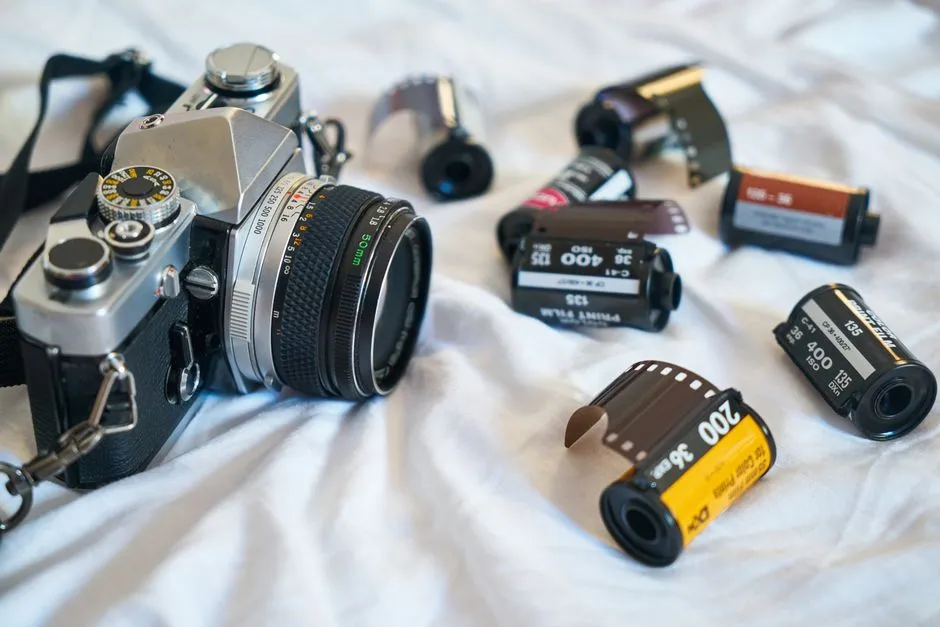
A key growth driver in the disposable camera market is the renewed interest in film-based photography among younger demographics. In 2023, over 63% of disposable camera sales came from consumers aged 16 to 34. That’s a striking majority, particularly for a product many people assumed was dying.
Generation Z and millennial consumers collectively represent the largest share of current disposable camera purchasers. Consumer surveys conducted in 2025 indicate that roughly 44% of personal use purchasers were aged between 18 and 35. The National Endowment for the Arts also reports that over 38% of young adults aged 18 to 29 engaged in film photography in 2024 to achieve authentic, tactile photo results.
TikTok and the Viral Power of Analog
TikTok hashtags related to disposable cameras have generated over 435 million views, underscoring the strong social media influence on this trend. The irony is not lost on anyone: analog photography is being amplified by the most digital of platforms. Yet the dynamic makes sense once you think about it.
Gen Z content creators are embracing disposable cameras for their grainy textures and unpredictability, offering a unique counter to digitally perfect smartphone photography. Rather than seeing grain, light leaks, and blurs as flaws, many photographers actively seek these qualities as marks of genuineness in a world of flawless digital images. The imperfection is precisely the point.
Why Vacation Feels Like the Perfect Setting
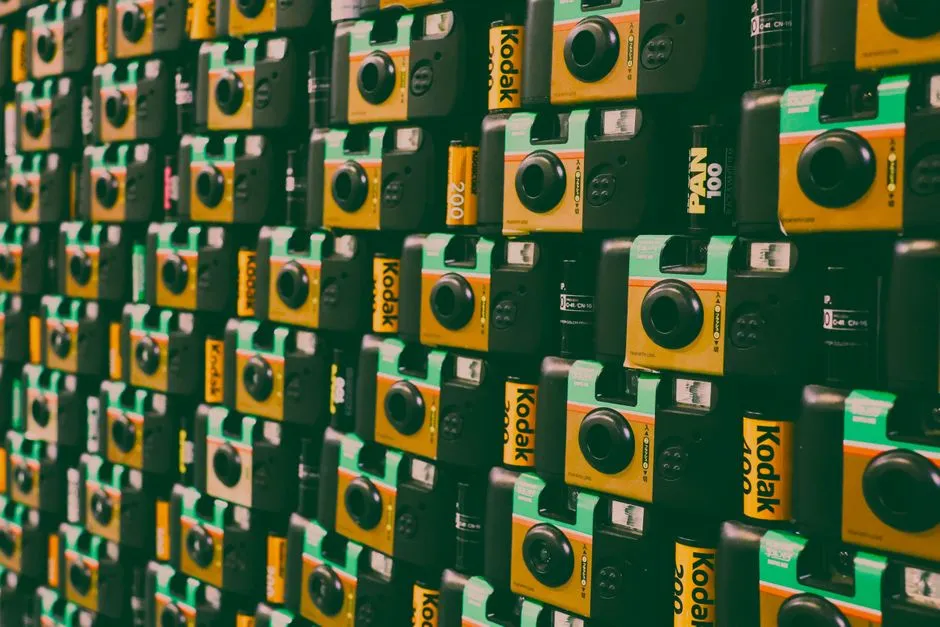
When traveling, whether for a road trip or an international vacation, the disposable camera offers a unique opportunity to disconnect from the world of instant sharing and digital notifications. With only a limited number of shots available, travelers are more mindful about what they capture. This mindfulness can lead to a more immersive travel experience, where the focus is less on achieving the perfect shot and more on enjoying the moments that matter most.
Retailers report that holiday and travel seasons contribute to over 40% of total annual disposable camera purchases. Summer trips, honeymoons, beach weeks, and mountain hikes all become occasions where people want a different kind of souvenir. Not a curated Instagram grid, but a small stack of real prints.
The Delayed Gratification Effect
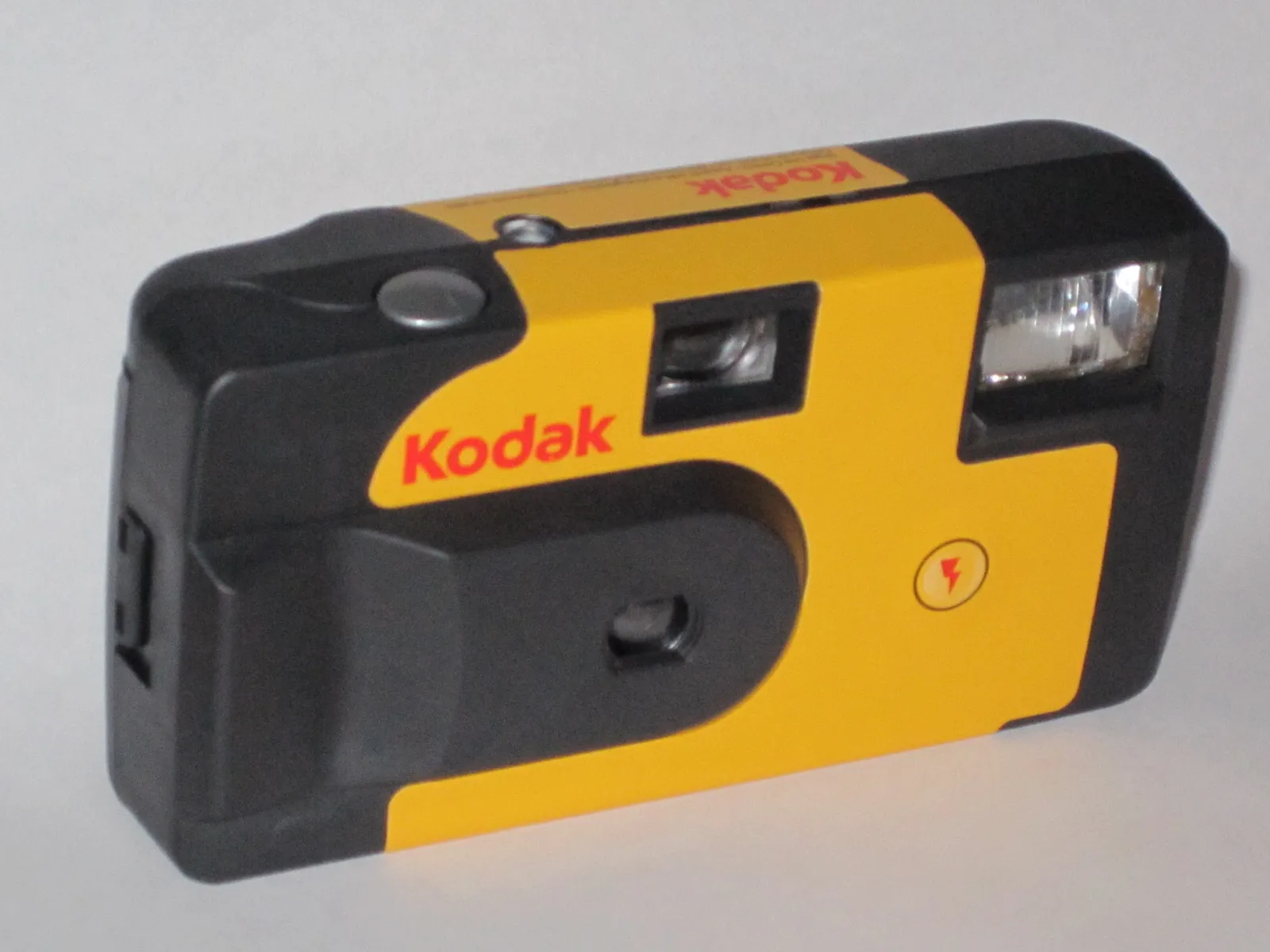
Disposable cameras are cost-effective and easy to use, and they let you experience the delayed gratification of pressing the shutter and hoping for the best, at least until you get your physical prints. That waiting period, which once felt like a frustrating inconvenience, has quietly transformed into a feature. You return home, drop off the roll, and a few days later hold something in your hand that feels like a small revelation.
You receive tangible pictures that you can hang up, frame, or store in albums, rather than digital files left to languish on a hard drive. There’s a permanence to a printed photograph that a camera roll simply doesn’t replicate. People are noticing that again.
Brands Are Responding Quickly
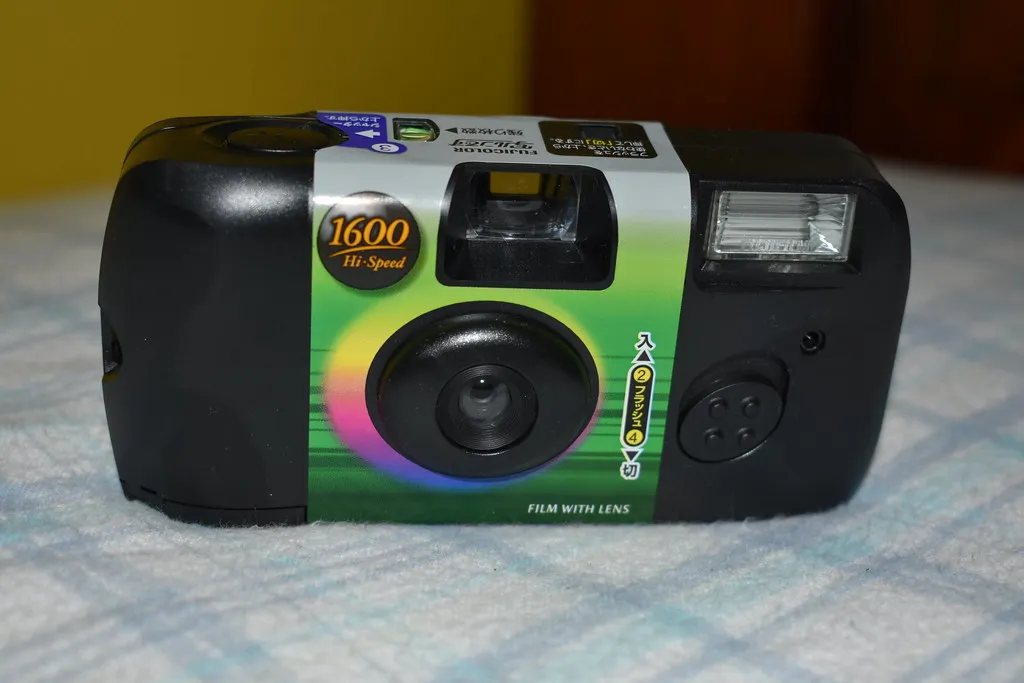
In June 2024, Kodak launched the FunSaver Ocean Series, a waterproof disposable camera designed for beachgoers and divers, partnering with major travel retailers like REI and Decathlon. The camera features improved waterproofing up to 50 feet and eco-friendly packaging. That kind of product investment reflects real confidence in the trend’s longevity.
In April 2025, Lomography released a new color splash reloadable disposable-style camera that includes colored flash filters and psychedelic film. The launch targeted Gen Z creatives on Instagram and TikTok, promoted through influencer unboxing campaigns across Europe and the U.S. Fujifilm also expanded its range of instant and disposable cameras with the Quicksnap launch in August 2025. Legacy brands are clearly taking this seriously.
Events and Celebrations Are Driving Demand Too
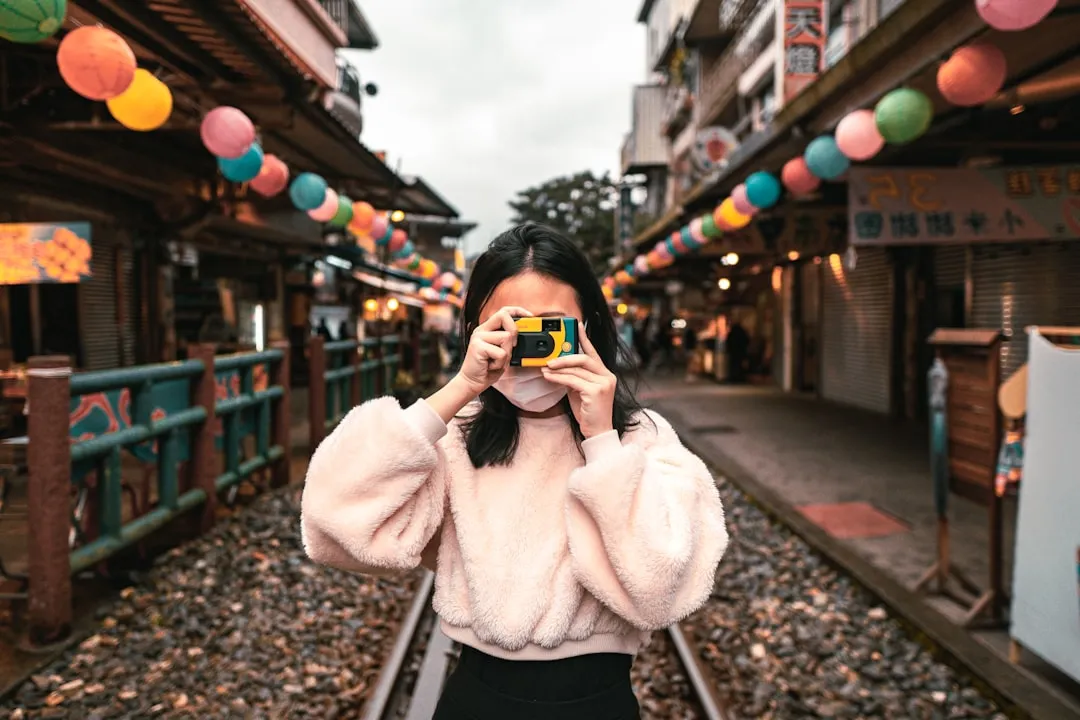
According to the International Photography Association, over 12 million disposable cameras were used at weddings and parties in the U.S. alone in 2024, highlighting a trend toward physical photo experiences. Couples placing cameras on guest tables has become a staple of modern wedding culture again. It’s one of those ideas that felt dated a decade ago and now feels genuinely thoughtful.
In the U.K., nearly 29% of weddings included disposable cameras as part of guest table setups. Industry surveys indicate that over 38% of North American and European couples incorporated disposable cameras into their 2024 wedding receptions. The event photography use case is one of the strongest drivers of sustained market growth.
The Environmental Question
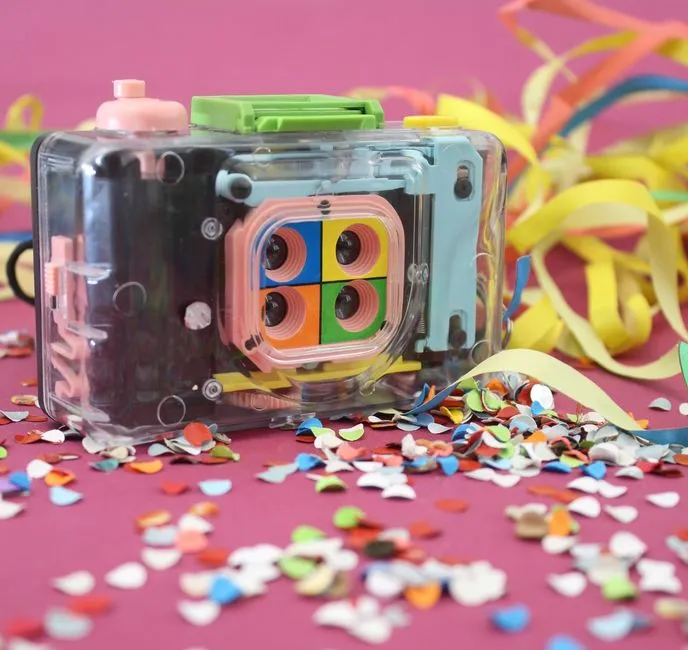
While the word “disposable” can raise environmental concerns, almost all parts of disposable cameras are recyclable. Some are even built to be reused a few times before they go in the recycling bin. That’s a more nuanced picture than many people assume. Responsible use and proper recycling make a meaningful difference.
The exponentially increasing awareness of sustainability is stimulating manufacturers to introduce environmentally friendly disposable cameras fabricated from reusable and biodegradable materials. According to the Environmental Protection Agency, over 3 million units of recyclable disposable cameras were sold in 2024, offering a sustainable growth avenue. The industry is moving in the right direction, though travelers who care about their environmental footprint should still choose brands that prioritize recycled materials and take-back programs.
A Global Appetite for Analog
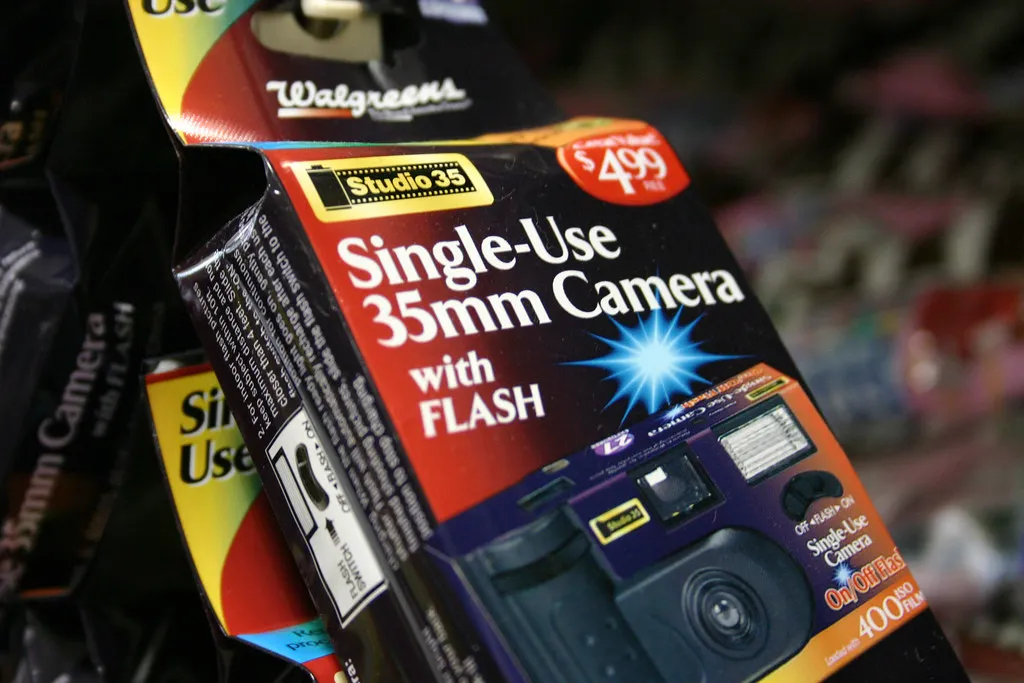
In 2023, the global disposable camera market was dominated by North America with a share of 35%, followed by Asia Pacific at 30%, and Europe at 25%. Asia Pacific emerged as the fastest-growing region, with a projected annual growth rate of 7.5%. The appeal is genuinely worldwide, not limited to one demographic pocket.
In China alone, the film photography trend has grown dramatically since 2022, with domestic film camera sales increasing by an estimated 35% year-over-year in 2024, according to retail market data from major platforms including Tmall and JD.com. France saw a spike in black and white disposable camera sales among art students and fashion houses, while German tourism agencies incorporated branded cameras into eco-tourism packages, particularly in Bavaria and the Black Forest.
What This Trend Really Says About How We Travel
This unexpected trend speaks to a growing desire for authenticity in the travel experience, away from the constant need to capture everything with a high-tech lens. When you only have 27 frames for an entire trip, you become selective in a way that smartphone shooting never demands. You start looking harder at what actually matters.
The sense of nostalgia is one of the main reasons the market has come back, especially for millennials and Gen Z. Whereas once these analog cameras were thought of as outdated, many now appreciate them for their old-fashioned feel and the fun of developing the film. There’s also something to be said for keeping the phone in your pocket during dinner, during a sunset, during a moment that deserves full attention rather than a capture.
The Quiet Joy of Not Knowing
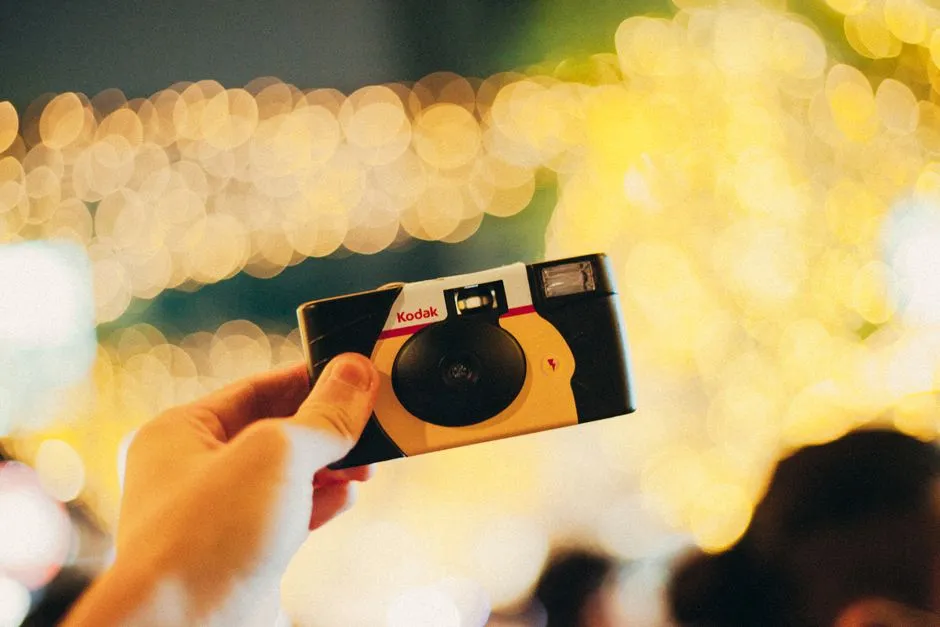
There’s a kind of photography that lived entirely in the unknown, before the review screen, before the delete button, before the endless retake. Disposable cameras carry that spirit directly into the present. The tactile nature of film photography, coupled with the anticipation of developing photos, has attracted a new generation of enthusiasts eager to explore the artistic potential of this medium.
The disposable camera market is undergoing a significant revival, driven by a powerful combination of nostalgia, the desire for tangible experiences, and strategic innovations. What that market data quietly confirms is something more personal: people are tired of perfect photos and hungry for real ones. A slightly overexposed shot of a shoreline at dusk, slightly blurred, a little grainy, may turn out to be the one image from a trip that actually stays with you.
AI Disclaimer: This article was created with the assistance of AI tools and reviewed by a human editor.