
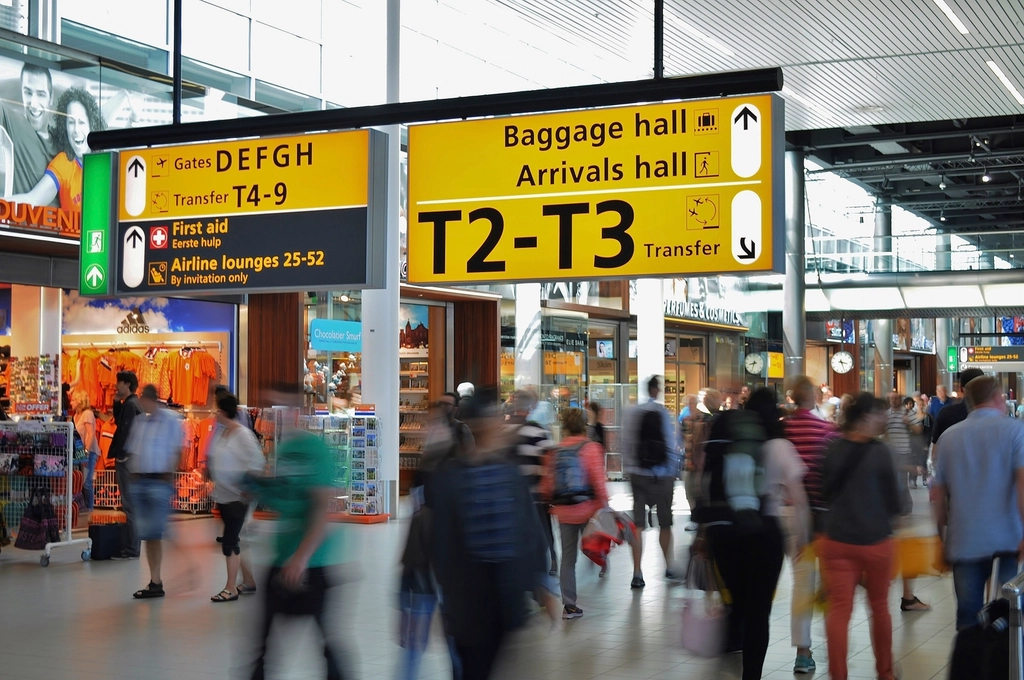
Picking up a bottle of whisky or a luxury perfume at the duty-free shop before boarding feels like one of travel’s small pleasures. The price is right, the packaging is beautiful, and you carry it aboard with complete confidence. Then, somewhere between your first flight and your connecting gate, that confidence quietly falls apart at a security checkpoint.
This scenario plays out at airports around the world every single day, and it almost always comes as a genuine surprise. The rules governing duty-free liquids on connecting flights are nuanced in ways that even frequent travelers often miss. Understanding them before you shop can save you both money and frustration.
The Foundation: Why the 100ml Rule Exists at All
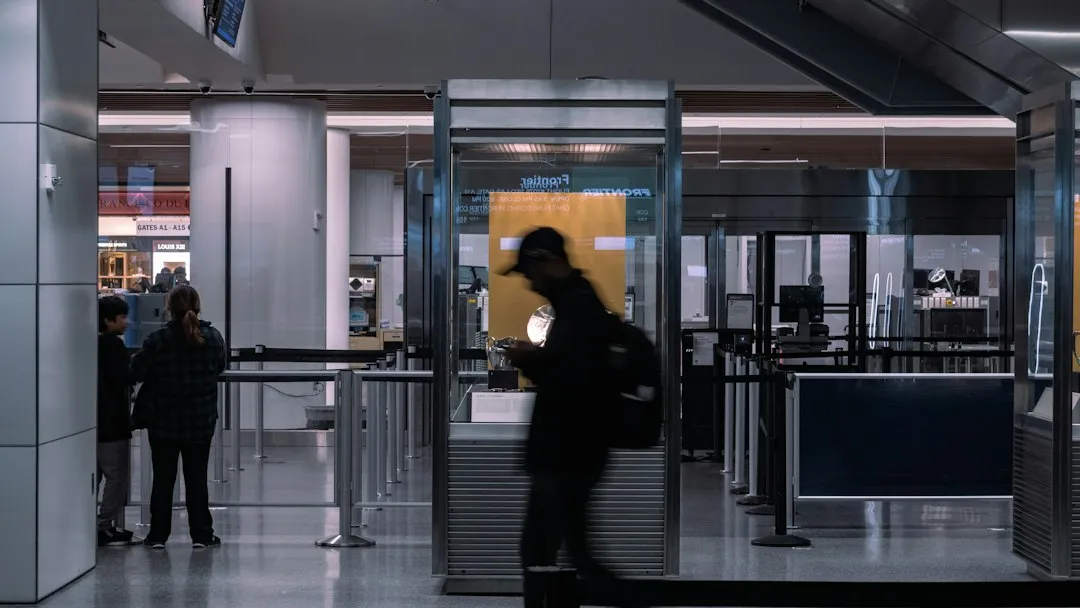
The 3-1-1 rule was created by the Transportation Security Administration in the USA and outlines the restrictions for carrying liquids on board a flight. The 100ml standard is broadly global. The International Civil Aviation Organization (ICAO) recommended it in 2006, and most member states adopted it. The rule was designed with a specific security concern in mind, not as an inconvenience, and it has shaped the experience of air travel for nearly two decades.
The TSA’s 3-1-1 rule limits what liquids, aerosols, gels, creams, and pastes you can bring in carry-on bags through airport security checkpoints in the United States. The rule enhances security by limiting the amount of these substances that you can bring on board. Knowing this baseline is step one. What surprises most passengers is how it interacts with their duty-free purchase when a layover is involved.
What “Duty-Free” Actually Means at Security
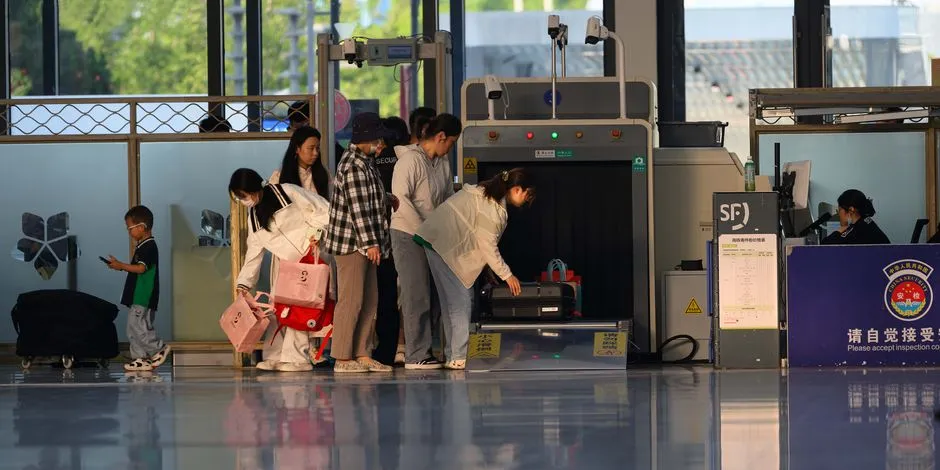
Liquids purchased after the security checkpoint, such as water, alcohol, or perfume from duty-free shops, are allowed in any size on a direct, nonstop flight. This part most travelers understand intuitively. The complication begins the moment a connecting flight enters the picture, because that second checkpoint treats your sealed bottle as an entirely new situation.
While it’s tempting to stock up on a bottle of liquor or perfume, remember that just because you bought it duty-free doesn’t mean it’s automatically allowed on board, especially with connecting flights. Those tamper-evident bags you get at the register are often key, but even they are not a magic solution. The distinction matters more than most people realize until it’s too late.
The STEB: Your Duty-Free Bag Has a Proper Name
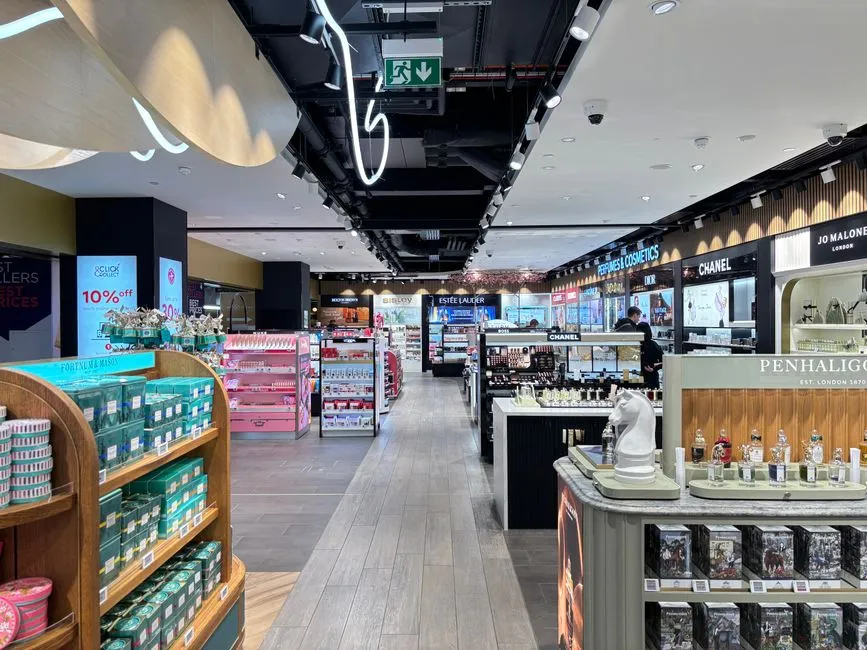
Duty-free bags, officially called Security Tamper-Evident Bags (STEBs), allow travelers to carry duty-free liquids exceeding 100ml without breaking airport security rules. While they may look like simple plastic packaging, they are engineered to ensure that items such as liquor, perfumes, and luxury goods remain sealed and secure from the point of purchase until passengers reach their final destination.
Unlike a standard retail shopping bag, an ICAO STEB combines transparent film, high-security tamper-evident closure, traceable identification, and receipt visibility so transfer passengers can move through international connections with a clearer chain of custody for duty-free liquids, aerosols, and gels. The STEB is not merely packaging. It is a security document in bag form.
The Three Conditions the TSA Requires
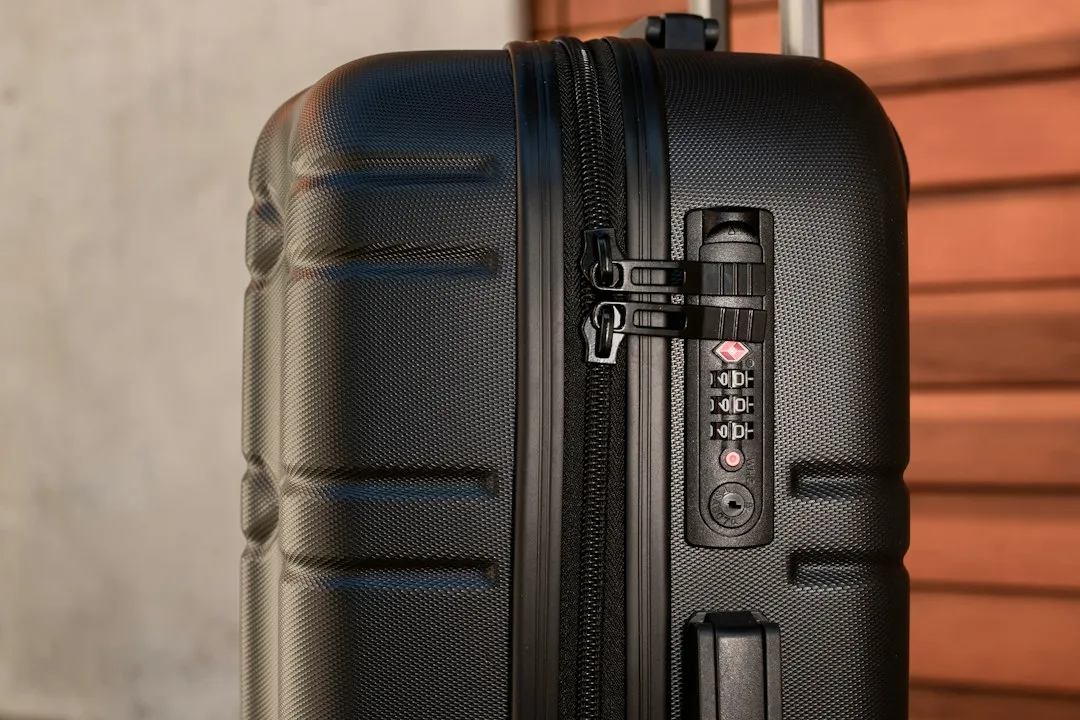
On an international flight connecting through the United States, TSA lets you carry duty-free liquids over the limit if they were bought internationally, sealed by the retailer in a transparent, tamper-evident bag that shows no signs of tampering, and accompanied by the original receipt dated within 48 hours. All three conditions must be met simultaneously, not just one or two.
The items inside the secure, tamper-evident bags must be screened and cleared. Any item that alarms or is unable to be screened will not be permitted in your carry-on bag. This is the clause that catches many travelers off guard. Even a fully sealed, compliant STEB can still be refused if the security equipment cannot get a clear reading of what is inside.
The International-to-Domestic U.S. Connection: The Riskiest Scenario
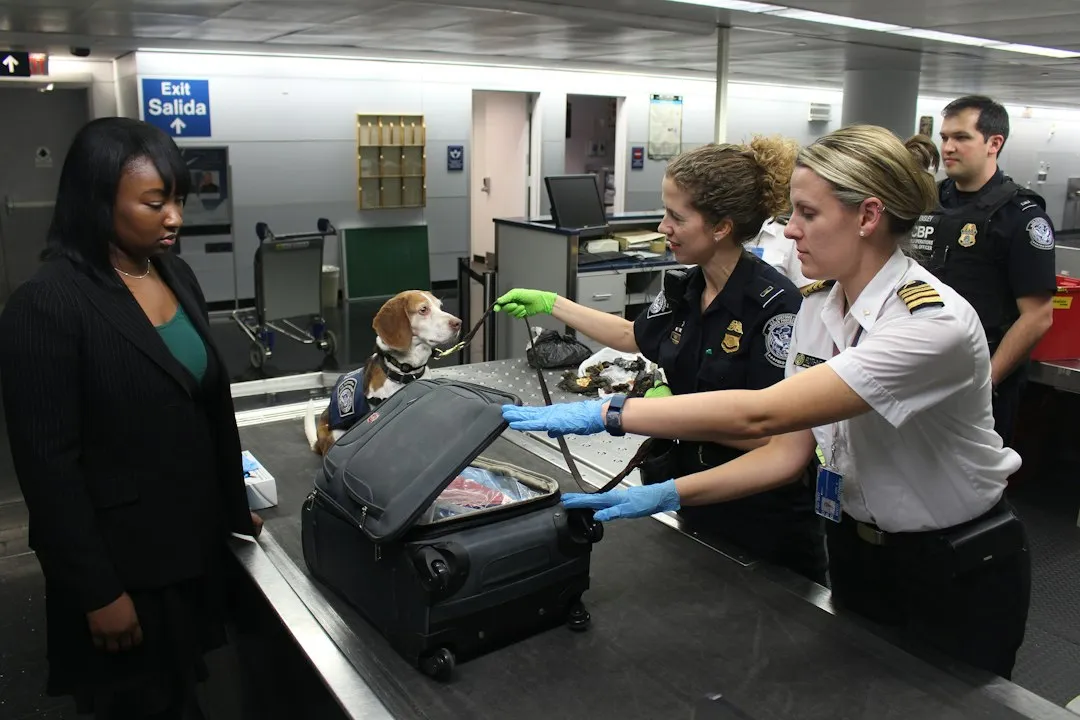
International to domestic U.S. connections mean you must clear customs and re-check duty-free purchases. Liquids over 3.4oz cannot go through domestic security. This is the situation that most frequently results in confiscation, and it surprises passengers who assumed their sealed bag would carry them all the way through.
If you are flying to the US and have a connecting domestic flight, you will be required to reclaim your checked bags prior to passing through customs inspection, so use this opportunity to place your duty-free liquids, aerosols, and gels in your checked bags before rechecking them for your connecting flight. That moment in customs is your window to solve the problem before it becomes one.
The Golden Rule: When You Buy Matters as Much as What You Buy
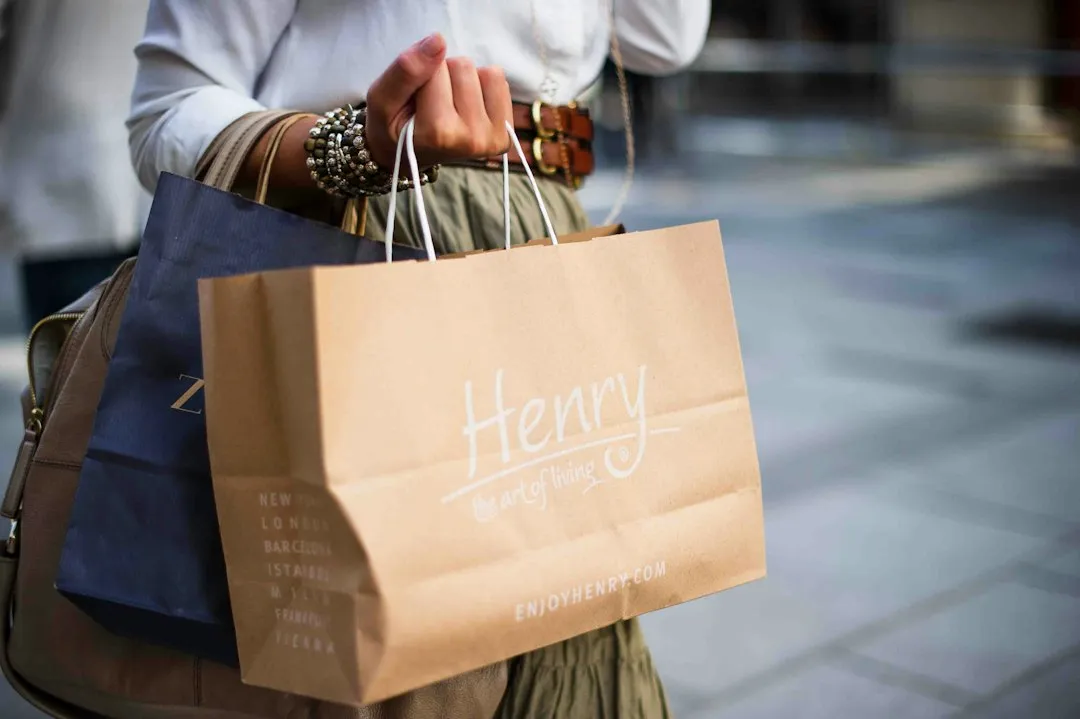
When traveling to an international destination with a connection, buy your duty-free liquid items on the last leg of your trip. This single piece of advice would spare countless travelers from watching their purchases disappear into a security bin. If your itinerary includes a layover with re-screening, shopping at your origin airport is the riskier choice.
If your connection requires re-screening, buy duty-free at your last departure point, not your first. Or ask the shop staff whether your routing is compatible. They hear the question daily and usually know the answer. Duty-free staff at busy international hubs are often well-versed in these nuances, and asking takes about thirty seconds.
Never Open the Bag Before Your Final Destination

If your journey includes a layover and a connecting flight, you must follow strict international transit rules to avoid having your expensive purchases confiscated at the security checkpoint. Even if you simply want to test a luxury perfume during a long layover, breaking the tamper-evident seal instantly invalidates the security status of the entire package.
If you open the sealed duty-free bag before your connection, security may treat the liquid as a regular carry-on liquid. If it is over 100ml, it could be confiscated. Break the seal, and the bottle is an oversized liquid like any other and can be seized. The integrity of that seal is the entire basis for the exception you are relying on.
How Rules Vary by Region: Europe, Asia, and Beyond
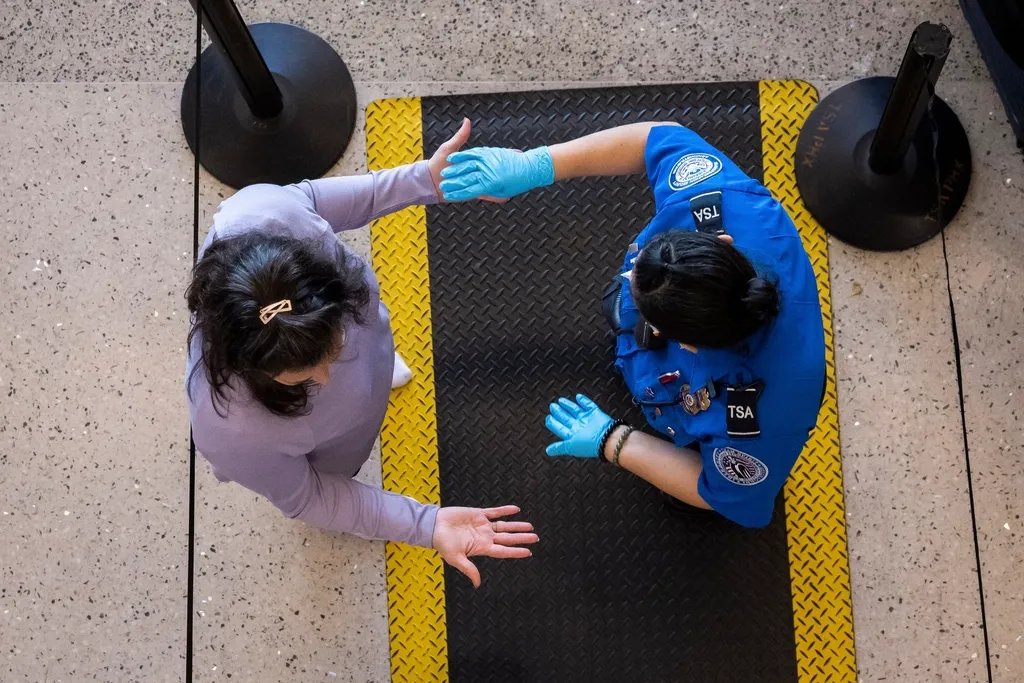
International to international connections within the EU are allowed if liquids are in sealed STEBs with a receipt showing purchase within 36 hours. Some airports, like Amsterdam Schiphol, may have specific restrictions on accepting duty-free liquids from certain non-EU countries, for example if you are connecting from the UK and the items were bought there.
Not every country follows the same policy. Some transit airports in Asia and the Middle East enforce their own liquid limits regardless of STEB status. If you are transferring outside the EU, the STEB bag may still be confiscated in transit, as different rules apply there. The geography of your connection is every bit as important as the paperwork inside your bag.
Evolving Technology Is Changing the Picture, but Slowly
With the rollout of advanced computed tomography (CT) machines, you may not have to remove your liquids from your bags in some airports, though TSA liquid limits still apply. The TSA says the goal is to keep laptops and 3-1-1 liquids inside of the bag during checkpoint screening. As of last July, these CT scanners, which provide security screeners with a 3-D image of what is in your bag, were in 255 airports across the country.
Some airports have installed next-generation CT scanners and at times relaxed the 100ml rule, then reinstated it, so the limit has been inconsistent at a few European hubs. In 2024 and 2025, some UK airports temporarily reverted to strict 100ml limits after initially relaxing rules, creating confusion for travelers. Technology is moving forward, but unevenly, and travelers should not assume that upgraded scanners at one airport mean the same freedom at their next one.
The Safest Strategy for Every Itinerary
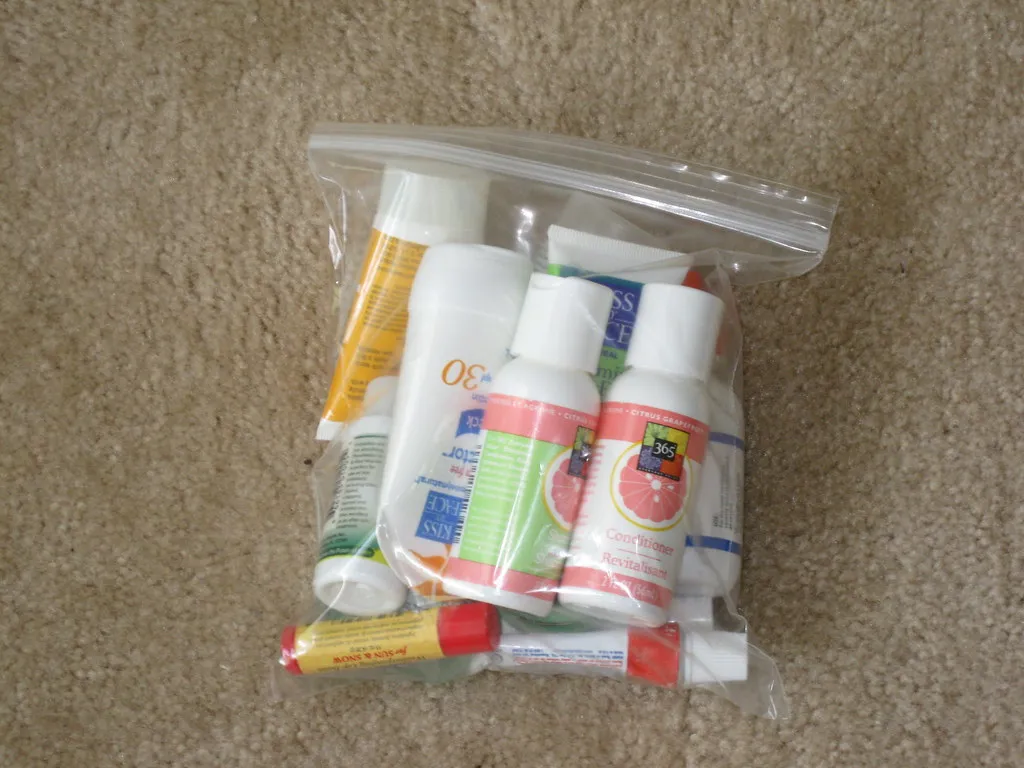
The TSA recommends packing all liquids, gels, and aerosols that are over 3.4 oz or 100ml in your checked baggage, even if they are in a secure, tamper-evident bag. This recommendation is the most reliable safety net available to any traveler with a connection. The 3-1-1 rule applies only to carry-on bags. Checked luggage has no liquid size restrictions.
The main way to carry duty-free liquids over the standard 100ml limit in your carry-on is by ensuring they are packed in a special, transparent, security tamper-evident bag by the retailer at the time of purchase. The bag must remain sealed until you reach your final destination. The original receipt must be inside the sealed bag and show the purchase was made within the last 48 hours. If checking a bag is not an option, following these three conditions precisely is the closest thing to a guarantee available.
A Traveler’s Checklist Before You Shop Duty-Free

The critical element is understanding the regulations of each airport and country involved in your trip. A sealed bag and receipt might work at your departure point, but what about the rules at your transfer airport? Before you reach for that bottle of cognac or the expensive skincare set, take a moment to map your routing and identify every security checkpoint between you and your front door.
If you’re flying internationally, the rules can change depending on the airport you’re departing from. Ask the duty-free staff, check the transit airport’s official guidance, and when in doubt, buy at your final departure point rather than your first. Treat 100ml as the safe assumption for any international checkpoint and check your specific departure airport if you are counting on a higher allowance. A small amount of pre-trip research is far easier than watching a pricey purchase disappear into a bin.
The Takeaway
The duty-free liquid rule is not designed to trip travelers up. It exists because every connecting flight represents a new security boundary, and sealed bags with visible receipts are the aviation world’s way of bridging those boundaries gracefully. The system actually works, when travelers know how to use it.
The real issue is that duty-free shops sell the dream of a seamless purchase, while the responsibility of navigating the rules rests entirely with the passenger. Knowing the three TSA conditions, keeping the STEB sealed, buying on your last leg when possible, and defaulting to checked luggage when connections get complicated, these habits cost nothing and preserve both your purchase and your peace of mind.
AI Disclaimer: This article was created with the assistance of AI tools and reviewed by a human editor.