The Early-Bird Booking Window That Locks In the Best Cruise Cabins
Timing a cruise booking feels deceptively simple until you’ve lost your preferred cabin to someone who planned six months ahead of you. The difference between a balcony stateroom with a sweeping ocean view and an interior cabin near the engine room often comes down not to luck, but to when you clicked “reserve.”
Demand for cruise travel has never been stronger. AAA projects cruise bookings will rise 4.5 percent in 2026, with 21.7 million Americans expected to set sail. With those numbers, the window for securing the best berths is narrowing every season. Here’s what you genuinely need to know.
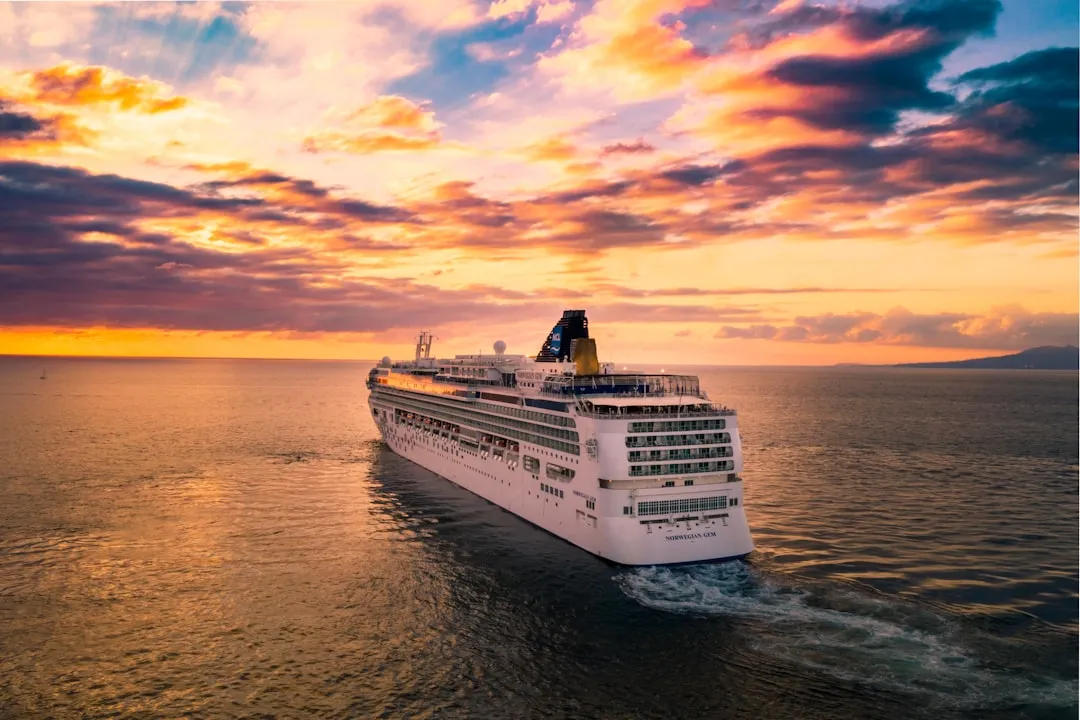
The Golden Rule: Six to Twelve Months Out
The Golden Rule: Six to Twelve Months Out (Image Credits: Unsplash)
Booking six to twelve months in advance is often considered the golden rule for securing the best prices and cabin choices, and at this stage cruise lines offer early-bird promotions that can include discounted fares, free onboard credit, or cabin upgrades. This window gives you access to the widest inventory before popular categories sell out. You’ll also have access to a wider variety of cabins, including coveted balcony suites and family cabins that offer breathtaking ocean views. For most travelers on most itineraries, this is the sweet spot that balances choice, pricing, and planning flexibility.
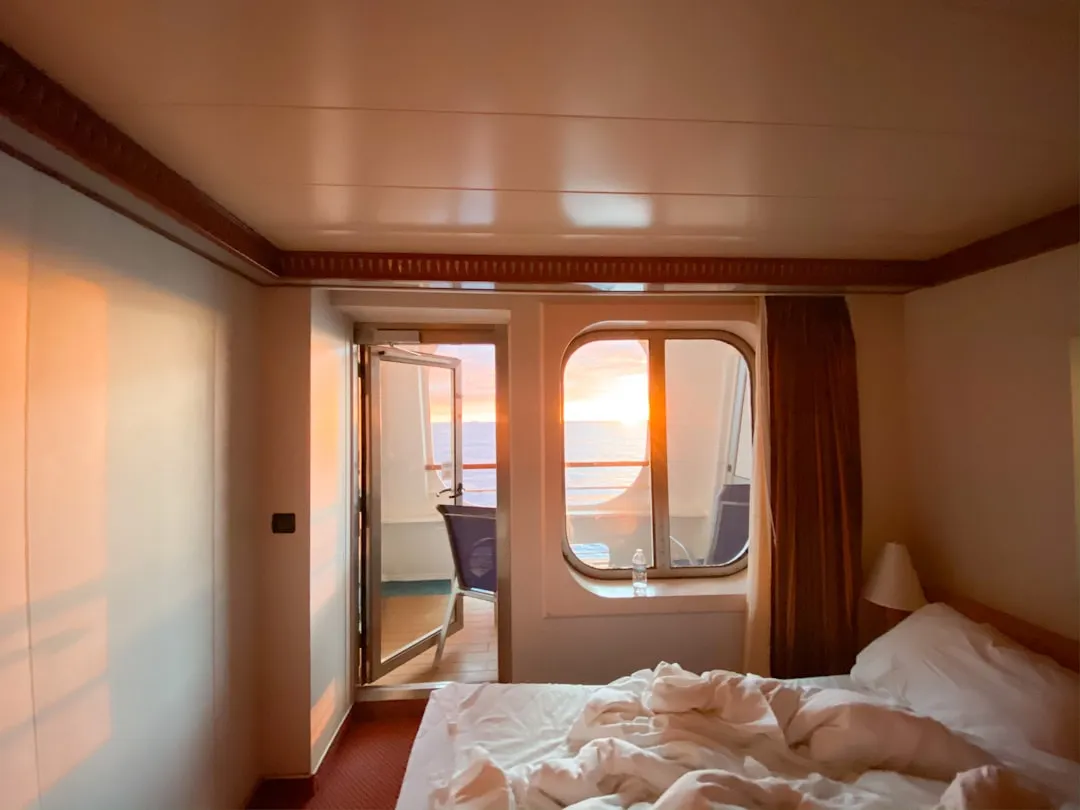
Why the Best Cabins Vanish First
Why the Best Cabins Vanish First (Image Credits: Unsplash)
One of the biggest advantages of early booking is having the first pick of the best cabins, and booking early means you get access to premium cabin categories and prime locations on the ship before they sell out. Mid-ship cabins on lower decks, for instance, are prized for stability at sea and tend to disappear quickly. The longer you wait, the more likely you’ll be left with limited choices or less desirable locations. It’s a straightforward supply-and-demand situation that plays out on virtually every sailing.
How Prices Actually Move Over Time
How Prices Actually Move Over Time (Image Credits: Unsplash)
Cruise lines typically roll out their best prices and biggest promotions when itineraries are first released, and these early-bird deals are designed to encourage advance bookings. As sailing dates approach and ships fill up, prices tend to rise. That said, cruise lines use yield management to price their products based on how many cabins are filled and how long is left to fill them. If the sell rate is strong, they may consider increasing prices, but if they haven’t sold enough cabins, they may lower prices. The key word there is “may.” Counting on a last-minute drop is a gamble, not a strategy.
What Early Bookers Actually Save
What Early Bookers Actually Save (Image Credits: Unsplash)
Early cruise bookers typically save 15 to 25 percent off brochure rates, plus perks worth $500 to $2,000 more per couple, according to the CLIA 2024 State of the Cruise Industry Report. Those perks often include onboard credit, complimentary drink packages, or prepaid gratuities. This savings range applies specifically to popular itineraries in balcony and suite categories. When you factor in the combined value of fare reduction and bundled perks, the early-booking advantage becomes difficult to argue against.
Wave Season: The Industry’s Biggest Sales Event
Wave Season: The Industry’s Biggest Sales Event (Image Credits: Pixabay)
Wave Season is the cruise industry’s equivalent of the January sales, running broadly from the first week of January through to the end of March, when cruise lines launch their most competitive fares, best onboard credit offers, and most generous upgrade incentives of the year. Timing your early booking to coincide with Wave Season can stack two advantages simultaneously. Wave season is the cruise industry’s biggest sale period, typically running from January to March, though sales are starting earlier than ever. In 2025 and 2026, several major lines launched their Wave Season promotions as early as December.
High-Demand Itineraries Need an Even Longer Lead Time
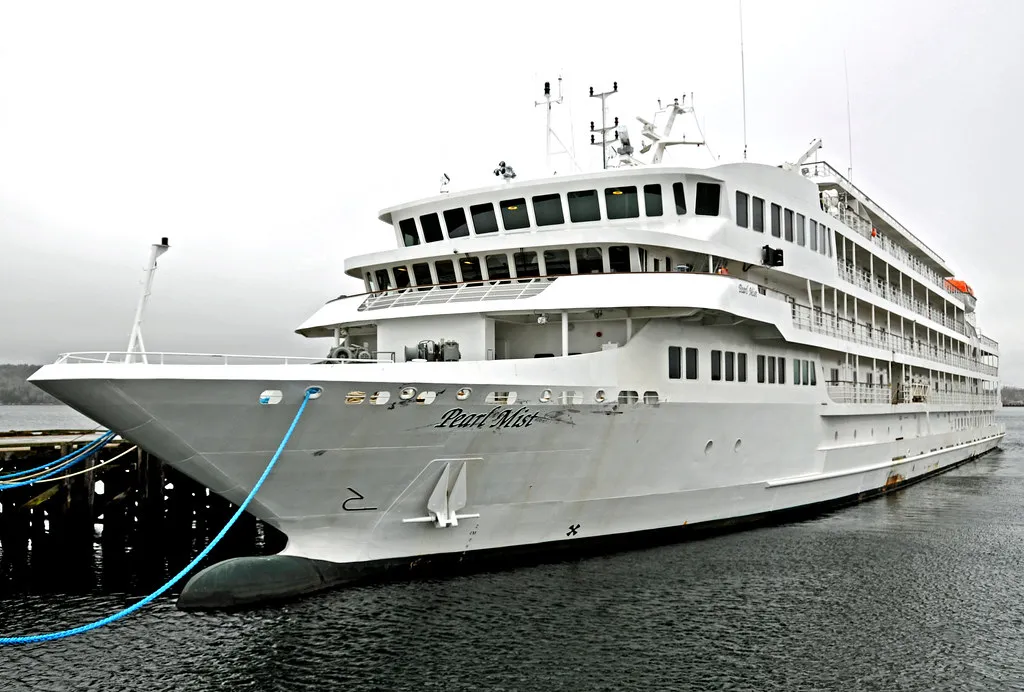
High-Demand Itineraries Need an Even Longer Lead Time ([email protected], Flickr, CC BY-SA 2.0)
For the best value and cabin selection, aim to book six to twelve months in advance. If you’re eyeing a high-demand itinerary like Alaska or a holiday sailing, bumping that up to eighteen months ensures you get the specific deck and room category you want. Europe is a similar story. European summer is now the most in-demand cruise season globally, according to CLIA’s 2024 State of the Cruise Industry data, with ships repositioning from the Caribbean to Europe for summer filling faster than at any point in the industry’s modern history. Barcelona, Rome, Athens, and Dubrovnik-based sailings are the first to reach capacity.
Holiday Sailings Are a Different Category Entirely
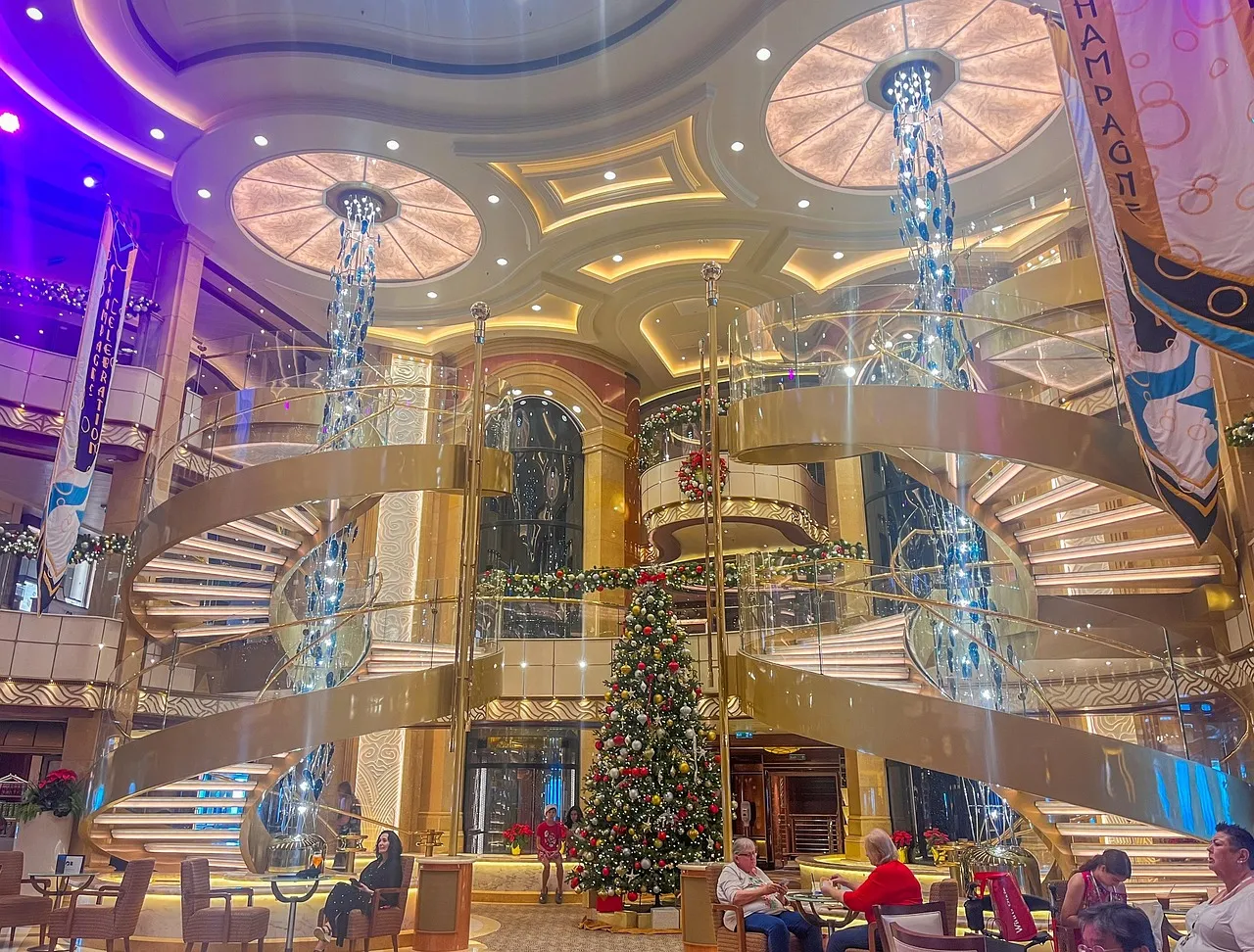
Holiday Sailings Are a Different Category Entirely (Image Credits: Pixabay)
Christmas and New Year’s cruises are among the most consistently premium-priced, demand-heavy sailings in the industry, and they book up to eighteen months in advance for suites and premium categories. The pricing reflects that demand clearly. The fare premium for holiday sailings runs 30 to 50 percent above an equivalent October sailing on the same ship, and unlike peak-season Caribbean sailings, that premium does not soften at the last minute. For these specific dates, there is effectively no benefit to waiting.
Luxury and Expedition Cruises: Book Early or Miss Out
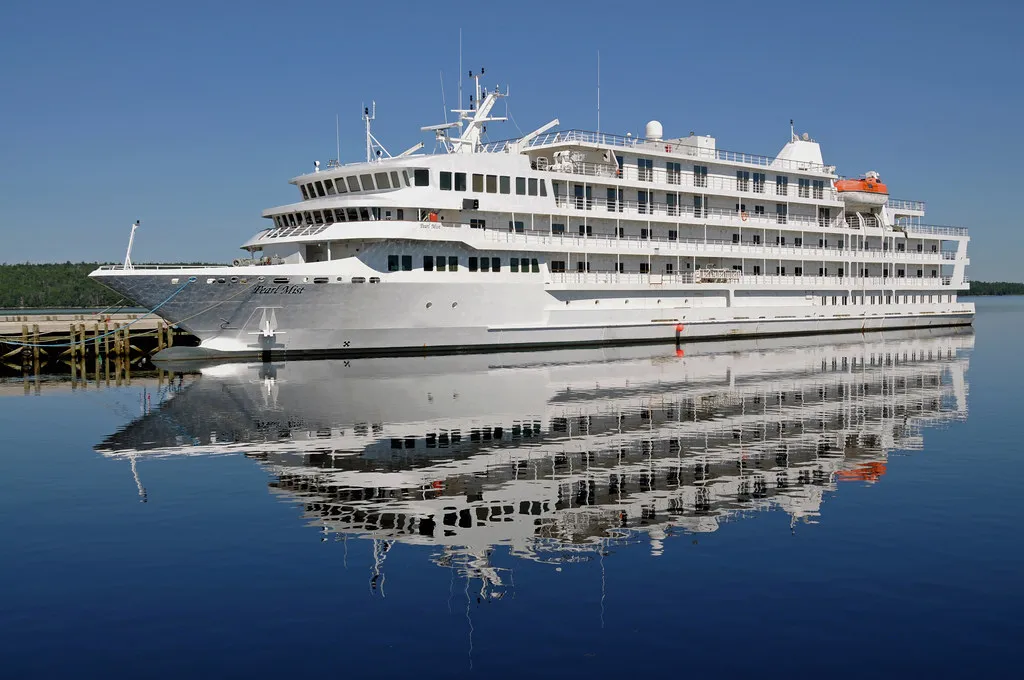
Luxury and Expedition Cruises: Book Early or Miss Out ([email protected], Flickr, CC BY-SA 2.0)
Luxury lines like Regent, Silversea, and Seabourn see popular voyages sell out eighteen or more months ahead of departure. Ships are small, carrying 500 to 750 guests on most luxury vessels, and the audience for expedition-style itineraries books early and decisively. The numbers back this up starkly. A 150-day sailing on Regent’s Seven Seas Mariner planned for 2025 sold out in June 2022, two and a half years in advance, because past passengers filled the ship during its preview sale. The public never had a chance to book. That’s an extreme example, but it illustrates just how compressed the real window can be at the premium end of the market.
Loyalty Status Opens the Door Even Earlier
Loyalty Status Opens the Door Even Earlier (Image Credits: Pixabay)
Those with loyalty status may be allowed to book brand-new sailings before the general public. Disney’s Pearl Members, the highest tier of the Castaway Club, can book new sailings four days prior to the general public, while Royal Caribbean usually allows Crown and Anchor Society members access to new bookings 24 hours ahead of others. Those extra days matter enormously when desirable cabin inventory is limited. Building loyalty with a preferred cruise line pays dividends that go well beyond a welcome-back gift in your stateroom.
Price Protection Removes the Risk of Booking Early
Price Protection Removes the Risk of Booking Early (Image Credits: Pexels)
Most major cruise lines have best price guarantee programs that adjust your fare if the price drops before final payment. Royal Caribbean, Celebrity, Norwegian, Holland America, and Princess all offer programs that protect early bookers from overpaying if a promotional price later undercuts what you locked in. This removes one of the most common objections to booking early. These programs mean that locking in a cabin early is not a one-way bet. You secure the cabin and the perks upfront. If prices soften later, you ask for the adjustment, and you end up with the lower price and the original perks intact.
The Booking Window by Destination at a Glance
The Booking Window by Destination at a Glance (Image Credits: Pixabay)
Based on an analysis of over 270 sailings, the six to twelve month booking window is the right default for most travelers, balancing cabin selection, promotional pricing, and planning flexibility. For Alaska, Antarctica, and holiday sailings, twelve to eighteen months is the minimum safe window, with earlier being better. Travel data on European itineraries reinforces this further. The booking window for cruises to Europe is more than 360 days for roughly a third of all bookings, with another substantial share made 270 to 359 days before the sail date. These aren’t outliers. They’re the travelers who actually got the cabins they wanted.
A Practical Takeaway
A Practical Takeaway (Image Credits: Pexels)
The best cruise cabin is rarely the one you find on short notice. It’s the one you reserved while other travelers were still thinking about it. The data from CLIA, AAA, and booking platforms consistently points to the same conclusion: the early-booking window is not about being overly cautious or rigid in your travel plans. It’s about understanding how cruise inventory actually works and making it work in your favor.
Booking early locks in early-bird perks like lower deposits and onboard credits that often outweigh eleventh-hour discounts. Pair that with a price guarantee program, and there’s very little downside to acting sooner rather than later. The ocean will still be there when you arrive. Your preferred cabin may not be.
AI Disclaimer: This article was created with the assistance of AI tools and reviewed by a human editor.