


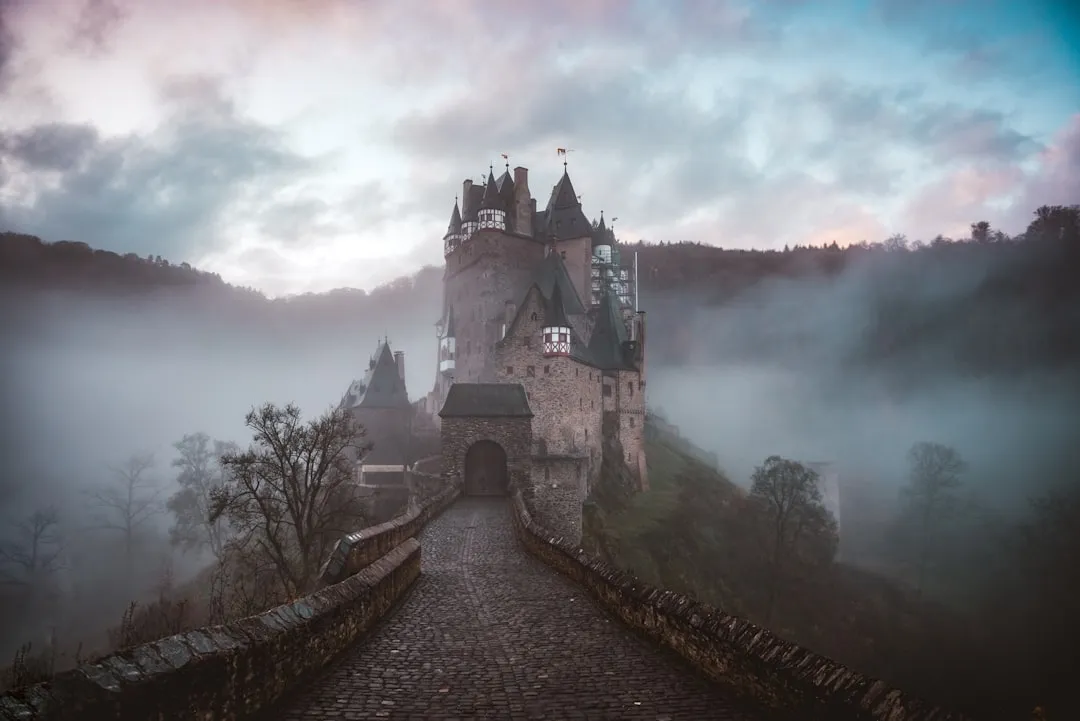
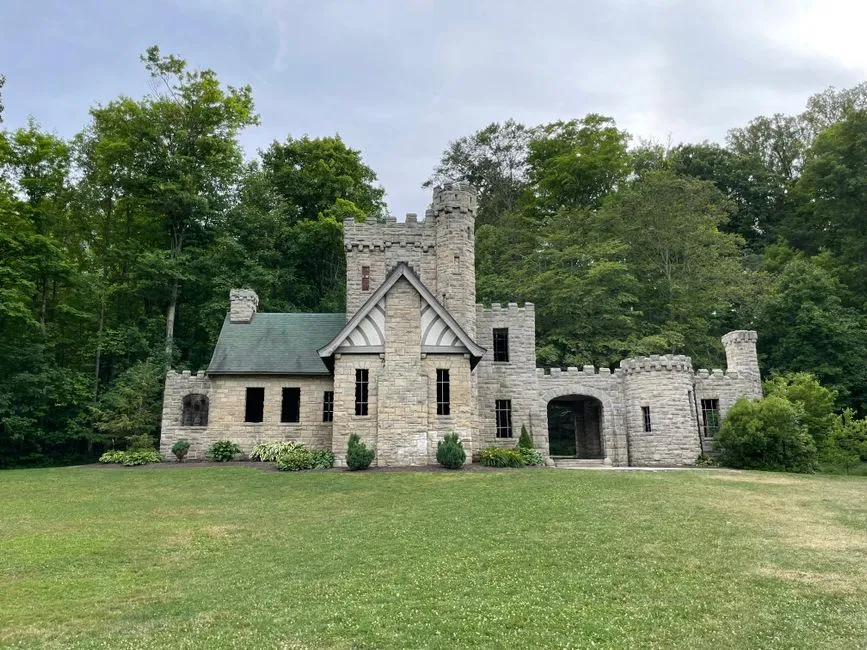
Most people drive through southwestern Ohio without giving it a second thought. Cornfields, river bends, quiet suburban streets. Nothing that prepares you for what waits along the banks of the Little Miami River in Loveland, where a full stone castle with towers, battlements, and a dry moat rises out of the landscape like something dropped from another century.
Château Laroche, also known as the Loveland Castle, is a museum on the banks of the Little Miami River north of Loveland, Ohio. It’s one of those places that makes you stop the car and wonder if you’ve imagined it.
A Castle Born From a Wartime Dream

Construction of the castle began in the 1920s under the direction of Harry D. Andrews, a World War I veteran, adventurer, historian, and Boy Scout troop leader who spent years traveling through Europe studying ancient fortifications and castles.
Harry D. Andrews’ journey began in the muddy and harrowing trenches of World War I, where he served as a medic. During his time in Europe, Harry became enamored with the majestic castles dotting the French countryside, symbols of a bygone era that captured his imagination.
Andrews named his castle after a military hospital in the Château de la Roche in southwest France, where he was stationed during the First World War. Its name means “Rock Castle” in French. That connection between the horrors of a modern war and the romance of a medieval fortress says a great deal about the man himself.
One Man, Fifty Years, Thousands of Stones
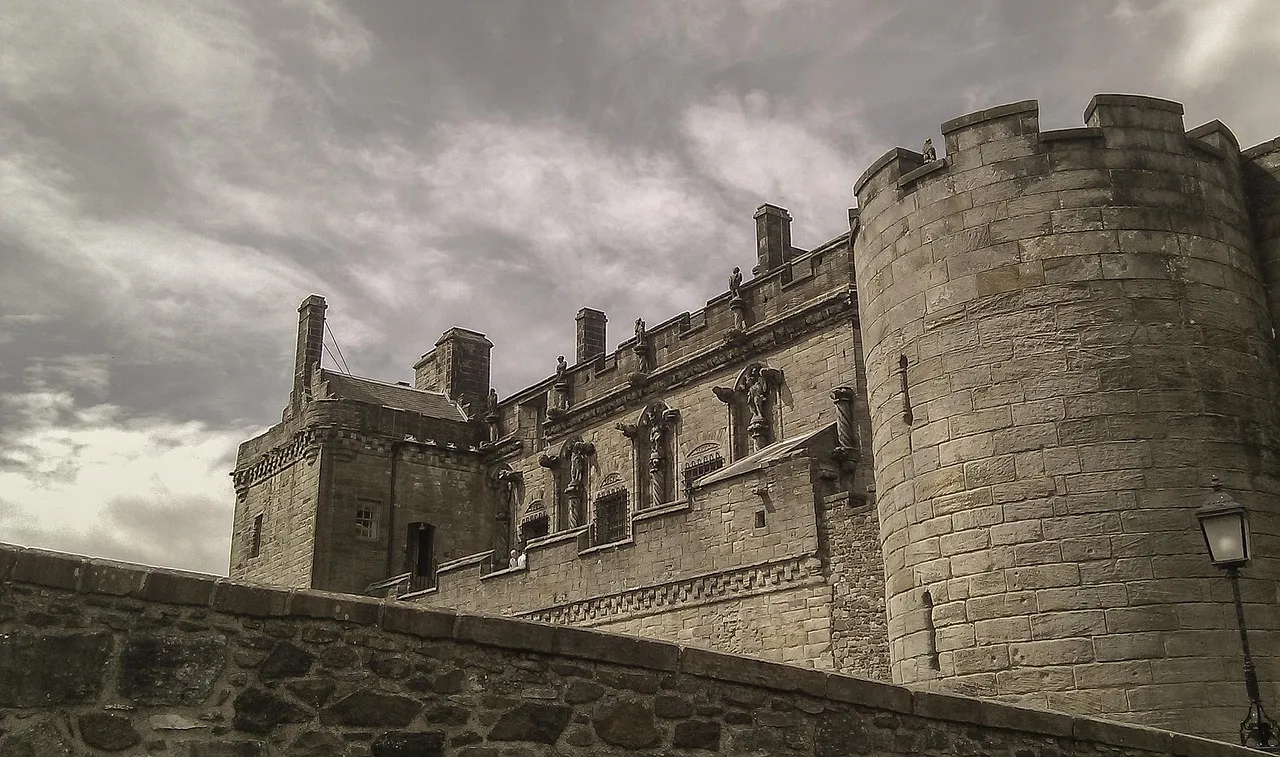
For over fifty years, Andrews worked on his castle project. He pulled stones from the nearby Little Miami River, and when that supply was exhausted, molded bricks with cement and quart milk cartons.
He built a road to the Loveland Castle, flattened all the land around it so that he could plant a garden and an orchard, laid out a drainage system, built a wall along the road, dug a moat and a dungeon.
Harry tallied all of his accomplishments for posterity: 2,600 sacks of cement, 32,000 quart milk cartons for concrete bricks, 54,000 five-gallon buckets of dirt, 56,000 pail-fulls of stone. Those numbers are staggering when you consider that almost all of this work was done by a single person, without heavy machinery.
The Remarkable Man Behind the Walls
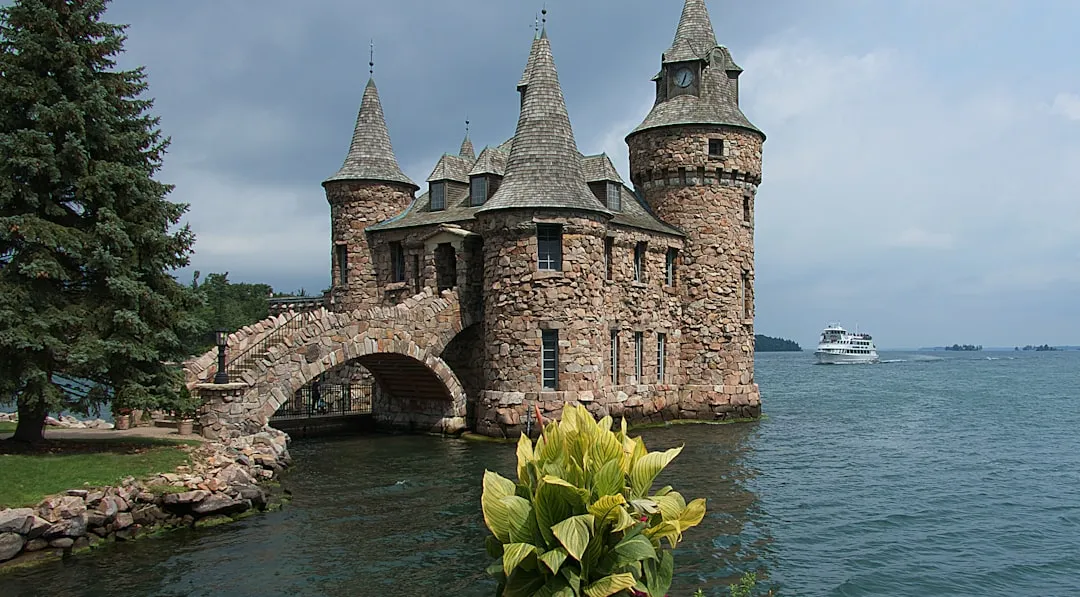
He served as a medic in World War I, contracted spinal meningitis, and was declared dead in 1918. By the time that he was declared undead, six months later, his fiancé had married another man. Harry seemed not to have minded; he stayed in Europe, visiting castles.
Andrews was a well-published author, including a guidebook he wrote at the behest of the U.S. Immigration Department to aid those seeking citizenship. He reportedly had an amazing 189 I.Q.
Harry featured three distinctive styles of architecture in the castle: German, French, and English. Four types of towers. He was not a trained architect or stonemason. He was simply a man who refused to be told something was impossible.
The Knights of the Golden Trail

In the early 1920s, one of Harry Andrews’s pet projects was his Sunday School and Boy Scout troop. He had a dozen or so boys that met regularly for Sunday School. One of their favorite things was camping.
He called his group the Knights of the Golden Trail and vowed to build them a castle. That was in 1929. Harry was still building it when those boys were grandfathers, 52 years later.
The site was always meant to be more than a place for the troop to fish and run around. It was Andrews’s visionary concept of how life should be. The troop members, who called themselves the Knights of the Golden Trail, were to align themselves with the noble values of medieval chivalry, as well as with those of the Ten Commandments.
A Secret Room Even the Knights Didn’t Know About

A life-size replica of an English castle, the Loveland Castle’s hand-built bricks were laid by Harry Andrews, along with the Scout troop he led, called the Knights of the Golden Trail. Together, Harry and his troop built the castle, towers, moat, road, and even a secret room, now open to be explored by curious visitors.
Harry hid his secret room in the garden. The entrance was one of the arches in the arch wall. It was only discovered after it collapsed from years of neglect. Even the knights didn’t know it was there.
That detail alone captures the spirit of the place. Andrews built things quietly, methodically, and sometimes without telling anyone. The castle still rewards visitors who pay attention to the corners and shadows.
What You’ll Find Inside the Castle Today
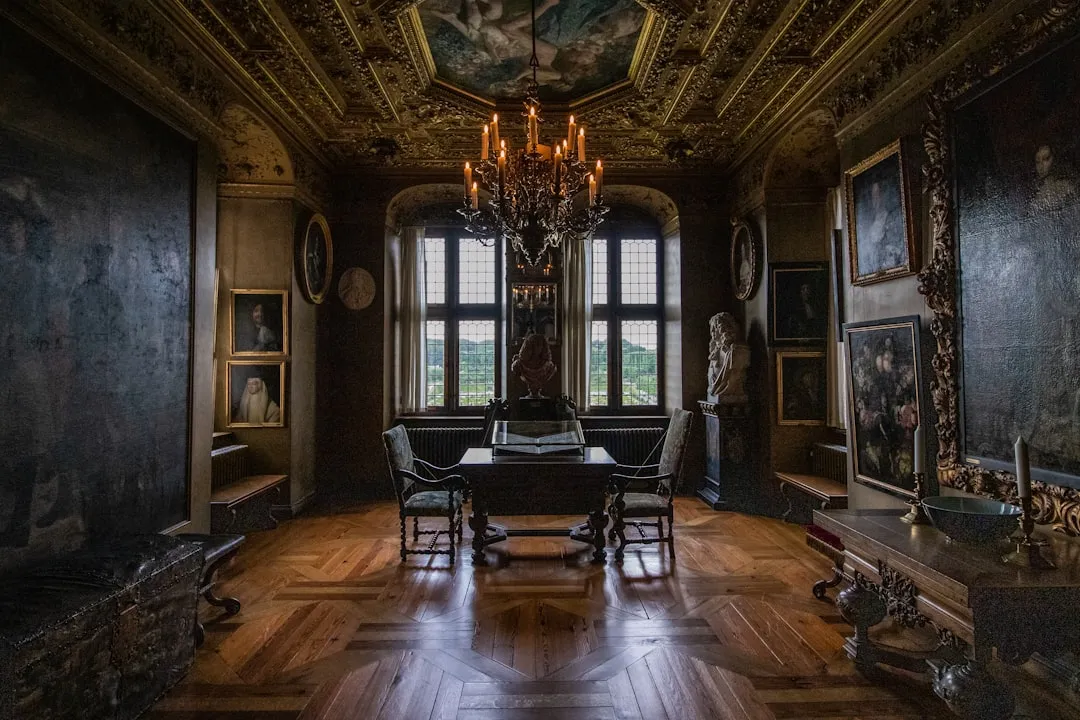
Today, visitors can tour the castle’s fascinating interior spaces and museum exhibits, which feature a wide variety of historical artifacts, military memorabilia, antique weapons, medieval-style displays, and personal collections connected to Andrews’ life and interests. The museum helps tell the story not only of the castle itself, but also of the creativity, dedication, and eccentric vision behind its construction.
The castle’s armory displays various pieces of armor and weaponry that illustrate the evolution of medieval combat technology. From chain mail to plate armor, from simple daggers to elaborate swords, the collection provides a tangible connection to the age of chivalry and conquest.
It comes complete with a princess room, towers and terraces, and a dungeon. For those brave enough to venture down, the castle’s dungeon provides a suitably atmospheric glimpse into the darker side of medieval life. The confined space and minimal light create an immediate sense of what it might have felt like to be on the wrong side of medieval justice.
The Grounds Along the Little Miami River
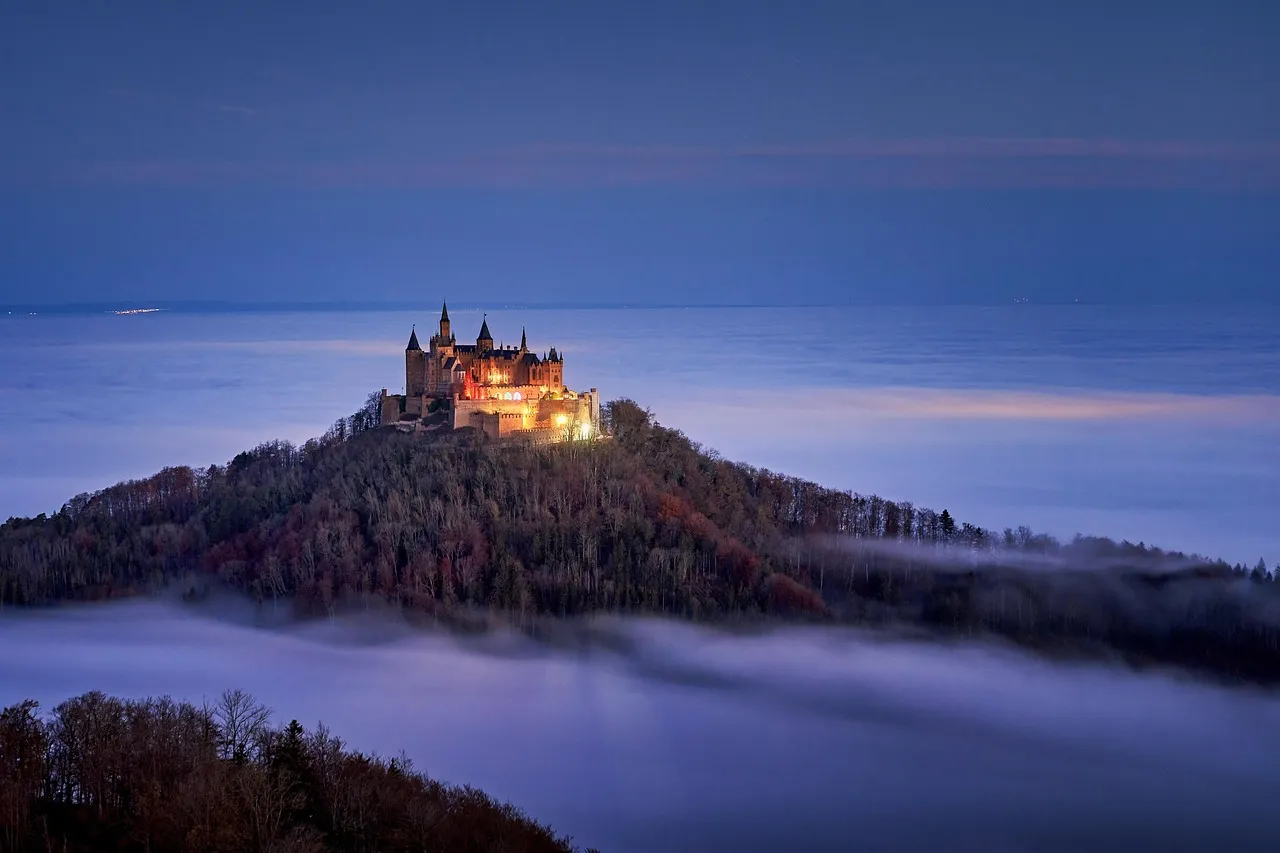
The grounds surrounding the castle provide a peaceful setting for visitors to relax and explore. Picnic tables, benches, shaded gathering areas, and open green spaces make the property an ideal destination for family outings, road trips, and leisurely afternoons. Guests are encouraged to bring their own picnic lunches and enjoy the scenic atmosphere along the river valley.
Recent additions to the Loveland Castle include an expansion of the outside gardens and a new greenhouse. These enhancements add to the castle’s charm and provide visitors with more areas to explore and enjoy.
From various vantage points, you can appreciate how the castle both stands apart from and belongs to the Ohio countryside. The Little Miami River winds below, much as rivers have flowed past European castles for centuries.
Ghost Stories and Lingering Legends
Tales of the castle being haunted, often coming from Chateau Laroche’s own volunteer knights, have been reported over the years. Some visitors report seeing a figure resembling Andrews himself, still keeping watch over his beloved creation.
Others claim to have heard stone-moving sounds at night, as if the castle’s original builder is still at work, perfecting his masterpiece from beyond. The castle even offers ghost hunt events, which have become a popular draw for those seeking something beyond the standard tour.
Whether you believe any of it or not, there’s no denying that a place built by one relentlessly determined man over five decades carries a certain atmospheric weight. Some places just feel inhabited by their makers long after those makers are gone.
A Living Legacy Kept by the Knights
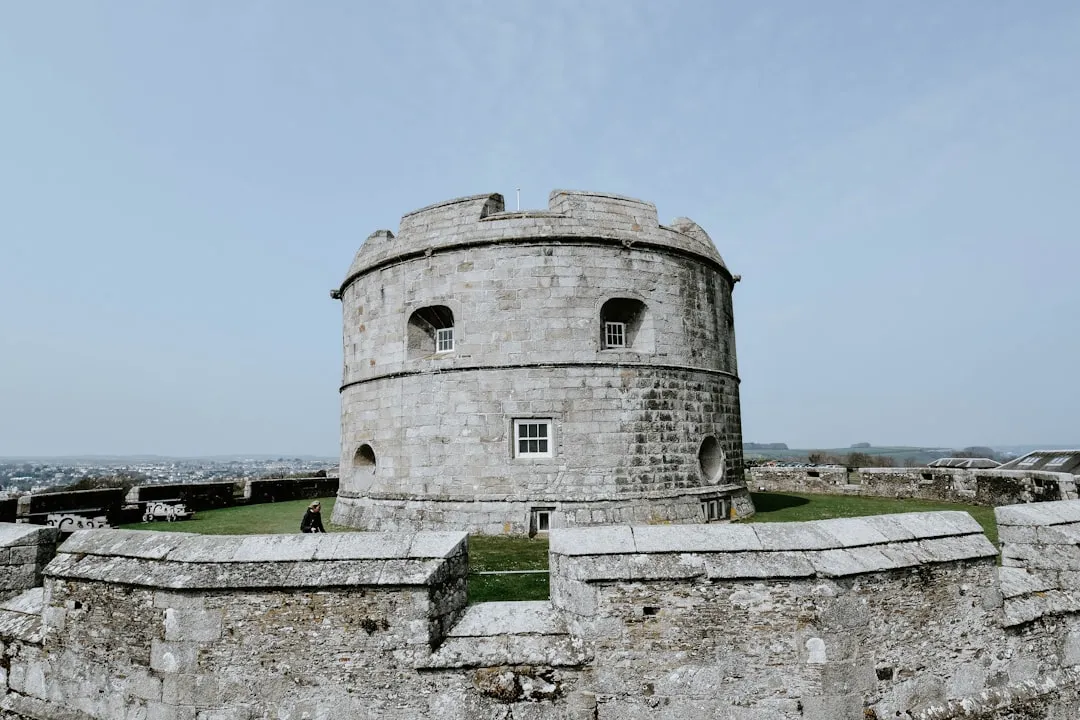
Upon his death in 1981, Andrews bequeathed the castle to his Boy Scout troop, the Knights of the Golden Trail. While Sir Harry passed away in 1981, the Knights of the Golden Trail remain. Chateau Laroche is still their headquarters and it is still guarded by the knights to this day.
The organization holds regular events at the castle, including medieval fairs, educational programs, and special holiday celebrations. These events bring the castle to life in ways that would surely please its original builder. The knights maintain a small museum within the castle that documents its history and construction.
The castle is open to visitors daily throughout the summer and on weekends the rest of the year, for a small admission fee. Camping, events, and overnights are also available for groups. The fact that volunteer knights still run the place keeps it personal in a way that no corporate operator ever could.
Practical Details and Why It’s Worth the Trip
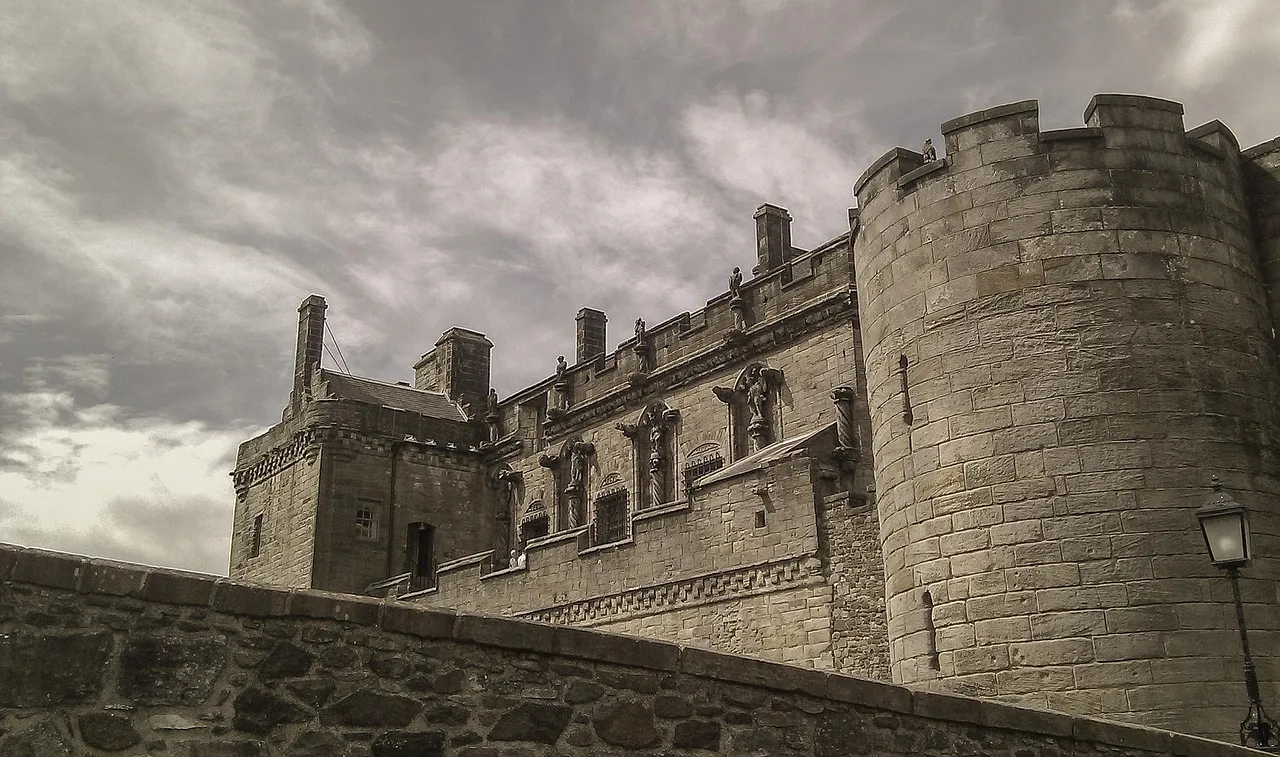
The Loveland Castle Museum is generally open from 11 a.m. to 5 p.m., with affordable admission and free on-site parking available for visitors. The cost is five dollars per adult and children get in free.
Loveland Castle currently ranks as the number one castle in Ohio and sits within the top 20 castles in the entire United States according to visitor ranking platforms. The castle has become one of Ohio’s most beloved roadside attractions and a favorite destination for photographers, history enthusiasts, architecture lovers, and families seeking a memorable stop.
Visitor totals reached 50,531 in 1980 alone, with over a million visitors recorded across 25 years of operation, according to records Andrews himself kept posted on the castle’s kitchen wall. That kind of draw, from a hand-built structure in a quiet Ohio town, tells you something about the enduring pull of a genuinely original idea.
A Conclusion Worth Stone and Stone
There are plenty of manufactured attractions that promise wonder and deliver very little. Loveland Castle does the opposite. It makes no promises at all. It just sits there along the river, patient and permanent, exactly as one stubborn, visionary man intended.
Chateau Laroche stands as a testament to following your dreams, no matter how ambitious. Harry D. Andrews might have been just one man with a wild idea, but his castle in Loveland, Ohio, ensures that his adventurous spirit and love for history will continue to inspire generations.
In a world where most things are built fast, built cheap, and forgotten quickly, a castle assembled stone by stone over fifty years carries a different kind of weight. Harry Andrews started building in 1927 and never stopped. That alone might be the most remarkable thing about it.
AI Disclaimer: This article was created with the assistance of AI tools and reviewed by a human editor.