
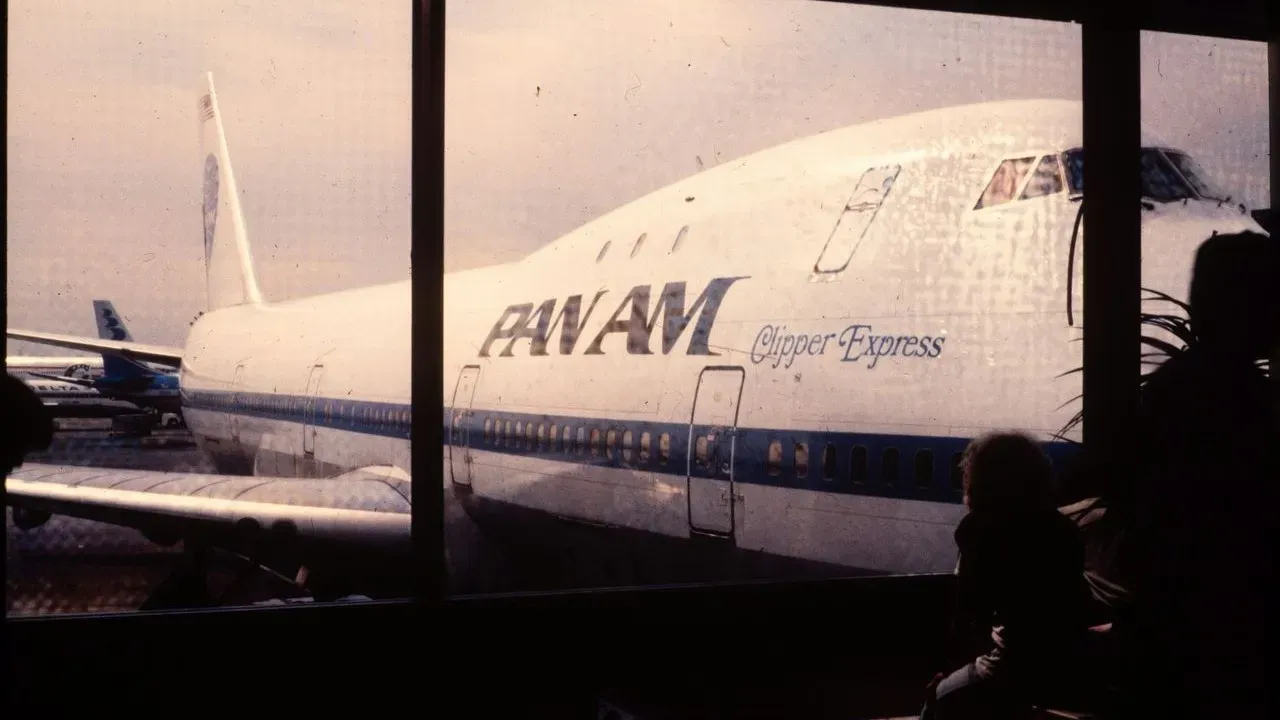

Puerto Rico’s northern coast holds a quiet chapter in aviation history that has now reached its conclusion. In April 1952, the Pan Am Clipper Endeavor lifted off from San Juan bound for New York with 64 passengers and five crew members. Minutes later the Douglas DC-4 came down in the Atlantic, claiming 52 lives and leaving the precise resting place of the aircraft unknown for generations.[1] The recent location of the wreckage has closed a long-standing question for families and for those who study the evolution of air travel. The discovery underscores how far safety practices have advanced since that era, while honoring the memory of those aboard.
A Flight That Shaped Modern Procedures
The loss of the Clipper Endeavor prompted immediate and lasting changes in commercial aviation. Among the most visible today is the standard preflight safety briefing that every passenger hears before departure. What began as a response to this and similar incidents has become a routine part of every journey, reminding travelers of the careful systems now in place. The aircraft itself was a workhorse of its time, a four-engine piston-powered plane that carried people across oceans when long-distance air travel was still relatively new. Its story illustrates both the ambition and the risks of that period in aviation.
The Search That Spanned Decades
Efforts to pinpoint the site continued quietly for years. In 2026 a team from the Air/Sea Heritage Foundation, working with Deep Sea Vision and the Discovery Channel series Expedition Unknown, used high-resolution sonar and an autonomous underwater vehicle to scan the seafloor. On June 2 the distinctive Pan Am logo and the name Clipper Endeavor were identified roughly 2,000 feet below the surface, about five miles offshore.[2] The wreckage rests in two sections, preserved by the cold, dark water. No recovery of remains is planned; the site itself now serves as a final marker.
Why the Discovery Matters to Travelers
For anyone who flies today, the story offers perspective on the incremental improvements that have made air travel statistically safer over time. The same ocean that once swallowed answers now yields them through patient, technology-assisted exploration. The find also highlights the value of preserving aviation heritage, allowing future generations to understand the path that led to current standards. Travelers interested in this history can visit the Pan Am Historical Foundation resources or follow updates from the Air/Sea Heritage Foundation for respectful context around the event.
A Measure of Closure
The identification of the Clipper Endeavor does not erase the human cost of that April day. It does, however, provide a tangible endpoint to decades of uncertainty. Families and researchers alike now have a clearer picture of where the aircraft came to rest, bringing a measure of resolution after 74 years. In an industry defined by constant forward motion, this discovery invites a brief pause to acknowledge both the progress achieved and the lives that shaped it.
AI Disclaimer: This article was created with the assistance of AI tools and reviewed by a human editor.