

Most travelers plotting a European itinerary default to the same shortlist. Paris, Rome, Amsterdam, Prague. The names come so automatically that it almost feels like a reflex. Meanwhile, tucked into Central Europe between the Alps and the Adriatic, a small, walkable, breathtakingly green capital keeps getting overlooked – and its residents wouldn’t have it any other way.
Ljubljana, the capital of Slovenia, has been quietly collecting international awards for sustainability, culture, and livability while the rest of Europe’s headline cities jostle for tourist attention. It’s compact, it’s affordable, and it genuinely feels lived-in rather than performed. That’s a rarer quality than it sounds.
The City That Tourism Forgot – On Purpose
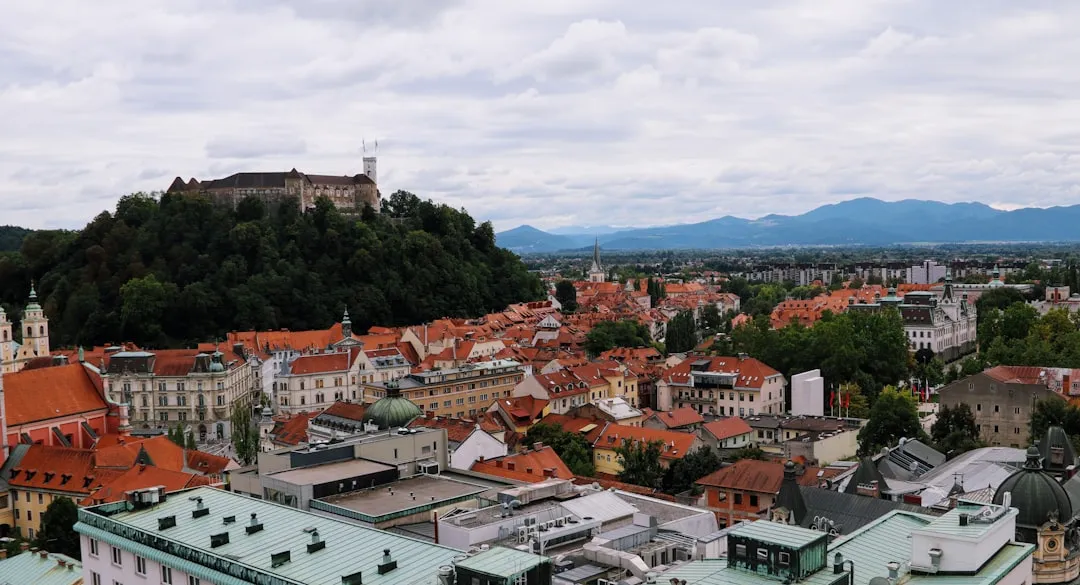
Riga, Ljubljana, and a handful of other lesser-known capitals consistently top lists of the most underrated destinations in Europe, yet Ljubljana’s particular kind of invisibility feels almost deliberate. Compared to other European capitals, Ljubljana is one of the smaller ones, yet it packs a surprising amount of charm and attractions into its compact size. That compactness is actually one of its greatest gifts – everything worth seeing is close, walkable, and unhurried.
Ljubljana, Slovenia’s capital, is emerging as a top European city break destination, and just a 2.5-hour flight from the UK, it offers a unique blend of rich culture, sustainable travel options, and affordable costs. The city rarely appears in first-tier travel conversations, but that’s starting to shift as the quality of its offer becomes harder to ignore.
A City Built for Walkers, Not Cars
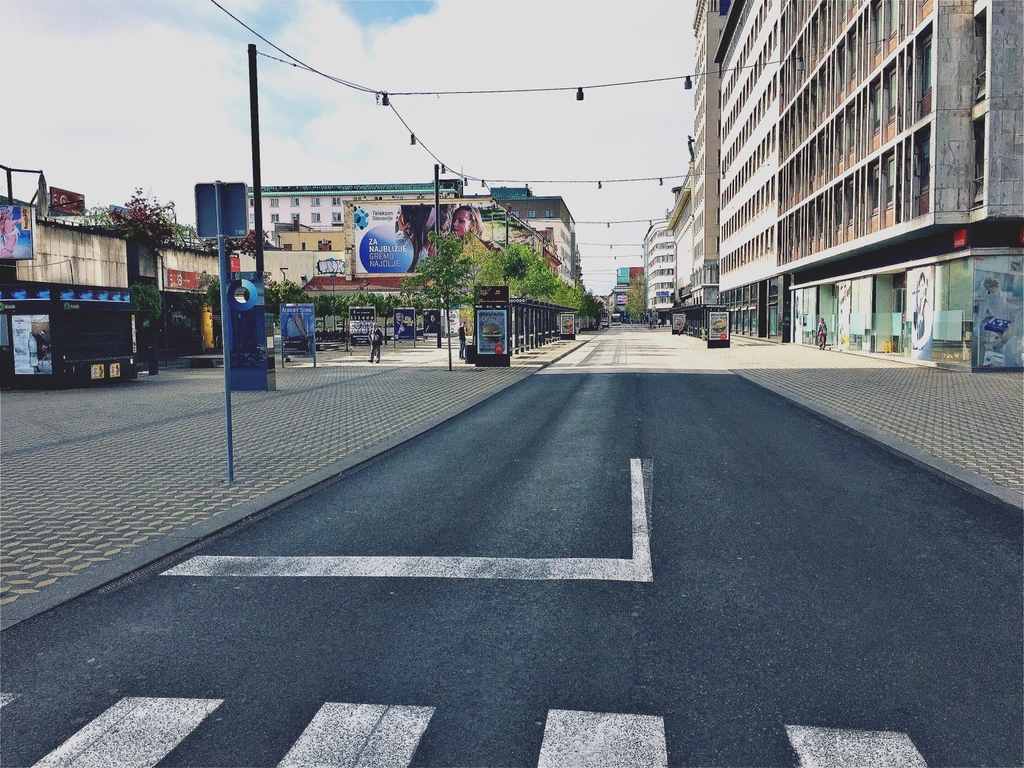
One of the largest urban interventions in Ljubljana’s recent history was removing cars from the city centre, which is now a pleasant living area for everyone to enjoy. This wasn’t a small tweak – it was a full reimagining of how a capital city should function. The city decided to restrict cars from the inner city and close streets and public squares to motorized vehicles, creating a traffic-calmed public space dedicated to pedestrians and cyclists.
It is now a pedestrian-friendly city with 542 square metres of green area per capita, a figure that makes many other European capitals look environmentally negligent by comparison. Walking through the old town alongside the Ljubljanica River doesn’t feel like sightseeing. It feels like borrowing someone’s very lovely neighbourhood for an afternoon.
Green Credentials That Actually Mean Something
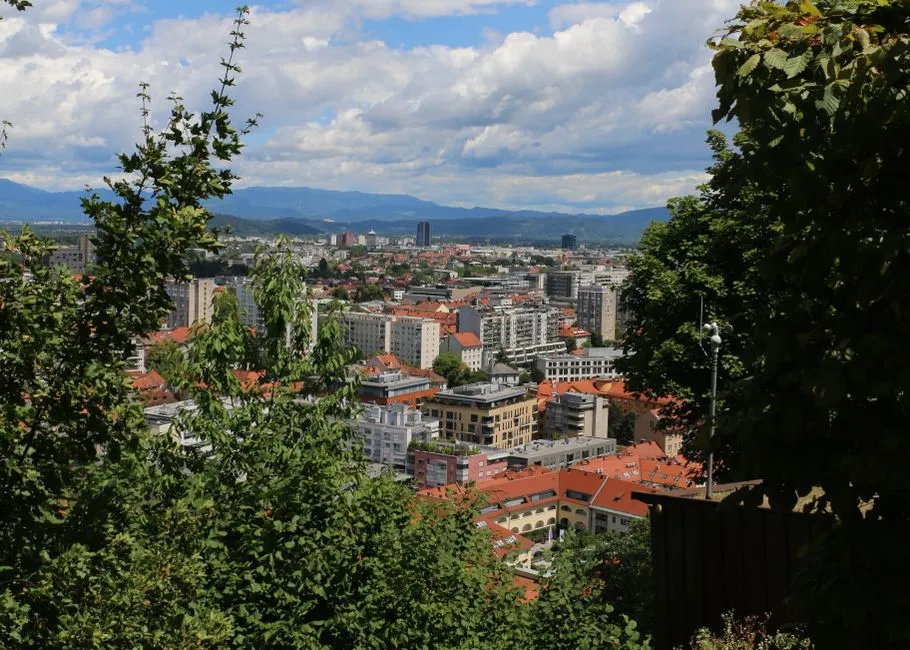
The capital of Slovenia, Ljubljana, won the European Green Capital Award for 2016, an honor given by the European Commission to cities demonstrating the highest environmental standards. That title wasn’t ceremonial. The gradual expansion of green spaces and elimination of motorised vehicles in the city centre has resulted in a green cover of 75% city-wide and a 58% reduction in carbon black air particulates.
In 2025, Ljubljana was listed for the first time among the Top 40 most sustainable destinations in the world, which places it in genuinely elite company. In 2014, Ljubljana was the first capital city to commit to the Zero Waste Goal, a fact that tells you something about how seriously the city takes its environmental promises. These aren’t branding exercises. They’re infrastructure decisions that visitors actually feel the moment they arrive.
An Old Town That Earns Its Cobblestones
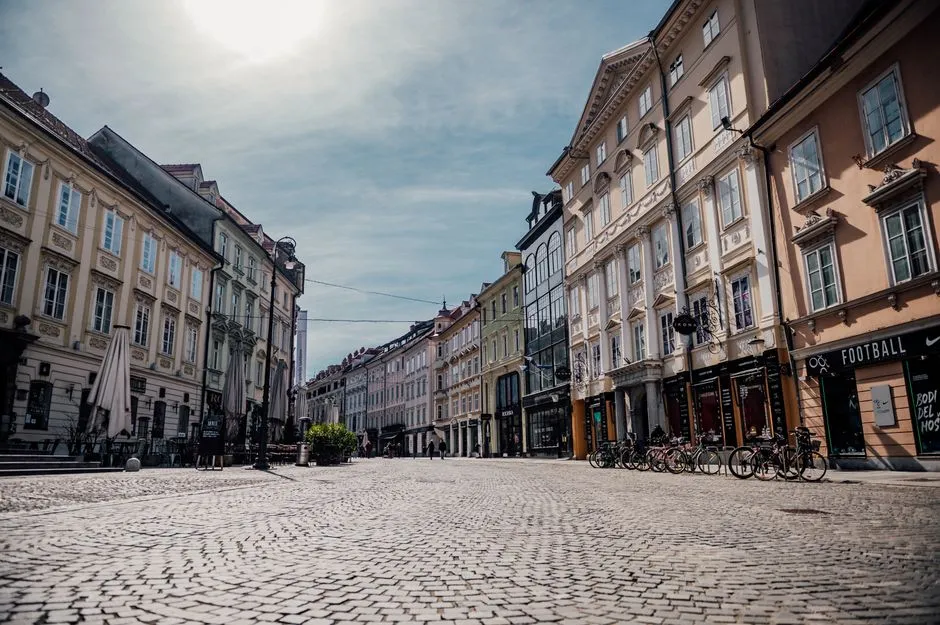
Ljubljana’s enchanting Old Town boasts cobblestone streets, medieval buildings, and landmarks like the House of the Blackheads and St. Peter’s Church. The architecture here layers periods gracefully, with baroque facades sitting alongside Austro-Hungarian civic buildings without any obvious tension. The city boasts a vibrant cultural scene, stunning medieval architecture, and beautiful parks, making it the perfect blend of history and modernity.
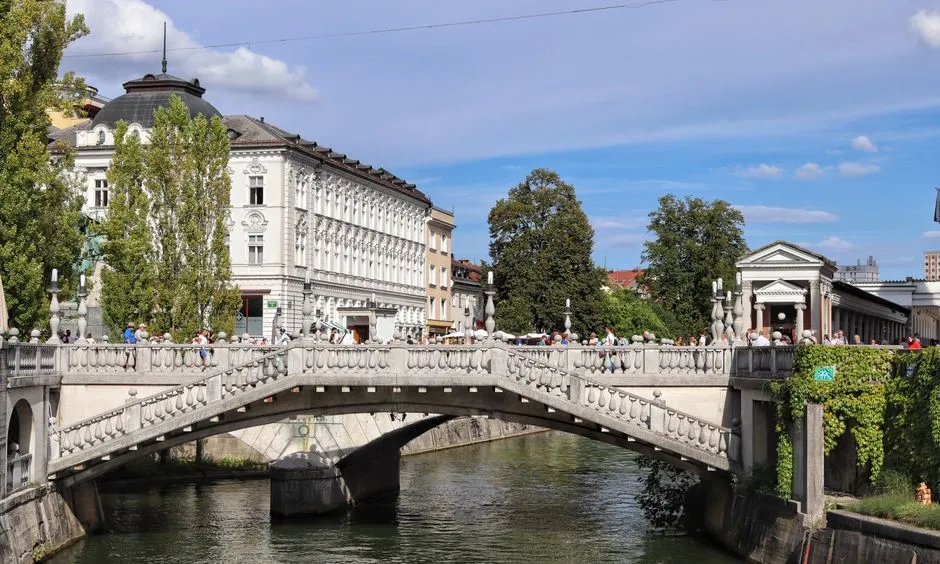
The iconic Dragon Bridge is one of those details that makes Ljubljana feel like it’s straight out of a storybook. Four bronze dragons guard its corners, each one different in expression. The bridge was completed in 1901 and remains one of the most photographed spots in the city, though even at peak season, you’re unlikely to find yourself fighting a crowd to photograph it.
Food That Respects the Seasons
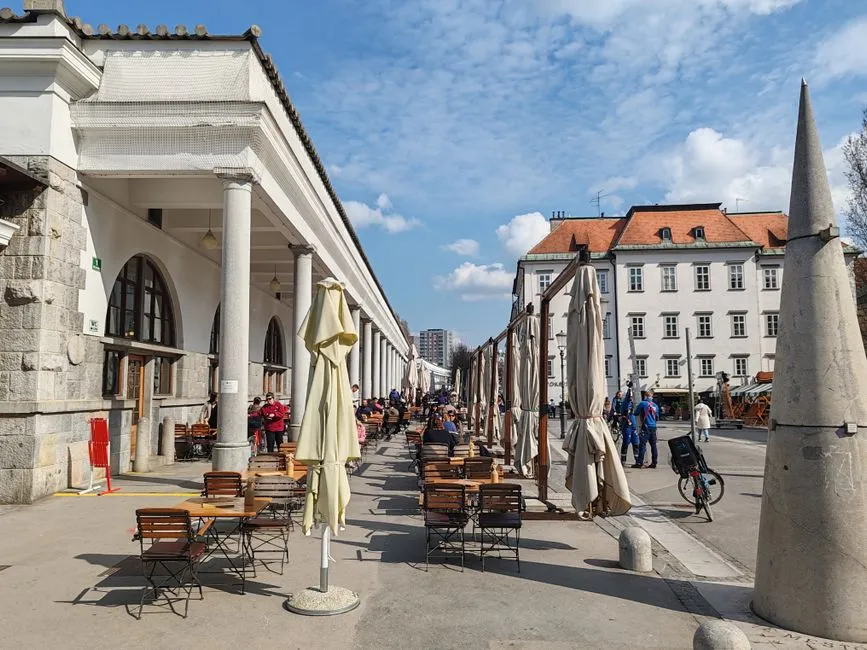
Ljubljana may be one of Europe’s smaller capital cities, but its food scene punches well above its weight. At the heart of that culinary culture are its markets, where local farmers, artisan producers, bakers, cheesemakers, and chefs come together to showcase the best of Slovenia’s seasonal produce and regional specialities. This isn’t a food scene built on tourism. It’s one that existed long before visitors started paying attention.
Odprta kuhna, or the Open Kitchen, is a one-of-a-kind food market and one of the most popular culinary projects in Slovenia, bringing food lovers and culinary adventurers to Ljubljana’s city centre every sunny Friday from March until November. Slovenian cuisine has always been strongly defined by homegrown, quality, organically produced ingredients, which both city dwellers and top chefs prefer to seek out at one of Ljubljana’s markets. It’s the kind of food culture that rewards curiosity.
A Cultural Calendar Bigger Than You’d Expect
As a city of culture, Ljubljana is home to theatres, museums, libraries, and galleries and one of the world’s oldest philharmonic orchestras. For the people of Ljubljana, appreciation of culture is part of daily life. More than 10,000 cultural events take place in the city each year, including ten international festivals. That’s a remarkable figure for a city of under 300,000 people.
The November Gourmet Ljubljana festival is a celebration of the city’s thriving culinary scene, hosting events such as food tours, cooking classes, and special menus in Ljubljana’s top restaurants. The city’s cultural programming isn’t concentrated in one season or one venue. It spreads through the streets, squares, and riverbanks in a way that makes the whole city feel like a stage – not in a contrived sense, but in the way that genuinely well-loved cities often do.
Safety as a Quiet Selling Point
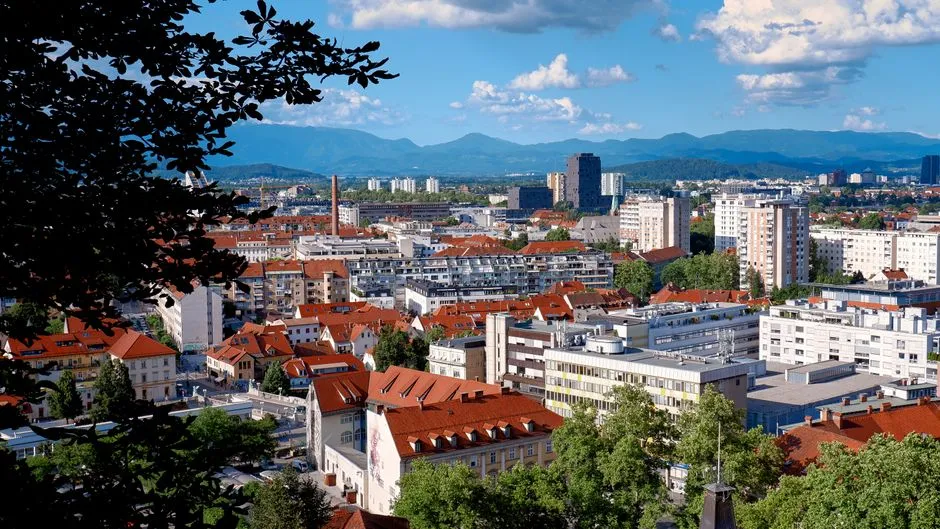
Slovenia consistently ranks among the world’s ten safest destinations, thanks to its low crime rates, reliable emergency services and welcoming communities. Whether you’re exploring Ljubljana’s charming old town, hiking the tranquil Triglav National Park or sipping wine in the coastal Karst region, you’ll find peace of mind around every corner.
For solo travelers, families, or anyone who simply wants to explore a city without constant alertness, this matters more than any single attraction. The freedom to wander without a plan, to take a wrong turn and discover something better – that kind of travel depends entirely on feeling safe. Ljubljana delivers it reliably.
Affordable Without Being Cheap
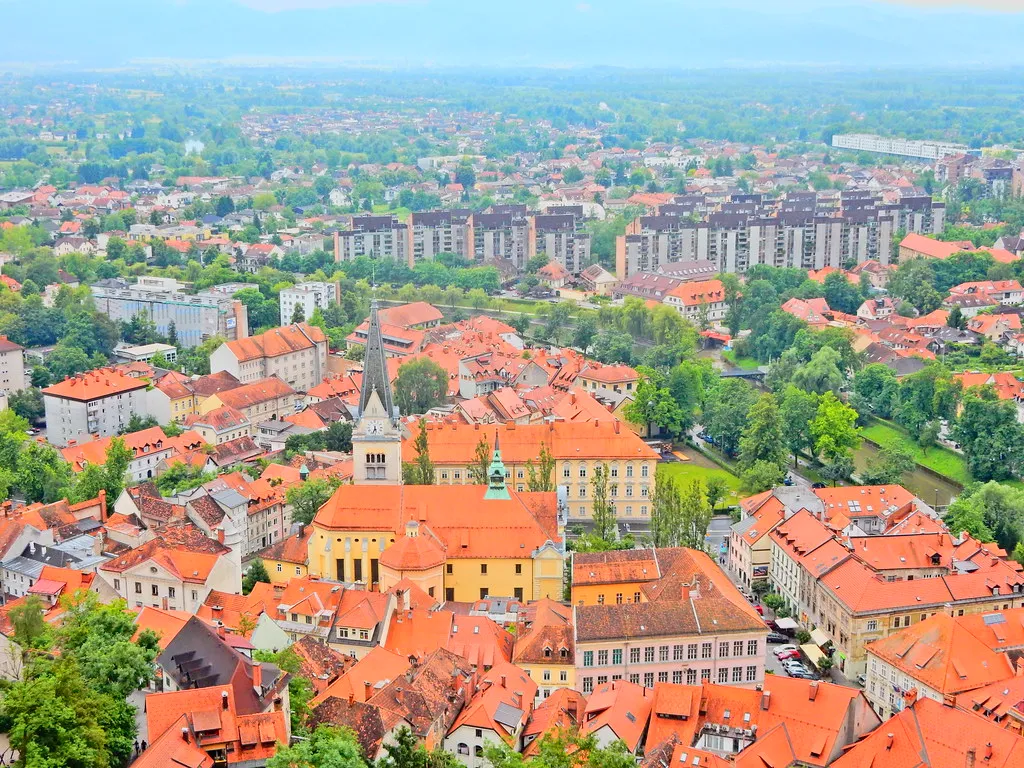
Ljubljana remains one of the most affordable and least crowded European capitals, allowing you to explore its charming Old Town and narrow streets without battling overwhelming crowds. The pricing here reflects a city that isn’t yet calibrated for mass tourism, which means quality coffee, good wine, and excellent meals at prices that feel almost quaint compared to Paris or Amsterdam.
Ljubljana remains an affordable and accessible city break, ideal for tourists, business travellers, and solo adventurers alike. It’s worth noting that affordability here doesn’t mean a diminished experience. Ljubljana is becoming a leading destination for sustainable tourism, with eco-friendly initiatives such as electric taxis, bike-sharing programs, and green public spaces – infrastructure that genuinely improves daily life for visitors and residents equally.
The Overtourism Problem Ljubljana Doesn’t Have
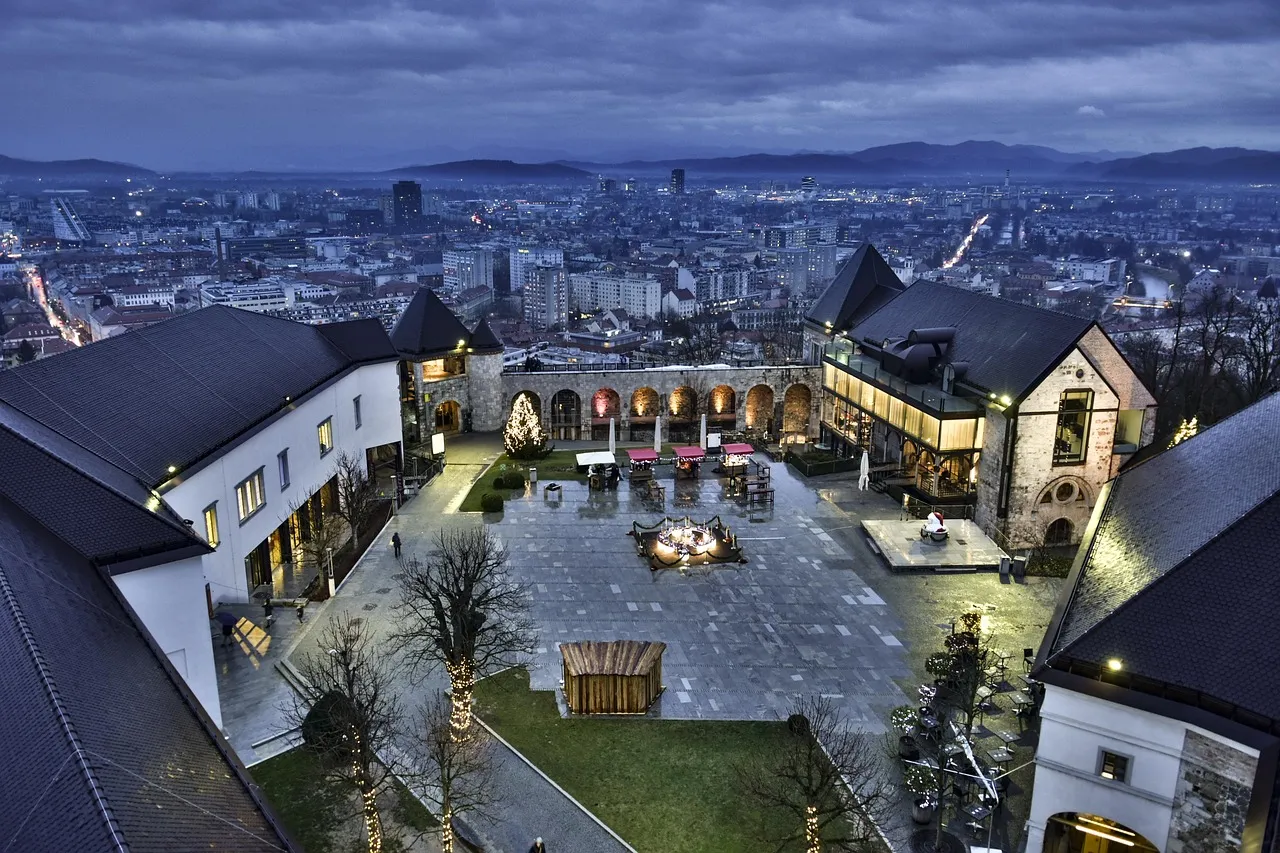
European countries hosted an estimated 718 million tourists in 2024, 46 million more than in the preceding year, and the pressure that creates is visible in cities like Amsterdam and Barcelona. In Amsterdam, over 75 measures have been implemented to combat the negative effects of overtourism, and the city implemented one of Europe’s highest tourist taxes in 2024, charging €12.50 per person per night. Ljubljana occupies the opposite end of this spectrum entirely.
According to Holidu, Germany’s Berlin, Spain’s Madrid, Belgium’s Brussels and Hungary’s Budapest are among the least-touristed capitals with only two tourists per resident, and Ljubljana sits in similarly uncrowded territory. The city accounted for 20% of all overnight stays in Slovenia in 2024, contributing meaningfully to national tourism while still preserving the quality of life that makes it worth visiting in the first place.
Tourism That Grows Without Losing Its Soul
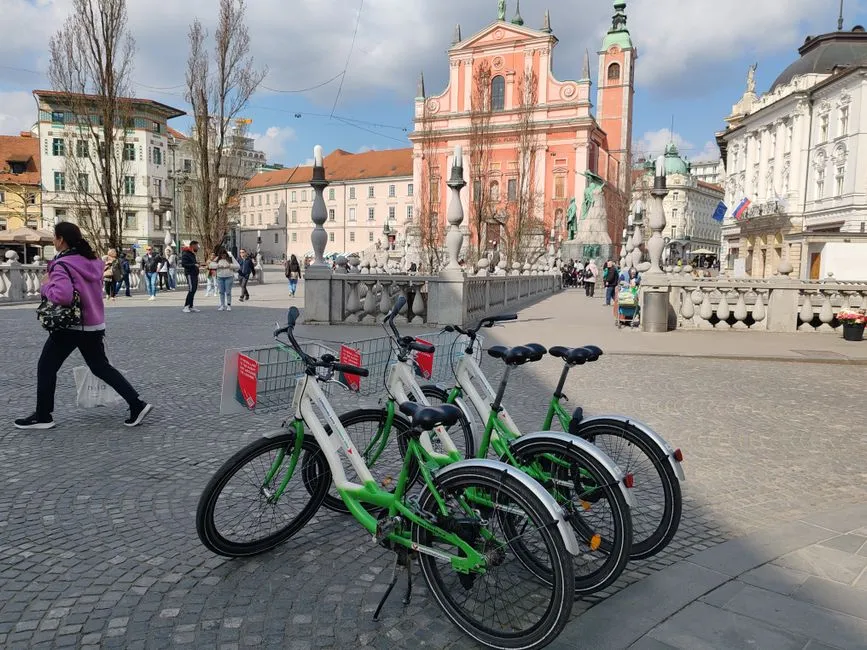
With significant growth in tourism, Ljubljana is becoming a key player in Slovenia’s tourism expansion, attracting visitors with its charming medieval streets, vibrant green spaces, and modern amenities. The city is growing its visitor numbers thoughtfully – not at the expense of its identity. Ljubljana holds the Slovenia Green Platinum certification, the highest recognition within the Green Scheme of Slovenian Tourism, and in Ljubljana, sustainability is not just a buzzword – it’s a way of life.
In 2020, Lonely Planet, the world’s largest travel guide publisher, ranked Ljubljana among the eight most sustainable cities in the world. That kind of recognition, sustained year after year, reflects something real about how the city operates. The locals who insist Ljubljana is the best European capital aren’t being provincial. They’re describing a place that has made deliberate, measurable choices about what kind of city it wants to be. Travelers who take the time to listen tend to agree.
The Takeaway
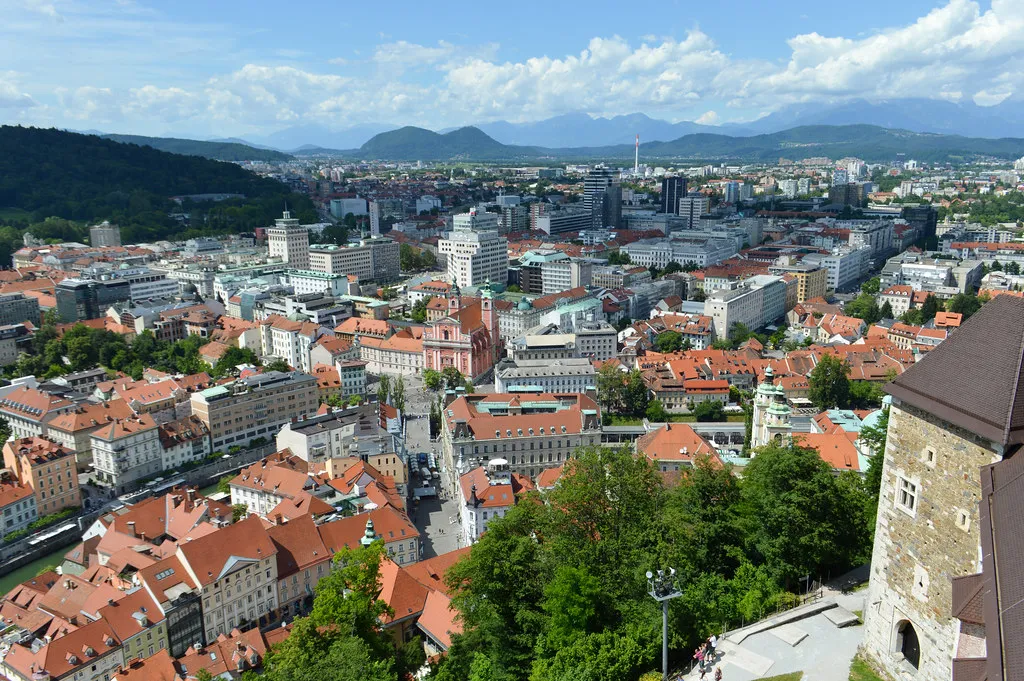
Ljubljana won’t overwhelm you with its scale or dazzle you with a single iconic monument that everyone queues to photograph. What it offers instead is something more durable: a fully functioning, genuinely beautiful, deeply livable city that happens to welcome visitors warmly. Ljubljana has been listed on the Green Destinations TOP 100 Stories list every year from 2014 through 2024, a quiet record of consistency that says more than any single award.
The cities that earn deep loyalty from their own residents – not just tourists – are usually the ones worth going out of your way to find. Ljubljana is exactly that kind of place, and the fact that most travelers still skip it is, perhaps, the last best thing about it.
AI Disclaimer: This article was created with the assistance of AI tools and reviewed by a human editor.