
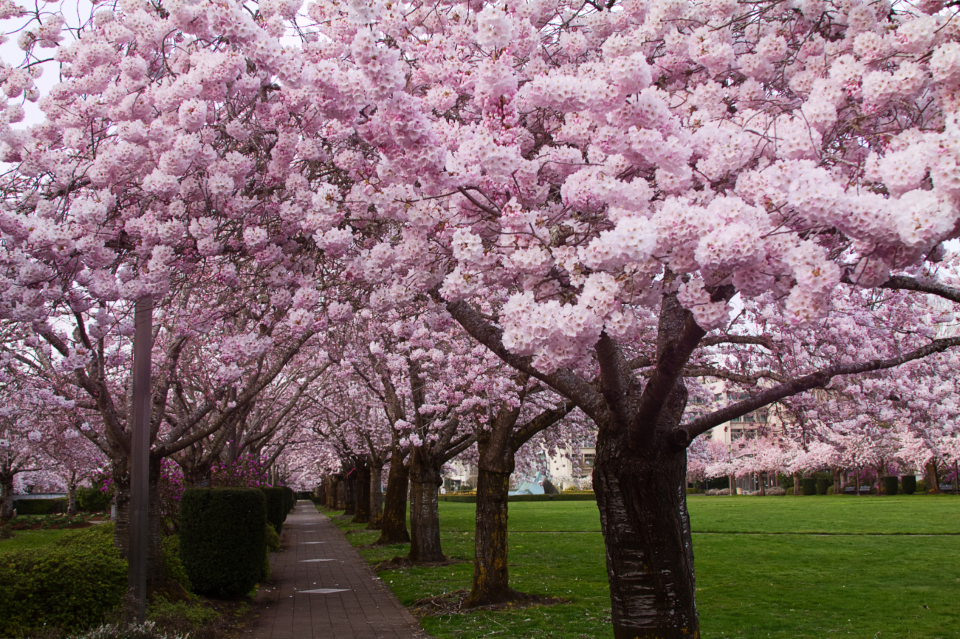

Washington D.C.: The Benchmark for the Nation
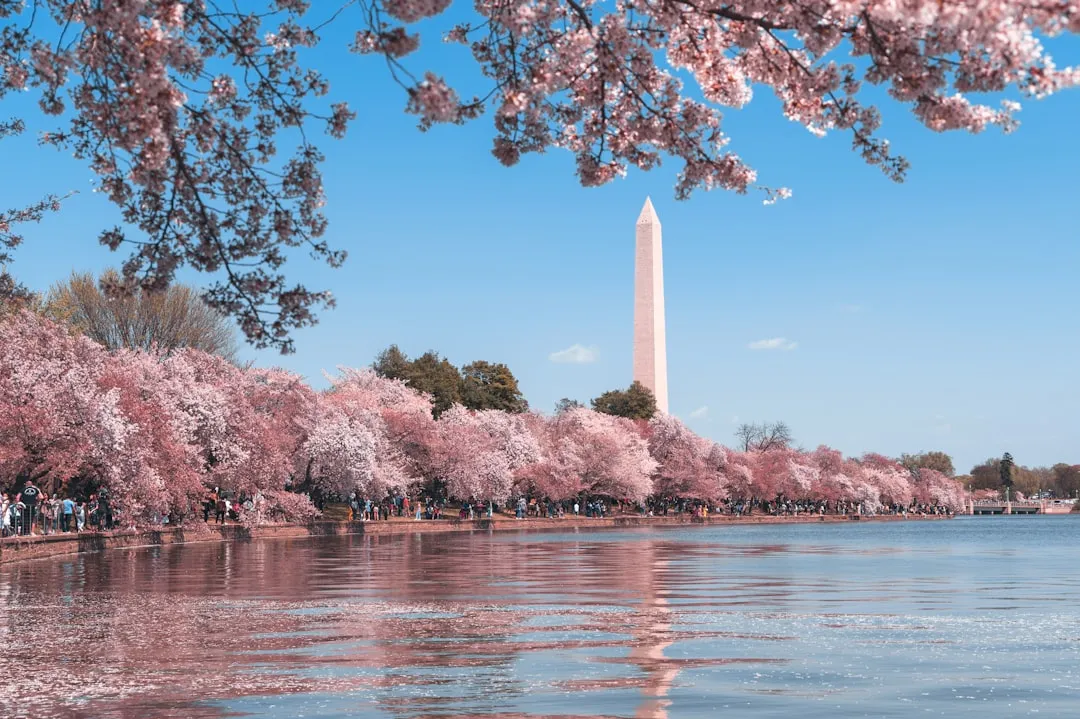
No destination in the United States draws more attention during cherry blossom season than Washington D.C., and for good reason. The National Park Service defines the peak bloom date as the day when 70% of the Yoshino cherry blossoms are open. The most likely time to reach peak bloom is between the last week of March and the first week of April, though extraordinary warm or cool temperatures have resulted in peak bloom as early as March 15, recorded in 1990, and as late as April 18, recorded in 1958.
Peak bloom in 2026 was March 26, in 2025 it was March 28, and in 2024 it was an unusually early March 17. Looking at the decade from 2015 to 2024, the average peak date lands around March 27, and the long-term trend points toward earlier blooms, with the average moving from early April in the 1920s to late March in the 2020s.
How the National Park Service Tracks the Bloom
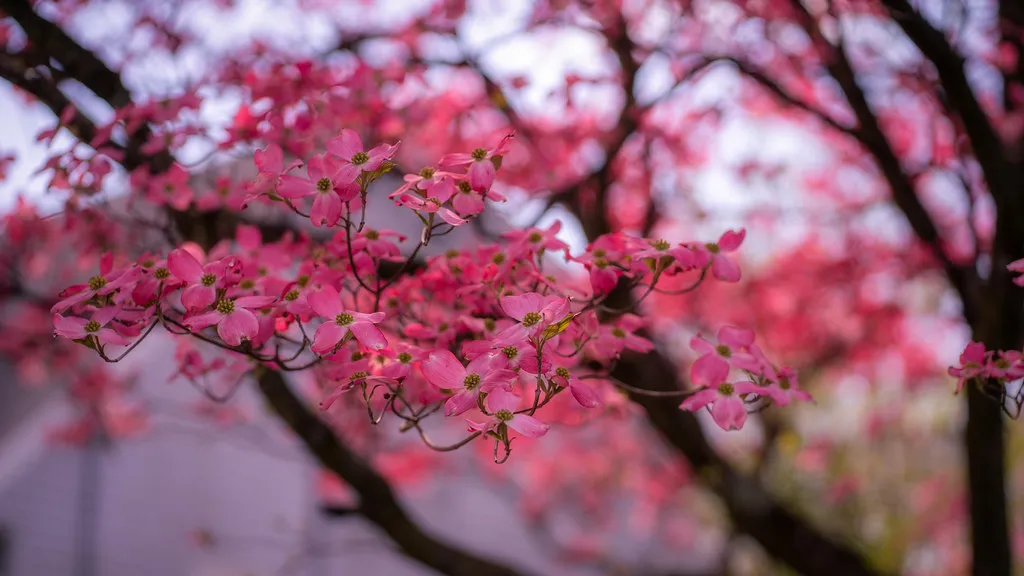
The National Park Service issues an initial bloom forecast in late February and updates it weekly. From the point when trees reach dormancy, NPS counts “degree days,” when each day’s high temperature contributes to a cumulative total of 217. NPS also watches an “indicator tree,” which reliably blooms about two weeks ahead of the others.
In 2024, the NPS predicted peak bloom for March 23 through 26, but due to warm weather, it arrived early on March 17. What that means in practice is that they predict the point at which 70 percent of blossoms will be open, and the day NPS arborists judge that threshold has been crossed becomes the official peak bloom day. There is real expertise and science behind these predictions, but that definitely doesn’t mean they are always correct.
How Long the Blooms Actually Last
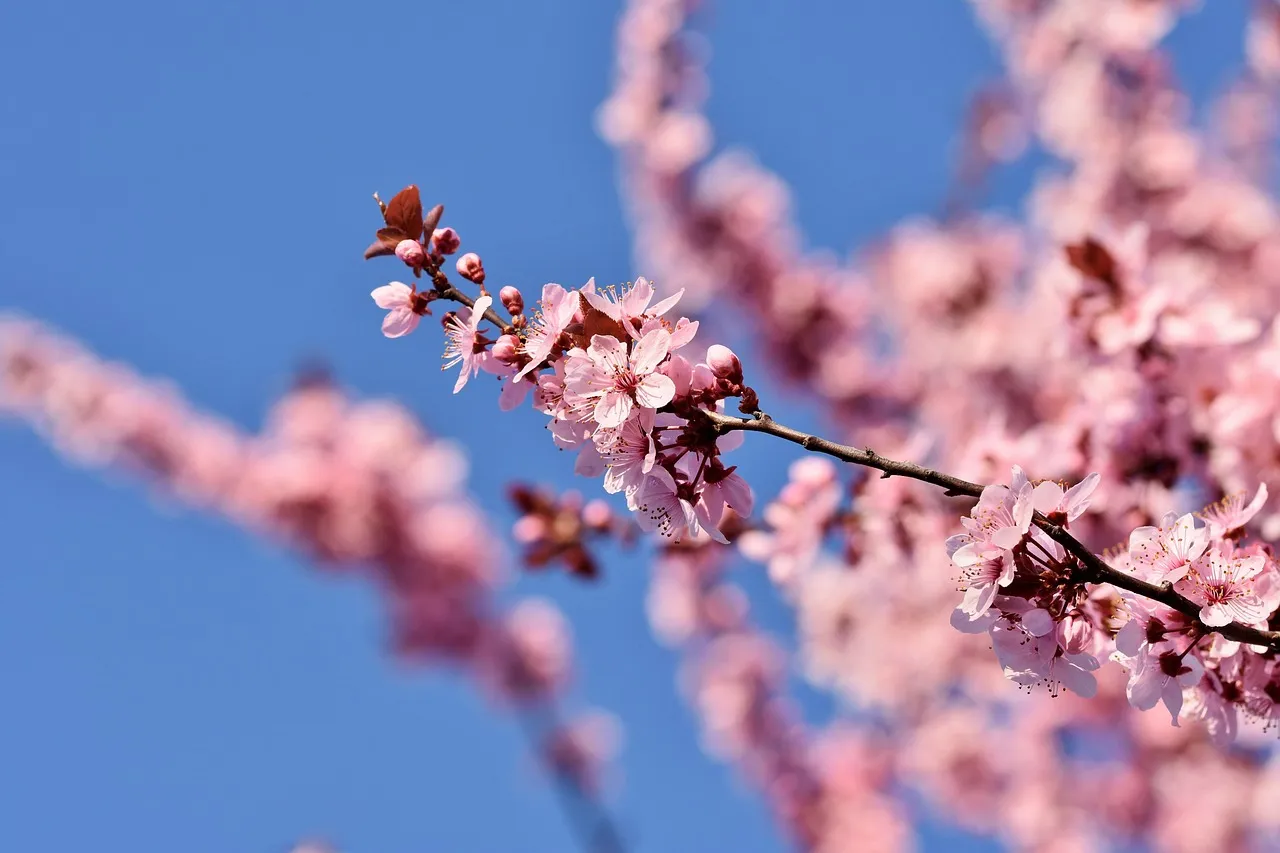
Once peak bloom hits, the blossoms generally hold for seven to ten days before petal drop, though high winds can shorten that window significantly. Cool, calm weather can extend the length of the bloom, while a rainy or windy day can bring an abrupt end to the ephemeral blossoms, and a late frost can prevent the trees from blooming at all.
The cherry blossoms typically stay out for a week or two, so it is not absolutely essential to catch them on the specific peak bloom day. Even outside the exact peak, the surrounding week often provides excellent viewing, with early blooms offering dramatic color while falling petals create a striking “sakura snow” effect.
Seattle: The University of Washington’s Famous Quad
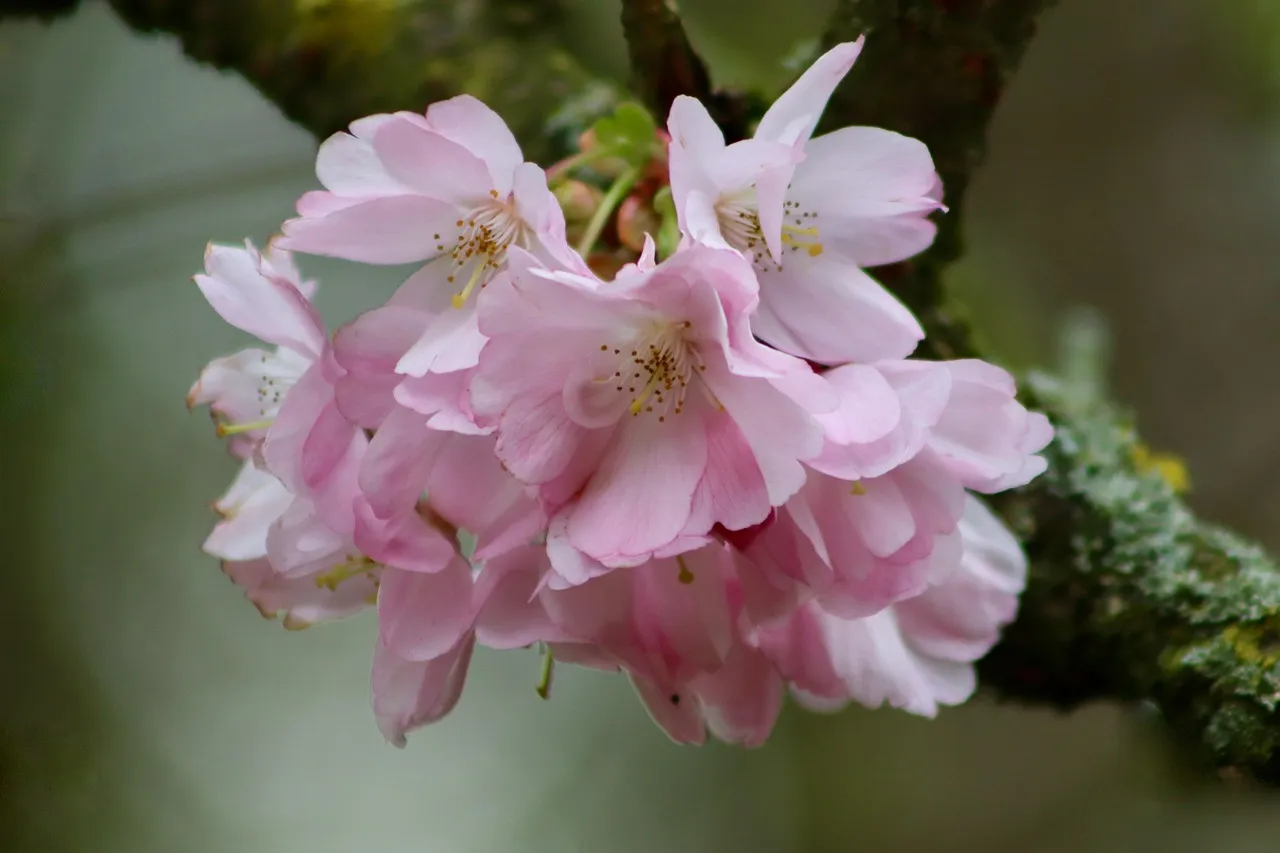
While exact timing varies with the weather each year, cherry blossoms in Seattle typically bloom between mid-March and early April, with peak bloom often falling around the third full week of March. At the University of Washington, the iconic Yoshino cherry trees in the Quad usually reach peak bloom from late March to early April.
The 29 cherry trees in the UW Quad usually reach peak bloom in the third week of March. However, as with every location across the country, winter temperatures play a decisive role. There are dozens of different varieties of blossoming cherry and plum trees in the Seattle area, with blooms visible from early February until May for some species.
Portland, Oregon: A City Quietly Built for Sakura
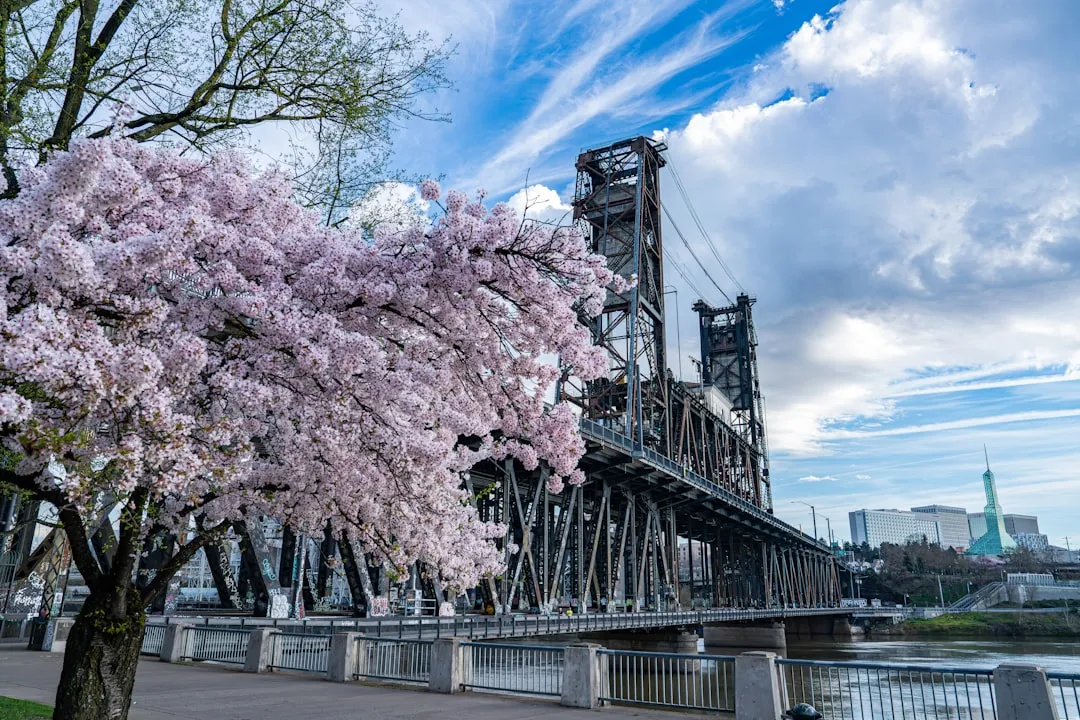
In 2024, Time Out magazine ranked Portland second on its list of the nation’s 13 best places for cherry blossom viewing. Portland has 100 cherry trees along Tom McCall Waterfront Park, and the Portland Japanese Garden also holds a special collection. Peak bloom at these sites is generally expected between late March and the first week of April.
Peak bloom in Portland occurred around March 16 in 2024. Portland and Seattle’s Yoshino cherries tend to arrive around late March to early April, placing the Pacific Northwest in a similar window to Washington D.C. most years, though local microclimates can shift the timing by a week in either direction.
Newark, New Jersey: Branch Brook Park’s Hidden Scale
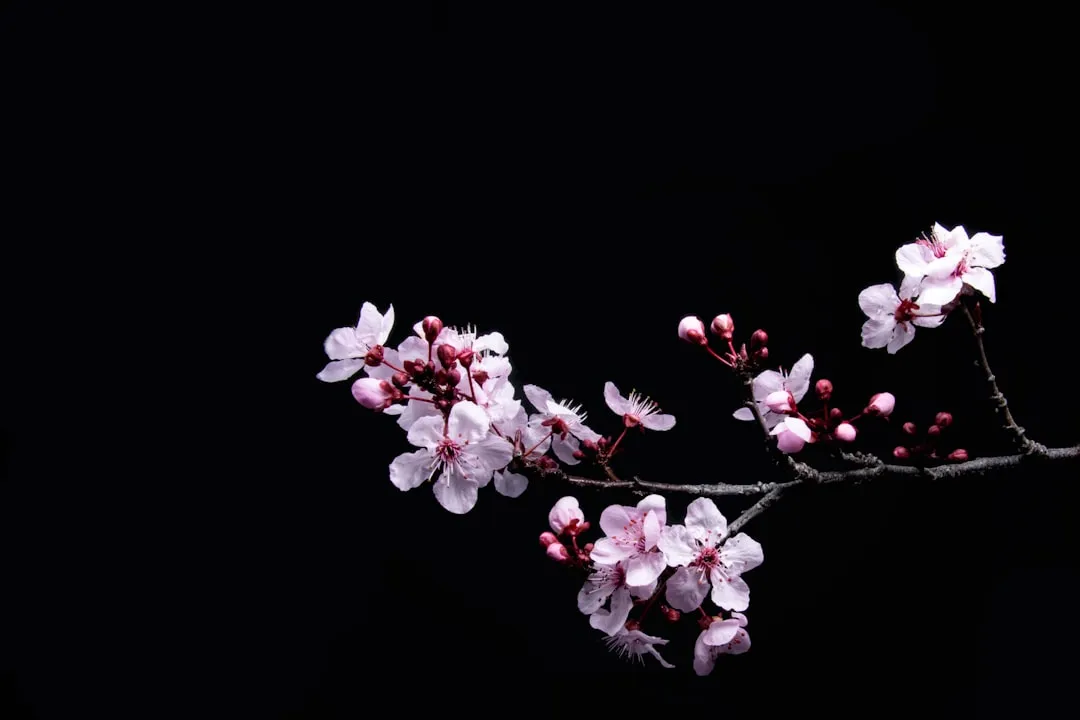
For fewer crowds, Branch Brook Park in Newark is one of the strongest alternatives to the Tidal Basin. The park is home to a remarkable collection of flowering cherry trees, and its bloom timing skews slightly later than D.C. In 2025, peak bloom at Branch Brook Park ran from April 6 through April 18, and the best time to visit is typically the second and third week of April.
The later timing makes Branch Brook Park a genuine option for visitors who miss the D.C. window. The crowds are meaningfully smaller, the setting is authentic and local, and the experience is just as visually rewarding for anyone who makes the trip from nearby New York City.
The South Blooms First: Georgia, Tennessee, and Texas
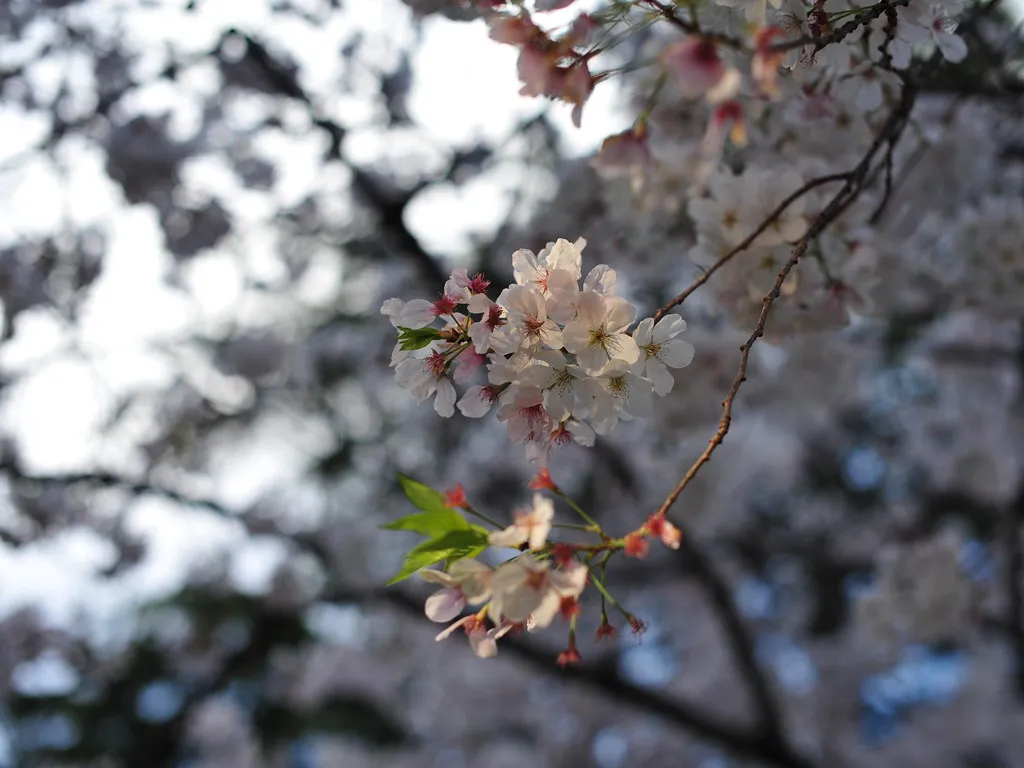
In most parts of the country, cherry blossoms bloom between mid-March and late April, and the exact timing changes every year based on winter temperatures, early spring warmth, rain, and wind. In Southern states like Georgia and Tennessee, cherry blossoms typically arrive one to two weeks before Washington D.C., with prime areas including Atlanta’s Piedmont Park and Charleston gardens.
For a warmer Southern spring trip, Macon, Georgia and Nashville, Tennessee offer festival-style blossom experiences with a more relaxed local feel. For anyone who wants to experience the bloom without the logistical complexity of D.C. in late March, these Southern cities are worth serious consideration and often deliver peak color in the first two weeks of March.
The Midwest and Northeast: A Later, More Gradual Arrival
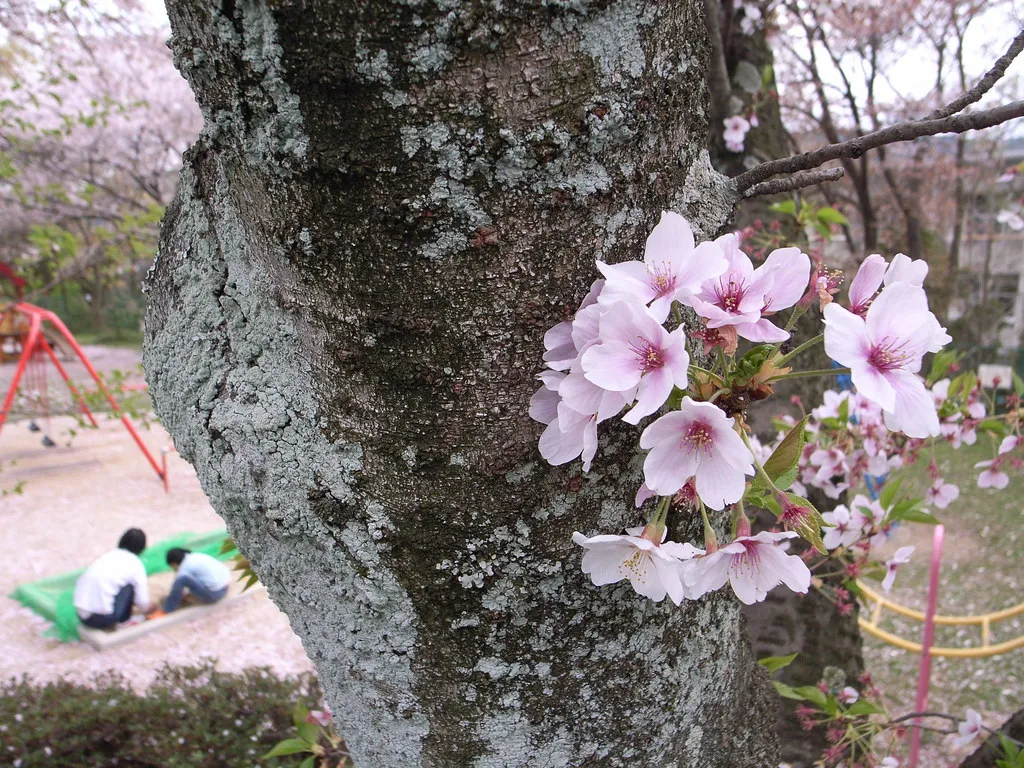
Across the Midwest and Northeast, typical peak timing runs from late March in southern areas to early May in northern locations, with southern areas blooming earlier and northern zones delayed by lingering cold. Chicago’s Jackson Park cherries and Ohio’s statewide displays are among the notable spots to watch in this region.
Washington D.C. usually peaks around late March, while colder northern destinations can bloom in April or even early May. Cities like Boston and Minneapolis, for example, should plan for mid to late April as their most reliable window, though a warm spring can pull everything forward by a meaningful margin.
Why the Dates Keep Shifting Earlier
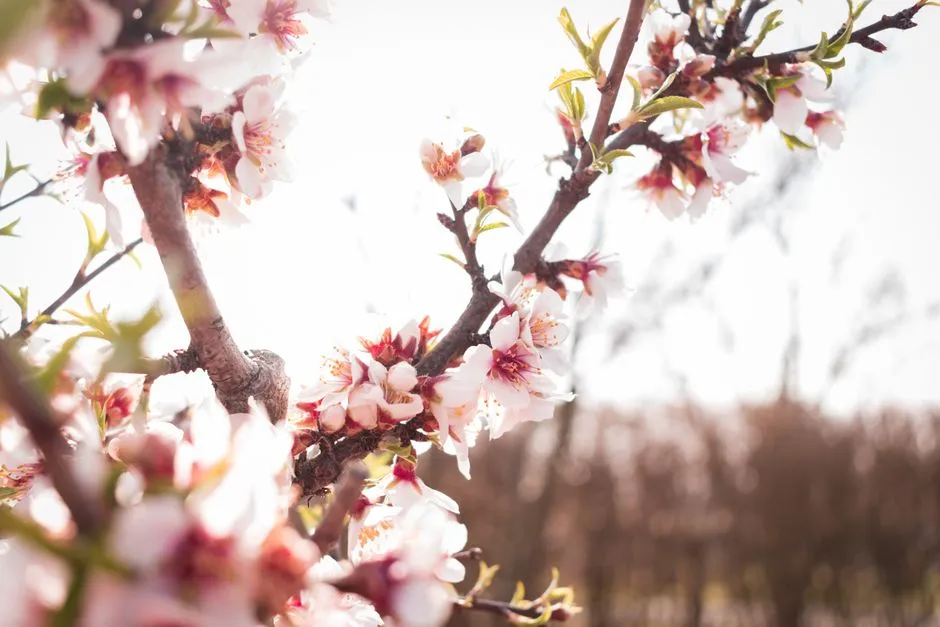
The long-term trend points clearly toward earlier blooms, with the average peak date moving from early April in the 1920s to late March in the 2020s. Despite this overall trend, there is still a lot of year-to-year variability. The century-long trend works out to roughly 0.8 days earlier per decade.
Historically, peak bloom in Washington occurs between the last week of March and the first week of April. Forecasting the date more than a few weeks ahead is nearly impossible because the buds respond to accumulated warmth and daylight, with warm winters speeding up the process and cold snaps delaying it. The shift toward earlier peaks is real and measurable, but it doesn’t make individual years any easier to predict.
How to Plan a Trip Around Peak Bloom
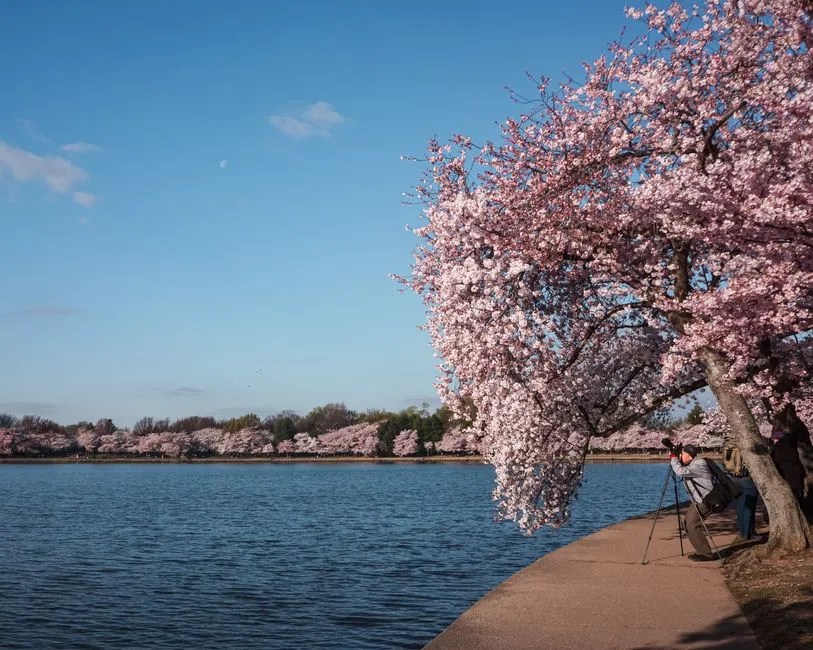
Cherry blossoms do not bloom at the same time everywhere in the USA. Southern and coastal cities usually bloom earlier, while colder northern cities bloom later. A smart planning approach is to choose a destination first, then keep travel dates slightly flexible. Cherry blossoms can look beautiful before and after peak bloom, but heavy rain or strong wind can shorten the best viewing window.
The most reliable strategy is to monitor the NPS bud updates and aim to arrive a day or two before the forecast date. The iconic Tidal Basin trees, a gift from Japan in 1912, attract more than 1.5 million visitors during the National Cherry Blossom Festival each spring, so booking early and staying flexible on exact dates remain the most practical pieces of advice for any serious trip planner.
The Takeaway
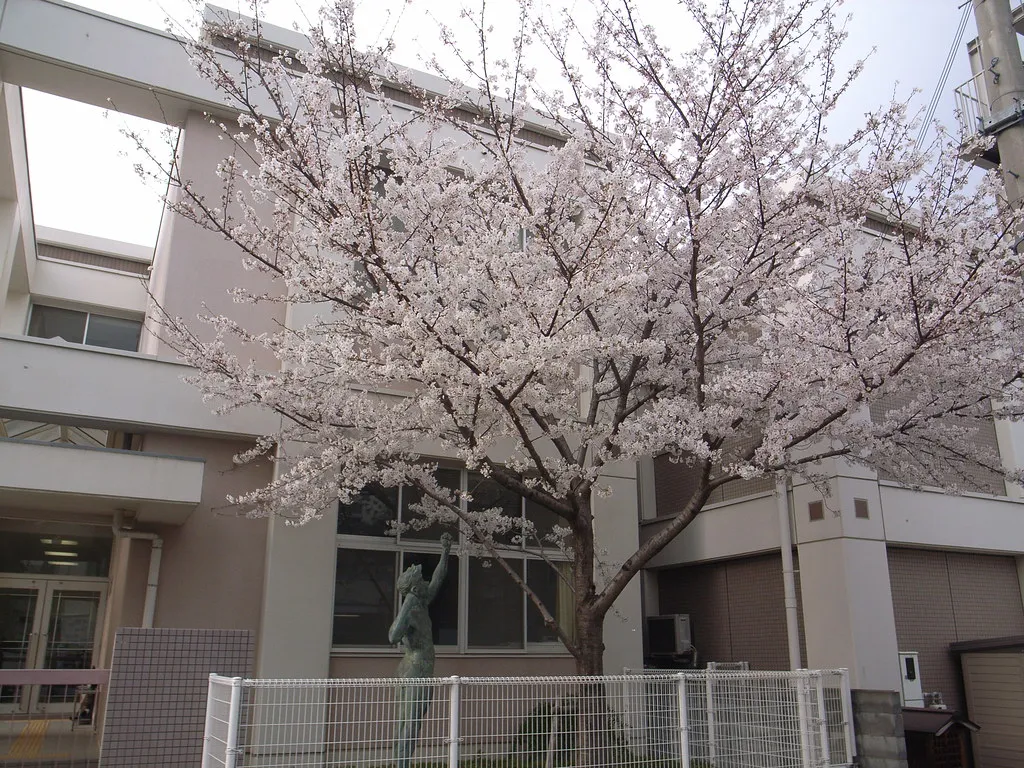
Peak cherry blossom season across the United States follows a loose but traceable rhythm. The South goes first, often in early to mid-March. The Mid-Atlantic and Pacific Northwest follow in the final week of March or the first days of April. The Midwest and far Northeast close things out, sometimes stretching into early May. No single date guarantees a perfect view, but understanding the regional sequence gives any traveler a genuine head start.
The bloom is brief by design. That brevity is part of what makes it worth chasing. Whether you’re planning around the Tidal Basin, a quiet park in Portland, or the UW Quad in Seattle, the best approach has always been the same: watch the forecasts, stay flexible, and go sooner rather than later once the buds begin to move.
AI Disclaimer: This article was created with the assistance of AI tools and reviewed by a human editor.