


More families are traveling together now than at almost any point in recent memory. A 2025 U.S. Family Travel Survey conducted by the Family Travel Association, NYU School of Professional Studies Tisch Center of Hospitality, and Good Housekeeping found that 92% of parents plan to travel with their children, the highest intention level since before the pandemic. That’s a lot of families navigating subway systems, outdoor markets, and unfamiliar streets with kids in tow.
City exploration with children is genuinely wonderful. It’s also where things can go sideways fast. A crowded festival, a busy transit station, a moment of distraction – and suddenly you’re scanning faces in a panic. Keeping the group together takes a mix of preparation, clear communication, and a few practical tools that most families overlook. Here’s what actually works.
Have a Conversation Before You Leave the Hotel

One of the best ways to keep children safe in an unfamiliar city is to create a separation plan before you visit crowded destinations. Have a conversation with your children about where to go if you get separated, and choose a memorable landmark that everyone can easily remember. This conversation takes five minutes and is worth more than almost any gadget you can pack.
Keep it simple and age-appropriate. For younger kids, pick one visual anchor – the fountain in the square, the red awning café – not a street address. Older children can handle slightly more detail, but even then, simplicity sticks better under stress.
Research Your Destination Before Arrival
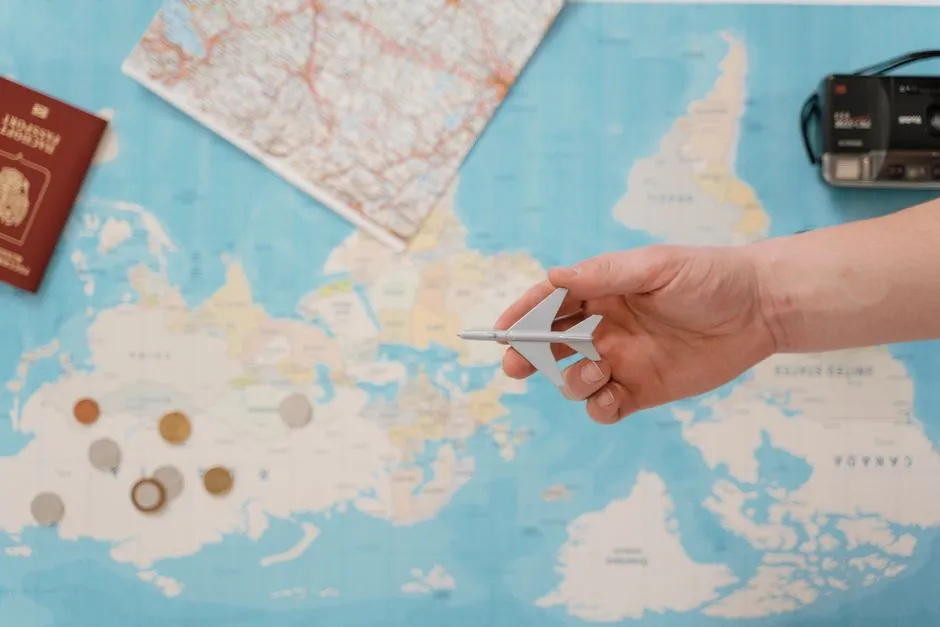
Before you set foot in a new city, research the area carefully. Look up safe neighborhoods, common tourist scams, and local emergency numbers. Websites like TripAdvisor and Lonely Planet, along with local government and tourism sites, can provide valuable insights. Knowing the layout in advance means you spend less time staring at your phone and more time watching your kids.
Pay attention to which parts of the city get particularly congested during the hours you plan to explore. Festivals, weekend markets, and transit hubs at rush hour all create the conditions where families get scattered. A few minutes of research before the day begins genuinely changes how you move through a place.
Use GPS Trackers and Wearable Devices for Young Children
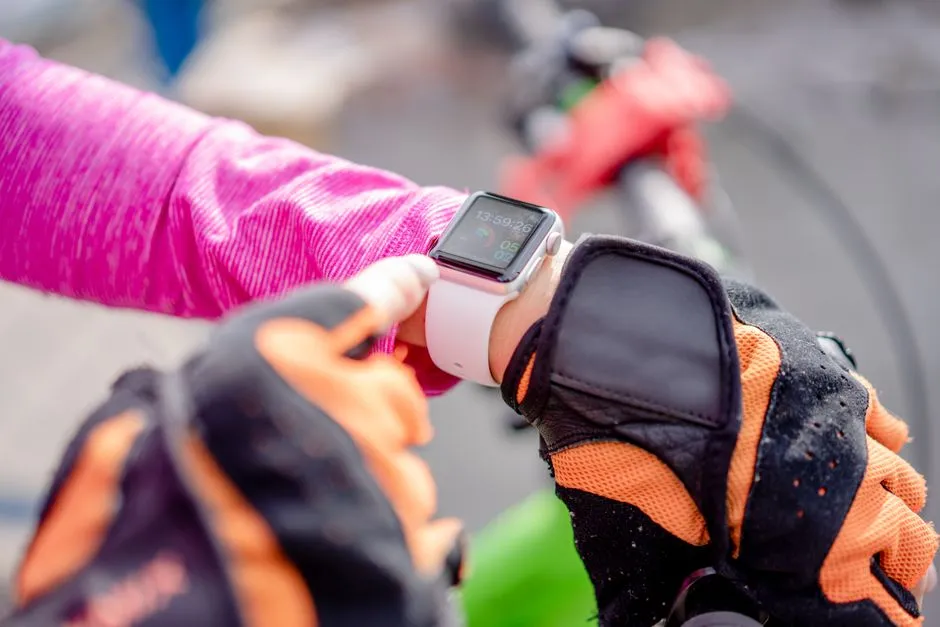
Modern GPS devices for children can set up geofencing alerts that notify parents if a child enters or leaves a defined zone. GPS trackers beam accurate location data straight to your phone, letting you know at a glance if your child is where they’re supposed to be or how to find them if you’ve lost sight of them in a crowd. GPS trackers designed specifically for kids are easy to wear on a wrist, slip into a pocket, or clip onto a backpack.
It is important to remember that trackers can complement supervision but should never replace it. There’s a risk they could create a false sense of security, so they should be used as a safety backup rather than a replacement for normal safety processes. Think of them as your backup plan, not your primary one.
Designate a “Meeting Point” in Every New Neighborhood
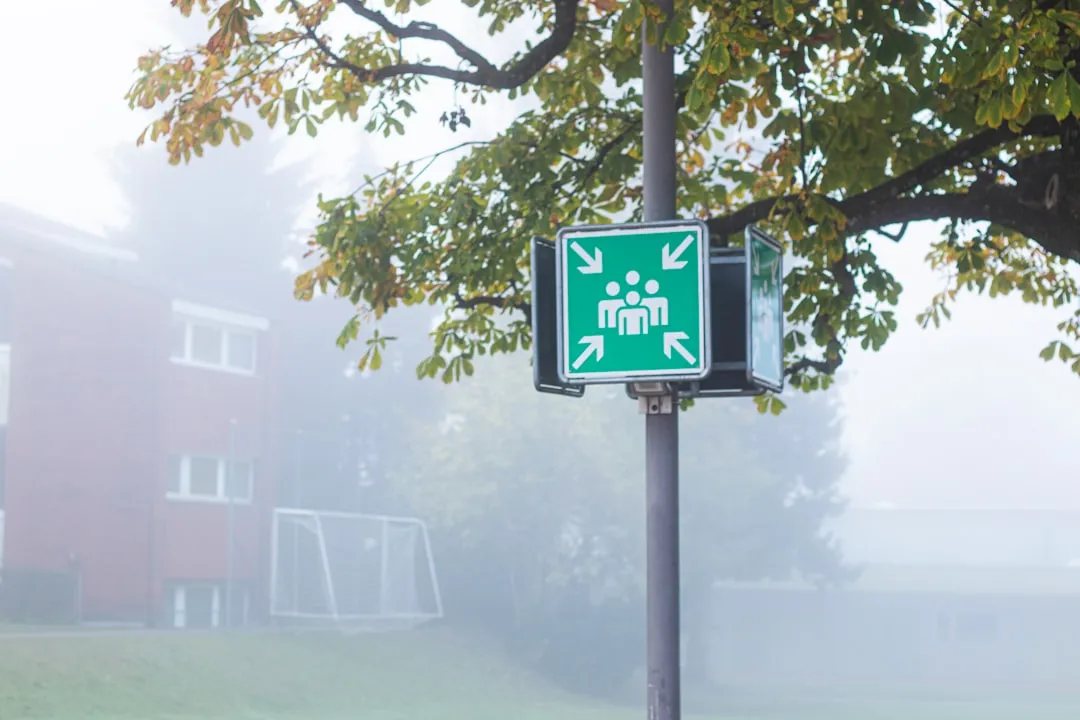
Every time your family moves to a new part of the city, take sixty seconds to designate a meeting spot before you split attention. It doesn’t need to be formal. Point at something obvious: the bronze statue, the bookshop with yellow signage, the corner with the flower stall. Kids hold onto visual memory better than addresses or cross-streets.
Make sure children always have the address of where you’re staying with them at all times. Set clear ground rules for what they’re allowed to explore on their own, and give clear expectations about how to keep in touch if they lose their phone or get separated from you. This applies even to older tweens and teenagers who may wander with a bit more independence.
Stick to Well-Trafficked Areas, Especially with Young Children
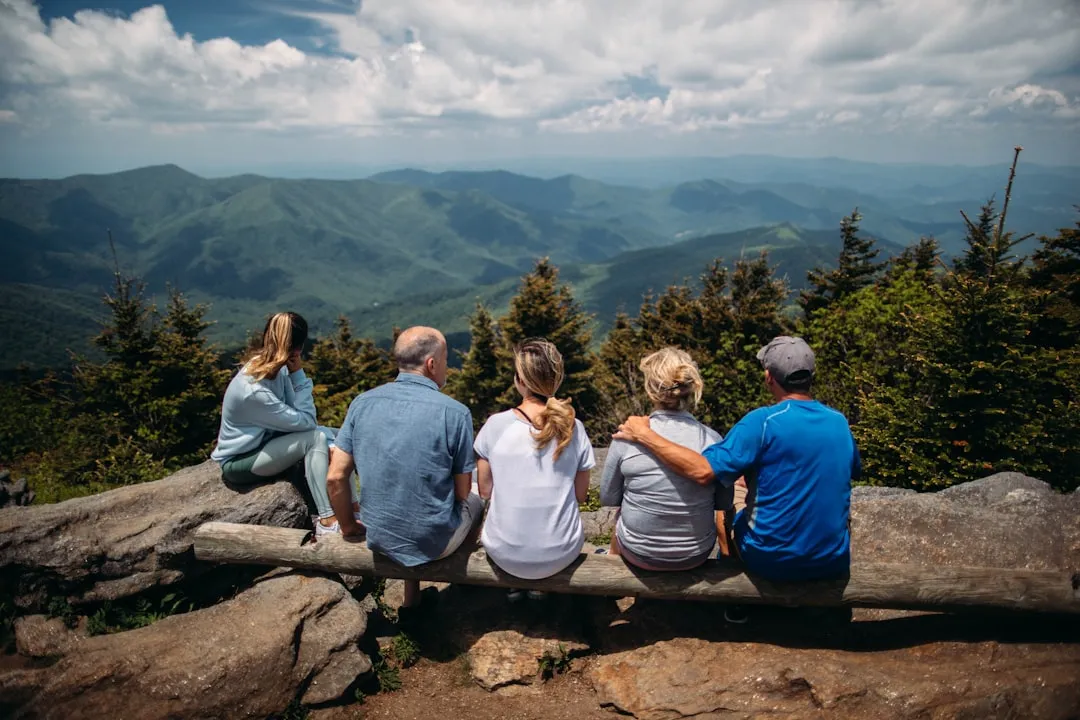
When in doubt, stay in tourist zones when visiting an unfamiliar city. These are generally places where you’ll find popular activities anyway. Tourist zones are often safer because they are in well-regarded parts of town, crowded with visitors, and patrolled by police. That visibility matters when you have children who are prone to darting away.
Stick to exploring unfamiliar areas during daylight hours. Cities transform after dark, and even safe destinations can become harder to navigate with tired, overstimulated kids. Planning your more adventurous walks for morning or early afternoon keeps energy levels higher for everyone, including the adults.
Teach Children What to Do if They Get Lost

The single most powerful thing you can do for a young child is teach them a trusted adult to approach if they’re lost. Police officers, shop employees, and other parents with children are all generally safe choices. Rehearse this at home before the trip, so it’s not a new concept when panic might otherwise take over.
Have younger children memorize one parent’s phone number and repeat it on the day of any big outing. For children who aren’t old enough to memorize numbers reliably, a small card inside a shoe or jacket pocket with a name and contact number works well. Give children clear expectations of how to keep in touch, and have them keep some cash on hand in case they get separated and need to find their way back.
Stay Connected with Working Phones and Offline Maps
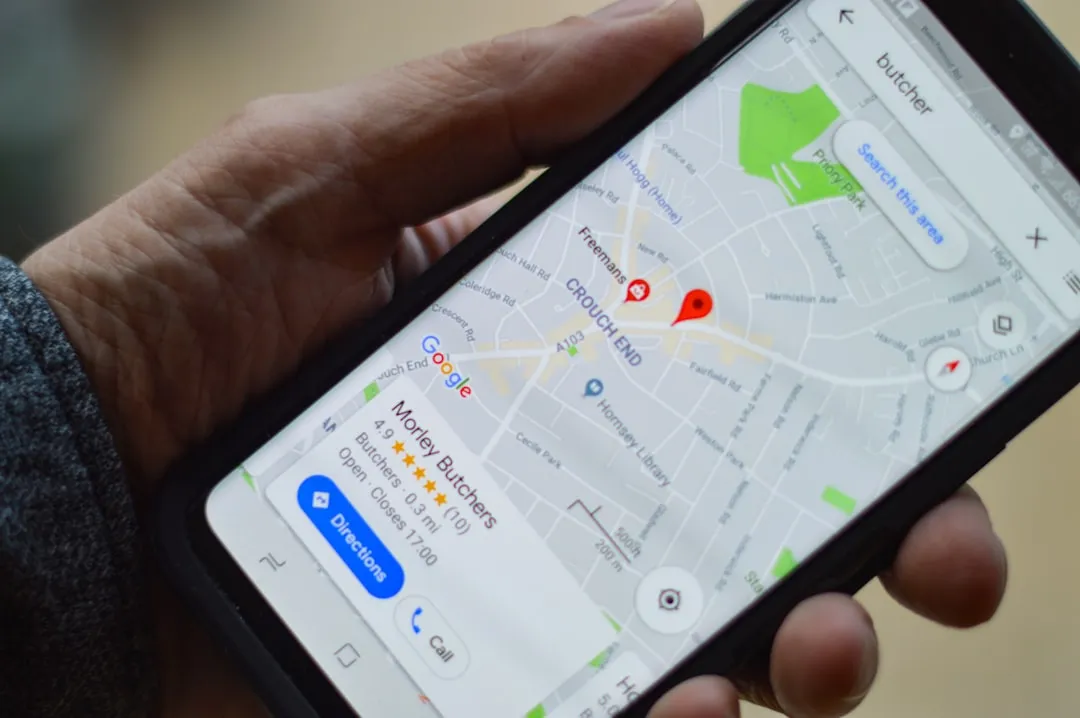
Ensure you have a working phone to make emergency calls or use GPS. Buying a local SIM card or opting for an international plan can keep you connected. A phone that loses data service the moment you step into an unfamiliar transit station is the exact scenario that turns a minor separation into a real scare.
Use GPS and offline maps to navigate unfamiliar areas. Download safety apps that can alert authorities or contacts in case of emergencies. Offline maps, in particular, are underused. They work without a signal, load instantly, and don’t rely on roaming plans that may fail in underground stations or older neighborhoods with patchy coverage.
Keep Group Sizes Manageable and Set a Buddy System

In 2025, nearly half of travelers chose multigenerational family trips, a rise of around one fifth compared to 2024. Larger group travel is wonderful, but it creates real coordination challenges in busy urban spaces. The bigger the group, the more clearly everyone needs to understand the plan.
A buddy system pairs each child with a specific adult or older sibling who is responsible for them throughout the outing. It’s not about distrust – it’s simply about reducing the cognitive load on any single parent. In crowded places like transit hubs, markets, or waterfront promenades, it means no one has to keep track of everyone simultaneously. Assign buddies before you leave in the morning and reconfirm them at each transition point in the day.
Use Verified and Reliable Transportation

Use well-known and verified transport services. Apps like Uber or Lyft can be safer than hailing cabs off the street because they provide details about the driver and allow you to share your ride status with friends or family. When the whole family piles into a vehicle together, the risk of separation is low – the risk rises when you’re navigating public transit with multiple children across crowded platforms.
Stay alert and keep personal belongings secure on public transport. Distracted parents on busy trains or buses are also easier targets for minor theft, which then creates a secondary emergency layered on top of managing children. Simple awareness – bags in front, eyes up – dramatically reduces that risk.
Trust Your Instincts and Listen to Your Children’s Cues

Above all, trust your instincts. If something doesn’t feel right, it probably isn’t. This sounds simple, but it’s genuinely easy to override a gut feeling in the middle of an exciting day. Overpacked itineraries, tired children, and unfamiliar environments are the exact conditions where small warning signs get ignored.
Pay attention to your children’s feelings and instincts as well. A child who suddenly becomes clingy or anxious in a crowd is communicating something real. Slowing down, finding a quieter spot, and recalibrating the day is far better than pushing through and dealing with the fallout later. The best city explorations leave room for the unexpected – including the unexpected need to pause.
The Takeaway

Exploring a new city with your family should feel like discovery, not damage control. Traveling with kids is one of life’s greatest pleasures, but keeping your family safe in unfamiliar environments requires thoughtful preparation. The good news is that none of these strategies are complicated. They’re mostly about doing a little thinking before the day begins, so you can be genuinely present once it does.
The families who travel most confidently in cities aren’t the ones with the most gear or the most rigid plans. They’re the ones who’ve talked it through, practiced a few simple habits, and given their children real tools rather than just instructions to “stay close.” That combination – preparation plus trust – is what keeps everyone together, and what makes the journey worth taking.
AI Disclaimer: This article was created with the assistance of AI tools and reviewed by a human editor.