
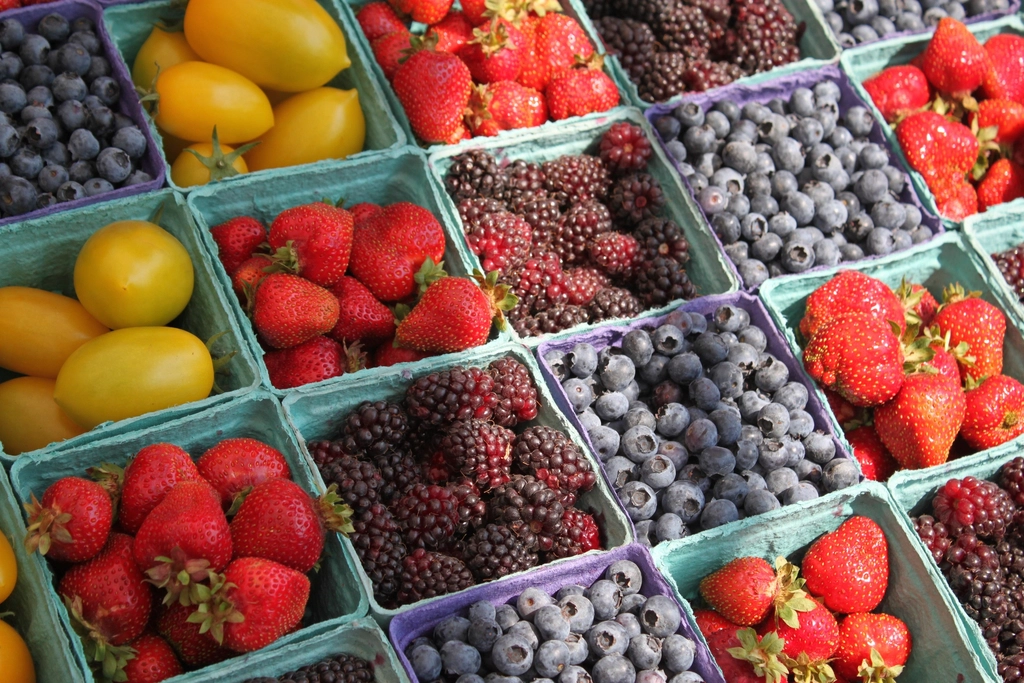

There’s a particular kind of Saturday morning that ruins you for ordinary routines. You arrive at a market stall just as someone is pulling fresh sourdough from a linen bag, a paper cup of single-origin coffee warming your hand, the whole square smelling of stone fruit and herbs. An hour later, you realize you haven’t checked your phone once.
Farmers markets have quietly become one of the most compelling reasons to visit a town. The United States is dotted with towns that celebrate farm-to-table living, each offering unique flavors and experiences – from coastal havens to mountain enclaves, where farmers markets are more than just a place to shop, they’re a way of life. What follows is a gallery of ten places where that way of life shows up most beautifully, first thing in the morning.
Ithaca, New York: Where the Market Earned Its Crown
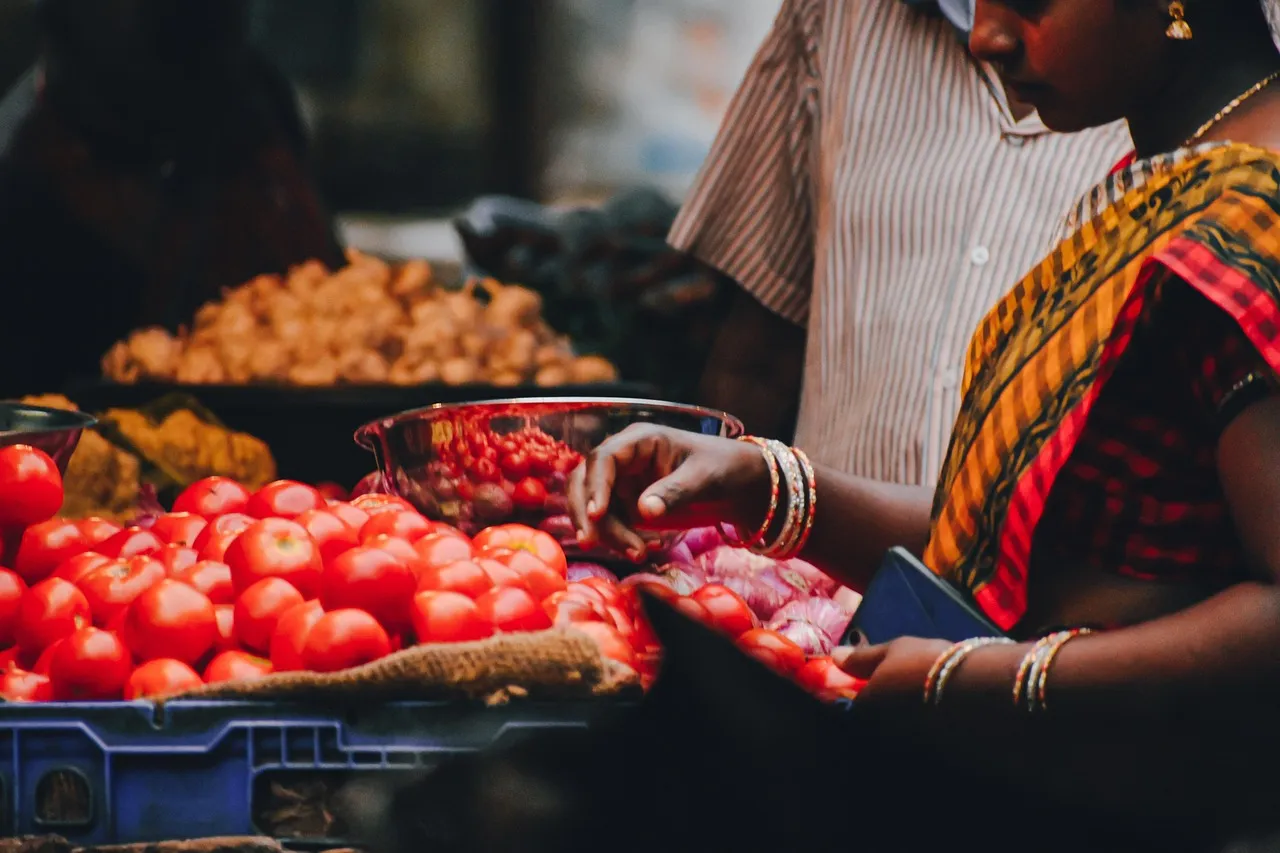
The Ithaca Farmers Market is a local tradition and community hub that has been running for over 50 years. In a landscape of thousands of markets, that kind of longevity says something real about the community holding it up. In 2025, parking was expanded to improve accessibility, while the market was named the number one farmers market in Newsweek’s annual Readers’ Choice Awards.
In addition to the bounty of produce, visitors find a diverse variety of prepared dishes including authentic Laotian, Cuban, Indian, Cambodian, and Thai cuisines, Amish jams, macrobiotic meals, local organic meats, eggs, and artisan sourdough made to order for breakfast. It’s the kind of spread that turns a quick grocery stop into a two-hour cultural wander. The market is hosted in a beautiful all-weather pavilion on Saturdays and Sundays from May through November.
Santa Monica, California: Sunshine, Coast, and Certified Local Produce
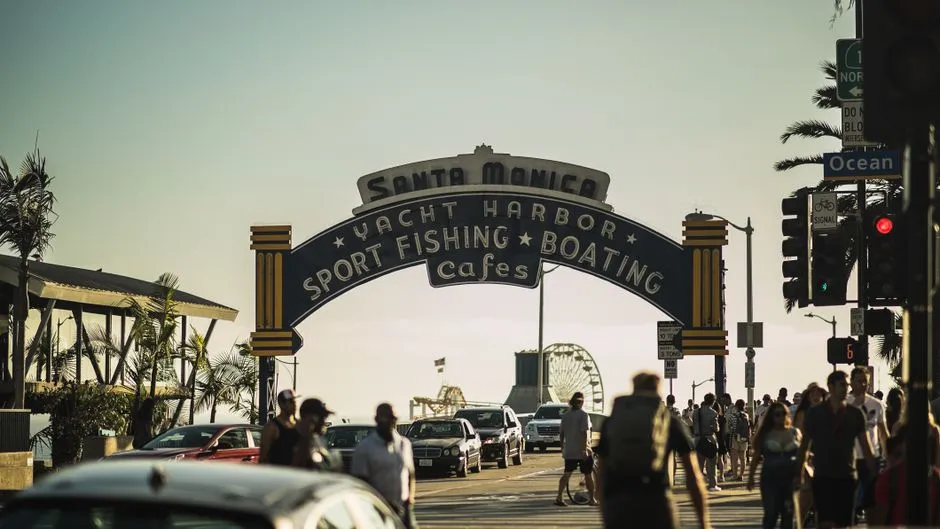
Bathed in sunshine and just steps from the Pacific Ocean, Santa Monica hosts one of California’s most beloved farmers markets. This is a market that happens to be in a beautiful place, not a beautiful place that happens to have a market. The distinction matters when you’re deciding how to spend a morning.
Open year-round on Wednesdays and Saturdays, the market spans six city blocks and is bursting with booths of produce, meat, seafood, olive oil, baked goods, and more. Breakfast here can be as simple as a wedge of warm focaccia and a perfectly ripe peach eaten on the grass nearby. Visitors recommend taking the trolley for a visit since parking can be challenging.
Lancaster, Pennsylvania: Architecture, History, and Warm Vendors
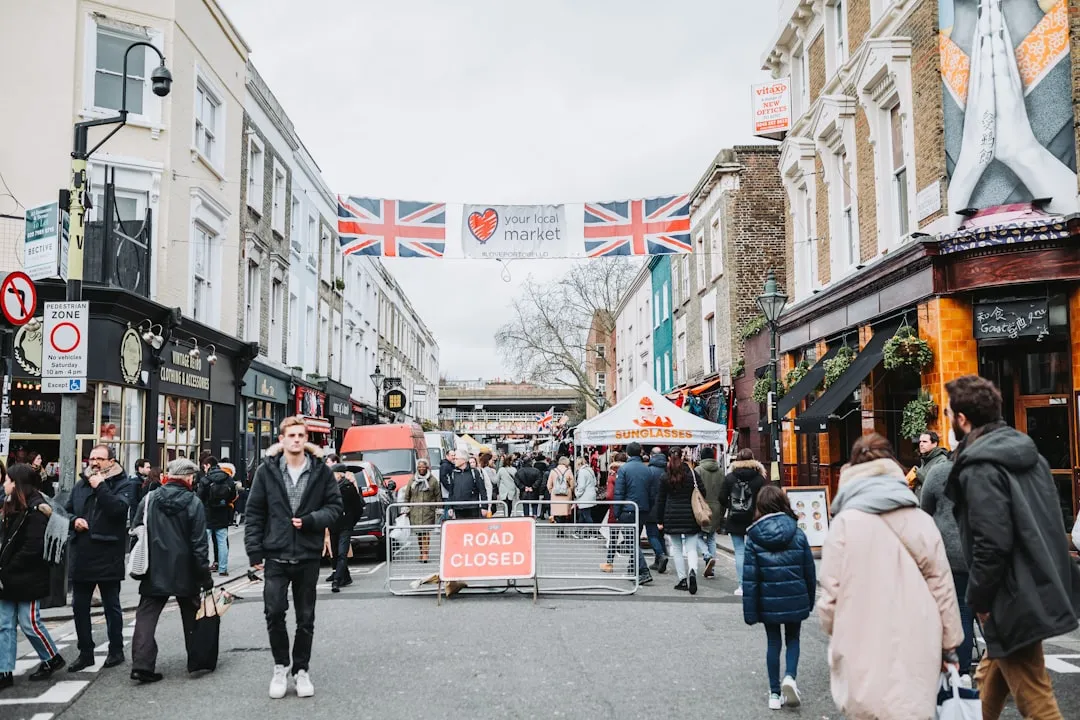
Lancaster sits in the heart of Pennsylvania Dutch country, and its market experience is unlike anything in a major city. Walking around the building, you are immediately struck by the beautiful architecture and its rich history, and opening the doors, you hear the lively sounds of busy shoppers and smell delicious food being prepared while people support local vendors.
Since visitors are often coming from out of town, many focus on enjoying coffee, lunch, and finding sweet treats to bring back home, and every vendor encountered is incredibly welcoming and helpful with selecting items. There’s a generosity of spirit here that’s hard to manufacture. Many different types of vendors specialize in meats, fish, dairy, nuts, coffee, tea, flowers, pickles, and desserts.
Dallas, Texas: A Daily Market With a City Skyline Backdrop
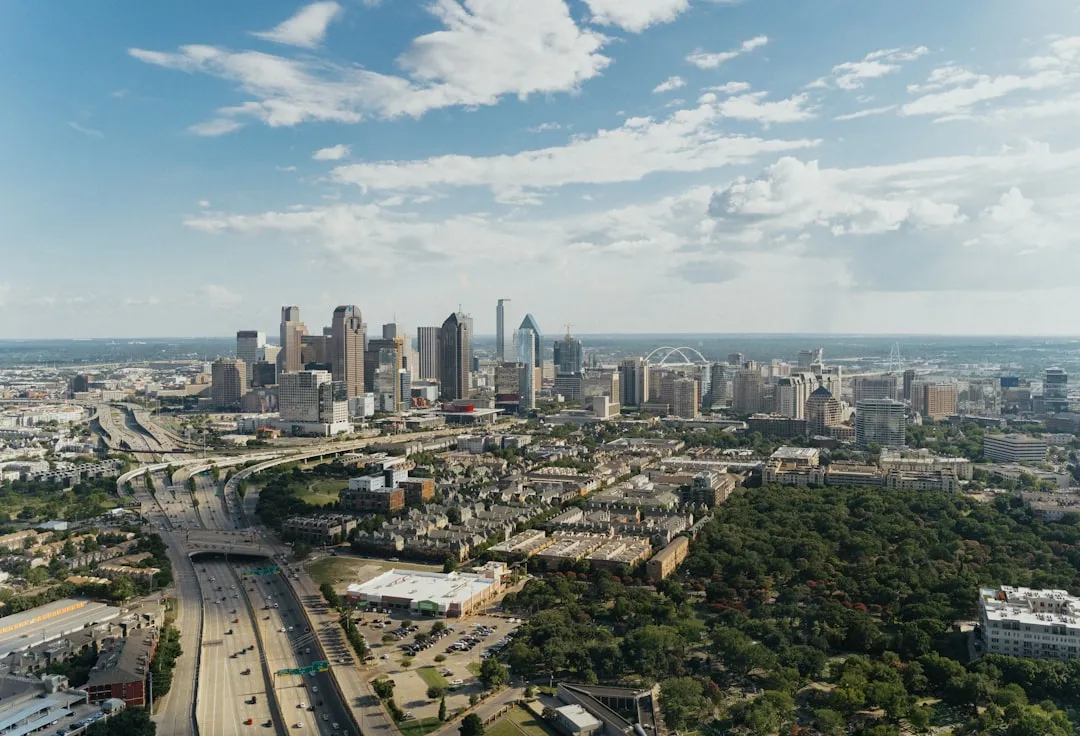
Most markets operate once a week. Dallas does things differently. Dallas Farmers Market is open daily, and visitors can shop for homegrown produce and ranch-raised meat while sipping a cup of coffee, then take in the city skyline from the food hall, where Texas barbecue is very much on the breakfast menu.
Dog boutiques, wine-tasting rooms, and boot shops mean you can find just about anything here. That breadth is what keeps people for hours rather than minutes. For a city of this size, the market functions as an unexpected neighborhood anchor, somewhere locals genuinely return to week after week.
Pukalani, Maui, Hawaii: Breakfast at the Base of a Volcano

The Upcountry Farmers Market on Maui sits at an elevation that gives it cooler air and a distinct agricultural character. Upcountry, which includes the towns of Kula, Haiku, Pukalani, and Makawao, is home to a dormant volcano, fewer people, and cooler temperatures. It feels genuinely removed from the resort-lined coastline below.
The market is incredible and a perfect start to a Maui trip. Arriving right at 7:00 AM, the space is manageable and calm, but by 8:30 it grows very busy. The variety of producers is wonderful, all very kind and eager to explain the different types of fruits and the proper way to peel and eat them, and vendors sell homemade Kulolo, a taro-based dessert, alongside coconut-based pudding. This is breakfast as cultural education.
Coastal Alabama: Fresh From the Gulf, Ready at Dawn

Not every farmers market is built around heirloom tomatoes and sourdough loaves. For the freshest shrimp, oysters, and snapper from the Gulf, the Coastal Alabama Farmers and Fishermens Market delivers, and beyond the catch of the day, visitors also find locally grown fruits and vegetables, organic beef, and handcrafted decor.
Covered and open year-round, the market runs seasonal events that have become deeply popular, from June’s Corn Festival to December’s Christmas Night Market. A morning visit in summer, with grilled Gulf shrimp and sweet corn in hand, is as close to a regional breakfast ritual as the South gets. The market manages to feel both working and welcoming at the same time.
Rochester, New York: Downtown Mornings With Real Character
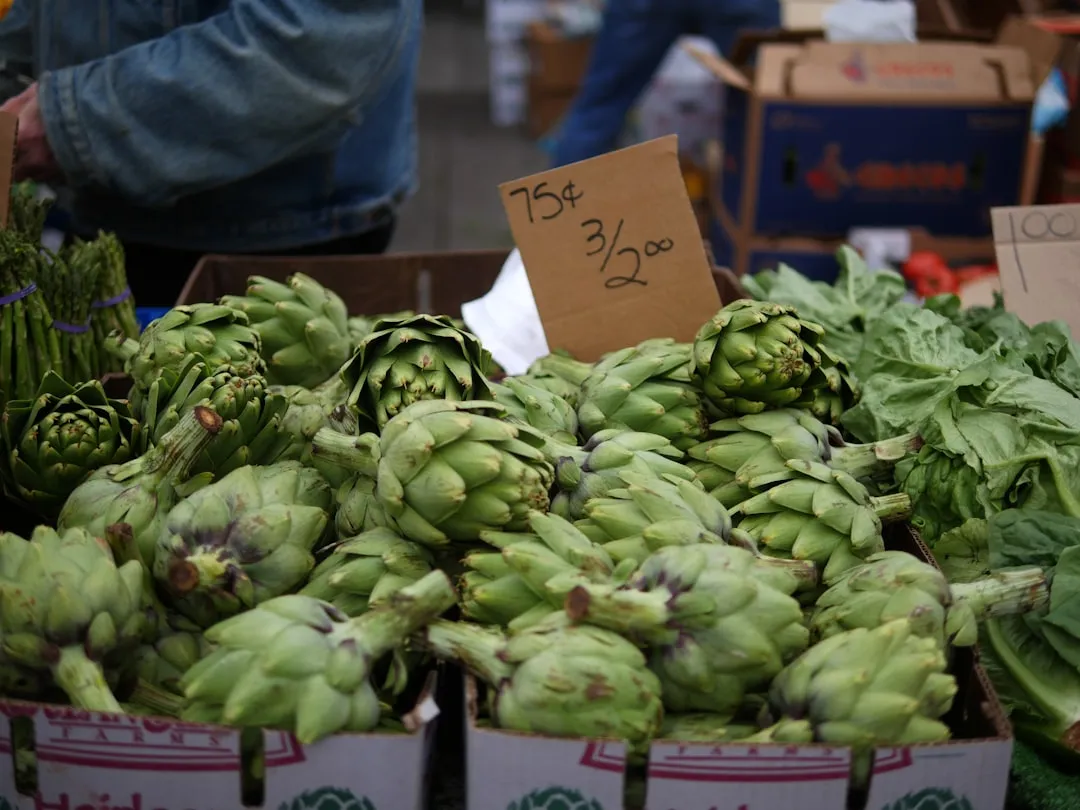
Rochester’s Public Market has a lived-in quality that newer markets sometimes spend years trying to cultivate. Rochester is described by travel writers as an underrated city that comes through with a slate of lively festivals, historic appeal, and a must-try signature culinary scene. The market fits that profile exactly.
Visitors describe it as a great morning of walking around the downtown area, with breakfast sandwiches that stand out. It’s not too crowded, with space to maneuver, and makes for an enjoyable Saturday morning. That comfort is underrated. When a market doesn’t overwhelm you, you actually taste things.
Hobart, Australia: A Global Benchmark Worth the Journey
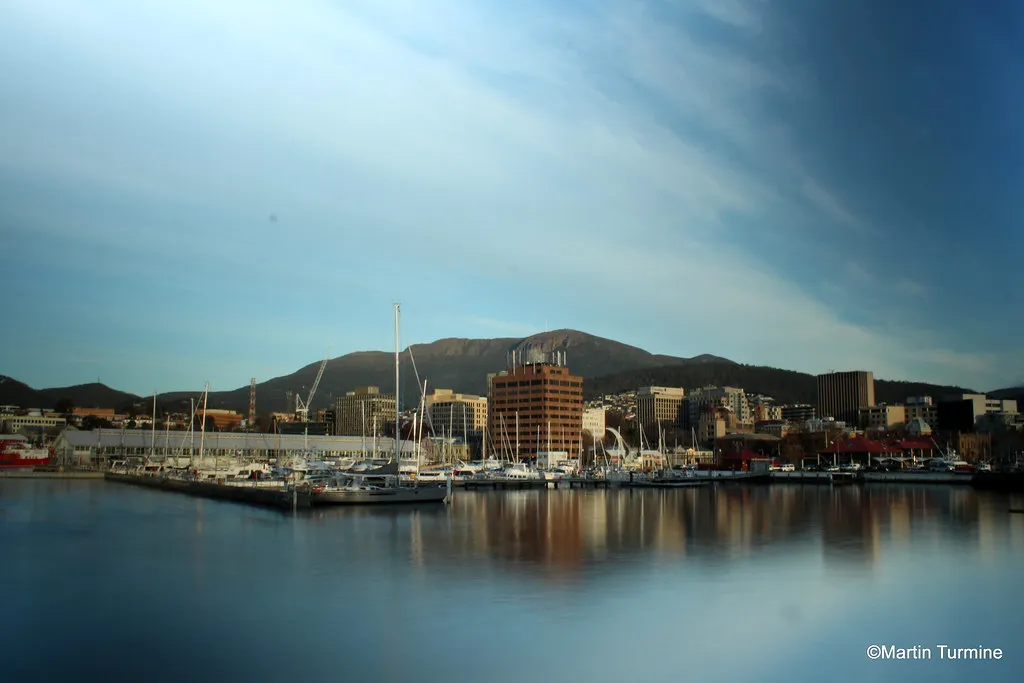
Farmers market culture isn’t exclusive to the United States, and Hobart’s Farm Gate Market is proof of that on an international scale. Nothing quite compares to the sensory experience of a well-run market, and when traveling, these colorful centers of local delicacies offer the best introduction to the culture and community of a new city.
Lonely Planet released its annual Best in Travel guide spotlighting 30 must-visit destinations, and Tasmania was the only Australian state to make the list, with Hobart’s Farm Gate Market recognized among the world’s ten best markets. For travelers who organize trips around food culture, that ranking carries real weight. A Sunday morning in Hobart’s central district, tasting Tasmanian cheese and smoked salmon at 8 AM, resets your sense of what breakfast can be.
San Diego, California: Year-Round Markets Across Six City Blocks
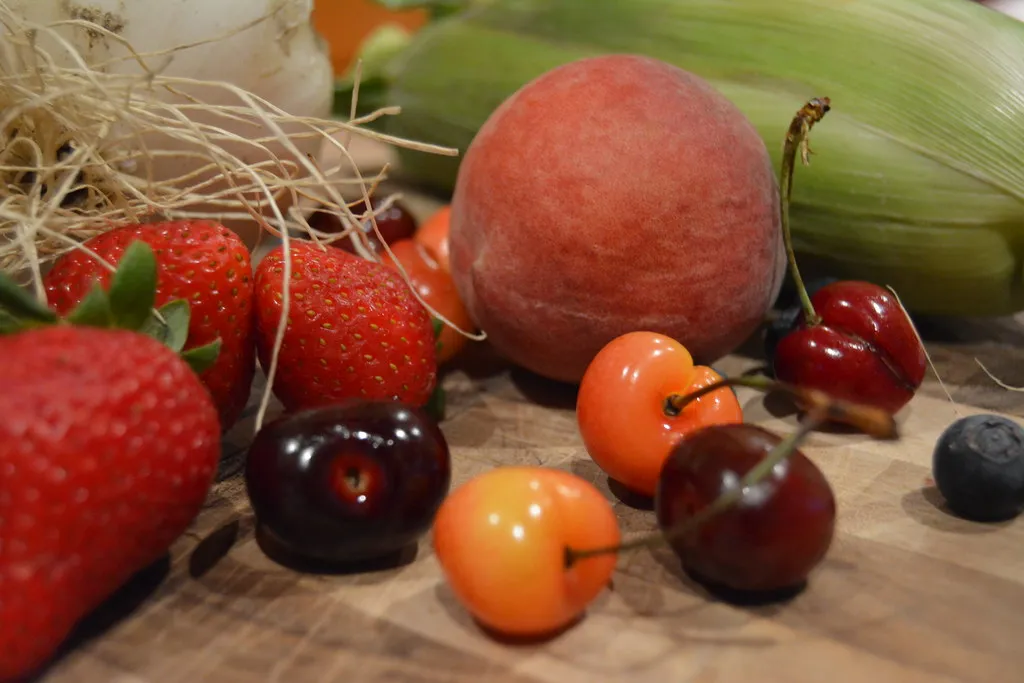
San Diego’s farmers market scene benefits enormously from a climate that keeps produce flowing in January as confidently as it does in July. The city has built a market culture that doesn’t feel seasonal or occasional. It feels like infrastructure.
Open year-round on Wednesdays and Saturdays, the Little Italy Farmers Market spans six city blocks and is bursting with booths of produce, meat, seafood, olive oil, baked goods, and more. Sitting at the edge of San Diego Bay with a breakfast burrito and a view of the water is one of those quietly perfect mornings that travel writers struggle to improve on. The neighborhood around it has grown in part because the market gave it a heartbeat.
The Bigger Picture: Why These Markets Matter Beyond Breakfast
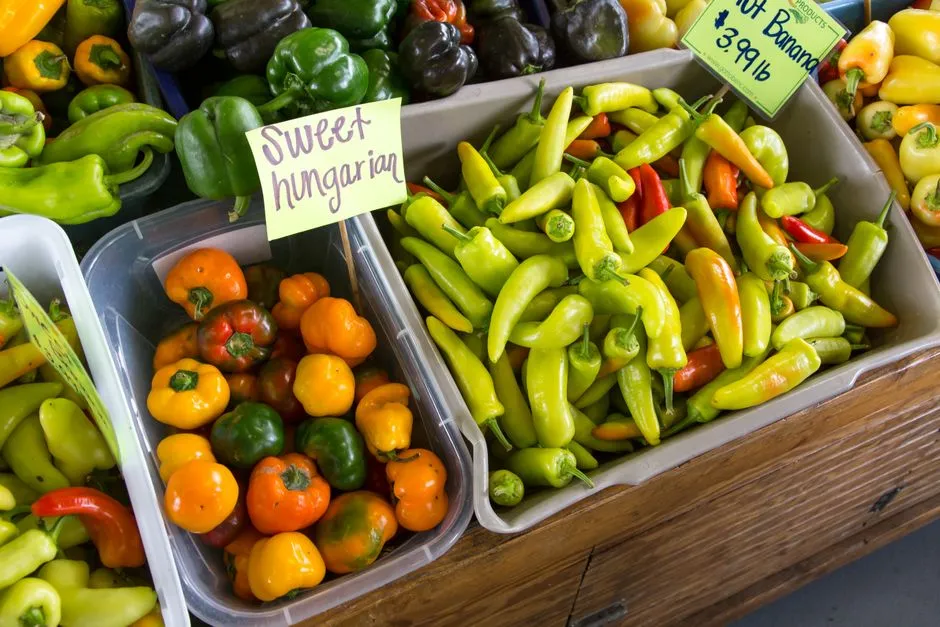
The pull of these towns and their markets isn’t accidental. According to USDA’s Agricultural Marketing Service, from 1994 to 2019, the number of farmers markets in the United States rose from 1,755 to 8,771, averaging growth of nearly seven percent per year. That’s a fundamental shift in how Americans relate to food and to the people who grow it.
The growing number of farmers markets reflects increased demand for local and regional food products based on consumer perceptions of their freshness and quality, support for the local economy, environmental benefits, and other perceived attributes relative to food from traditional marketing channels. A significant factor contributing to the popularity of farmers markets is their perceived affordability, with the vast majority of surveyed shoppers indicating that they find the prices to be reasonable. These aren’t niche destinations for food enthusiasts. They’re places where a community decides, week after week, what it values.
The Takeaway
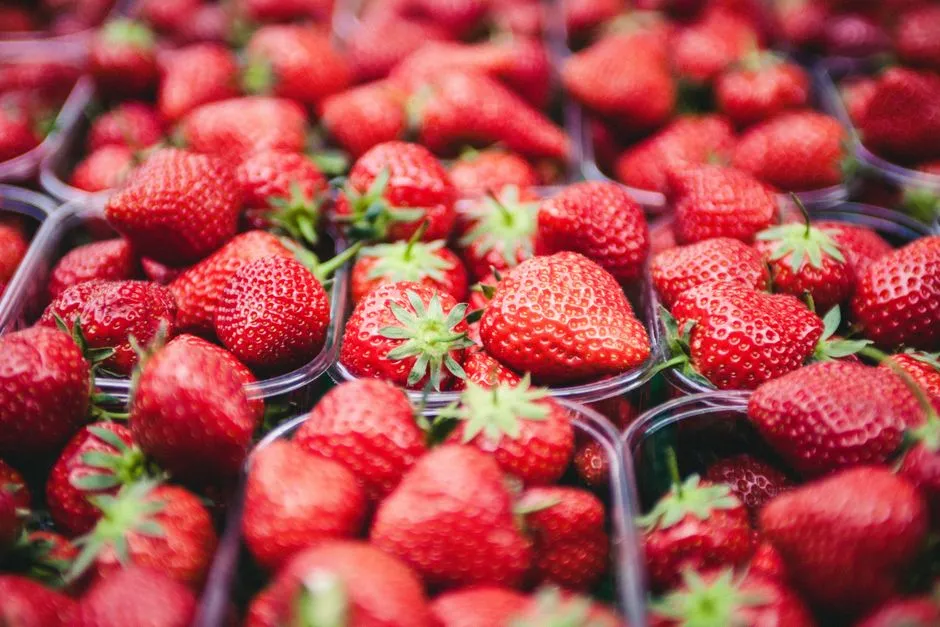
The towns on this list share something that resists easy categorization. It isn’t just good food or scenic backdrops. It’s the particular quality of a morning spent without urgency, moving from one stall to the next, talking briefly to the person who grew what you’re eating.
Breakfast at a farmers market isn’t really about the meal. It’s about the pace. You might arrive to pick up a few vegetables, but you’ll probably wind up spending some time soaking in the sunshine, tasting wines and cheeses, or picking up something handmade you didn’t know you needed. That drift, that unplanned absorption into a place and its people, is exactly what good travel is supposed to feel like. Some mornings, a whole town opens itself up one stall at a time.
AI Disclaimer: This article was created with the assistance of AI tools and reviewed by a human editor.