
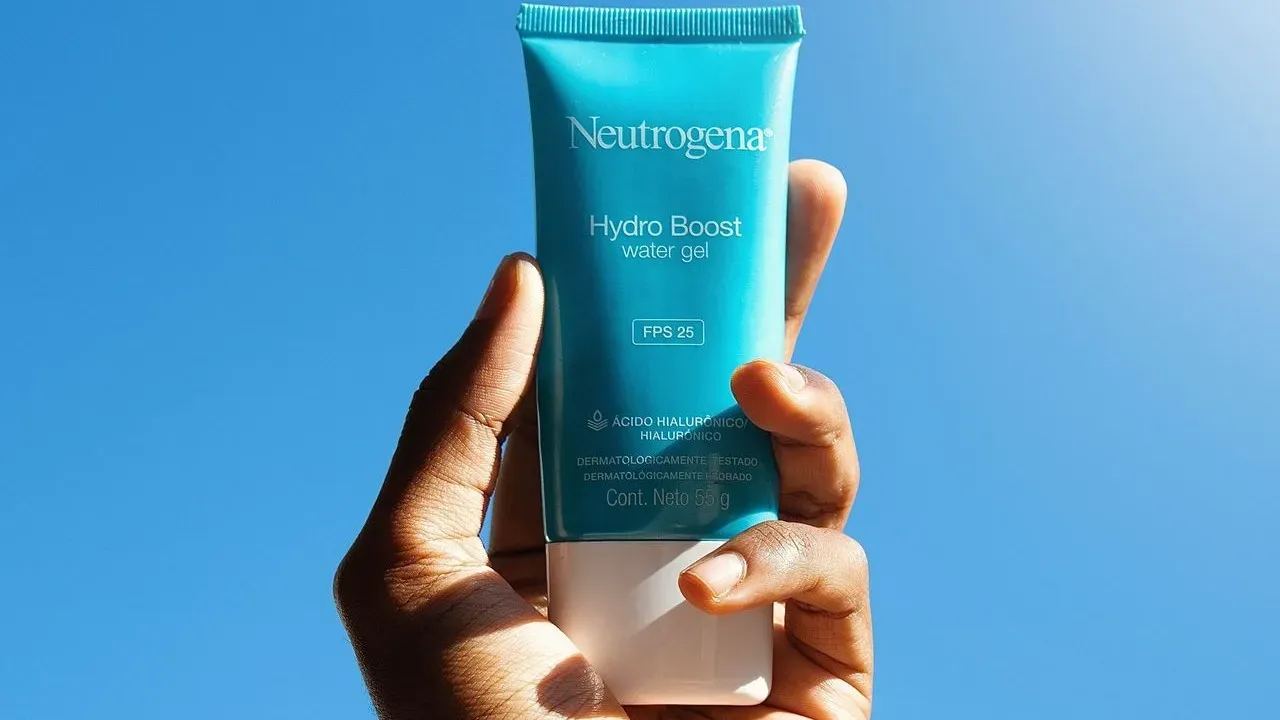

Washington – Travelers preparing for beach days, mountain hikes, and long afternoons outdoors now have a fresh choice when they reach for sunscreen. The U.S. Food and Drug Administration approved bemotrizinol, also known as BEMT, in June, marking the first new chemical sunscreen ingredient cleared for use in more than a quarter century. The first products containing it are already appearing on store shelves from brands such as Neutrogena. This development matters for anyone who packs sunscreen as part of a responsible approach to enjoying time outside. It adds an option that combines broad protection with qualities that address common preferences among users.
A Quarter-Century Wait Ends
For decades, American sunscreen formulas relied on a familiar set of ingredients. The arrival of bemotrizinol changes that limited roster in a meaningful way. The chemical has been used for years across Europe and other regions, giving regulators here a substantial body of existing safety information to review. Dermatologists note that the ingredient brings decades of real-world data, including studies showing very low absorption through the skin. That background helped the FDA move forward with approval after examining research involving more than 500 patients. The agency concluded the ingredient meets its standards for being generally recognized as safe and effective.
Broad Protection in a Single Ingredient
Effective sun protection requires shielding skin from both UVB rays, which cause most sunburn, and UVA rays, which contribute to longer-term skin concerns. Many earlier chemical formulas needed multiple ingredients to cover both ranges. Bemotrizinol handles both on its own, simplifying the task for manufacturers while delivering the broad-spectrum coverage travelers seek. Mineral options such as zinc oxide and titanium dioxide have long provided strong dual protection through physical blocking. Some people, however, find the texture or appearance of those formulas less appealing for daily use during travel. The new chemical option offers an alternative that avoids those characteristics while still meeting the same protective criteria.
Stability and Everyday Practicality
Another noted quality of bemotrizinol is its resistance to breaking down quickly under sunlight. This stability stands in contrast to certain older chemical filters that required extra formulation work to maintain effectiveness over time. For travelers who reapply sunscreen during extended periods outside, that consistency can support more reliable routines. The FDA also reviewed data showing the ingredient produced no irritation or allergic reactions in the studied users. Levels absorbed into the skin remained nearly undetectable, addressing one of the ongoing areas of scrutiny for chemical sunscreens.
Placing Sunscreen Within a Larger Plan
Experts continue to emphasize that sunscreen works best as one element of a broader approach to sun protection. Shade breaks, protective clothing, and hats remain valuable companions for any outdoor itinerary. Reapplication every few hours, or more often when swimming or sweating, stays important regardless of the formula chosen. As new products become more widely available, travelers can consider how this addition fits their personal preferences and the environments they visit. The focus remains on thoughtful preparation that supports enjoyable, responsible time in the sun.
AI Disclaimer: This article was created with the assistance of AI tools and reviewed by a human editor.