
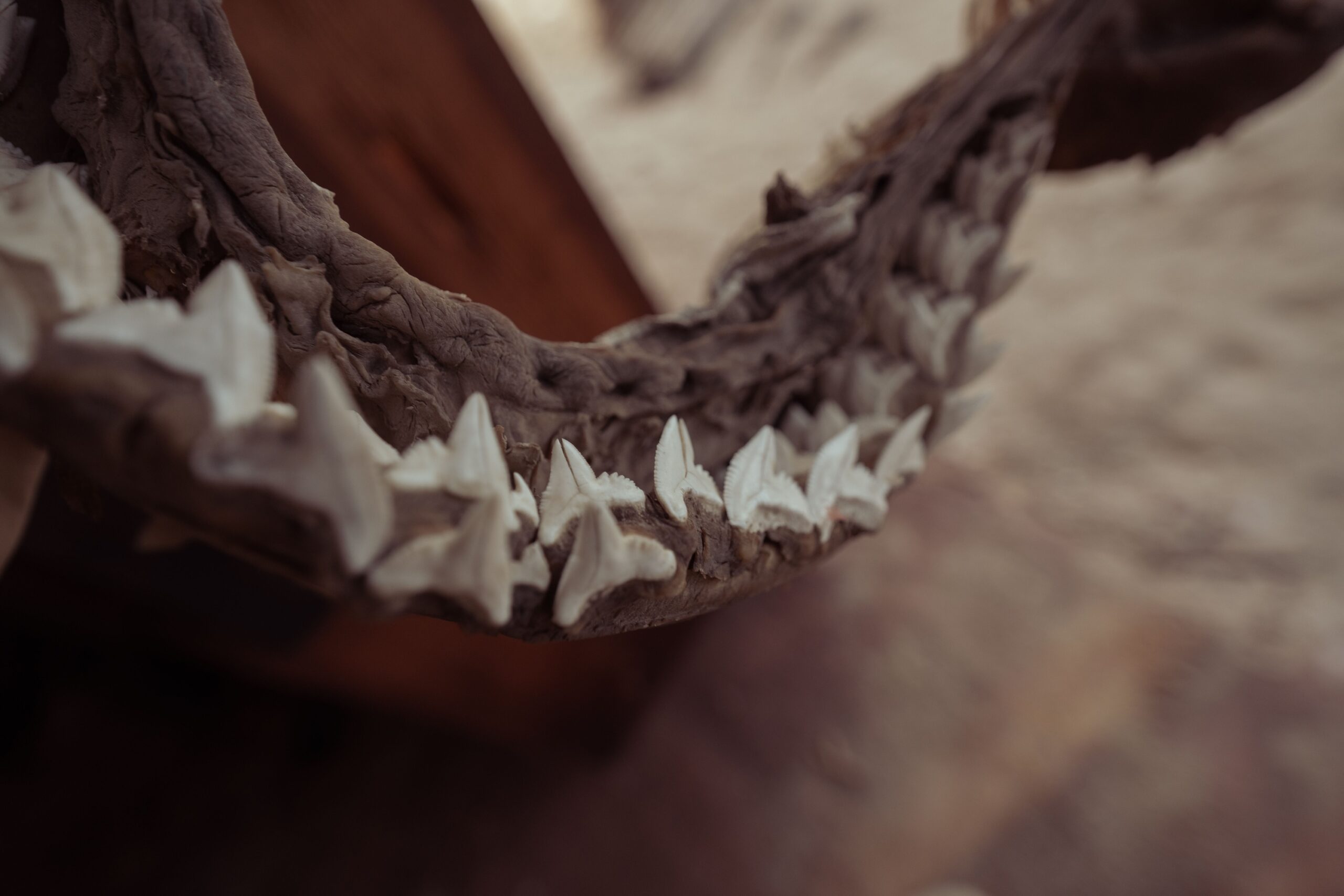

How Florida Became an Ancient Shark Nursery
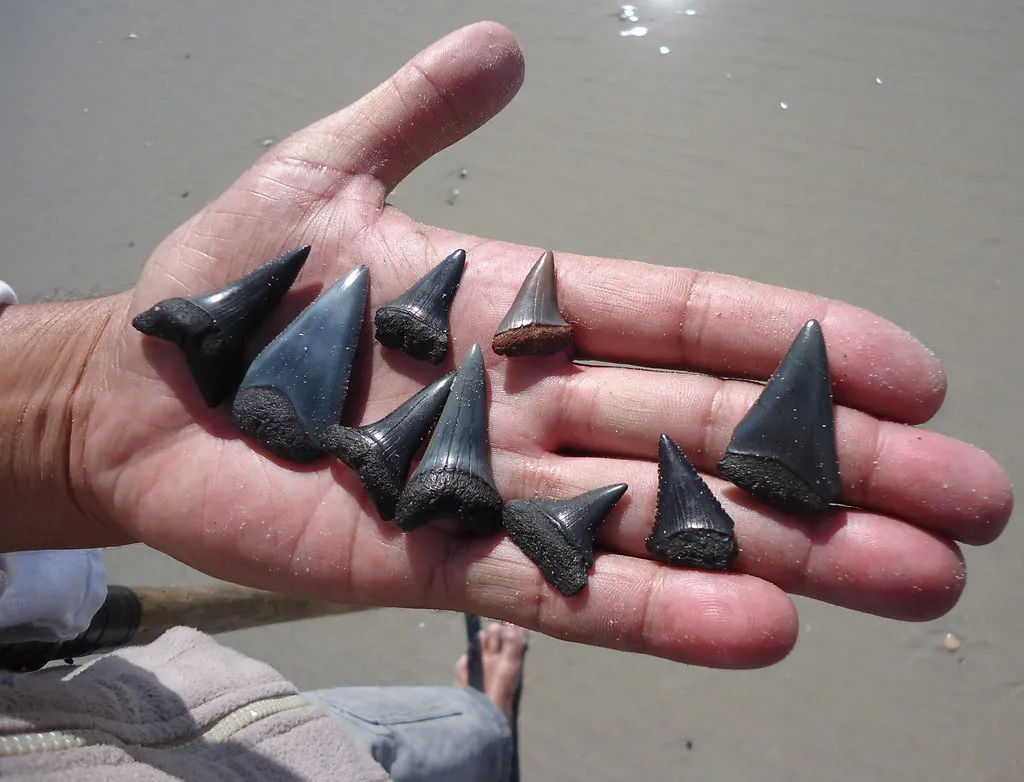
Florida was once part of a prehistoric, warm, shallow sea filled with sharks, and their prehistoric teeth can be found along Venice’s beaches today.
Ten million years ago, when Florida was submerged under water, the area was teeming with sharks. Over time, as the water receded giving way to land, the prehistoric sharks died, their skeletons disintegrated, but their fossilized teeth remained.
While the cartilaginous skeletons of sharks disintegrate quickly, their teeth are much tougher and fossilize well. The 18 to 35 foot thick fossil layer on Venice’s coast is full of not just shark teeth but the fossilized bones of many other prehistoric creatures, too.
The Geology That Makes Venice Unique
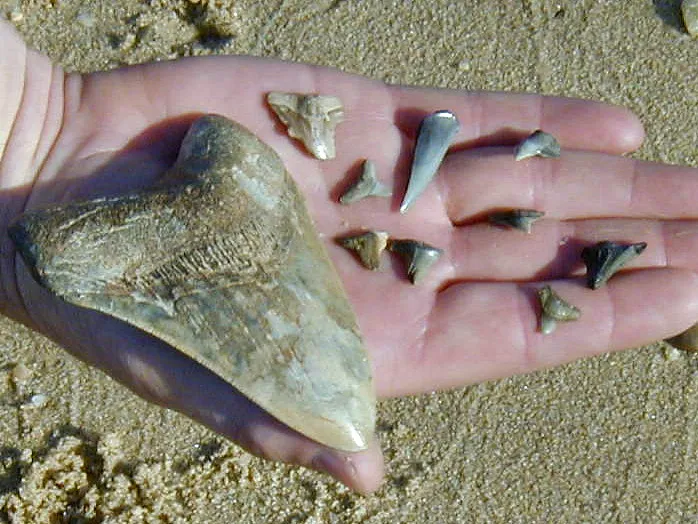
The Miocene-aged Peace River Formation, estimated at 16 to 23 million years old, is exposed just offshore of Venice where it outcrops beneath the surface of the Gulf of Mexico. Erosion of the beach shoreline exposes these and other fossils, which accumulate along the beaches.
What really makes Venice true shark tooth country is the gentle slope of the ocean floor between Englewood and Nokomis. Instead of a sharp drop-off, this gentle slope allows for slow erosion of the fossil layer that constantly exposes these shiny black teeth and washes them ashore.
The constant churning of the Gulf waters helps to uncover new fossils and shark teeth with each passing tide, replenishing the supply for avid collectors. The unique currents and underwater topography of the Gulf of Mexico also play a role in concentrating fossils along the shores of Venice and Caspersen Beach.
A 2025 Study Confirmed What Hunters Already Knew
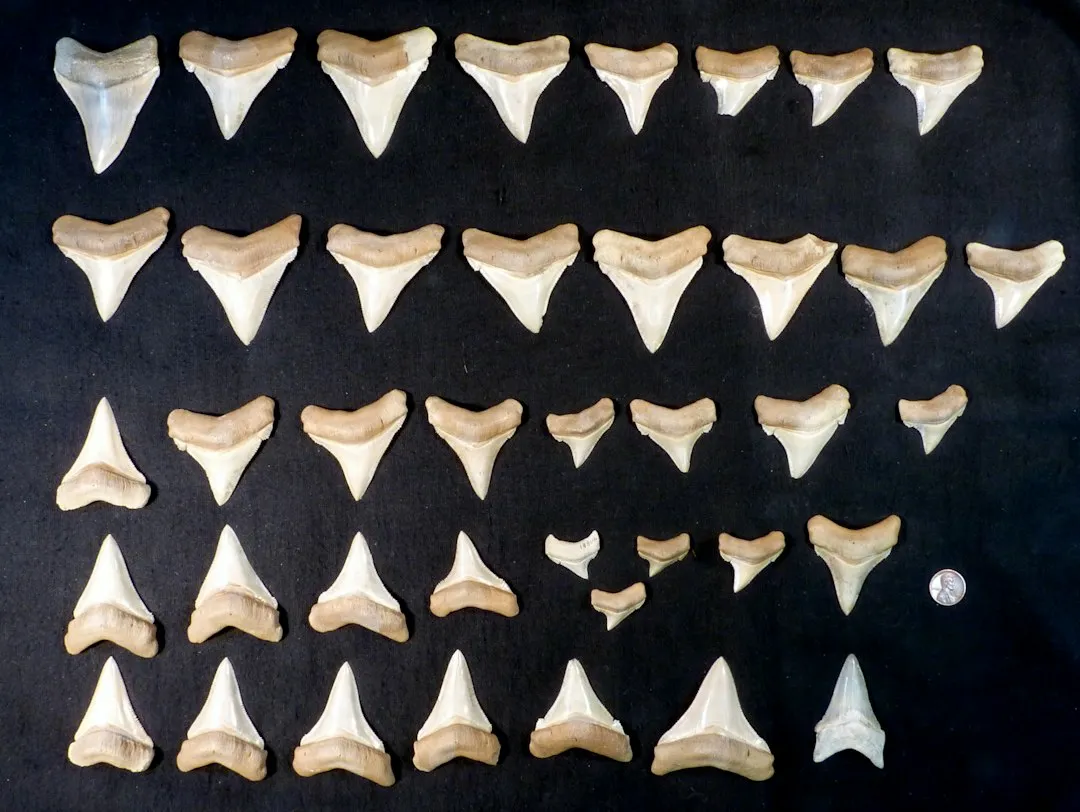
A new peer-reviewed study documents at least 45 species of fossil sharks and rays preserved on the shallow continental shelf off Venice. The research confirms the area’s reputation for abundant shark teeth while adding detailed scientific context.
The assemblage was collected by SCUBA within about 4.5 kilometers of shore in 3 to 12 meters of water, and it is reported as the most diverse fossil elasmobranch assemblage yet documented from a single region in Florida.
Over the past decade, the lead author collected more than 10,000 specimens using surface collecting and bulk sampling methods. In the lab, roughly 200 kilograms of sediment were sieved and examined under microscopes. The Florida Museum of Natural History now houses a curated set of 208 representative teeth and sawfish rostral spines from the study.
The Species You Might Actually Find
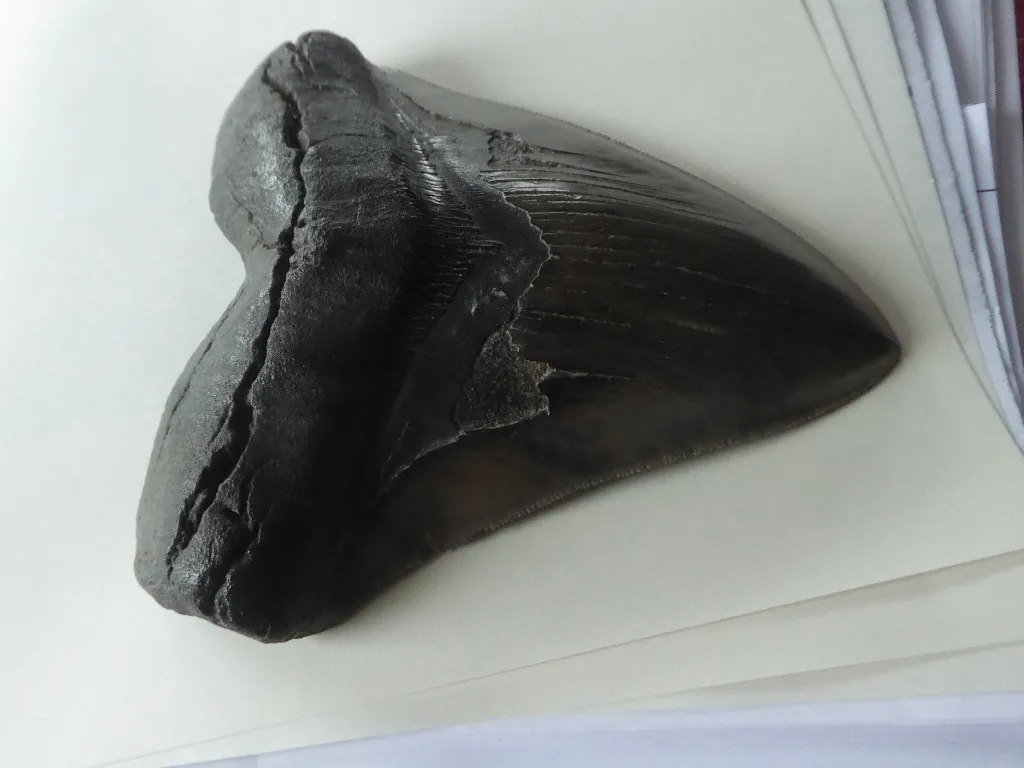
In the Venice and Sarasota region, hunters commonly find teeth from both extinct and modern shark species, like sand tiger, lemon, bull, and whitetip sharks. The most coveted among hunters is the elusive Megalodon tooth, prized for its enormous size, as big as the palm of your hand.
Notable finds documented in research include teeth from Otodus megalodon, Parotodus benedenii, and Carcharodon carcharias (the white shark). The collection also features diverse requiem sharks, lemon sharks, sharpnose sharks, hammerheads, and multiple rays.
A prized fossil from this time period is the tooth from the giant extinct Megalodon shark. These teeth can exceed six inches in length and belonged to an animal that may have been fifty feet long.
Caspersen Beach: The Hunter’s Favorite Spot
Caspersen Beach, near Venice Island, is considered one of the most productive shark-tooth hunting areas in Florida since its natural shoreline hasn’t been heavily altered with imported sand. Beachcombers often find teeth in dark, phosphate-rich sand brought up by the waves.
Located on the southernmost tip of Venice Island in Sarasota County, Caspersen Beach is a natural, undeveloped beach offering a pristine stretch of coastline along the Gulf of Mexico, distinct from the more developed areas of Venice.
Shark teeth are extremely common here, especially after storms, and low tide is best for collecting. No digging is required, as teeth wash up directly onto the beach.
Diving Deeper: The Boneyard Offshore
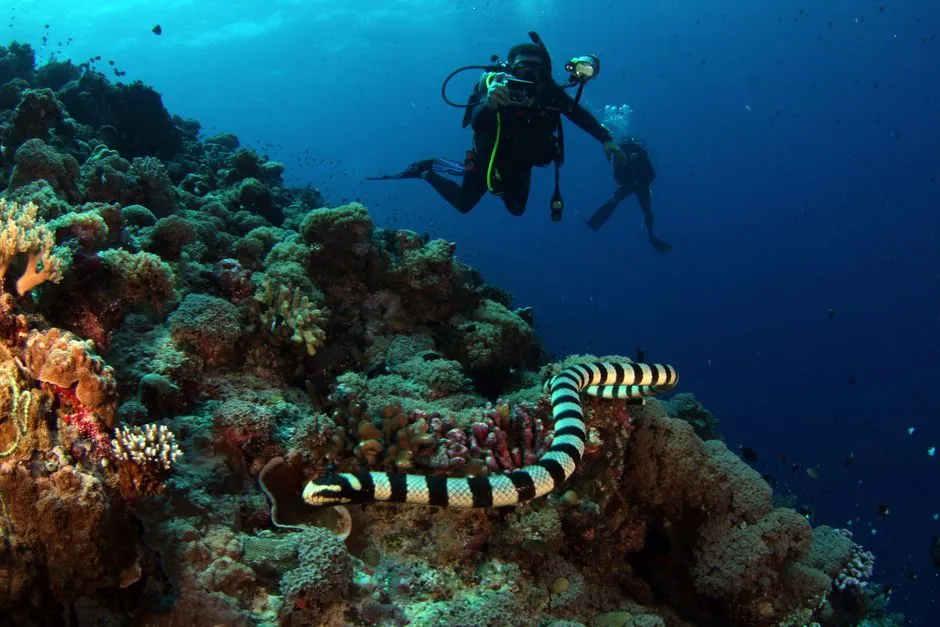
If you want to head straight to the source of these prehistoric fossils, starting from Venice Beach and heading about a mile offshore, you’ll find what is known as The Boneyard, an ancient river bed that collects and traps even more sharks’ teeth.
While you’ll need dive equipment and a SCUBA diving certification, the really large shark teeth, especially the prized Megalodon teeth, are found in much more abundance here compared to beach scanning. The Boneyard is located about 30 feet below the surface of the water.
Depths in the offshore zones range from 12 feet deep all the way to depths of 36 feet, with average hunts in the 20 to 32 feet range. It’s a rewarding experience for certified divers with patience and a good eye.
The Tools of the Trade
Often called the “Venice snow shovel,” a simple sifter with long handles provides maximum teeth-collecting capacity, and they’re available all over town, including at every local Publix.
This is one of the few fossil localities where a complete beginner with no equipment and no knowledge will find something on a first visit, usually within twenty minutes. The teeth are small, dark, and glossy, lying in the shell hash along the waterline, and once your eye adjusts you stop being able to miss them.
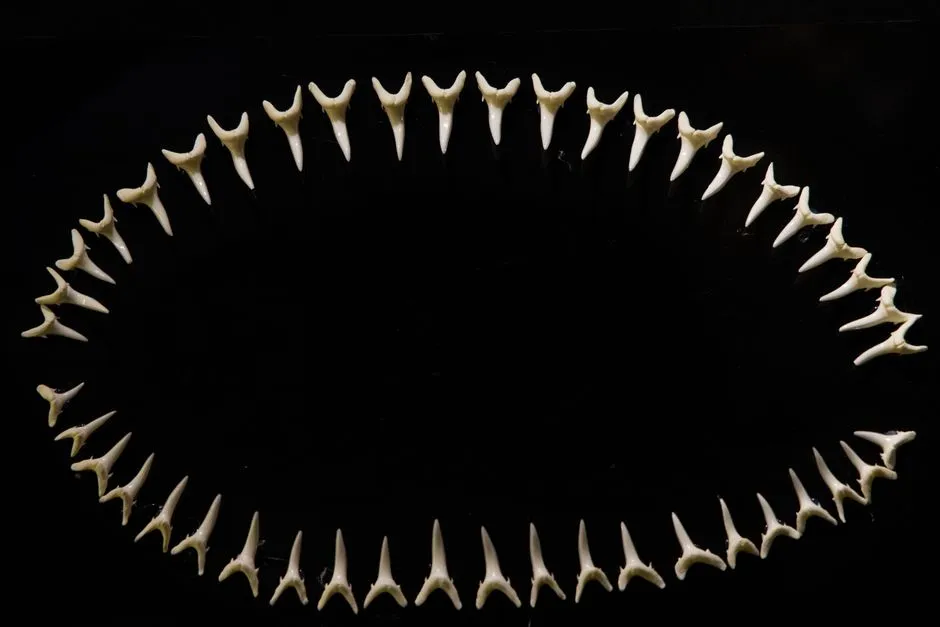
The teeth you’re looking for are not new and white but ancient and a dark brown to black color, which is what sets them apart from ordinary shells and pebbles. Most shark teeth measure from 1/8 inch to 3/4 inch or even a bit larger.
Beyond Shark Teeth: What Else the Beach Holds
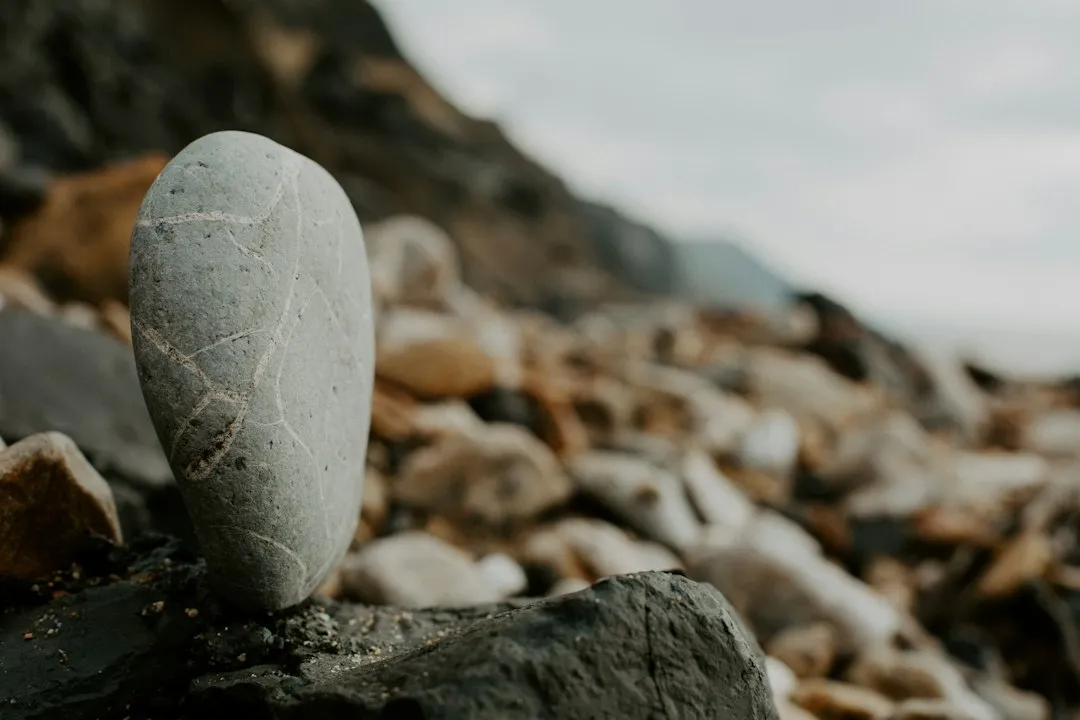
Beyond shark teeth, visitors also find stingray plates, vertebrae, dugong ribs, whale bones, and shells along the Venice coastline. The beaches carry a genuinely diverse record of prehistoric marine life.
You can find fossilized shark teeth, whale fossils, and ice age animal remains. You may even find artifacts such as arrowheads from Native Americans who once hunted here nearly 10,000 years ago.
Collecting shark teeth does not require a permit, but other vertebrate fossils do, requiring an application through the Florida Museum. It’s worth knowing the rules before you pack your sifter.
A Fun Fact About the Sharks Themselves
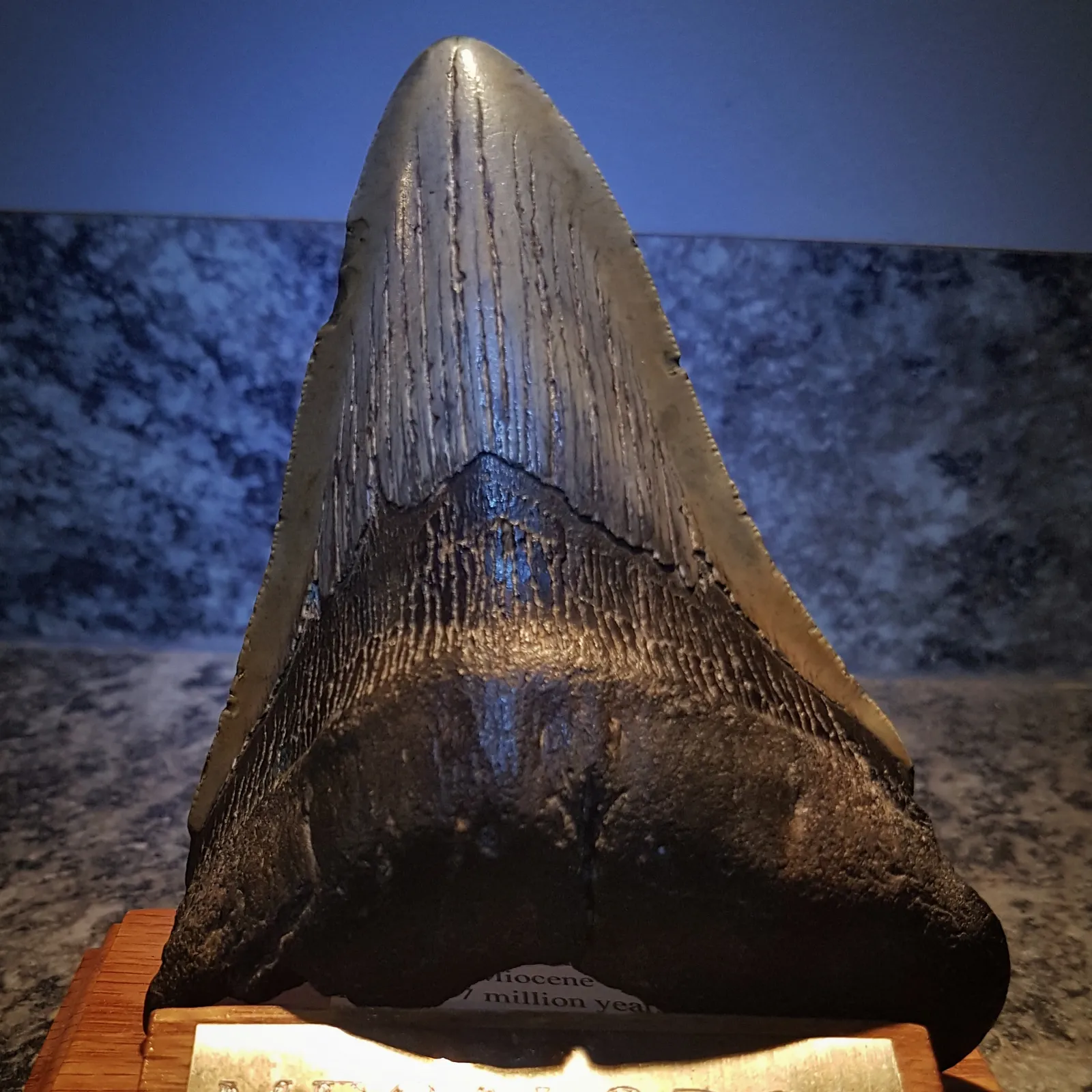
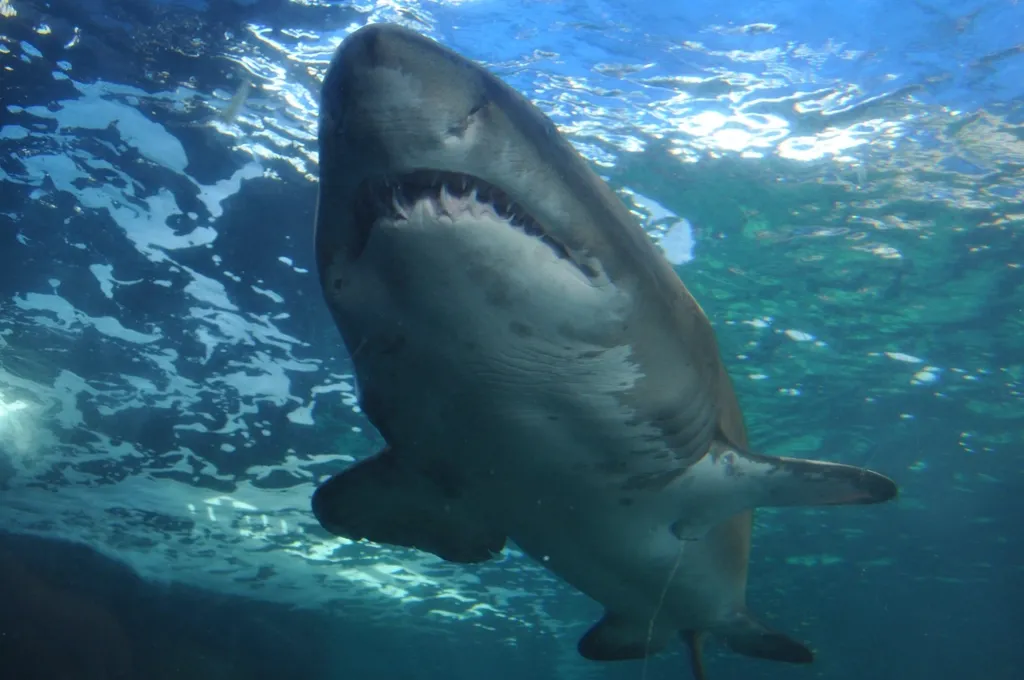
Sharks produce between 20,000 and 25,000 teeth over their lifetime, which partly explains why so many teeth are available to fossilize in the first place. Each tooth shed across millions of years of ocean history had a chance to settle into the sediment and survive.
The specific conditions in this area of Florida allow the sharks’ teeth to be covered up with sand and fossilized. Over time, the original organic teeth become fossilized into stone, which makes them more durable and allows people to find them washed up on the beach.
One remarkable rule of thumb among local fossil hunters: one inch of Megalodon tooth represents roughly 10 feet of the actual length of the prehistoric shark. A three-inch tooth, then, suggests a creature around 30 feet long.
The Annual Sharks Tooth Festival
The Sharks Tooth Festival began in 1992 and is hosted in Venice, Florida, aka the Shark Tooth Capital of the World. The family celebration features live music, food, and fun activities for kids.
The family-fun celebration hosted in the small beachside community attracts thousands every spring to experience this unique claim to fame, while enjoying a weekend filled with live music, delicious food, and fun activities for the kids.
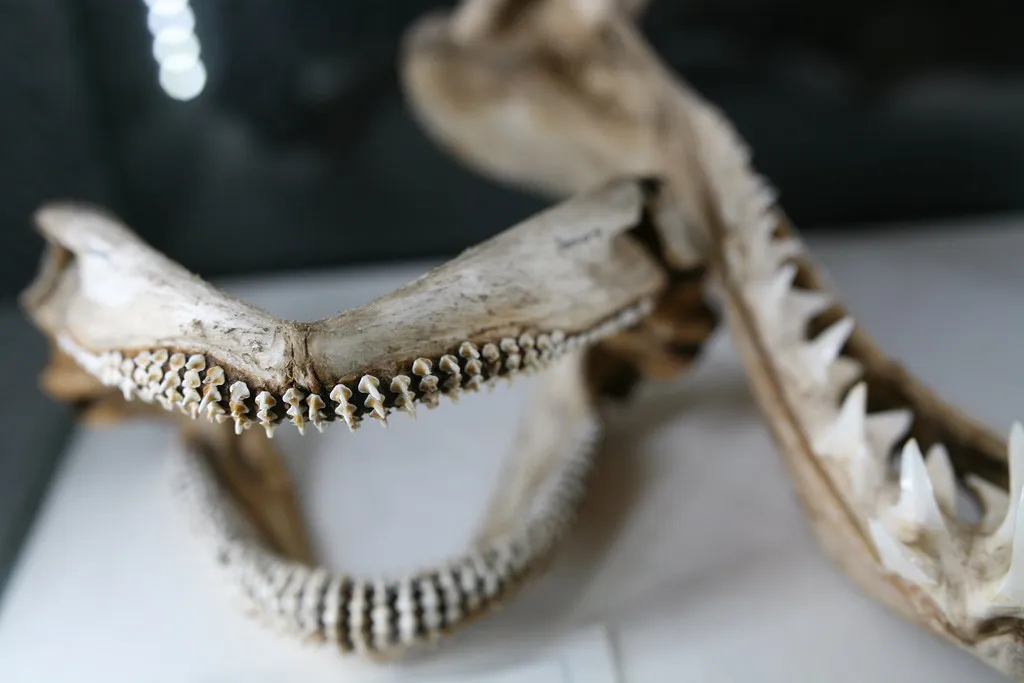
Festival visitors can explore a magnificent showcase of prehistoric fossil collections, including Megalodon-size teeth, sharks’ jaws, stingray spine fragments, stingray teeth, alligator teeth, sea biscuits, and more. Admission is free.
Why Venice Keeps Drawing People Back
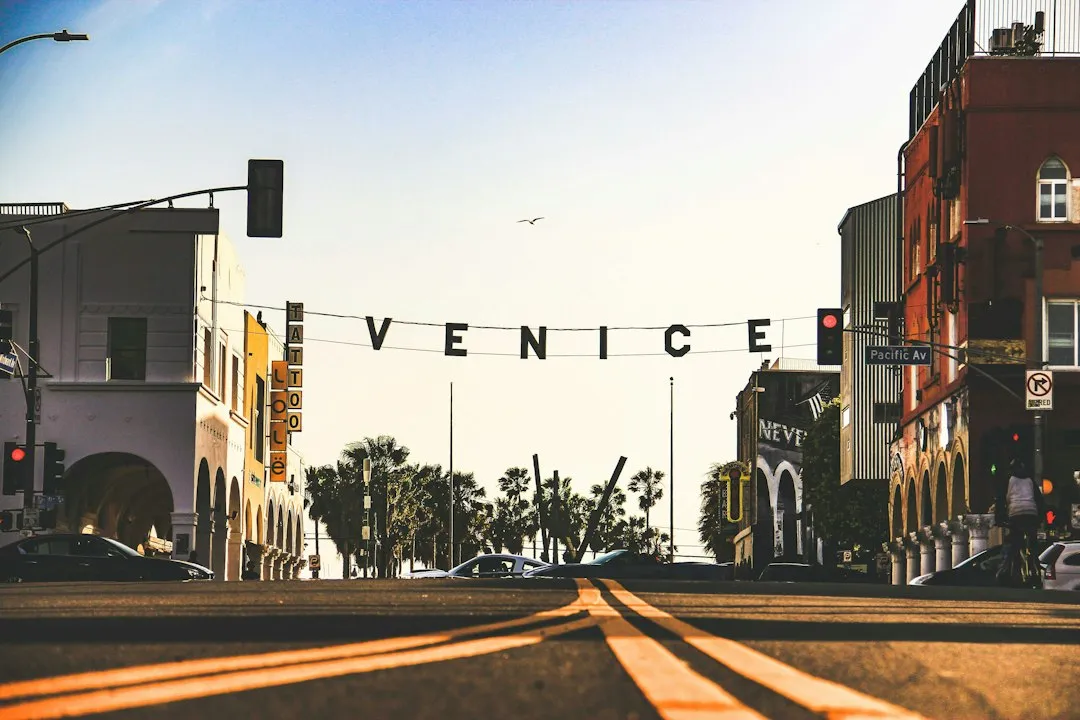
Venice boasts 14 miles of beaches, vibrant wildlife, shopping, and dining, in addition to its status as the Shark Tooth Capital of the World. It’s a genuinely livable, walkable coastal city with something to offer beyond fossil hunting.
Venice, a charming Florida town, is also ranked among the Happiest Seaside Towns by Coastal Living. The fossil hunting culture sits comfortably alongside the town’s restaurants, historic downtown, and Gulf-side sunsets.
Venice continues to earn its reputation as the Shark Tooth Capital of the World, with the city’s Gulf Coast beaches attracting serious fossil hunters as well as tourists just seeking a day of fun. That mix of casual and dedicated visitors is part of what gives the town its warm, unpretentious character.
A Place Where the Ocean Tells Its Own Story
AI Disclaimer: This article was created with the assistance of AI tools and reviewed by a human editor.