
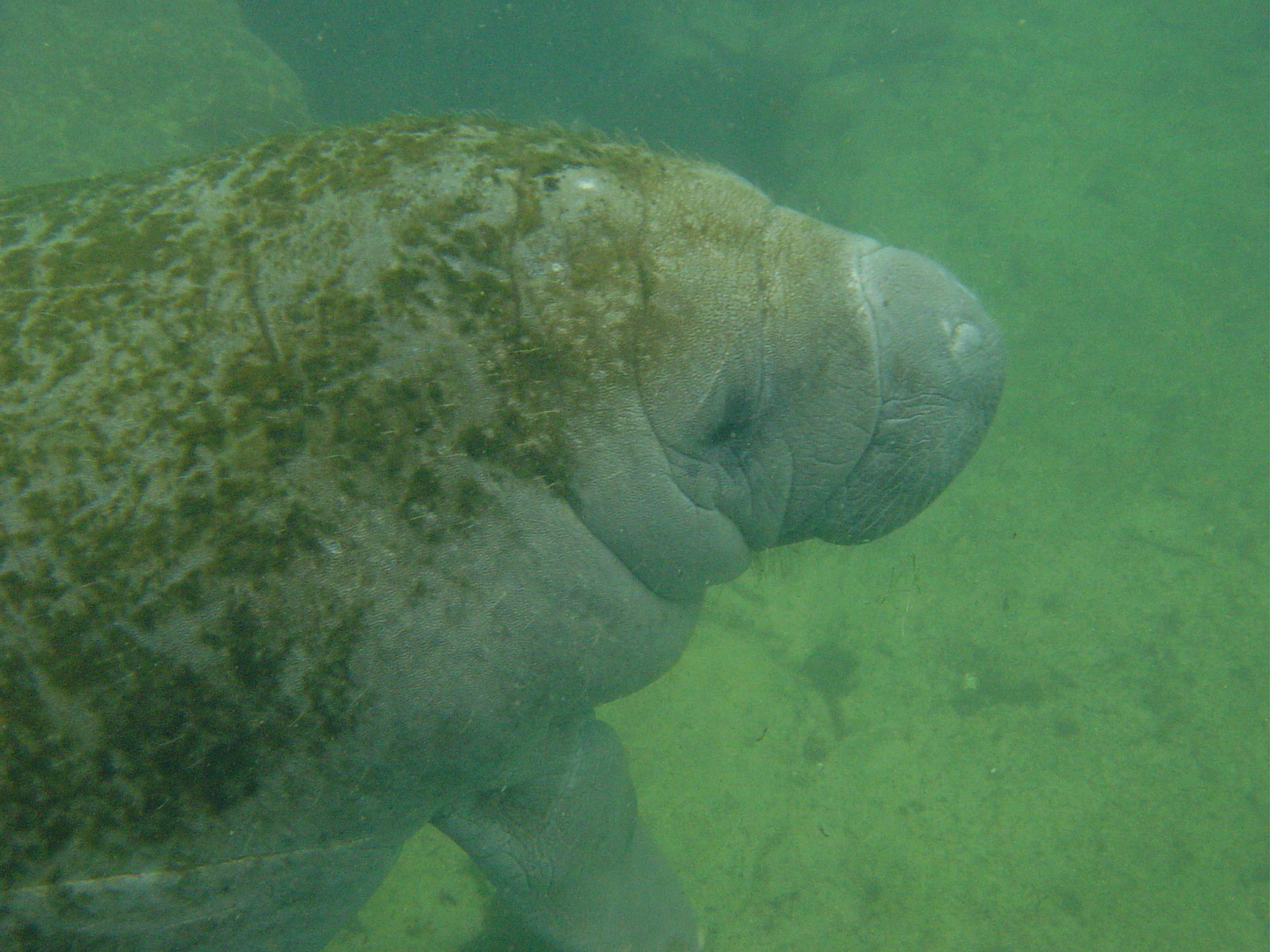

There is a small city on Florida’s Gulf Coast where, each November, something remarkable begins to unfold beneath the surface of the water. Hundreds of large, slow-moving creatures start arriving from the open Gulf, drawn not by food or instinct alone, but by something far simpler: warmth. Crystal River, a quiet community in Citrus County roughly an hour northwest of Tampa, sits atop one of the most important freshwater spring systems in the entire country.
What happens here every winter is not a spectacle engineered for tourism. It is an ancient, seasonal migration that has been taking place long before anyone thought to build a boardwalk to watch it. The numbers, the science, and the conservation story behind it are all genuinely worth understanding.
The Springs That Never Change Temperature
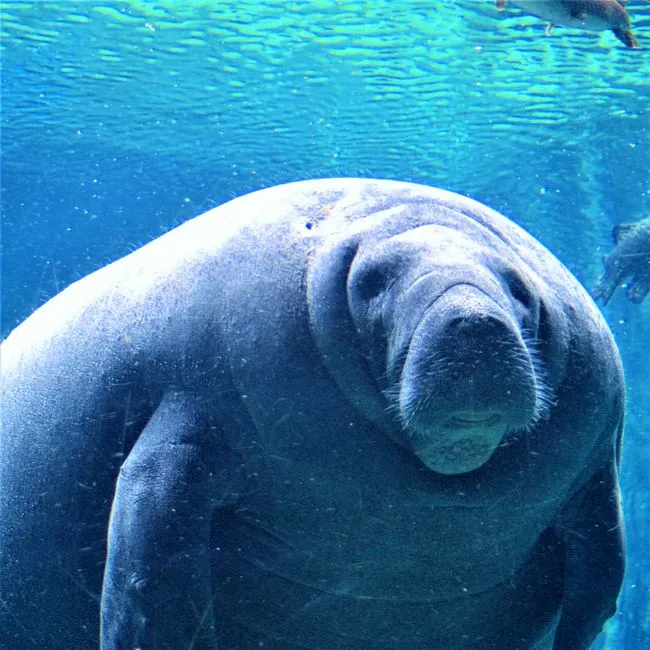
Kings Bay is a first-magnitude Florida springs complex with over 70 springs pumping out 600 million gallons of freshwater per day from the Florida aquifer. That volume is almost difficult to picture, but it produces one critical effect: stability. Kings Bay is Crystal River’s headwater, or point of origin, and is fed by a number of springs that produce a constant temperature of 72°F all year round.
For manatees, that consistency is everything. Prolonged exposure to temperatures below 68 degrees Fahrenheit can lead to a condition called cold-stress syndrome. This is not just a discomfort but a serious, sometimes fatal threat. That is why Three Sisters Springs becomes a refuge during the coldest months of the year.
Why Crystal River Is Unlike Anywhere Else
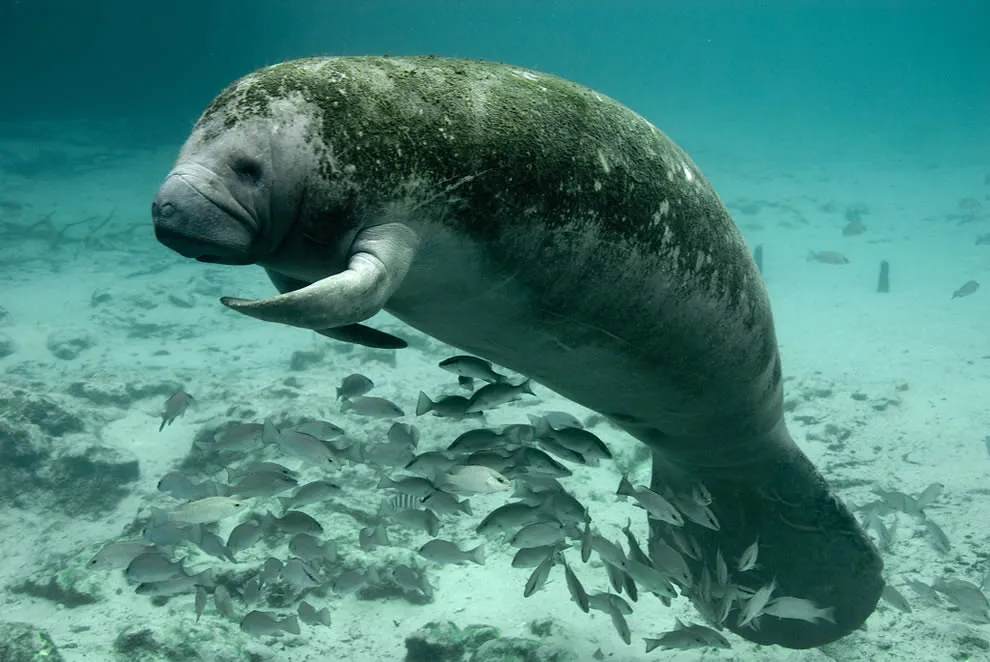
Some biologists consider Crystal River to be the most important refuge for manatees in the United States. That is a significant claim, and the numbers back it up. The springs in Kings Bay provide a habitat for 15 to 20 percent of the overall U.S. manatee population.
The Crystal River National Wildlife Refuge was established in 1983 and is the only refuge created specifically to protect the Florida manatee. That distinction alone signals how singular this place is. Kings Bay is the winter home of the largest population of Florida manatees in northwest Florida and the largest population of manatees in a natural system anywhere in the world.
How Many Manatees Actually Show Up
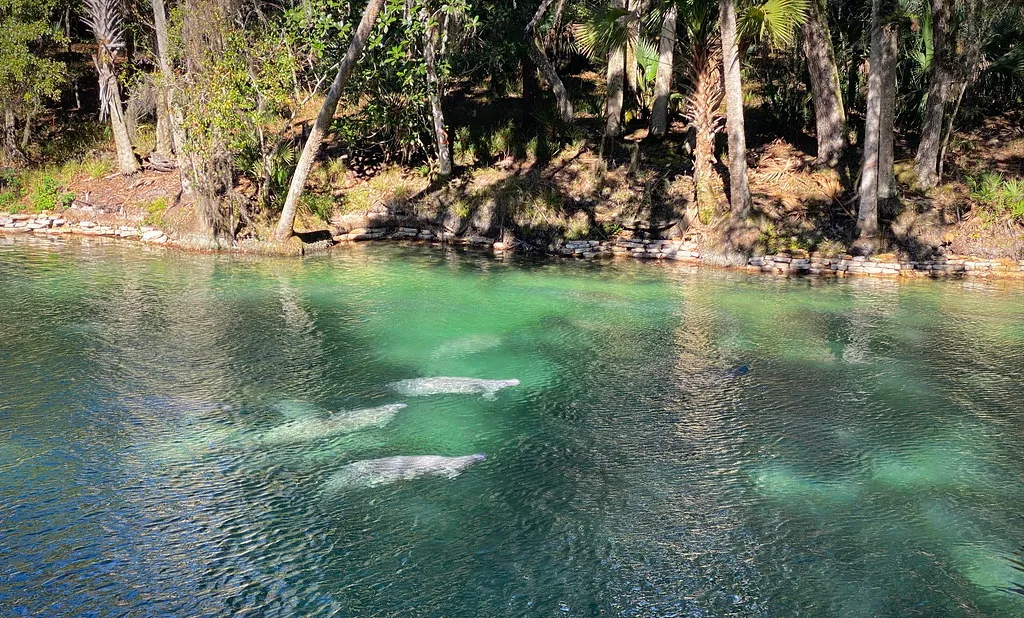
In 2022, the count was the highest ever recorded, with 1,016 manatees in Kings Bay. This is most assuredly an undercount, as the aerial count cannot see manatees under tree cover or in murky water. More recent winters have continued to draw large congregations. On New Year’s Eve of 2025, hundreds of manatees gathered at Three Sisters Springs in Crystal River to find warmth, with video supplied by the Southwest Florida Water Management District showing up to 300 manatees huddling at the springs.
This system draws nearly 400,000 visitors annually to swim with the manatees. Peak numbers at individual springs can be dramatic. During the winter months it is normal to see over 400 manatees in the King Spring area of Kings Bay.
Three Sisters Springs: The Heart of the Refuge
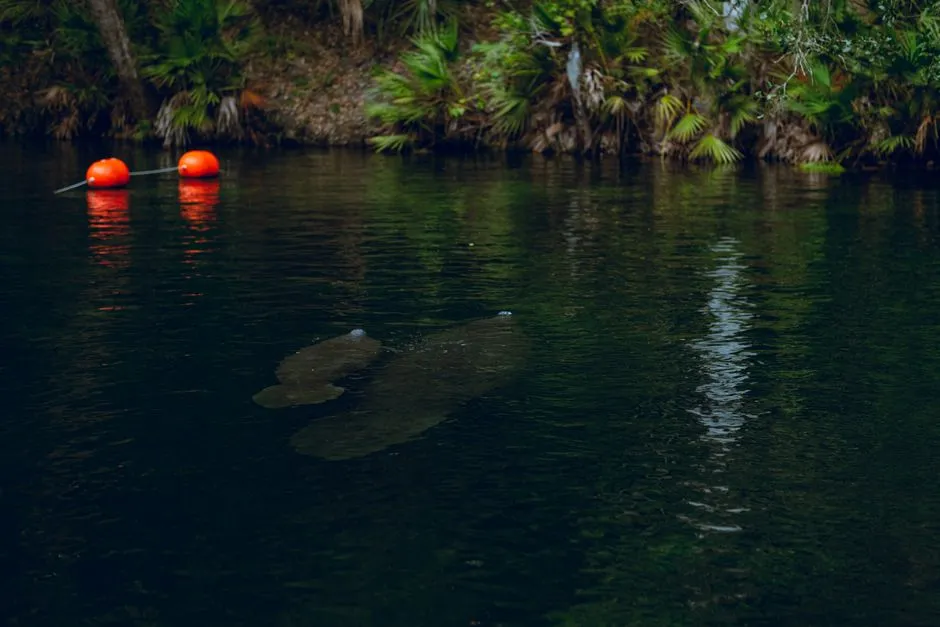
The place to see manatees, especially in the winter, is at Three Sisters Springs, a set of three springs connected by a canal to Kings Bay. During winter months, the population of manatees is so dense it is unsafe to be in the water with them – for manatees and for people – so the springs are closed to watercraft and swimmers from November to April.
At one time, as many as 700 manatees can crowd into Three Sisters Springs. There is a boardwalk overlooking the springs so that crowds of people can see crowds of manatees. The boardwalk offers a genuinely moving view. Manatees seek refuge during cold fronts in the waters of Three Sisters Springs, where the temperature is a constant 72 degrees.
What Drives the Annual Migration
When Gulf waters drop below 68°F, hundreds of manatees move to the shallow springs of Kings Bay to escape the colder waters of the Gulf. This migration is not random. Manatees often return to the same wintering areas each year when it gets cold. Generations of manatees have learned this route, passing the knowledge on to their young.
These wintering manatees rest for prolonged hours to conserve the energy they need for their quick foraging journeys outside of Kings Bay when temperatures warm. The peak season for observing manatees is from November to April, with the highest numbers typically recorded between December and February.
The Official Season and Sanctuary Zones
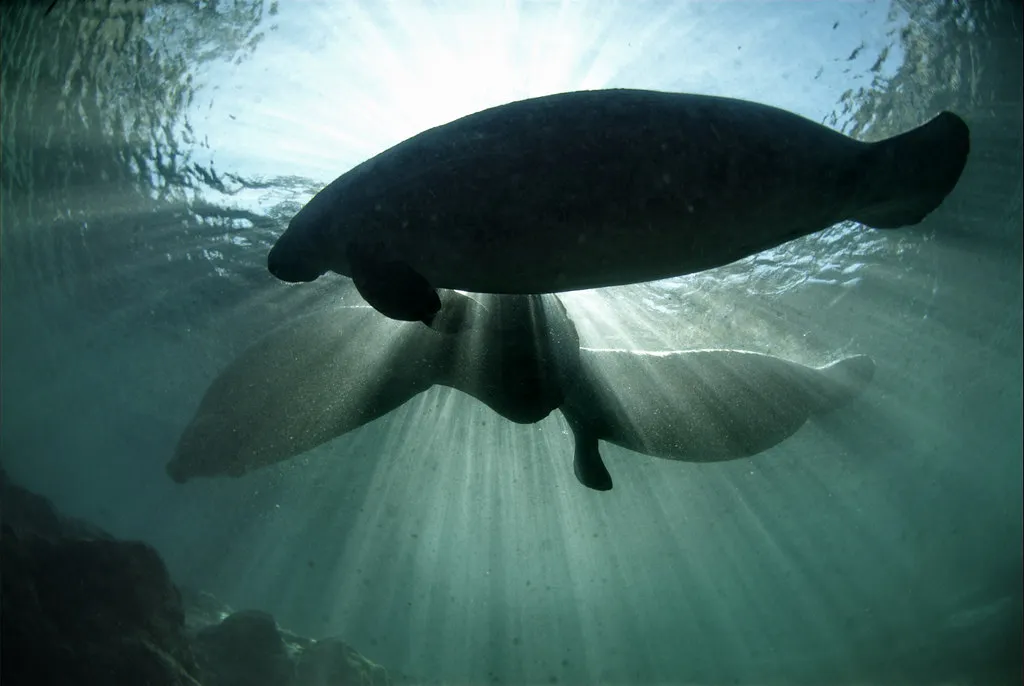
Manatee season officially starts on November 15 and continues until the end of March. During that window, the refuge operates with specific rules in place. The U.S. Fish and Wildlife Service has designated some of the springs in Kings Bay as manatee sanctuaries and may temporarily close some areas to protect these wintering manatees.
The Three Sisters Springs property, part of which is off-limits to boaters and swimmers to protect the manatees, is co-owned by the Southwest Florida Water Management District and the City of Crystal River, and is managed by the City of Crystal River and the U.S. Fish and Wildlife Service. Your best chances for seeing manatees inside of Three Sisters Springs is on a cold winter day, when the water temperatures in the Gulf of Mexico are below 68 degrees Fahrenheit. The best times for manatee viewing are during cold fronts and high tides from November 15th to March 31st.
A Growing Population and Conservation Progress
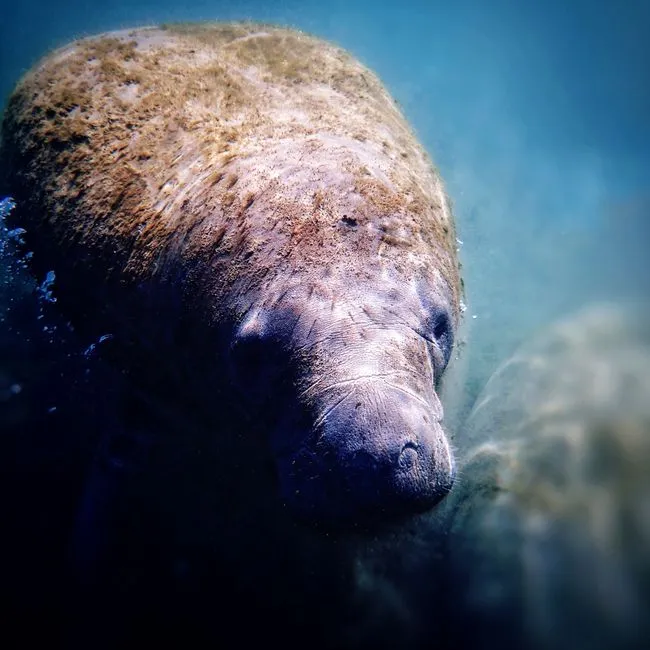
Statewide, the manatee population has been estimated to be between 8,350 and 11,730 individuals for the 2021 to 2022 period. Conservation work at Crystal River has contributed meaningfully to that recovery. In annual reports on the Kings Bay Restoration, biological studies have shown about a 75 percent increase in biological diversity year over year, for every year of the project.
Their population numbers have been increasing for more than a decade. This growth is attributed to various conservation measures, including habitat protection, boat speed regulations, and public awareness campaigns. The presence of sea grass in Kings Bay, constantly refreshed by spring water, plays a major role in keeping the ecosystem productive enough to support so many animals.
The Ethical Debate Around Swimming With Manatees
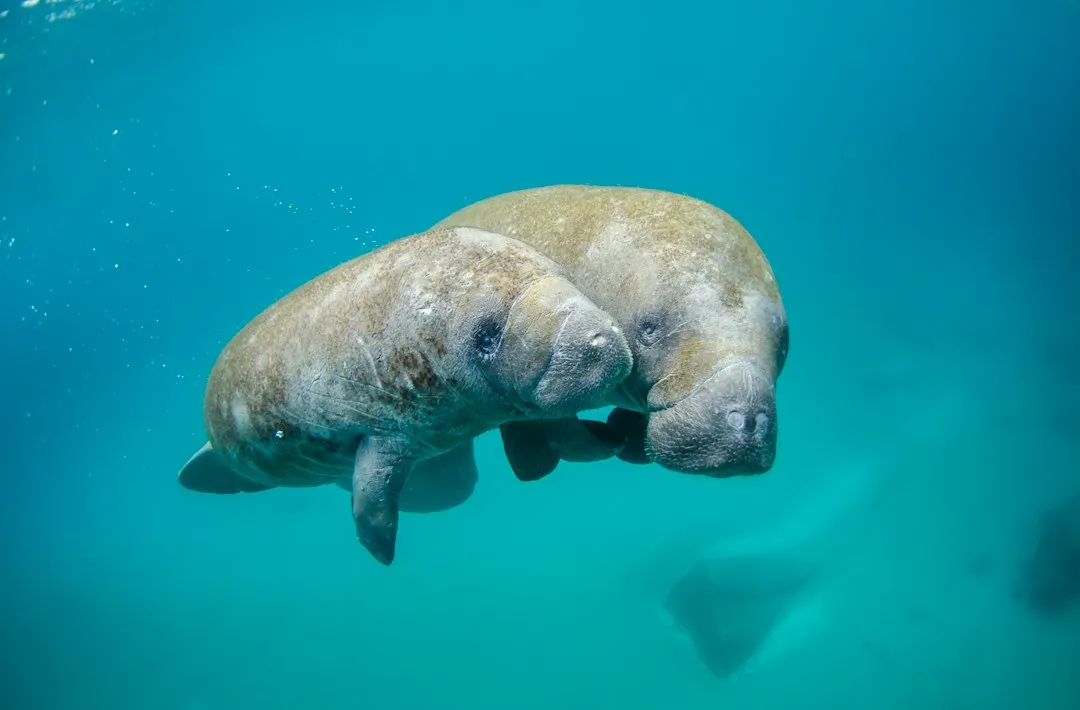
Citrus County is the only place in the United States where it’s legal for humans to swim with manatees. That fact carries real weight, and it comes with genuine responsibility. Manatees are extremely sensitive animals and are stressed by crowds. They can easily be scared out of their warm water refuges, which can lead to their death.
Swimmers and snorkelers are permitted to observe manatees passively from a horizontal position in the water, but chasing, riding, poking, or separating a manatee from its group is illegal under the Marine Mammal Protection Act and the Florida Manatee Sanctuary Act. Manatee tour guides apply for special-use permits that allow them to give tours in the refuge, according to USFWS. Choosing a permitted, responsible guide is not just a formality – it directly affects whether the animals are protected or disturbed.
How to Visit Responsibly
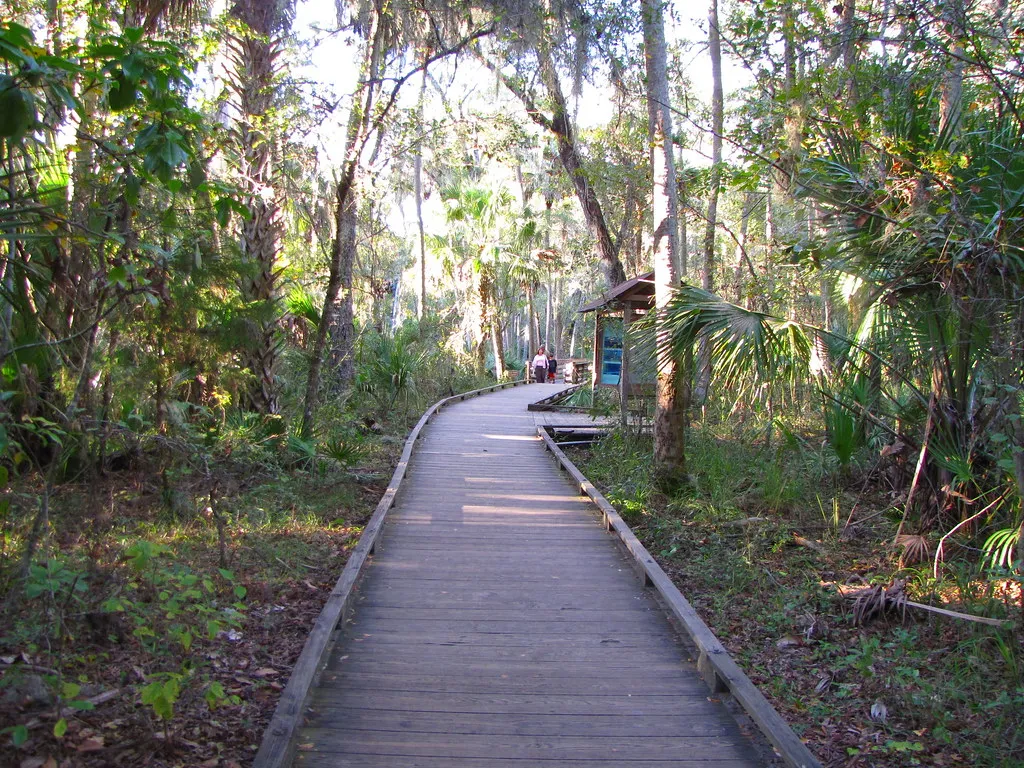
Visitors can view the springs from the elevated boardwalk, which offers excellent visibility without disturbing the animals. Early mornings tend to be quieter and provide better opportunities to see large aggregations. If you do go into the water outside of sanctuary zones, the guidance from conservation experts is consistent. Avoid touching, chasing, or attempting to interact with manatees in any part of the Crystal River system. These actions may seem harmless but can create stress and lead manatees to flee from the warm water they depend on.
In-water access may be closed at short notice by the U.S. Fish and Wildlife Service when Gulf water temperatures fall below 62.2 degrees Fahrenheit, which can happen at any point during manatee season regardless of weather on the day of the visit. Visitors planning in-water trips during winter months should check current conditions on the Crystal River National Wildlife Refuge social media channels before launching.
The Florida Manatee Festival
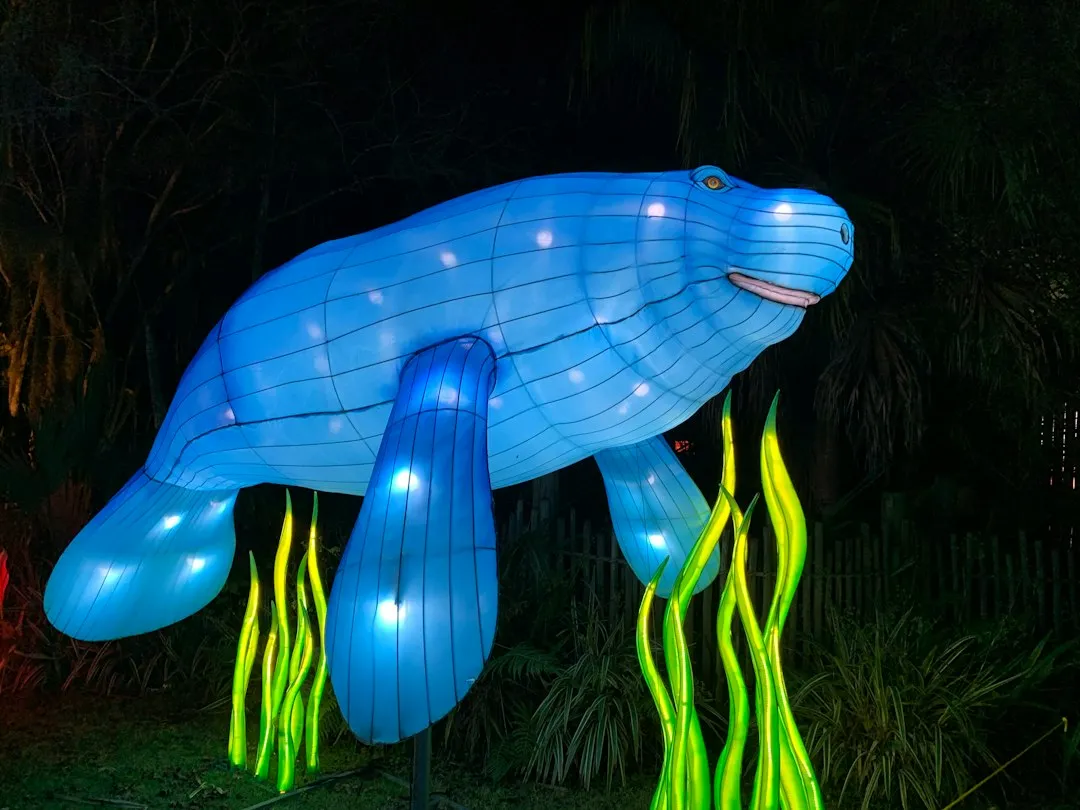
The Florida Manatee Festival is a two-day event in Downtown Crystal River, celebrating all things dedicated to these sea cows. The annual Florida Manatee Festival takes place in January in Crystal River. It has become a genuine community tradition, drawing visitors who come as much for the manatees themselves as for the celebration around them.
You can walk through small businesses selling arts and crafts in booths, enjoy live music, chalk art demos, and food stalls. There are also guided boat tours on Kings Bay and kayaking tours on Hunter Springs, along with free admission to Three Sisters Springs during the festival. The event reflects something real about how Crystal River has built its identity around the welfare of these animals, not just the spectacle of them.
A Place Worth Protecting
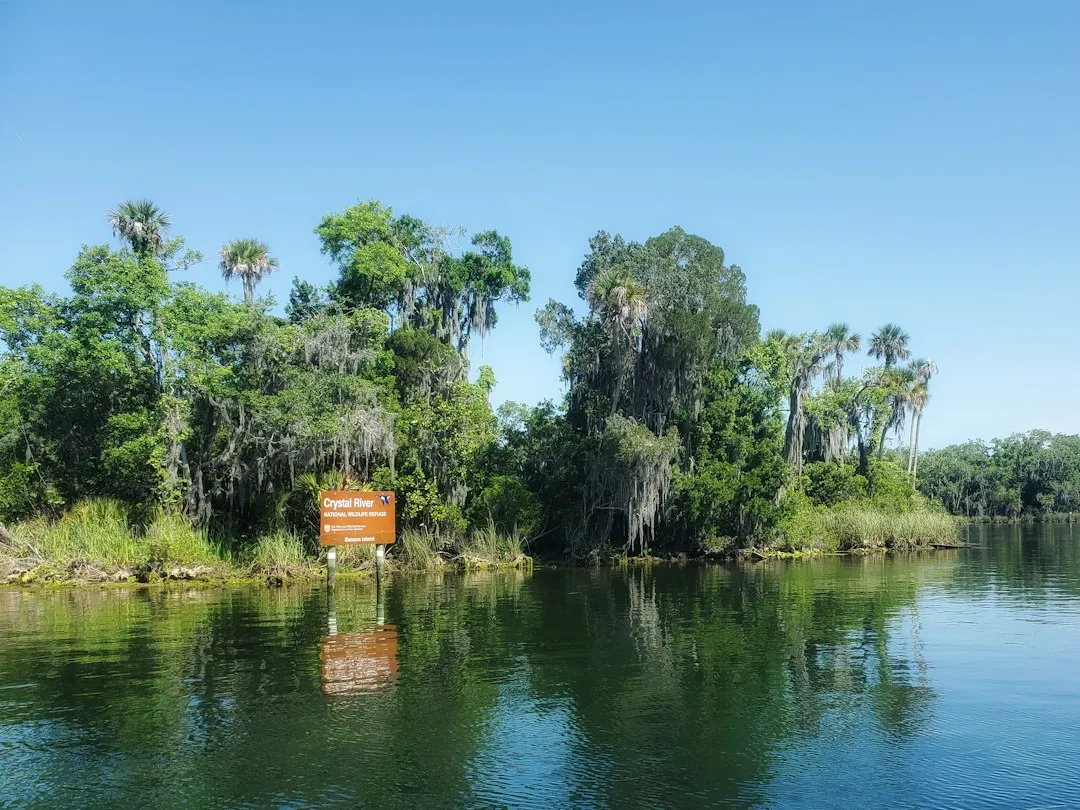
What makes Crystal River genuinely special is not just the scale of the gathering – though watching hundreds of manatees clustered in clear blue water is an experience few places on earth can match. It is the fact that the ecosystem still functions. The springs still flow. The sea grass still grows. The manatees still return.
Unlike artificial warm-water sites near power plants, which are slowly being phased out or decommissioned, Three Sisters Springs offers a natural and long-term solution for manatee conservation. About a tenth of the winter manatee population hangs around all year, so manatee viewing is likely at any time. The springs of Crystal River are not a managed attraction – they are a living refuge, and the difference matters enormously for every manatee that finds its way back here each winter.
AI Disclaimer: This article was created with the assistance of AI tools and reviewed by a human editor.