
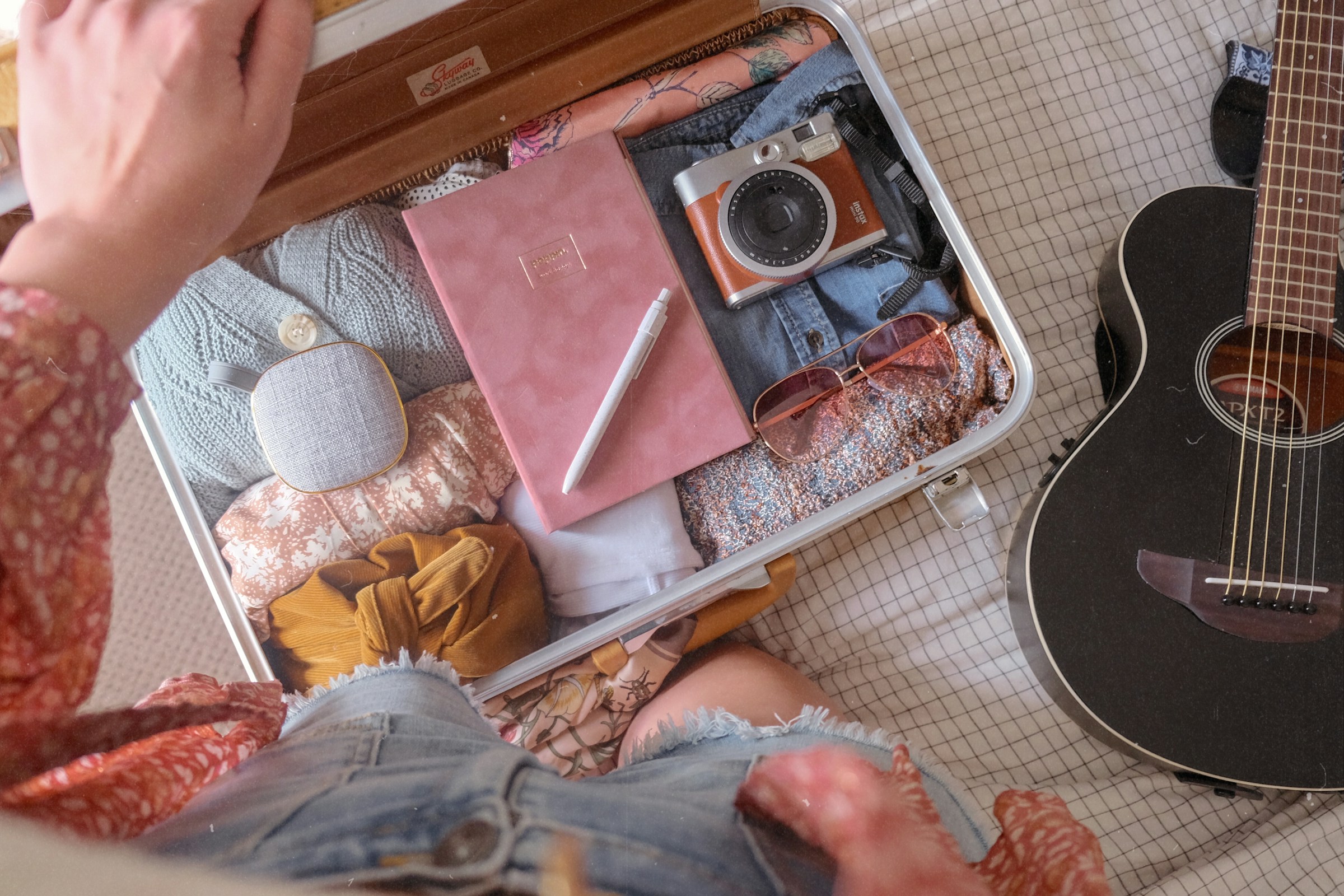
Most people pack the same way they always have: pile things in, press down with both hands, and hope the zipper holds. It works, sort of, but it leaves a lot of wasted space and usually means leaving something behind. What if the real problem isn’t how much you’re bringing, but how you’re arranging it?
The good news is that a handful of well-tested folding and packing techniques can genuinely transform what fits inside a standard carry-on. Some of these methods have been around for decades. Others have gained fresh attention as more travelers commit to flying without checked baggage. Here’s what actually works, and why.
Why Carry-On Packing Has Become a Serious Skill
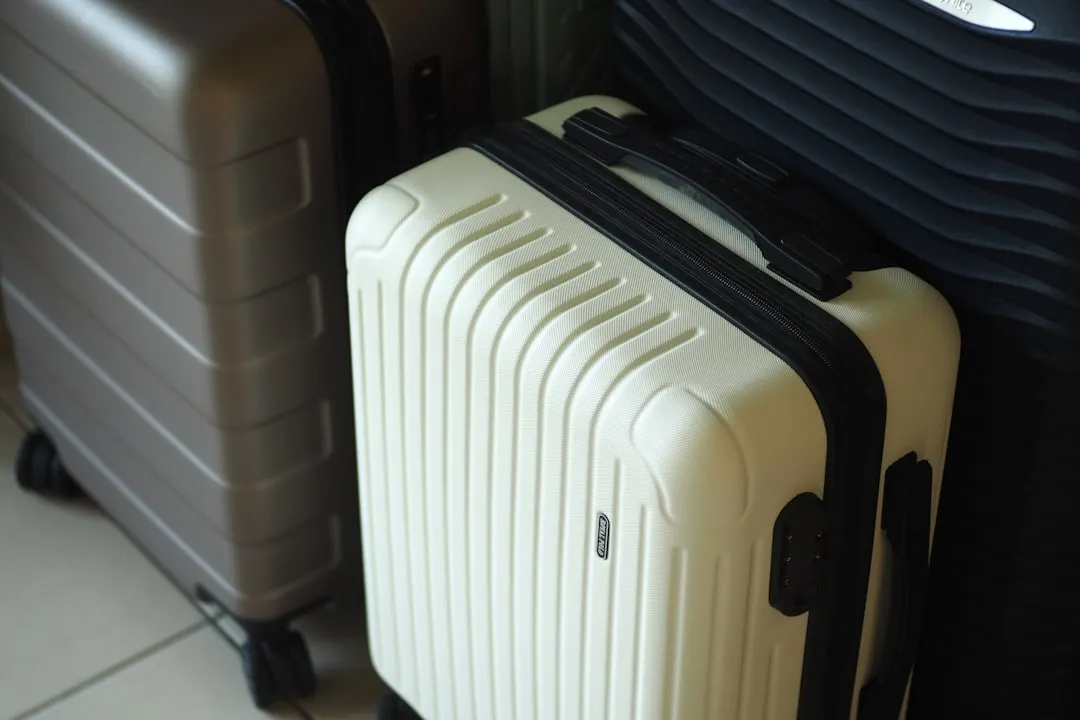
The push toward carry-on-only travel is real, and it’s almost entirely driven by tightening airline baggage rules. In the U.S., the share of economy passengers paying for a checked bag shot up from roughly a quarter in 2008 to more than half by the late 2010s. That financial pressure has made efficient packing less of a lifestyle choice and more of a practical necessity.
Traveling with just a carry-on has real advantages: no waiting at baggage claim, no risk of lost luggage, and no checked-bag fees. It does, however, demand a smarter approach to packing than simply tossing clothes into a suitcase. The methods described below are the smarter approach.
The Rolling Method: The Reliable Starting Point
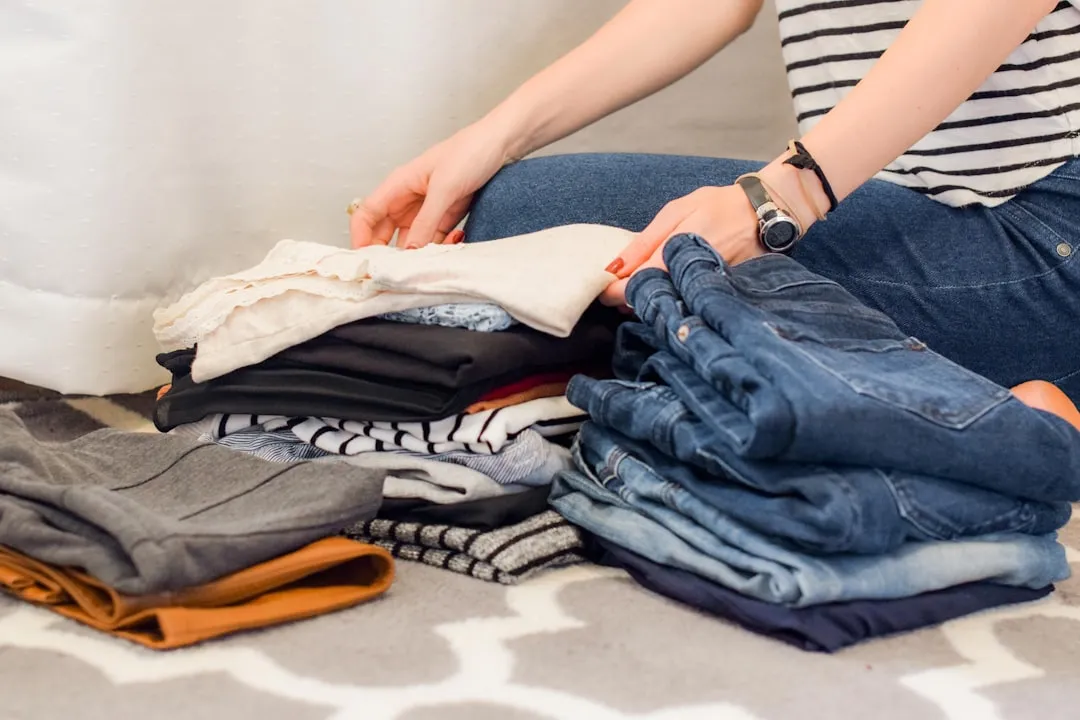
Rolling is a go-to for the space-conscious traveler, and for good reason. It keeps things compact, reduces creases in casual wear, and makes the most of every inch in your bag. Start by laying each item flat, fold in any sleeves or edges to a manageable width, and roll tightly from bottom to top.
One traveler performed a direct comparison test, first folding clothes and packing a travel backpack completely full with four t-shirts, a long-sleeved shirt, two pairs of pants, two pairs of shorts, and a sweatshirt. After rolling the exact same clothes and repacking them into the same backpack, there was still enough space left to fit three additional t-shirts. That’s a meaningful difference in real-world terms.
The KonMari Vertical Fold: The Technique That Changed Everything
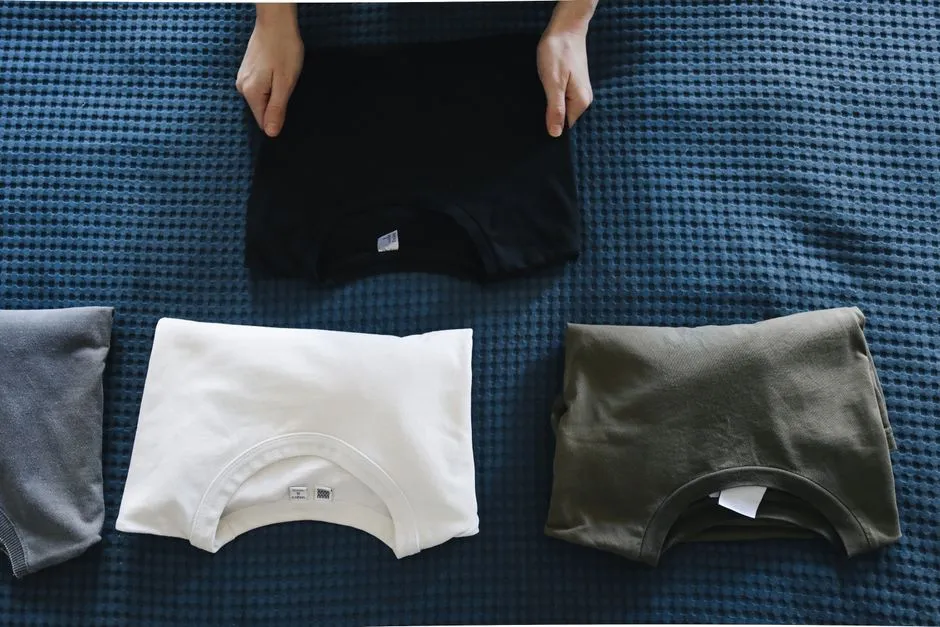
The KonMari folding method, popularized by organizing consultant Marie Kondo, involves folding clothes compactly and storing them vertically rather than stacking them. Think of it like filing documents upright in a drawer rather than stacking them in a pile. Every item becomes individually visible the moment you open the bag.
The essence of the technique is folding clothes into compact, dense, stable rectangles which are then placed vertically in the suitcase, edge up, rather than in horizontal stacks. This approach can save up to roughly forty percent of space and provides full visibility of contents. In independent testing, the KonMari folding method performed well overall when it comes to balancing space savings, organization, and fewer wrinkles.
The Bundle Wrapping Method: Best for Wrinkle-Free Results
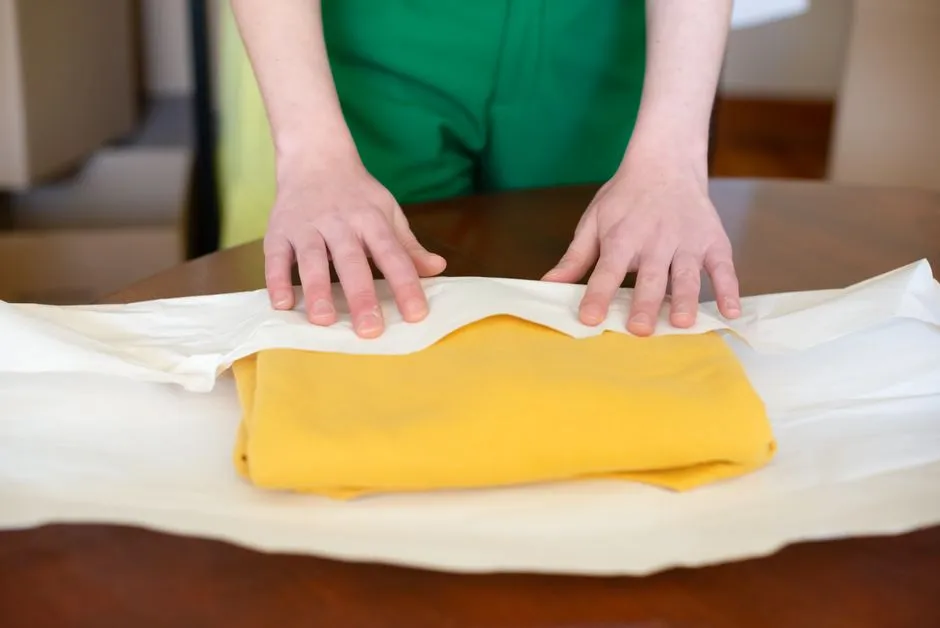
For wrinkle-free packing, bundle wrapping beats rolling every time, especially if you’re traveling with specific outfits or anything that needs to look sharp on arrival. Bundling is done outfit by outfit: lay your largest, stiffest items like jackets or pants flat at the bottom in a crisscross pattern, extending outward, and then place softer, smaller items like socks and underwear at the center to form the core.
In independent testing, the bundle packing method produced the fewest wrinkles because garments are wrapped around a core rather than tightly rolled or folded. Bundle packing also has the distinct advantage of keeping wrinkles out of clothes, even more so than the rolling method. It takes slightly more time to set up, but the results when you arrive are noticeably better.
What to Roll and What to Fold: Matching Technique to Fabric
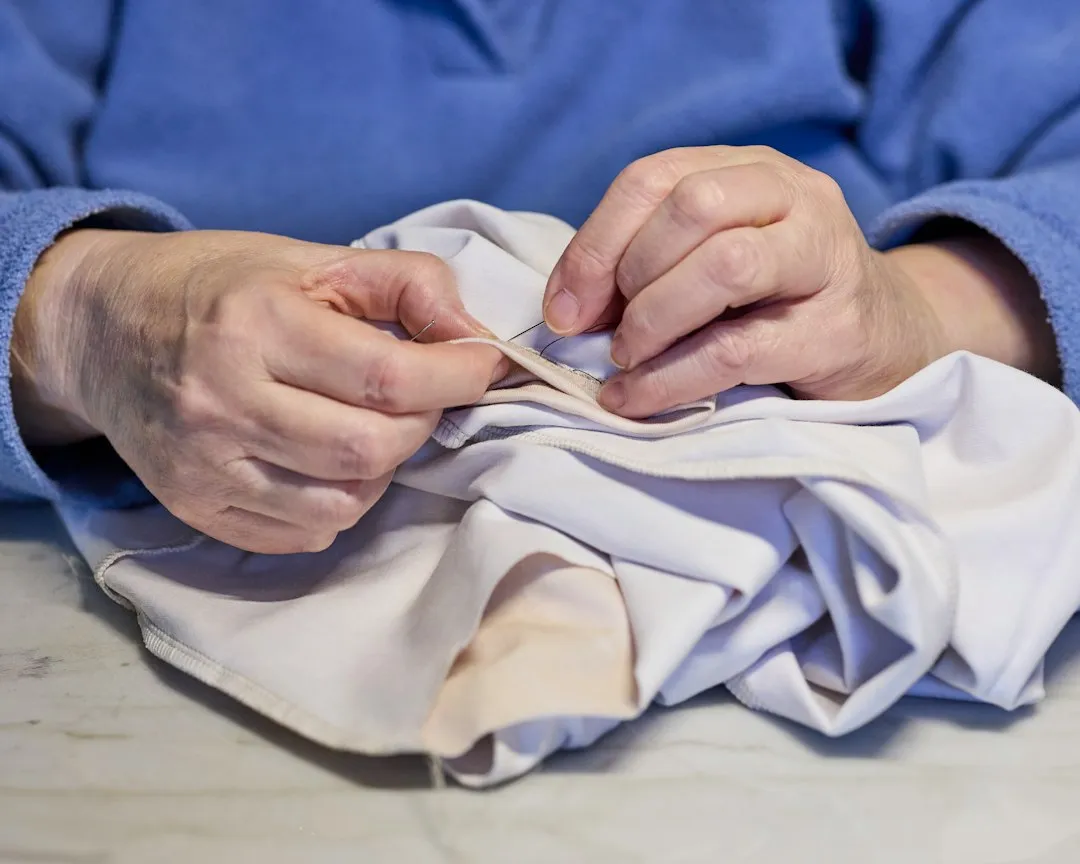
Rolling works well for casual wear, while folding is better suited for business or delicate items. The distinction matters more than most people realize. Forcing a structured blazer into a tight roll almost always results in damage to its shape, while rolling a soft cotton t-shirt is perfectly suited to the task.
The KonMari vertical fold is ideal for knitwear, t-shirts, jeans, sweaters, pajamas, and underwear. Classic suits, jackets, formal dresses, and delicate cotton shirts are best transported in a garment bag or folded flat on top of other items. Matching your technique to your fabric type is the single easiest way to improve your packing without changing anything else.
File Folding for Items That Crease Easily
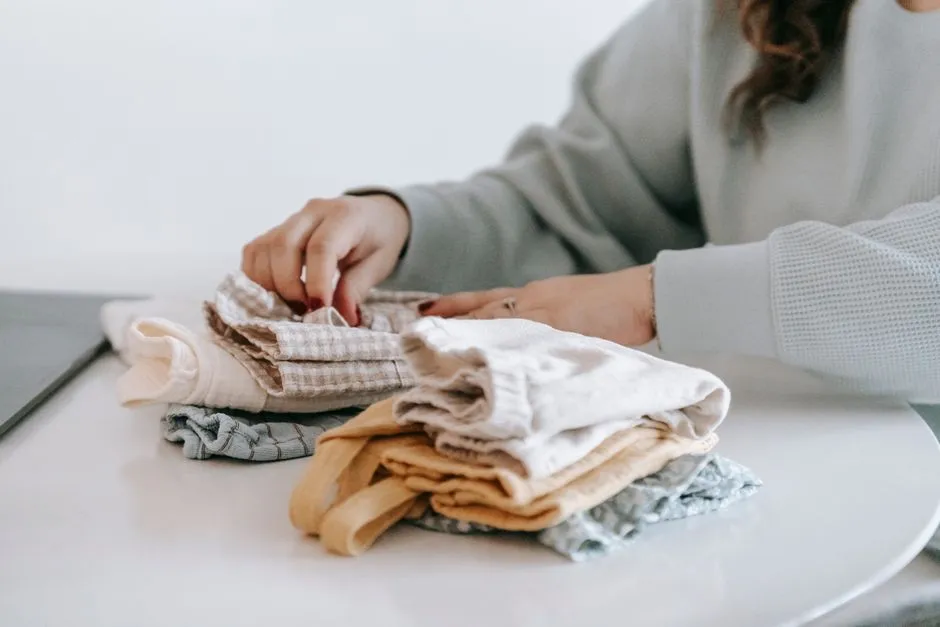
File folding is particularly well-suited for items that crease easily, like shirts, blouses, or tailored trousers. Professional organizers find that file folding keeps things both neat and upright, and it’s a great way to keep everything visible and easily accessible in your suitcase or packing cubes.
The KonMari website explains that the technique centers on folding clothes neatly and standing them upright. By folding clothes neatly and standing them up vertically rather than stacking them or piling them, you prevent wrinkles, save space, and keep the suitcase organized throughout your trip. It’s a small shift in approach with a surprisingly large impact on how much you can fit.
Packing Cubes: Organizers That Actually Earn Their Space
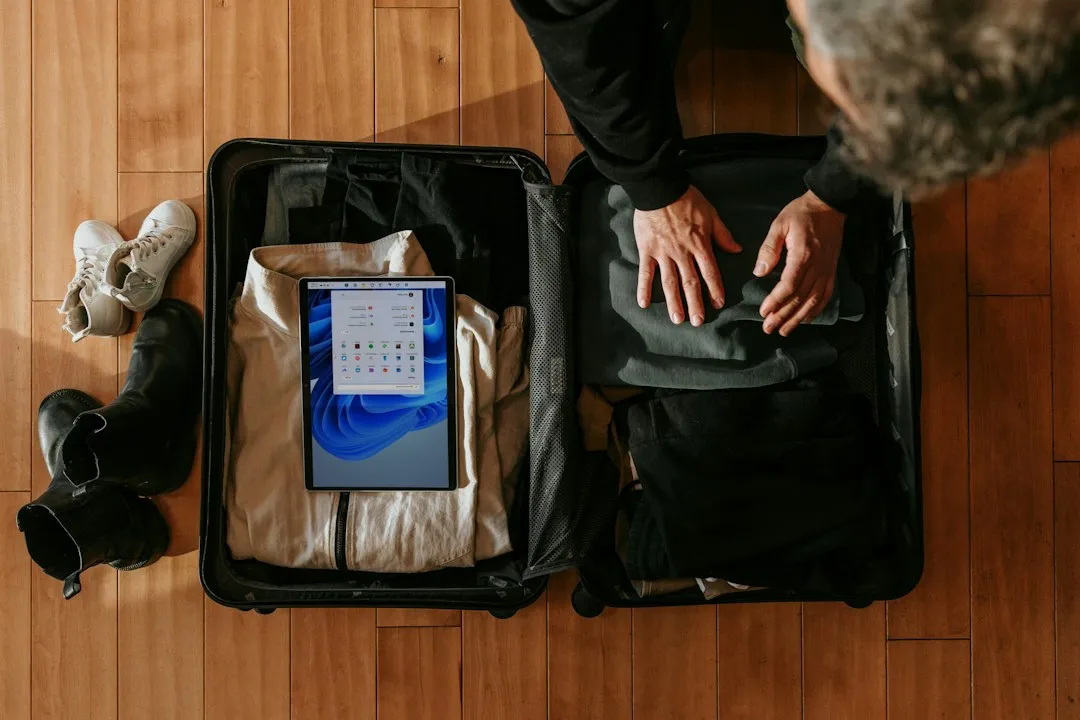
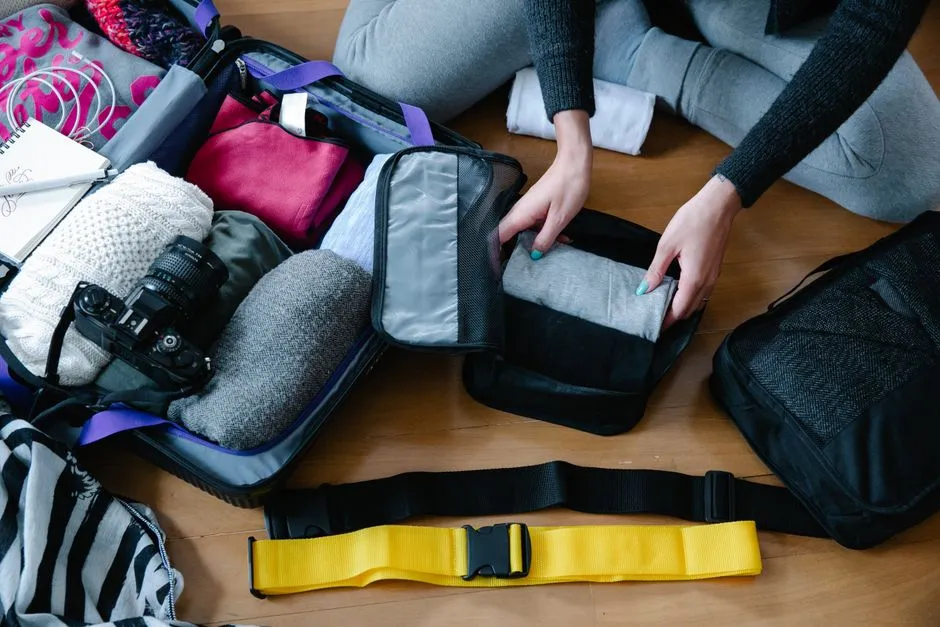
Packing cubes, especially when paired with an efficient folding method, offer genuine value. While they don’t magically compress every item, they keep clothing organized, prevent shifting during travel, and make it much easier to maximize every inch of your suitcase.
Sorting by type works well: put all your tops in one cube, all your bottoms in another, and underwear in a third. Mid-trip, you can also use packing cubes to separate clean clothes from worn ones. That last point is particularly useful on longer journeys where repacking becomes a daily task.
Filling Every Gap: Shoes, Socks, and Dead Space
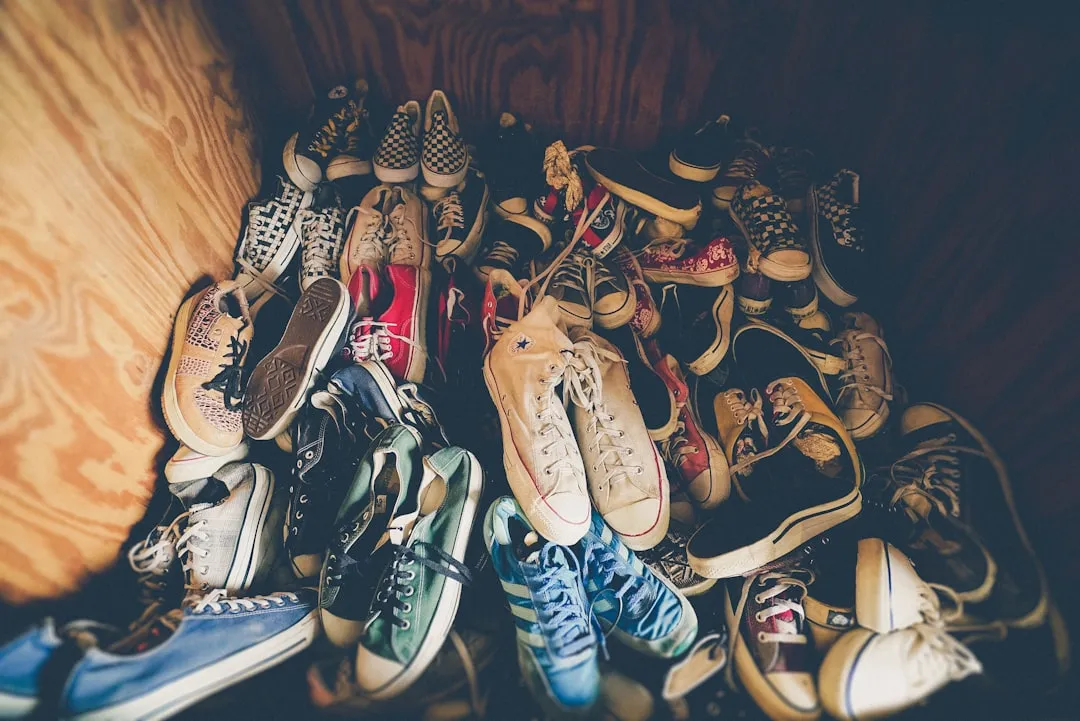
Through careful technique, everything can fit into a carry-on. Rolling socks and placing them inside shoes conserves space and makes good use of what would otherwise be dead volume inside the bag. Shoes placed near the bottom of the suitcase also help distribute weight more evenly, which makes the bag easier to maneuver.
Using packing cubes and compression bags can further optimize storage, and stuffing socks and small items into shoes is one of the most consistently overlooked ways to recover space. Placing heavier items and shoes at the bottom of your carry-on keeps the bag balanced and prevents softer clothing from being crushed under unnecessary weight during transit.
Choosing the Right Carry-On Matters Too
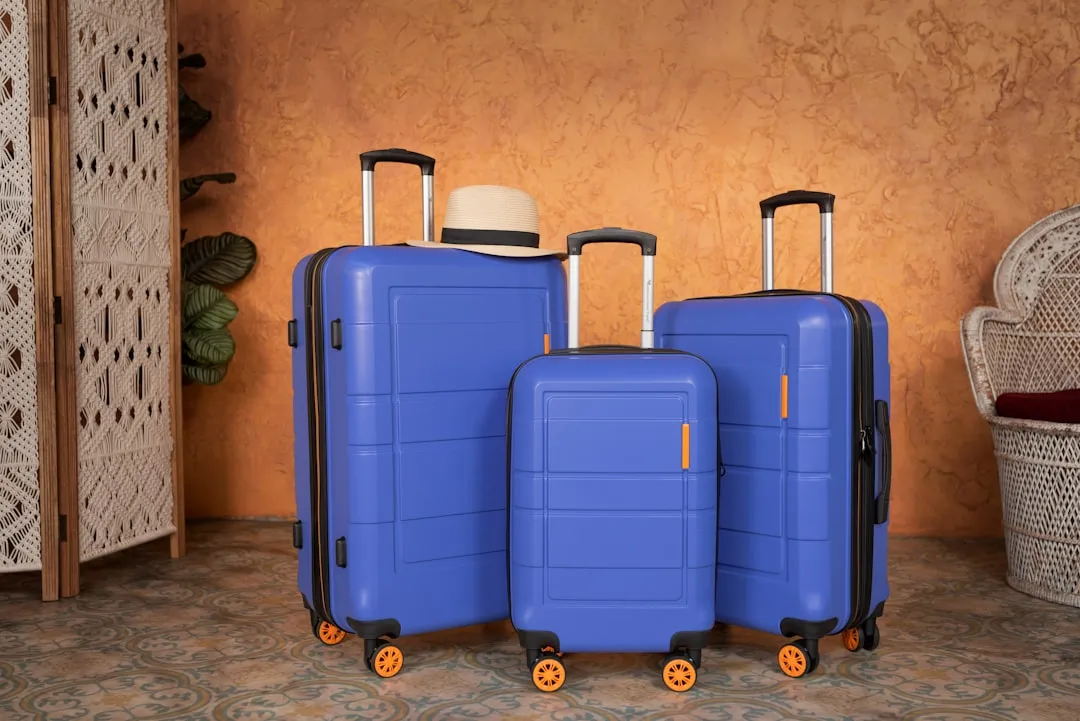
The global travel bag market reached a massive $24 billion in 2023 and has continued to grow. High-end luggage now comes with features like built-in compression panels that promise roughly twenty to thirty percent more capacity, but they only work if your clothes are neatly folded or rolled to begin with. The bag itself is only part of the equation.
Certain soft-sided carry-ons now feature modular designs that allow travelers to customize compartments, potentially increasing packing efficiency by up to thirty percent. A 2024 survey of airline staff also found that soft-sided bags are roughly a quarter less likely to be gate-checked, due to their ability to compress and fit into size-check fixtures more easily than rigid alternatives. That’s worth considering when choosing between hard-shell and soft-sided options.
Building a Capsule Wardrobe Before You Even Pack

When packing, try your best to match your packing list to your itinerary. Identify daily outfits and bring a few neutral-colored items that can be mixed and matched with other clothing. This approach means fewer total pieces in the bag while still giving you a range of outfit combinations throughout the trip.
Choosing clothing items that can be easily mixed and matched to create multiple outfits, and sticking to a color palette that complements each piece, maximizes your options while minimizing bulk. It’s less about packing fewer things and more about packing smarter things. A well-chosen neutral palette can double the number of wearable combinations from the same number of garments.
The Honest Edit Before You Zip Up
The final, and perhaps most important, step is doing an honest edit once your bag is packed: going back through and removing anything you’re unlikely to actually use. Most experienced travelers agree this is where the biggest gains come from. Not from the folding alone, but from letting go of the “just in case” items that fill the bottom of almost every bag.
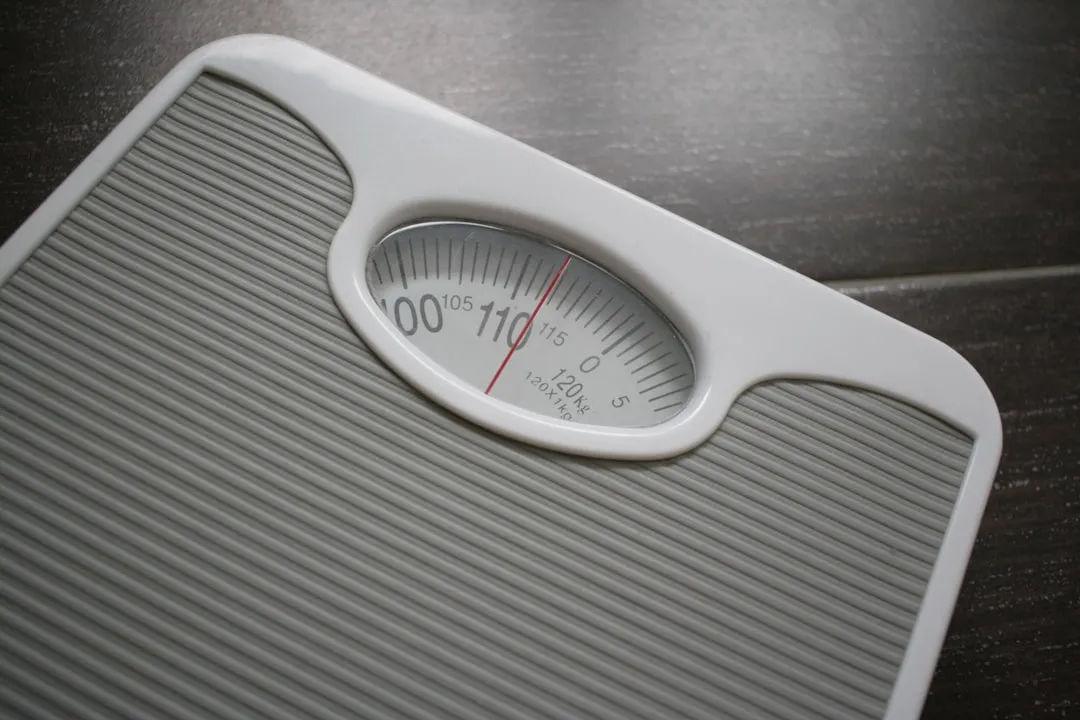
A small handheld luggage scale used at home before you leave can prevent an unpleasant surprise at check-in if your carry-on turns out to be heavier than allowed. Catching the issue early gives you the chance to remove or redistribute items calmly, rather than scrambling at the airport counter. It’s a small habit with real consequences avoided.
The Takeaway
There’s no single folding trick that works perfectly for every trip or every traveler. What genuinely makes the difference is understanding why each method works and then applying the right one to the right garment. Roll the soft things tightly. Fold the structured ones carefully. Stand everything upright when possible, and leave room for what you’ll actually reach for.
The carry-on that seemed too small rarely is. It usually just needs a better system inside it.
AI Disclaimer: This article was created with the assistance of AI tools and reviewed by a human editor.