
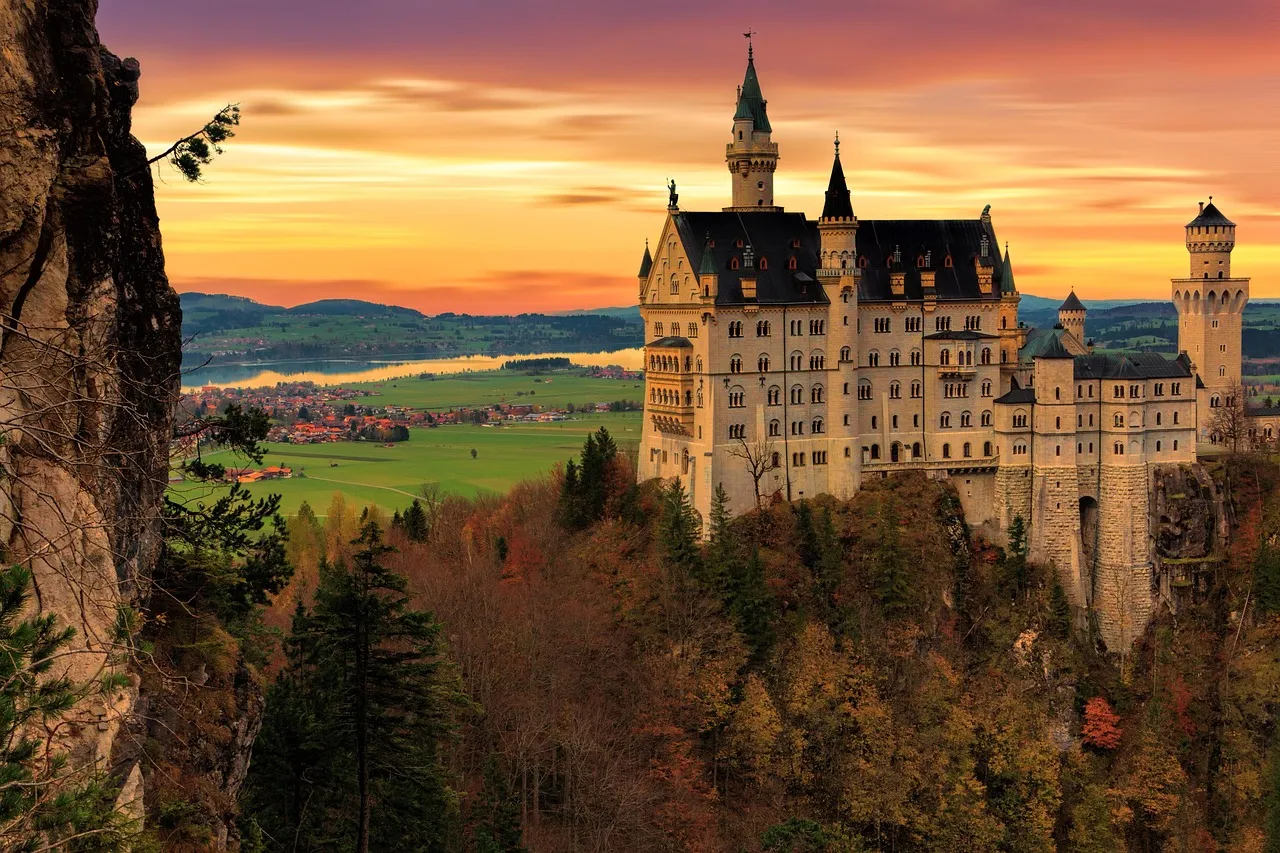

Most people who visit Wales come away with a shortlist of the obvious ones: Caernarfon, Conwy, the great walled fortresses of Edward I. They tick them off, pose for photographs on the battlements, and head home feeling satisfied. What they rarely discover is that the country they just walked through holds many more stories, buried in hundreds of quieter, less-visited sites.
Wales is home to over 641 castles, more per square mile than any other country in Europe. The landscape here is medieval in a very literal sense. Stand almost anywhere in the country and you are likely within a few miles of a ruined wall, a grassy mound, or a half-forgotten gatehouse that once decided the fate of kingdoms.
Why Wales Has So Many Castles
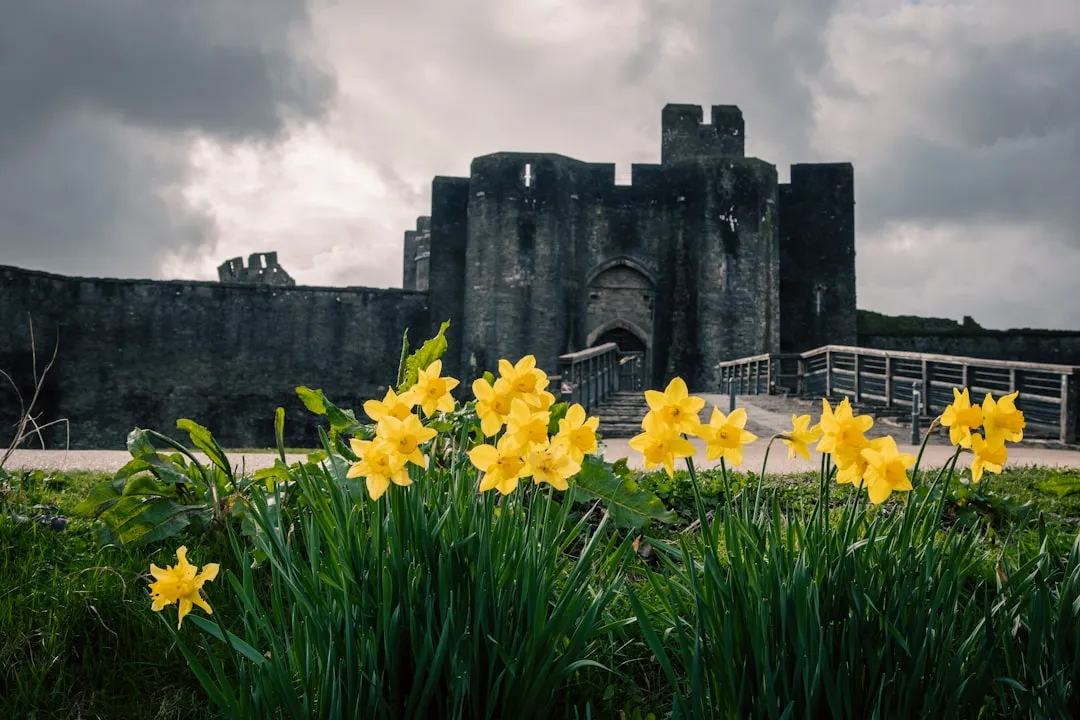
Wales is home to one of the highest concentrations of castles in the world, a legacy of its turbulent and brutal past. Centuries of conflict, particularly with England, led to an intense wave of castle-building, especially during the Norman invasion and the campaigns of King Edward I in the 13th century. These castles were constructed to assert military dominance, control rebellious regions, and defend key routes through the rugged terrain.
Wales had about 600 castles, of which over 100 are still standing, either as ruins or as restored buildings. The rest have returned to nature, and today consist of ditches, mounds, and earthworks, often in commanding positions.
Some have been lived in continuously for a thousand years, while others are battle-scarred forts, preserved as the finest examples of medieval military architecture in Europe. Many are native Welsh castles, built by Welsh royal dynasties, while others were constructed by various invading forces throughout history.
Chepstow: The Oldest Stone Castle in Britain
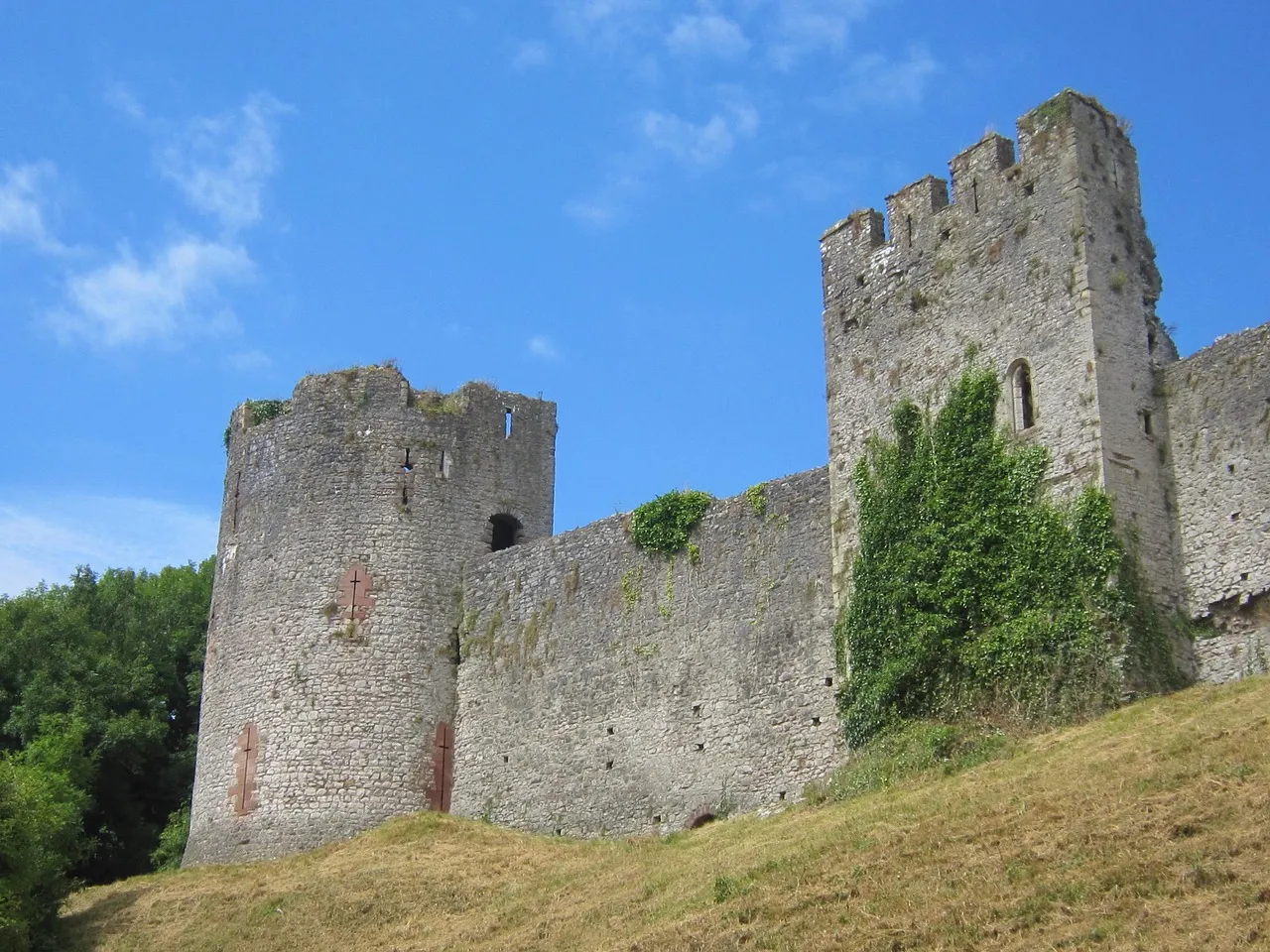
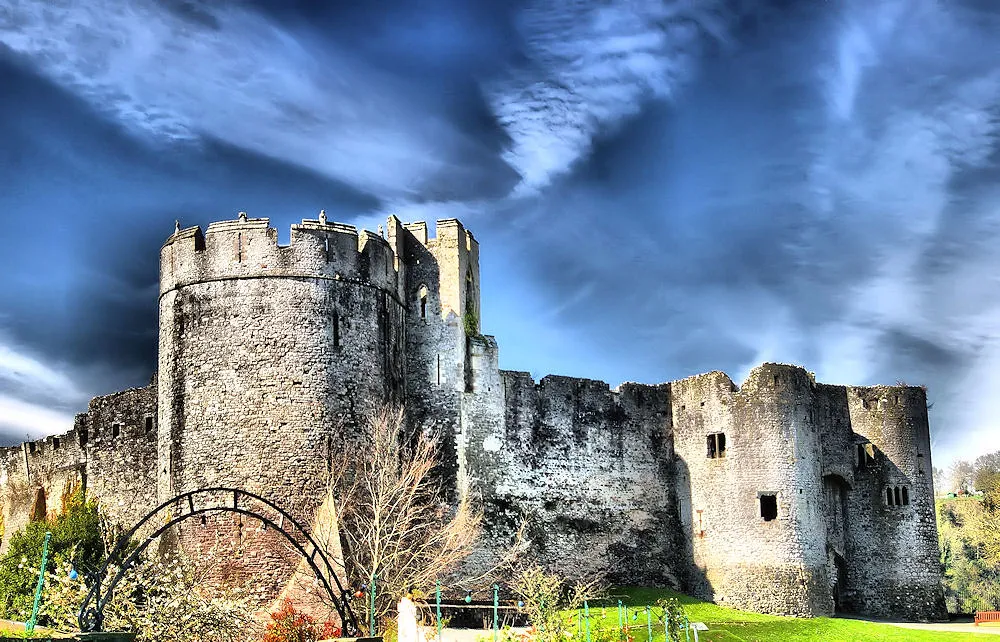
Perched above the River Wye, Chepstow Castle is one of the oldest surviving stone castles in Britain. Construction began in 1067, just a year after the Norman Conquest, under the command of William FitzOsbern, a close ally of William the Conqueror. Unlike many early Norman castles built in timber, Chepstow was constructed in stone from the outset, signaling its importance as a defensive stronghold and symbol of Norman authority on the Welsh border.
The castle’s Great Tower is the earliest datable secular stone building in Britain, and the structure’s doors are the oldest castle doors in Europe, now on display in the structure’s interior. Few visitors fully register what that means when they walk through the gate.
Caerphilly: The Giant That Most Tourists Miss
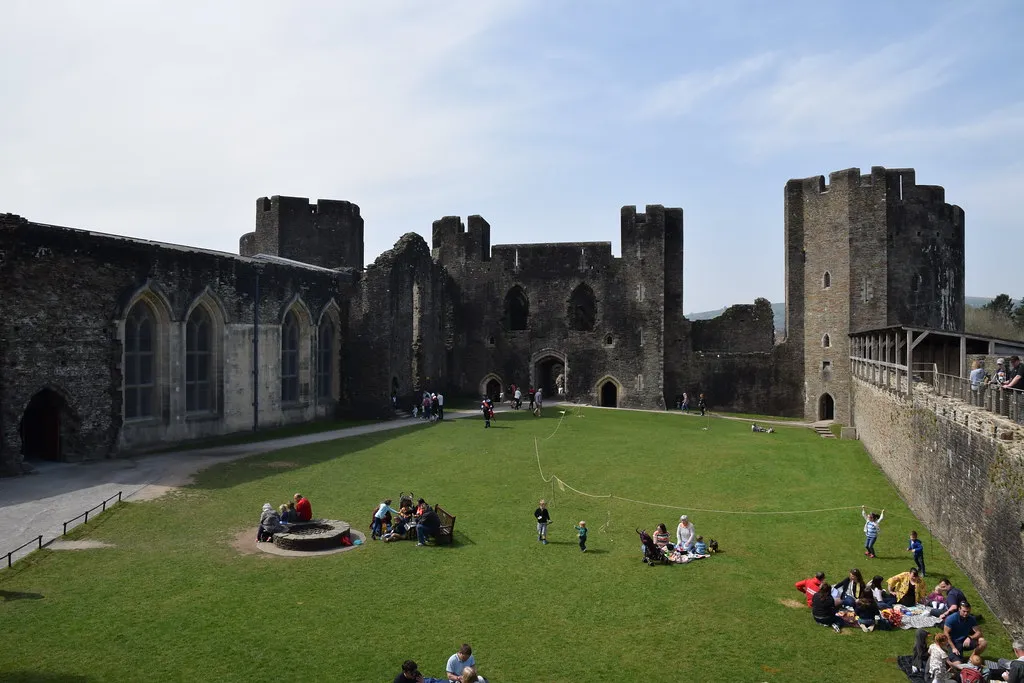
Caerphilly Castle is one of the great medieval castles of Western Europe and the largest castle in Wales. It was constructed in 1268-72 and was the most militarily advanced castle in the country at that time.
Caerphilly Castle is the largest medieval fortress in Wales and is thought to be the second-biggest castle in Britain. A picturesque structure, the castle’s curtain walls and towers are reflected in the waters of its elaborate water defences, which were cutting edge at the time. It was built by Anglo-Norman lord Gilbert de Clare in the 13th century to help wrest control of Glamorgan from the native Welsh prince Llywelyn ap Gruffudd.
Cadw is currently transforming Wales’ largest medieval fortress at Caerphilly Castle, elevating the visitor experience by refurbishing the Great Hall, investing £1 million in a new interpretative scheme and introducing a state-of-the-art welcome centre and café. The castle is very much alive as a site of active preservation.
Carreg Cennen: The Most Romantically Ruined Castle in Wales
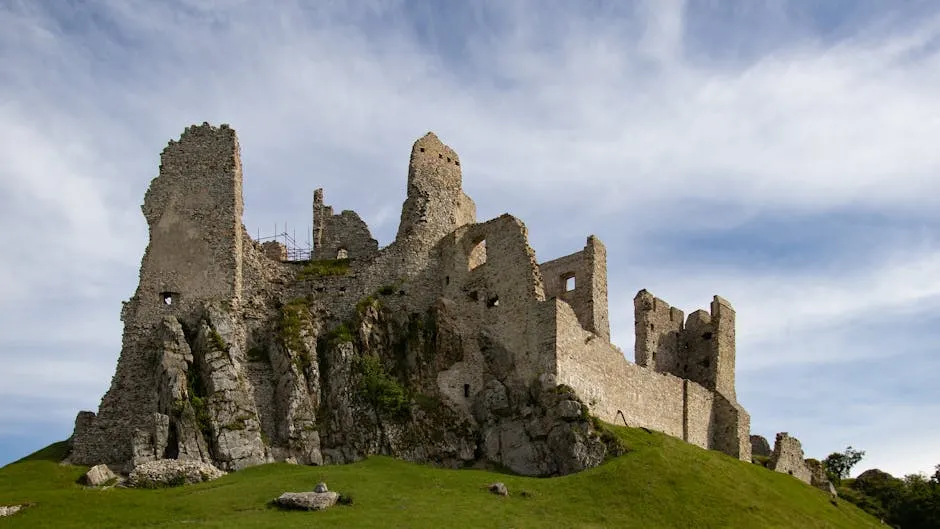
Perched high on a limestone cliff in Carmarthenshire, Carreg Cennen Castle offers some of the most dramatic views in Wales. Its remote and rugged location adds to its mystique, making it a favorite among explorers and photographers. The castle’s underground tunnel and cave system add another layer of intrigue to this fascinating site.
Carreg Cennen was most probably founded by the Welsh prince of Deheubarth, Rhys ap Gruffydd, in the late twelfth century. It is situated in a prominent position on a high limestone crag overlooking the River Cennen. Carreg Cennen was later captured by the English during the conquest of north Wales in the late thirteenth century.
Carreg Cennen was garrisoned for the last time by Lancastrian forces during the Wars of the Roses. After its capture by Sir Roger Vaughan in 1462, a force of 500 men took four laborious months to dismantle the castle with picks and crowbars. What stands today is the product of deliberate destruction, which somehow makes it more compelling.
Edward I and the Iron Ring of the North
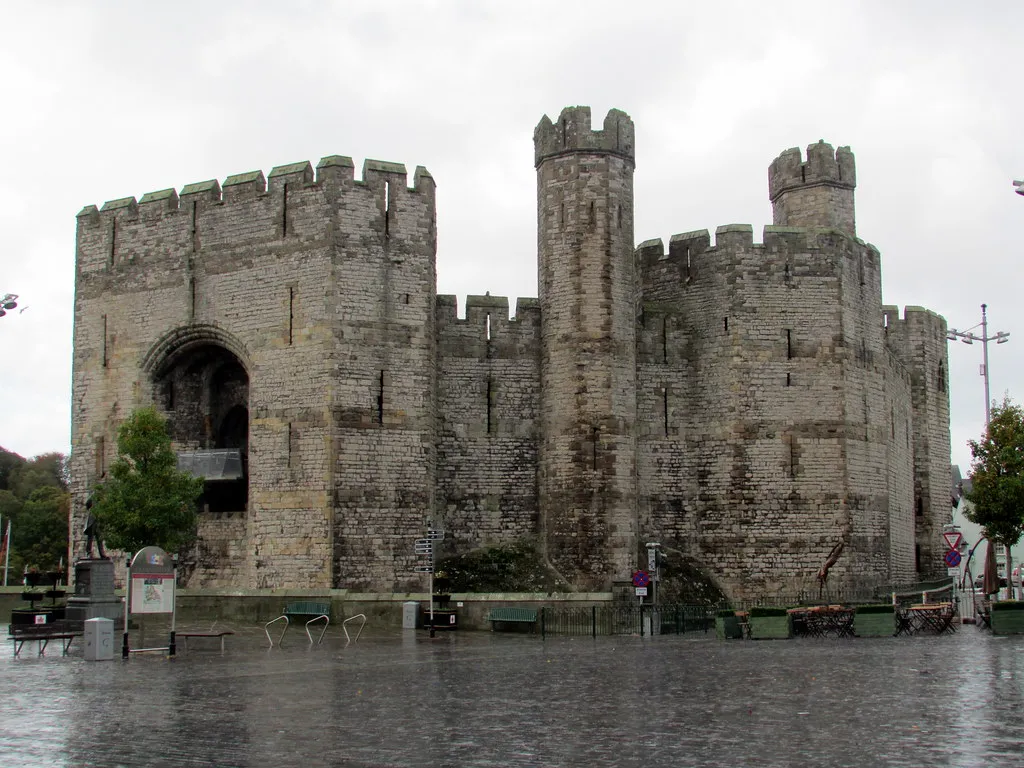
Determined to conquer Wales, Edward I launched a campaign of military expansion and built an imposing ring of stone castles, including Caernarfon, Conwy, Harlech, and Beaumaris, to cement English dominance. These castles, now UNESCO World Heritage Sites, were designed not only for defense but to symbolise power and authority.
One of the greatest buildings of the Middle Ages, Caernarfon Castle represents the apex of King Edward I’s ambitious castle-building exploits in Wales. Construction took 47 years and cost a near-bankrupting £25,000 (around £23.5 million today) to finance.
Beaumaris Castle, considered a masterpiece of medieval military architecture, saw over 2,500 men working on the site during its first year of construction. It has a concentric design, with walls within walls, that provide extra layers of defence. It was never fully completed due to financial constraints, which is part of what makes it so fascinating to architectural historians.
Native Welsh Castles and a Different Kind of Power
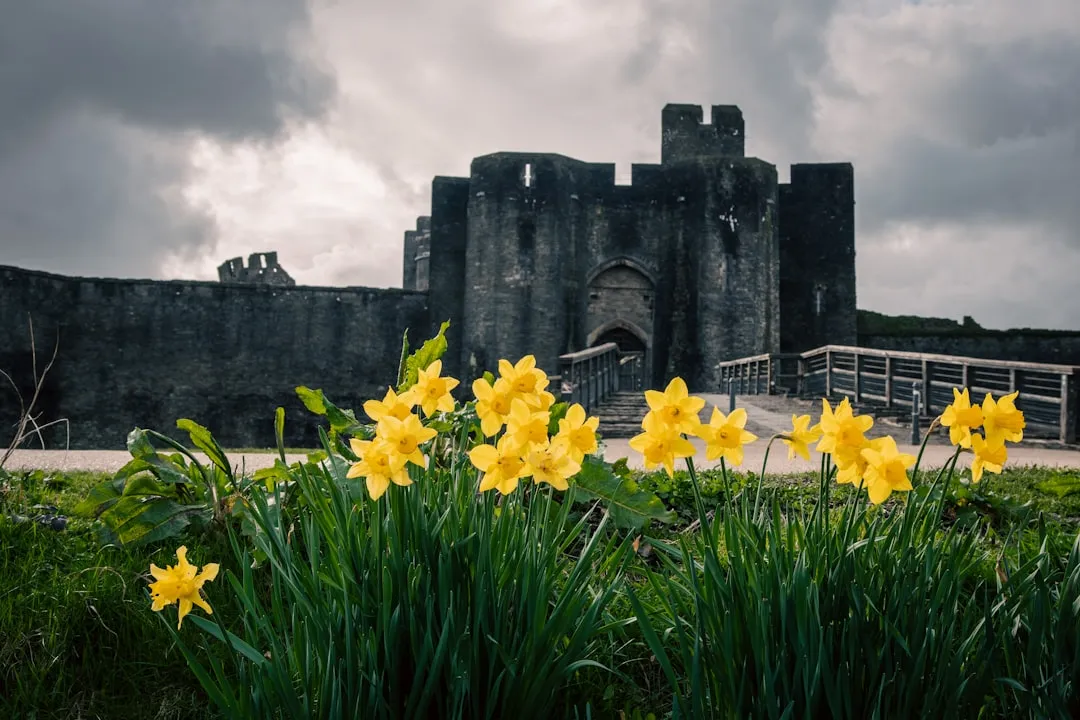
The castles in Wales were not meant only to protect from outside invaders. They speak of the Normans’ and then England’s long struggle to subjugate the region, as well as Welsh princely rivalry and the assertion of control over their own people. Some of the castles were built by Welsh royal dynasties to protect themselves from the English, from each other, and to govern their subjects.
Castell y Bere was the largest native Welsh castle and was built by Llywelyn the Great in the 1220s. It was built to exercise authority over his people and to defend the southwest part of the princedom of Gwynedd.
One of the last independent princes before the conquest of Edward I was Llywelyn ap Gruffudd, the last native Prince of Wales. Llywelyn’s reign marked a period of relative unity among the Welsh principalities as he sought to resist English influence.
Harlech: Siege, Song, and Stunning Position
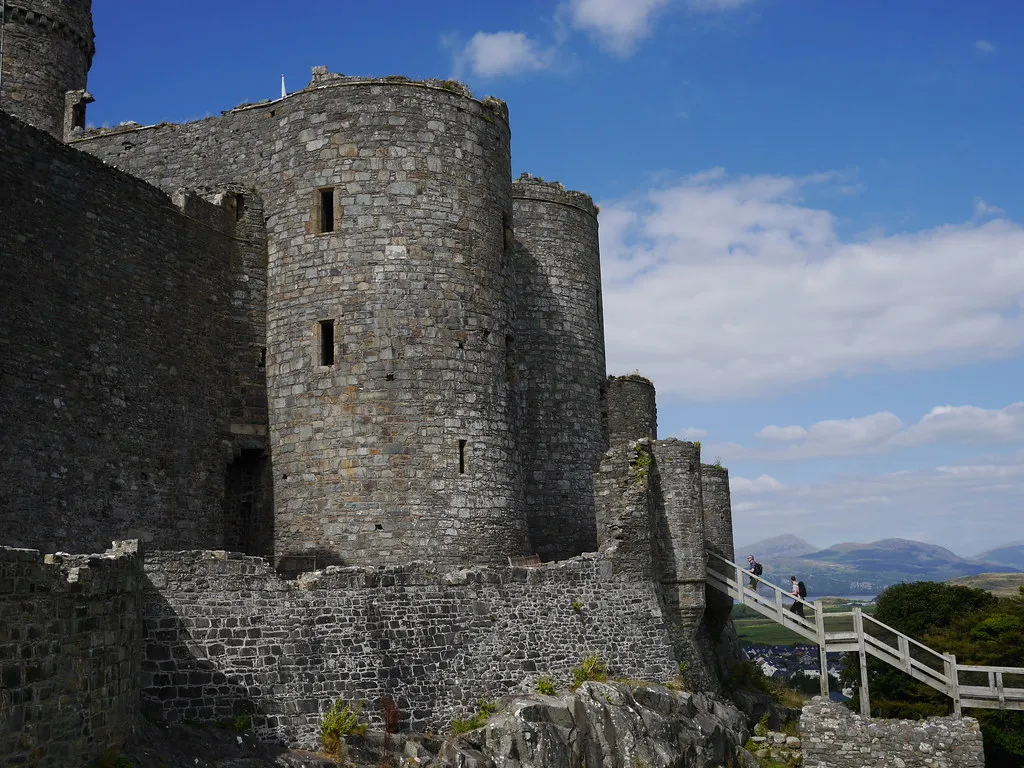
Harlech Castle is famous for its dramatic setting atop a rocky crag, overlooking the Irish Sea. Another masterpiece of Edward I’s castle-building campaign, it played a pivotal role in Welsh history, including the legendary siege of Harlech during the Wars of the Roses.
Llywelyn ap Iorwerth, one of the best-known Princes of Gwynedd, began work on Criccieth Castle, a neighbouring fortress, in the early 1200s. On his sweeping conquest of Wales, Edward I captured the castle fifty years later. The king began an extensive remodelling of Criccieth to solidify his position of power.
Harlech’s walls are also among the most musically associated of any castle in Britain. The famous tune “Men of Harlech” draws its spirit directly from the Wars of the Roses siege. Harlech Castle is also linked to the tragic heroine of Branwen in Welsh mythology and was one of the last Royalist holdouts to fall to Cromwell.
Cardiff Castle: Two Thousand Years in One Place
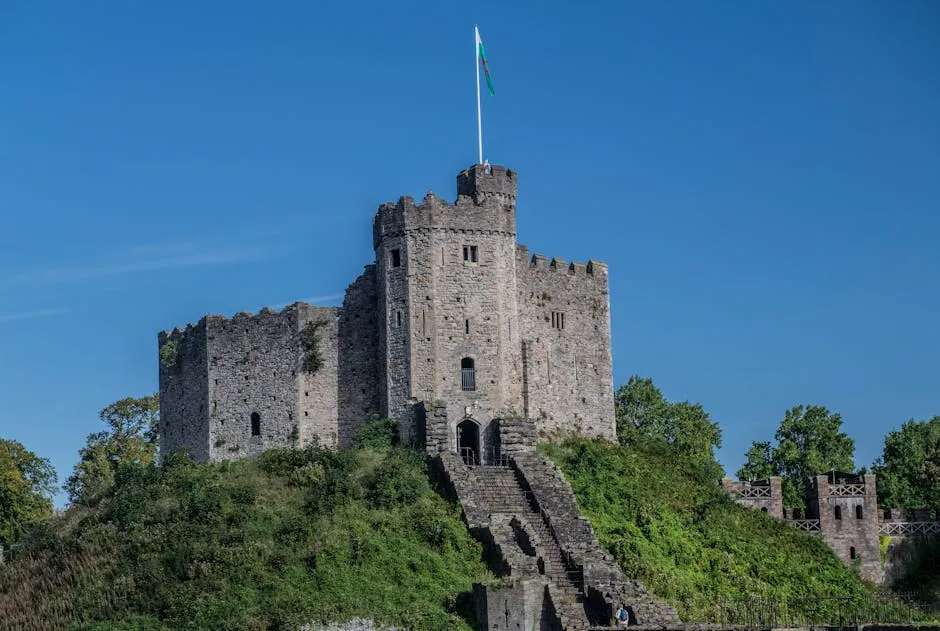
The history of Cardiff Castle dates back to Roman times, when the site was occupied by a fort. The main remains include the Norman keep from the 11th century as well as an 18th century extension in Gothic Revival style. Located in the heart of the capital city, the site has evolved from a Roman fort into a lavish Victorian Gothic mansion. The castle’s origins date back to the 1st century AD, when the Romans built a fort to secure their hold over newly conquered Britain.
In the 11th century, following the Norman invasion, a motte-and-bailey castle was constructed on the site. Over time, this was rebuilt in stone and expanded during the medieval period, serving as a stronghold in numerous conflicts. Rarely does a single location carry so many layers of occupation across such a vast span of time.
Conwy Castle: Built in Four Years, Designed to Last Forever
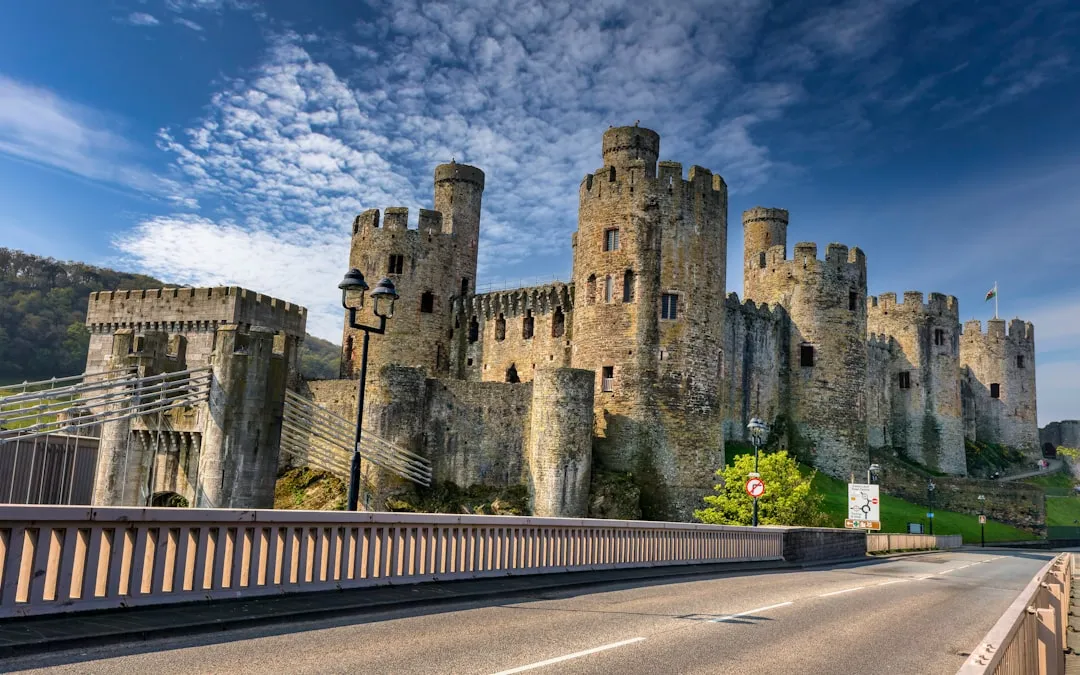
Construction for the magnificent Conwy Castle took just four years. Conwy was built between 1283 and 1287 on the orders of Edward I. The pace of that construction, by medieval standards, was remarkable, relying on a workforce that was mobilized from across England and Wales.
The eight lofty towers and grand curtain wall of Conwy Castle make an immediate impact on visitors, but this 13th-century stronghold hides even more wonders within its once-impenetrable interior. Built by Master James of St George, the finest military architect of his age, the riverside fortress has been exceptionally well preserved, boasting the most complete set of residential rooms inhabited by the medieval monarchy anywhere in England or Wales.
Since 2024, Cadw has used the Welsh name Castell Conwy in English, as part of an effort to standardise the names in both languages. It’s a small but meaningful acknowledgment of the landscape’s Welsh identity, which predates the English conquest by centuries.
Preserving the Forgotten: Cadw and the Future of Welsh Castles
Cadw marked its 40th year in 2024, by which time more than 33,000 properties, structures and monuments were under its care. As the Welsh Government’s historic environment service, Cadw is charged with protecting the historic environment of Wales, and making it accessible to members of the public.
Since it was established in 1984, Cadw has welcomed over 50 million visitors from across the UK and the world to its historic monuments in Wales. There are now over 30,000 listed historic buildings, over 4,200 protected historic monuments, nearly 400 registered historic parks and gardens, and four World Heritage sites.
Cadw’s in-house team of specialist stonemasons, joiners and surveyors have spent over 408,000 hours over the last decade on the conservation of smaller, more remote historic monuments across Wales. Those quieter, less-photographed sites are often the ones that need this care the most, and their survival is far from guaranteed without it.
The Castles You Have Not Visited Yet
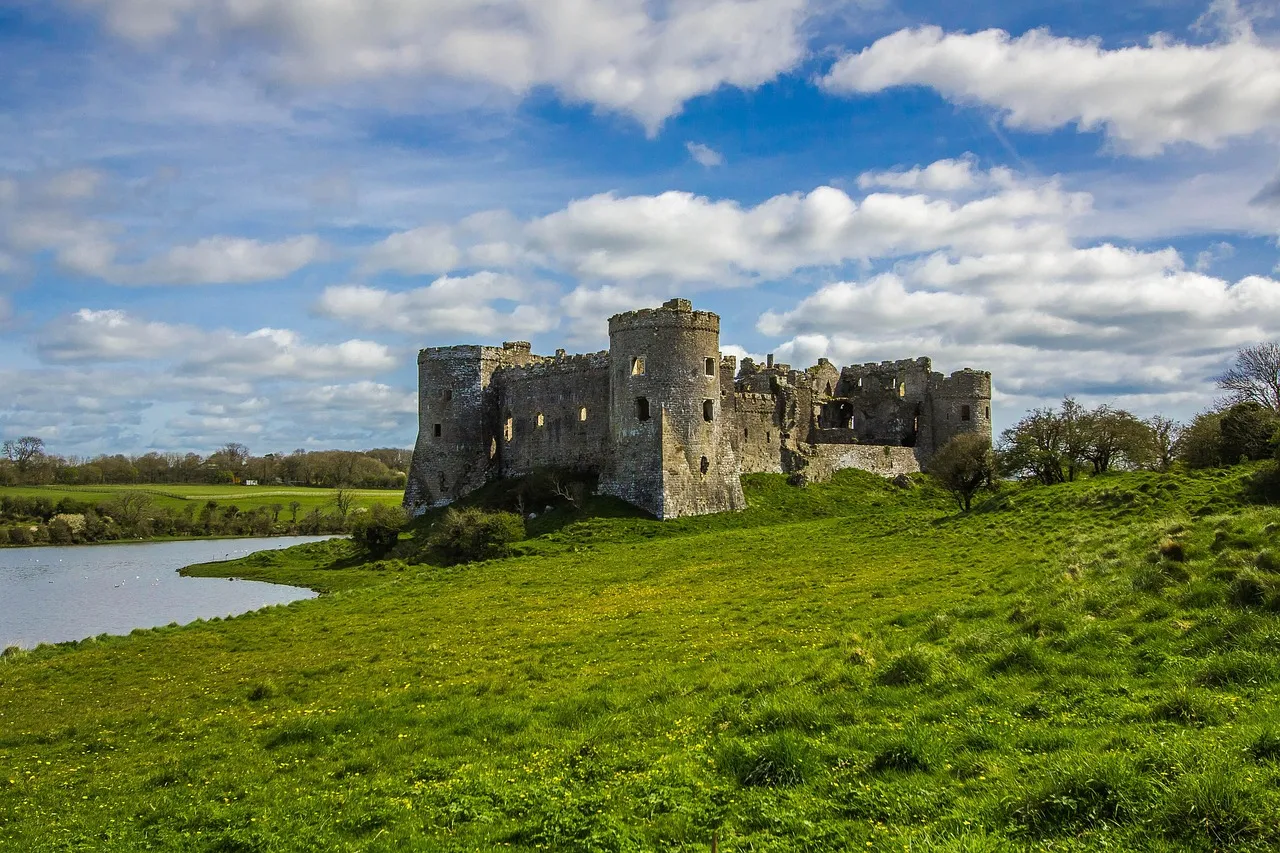
While Wales’ famous castles are undoubtedly impressive, it’s the lesser-known ones that offer the most unique charm and so make for some of the most unusual castles to visit. The mounds and earthworks that make up hundreds of the remaining sites across the country are easy to dismiss as just grass-covered hills. They are, in fact, the compressed remains of entire medieval worlds.
Wales truly is castle country, with more than 400 to see at last count. Some have been lived in continuously for a thousand years, while others are battle-scarred forts, preserved as the finest examples of medieval military architecture in Europe.
The castles of Wales are not museum pieces frozen behind glass. They sit inside the landscape, exposed to wind and rain, and open to anyone willing to walk toward them. The history here is not curated behind a velvet rope. It’s underfoot, overhead, and entirely within reach.
AI Disclaimer: This article was created with the assistance of AI tools and reviewed by a human editor.