

Most families assume that “free day at the national parks” means showing up and walking in. The reality is a bit more layered than that – and knowing exactly how these days work can be the difference between a memorable family adventure and a frustrating afternoon stuck in a parking queue. There are real strategies here worth knowing before you go.
With over 400 sites managed by the National Park Service, including favorites like Yellowstone, Grand Canyon, Yosemite, Zion, and Great Smoky Mountains, free entrance days open up an enormous range of landscapes and experiences. The trick is understanding how the calendar is structured, what the fine print actually says, and where the best-kept opportunities are hiding.
The 2026 Calendar Has Ten Fee-Free Days – and It’s Grown
The National Park Service has announced ten fee-free days for 2026, expanding from just six days offered in 2025. That’s meaningful growth for budget-conscious families planning annual trips. The full 2026 lineup runs: Presidents Day on February 16, Memorial Day on May 25, Flag Day on June 14, Independence Day Weekend from July 3 through 5, the 110th Birthday of the National Park Service on August 25, Constitution Day on September 17, Theodore Roosevelt’s Birthday on October 27, and Veterans Day on November 11.
Only about 100 of the 400-plus national parks charge an entrance fee at all, with costs ranging from five to thirty-five dollars or more. That context matters. Many families may already be visiting parks that are always free, while others could be paying regularly to visit parks that occasionally waive their fees entirely.
Free Entry Is Now for U.S. Residents Only
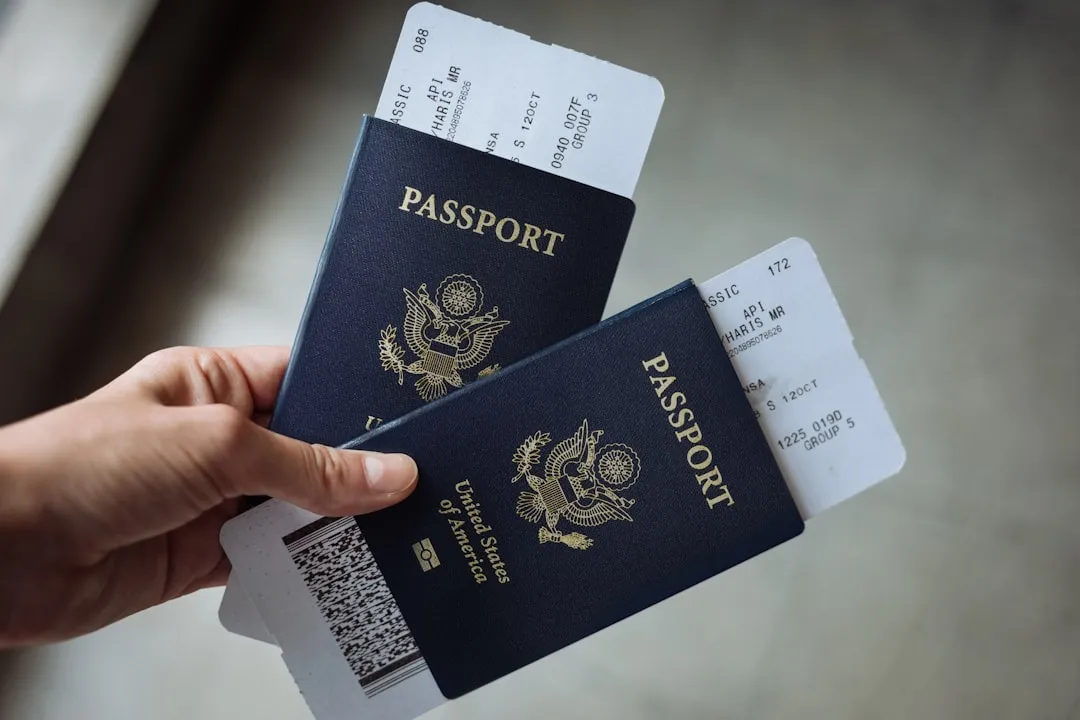
For families who have visited on free days in the past, there is one important change to be aware of in 2026: fee-free days now apply exclusively to U.S. citizens and residents – a first, since previously free entry days were open to everyone regardless of nationality.
Visitors aged 16 and older may be asked to show identification at the gate. It’s worth carrying a driver’s license or passport card just in case. Nonresidents still pay the standard entrance fee on these days, and eleven of the most visited parks now charge nonresidents an extra surcharge on top of regular entrance fees.
Entrance Fee Waived Does Not Mean Everything Is Free

This is the part most families miss entirely, and it causes real disappointment. These days only waive the entrance fee – all other fees such as special tours, transportation, and camping fees still apply.
Fee-free days waive entrance fees. They do not waive timed entry reservation fees. So if a park requires a timed-entry permit, you still need to book one – and that booking may cost a small additional fee. Camping fees, shuttle tickets, and tour reservation costs still apply even on fee-free days. Planning around this distinction can save families both money and stress.
The July 4th Weekend Is Three Consecutive Free Days

The three-day Independence Day weekend from July 3 through 5 is especially notable in 2026 because it also marks the 250th anniversary of American independence. Three consecutive free entry days is genuinely unusual and offers families the rare chance to plan a multi-day trip without the usual entrance costs stacking up.
With three free days in a row, this is a perfect opportunity for a multi-day park trip – but expect record crowds. The combination of free entry, a long weekend, and the 250th anniversary means popular parks will be packed. If you’re going, arrive very early, use shuttle systems where they exist, and have a backup trail in mind.
The Quiet Free Days Most Families Overlook Completely
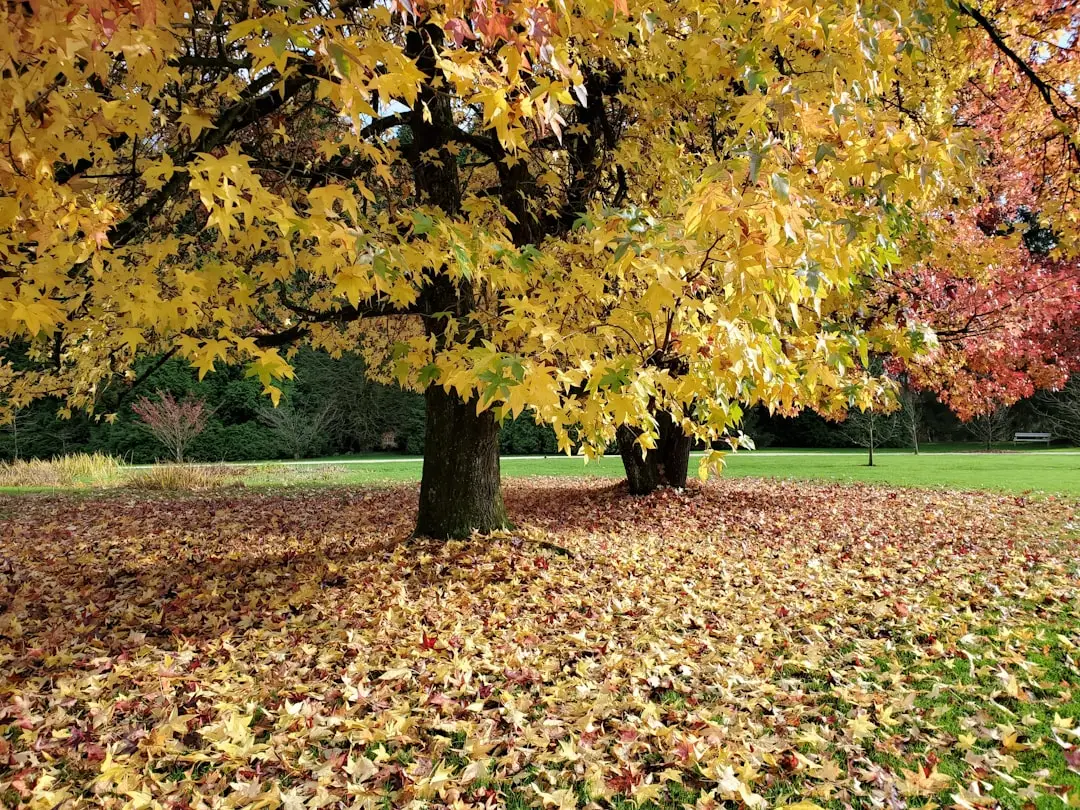
Here is where thoughtful planning really pays off. Constitution Day on September 17, Theodore Roosevelt’s Birthday on October 27, and Veterans Day on November 11 are the least crowded free days of the year. Fall is also arguably the best season to visit many parks, with cooler temperatures, fall foliage, fewer visitors, and lower lodging prices.
If crowd avoidance is a priority, the best fee-free days to target are those that fall on weekdays outside of summer: Constitution Day is a Thursday, Theodore Roosevelt’s Birthday is a Tuesday, and Veterans Day is a Wednesday. Weekday visits in autumn can feel like a completely different experience compared to a summer holiday weekend at the same park.
August 25 Is a Special Milestone Worth Planning Around
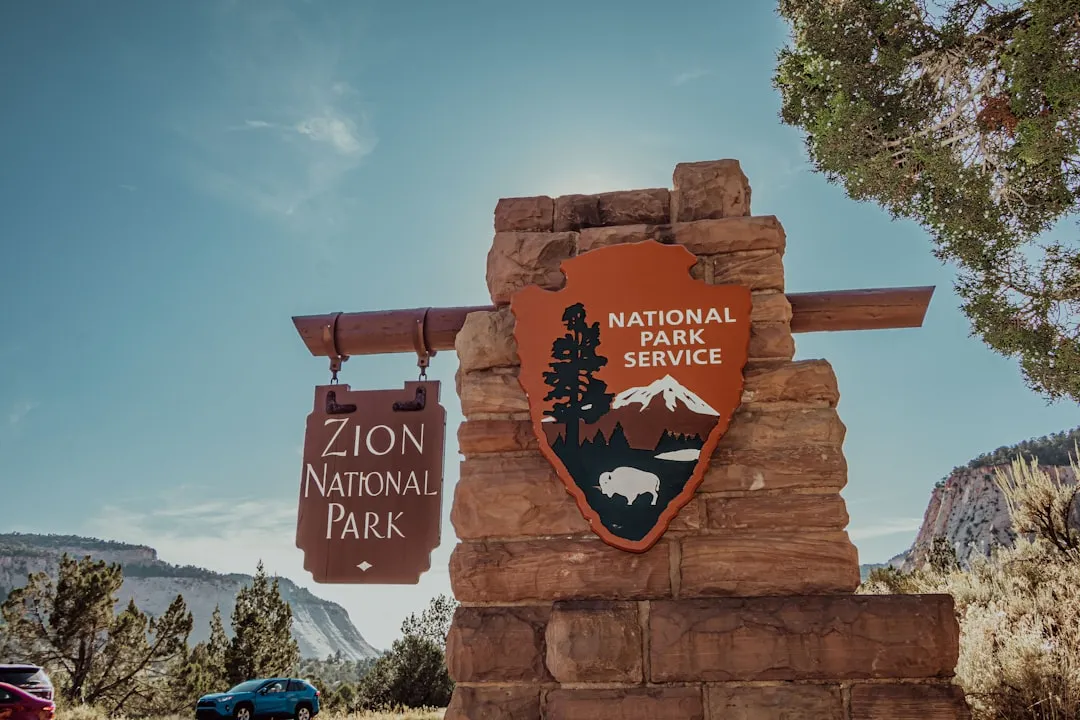
August 25 marks the 110th anniversary of the National Park Service’s founding, and the NPS is planning special anniversary programming and events around this date to celebrate the milestone. It’s one of the more unique free days on the calendar, tied directly to the history of the parks themselves rather than a federal holiday.
This day falls on a Monday in 2026, making it a strong option for a less-crowded midweek visit while most people are at work. Combining a long weekend getaway with the Monday free entry day is a practical move for families who can extend their trip by just one day.
The Every Kid Outdoors Pass Is the Hidden Gem Most Parents Miss

If you have a child in fourth grade, this may be the single most valuable thing in this entire article. Fourth grade students can get a free annual pass to visit more than 2,000 federal recreation areas with their families, and the pass grants free entry for fourth graders, all children under 16 in the group, and up to three accompanying adults.
All U.S. fourth grade students, whether they attend public, private, charter, or home schools, are eligible for the Every Kid Outdoors pass. The pass is valid for the 2025 to 2026 school year, from September 1, 2025, through August 31, 2026. To obtain a pass, fourth grade students simply visit the bilingual Every Kid Outdoors website, complete a short educational activity, and download a paper voucher to print and bring on their visit. Note that electronic versions of the paper pass are not accepted at most sites.
Timed Entry Requirements Still Apply – Even on Free Days
One of the most common planning errors families make is assuming that a free entrance day means no reservations needed. That is not always the case. As of early 2026, there are eight national parks and one national monument that require advance reservations of some type, whether that’s a timed-entry permit, a vehicle reservation for a specific road, a hiking permit lottery, or a transportation reservation.
Three of the country’s most popular parks – Yosemite, Glacier, and Arches – ended their timed-entry and reservation systems for 2026. However, reservations still apply on fee-free days at Rocky Mountain National Park, Acadia and Haleakalā for sunrise and summit access, and Carlsbad Caverns for cave tickets. Always verify your specific park’s requirements on NPS.gov before you finalize plans.
Arrive Early and Know the Crowd Peak Hours

Most park crowds peak between 10 AM and 3 PM, and sunrise and late afternoon visits are both more enjoyable and easier for parking. On a free entry day, that window can feel even more compressed. Getting to the park gate before 8 AM is genuinely one of the most effective strategies available. Arriving before 8 AM gives you the best shot at parking and a less crowded experience overall.
If your first-choice trailhead is full, it helps to know a secondary option. Many parks have less-popular areas that are just as beautiful. Download the NPS app before you leave home. The free National Park Service app has maps, trail information, alerts, and ranger program schedules for every park. Cell service is unreliable in most parks, so offline preparation matters.
The America the Beautiful Pass Is Still the Smartest Long-Term Investment
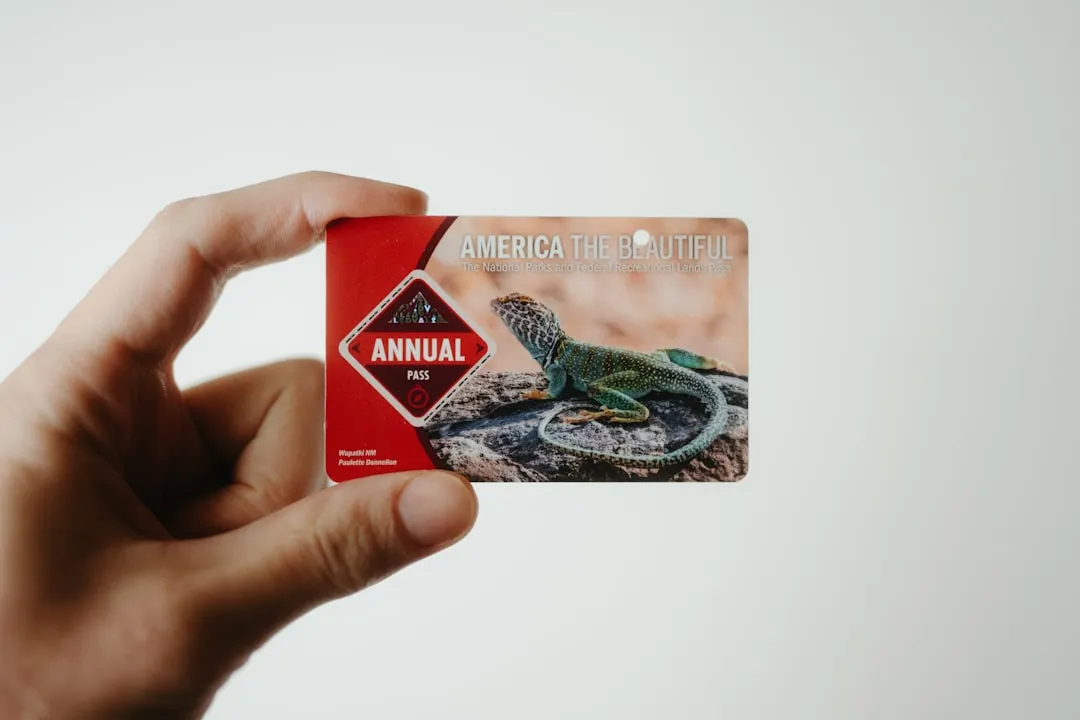
For families planning multiple park visits throughout the year, the annual pass remains hard to beat. The America the Beautiful Pass is a budget-friendly option for families who want to visit national parks often or on different dates than the fee-free calendar allows. The annual pass provides access to thousands of federal recreation sites across the country.
The America the Beautiful Pass costs eighty dollars for U.S. citizens and residents, and it is valid for twelve months from the purchase date through the end of the same month the following year. Starting January 1, 2026, all America the Beautiful passes are available in fully digital format through Recreation.gov, allowing families to purchase passes online, store them on mobile devices, and use digital validation for faster entry. Physical cards remain available for those who prefer them.
A Smarter Way to Use the Free Days Calendar
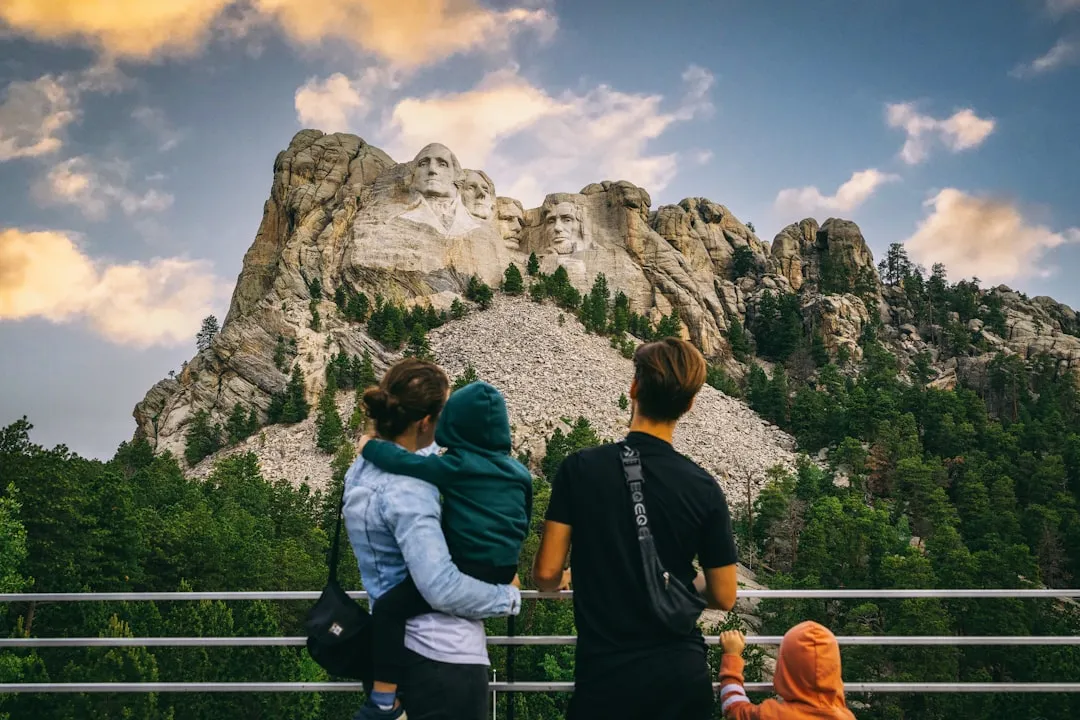
The fee-free calendar is most powerful when you treat it as a planning anchor rather than a spontaneous invitation. Because free national park days are popular, planning ahead is essential – including checking whether your park requires timed-entry reservations well in advance. The families who get the most out of these days are the ones who cross-reference the free date with the season, the crowd pattern, and the specific park’s permit requirements.
The fall weekday dates – Constitution Day, Theodore Roosevelt’s Birthday, Veterans Day – consistently offer the best combination of free entry and a genuinely peaceful experience. Pair one of those with a park in peak autumn color, and you have the kind of trip families remember for years. The calendar is there. The question is simply whether you plan around it.
AI Disclaimer: This article was created with the assistance of AI tools and reviewed by a human editor.