
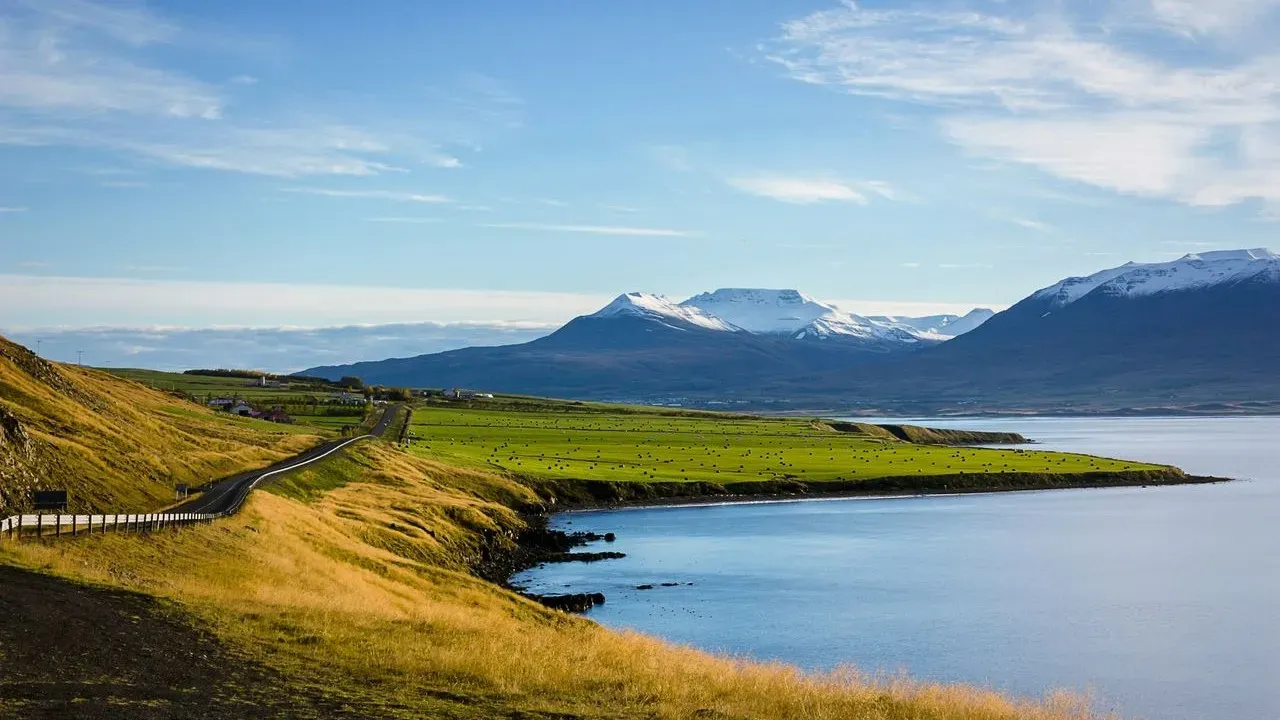

Iceland’s landscapes reward travelers who set their own schedule. Waterfalls tumble from cliffs into mist, black-sand beaches stretch toward the horizon, and glaciers meet steaming geothermal fields in scenes that shift with the light. A rental car turns these sights into personal discoveries rather than scheduled stops. ([1])
The Appeal of Setting Your Own Pace
Public transport reaches only a fraction of the island, leaving many of the most striking places accessible only by road. With a vehicle, drivers can linger at a viewpoint that catches the eye or pause beside a herd of horses grazing near the highway. Weather patterns change quickly here, and the ability to adjust direction on short notice often determines whether a day stays comfortable or turns challenging. This flexibility matters most along stretches where crowds gather in summer. Early starts or late returns become practical choices rather than logistical hurdles. The result is time spent in quieter moments, watching light move across lava fields or listening to waves on an empty stretch of coast.
Understanding Current Road Costs
A kilometer-based charge for all vehicles took effect at the start of 2026. Passenger cars up to 3.5 tonnes face a government rate of ISK 6.95 per kilometer, though rental companies may apply a flat daily fee instead. Travelers should review the rental agreement to see how the charge appears on the final bill. Two toll crossings also remain in place. The Vaðlaheiðargöng Tunnel east of Akureyri charges ISK 2,216 each way for a standard car, payable online. A newer crossing near Höfn on the southeastern Ring Road carries its own fee. These amounts stay modest individually yet add up across a longer itinerary, so they belong in any realistic budget from the start.
Choosing Routes That Match Available Time
The Ring Road circles nearly the entire country and passes through fjords, volcanic plains, and glacier lagoons. Most drivers allow at least eight to ten days to avoid rushing between highlights such as Jökulsárlón and Lake Mývatn. Shorter journeys can focus on the South Coast, where Seljalandsfoss and Skógafoss stand within easy reach of Reykjavík, or combine the Golden Circle with the Snæfellsnes Peninsula for a compact sampler of geothermal areas and fishing villages. Each option follows paved sections of Route 1 for the majority of the distance. Highland tracks labeled F-roads require four-wheel-drive vehicles and remain closed until snow clears, usually sometime in June or July. Travelers who stay on main routes during summer months find ordinary rental cars sufficient for the journey.
Practical Habits for Responsible Driving
Headlights must stay on at all times, and the speed limit on much of the Ring Road is 90 km/h. Gravel sections appear frequently; slowing before the transition prevents stones from striking the undercarriage. One-lane bridges require patience, with the first vehicle to arrive generally crossing first. Sheep often graze near the pavement, so extra vigilance prevents sudden stops. Wind can reach surprising strength. Parking into the gusts and holding doors firmly reduces the chance of damage. Daily checks of road and weather reports through official channels help drivers adapt plans before conditions deteriorate. These steps protect both the traveler and the fragile terrain that draws people to the island in the first place.
Preparing for a Thoughtful Journey
Booking early secures better rates and wider vehicle choice, especially for summer travel. Insurance coverage for gravel and wind damage deserves close attention, as standard policies sometimes exclude these risks. American drivers accustomed to automatic transmissions will find them widely available, though confirming the transmission type avoids surprises at pickup. The most memorable stops often lie just beyond the main itinerary. Leaving margin in the schedule for an unplanned pull-off or an extra hour beside a quiet geothermal pool turns a planned route into a genuine exploration. Iceland’s roads reward that measured approach with moments that feel entirely personal.
AI Disclaimer: This article was created with the assistance of AI tools and reviewed by a human editor.