
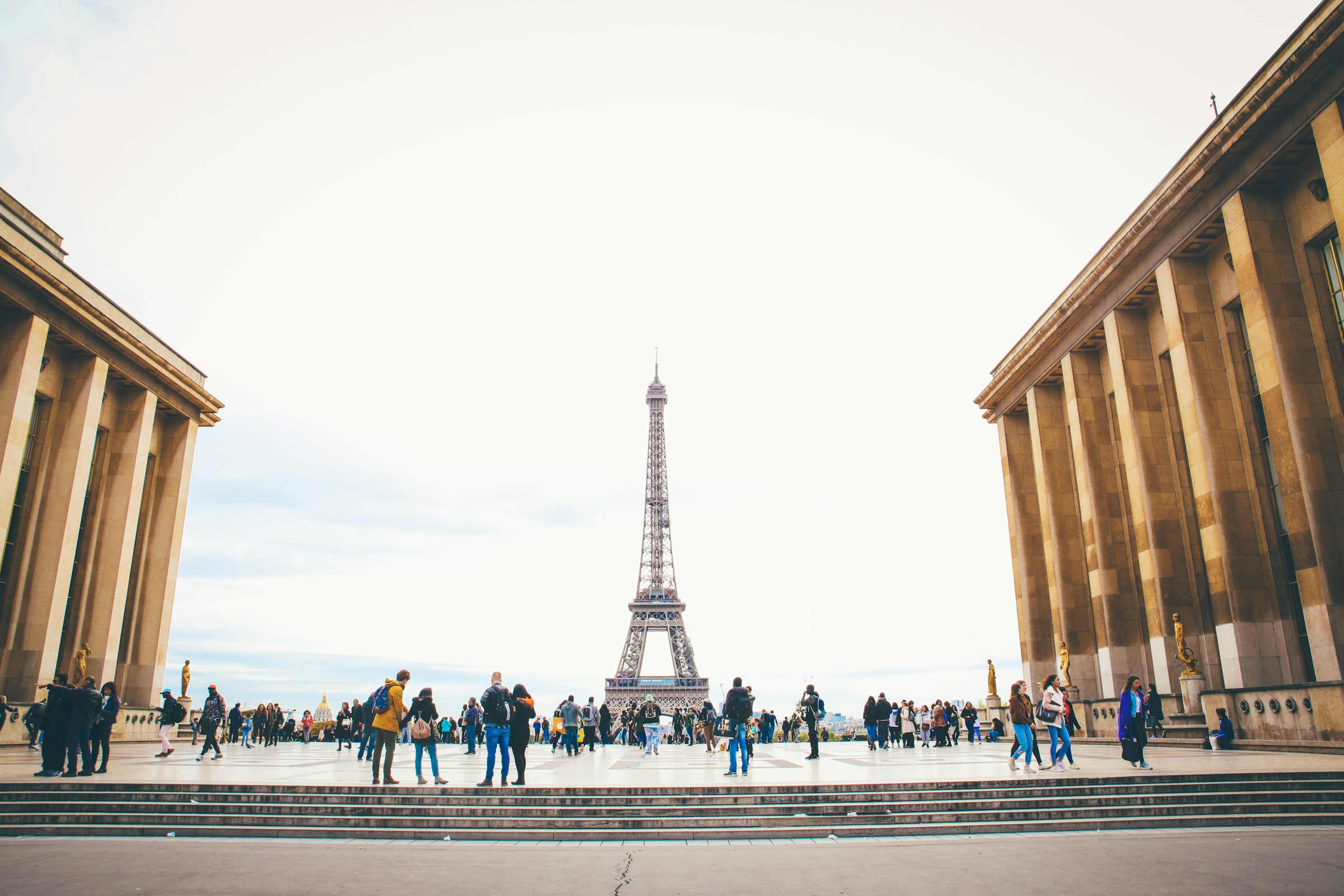

There’s a ritual playing out every day near some of Europe’s most beloved monuments. A stranger smiles, reaches for your hand, and within seconds a colorful thread is wound around your wrist. What feels like a spontaneous act of warmth is actually a well-rehearsed performance, one that has been running near iconic landmarks for years and shows no sign of stopping.
Understanding how this scam works, where it happens, and why it keeps succeeding is genuinely useful for any traveler heading to a major city. The mechanics are not complicated, but the social pressure it creates can catch even seasoned visitors completely off guard.
How the Scam Actually Works
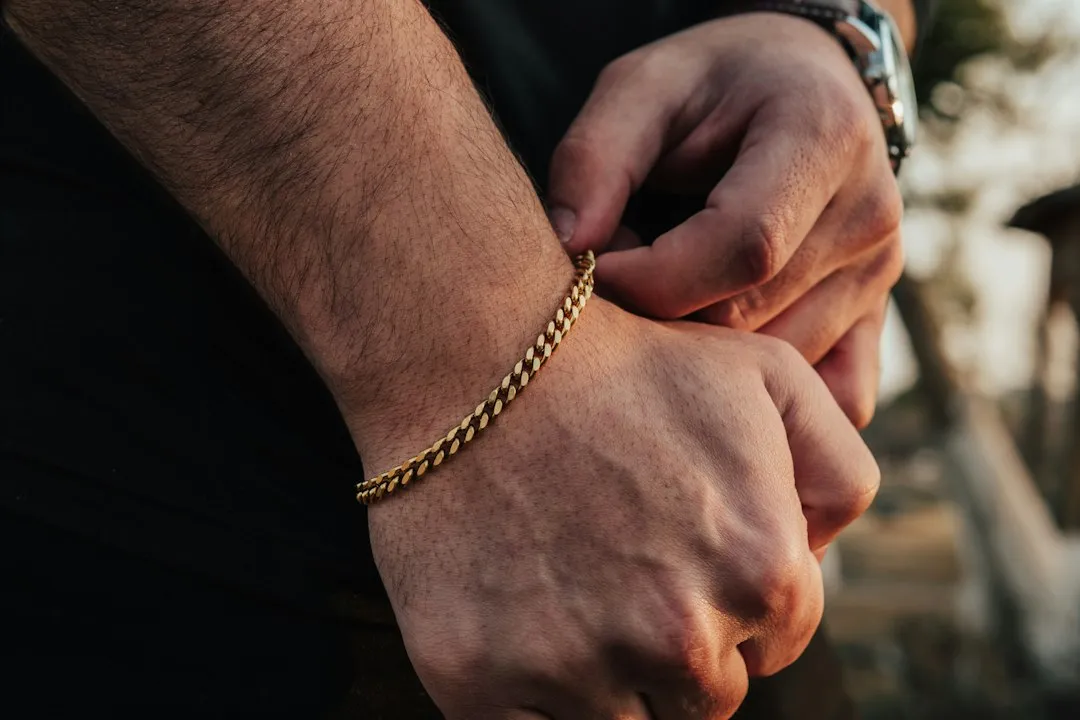
The bracelet scam is a low-stakes but high-frequency scheme that works by manufacturing an obligation: once the bracelet is on your wrist, you “owe” something. The setup is disarmingly simple. A stranger ties a string or bracelet onto a wrist without asking, setting up a demand for payment. The knot goes on first. The price negotiation comes after, once refusing feels awkward because something is already tied to the body.
The mechanics run in three beats. First, contact: a handshake, a “where are you from?”, a hand extended for a fist bump. Any physical or verbal engagement is the hook. Then commitment: while you’re mid-pleasantry, string is already being wound around your wrist or finger. It takes practiced sellers under ten seconds. The bracelet being on you is the point, because people feel they’ve accepted something.
Where It Happens Most Often
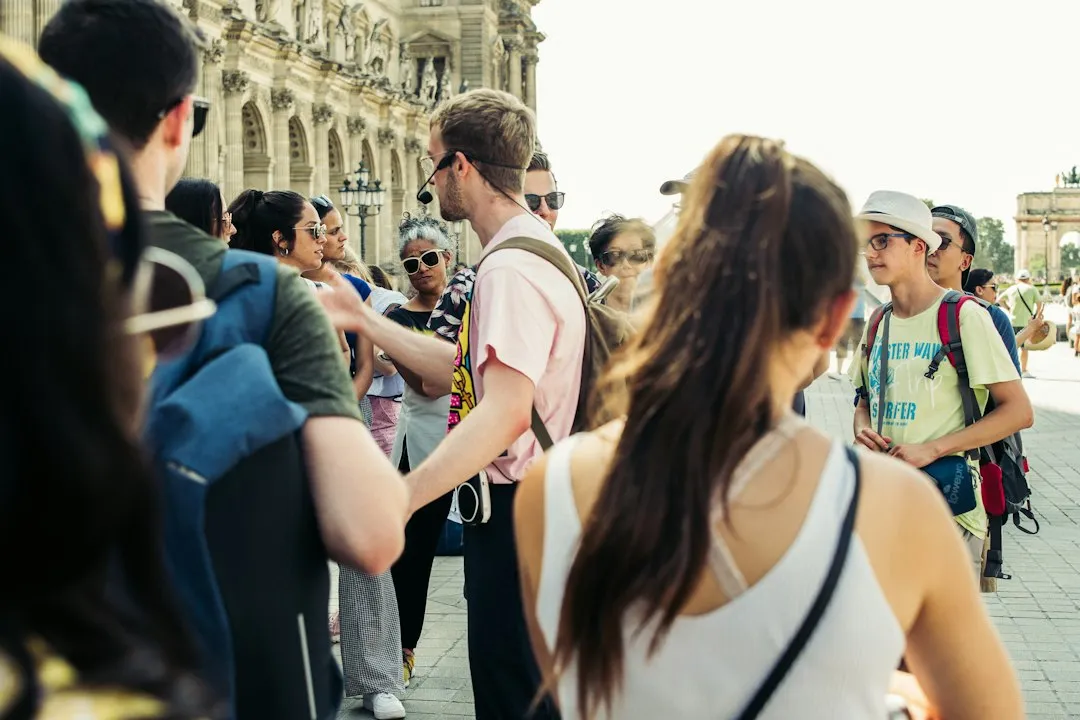
The scam is commonly reported in Rome, Paris, Barcelona, Madrid, Milan, and Seville, with specific hotspots including the Trevi Fountain, Sacré-Cœur’s steps, and La Rambla. These are not random choices. Each location draws enormous, constantly rotating crowds of people who are distracted, in a good mood, and unfamiliar with local street dynamics.
The scam is well documented around the steps of Sacré-Cœur in Paris, along Las Ramblas in Barcelona, and near the Colosseum in Rome. In Spain specifically, target locations include the Sagrada Família entrance area and Park Güell entrance in Barcelona, Retiro Park in Madrid, and Plaza de España in Seville.
Sacré-Cœur in Paris: The Most Documented Case

The 19th-century Sacré-Cœur Basilica, renowned for its stunning white domes and panoramic views of Paris, welcomed approximately 10.5 million visitors in 2023. That volume of foot traffic makes it an almost perfect environment for this kind of scam. Sacré-Cœur draws roughly 10 million visitors a year, which is why the same crews work these steps every daylight hour.
The scheme unfolds as individuals, often appearing friendly and unassuming, approach tourists while standing on curved pathways outside the Sacré-Cœur and offer to tie a “friendship bracelet” around the visitor’s wrist. Once the bracelet is tied, the scammers demand payment, sometimes aggressively, leaving tourists in a difficult and uncomfortable position. The tactic distorts the bracelet’s original goodwill symbolism into a high-pressure tool aimed at extracting money from unsuspecting visitors.
It’s an Organized Operation, Not a Lone Hustler
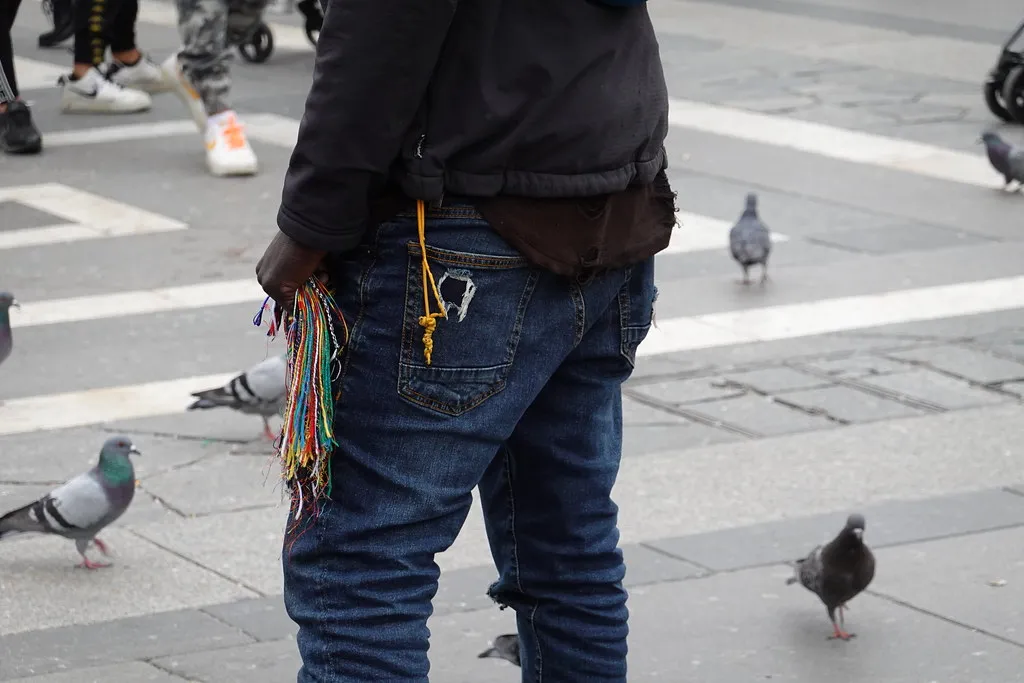
The first thing to know is that these scams are highly sophisticated. They are engineered, rehearsed, and run by organized groups with assigned roles. This is not a spontaneous street hustle. Someone ties a bracelet around your wrist before you can object, sometimes grabbing your arm, and announces it is a gift. Once secured, they demand €10 to €20 and become aggressively persistent, following you or causing a scene if you refuse. These operators work in organized groups with their own lookouts.
The crews work landmarks in teams, and the noisy negotiation sometimes serves a second purpose: while your attention is on your wrist, bags and back pockets are unattended. This is where the scam escalates from a minor financial nuisance into something more serious. The bracelet itself is a distraction technique.
The Psychology Behind Why It Works

The tactic exploits the element of surprise and social pressure, making it difficult for travelers to refuse or extricate themselves from the situation. People feel an instinctive discomfort about accepting something and then refusing to pay for it, even when they never asked for it in the first place. That guilt is the product being sold.
In the bracelet scam, the scammer plays on emotions, making one partner in a couple feel obligated to accept the bracelet to avoid an awkward scene. This tactic makes it harder for the victim to refuse, allowing the scammer to steal belongings while they are distracted. The social engineering is precise and deliberately calibrated to work on good-natured people.
The Role of the Double Threat: Pickpocketing
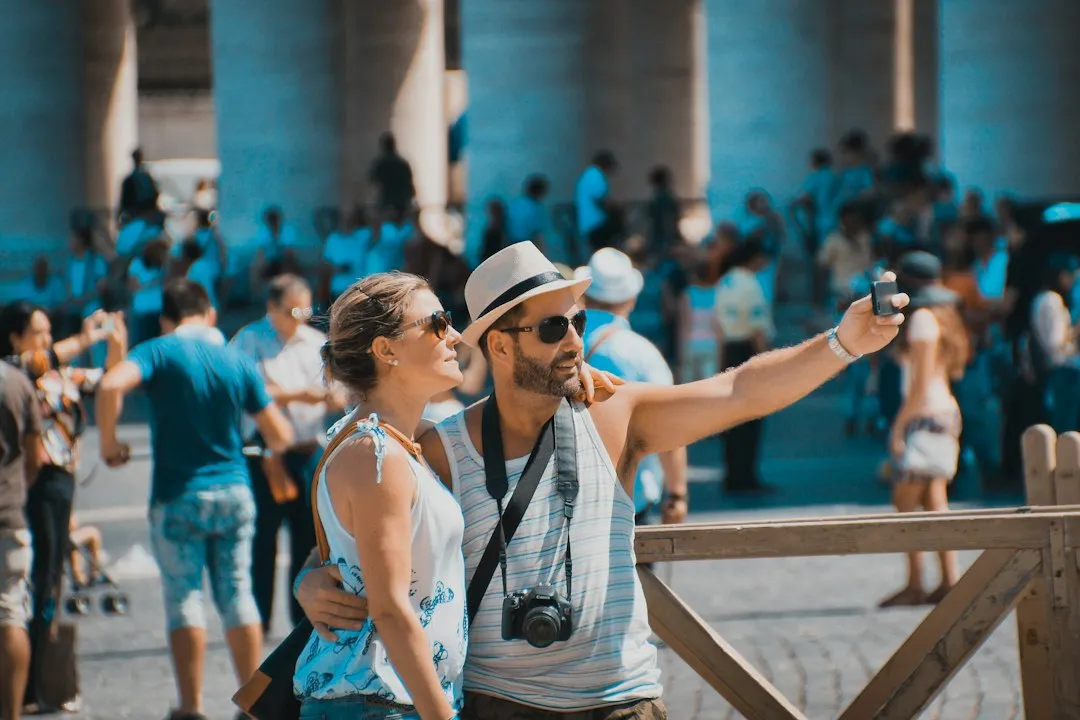
What also often happens in this scenario is that tourists get pickpocketed while being distracted by another member of the group, which is why these operators typically travel together. The bracelet tying functions as a controlled distraction. While one person holds your attention and your hand, someone else may be moving through your bag or jacket.
The bracelet scam operates similarly to the well-known “rose or flower scam,” where a scammer uses a gift as a distraction to pickpocket the victim. In a busy tourist plaza, that combination of pressure, distraction, and group coordination is enough to overwhelm even cautious travelers who have their guard up.
Cities Beyond Paris: Barcelona, Rome, and More
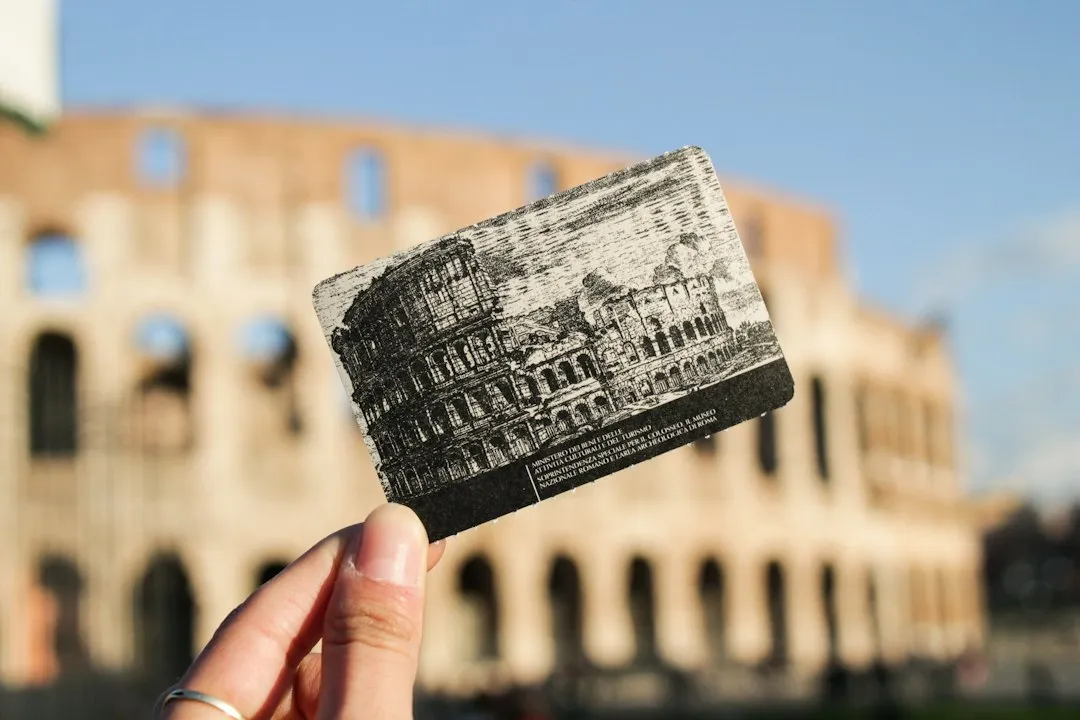
British tourists have been advised to stay vigilant against the bracelet scam affecting major European cities such as Barcelona, Rome, and Paris. In Barcelona, the problem is concentrated in specific zones. The friendship bracelet scam is common in Barcelona especially in tourist-heavy areas, where a scammer approaches and offers to tie a “free” bracelet around your wrist. Once it’s on, they demand payment and may become aggressive if you refuse to pay.
From Barcelona’s Las Ramblas to Madrid’s Puerta del Sol, organized scam operations specifically target international visitors. In Rome, the situation mirrors Paris closely. Violent crime is rare, and the city generally ranks well for personal safety, but main concerns will be opportunistic petty crime such as pickpocketing and scams in crowded tourist areas and on public transit.
Recognizing the Warning Signs Before It Starts

The tells are consistent: strings looped over a forearm, an offered handshake or fist bump from a stranger at a landmark, “it’s free, it’s a gift” said within the first ten seconds, and two or three men working the same plaza, watching each other. Once you know what you’re looking for, the setup becomes readable very quickly.
Aggressive vendors will approach and rapidly try to tie a colorful string or braid a bracelet directly onto your wrist or finger. Sellers approach individually or in small groups, and a common opening line involves asking to see a hand, or offering to show a trick with the thread. The moment someone frames a handshake as the start of a “show,” it’s time to step back.
What to Do If You’re Approached
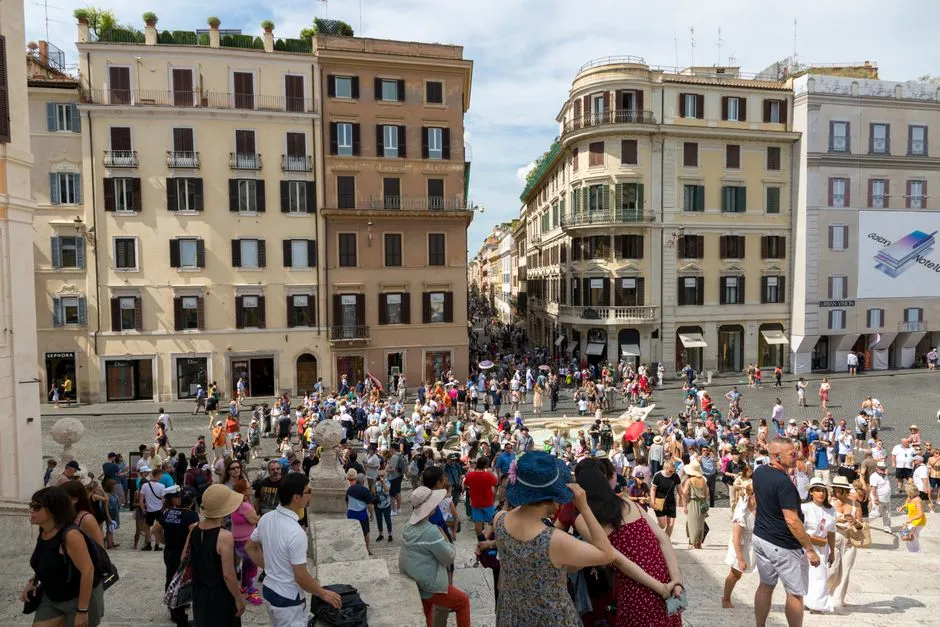
The seller’s entire leverage is social awkwardness. There is no legal or physical follow-through in a busy tourist plaza. Knowing this reframes the situation completely. You owe nothing, and there are no real consequences for walking away. If someone grabs your wrist and ties a braided bracelet before you can react and then demands five to twenty euros, the defense is clear: hands in pockets, walk past without engaging, and if they tie one anyway, refuse to pay and walk away. They are not dangerous, just relentless.
Practical steps include keeping your hands in your pocket or by your side, not engaging in conversation, and not making eye contact. If you want to avoid the situation at Sacré-Cœur altogether, approaching the basilica from the side or taking the funicular to the summit entirely bypasses the main steps where scammers concentrate.
Why This Scam Has Lasted So Long
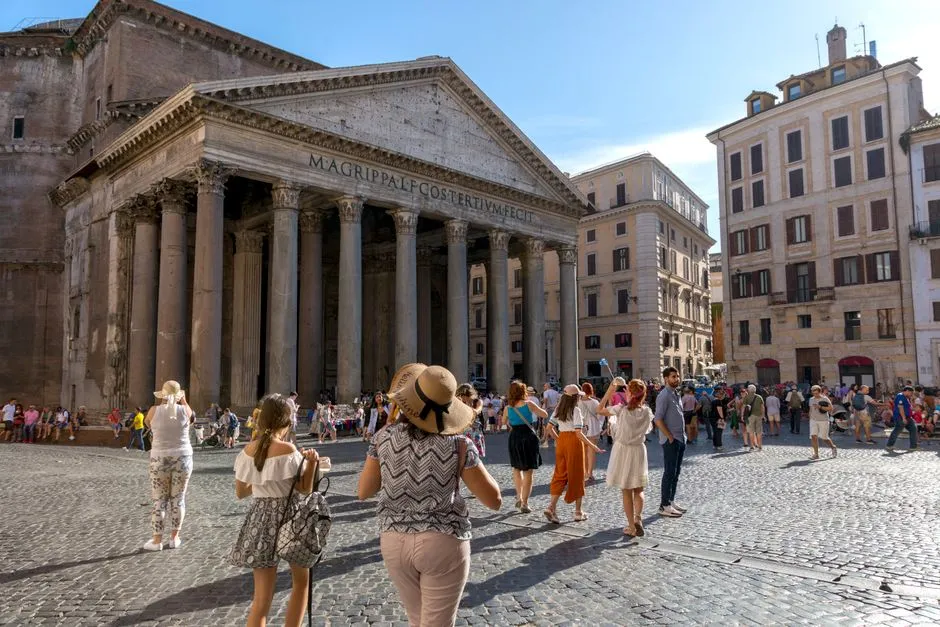
Most scam-warning content treats every scam as equally random, when in practice these are repeatable, well-documented tactics run by organized groups in the same handful of locations, over and over, on thousands of tourists a year. The friendship bracelet scam endures because the ingredients it relies on, tourism volume, human politeness, and split-second timing, are consistently available at the world’s most visited landmarks.
There are scammers in all of Europe’s capitals looking to get money out of visitors, and they’re pretty good at appealing to tourists’ curiosity and kindness. Europe is generally safe for tourists, but its biggest cities have well-rehearsed scam scripts that have been working on travelers for decades. The bracelet scam is among the most persistent of those scripts precisely because it costs nothing to run and exploits something almost universally human: the discomfort of seeming rude.
Staying Aware Without Losing the Joy of Travel

None of this should discourage anyone from visiting Paris, Rome, Barcelona, or any of the other cities where this scam is active. Barcelona’s charm and vibrancy far outweigh the risks, but a little caution goes a long way. The same is true of every destination on this list. Awareness is not the same as anxiety.
The most effective defense is simply declining any unsolicited physical contact: a bracelet, a “free” flower, a hand on your arm, before it’s already happened, not after. That single habit, keeping your hands to yourself and not engaging with strangers who initiate physical contact near crowded landmarks, neutralizes the scam entirely. The world’s great monuments are worth every visit. They’re just also worth approaching with your eyes open.
AI Disclaimer: This article was created with the assistance of AI tools and reviewed by a human editor.