
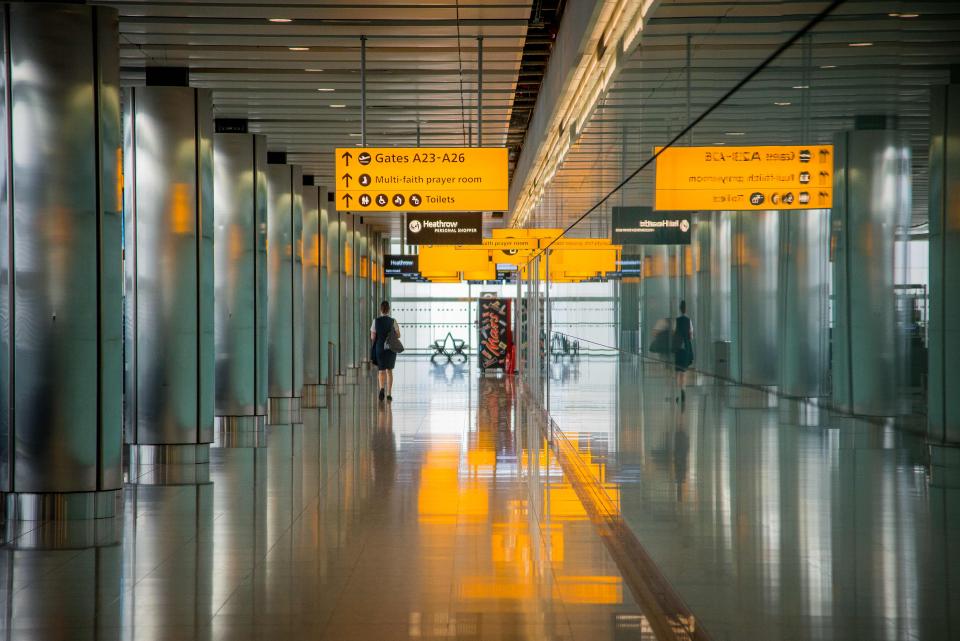

Most travelers assume that once a boarding pass is in hand, the hard part is over. Find the gate, grab a coffee, wait. But airports are living, constantly reshuffling systems – and the gate printed on your boarding pass is far less permanent than it looks.
Gate changes are one of the most disruptive and underestimated forces in modern air travel. They catch seasoned travelers off guard just as often as first-timers, and the reasons behind them are more layered than most people realize. Understanding how they work, and more importantly, how to stay ahead of them, can make a meaningful difference to your journey.
Why Gate Changes Happen More Often Than You Think
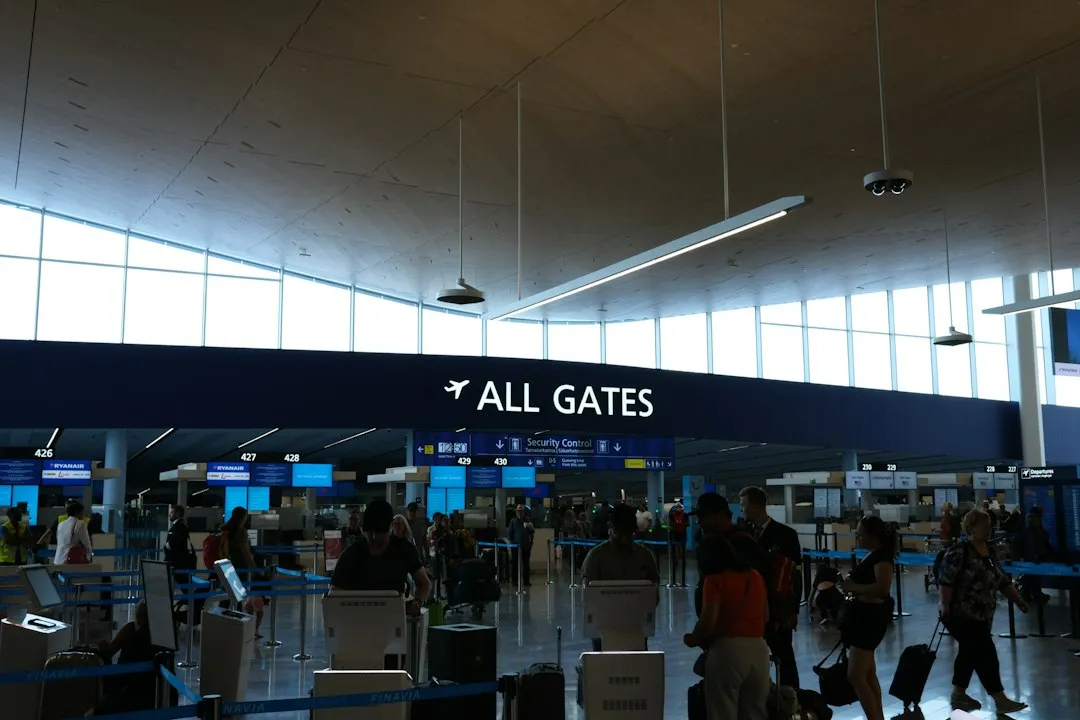
Gate changes happen frequently, but airlines and airports usually offer little insight as to why these adjustments are made. The reality is that gate assignments are not set in stone the moment you book a flight. They are living decisions, adjusted right up until the moment a plane pushes back.
Airports, rather than airlines or individual aircraft, are typically responsible for gate assignments. The shuffling of gates is often the result of airports trying to use gates and other on-the-ground resources more efficiently. Add to that the cascading effect of late aircraft arrivals, and you have a system that almost guarantees regular reassignments on busy travel days.
The Core Habit Most Travelers Get Wrong
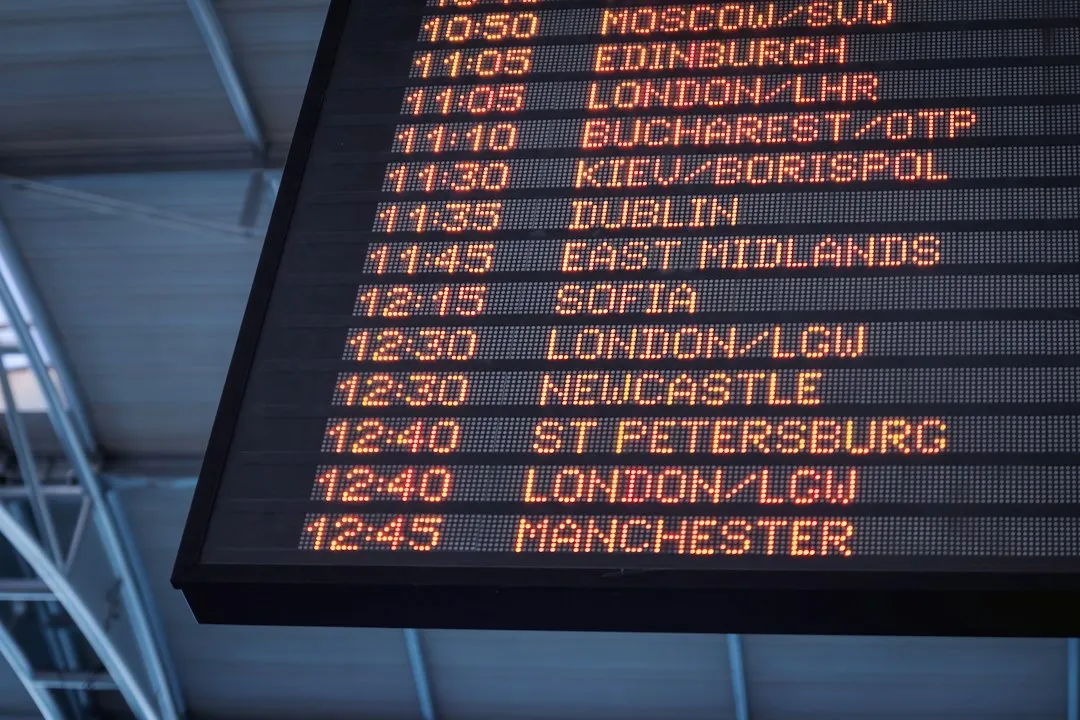
The habit that trips people up most consistently is simple: they check their gate once, then stop looking. They glance at the departure board when they first arrive at the terminal, see a gate number, and mentally file it away. Then they find a seat, open a book, put in headphones, and tune out the airport entirely.
If you can’t resist the siren call of that airport restaurant, keep an eye on your phone and the airport’s information screens for crucial updates regarding gate changes. That advice sounds obvious, yet missing a gate change is a strikingly common travel mishap precisely because so many people treat airport monitoring as a one-time task rather than an ongoing one.
Delays and Gate Changes Are Increasingly Linked
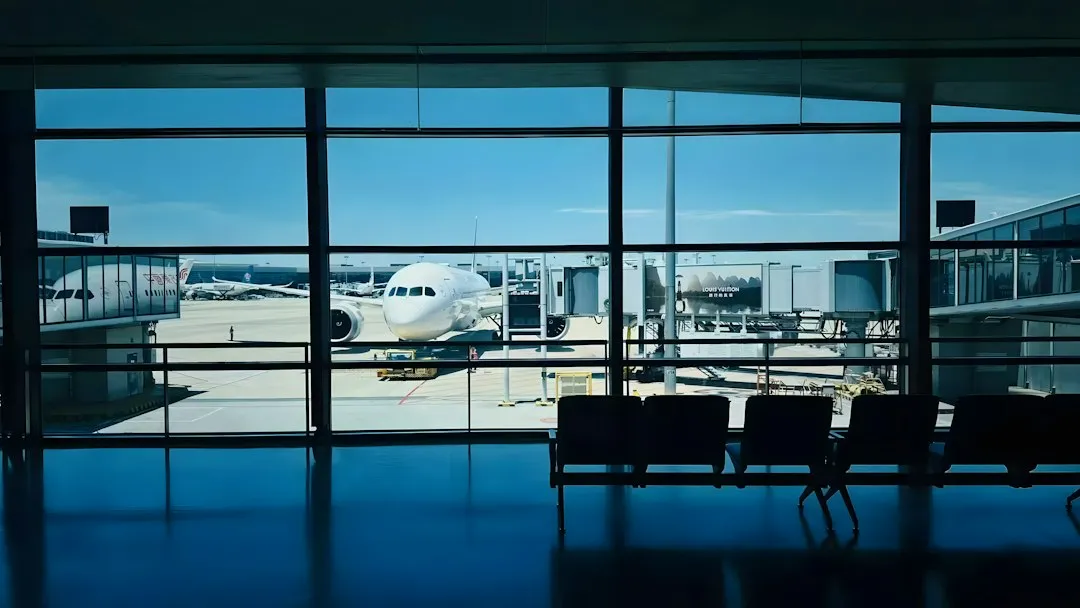
Flight delays are on the rise, with nearly one quarter of all domestic flights having been delayed in 2024, according to the Bureau of Transportation Statistics. A delayed flight very often triggers a gate reassignment, since the original gate may have been claimed by another aircraft in the meantime. One disruption feeds directly into the next.
It is now four and a half times more likely to have your flight delayed by more than three hours than it was in 1990, and one to one and a half hour delays are around twice as common as they used to be. More delays mean more gate shuffling, and more opportunities for travelers who are not actively paying attention to end up at the wrong end of a terminal.
Air Traffic Control Staffing Is Making It Worse
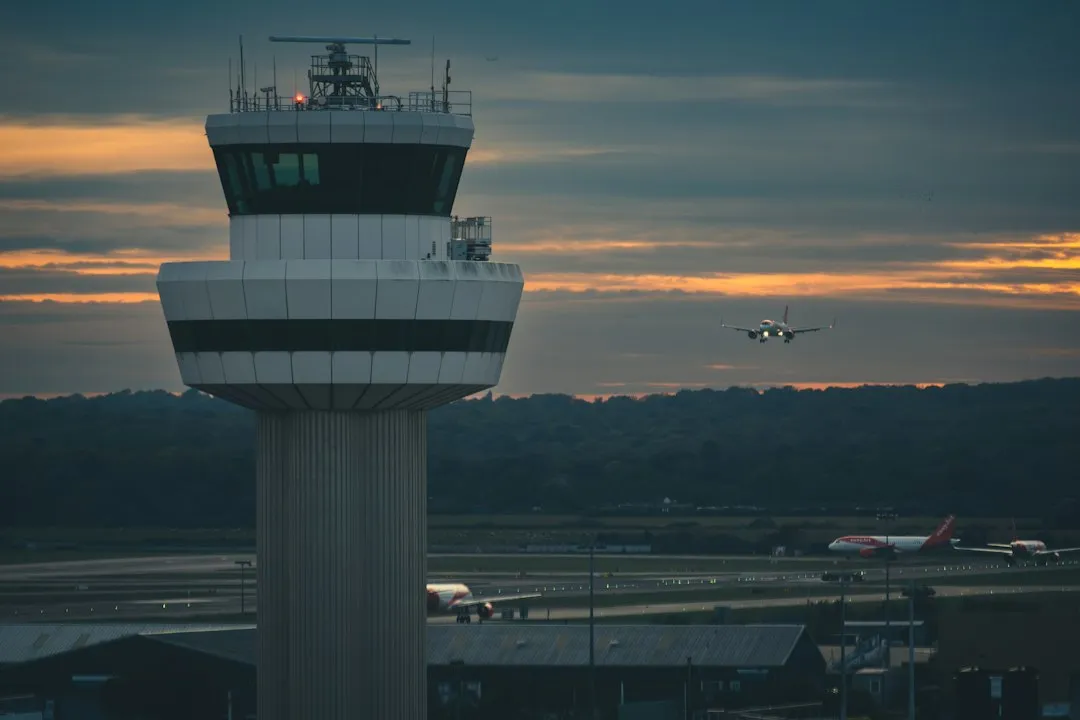
One of the structural drivers behind both delays and last-minute gate changes is the ongoing shortage of certified air traffic controllers. When ATC facilities are understaffed relative to the demands of traffic, the FAA restricts the number of flights to levels the workforce can handle safely, and implementing such measures can cause delays that cascade on busy traffic days.
In 2024, a total of 2.2 million overtime hours were logged in the ATC system, resulting in a cost of more than two hundred million dollars – a 308% increase per air traffic controller over the last decade. That level of strain on the system has direct consequences for flight operations, gate assignments included, at the nation’s busiest airports.
Notification Systems Are Unreliable by Themselves
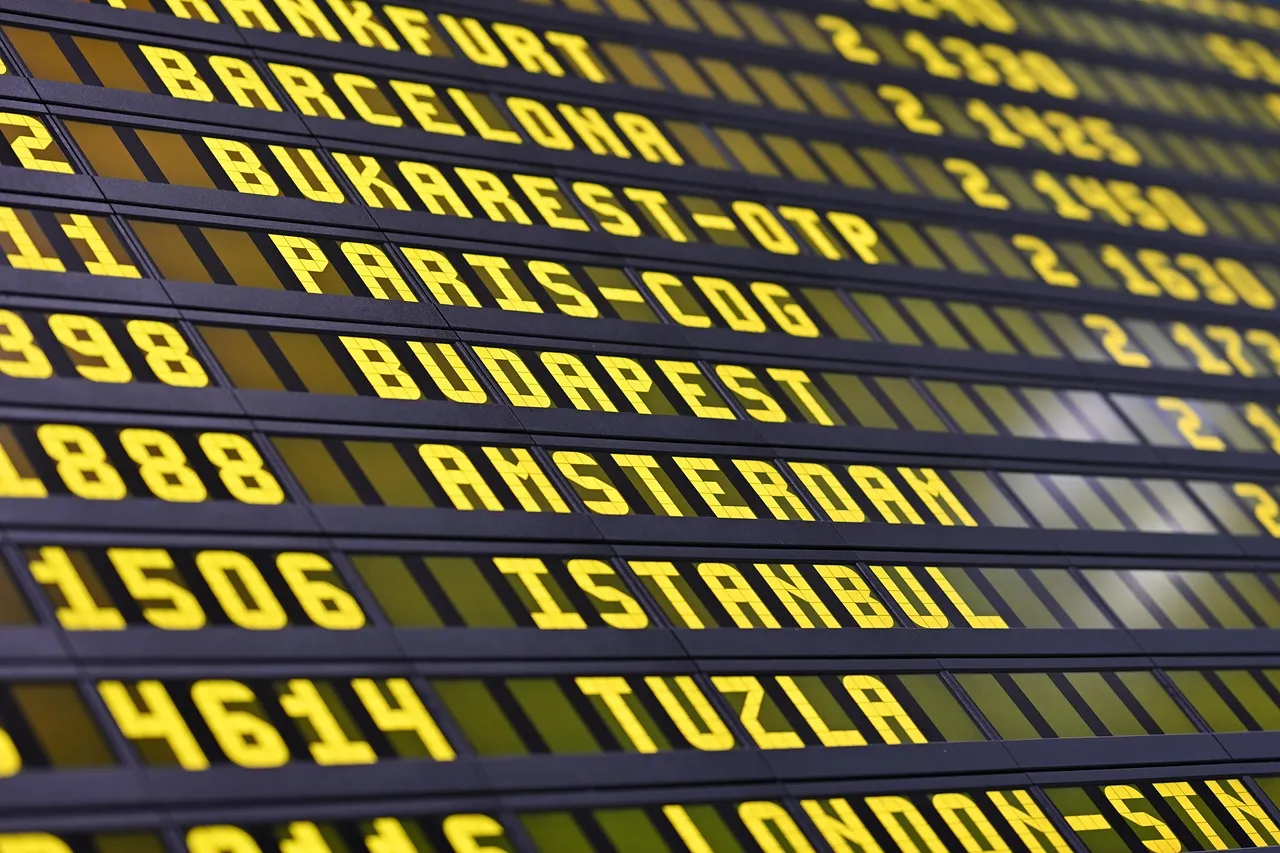
The U.S. Department of Transportation requires airlines to notify passengers of any schedule changes within 30 minutes after the airline itself becomes aware of the change, for flights scheduled to depart within seven days. In theory, that sounds reassuring. In practice, those notifications can arrive late, carry incorrect information, or reference the old gate even after an update has already appeared on airport monitors.
Subsequent texts and emails for a rolling delay can continue to show the original gate while monitors and the airline app show the revised gate. This inconsistency is not an edge case – it is a documented, recurring pattern that leaves travelers trusting the wrong source of information at a critical moment.
Airport Monitors Are Faster Than Your Phone’s Airline App
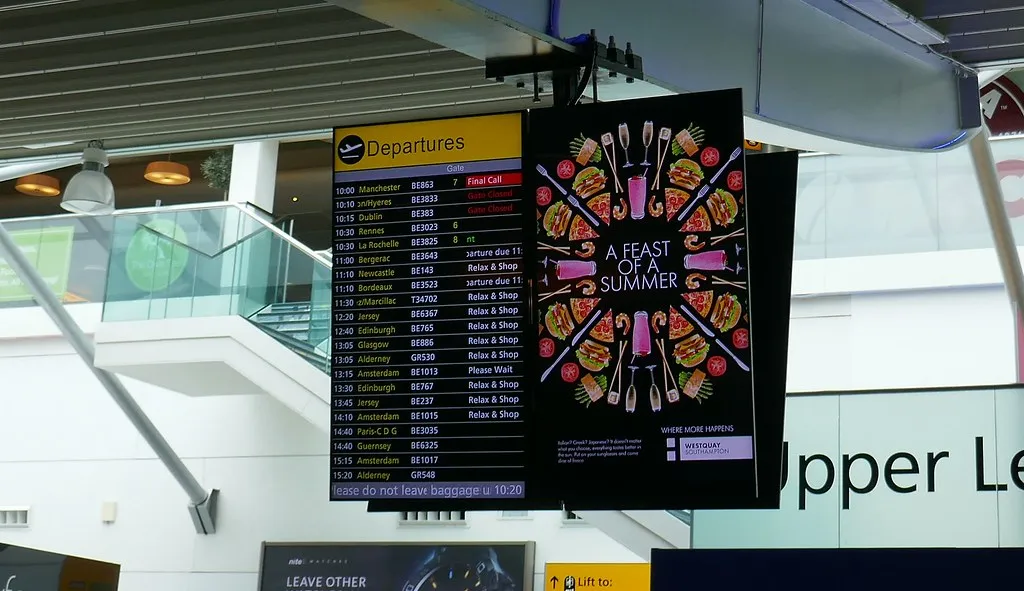
There is a reasonable argument that airport departure boards remain the most reliable single source of truth for gate information. Airport monitors are slow to update, but third-party flight tracking apps keep you ahead of the airline’s own notification pipeline. Even among those, however, physical airport displays tend to reflect operational reality faster than email or text alerts pushed by airline systems.
As an experienced traveler, it is wise to always check the monitors – not just once, but periodically throughout the waiting period. The monitor near your gate and the main departure boards at the terminal entrance often update at different speeds, so checking both is worth the short walk.
Third-Party Flight Tracking Apps Fill a Real Gap
Apps like Navan, TripIt, and FlightAware provide real-time updates, delay predictions, and gate changes, keeping travelers informed and organized. These tools have grown significantly more capable in recent years, drawing on live data feeds that bypass the slower internal notification systems used by many carriers.
Some of the best flight tracking apps are notably fast with gate changes and delay notifications, occasionally alerting travelers before the gate agents themselves are even aware of a change. That kind of lead time can mean the difference between a calm walk to a new gate and a breathless sprint across a terminal. According to the International Air Transport Association, passengers who receive timely notifications report significantly lower travel stress and higher satisfaction levels.
Large Hub Airports Carry a Higher Gate Change Risk
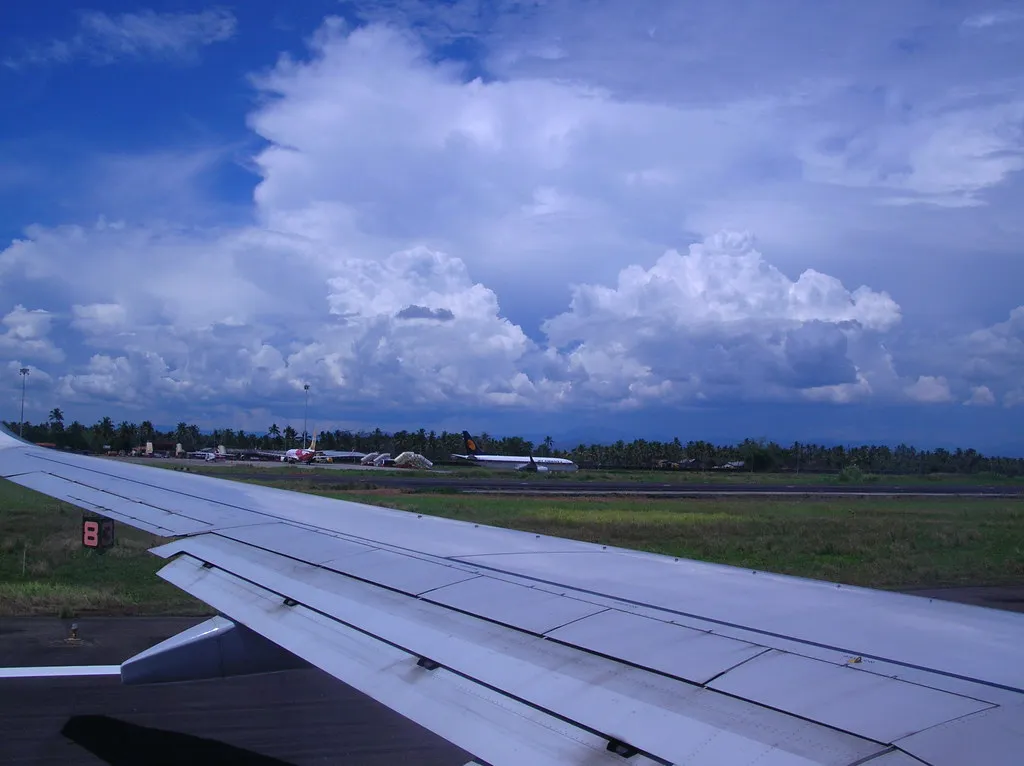
Atlanta processed 108.1 million total passengers in 2024, reflecting its position as a mega-hub for Delta Air Lines, with some of the highest aircraft utilization rates of any airport in the world. Airports operating at that scale have almost no slack in the system. When one aircraft is late or a gate develops a technical issue, the ripple moves quickly across dozens of connecting flights.
Sometimes gate changes happen when there are technical or safety issues at the gate that need to be resolved. At a high-volume hub, even a brief equipment problem at a single gate can trigger a chain of reassignments that takes hours to work through the schedule. Travelers connecting through major hubs should factor this in as a structural reality, not an exception.
Connections Are Where Gate Changes Do the Most Damage
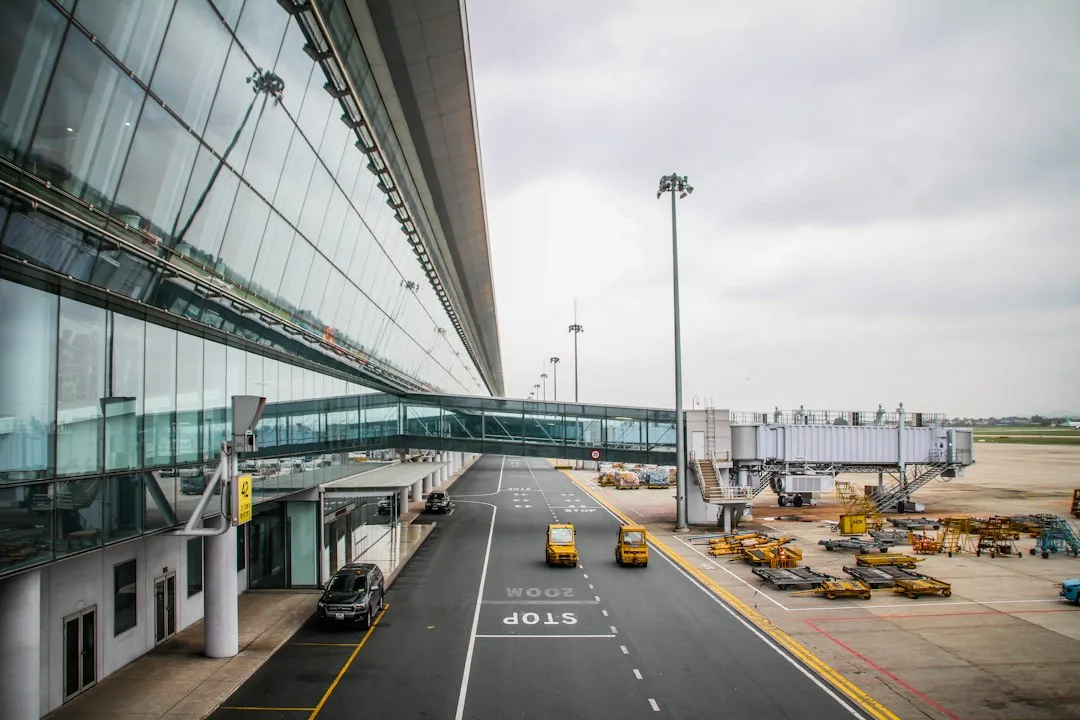
A gate change on a direct flight is inconvenient. On a connecting flight, it can be catastrophic. The gate change on your arriving flight may push you into a different terminal just as your departing gate is being reassigned, creating two simultaneous unknowns to navigate. Layovers significantly increase the risk of delays, missed connections, and lost productivity.
There are a lot more flights now, but airport capacity and air traffic control capacity have not grown at the same rate, meaning there is no longer slack in the system. That tightening is felt most acutely by passengers trying to make connections at busy hubs, where a gate change on either end of the journey leaves very little room for error.
The Simple Practice That Changes Everything
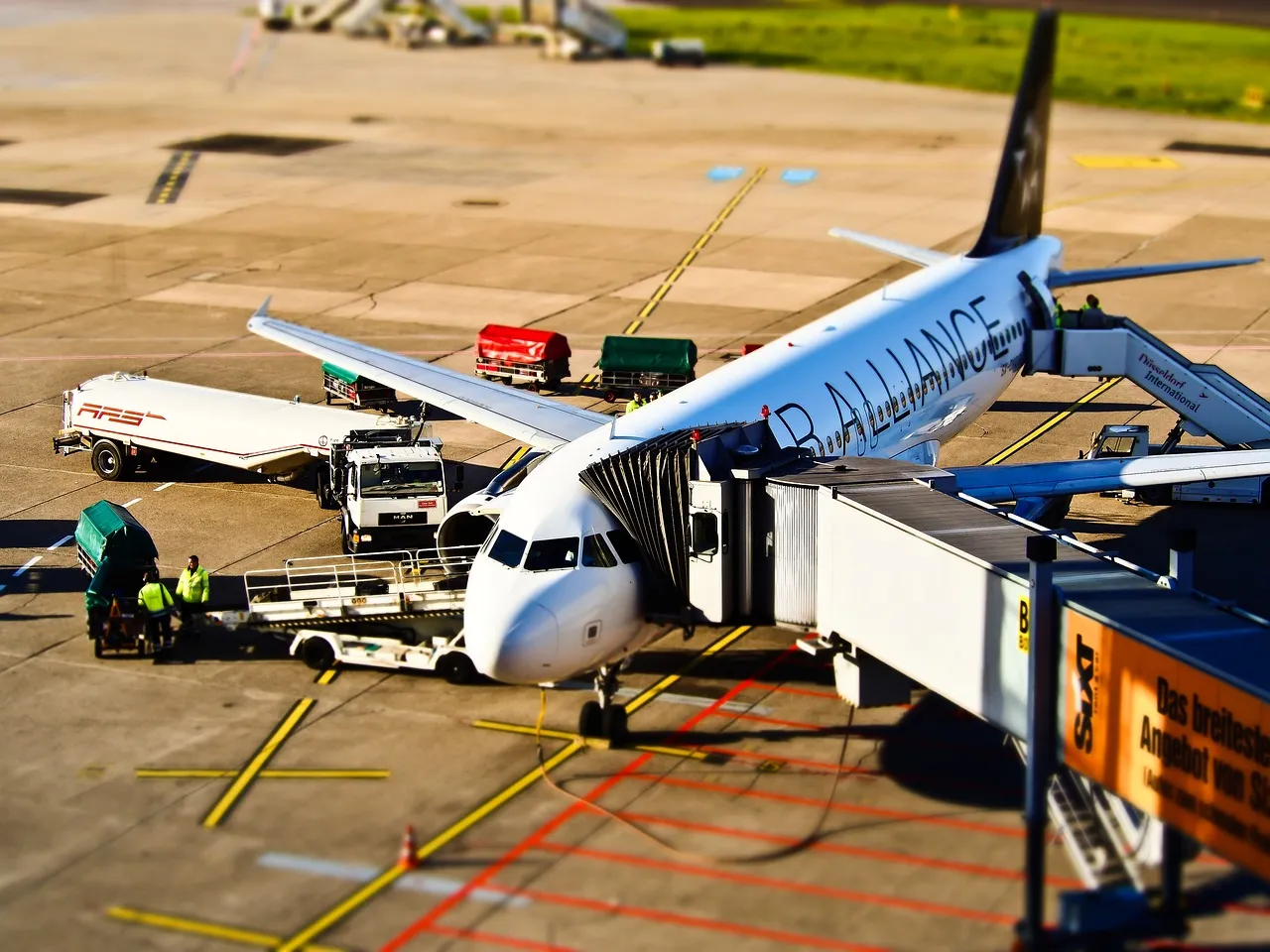
The practical fix is not complicated, though it does require a genuine shift in how you engage with an airport. Set your airline app to send push notifications, check a third-party tracker if you have one, and make a habit of glancing at the departure board every twenty to thirty minutes while you wait. That is not excessive vigilance – it is simply what the modern travel environment requires.
Airports manage gate assignments to maximize efficiency, factoring in aircraft size, staffing, baggage handling, and passenger connections. Travelers can avoid missing updates by enabling airline app notifications and closely monitoring departure boards before boarding. The travelers who consistently make their flights, even when gates shift, are not lucky. They are simply paying attention in a way that most people don’t bother to sustain beyond the first glance.
The Takeaway
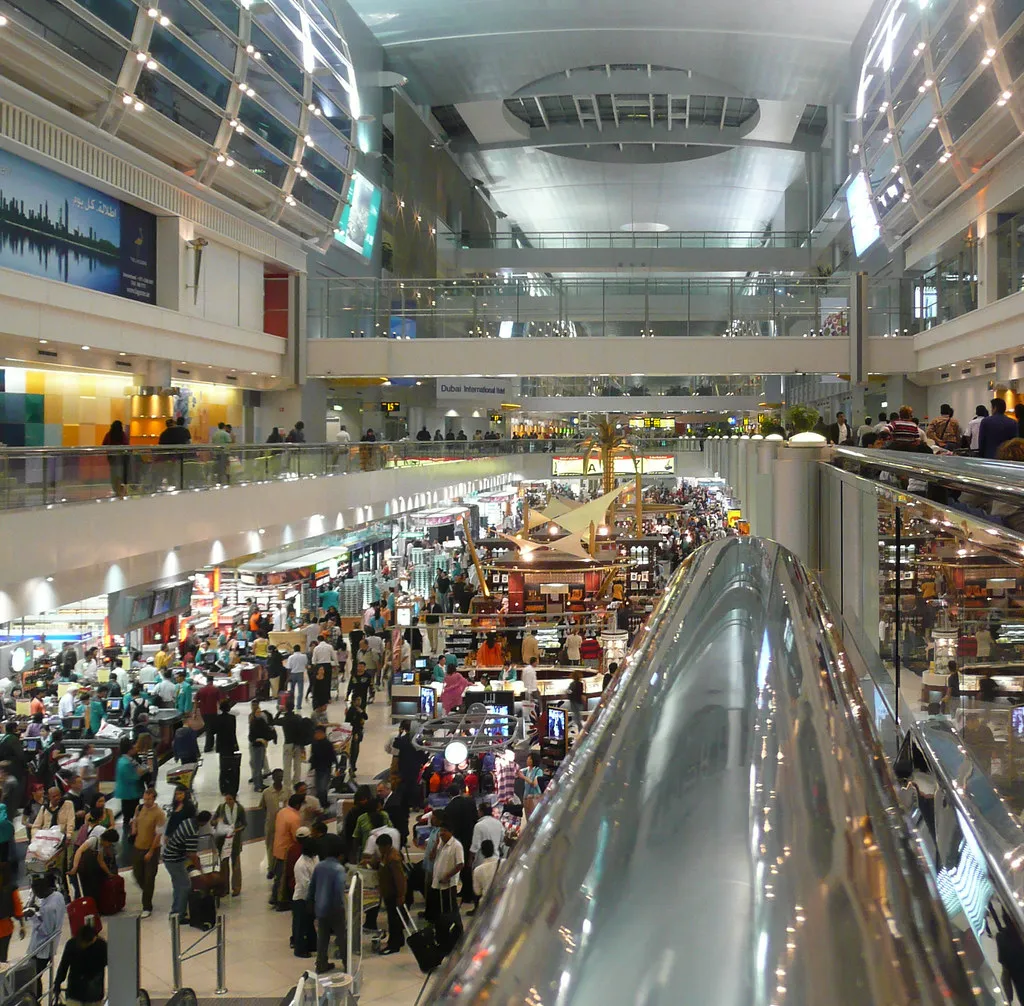
Gate changes are not a failure of the system – they are the system working as designed, under conditions of mounting pressure. Numbers for 2025 and 2026 suggest continued growth in passenger volumes, but also sharpening constraints around infrastructure, air traffic control staffing, and operational reliability. That combination points in one direction: more gate changes, not fewer.
The travelers who stay calm and connected through these moments are the ones who have accepted that a boarding pass is a starting point, not a guarantee. Keep checking the boards. Keep the notifications on. Stay within earshot of your gate area. The airport is always talking – you just have to keep listening.
AI Disclaimer: This article was created with the assistance of AI tools and reviewed by a human editor.