
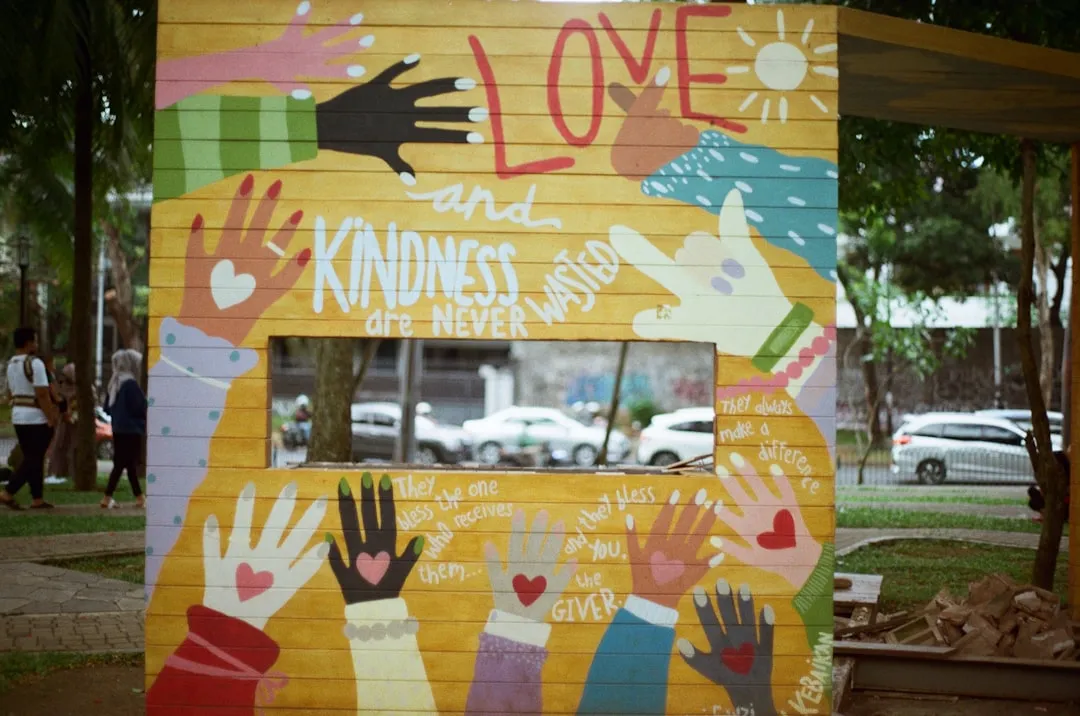

There’s something quietly remarkable about the way people across the world continue to help people they’ve never met and will likely never see again. A stranger hands over directions, money, or an afternoon of labor – and the transaction carries no expectation of return. This simple, ancient impulse has now become the subject of serious global research, and what the data reveals is more encouraging than the news cycle tends to suggest.
Understanding this better means looking past headlines about division and conflict. The evidence on generosity, drawn from large-scale studies covering billions of people, shows a complex but fundamentally hopeful picture – one that differs sharply by culture, economy, and circumstance.
A Record Number of Humans Are Giving

Around the world, a record 4.3 billion people helped someone they didn’t know, volunteered time, or donated money to a good cause in the preceding month, according to the Charities Aid Foundation’s World Giving Index 2024. That figure is worth sitting with for a moment. It represents a scale of daily, ordinary generosity that rarely gets celebrated.
This record number represents roughly 73% of the global adult population, suggesting that helping others isn’t a niche behavior confined to wealthy nations or organized charities. It’s a majority human habit. The World Giving Index’s fourteenth edition demonstrates how people have not only maintained the time they spend volunteering, but also that increasing numbers are donating money and providing help to strangers – with the global index score at its joint-highest level, only previously matched during the pandemic.
Indonesia Leads the World in Giving – Seven Years Running
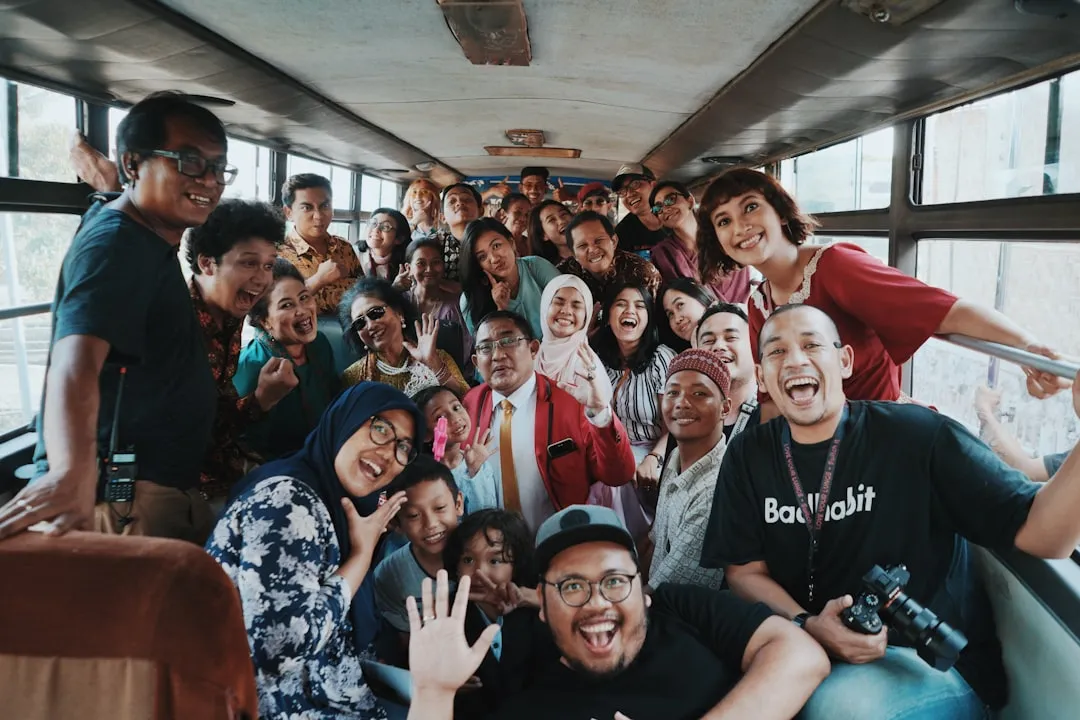
As in previous years, the most generous country is not one of the richest in the world. In 2024, Indonesia again tops the ranking, with a score of 74. The volunteer rate in the country is nearly three times higher than the global average, and nine out of ten Indonesians made charitable donations in the year the data was collected.
Reports of donating money vary globally, from a high of nearly nine in ten in Indonesia – where strong community ties and religious obligations often encourage generosity – to a low of around one in thirty in Morocco, where disposable income is more limited. This contrast makes one thing clear: generosity is deeply shaped by culture and faith, not just household income.
Africa’s Quiet Generosity Is Often Overlooked
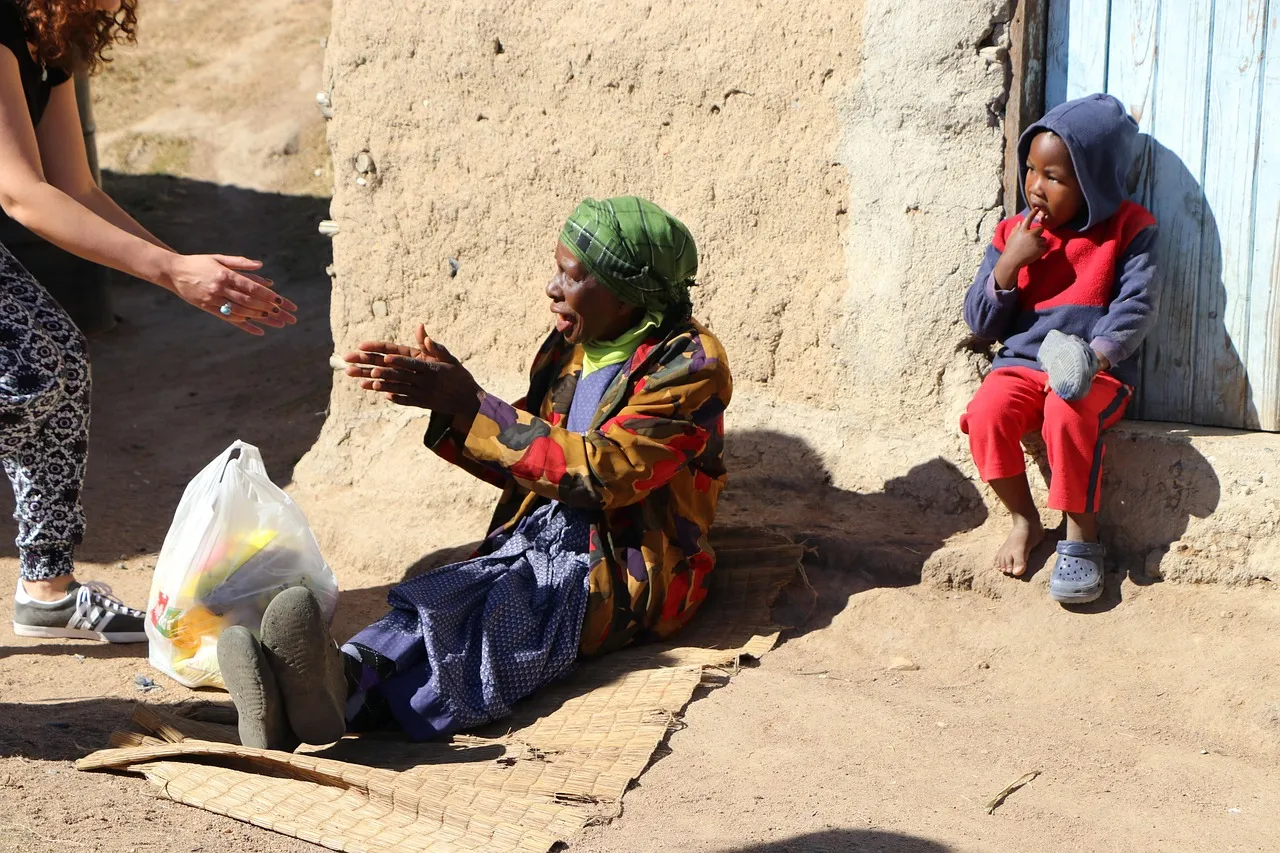
Kenya has been ranked the second most generous country globally in the World Giving Index 2024. The report, published by the Charities Aid Foundation, paints a powerful picture of generosity worldwide, even in the face of economic, humanitarian, and environmental crises.
According to the report, more than four in five Kenyans said they helped a stranger in the previous month, one of the highest percentages globally. Additionally, more than half donated money to charity, and more than half volunteered their time. Africa is, in fact, the world’s most generous continent, both by how much donors gave as a share of their incomes and by the percentage of people who donated.
Nigeria came in fifth overall, with more than four in five respondents saying they helped a stranger. Liberia, The Gambia, and Sierra Leone also appeared among the top ten nations for helping strangers. This pattern shows that African communities are deeply rooted in mutual aid and support, especially in times of need.
Singapore’s Rise: What Policy Can Do
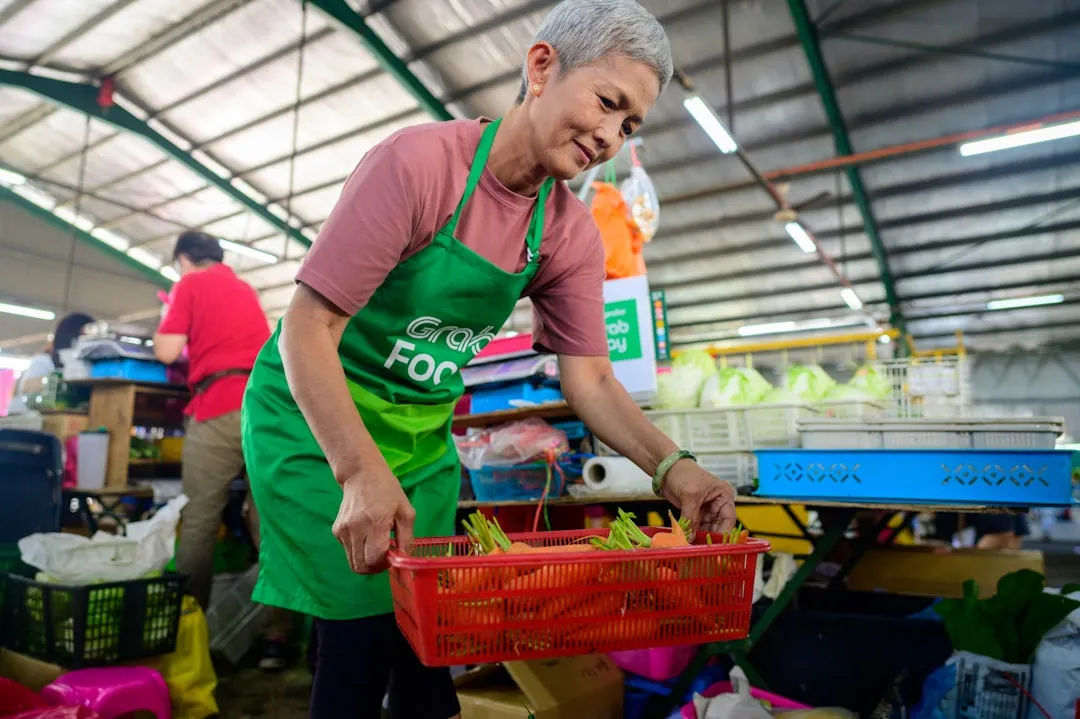
Singapore rose 19 places to third in the 2024 index, increasing its overall score significantly year on year. The positive results for Singapore follow recent government initiatives to bolster philanthropy and volunteering.
An impressive three in four surveyed Singaporeans reported helping a stranger, more than two thirds donated to charity, and two in five volunteered. Singapore’s high ranking reflects the nation’s “Shared Responsibility” model, which is essentially a national ethos around giving and social responsibility that guides much of civic life. The Singapore story is a useful reminder that culture isn’t fixed – it can be deliberately cultivated.
2024 Saw a Meaningful Pullback in Global Giving
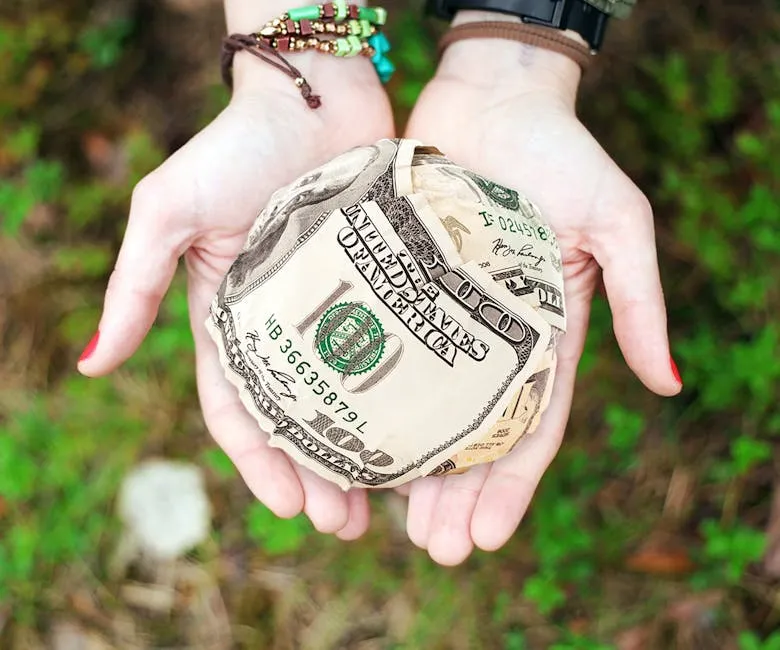
In 2024, roughly just over half of adults worldwide reported helping a stranger in the past month, a six-percentage-point drop from 2023. Reports of financial donations and volunteerism also decreased, with about a third of people saying they gave money and roughly one in four contributing their time.
The more recent declines could reflect philanthropic fatigue – a natural pullback after a crisis like the pandemic – or shifting priorities as economic pressures mount. The trend raises concerns about the future of philanthropy and community involvement, especially as a number of donor countries cut back on developmental aid. In 2024, fewer people felt financially secure in comparison with 2023, with more individuals struggling to get by on their household incomes.
The Long View: We Are Still More Generous Than a Decade Ago

Despite recent declines, overall levels of charitable giving remain higher today than they were a decade ago, indicating a long-term trend of increased global generosity. That baseline shift matters. The world appears to have leveled up in its giving habits, even if 2024 saw a step backward.
Although there was a decline in generosity activities from 2023 to 2024, kindness by these metrics is still about ten percent higher than pre-pandemic levels. Helping strangers – the most common of the three forms of kindness in most places – is still roughly one fifth higher than before COVID-19. Crisis appears to have genuinely shifted human behavior in a lasting, positive direction.
Kindness Across Borders: The Policy Obstacles
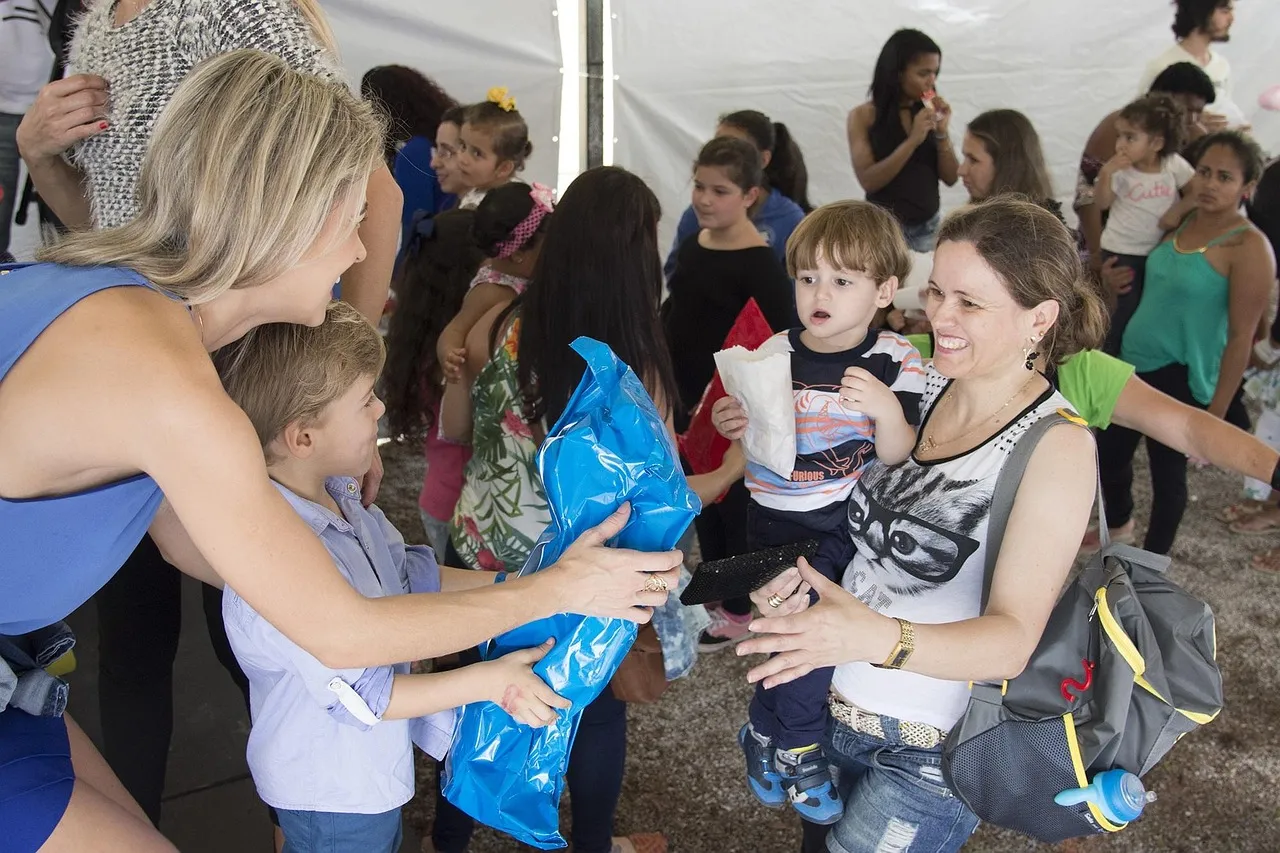
The 2025 edition of the Global Philanthropy Environment Index noted a decline in the policy environment for cross-border philanthropic flows. Around the world, philanthropy experts reported rising challenges in moving philanthropic resources across borders.
These challenges were often connected to government efforts to prevent money laundering, protect against terrorism, or limit foreign influence. The U.S. government’s January 2025 stop-work order alone froze 40 billion dollars in foreign assistance, disrupting over 1,400 programs across 133 countries. Structural and political barriers to cross-border generosity are real and growing – even as the impulse to give remains strong.
Kindness and Happiness Are Deeply Linked
Belief in the kindness of others is much more closely tied to happiness than previously thought, according to the World Happiness Report 2025, published by the Wellbeing Research Centre at the University of Oxford. This finding reframes generosity not just as a moral good, but as something that benefits the giver and the broader society in measurable ways.
Kindness plays a significant role in happiness. Acts of generosity, such as helping others, volunteering, or donating, benefit those being helped and increase the giver’s happiness. How kind we think our communities are matters twice as much as the actual frequency of kind acts. Believing we can trust those around us to treat us well has a significant impact on our well-being.
The Wealth Paradox: Richer Countries Give Less by Proportion
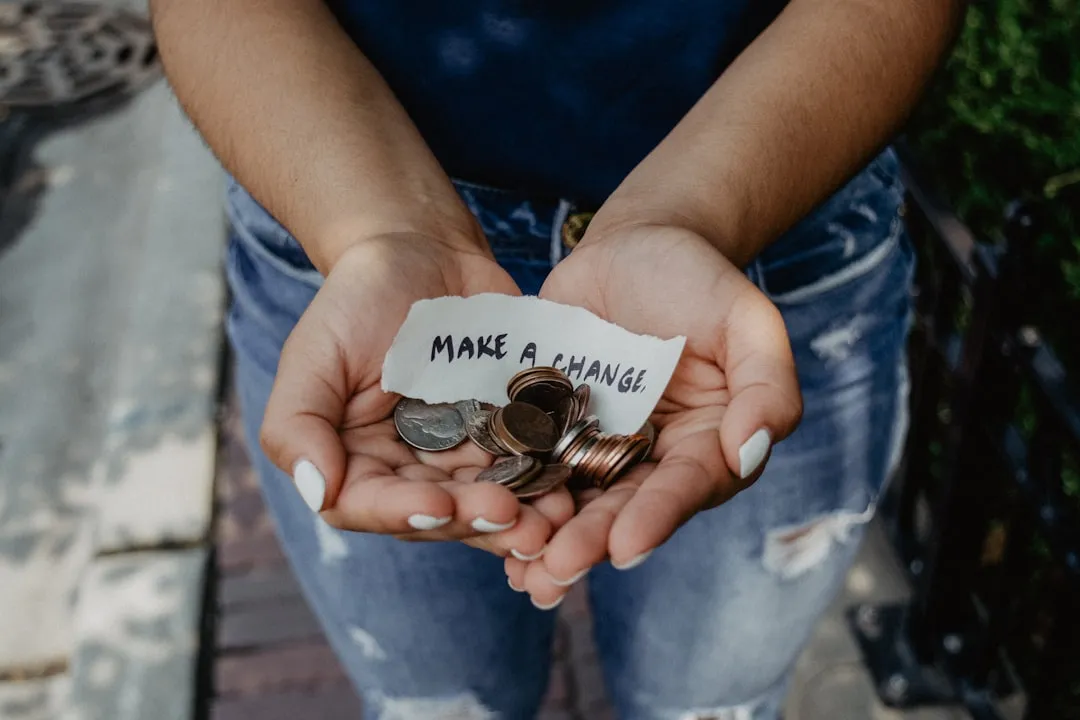
People in high-income countries tend to donate less as a percentage of their annual incomes, giving away just under one percent on average. This is around half the proportion given in low-income countries, where people donate a considerably higher share of income.
In Africa, there’s a focus on giving in terms of helping a stranger, whereas in the Global North, charitable support is more directly associated with donating money. These are different expressions of the same impulse, shaped by what’s available to give. A community without much cash may offer time, presence, or labor – and the data increasingly shows this counts.
People Are Kinder Than We Think

Global evidence on the perceived and actual return of lost wallets shows that people in general are much too pessimistic about the kindness of their communities compared to reality, with actual rates of wallet return around twice as high as people expect. This gap between perception and reality is striking.
People are too pessimistic about the kindness of their communities. The return rate of lost wallets is much higher than people expect, especially in the Nordic countries, which have the highest rates of both expected and actual wallet returns. Country rankings for benevolent acts vary depending on cultural and institutional differences. Research shows that the wellbeing benefits of benevolent acts depend on why and how people do things for others. Both helpers and recipients experience greater happiness from caring and sharing in the context of caring connections, choice, and clear positive impact.
Conclusion: Generosity Is Resilient, Not Fragile

The data from 2024 and 2025 tells a nuanced story. Giving dipped, pressured by economic strain and a kind of collective exhaustion after years of crisis. Yet the broader arc is clear: more people are helping more strangers than at almost any other recorded point in history.
What’s perhaps most surprising is where the generosity flows from. Not from the wealthiest zip codes or the richest nations, but from communities that have less material security and more social cohesion. The people of some countries around the world are notably generous, and being wealthy is not a requirement.
That observation carries weight. Generosity appears to be less about having surplus and more about a sense of shared fate – the recognition that someone else’s difficulty is, in some quiet but real way, connected to your own. That connection doesn’t need a border to cross. It only needs a moment of attention.
AI Disclaimer: This article was created with the assistance of AI tools and reviewed by a human editor.