
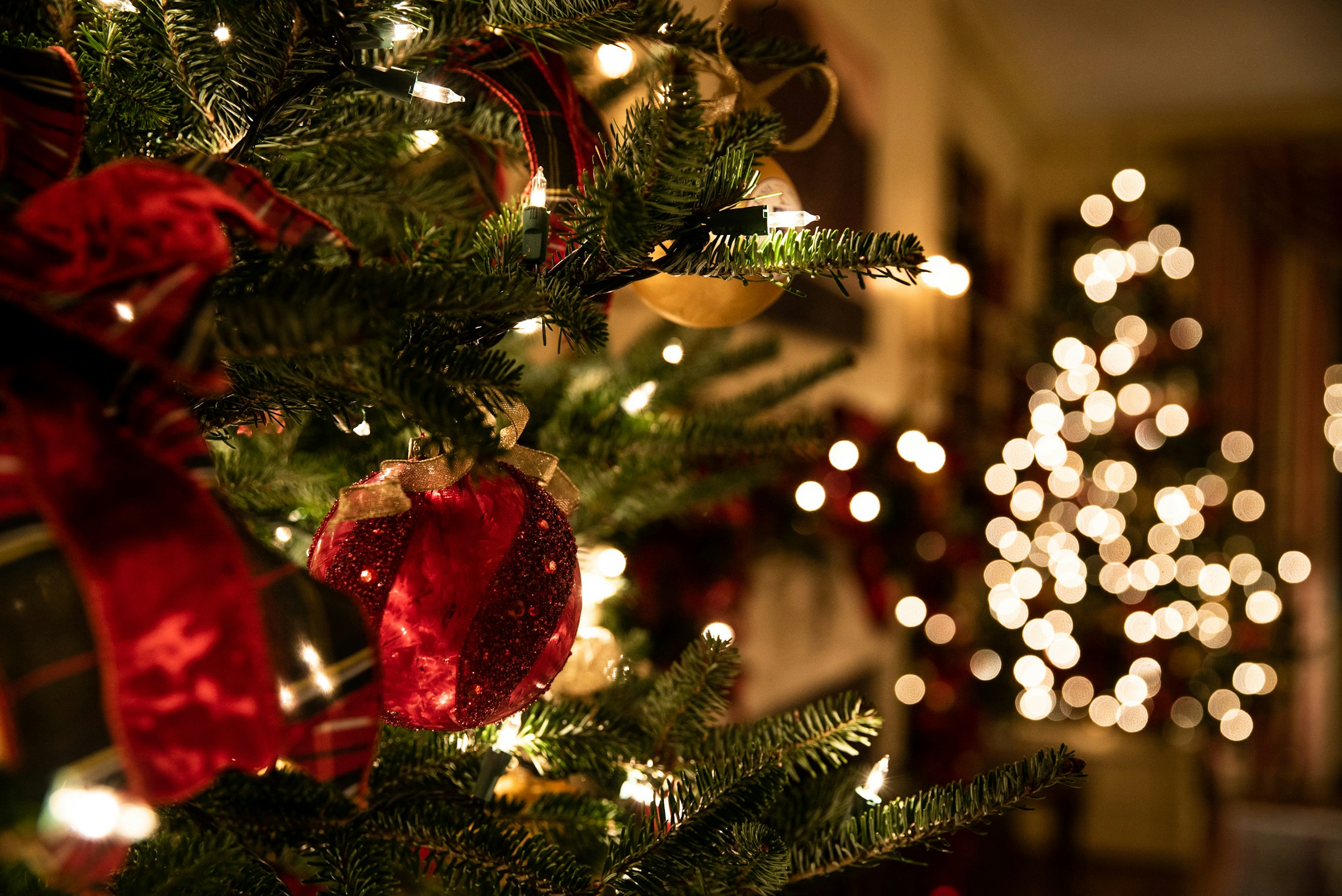

Germany invented the Weihnachtsmarkt, and the rest of the world has spent centuries trying to keep up. As the birthplace of the Christmas market tradition, Germany hosts up to 3,000 markets each festive season, filling town squares with wooden stalls, candlelight, and the kind of warmth that only comes from a crowd of people sharing food in the cold. Most visitors arrive with a shopping list. Many leave realizing the food was the whole point.
Food and beverage is the leading spending category at German Christmas markets, accounting for roughly three in every five euros spent by visitors overall, a breakdown that underscores the strong gastronomic appeal of these events and the importance of local flavors in shaping the experience. That figure is not a surprise to anyone who has stood before a row of glowing stalls with roasting almonds perfuming the air. Here are ten markets where the culinary experience genuinely steals the show.
Nuremberg’s Christkindlesmarkt: Where Lebkuchen Has Its True Home
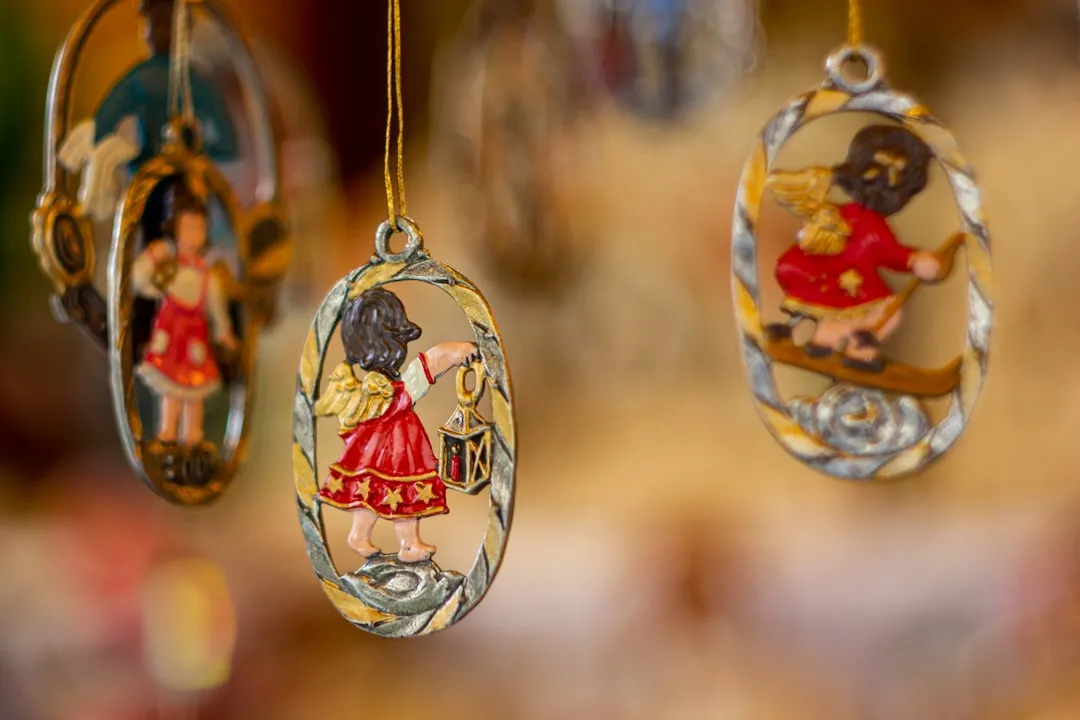
The Nuremberg Christkindlesmarkt is a cornerstone of German holiday tradition and one of the oldest seasonal events in the world, first documented in 1628 and still an essential stop for anyone seeking the authentic spirit of a European Christmas.
The market is famous for its unique Christmas treats, including the renowned Nuremberg Lebkuchen, which has been a staple since the 14th century. These baked goods were originally created by Franconian monks who utilized spices brought back by traders from the Orient. That heritage is still there in every bite.
The Nürnberger Rostbratwurst consists of tiny, intensely spiced bratwurst grilled over beechwood embers and traditionally served three to a roll, making them a lunchtime staple at the market. Unlike many modern Christmas markets that have shifted toward mass-produced goods, Nuremberg maintains strict standards, permitting only traditional handcrafted items and local specialties at the stalls.
Dresden’s Striezelmarkt: The World’s Oldest Market and Its Edible Soul
The Dresden Striezelmarkt holds the distinction of being the oldest Christmas market in the world, first documented in 1434, and today draws over 2.5 million visitors annually.
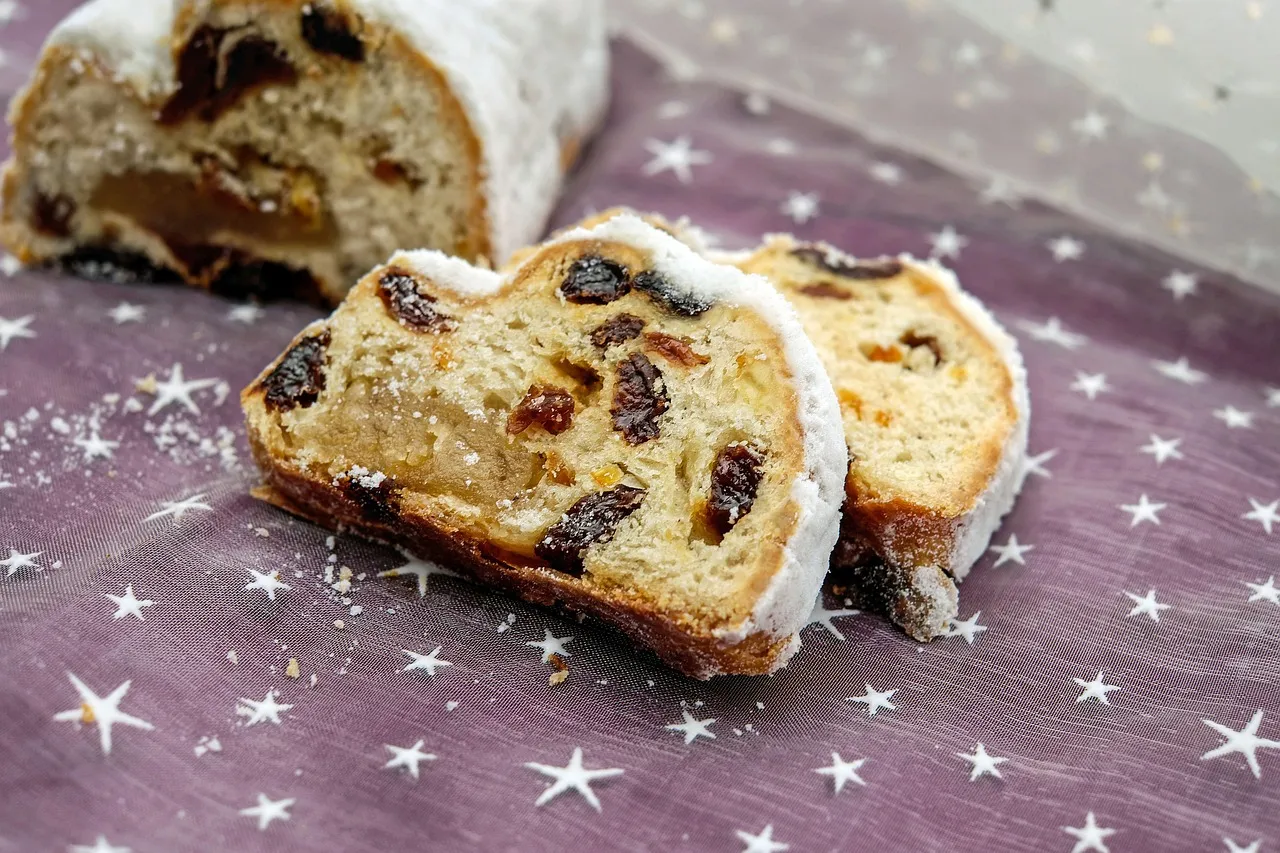
The market’s name comes from Stollen, the well-known Christmas bread also known as “Striezel” in Middle High German, and every year the traditional Stollen Festival is celebrated in honor of this delicacy.
A gigantic Christstollen weighing around three to four tons and measuring four meters long is brought from the Zwinger Palace to the Altmarkt in a splendid procession, accompanied by fanfare bands and bakers in traditional costumes. Once it reaches the square, the giant stollen is sliced with a 1.6-meter-long traditional knife and sold to visitors. There is nothing quite like it anywhere in Germany.
Cologne’s Seven Markets: A City That Takes Eating Seriously
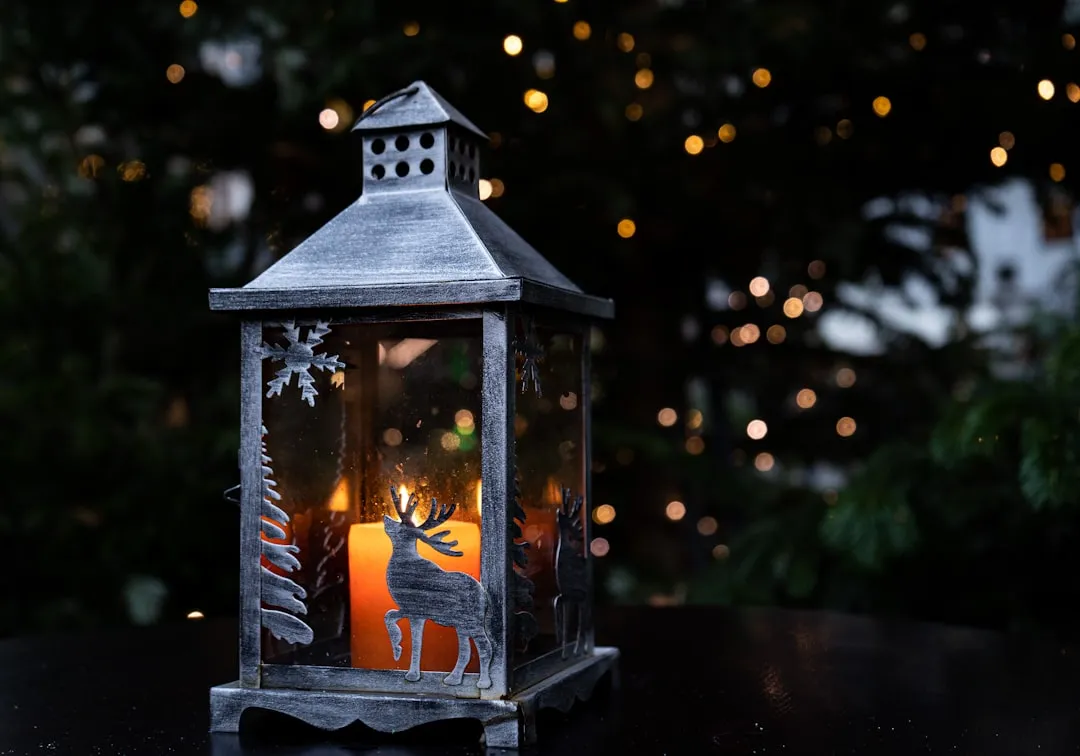
With 4 million visitors expected and a forecast economic impact of over 229 million euros, Cologne tops the ranking in both attendance and spending among European Christmas markets, reflecting its accessibility and established reputation as one of Germany’s most iconic festive destinations.
Set at the foot of the magnificent Gothic cathedral, Cologne’s most famous market features 160 stalls selling handmade ornaments, Lebkuchen, and Glühwein served in cathedral-shaped ceramic mugs. Cologne is actually home to seven separate Christmas markets, each with its own distinct character.
The variety across those seven locations means the food scene spans considerably more than the usual market fare. From the harbour market along the Rhine to the more intimate Angel Market at Neumarkt, each site carries its own culinary character. That’s a level of festive depth few cities can match.
Frankfurt’s Ancient Market: Bethmännchen and a Riverfront Bite
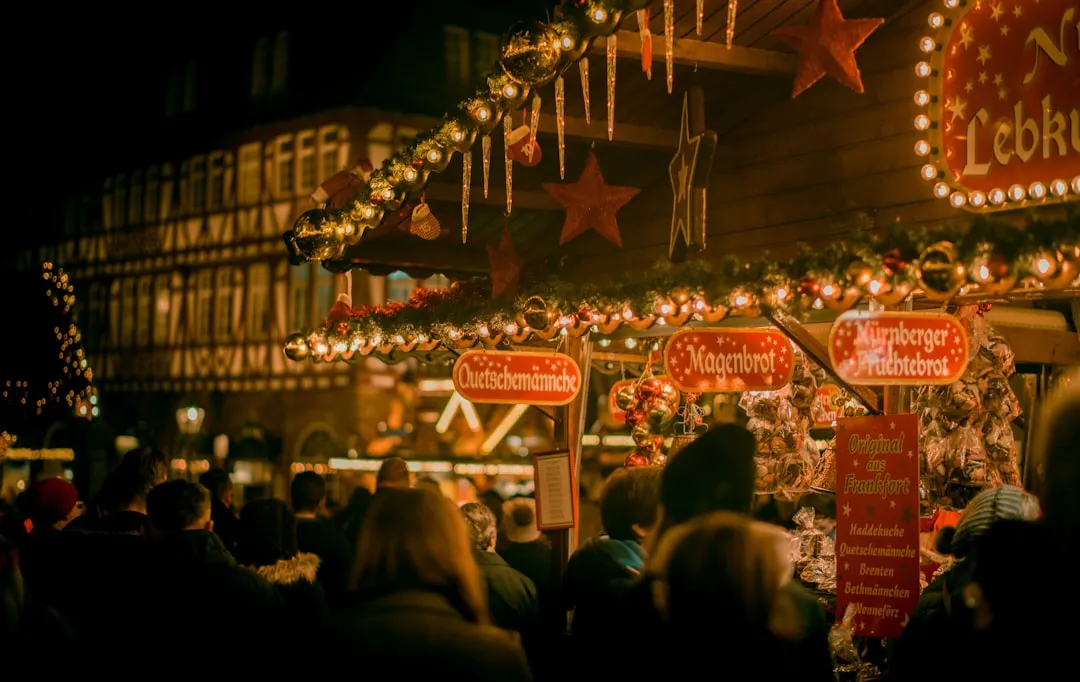
Dating all the way back to 1393, Frankfurt Christmas Market is one of the oldest Weihnachtsmärkte in Germany and one of the largest, covering a huge area of the city that includes Friedrich-Stoltze-Platz, Hauptwache, Mainkai, Paulsplatz, and Römerberg.
Visitors can browse more than 200 ornately decorated stalls, nibble on Bethmännchen, Frankfurt’s famous almond and marzipan treats, and enjoy a special Christmas market cruise along the Main River. The Bethmännchen alone is reason enough to plan a stop here.
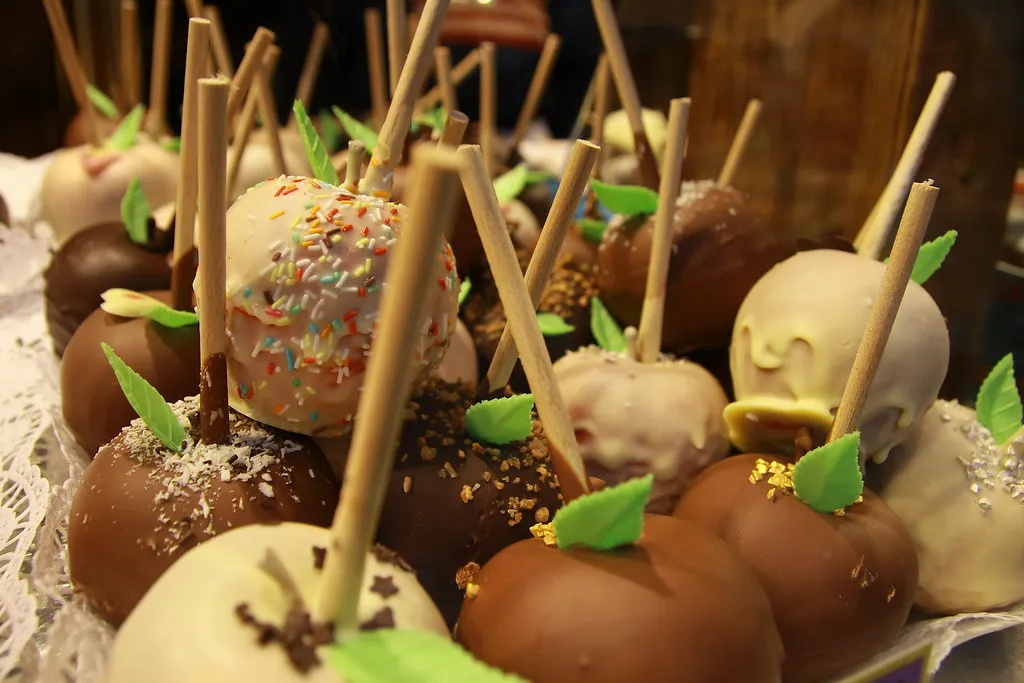
Wandering Frankfurt’s market, you can find pretzels covered with different chocolates, crepes, sausages, waffles, hot potato latkes, and much more, all washed down with hot Glühwein. It’s a generous spread for a market that stretches across several connected streets.
Munich’s Marienplatz: Bavarian Tradition on a Grand Stage
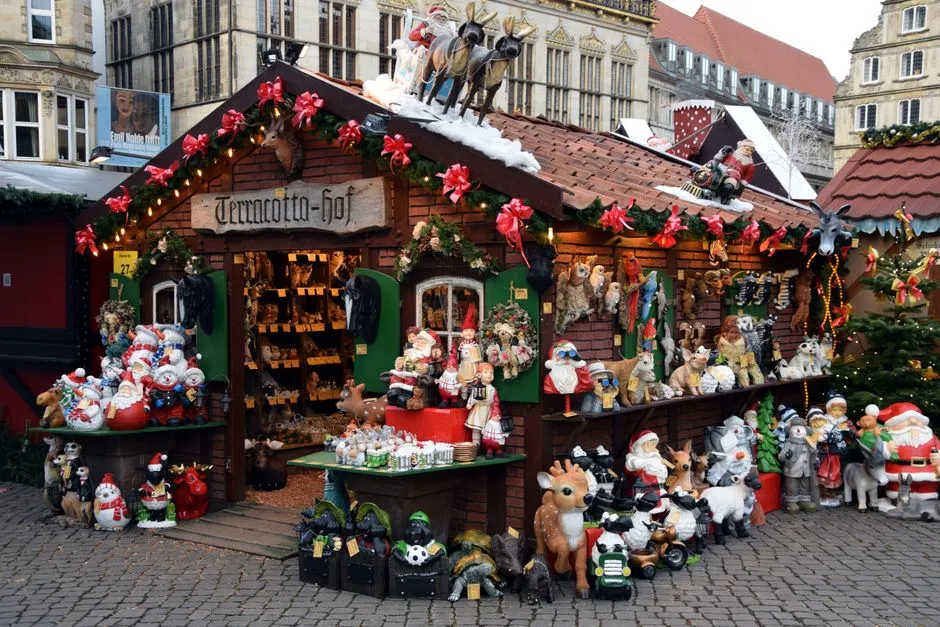
Surrounded by beautiful historical buildings and marked by a giant twinkling Christmas tree, Munich’s Münchner Christkindlmarkt sees the city’s main square, Marienplatz, transformed into a winter wonderland scattered with hundreds of decorated stalls selling traditional Bavarian wood carvings and glass crystals.
The food dimension here is deeply Bavarian. Obatzda, the spiced cheese spread unique to this region, appears alongside roasted chestnuts and soft pretzels the size of a dinner plate. This is Munich, so the quality standard tends to be consistent.
What makes German Christmas markets stand out is their variety. You can sip hot Glühwein in a medieval town or enjoy festive concerts beneath illuminated church towers, and each market has its own atmosphere, food specialties, and local traditions. Munich leans fully into its Bavarian identity at every stall.
Bremen’s Schlachte Promenade: A Maritime Market with a Regional Table
On the banks of the Weser River, the Schlachte Promenade bathed in blue light is transformed into a medieval, maritime-themed market drawing on the city’s Hanseatic history, and is often said to be one of the finest Christmas markets in Germany.
Alongside traditional favourite foods, visitors find local specialities such as Bremer Klaben, a fruit bread similar to Stollen, and Kohl und Pinkel, a kale dish served with pork and sausage. These are dishes rooted firmly in the region’s character, not imported festive clichés.
The waterfront setting adds a particular mood that inland markets can’t replicate. There’s something about eating slowly beside a river, wrapped in a scarf, with an open fire nearby, that makes regional food taste exactly as it should.
Baden-Baden: Slow Food in the Shadow of the Black Forest
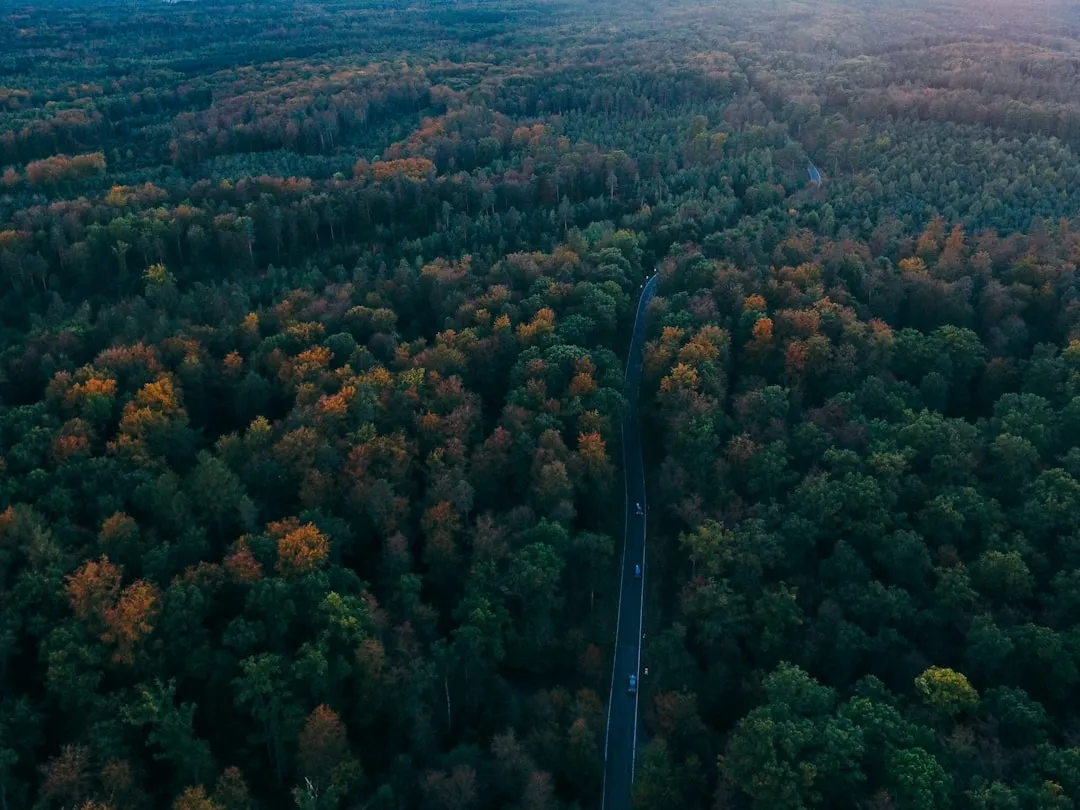
Baden-Baden is located just on the outskirts of the enchanting Black Forest, and its market takes place on a long stretch just outside the old town, where you’ll find over 100 stalls of arts and crafts, delicious food, and merry-go-rounds.
Keeping their market simple and traditional, you can find roasting fish and fragrant spiced nuts throughout the stalls, and the market stays open a bit later in the year, perfect if you’re visiting just after Christmas.
The unhurried atmosphere here is part of the appeal. Baden-Baden doesn’t try to compete with the scale of Cologne or Nuremberg. The focus stays on quality and quiet pleasure, which is exactly the right setting for food that deserves attention rather than a crowd.
Heidelberg: Charm, Spiced Nuts, and Castle Views
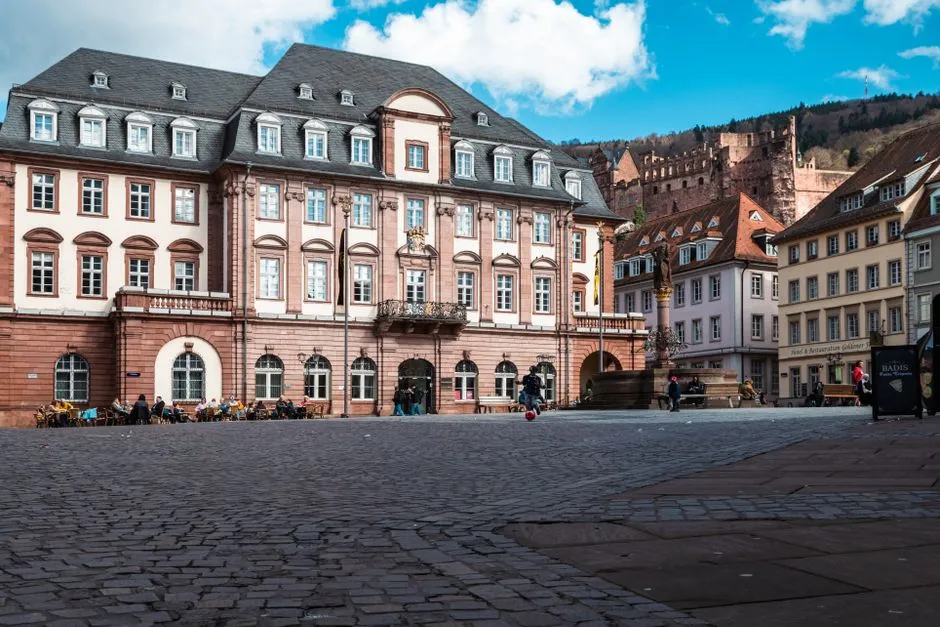
Taking place throughout the Hauptstrasse, markets are dotted along the pedestrian street and are traditional in style, oozing with charm. The setting, with the castle rising above the old town, is genuinely hard to beat.
There are plenty of food options, Glühwein, and even an ice skating rink with a castle view. Few German markets combine the backdrop and the table quite so effortlessly.
The food stalls here follow regional patterns common to the Rhine-Neckar area: roasted almonds, Flammkuchen, Wurst in all its forms. Nothing tries too hard. It’s precisely that restraint that makes the experience feel genuine rather than performed for visitors.
Cologne’s Harbour Market: Food With a View of the Rhine
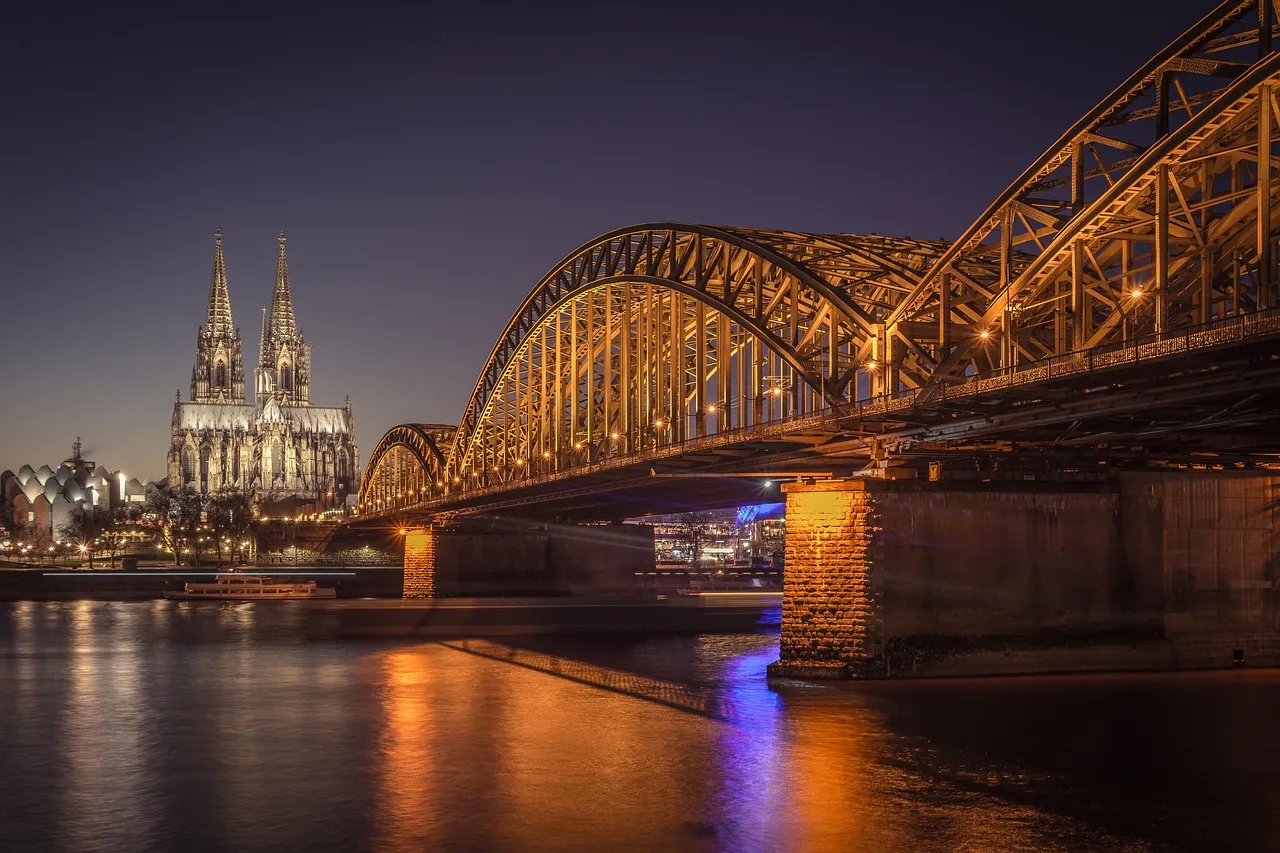
Within Cologne’s constellation of seven markets, the harbour market on the banks of the Rhine deserves its own moment. The water is visible from nearly every stall, and the atmosphere is notably more relaxed than the cathedral market a short walk away.
Visitors can sip on hot Glühwein and nibble on an array of culinary delights such as roasted almonds, gingerbread, and bratwurst at dedicated food lanes within the market. At the harbour location, these same staples feel more expansive, eaten at a slower pace with a natural view.
Craft beer from regional Kölsch breweries often appears here alongside the usual mulled wine options, giving the harbour market a slightly different flavour from its neighbours. It’s a good reminder that German market food culture is not one-dimensional.
Aachen: Where Gingerbread and History Share the Square
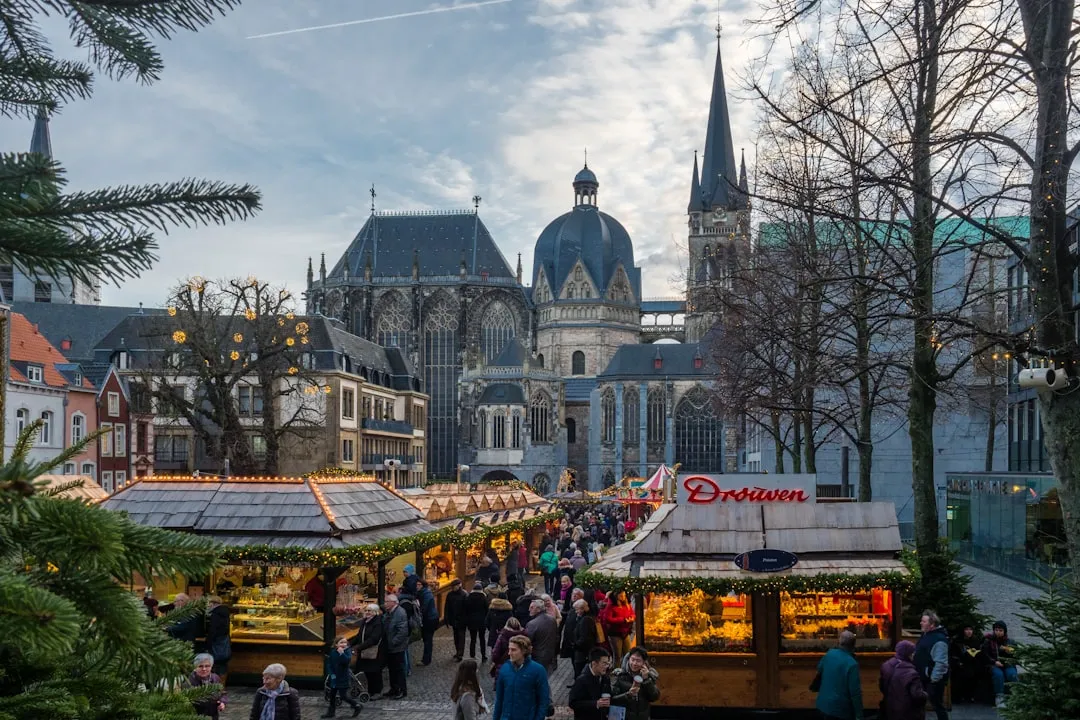
The Aachen Christmas Market runs from late November through December 23rd, held daily in the heart of one of Germany’s most historically significant cities. The market unfolds in the shadow of the Aachen Cathedral, a UNESCO World Heritage site that gives the whole event an atmosphere few others can claim.
Aachen has its own gingerbread tradition, separate from Nuremberg’s, in the form of Aachener Printen. This dense, spiced biscuit comes in both soft and hard varieties and has carried protected geographical status, meaning the authentic version can only be produced in the region. Food travelers who collect these small distinctions will appreciate the difference.
Many of the traditions seen at Christmas markets across Europe started in Germany and continue today, and Aachen is one of the clearest examples of that continuity. The Printen stalls are not a recent addition. They have been part of this market’s identity for generations, and tasting them here, in the city where the recipe belongs, is a different experience from buying a tin at a supermarket.
The Takeaway
Germany is home to over 2,500 Christmas markets, more than any other country, drawing an estimated 85 million visitors each year. Within that number, the markets that endure in memory tend to be the ones where the food was doing something specific, something rooted in place and season.
The shopping matters, certainly. Handcrafted ornaments and wooden toys have their own quiet beauty. Still, the real reason people return year after year is harder to package. It’s the smell of beechwood smoke on a bratwurst grill, the weight of a warm mug of Glühwein, the first bite of a city’s particular Lebkuchen or stollen standing right where it was made.
Germany’s Christmas markets are, at their best, an argument for eating slowly and eating locally. The stalls change slightly each year, the crowds vary, and some markets grow while others stay wonderfully small. What stays constant is the food, honest and seasonal, shaped by centuries of doing the same thing well.
AI Disclaimer: This article was created with the assistance of AI tools and reviewed by a human editor.