

Most professionals heading overseas pack their best suit, rehearse their pitch, and study the agenda. What they rarely prepare for is the moment someone across the table reaches into a bag and hands them a carefully wrapped gift. That moment, handled well, can quietly open a relationship. Handled poorly, it can quietly close one.
Gift-giving etiquette plays a significant role in international business relationships because it signals respect, builds trust, and reinforces goodwill across cultural boundaries. What counts as a thoughtful gesture in one country can be deeply offensive in another, which means getting it right matters. For many business travelers from the United States or Northern Europe, this is genuinely unfamiliar territory. The gap between what you assume and what is actually expected can be wide enough to derail an otherwise promising meeting.
Japan: Where the Act of Giving Matters More Than the Gift Itself

In Japan, gift-giving is deeply embedded in business culture, with formal gift exchanges considered essential for maintaining professional relationships. Gift-giving is a central part of Japanese business etiquette. Bringing a range of gifts for your trip is wise, so that if you are presented with a gift you can reciprocate. The emphasis in Japanese business culture is on the act of gift-giving, not the gift itself.
Avoid gifting items in sets of four, as the number is associated with death. It is considered rude to open the gift in front of the gift giver. You are supposed to receive the gift with appreciation and open it privately later, so you don’t put the gift giver or yourself on the spot. Gifts should be carefully wrapped and presented with both hands.
China: Numbers, Colors, and Objects That Carry Hidden Meaning
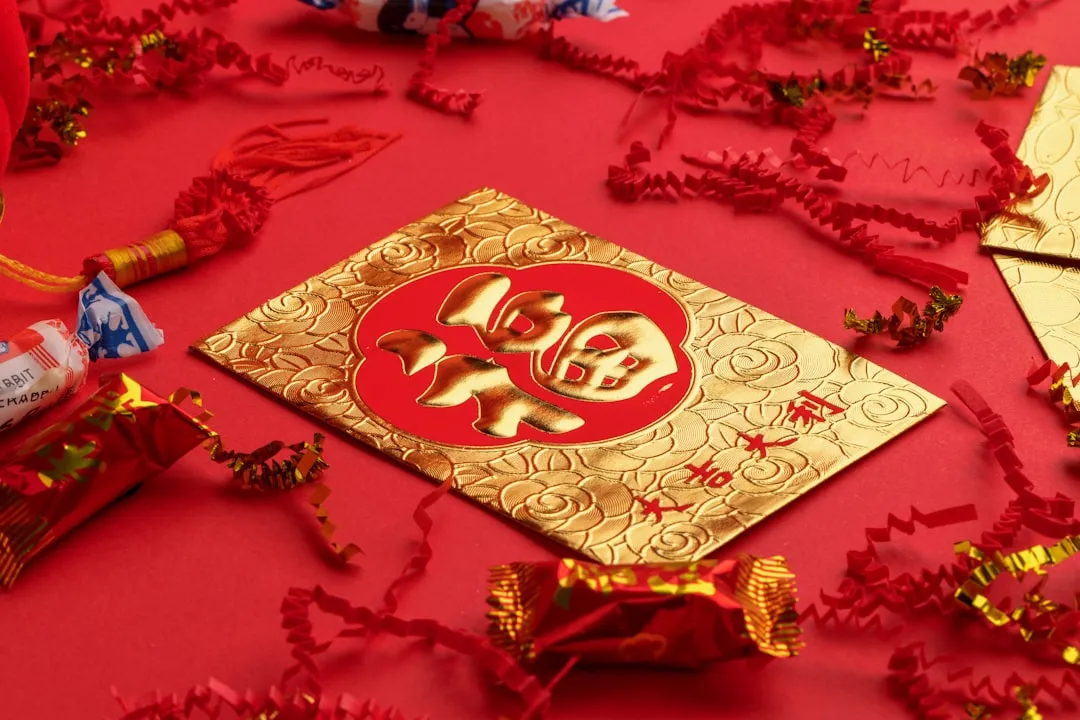
In China, the symbolism of gifts matters deeply. Clocks, for instance, are a taboo gift as they symbolize death, while red envelopes with money are auspicious. In China, hats and umbrellas are also regarded as unlucky, cut flowers are for funerals rather than business, and the humble pear would represent a parting of ways rather than a meeting of minds.
Depending on the item, avoid giving one of something. Chinese philosophy stresses harmony and balance, so give in pairs. In China, it is polite to initially decline a gift before accepting it, and gifts are often not opened immediately in the presence of the giver. That initial refusal can catch Western travelers off guard, but it is simply politeness in action, not genuine reluctance.
South Korea: Hierarchy, Ritual, and the Gentle Refusal

South Korea, like Japan, values politeness and respect above all else. Gifts symbolize sincerity, so their meaning goes beyond their price. It is best to avoid sets of four, and gifts should be offered and received with both hands. Gift wrapping should be tasteful and subdued rather than overly colorful. Be aware that many Koreans will initially refuse the gift out of courtesy – accept this as part of the process and gently insist.
South Korean companies are notably structured in their approach to this practice, with the vast majority maintaining formal gift-giving protocols aligned with hierarchical business relationships, both externally and internally. Avoid red ink on cards or tags in South Korea and China, as red writing is associated with death. These details feel minor until they aren’t.
The Middle East: Generosity as a Form of Respect

In the Middle East, refusing a gift can be considered impolite. That stands in sharp contrast to corporate cultures where declining a gift is routine or even required by company policy. In many parts of the Middle East, generous hospitality and gift giving are central to how trust is established between business partners.
Business gifts are appreciated in the United Arab Emirates, where they should be opened as soon as they are received. In the Middle East, avoid alcohol or pig-related products. It’s very important in Asia and the Middle East to only use your right hand, or both hands, to offer or accept a gift. These constraints are not bureaucratic rules – they reflect genuine cultural and religious values worth understanding before you arrive.
Germany and Northern Europe: Less Is More, and Formality Reigns

In Germany, business relationships tend to be formal, and gifts are generally modest if exchanged at all. Avoid overly personal gifts; business-related items like high-quality pens or books are appreciated. The instinct to impress with generosity can, in this context, create mild suspicion rather than goodwill.
In Sweden, companies typically take a minimalist approach, with a large majority of organizations discouraging business gifts entirely, believing that professional relationships should stand on their own merit. This approach extends to employee recognition, where merit-based acknowledgment is preferred over material gifts. For professionals arriving from cultures where gifting is deeply relational, this restraint can feel almost cold. It isn’t – it simply reflects a different philosophy of trust.
India: Sweets, Symbolism, and the Right Hand
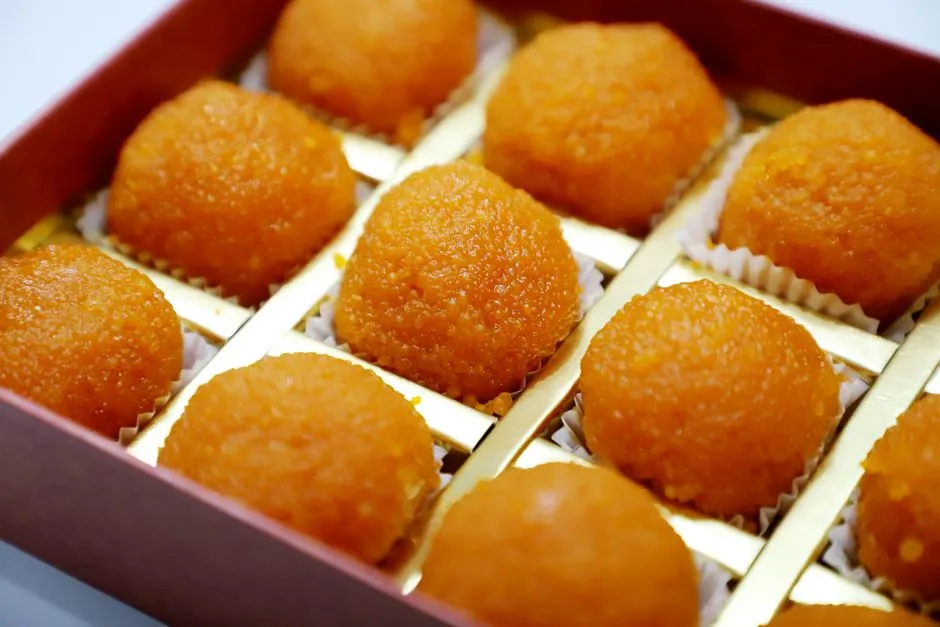
Business gifts are appreciated in India, where sweets are the number one choice of gift. It is custom in India to only eat and handle items with the right hand, because the left hand is considered unclean. This extends to how gifts are offered and received, so a casual one-handed gesture can land unexpectedly.
In some cultures, gifts may be exchanged only after a certain level of trust and rapport has been established. India is a good example of this dynamic. Arriving with a gift on a first visit may feel presumptuous depending on the relationship, while the same gesture weeks later could be warmly welcomed. Reading the relationship matters as much as reading the rules.
Brazil: Where a Gift Can Look Like a Bribe

In Brazil, giving a gift to a business associate is seen as a form of bribery. This surprises many travelers who associate Latin American business culture with warmth and personal generosity. The distinction here is between social hospitality – which is genuine and abundant – and formal gift exchanges, which carry a different weight in the professional context.
A very expensive gift may be viewed as a bribe. Present a gift at a social meeting, not during a formal business meeting. The setting changes everything. What feels generous in a conference room can feel inappropriate in a way that a dinner gathering would not. Timing your gesture with care is just as important as selecting the gift itself.
When Wrapping and Presentation Become the Message

Gifting is deeply rooted in cultural norms and expectations, and what is acceptable in one culture may be perceived differently in another. Understanding the significance of specific colors, numbers, or objects, as well as the proper timing and etiquette for gift-giving, are all part of this. The way a gift is wrapped can be as significant as the gift itself.
Colors carry layered meaning across cultures. Red signifies luck in China but is associated with mourning in South Africa. Odd numbers are often considered lucky in many Asian cultures, while even numbers are preferred in the West. Pay attention to the way you package and present the gift. In many cultures, the act of unwrapping a gift is considered important and should be done with care and respect.
The Reciprocity Trap: When You Receive and Aren’t Prepared

Be prepared for the possibility of receiving a gift in return. In many cultures, gift-giving is reciprocal, and it is customary to reciprocate the gesture appropriately. Most business travelers who arrive without a gift of their own find themselves in an uncomfortable position when their host presents one – which is precisely why preparation matters.
Business gifts are always reciprocated in many cultures. Not to do so is bad etiquette. Bringing a range of gifts for your trip means that if you are presented with a gift, you will be able to reciprocate. It doesn’t need to be elaborate. A thoughtful, well-chosen item from your home country or region carries genuine meaning in almost any cultural context.
Corporate Policies vs. Cultural Expectations: The Compliance Gap

It is important to understand the gift-giving customs, rules, and protocols in different countries, including differences due to the individual or institution with which you are meeting. In certain circumstances gifts are essential, while in other circumstances they can be perceived as a bribe or may be prohibited by rules or laws. This tension is real and growing more complex as companies operate across more markets simultaneously.
In China, business gifts can represent a meaningful share of a company’s annual expenses, making the practice a significant part of relationship management. Companies need to give employees effective training programs on cultural etiquette, intercultural communication strategies, and anti-bribery compliance. Effective programs don’t just make employees aware of red flags that may cross ethical boundaries – they also provide intercultural training to help employees navigate any gaps between cultural expectations, compliance regulations, and business limitations. The sweet spot between being culturally sensitive and legally compliant is real, and reachable with the right preparation.
The Practical Takeaway: Research Before You Pack

Personalized, culturally thoughtful gifts are key to strengthening connections and showing appreciation. A 2024 report reveals that nearly half of businesses see increased customer loyalty after implementing a personalized gifting program. The numbers reflect something intuitive: people notice when someone has made the effort to understand them.
Be prepared to adapt your gifting practices to the specific cultural context when preparing for international business travel. Approach each situation with humility, openness, and a desire to learn from the region’s cultural nuances. Gifts from your own country are always appreciated. Good choices include local and regional arts and crafts, books, candies, specialty foods, and wine or spirits – if you are certain that the recipient drinks. Simple, considered, and culturally aware is almost always the right approach.
Final Thoughts

Gift-giving abroad isn’t a performance or a formality. In many parts of the world, it is simply a language – one that communicates respect, attention, and a genuine interest in the relationship beyond the transaction. Research has shown that better relationships between business partners, which often stem from understanding and respecting the tradition of gift-giving, enhance the effectiveness of communication and can increase business outcomes.
The traveler who gets this right rarely does so by accident. They took the time to learn, came prepared, and treated the gesture with the same seriousness they gave to the agenda. In a global business environment, that kind of cultural fluency is not a soft skill – it’s a real competitive advantage that tends to pay quiet dividends for years.
AI Disclaimer: This article was created with the assistance of AI tools and reviewed by a human editor.