


Japan: Where Angle and Silence Speak Volumes
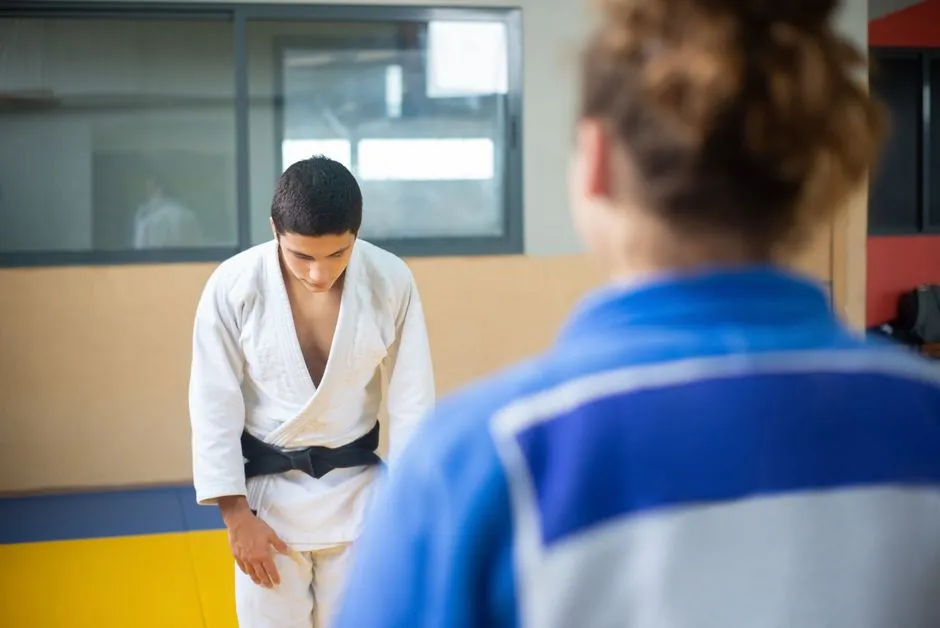
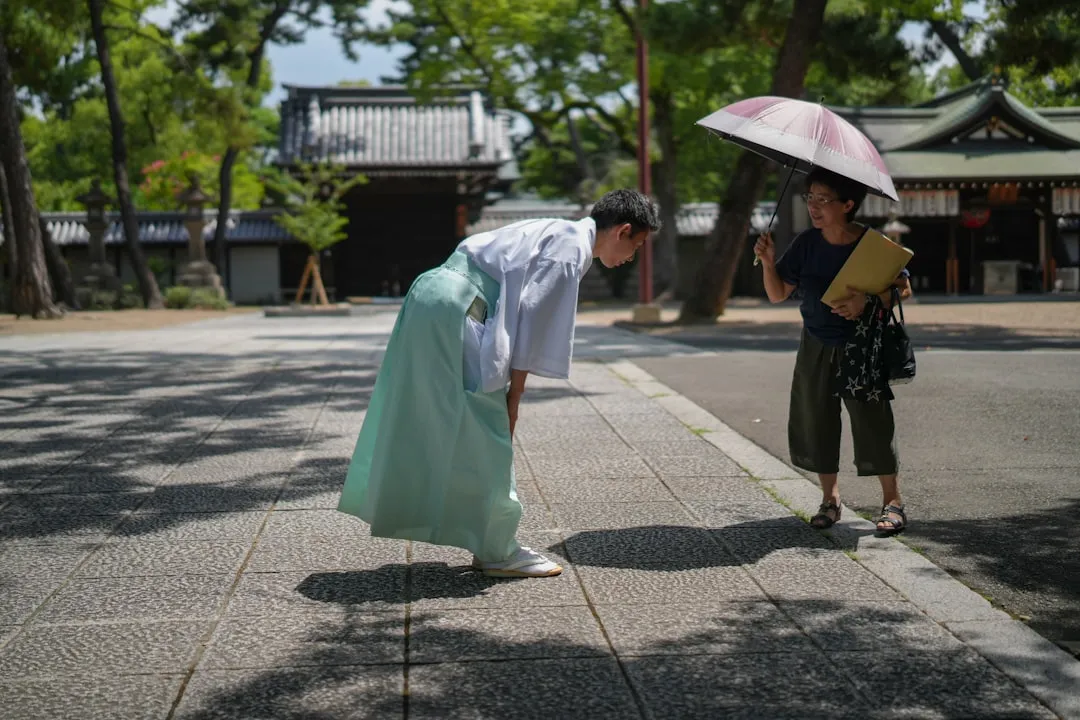
In Japan, bowing is a common form of greeting and a sign of respect. The depth and duration of the bow vary depending on the situation. A slight nod is casual, while a deeper bow shows deeper respect.
Customs and manners in Japanese business are reputed to be some of the most complicated and daunting in the world, especially to a foreign person not familiar with Japanese ideology of ranks and traditions. Failure to perform the right type of ojigi for the other person’s status is considered a workplace faux pas or even an offense.
The formalization of bowing etiquette accelerated during the Edo period (1603–1868 CE), when the Tokugawa shogunate enforced rigid social stratification that required visible displays of status acknowledgment. Samurai developed elaborate protocols distinguishing between three bow depths: shallow nods for equals, moderate bows for superiors, and deep prostrations for feudal lords.
South Korea: Sincerity Over Precision
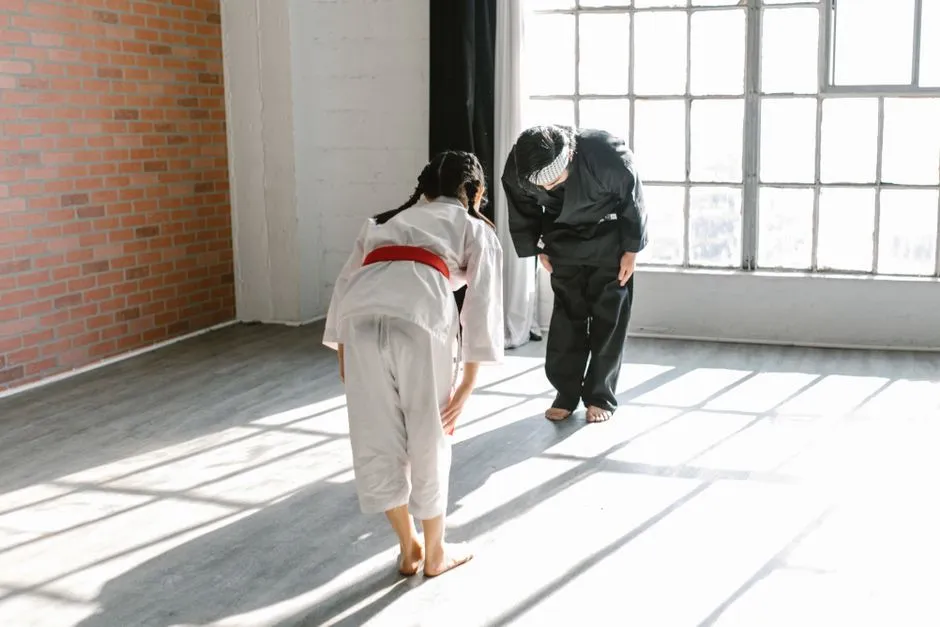
Japanese bowing emphasizes the exact angle and duration as markers of respect and social hierarchy, while Korean bowing focuses more on the emotional sincerity behind the gesture. Koreans generally bow deeper than Japanese for equivalent situations but with less concern about precise degree measurements.
The more informal bows consist of simply bowing your head, while the more formal ones involve deep bows in which the degree changes depending on the person you are greeting. Specific degrees – 15°, 30°, and 45° – mark the level of formality, almost as if calculated with a protractor.
Learning how to bow in Korea correctly may feel a bit overwhelming at first, but the heart and intention behind the gesture are what matter most. That’s a meaningful cultural note for visitors: trying genuinely counts for something.
Thailand: The Wai and Its Unwritten Hierarchy
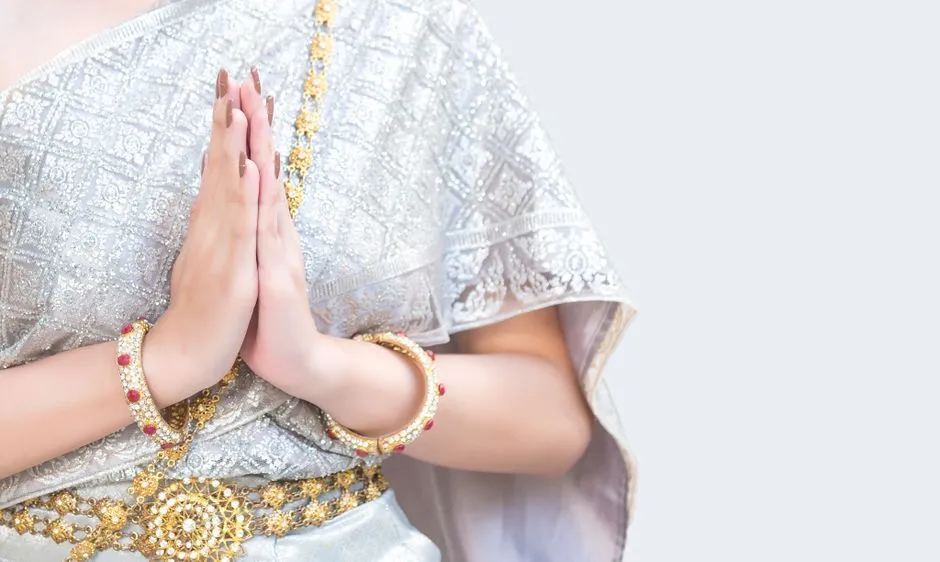
The wai is a greeting in Thailand that consists of a slight bow, with the palms pressed together in a prayer-like fashion. Simple enough on the surface, but the rules underneath are precise.
The higher the hands are held in relation to the face and the lower the bow, the more respect or reverence the giver of the wai is showing. This single detail alone separates a respectful greeting from a casual one.
The wai serves multiple purposes in Thai culture – a form of greeting or bidding farewell, and a sign of respect, gratitude, and acknowledgment. It is used during heartfelt apologies as well. Travelers who see it only as a tourist gesture are missing most of what it actually communicates.
India: Namaste and the Divine Recognition Within It
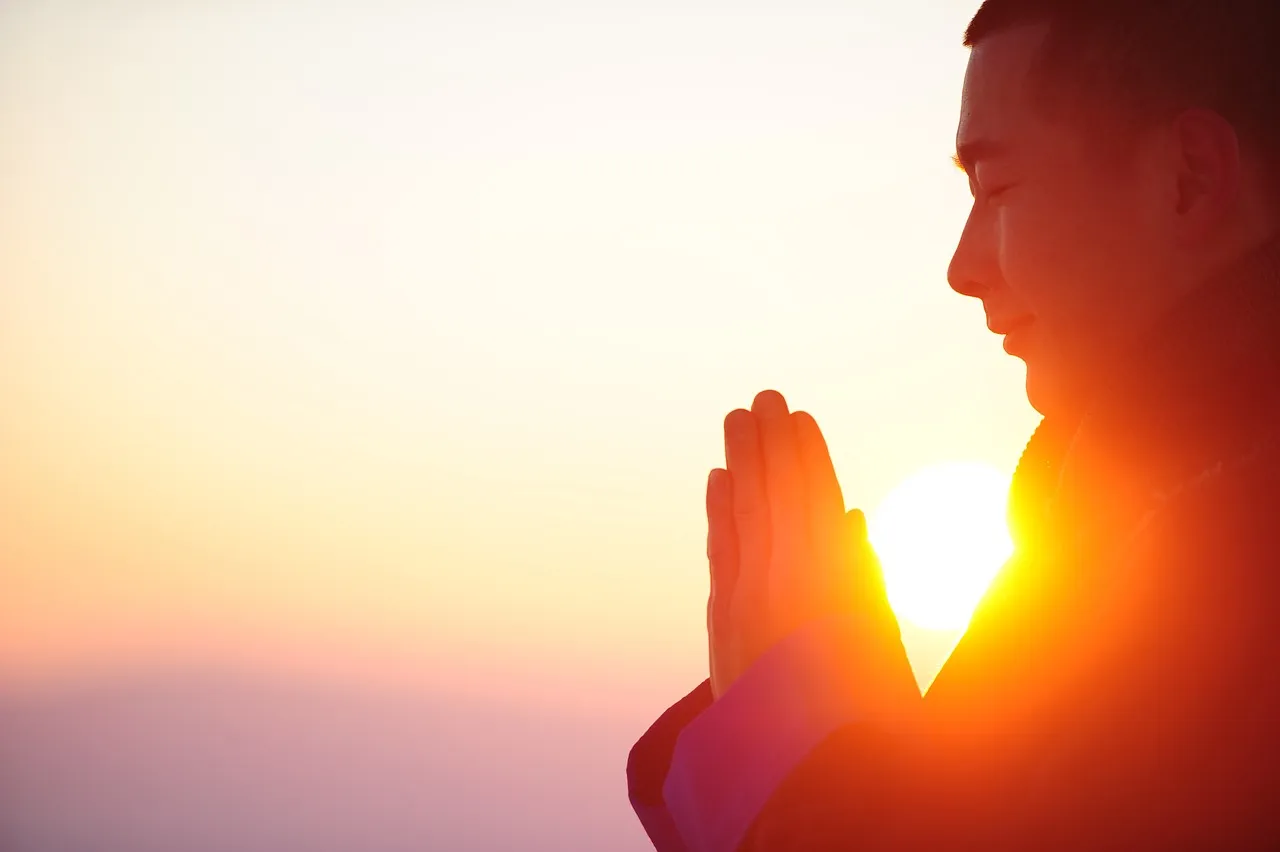
In India, the customary greeting to initiate any conversation is to say “Namaste,” a Sanskrit phrase that literally translates to “I bow to you.” It’s a phrase so familiar globally that its deeper meaning often gets lost in translation.
While the act of touching another person is generally avoided in traditional settings, especially between men and women, the Namaste is observed with respect across all cultures in India. The greeting has a deep spiritual significance in Hindu culture and fundamentally recognizes the divine spark within everyone.
Hindu greetings like namaste, with hands pressed together and a slight bow, blend spiritual recognition with everyday politeness. For a traveler, knowing that history shifts the act from imitation to genuine respect.
China: The Handshake Has Quietly Taken Over

In China, Taiwan, and Hong Kong, bowing is less common and handshakes or nods are more typical greetings. This surprises many visitors who arrive expecting the same bow-centric culture they associate with the broader East Asian region.
The Chinese may nod or use a slight bow, but physical contact in the form of a handshake has become the norm in urban and business contexts. The shift reflects decades of cultural exchange with Western business practices.
In China, a handshake combined with a nod is common – a hybrid that reflects both the country’s long traditions of courtesy and its integration into global commercial life. Visitors should not assume a bow will feel more native than a handshake; context is everything here.
Southeast Asia’s Buddhist Belt: A Shared Root With Many Branches
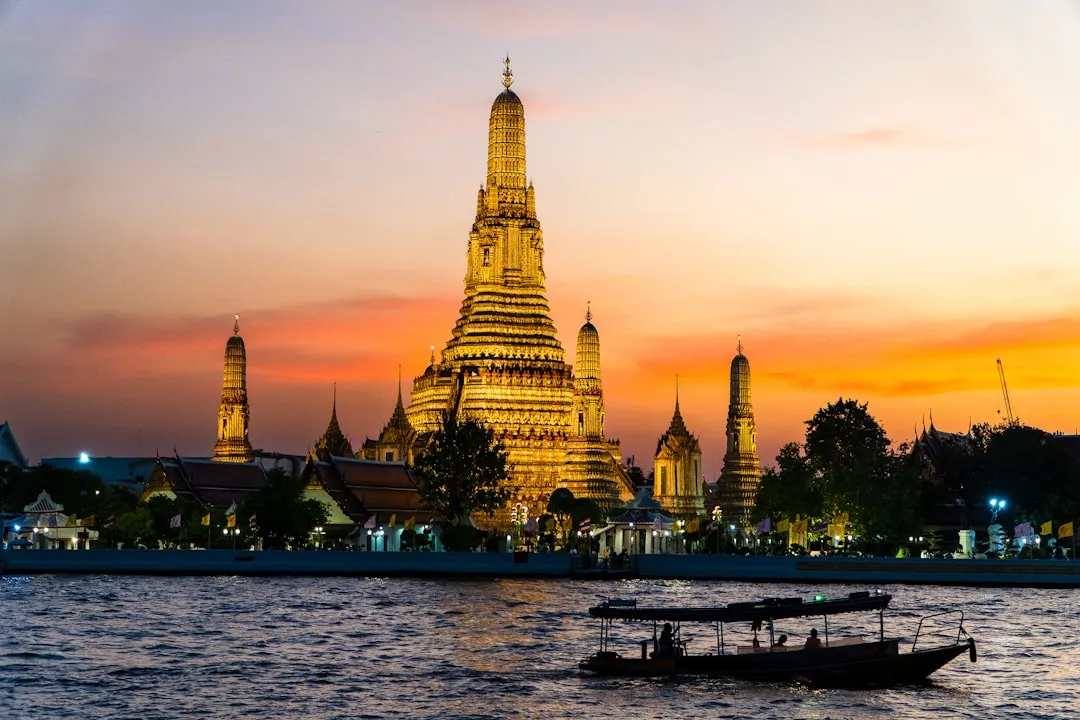
The Buddhist majority cultures of Cambodia, Laos, Myanmar, and Thailand all share an elegant form of physical greeting made by placing both hands together palm to palm with fingers pointing upwards. The standard greeting between social equals places fingertips at chin level, accompanied by a slight bow. The greeter holds hands higher and bows deeper as the age, seniority, or status of the person greeted rises.
In Cambodia, the greeting gesture called the Sampeah is accompanied by the Khmer words “Choum reap sur,” meaning “Hello.” Accompanying a Lao Nop are the words “Sabaideebor,” which means “How are you?” Same gesture family, distinct verbal traditions attached to each.
The Thai wai has its origin in the Indian Añjali Mudrā, like the Indian namaste and Burmese mingalaba. Recognizing this shared lineage helps travelers understand why gestures that look similar across borders still carry their own local weight and nuance.
Muslim-Majority Nations: Peace as a Greeting
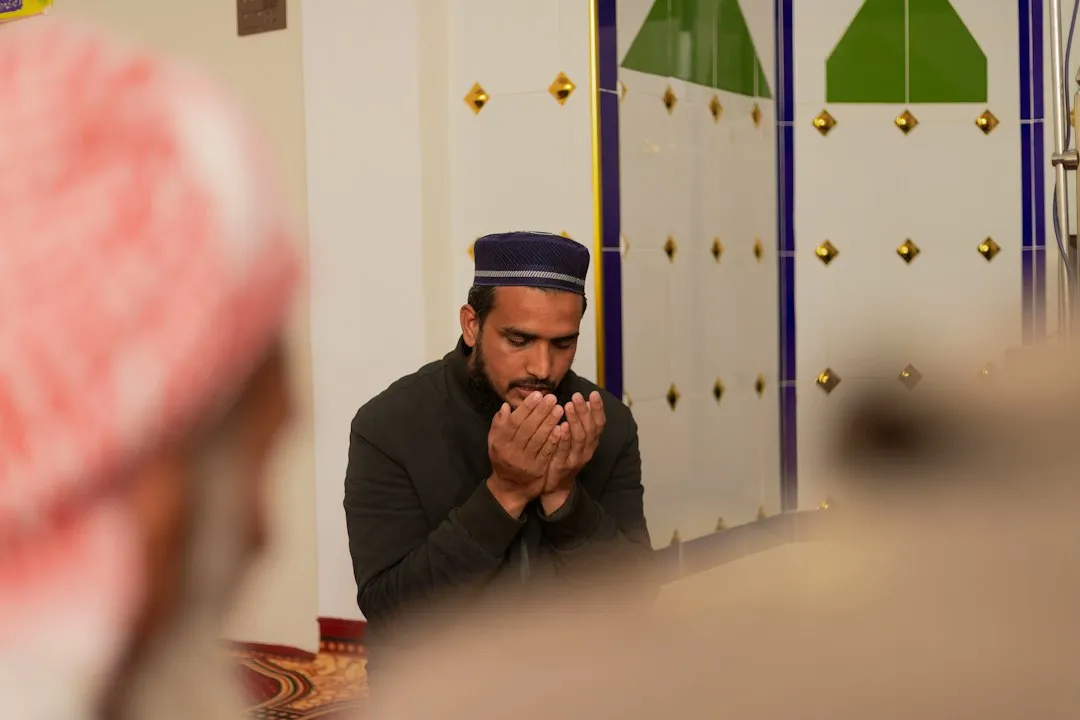
The words “as-salāmu ʿalaykum” (“peace be upon you”) often accompany greetings across the region, with the reply “wa-ʿalaykum as-salām” meaning “and peace be upon you too.” This is especially common in Malaysia, Indonesia, Brunei, and southern Thailand, as well as in South Asia, where the greeting is often spoken without physical contact between men and women.
If men are close friends or family, it’s common for them to exchange brief hugs. Opposite genders, however, usually avoid physical contact during the greeting, and women generally keep a distance when greeting men. Travelers who extend their hand without reading the situation can unintentionally create awkwardness, even when the intention is friendly.
When an elder person enters a room, custom dictates that everyone else stands up as a sign of respect. That small act says far more than any handshake could.
The Role of Age and Social Rank Everywhere
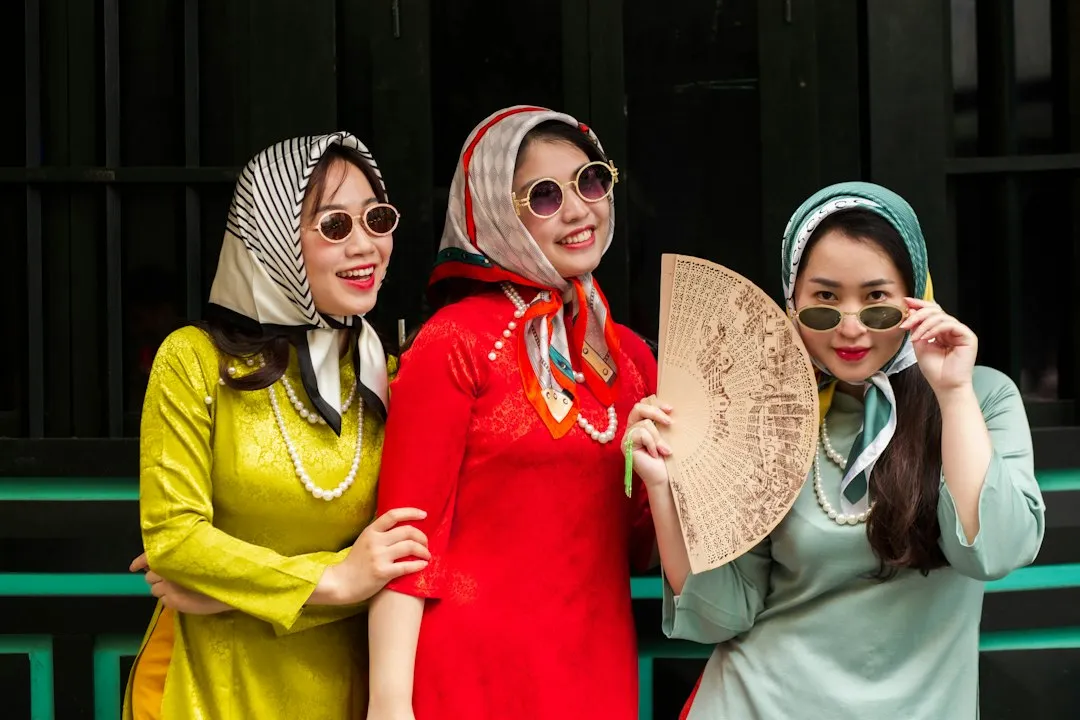
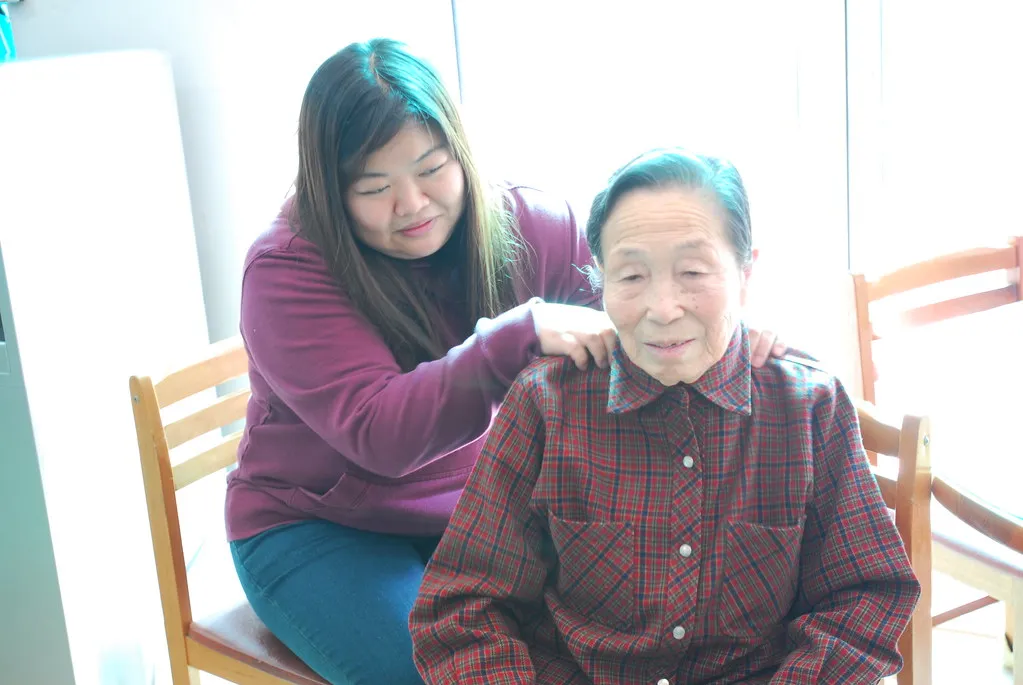
In many Asian cultures, greetings are more formal and place a strong emphasis on showing respect, particularly to elders. This applies almost universally across the continent, regardless of the specific form a greeting takes.
The person who is younger or less important should initiate a greeting, but it is considered impolite if the other person doesn’t return it immediately. That reciprocity is fundamental – failing to respond to a greeting is rarely neutral.
Failing to recognize hierarchy – ignoring who should bow first, for instance younger to elder – can be perceived as rude. For travelers used to relatively flat social registers, this can be the hardest adjustment of all.
When Greetings Cross Borders: The Hybrid Moment
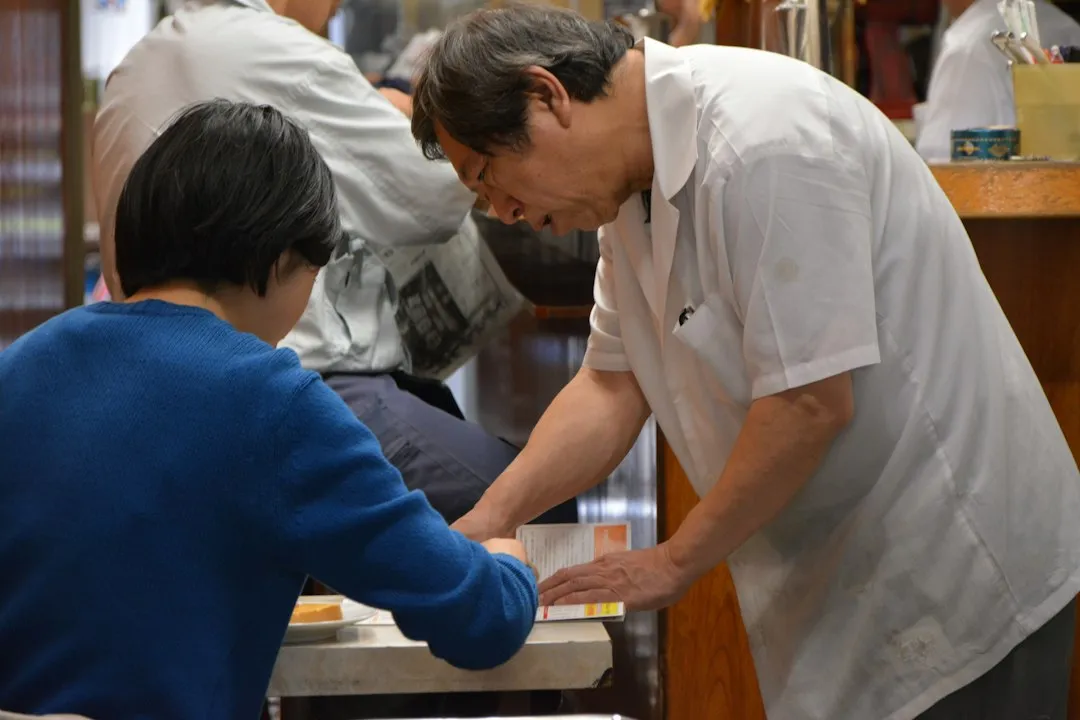
While handshakes are becoming more common, especially in business settings, it’s always good to follow the local custom of bowing in Japan. This kind of cultural blending is visible across Asian cities, where global commerce and traditional etiquette now coexist – sometimes in the same room, in the same meeting.
While handshakes are used in most of these locations, adopting the local custom of making a bow shows respect for the individual and the culture. The choice to try is itself meaningful.
Visitors often make errors out of good intentions. Common pitfalls include overdoing a bow as a caricature of local customs. Keep it respectful and measured. Earnestness reads clearly, but exaggeration can tip into unintended mockery.
What Travelers Often Miss: The Meaning Behind the Motion
Greeting customs are highly culture- and situation-specific. Greetings may change within a culture depending on social status, relationship, and etiquette. That variability means no single rule covers an entire country, let alone an entire continent.
The practice of bowing is rooted in Confucianism, a philosophical system that has shaped much of East Asia’s social customs. Confucian ideals place a strong emphasis on hierarchy, respect for elders, and social harmony, all of which are reflected in the practice.
Across Asia, greetings are tied to respect for age, social status, and spirituality. Once a traveler understands that, the gesture stops being a ritual to perform correctly and becomes something more genuine – a point of connection rather than a test to pass.
A Quiet Closing Thought
There’s something quietly humbling about realizing that “hello” carries this much weight. What most travelers brush off as ceremony is actually a compressed, physical language – one that communicates your awareness of others, your sense of place in the room, and your willingness to show up with care.
A sincere attempt to respect local customs usually goes a long way. That’s perhaps the most practical piece of guidance available, and also the most human one. You don’t need a perfect wai or a geometrically precise bow. You need to mean it.
Asia is vast, diverse, and impossible to summarize in a single gesture. The greeting customs that greet you at every doorway are a reminder of that richness – not a hurdle, but an invitation.
AI Disclaimer: This article was created with the assistance of AI tools and reviewed by a human editor.