

Nobody Agreed on a Method Before Ordering

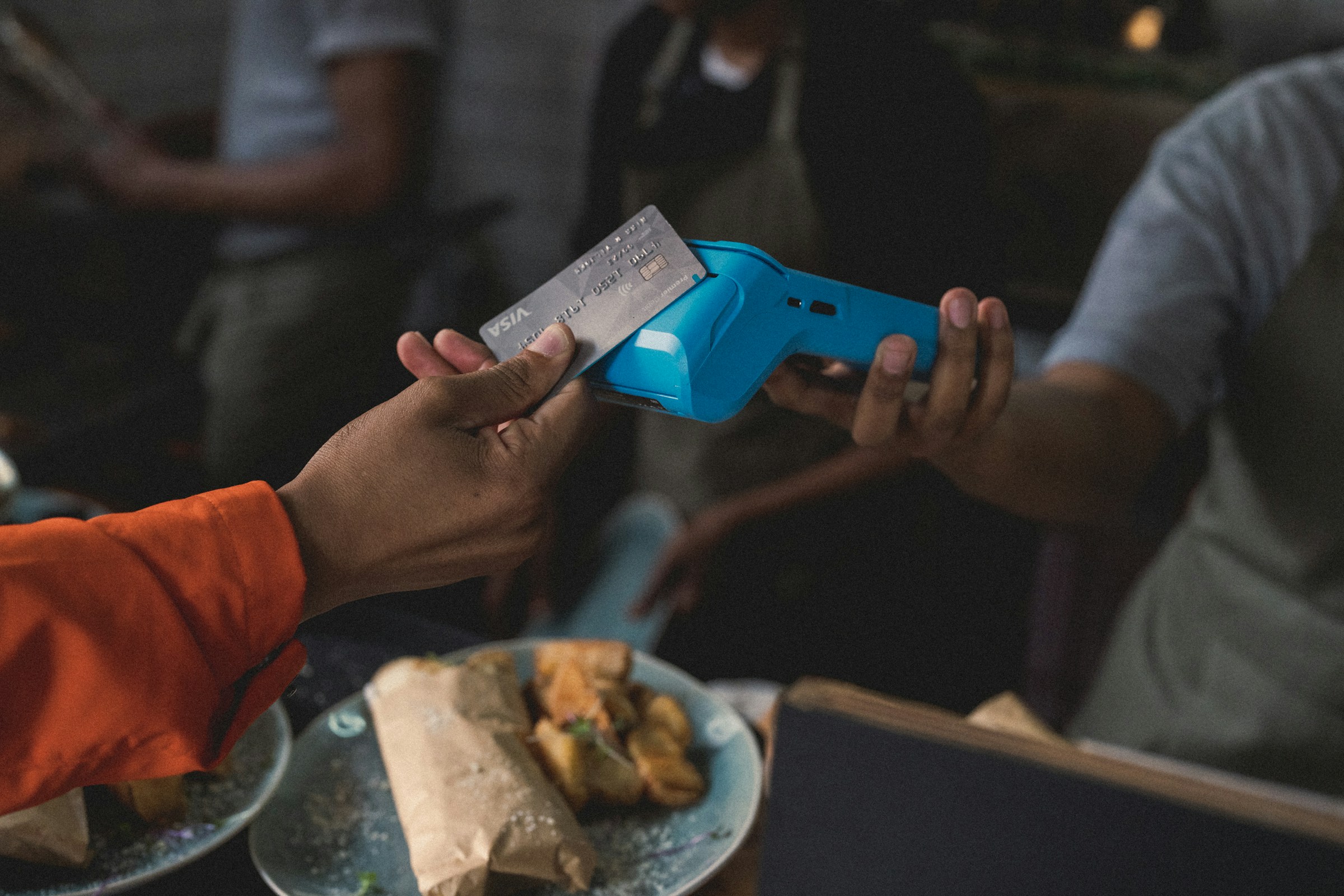
A GOBankingRates survey of 1,000 Americans found that roughly 41% prefer to split the check based on what each person ordered, while another 41% are perfectly fine splitting evenly, and the remaining 18% prefer to take turns covering the whole bill. Three roughly equal camps, with no default winner. When a group sits down without settling this upfront, those three camps are all quietly operating under different assumptions throughout the entire meal.
The core tension is that “fairness” means something genuinely different to everyone at the table. Some want to divide everything evenly regardless of what each person ordered; others insist on paying for exactly what they consumed, down to the last cent. Neither approach is wrong. The problem is colliding with the opposite view when the check is already sitting in front of you.
The Alcohol Problem Nobody Talks About Out Loud

Industry data shows that spirits carry a markup of 400 to 500%, beer runs 200 to 300%, and wine sits at 200 to 300% over retail. A cocktail with roughly two dollars worth of ingredients sells for fifteen dollars. A wine bottle that retails for twenty dollars appears on the menu at sixty. When that total gets split evenly, the math stops being a minor rounding issue.
For restaurants, alcohol is the highest-margin item on the menu. For the non-drinker who ends up subsidizing it through an even split, it becomes the most expensive thing they never ordered. This particular friction point slows the bill conversation down considerably, because nobody wants to be the one who raises it at the table.
Group dinners aren’t a one-time event for most friend groups. They happen monthly, sometimes more. A single overpayment compounded across twelve monthly dinners can add up to hundreds of dollars over the course of a year. That cumulative figure is what makes the alcohol question worth raising before you order, not after.
Ordering More Because Someone Else Is Paying Part of It
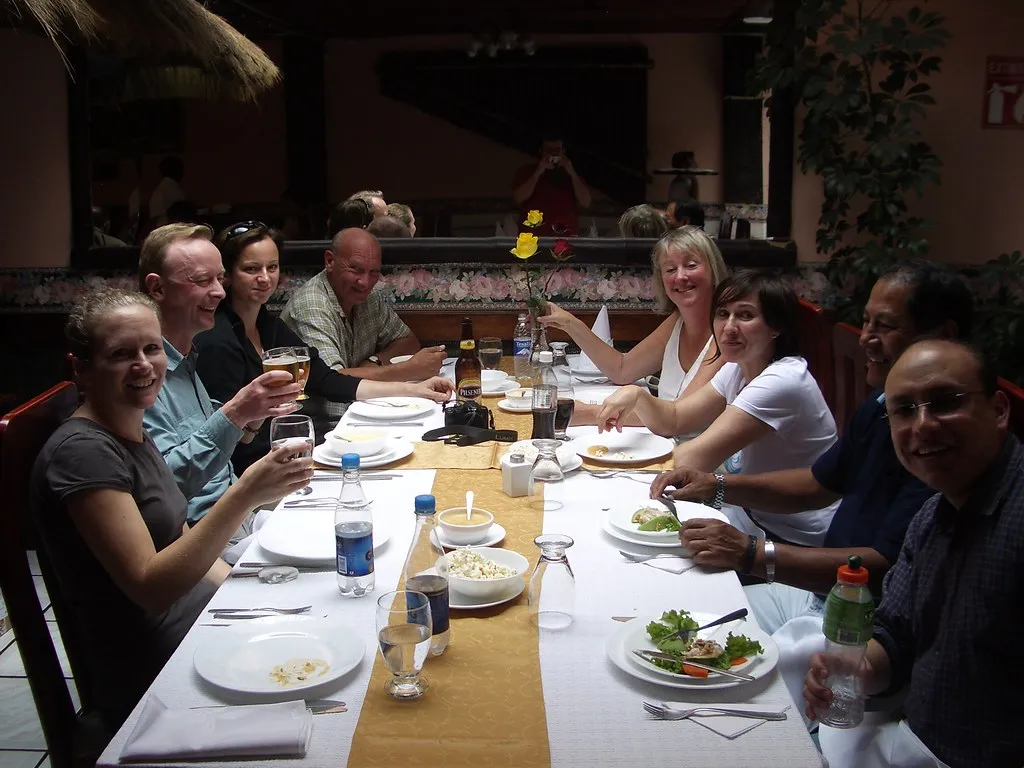
Research shows people order roughly 37% more when they know the bill will be split equally. This is what economists call the “Unscrupulous Diner’s Dilemma,” a term that sounds formal but describes something very human: when your ribeye is effectively subsidized by five other people, the logic of ordering it shifts.
If your entree costs forty-five dollars and the bill is split six ways, you’re personally covering just seven dollars and fifty cents of it. The other five people absorb the rest. Everyone at the table is making the same calculation simultaneously. The only people who lose in this dynamic are those who ordered modestly. Their salad effectively gets taxed to cover everyone else’s indulgence.
The Bill Is Too High for an Even Split to Feel Fair
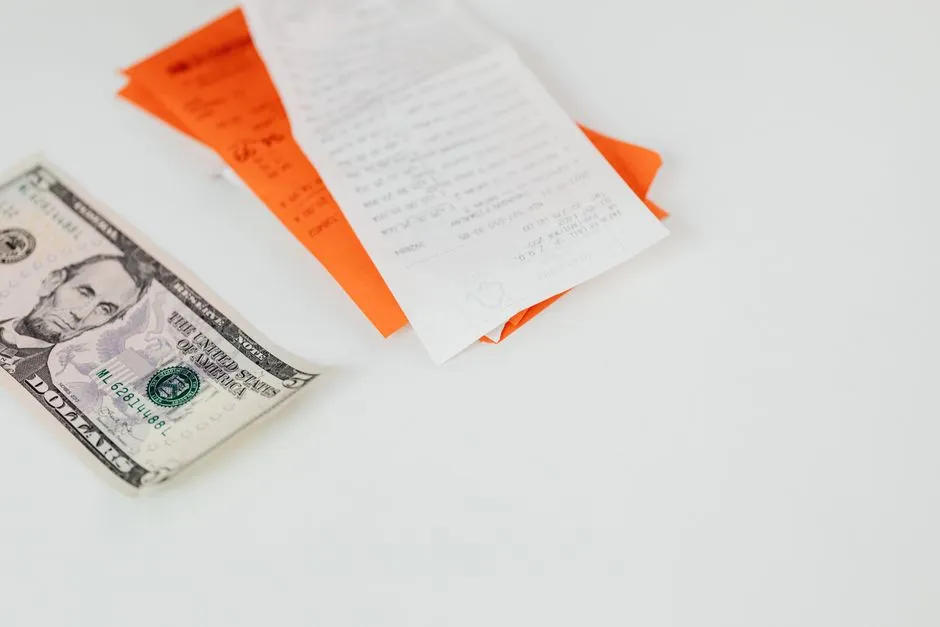
About a quarter of group bills clear two hundred and fifty dollars, covering the birthday dinners, work celebrations, and long evenings out. At that level, the method of splitting genuinely matters more than the tip you leave.
Past four hundred dollars, where more than one in eight group bills now sit, an even split stops functioning as a courtesy and quietly becomes a subsidy from whoever ordered least to whoever ordered most. The disagreement that slows everything down at the end of the night is often a delayed reaction to a disparity that built up quietly across the entire meal.
Restaurant menu prices rose 3.8% in 2025 and are forecast to climb another 3.5% in 2026, according to the USDA’s Economic Research Service. That is calmer than the 7.1% spike of 2023, but it still represents a compounding annual increase on every check. Higher baselines mean the stakes of a mishandled split keep rising even when nothing else about the dinner changes.
Nobody Designated a Person to Handle It

The practical reason the bill process takes forever is also the least glamorous one: nobody owns it. Everyone waits for someone else to pick up the check, do the math, or announce a plan. That pause, multiplied across a table of eight people, each quietly hoping someone else will take the lead, is where most of the time actually goes.
At any group table, everyone is simultaneously building and evaluating social reputations in real time. How you handle the check becomes data, not just for tonight, but potentially for every future interaction. That social weight is part of why no one rushes to volunteer. Taking charge feels like a risk; hanging back feels safer, even when it makes everything slower for everyone.
The Psychology of Diffusion of Responsibility

Research points to a measurable decline in tip percentage as group size increases, even when the server did objectively more work. The mechanism behind it is diffusion of responsibility: the assumption that someone else will cover it. The same psychology that reduces tipping in large groups also delays the moment when anyone takes charge of the check.
Economists recognize this dynamic as a variant of the tragedy of the commons. When a resource is shared, individuals acting in self-interest can deplete it, even when they understand it isn’t in the group’s best interest. Applied to dinner, the shared resource is the group’s goodwill and time, both of which erode while everyone waits for someone else to act.
Shared Plates Scramble the Accounting
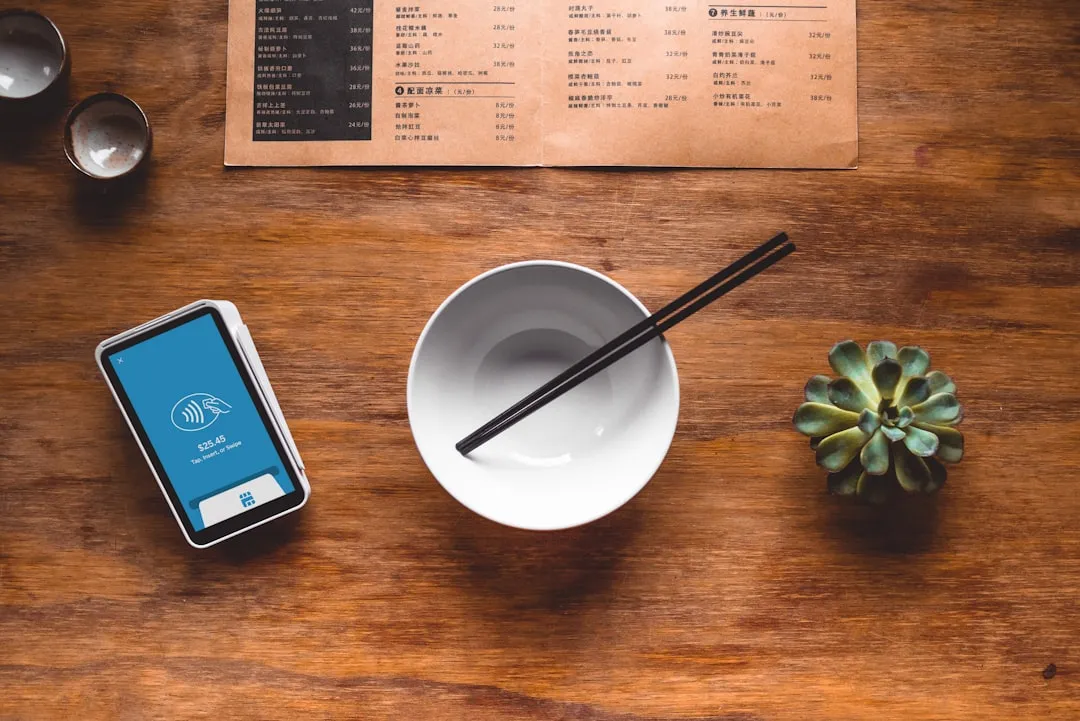
Shared starters, a cheese board split between six, a dessert that “everyone can try” – these additions feel generous in the moment and become a small accounting nightmare when the bill arrives. Nobody tracked what they ate. Nobody agreed in advance how to divide communal items. So the conversation starts from scratch.
The honest solution is treating shared items as a fixed line item divided equally among everyone, regardless of how much each person actually ate. It’s imperfect. It’s also far faster than reconstructing everyone’s consumption from memory while the server waits nearby. Agreeing on this rule before ordering eliminates one of the most common sources of delay.
Splitting with People You Don’t Know Well Makes It Worse

When you’re at a table of acquaintances, people who exist somewhere between stranger and friend, there are no established norms and no relationship equity to draw on. This creates a specific kind of social anxiety that’s distinct from dining with close friends.
Research from splitty found that roughly 62% of people report higher anxiety when splitting a bill with acquaintances than with close friends. That anxiety is a direct contributor to hesitation. Nobody wants to look cheap or demanding in front of people they barely know, so everyone stays quiet and the process stretches out.
A single dinner where the bill is handled smoothly can meaningfully shift how you’re perceived within a new social group. Conversely, a single awkward bill moment can cement an outsider status that’s hard to shake. The stakes feel higher with acquaintances, which is precisely why nobody wants to go first.
Digital Payment Apps Help, but Don’t Solve Everything
The global bill-splitting app market was valued at roughly 512 million dollars in 2024 and is projected to grow to nearly 878 million dollars by 2031, driven largely by the growing popularity of group dining. The tools exist, and more people are using them. The delays, though, persist.
The rise of itemized receipts and digital payment apps that let people split costs with precision should make things simpler. Instead, they can highlight disparities more sharply and make people more conscious of exactly who ordered what, which sometimes fuels more debate, not less. Better visibility into the numbers doesn’t automatically produce agreement about what to do with them.
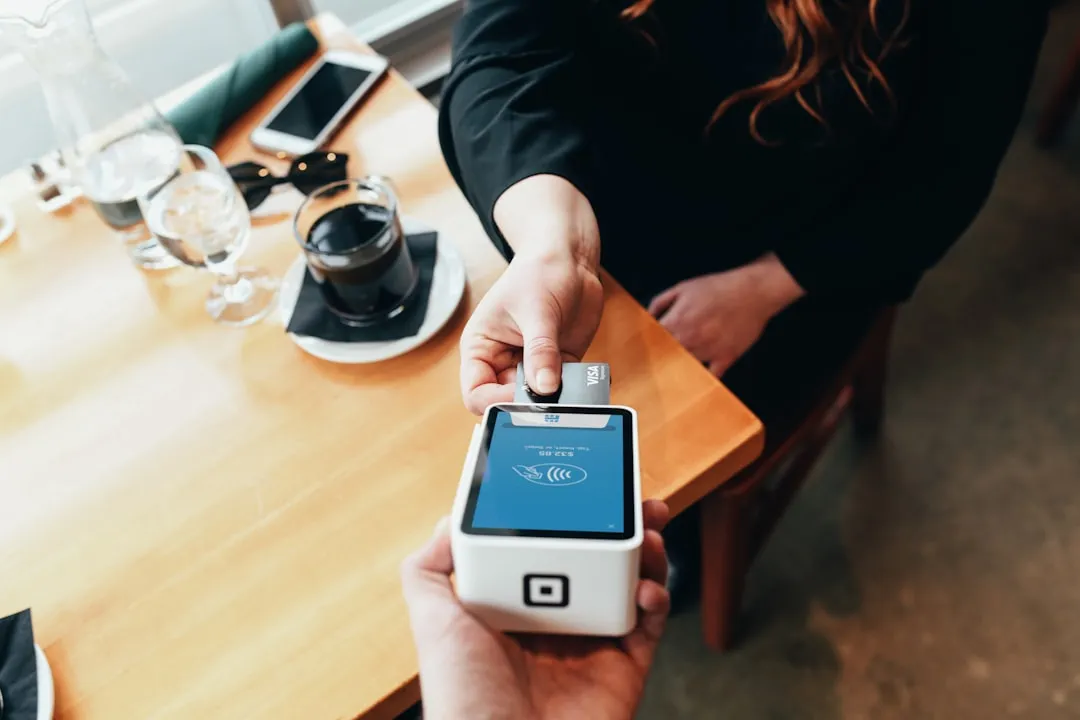
Research by Ahn and Nam analyzing over 21,000 respondents from the National Financial Capability Study found that mobile payment users face a meaningfully higher risk of overspending, moderated by financial knowledge. Mobile payments reduce psychological resistance to spending by diminishing the visibility of transactions. Frictionless payment is useful when the method is already agreed upon, but it doesn’t resolve the underlying disagreement.
Rising Restaurant Costs Raise the Emotional Stakes
With inflation and higher living costs, people are watching their budgets more carefully in 2025 and into 2026. Even a casual dinner out can stretch someone’s finances. When the bill comes, people may feel pressured to pay more than they’re comfortable with, especially if they ordered less or skipped drinks to manage spending.
This can lead to resentment and awkwardness, particularly among friends or coworkers with different income levels. The emotional weight of a bill that feels unfair is heavier when money is genuinely tight, and more people are in that position now than a few years ago. The delay at the end of the night often isn’t confusion about the math. It’s discomfort about the amount.
Once the bill arrives, joy often turns to stress. That shift is predictable, which means it’s also preventable. The fix isn’t a better app or a stricter rule. It’s a brief, low-stakes conversation at the start of the evening about how the group plans to handle things at the end of it.
The Takeaway
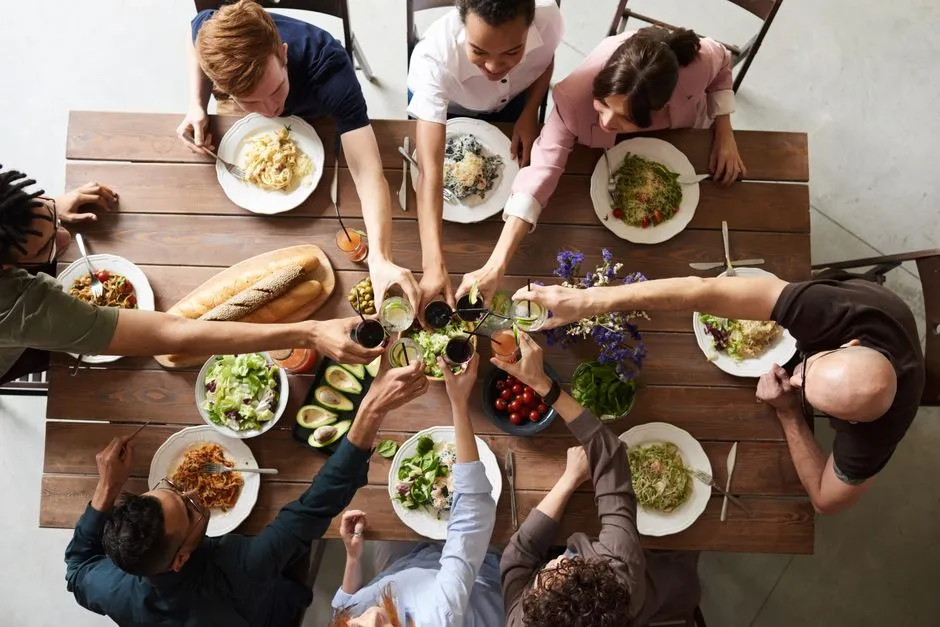
The group dinner mistake that makes splitting the bill take forever isn’t greed or bad math. It’s the collective assumption that the process will sort itself out once the food is gone. It rarely does. The conversations that save twenty minutes of awkward silence at the end of the night take about thirty seconds to have at the beginning.
Decide on a method before you order. Name someone to handle the logistics. Flag alcohol upfront if it’s going to be a dividing line. None of this requires a formal agenda. It just requires someone at the table to say something before the menus arrive rather than after the server does.
The dinner itself is the point. Everything around the bill is just logistics, and logistics handled early tend to be invisible by the time they matter.
AI Disclaimer: This article was created with the assistance of AI tools and reviewed by a human editor.