

One Leader, One Final Call

There’s an old saying that “too many cooks spoil the broth,” and it fits trip organizing perfectly. A single decision-maker keeps things moving without endless back-and-forth, listening to ideas, then making final calls without revisiting every detail. This isn’t about control. It’s about momentum.
Whoever is up for it should take the lead on coordinating plans and proposing ideas to the group. That way, the planning process keeps moving, and there’s a final decision-maker if the group is split or undecided. For bigger families, this single shift changes everything.
For Larger Groups, Build a Small Committee

A single trip leader works well for groups under eight people or when someone has clear experience coordinating. For larger groups, a planning committee with specific roles works better: one person handles accommodation research, another manages transportation, and someone else coordinates activities.
Think of it like casting a small dream team: a Decision-Maker handles final calls on destination, dates, and bookings; a Budget Brain manages shared expenses; a Logistics Guru coordinates transport, check-ins, and daily meetups; and an Experience Scout finds restaurants, activities, and hidden gems. When roles are clear, far fewer things fall through the cracks.
Start Planning Earlier Than You Think You Need To

Start planning at least three to four months before travel dates for domestic trips. International group vacations need six months or more of lead time. The more people in your group, the earlier you should start.
Travel planning for an entire party should typically begin several months in advance, especially when considering availability across generations. Early preparation gives you room to access better accommodation options and preferred activity slots, and also gives families time to align expectations and schedules. Last-minute decisions can create confusion and limit choices.
Use Polls, Not Group Chats, to Make Decisions

Thirty unread messages about restaurant options at 11 PM is not planning. It is noise. Use structured tools like polls and shared documents for decisions, and save the group chat for fun updates and day-of logistics. The distinction sounds small, but in practice it prevents the kind of decision fatigue that derails timelines.
If you’re planning a trip with extended family, consider polling everyone with a simple survey using Google Forms or Doodle to find the most agreeable dates. Tools like When2Meet work equally well for syncing schedules and getting everyone’s input early. The key is making input structured rather than open-ended.
Assign Roles Before Anyone Books Anything

Once you’ve chosen your travel window, assign roles clearly: designate someone to book flights, another to research accommodations, and someone else to manage activities. Without this, the most motivated person does everything and burns out, or tasks simply go undone.
The organizer’s job is to facilitate rather than dictate, keep things moving, document decisions, and manage logistics so the group can focus on enjoying the trip. That framing makes a real difference. Facilitation is not the same as control, and families tend to respond much better to the former.
The Money Conversation Has to Happen First

Money is the number one conflict point in group travel. Delaying this conversation doesn’t make it easier; it just moves the conflict closer to the trip itself. Setting a realistic, shared budget ceiling early prevents resentment from building over mismatched expectations.
Having a small shared fund of around one hundred to two hundred dollars per person covers group meals, tips, and unexpected costs. For individual upgrades or personal preferences, those costs stay with the individual. Keeping communal and personal spending clearly separated is one of the cleanest ways to avoid friction.
Build in Unscheduled Time on Purpose

Even the closest families need space. Building solo or subgroup time into the itinerary allows people to recharge on their own terms, and the group tends to get along better as a result. An over-programmed itinerary creates its own kind of stress, especially when the group spans multiple generations with very different energy levels.
Even the best plans can change. Building in free time allows for spontaneous adventures or rest without derailing the larger schedule. Families who embrace a little breathing room in their planning tend to report a more enjoyable trip overall. Rigidity rarely survives contact with reality.
Use a Shared Itinerary Everyone Can Access
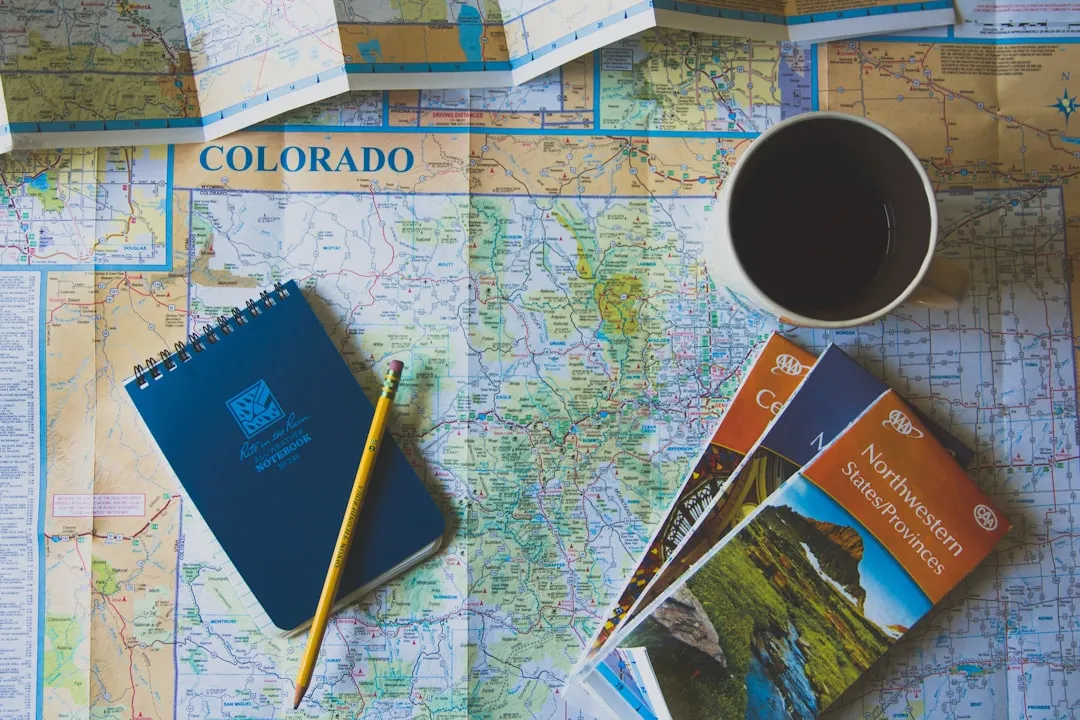
Using a shared itinerary app keeps everyone informed. A group travel planning app like TripIt makes it easy to organize reservations into a single itinerary that everyone can access. When the schedule lives in one visible place, you eliminate the back-and-forth of “wait, what time is the restaurant again?”
Technology can be your best friend when coordinating a group trip. Google Sheets or Excel track budgets and accommodation in one place, group chats on WhatsApp or Messenger keep everyone in the loop, and trip planning apps like TripIt or Roadtrippers organize itineraries and reservations. The combination of the right tools genuinely reduces the cognitive load on the trip leader.
The Numbers Behind Why This Matters Now

Nearly half of all travelers, roughly 47 percent, are opting for multigenerational or family trips in 2025, surpassing all other types of group travel and up significantly over 2024. This isn’t a niche pursuit anymore. Large family travel has become the dominant form of group travel in the modern era.
According to the Family Travel Association’s U.S. Family Travel Survey, over half of parents say they’re planning to travel with both grandparents and children, indicating more multi-generational groups on the road than ever before. Research from AYTM and Skift also confirms that the vast majority of parents are likely to travel with their children in the coming year. The stakes for getting group coordination right have never been higher.
Have a Contingency Plan Ready Before You Leave

Always have a contingency plan for unexpected changes or challenges. Flexibility and a positive attitude are key to a successful group travel experience. This isn’t pessimism; it’s the thing that separates families who recover gracefully from delays from those who dissolve into conflict at the first gate change.
When six or more people are involved, the chance of someone needing to cancel goes up significantly. Group travel insurance or individual policies protect everyone from losing money on non-refundable bookings. Creating a shared emergency plan and keeping offline access to maps, with printed contacts as a backup, adds another layer of resilience. The families that plan for disruption are the ones who tend to enjoy themselves despite it.
The Takeaway
Group travel with a big family is one of the most rewarding things you can do together, and also one of the most logistically demanding. The single rule that holds everything together isn’t a booking hack or a clever app. It’s the commitment to having one clear point of coordination, whether that’s one person or a small committee with defined roles.
Everything else, the polls, the shared itinerary, the budget conversation, the contingency plan, flows more easily once that foundation is in place. When you nail the planning phase, the trip practically runs itself. That’s the version of family travel worth building toward: not perfect, but grounded enough to stay on track even when things don’t go exactly as planned.
AI Disclaimer: This article was created with the assistance of AI tools and reviewed by a human editor.