


Kentucky sits on a secret. Beneath the rolling bluegrass hills and quiet farmland, an enormous underground world stretches in every direction, carved slowly by water and time through millions of years of limestone. Most people in the state drive right over it every single day without a second thought.
The Bluegrass State is home to over 130 major cave systems, with more than 600 miles of surveyed passageways, a fact that has earned Kentucky the unofficial title of “Cave Capital of the World.” That headline number, impressive as it sounds, only scratches the surface of what actually lies below.
Kentucky Has More Caves Than Most Residents Realize
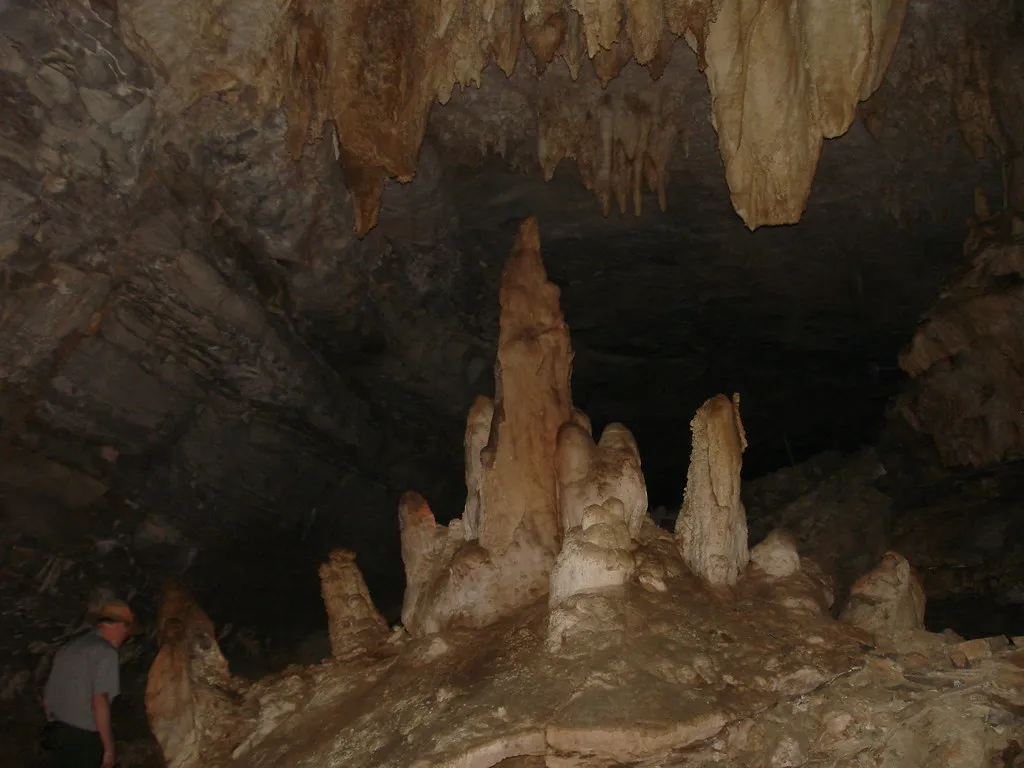
The Kentucky Speleological Survey passed a major milestone when it documented the 5,000th known cave in the state. The Bluegrass State ranks fourth in the country in number of officially documented caves, and many more remain to be discovered. About a quarter of the state is underlain by limestone favorable for cave formation, so the Kentucky Speleological Survey expects the number of known caves to continue increasing well into the future. That means the map is still very much incomplete.
Mammoth Cave: The One Everyone Knows, But Few Truly Explore
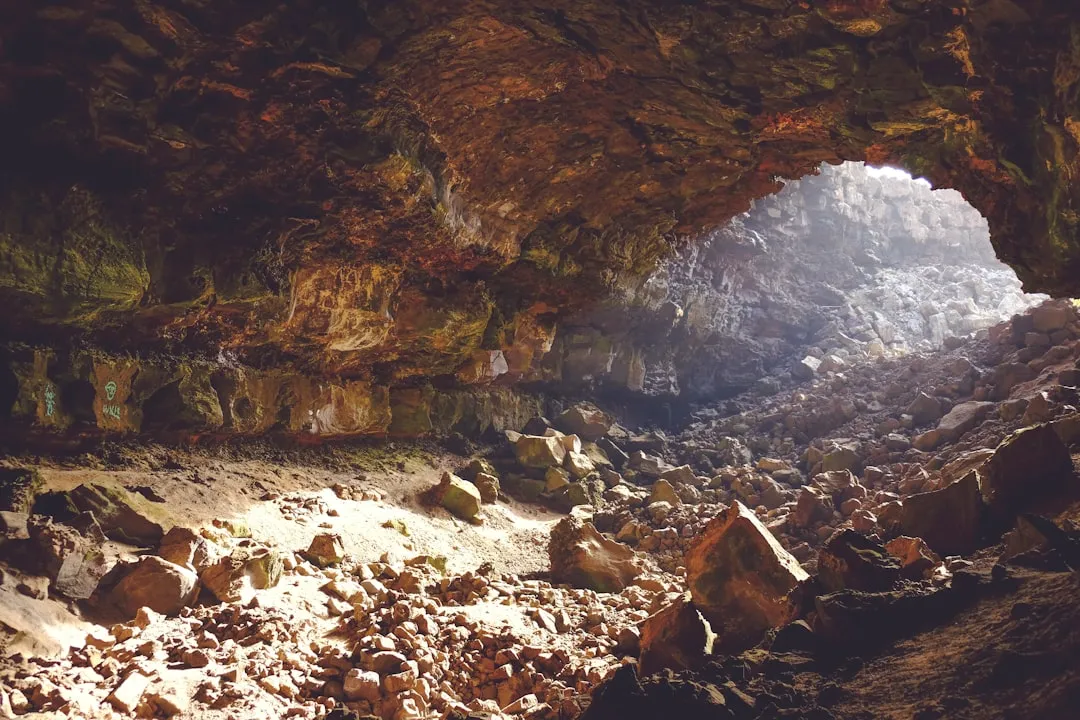
As the world’s longest known cave system, Mammoth Cave stretches for an astounding 412 miles of mapped passageways, with scientists estimating another 600 miles yet to be discovered. This UNESCO World Heritage Site and International Biosphere Reserve offers visitors a chance to step into a subterranean world that has captivated humans for millennia. Most visitors only see a fraction of it on standard guided tours, while the vast majority of the system remains in near-total darkness, untouched.
Hidden River Cave: Hiding Right Under a Town
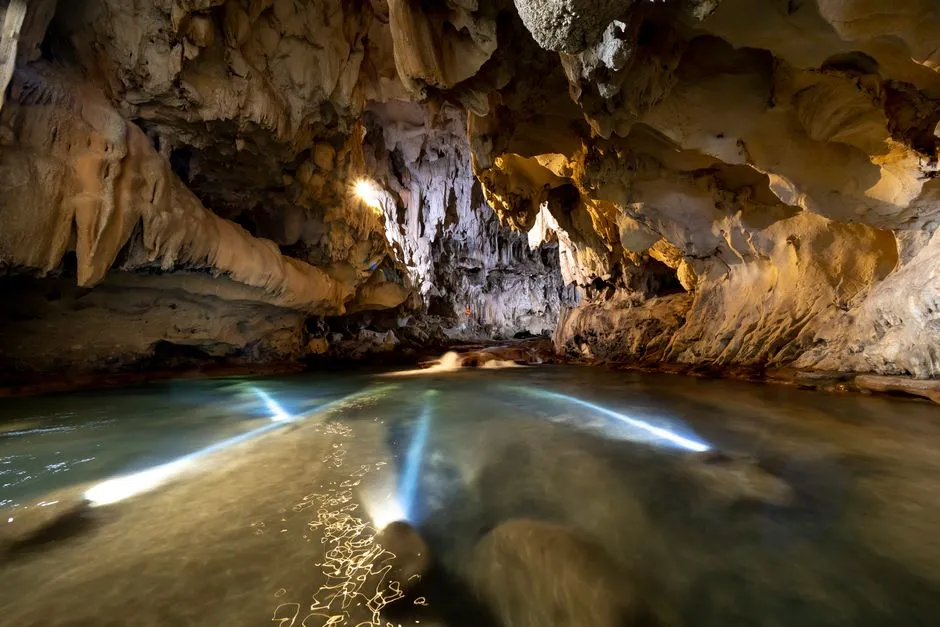
Horse Cave’s massive entrance opens like a giant mouth swallowing daylight, revealing a swinging bridge that sways above an underground river. Hidden River Cave houses the American Cave Museum, where interactive exhibits teach conservation and cave ecology. Hidden River Cave is a lesser-known gem in Kentucky’s cave system, and paired with the American Cave Museum, it offers both adventure and education. The cave actually runs directly beneath the streets of downtown Horse Cave, which makes it one of the more unusual geological surprises in the entire state.
Lost River Cave: Kentucky’s Only Underground Boat Ride
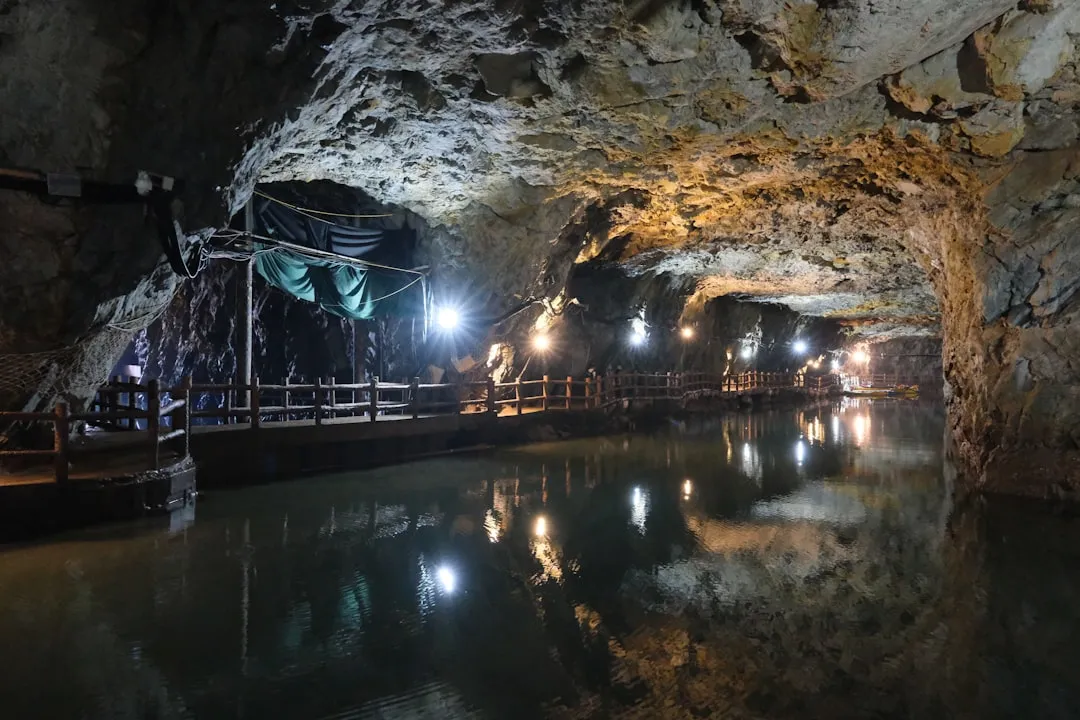
If cruising through a subterranean cavern on a boat is your idea of the ideal cave experience, head to Bowling Green’s Lost River Cave. The seven-mile-long cave system is home to Kentucky’s only natural cave boat tour, ending in a dramatic cathedral-like cavern. Lost River Cave blends easy access with genuine adventure, offering trails, ziplines, and kayaking options above ground. The boat tour lasts about 45 minutes, with a guide pointing out fossils embedded in the ceiling and bats roosting in crevices. Whether you choose to explore by land or by water, you’ll learn all about the cave’s historical use by Native Americans, European settlers, and Civil War soldiers.
Sand Cave: The Site of a Tragedy That Gripped the Nation
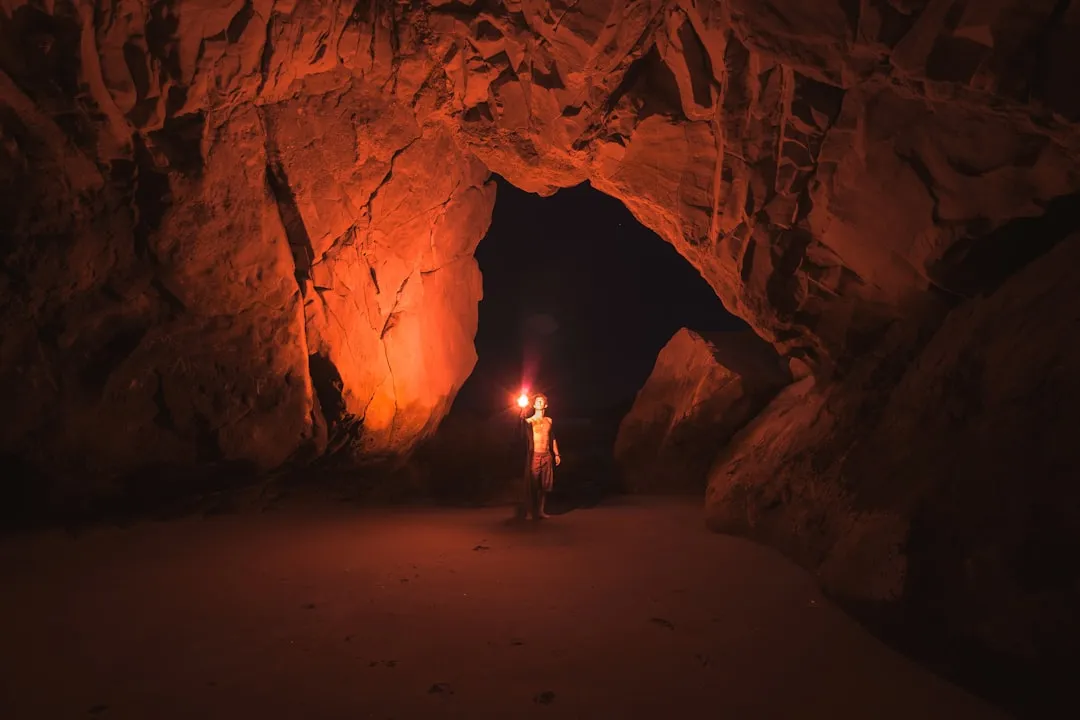
On January 30, 1925, while working to enlarge the small passage in Sand Cave, Floyd Collins became trapped in a narrow crawlway 55 feet below ground. The rescue operation to save Collins became a national newspaper sensation and one of the first major news stories to be reported using the new technology of broadcast radio. Sand Cave is known for its massive sandstone chamber and its important place in caving history, particularly the story of Floyd Collins. Today, the interior beyond the scenic shelter area is closed to the public for safety and preservation reasons, but the hike to the entrance remains popular.
Diamond Caverns: One of America’s Oldest Operating Show Caves
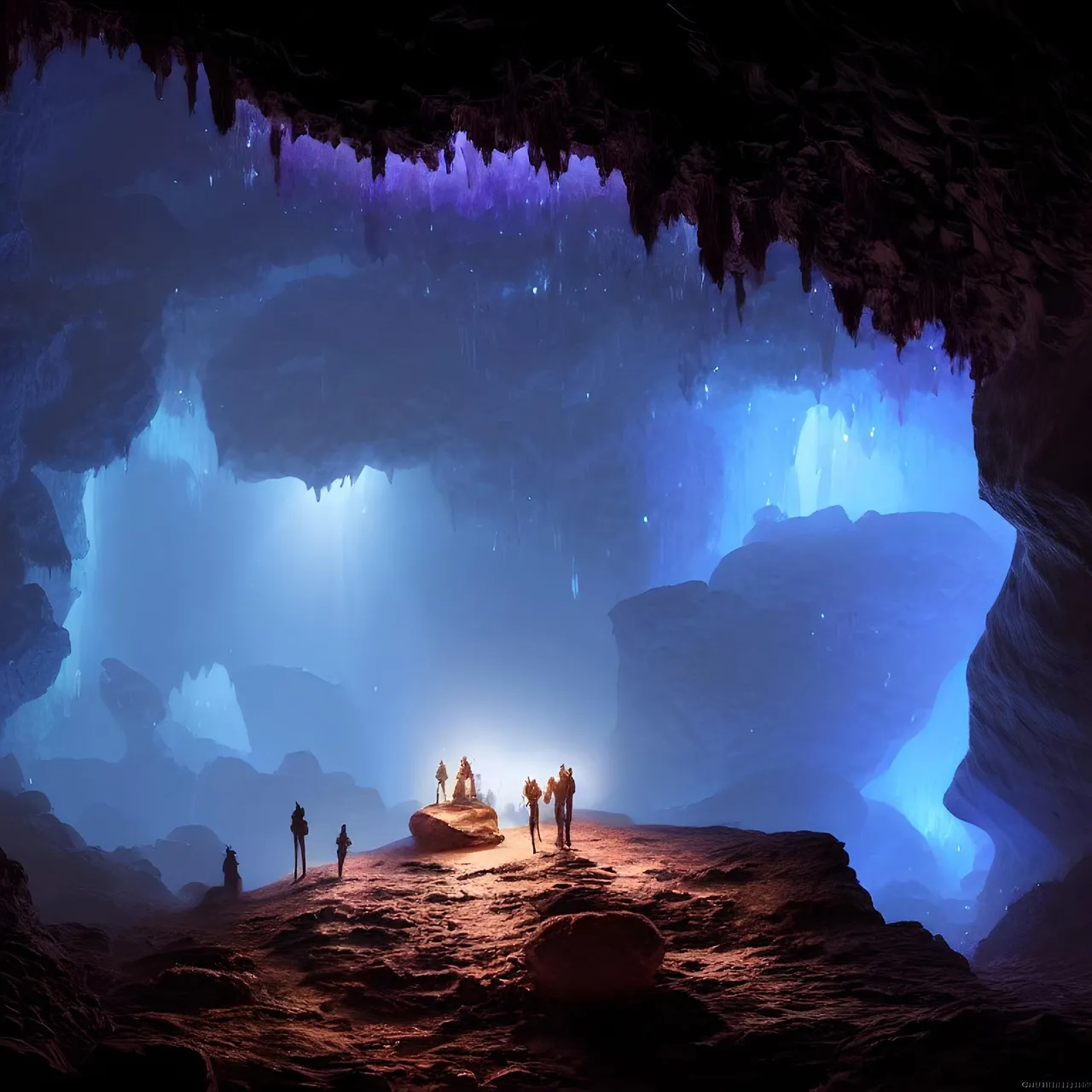
Historic Diamond Caverns is the second oldest show cave in the Central Kentucky Cave Region, and fourth oldest operating commercial cave in the United States. The passages have been altered little despite a rich one hundred sixty year history of visitors enjoying the best decorated show cave in the state of Kentucky. Diamond Caverns earned its sparkling name from the countless calcite crystals that glitter like diamonds when light hits them just right. The cave boasts some of the most stunning drapery formations you’ll ever witness, thin sheets of rock that hang like stone curtains. Diamond Caverns is within the Mammoth Cave Area International Biosphere Reserve and is surrounded by Mammoth Cave National Park, a World Heritage Site.
Sloans Valley Cave: One of the Longest in the World, Almost Unknown
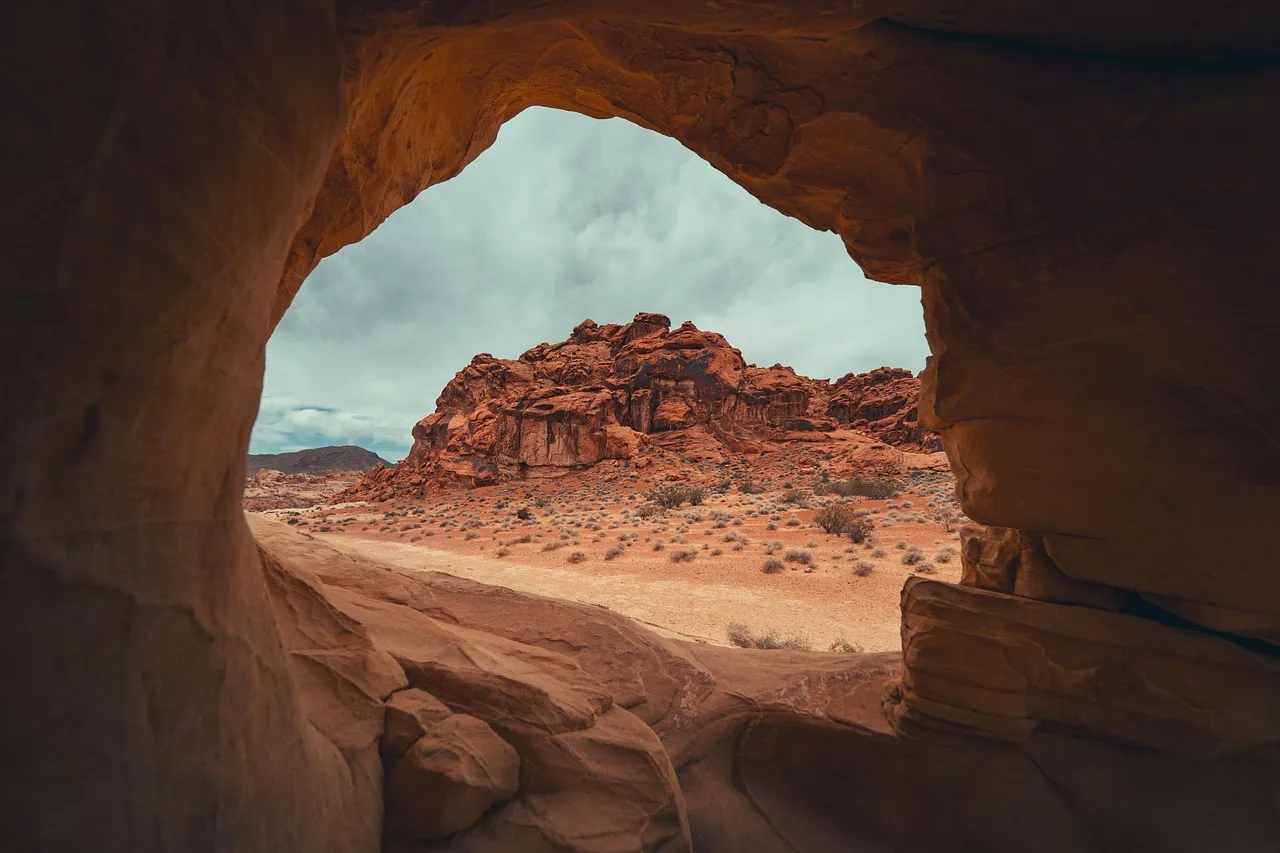
With nearly 25 miles of mapped passage, Sloans Valley is one of the longest caves in the world. Sloans Valley Cave is one of Kentucky’s longest cave systems. The cave is on private property, and entry is restricted, requiring direct permission from landowners and participation in organized caving groups. A section of the cave, known as Crystal Cave, was exhibited as a show cave from 1934 to 1951. In 1950, the erection of Wolf Creek Dam, which would impound Lake Cumberland and flood much of the cave system, spurred geologist Willard Rouse Jillson to undertake a survey of Crystal Cave with the aid of his students from Transylvania University in Lexington. It remains largely invisible to the general public to this day.
Gap Cave: A Hidden Gem Inside a National Historical Park
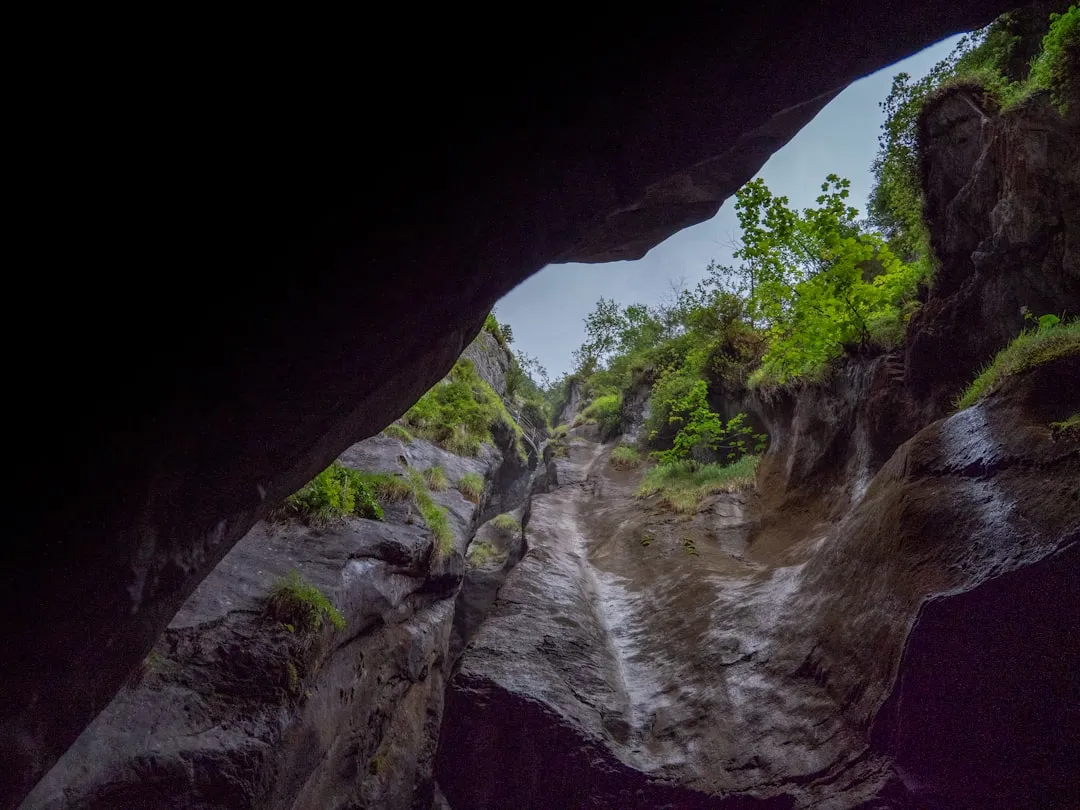
Gap Cave is part of Cumberland Gap National Historical Park and can only be entered on official ranger-guided tours. While the tours explore only a portion of the vast cave system, they still reveal underground rivers, impressive formations, and large rooms carved over millions of years. The undeveloped areas of the cave are restricted for scientific research and safety, but the guided routes offer a thrilling, safe, and educational glimpse into Kentucky’s underground geology. Reservations fill up quickly, and many Kentucky residents have never heard of it, let alone visited.
Carter Caves State Resort Park: A Network That Keeps Growing
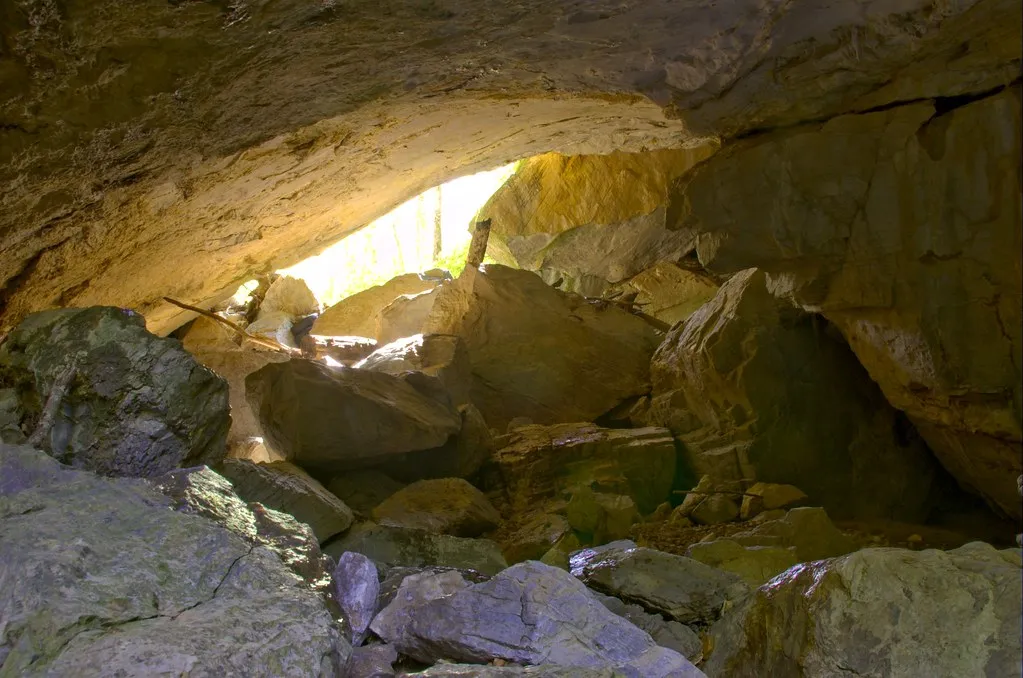
Carter Caves State Resort Park is located in Carter County, Kentucky, along Tygarts Creek. It is formed by Carter Caves and nearby Cascade Caves, which were added to the park in 1959. These caves have served a variety of purposes, from criminal shelters to burial sites and places for medicinal research. The park covers roughly 2,000 acres and contains a cave system rich enough in biodiversity that it houses dozens of documented species, making it as scientifically significant as it is scenic.
The Technology Helping Locate Caves That No One Has Entered Yet

Speleologists now use newly available airborne LiDAR data in their search for new cave openings. LiDAR, which stands for light detection and ranging, uses airborne laser scanning to create ground maps in unprecedented detail, even in areas covered by dense forests. The Kentucky Speleological Survey is a volunteer-based, nonprofit organization dedicated to the study of cave and karst resources in Kentucky, and has long collaborated with the Kentucky Geological Survey at the University of Kentucky. To further its goals, the Survey gathers and archives information about cave conservation, research, and exploration. New discoveries are still being filed regularly, which means the underground map of Kentucky is genuinely far from finished.
Why So Many Kentucky Caves Stay Unknown
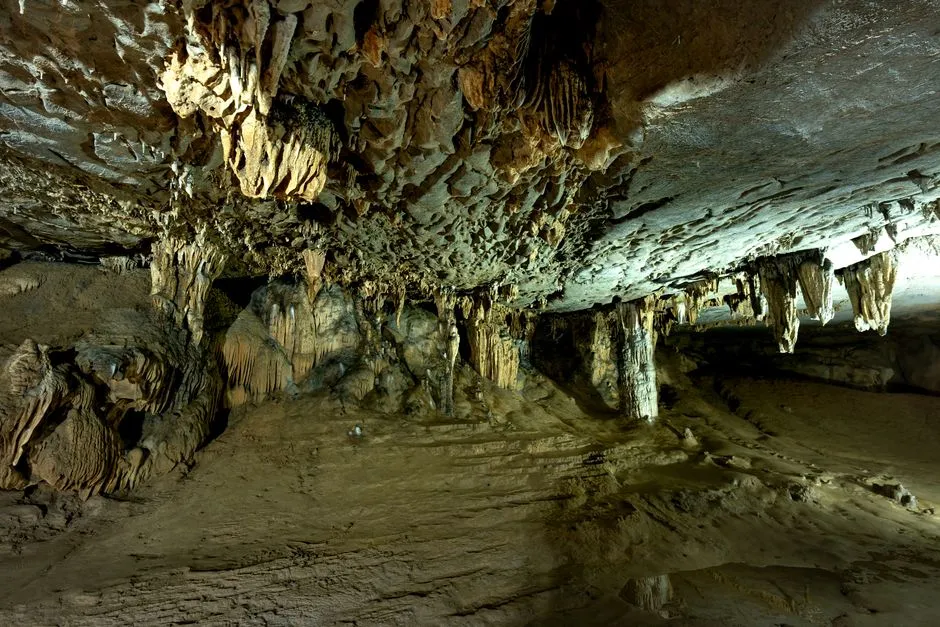
Kentucky sits on a labyrinth of underground passages, many of them protected, restricted, or rarely visited by the public. Kentucky’s underground world extends far beyond the famous Mammoth Cave system that tourists flock to every year. Scattered across the Bluegrass State are lesser-known caverns waiting to reveal their secrets to those willing to venture off the beaten path. Many of these hidden gems offer intimate experiences without the crowds, showcasing stunning formations and fascinating histories that rival their more popular counterparts.
There’s something quietly remarkable about a state where you can stand in a grocery store parking lot and be directly above a cave system nobody has fully mapped. Kentucky’s underground isn’t just a geological curiosity – it’s an ongoing story, still being written one passage at a time.
AI Disclaimer: This article was created with the assistance of AI tools and reviewed by a human editor.