
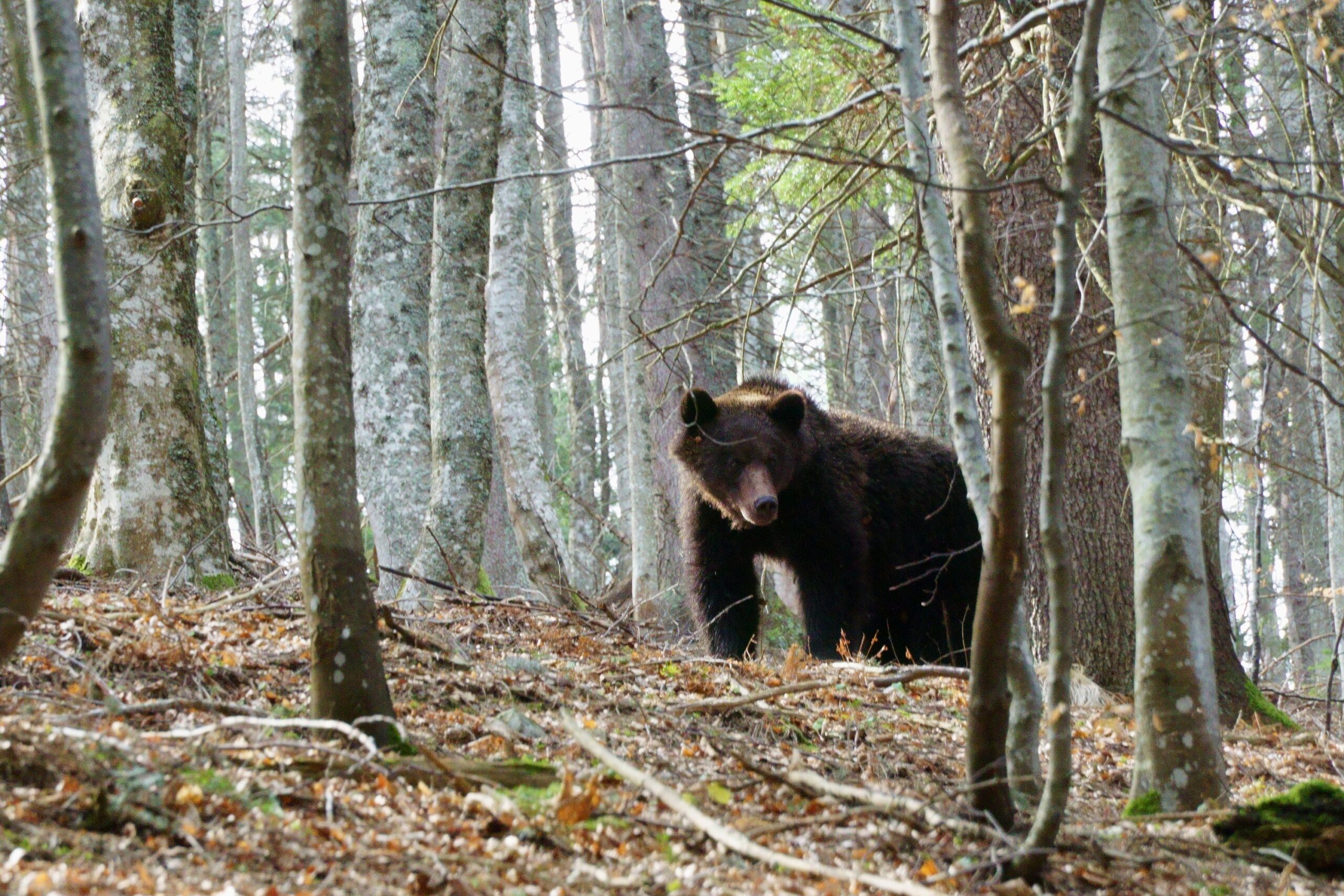

Every year, millions of people step onto trails around the world hoping for a glimpse of wild nature. Most of them return home with stories of beauty. A small number return with something far more alarming.
The difference, in a surprising number of cases, comes down to a single consistent habit: making noise. Not aggressively, not constantly, but deliberately and at the right moments. It sounds almost too simple. But the evidence behind it is genuinely compelling, and the science of why it works tells us something important about how wild animals actually think.
The Core Habit: Making Deliberate Noise on the Trail
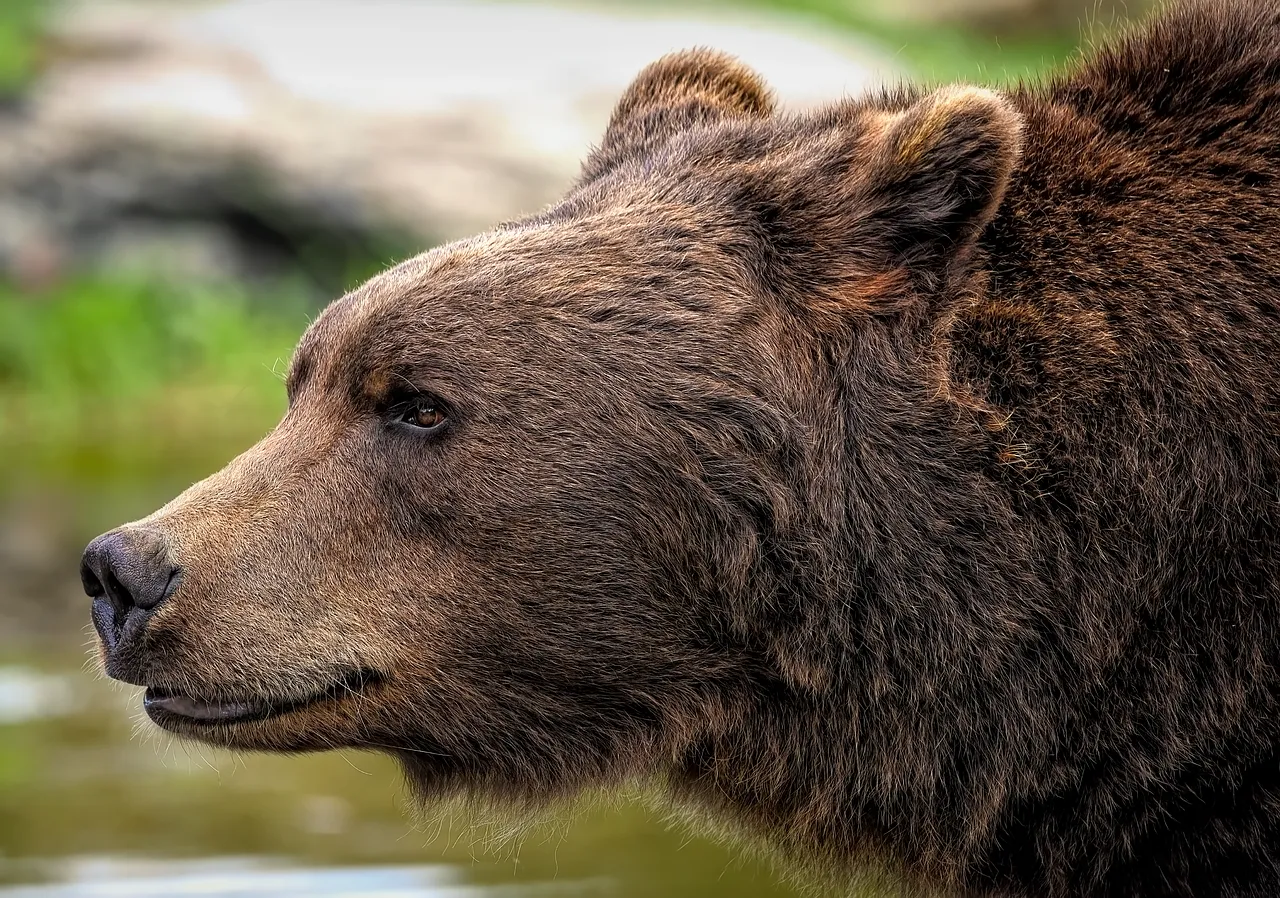
Making noise while hiking is considered essential: talking, clapping, or using bear bells helps alert animals to your presence and reduces the risk of startling them. The logic is intuitive once you understand animal behavior. Most wildlife wants nothing to do with humans, and given enough warning, they will simply move away.
To avoid surprising an animal at close range, experienced hikers make regular noise as they walk, especially in dense brush, around bends, or when visibility is limited. This steady stream of sound alerts wildlife to your presence so you don’t accidentally sneak up on them.
The goal is that a bear, cougar, or boar will hear you from a distance and move away long before you ever see each other. That outcome, the encounter that simply never happens, is the best possible result for both the hiker and the animal.
Why Surprise Is the Real Danger
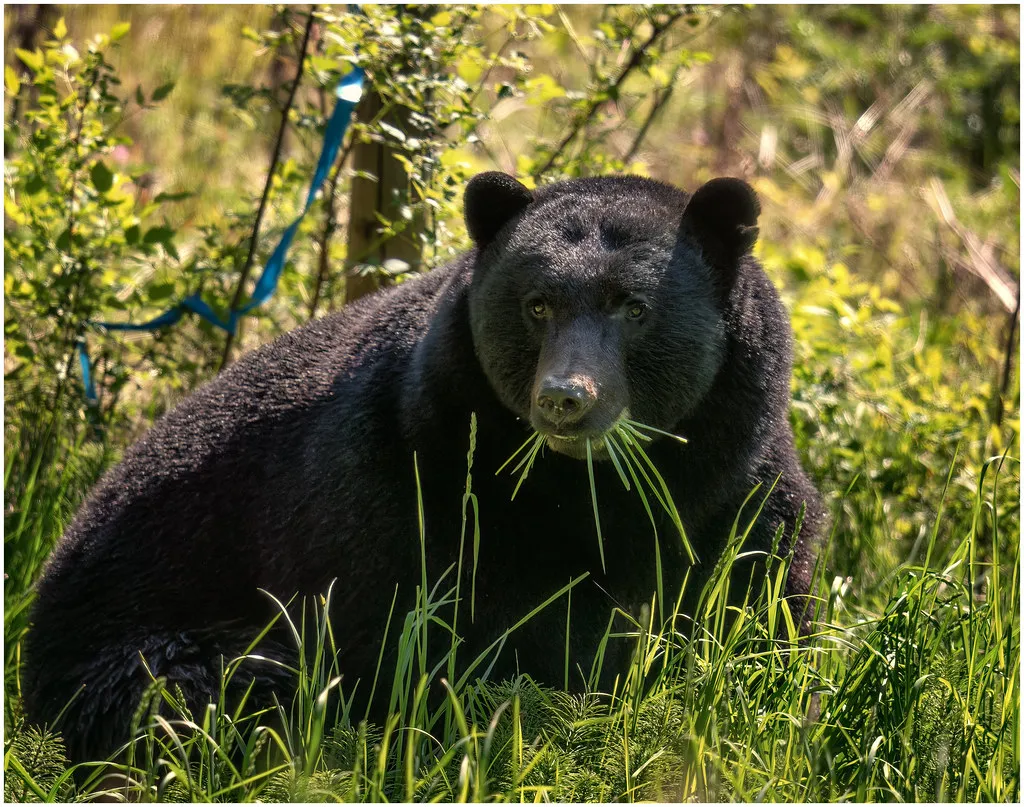
Attacks on humans usually occur because the animal is surprised. This is the key principle behind the noise habit, and it is backed up by research across multiple species. When an animal has no warning that a human is approaching, it has no chance to retreat.
Bears are more likely to attack someone after being surprised, to defend their cubs, or in food-related interactions. Research shows that bear encounters involving involuntary sudden encounters account for roughly 45 percent of ursid attack cases. That is a large proportion driven by a factor that is largely preventable.
Research published from a Parks Canada dataset found that run-ins with grizzly and black bears occurred most frequently during low-impact activities. Researchers suggest this could be because these animals are prone to reacting aggressively to surprise encounters, something more likely to happen if you’re quietly walking along a trail.
Your Voice Is the Best Tool You Have

Most experts believe your voice is the best noisemaker on the trail. Bear bells have some value, but there are legitimate questions about how far their sound actually carries through dense vegetation. A clear human voice cuts through trail noise in a way that small bells cannot always match.
Some hikers wear bear bells, but these tiny bells are often not loud enough to be effective. Loud human voices are usually better at warning animals. Calling out, talking to a hiking partner, or even singing periodically are all effective strategies that cost nothing and require no extra gear.
To avoid surprising a bear or other potentially threatening animal on the trail, making noise is the most direct approach. The National Park Service recommends calling out periodically, especially when rounding blind corners, crossing streams, or moving through areas where your line of sight is limited.
Group Hiking Amplifies the Effect
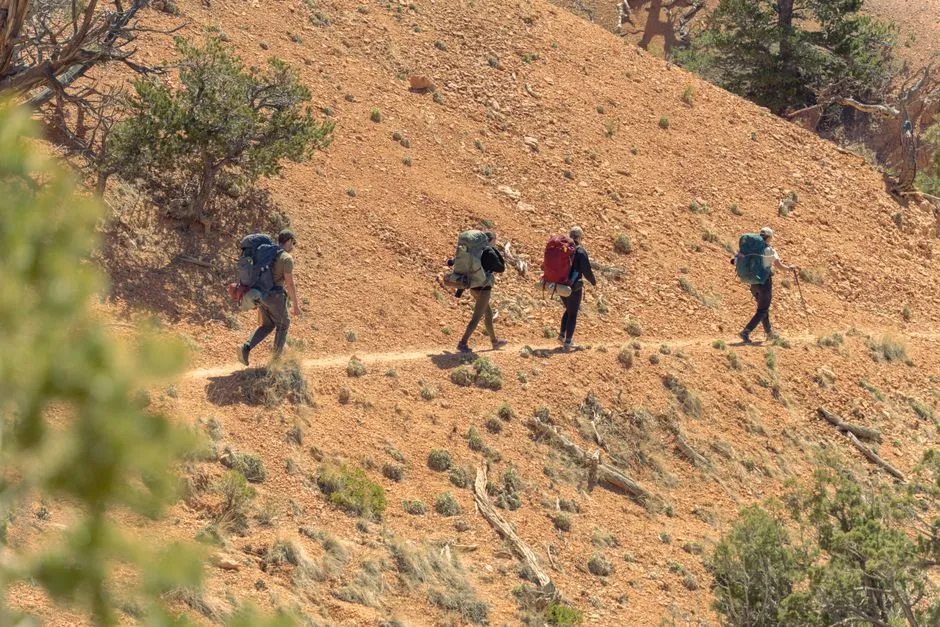
Hiking in a group is safer when it comes to wildlife: the more people, the lower the chance of encountering wildlife, and you benefit from safety in numbers. Groups naturally make more noise, move more visibly, and create a larger presence that most animals choose to avoid.
Hiking with a small group of one or two friends can help to prevent wildlife encounters. Even that small increase in group size changes the acoustic and visual footprint you leave on the trail in meaningful ways. If you’re hiking with others, you’re probably already making enough noise for nearby wildlife to hear you.
Solo hikers face a different challenge. Without the natural conversational noise of a group, they need to be more deliberate, calling out periodically on heavily vegetated or winding sections of trail where visibility drops and animals have less time to react to your approach.
When and Where to Make the Most Noise
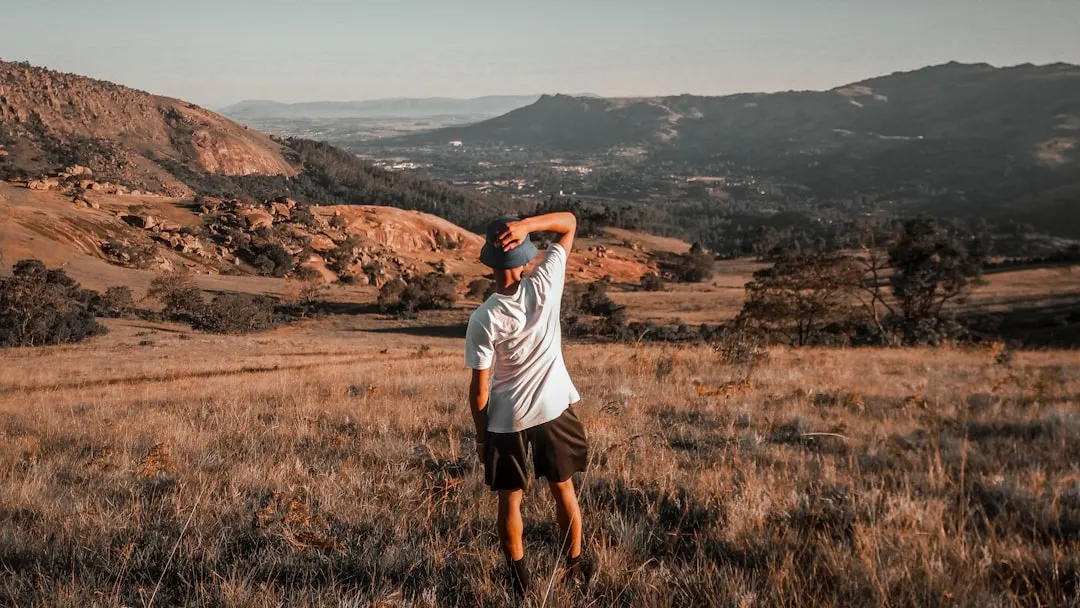
Most animals are crepuscular, meaning most active at dusk and dawn. Many animals sleep during the day and the night, some up to 16 hours per day. Hiking during the day means you’re less likely to encounter active animals in the first place. Timing your hike matters as much as what you do during it.
Avoid hiking at night, as well as at dawn and dusk. Many animals are most active at these times of day, including bears, mountain lions, and moose. Hiking during the day when the animals are less active will decrease your chances of an unwanted encounter.
It’s wise to stick to broad daylight hours and avoid hiking at dawn or dusk when predatory animals tend to be more active. Combined with consistent trail noise, choosing your hiking window wisely creates a strong second layer of protection.
Reading the Trail for Signs Before You Get Close
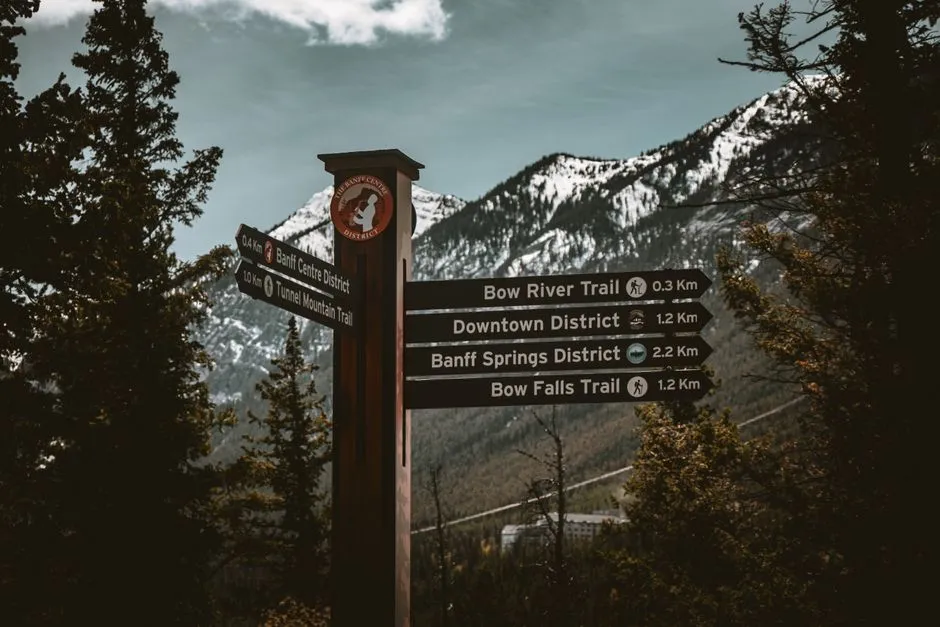
Watching for animal prints, recent kill, and piles of fresh-looking scat on the trail tells you if an animal has recently been in the area. You don’t necessarily have to vacate the area if you see these signs, but you’ll want to keep your wits about you and make some noise.
Maintaining awareness and vigilance on the trail means keeping an eye out for animal tracks, droppings, and claw or antler markings on trees that could indicate the presence of an animal nearby. These are the trail’s own early warning system, and learning to read them takes very little practice.
Using a sturdy walking stick or trekking pole to tap any rocks and stumps you’re passing over can also help scare off snakes or other creatures hiding there. It is a small gesture that costs you nothing and adds a ground-level layer to your general noise habit.
The Unexpected Animal: Elk Are Responsible for More Incidents Than Bears
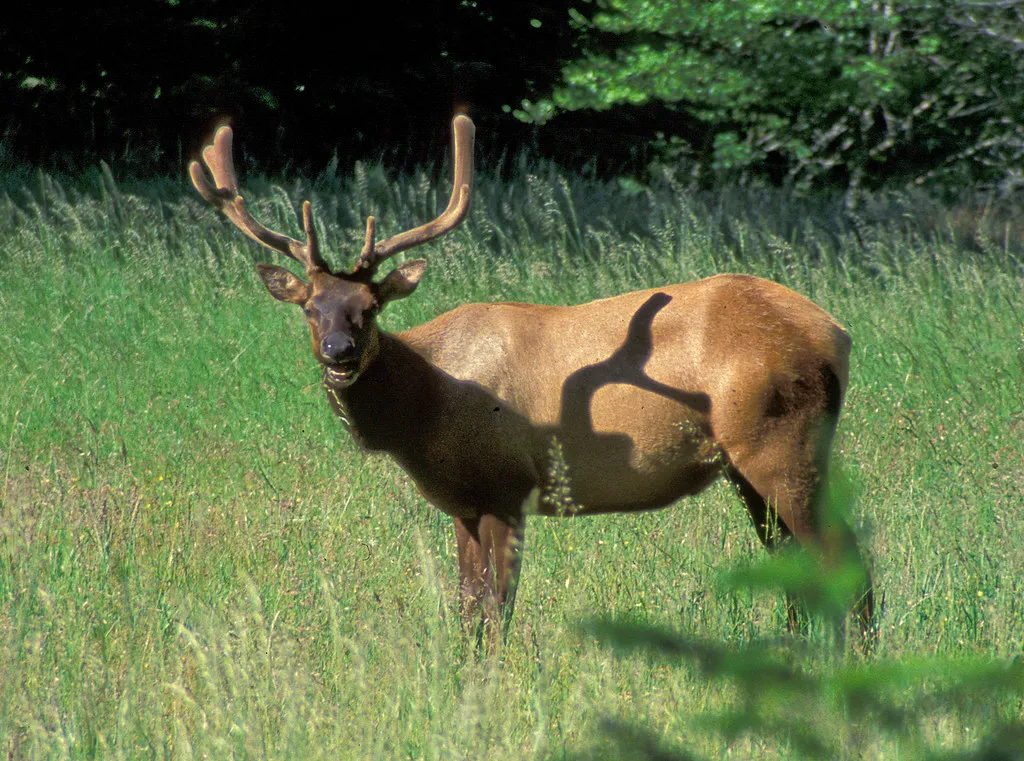
Most hikers worry about bears. The data suggests they should pay equally close attention to animals they tend to walk past without a second thought. Researchers analyzed 2,878 aggressive wildlife incidents from 2010 to 2023 involving black bears, grizzly bears, elk, coyotes and mule deer. Aggressive behaviors included chasing, attacking or bluffing a charge. Elk topped the list, involved in roughly 62 percent of all the incidents.
Elk are herbivorous herd animals that don’t immediately inspire fear the way a carnivore does, and visitors often underestimate how aggressive they can be. One of the riskiest combinations was elk and camping, with the animals involved in 84 percent of campground incidents, possibly because peak camping season aligns with when elk mate and give birth, times of heightened aggression.
The noise habit works here too. An elk that hears people approaching from a distance has the opportunity to move. An elk that is suddenly startled at close range, especially a cow with a calf nearby, is a very different encounter.
Keeping Dogs Leashed Is Part of the Same Habit
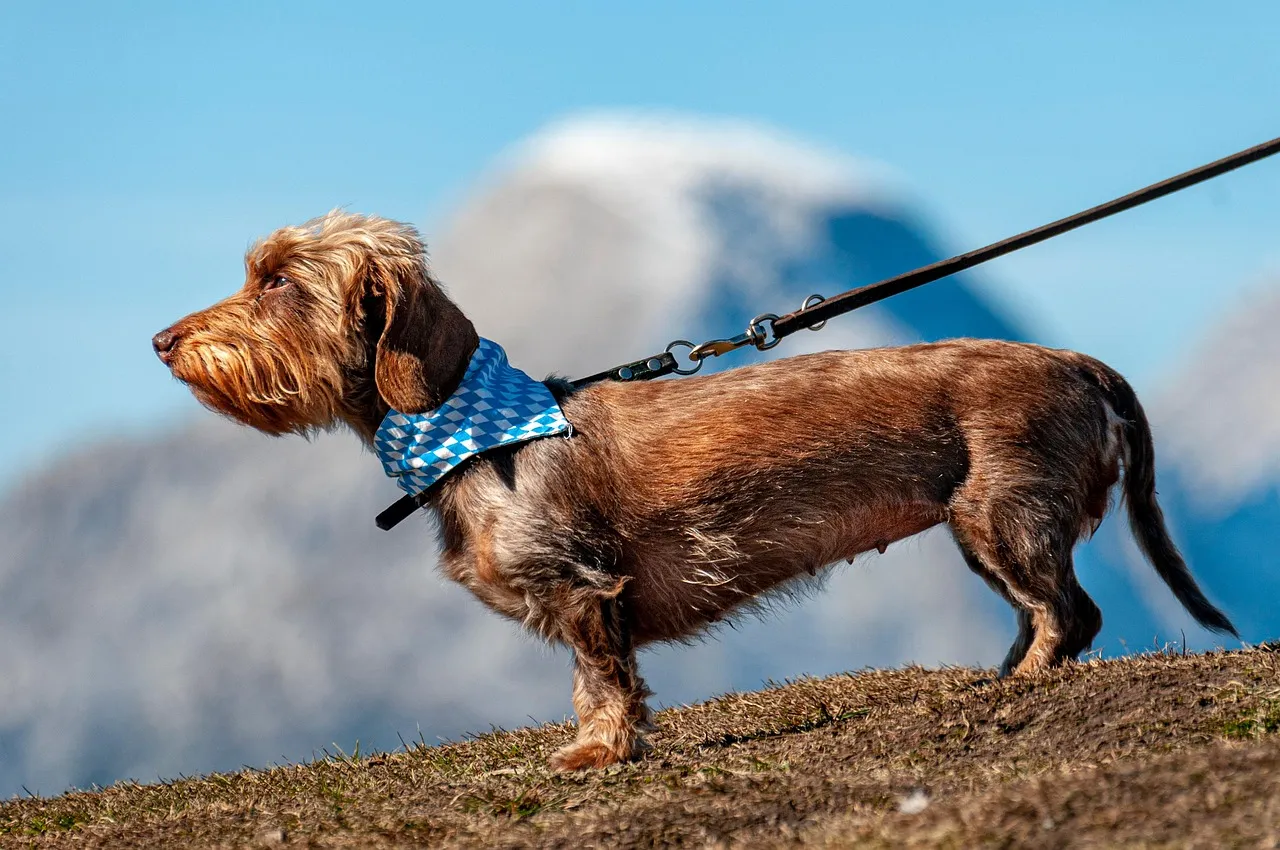
Keeping dogs leashed prevents them from frightening wildlife and causing a dangerous encounter. Off-leash dogs are one of the most consistent factors in escalated wildlife encounters, because they can range ahead of their owner, surprise an animal, and then return to their human with something very angry in pursuit.
In July 2025, a brown bear attacked a hiker near Anchorage after his off-leash dog encountered the bear and her cub. That hiker managed to stop the attack by deploying bear spray. The bear spray worked in that case, but the triggering factor was an off-leash dog, something entirely within the hiker’s control from the start.
A leashed dog walks close to you, contributes to the noise you’re already making, and cannot run ahead to disturb an animal that would otherwise have moved on quietly. In practical terms, leashing your dog is an extension of the same awareness principle as making noise.
Bear Spray as a Final Layer of Protection
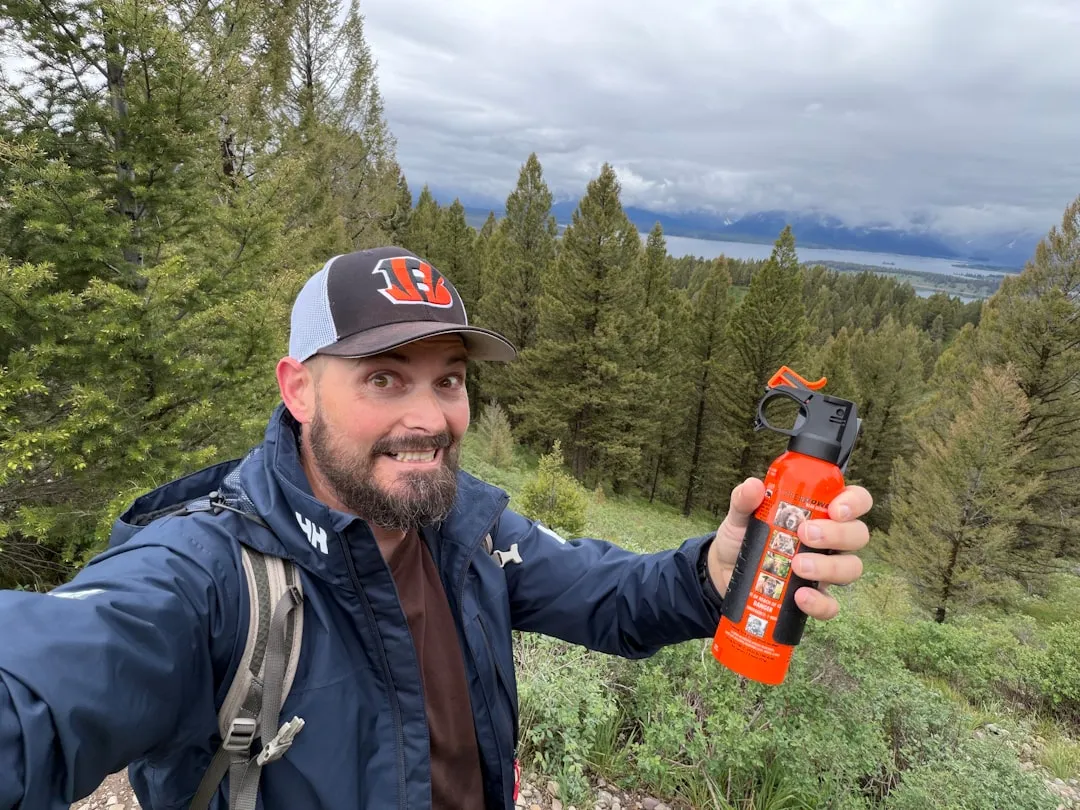
No single habit eliminates all risk. That’s where bear spray becomes relevant, not as a replacement for trail awareness, but as a last-resort tool when everything else fails. A study led by BYU biologist Tom S. Smith found that bear spray effectively halted aggressive bear encounters in 92 percent of cases.
Of all persons carrying bear spray in close-range encounters, 98 percent were uninjured by bears. That is a remarkably consistent result across multiple studies. A study analyzing 83 cases of bear spray use in Alaska between 1985 and 2006 found that in over 90 percent of close-range encounters with black and brown bears, spray stopped the bear’s undesirable behavior.
In areas where large predators are present, bear spray is considered essential. Learning how to use it properly and keeping it accessible, not buried in a pack, is equally important. Think of it as the insurance policy that supports the primary habit, not the habit itself.
What the Odds Actually Tell Us
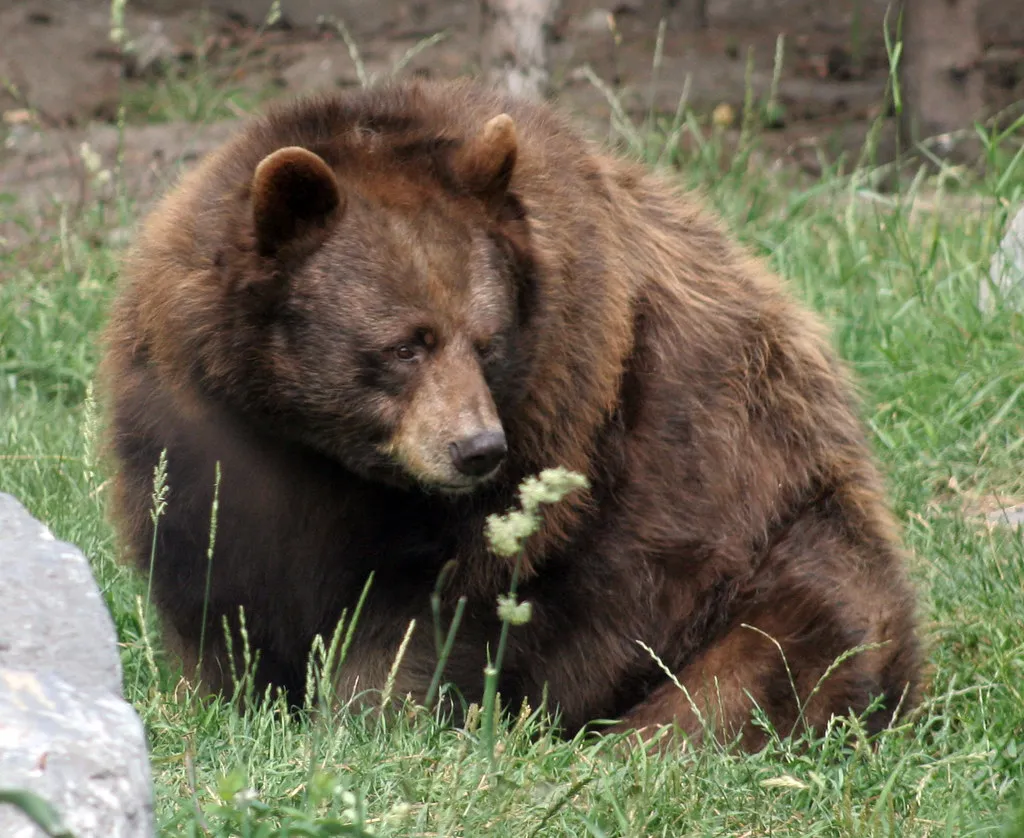
One of the most useful things to understand about trail wildlife encounters is how rarely they turn genuinely dangerous. According to Appalachian Trail Histories, with roughly 3 million people a year hiking the trail, the odds of suffering a bear attack come in at about 1 in 24 to 30 million. That context matters.
Animal attacks on hikers are rare, although they receive a lot of attention when they happen. You are statistically more likely to die in a car crash than from an attack by a wild animal on the trail. The point is not to dismiss the risk entirely, but to keep it proportionate and to understand which habits actually move the needle.
Bears are aggressive wild animals, but they will not proactively hunt a human. The only exception would be if the bear were suffering from very severe starvation. Most encounters, when they escalate, do so because the animal was surprised, felt cornered, or was protecting offspring. All of those scenarios are partly influenced by how aware you make the trail of your presence.
The Takeaway
The habit that prevents most wildlife encounters from turning dangerous is not complex equipment or a specific technique. It is consistent, deliberate awareness expressed through your voice, your pace, and your presence on the trail. Talk to your hiking partner. Call out before blind corners. Read the ground ahead of you.
Research supports the conventional wisdom of bear safety: hiking in groups, making noise appropriately, and avoiding areas of poor visibility remain the most effective preventive behaviors. These are not dramatic interventions. They are small, habitual choices that compound over a day of hiking into something that genuinely reduces risk.
Wild places are worth visiting precisely because they are genuinely wild. The animals that share those trails are not threats to manage but neighbors to respect. Being heard before you arrive is, in a quiet way, one of the most courteous things a hiker can do.
AI Disclaimer: This article was created with the assistance of AI tools and reviewed by a human editor.