
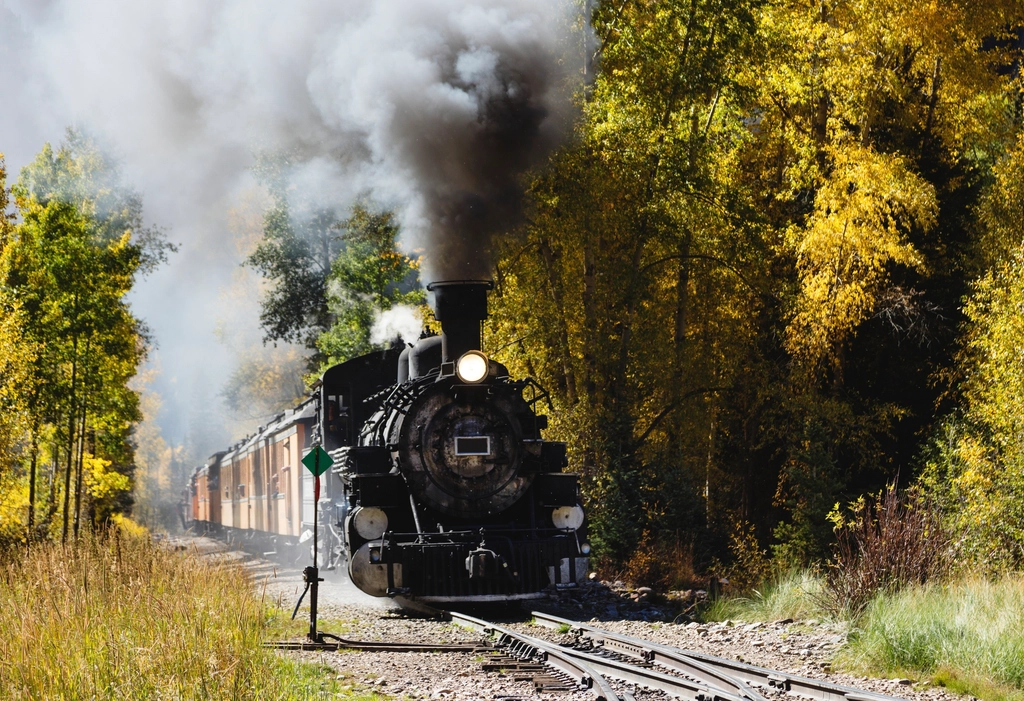

A Line Built For Silver, Not Sightseers
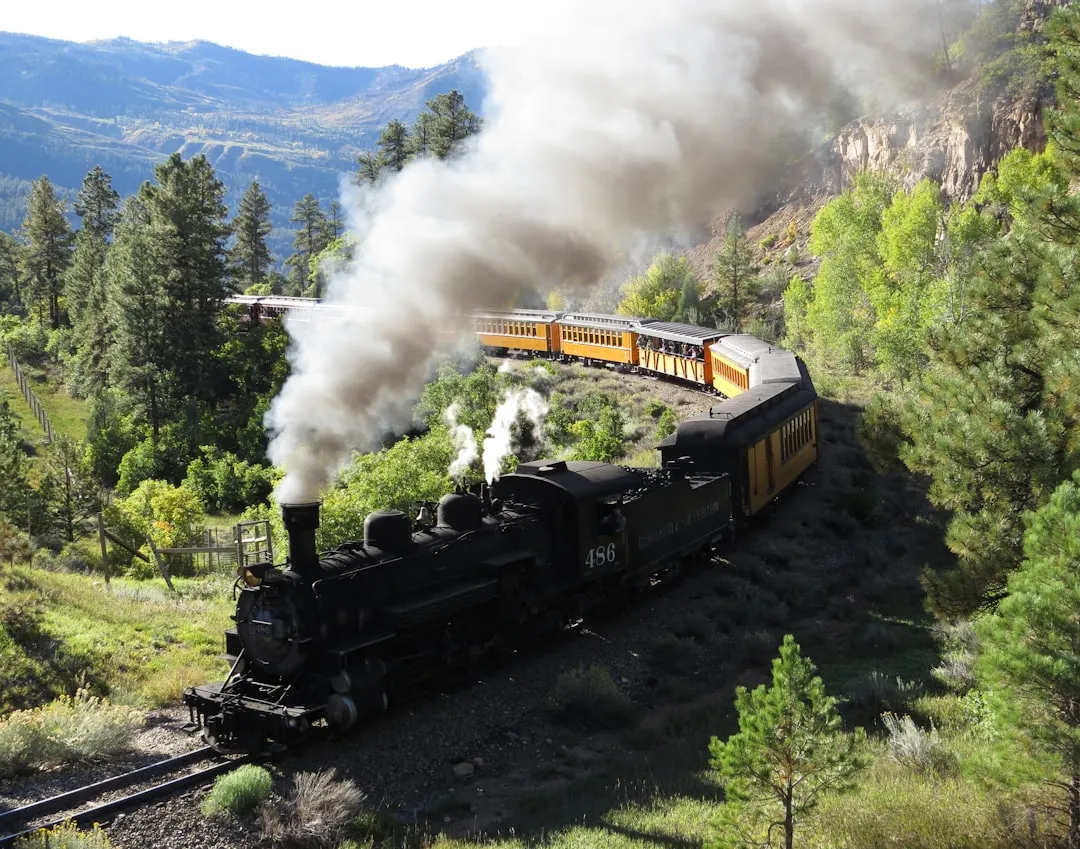
The Durango and Silverton Narrow Gauge Railroad was never meant to be a tourist attraction. In 1881, the Denver and Rio Grande Railway laid the tracks from Durango to Silverton, primarily to transport silver and gold ore from the San Juan Mountains. Durango itself barely existed before the railroad arrived. The Denver and Rio Grande established its own town two miles south of the existing settlement of Animas City, and Durango became the base for the railroad’s final push to reach Silverton.
Racing The Seasons To Reach Silverton
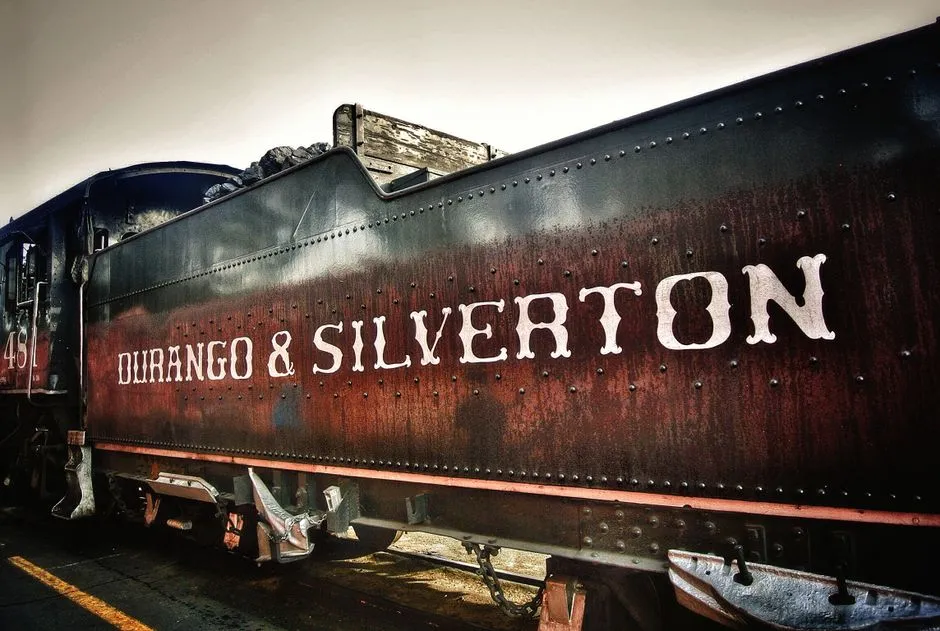
What followed was a construction sprint that still impresses engineers today. In July 1881, the Denver and Rio Grande reached Durango and started building the final 45-mile stretch, which only took nine months and five days. Crews pushed north through relatively easy terrain at first. The first 18 miles to Rockwood were completed by late November, and from there the real challenge began as the route entered narrower, steeper ground toward Silverton.
The Narrow Gauge Advantage In Rugged Terrain
The decision to build a narrow gauge line was not incidental. Narrow gauge lines were relatively common in the Colorado mountains because they had rails that were only three feet apart, allowing for tighter curves, cheaper construction, and more efficient operation than the standard gauge of four feet, eight and a half inches.
In mountains this steep, that tighter footprint meant the difference between a feasible railroad and an impossible one. General William Jackson Palmer, the former Union officer who envisioned the line, understood that the terrain would dictate the engineering rather than the other way around.
Blasting A Shelf Through Animas Canyon
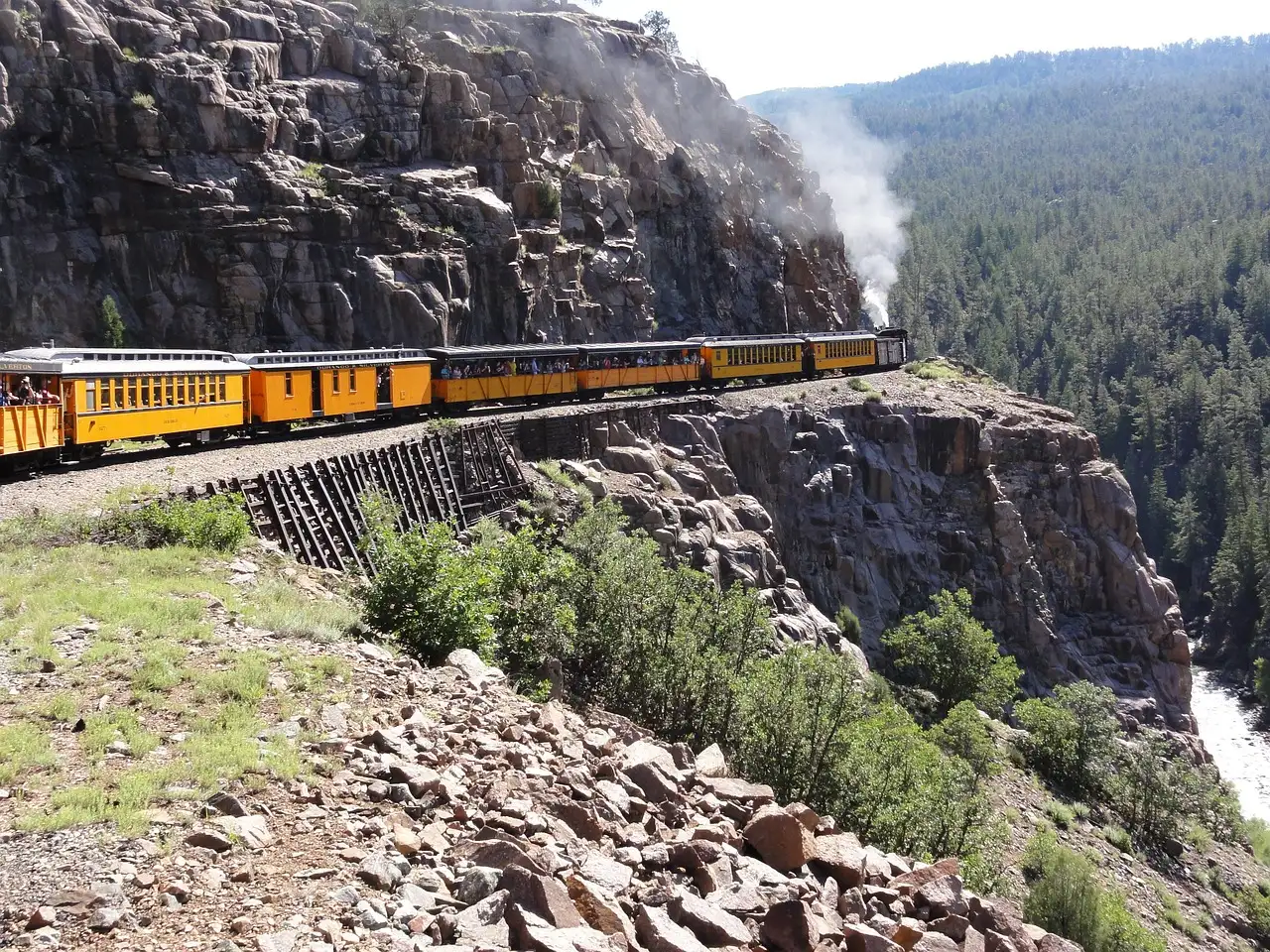
The hardest stretch of the route ran through the narrow, granite-walled Animas Canyon, and there was no gentle way around it. The remainder of the route entered the narrow Animas Canyon, which has steep granite walls, and crews blasted the canyon cliffs off and left a narrow, level shelf to lay the tracks on. That shelf, later nicknamed the Highline, sits perched high above the rushing Animas River. It has been a favorite spot for photographs of the train since its earliest years, and it remains one of the most photographed stretches of railroad in the American West.
The Workforce Behind The Rails
None of this happened without an enormous amount of physical labor performed under harsh conditions. The labor crew, made up of mostly Chinese and Irish immigrants, were paid $2.25 per day, and at least 500 laborers worked the narrow gauge railroad. Many of these workers lived in rail cars supplied by the railroad, while others made do with whatever shelter the canyon offered. It is worth remembering, when admiring the finished line today, that its construction rested on the labor of immigrant crews whose names rarely made it into the historical record.
Silver By The Ton, Then A Shift To Tourism
The railroad reached Silverton in the summer of 1882, and freight and passengers began moving almost immediately. The town’s name was coined by a miner who said that silver could be mined by the ton, and trains hauling passengers and freight began immediately after the line’s completion in July 1882. For decades the line’s purpose stayed largely industrial, moving ore down to smelters in Durango. For decades the line hauled ore from Silverton down to smelters in Durango, but after World War II its business shifted to tourism.
Saved By The Very Scenery That Built It
By the 1960s, the modernized railroad that owned the line no longer saw much value in a small mountain branch that mining could no longer sustain. A modernized D&RGW did not see the Silverton Branch as worthy to maintain and filed a petition to abandon it, but the Interstate Commerce Commission declined to grant the request due to the continued increase in tourist patronage.
That ruling effectively saved the line. Following the ICC’s ruling, the railroad reluctantly responded by investing in additional rolling stock, track maintenance and improvements to the Durango depot, setting the stage for the excursion railroad that exists today.
A National Historic Landmark On Wheels
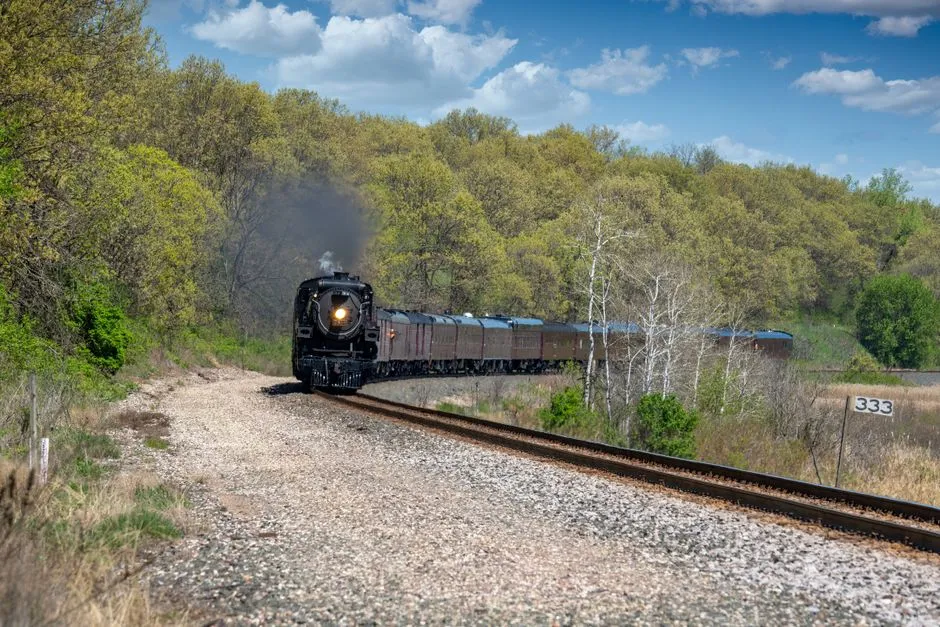
Recognition eventually caught up with the railroad’s significance. The railway is a federally-designated National Historic Landmark and was also designated by the American Society of Civil Engineers as a National Historic Civil Engineering Landmark in 1968. That distinction reflects both the age of the line and the difficulty of the terrain it conquered. Built in 1882 through one of the most rugged mountain areas of the nation, its complexity remains a testament to the role civil engineering played in the development of the western United States.
Steam Locomotives That Never Really Retired
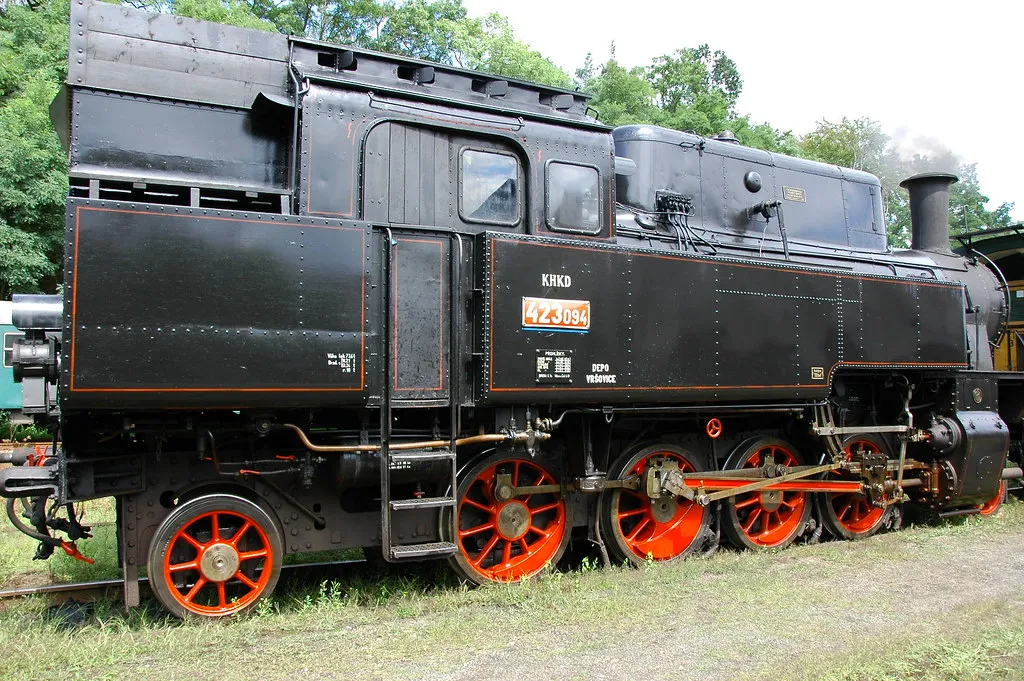
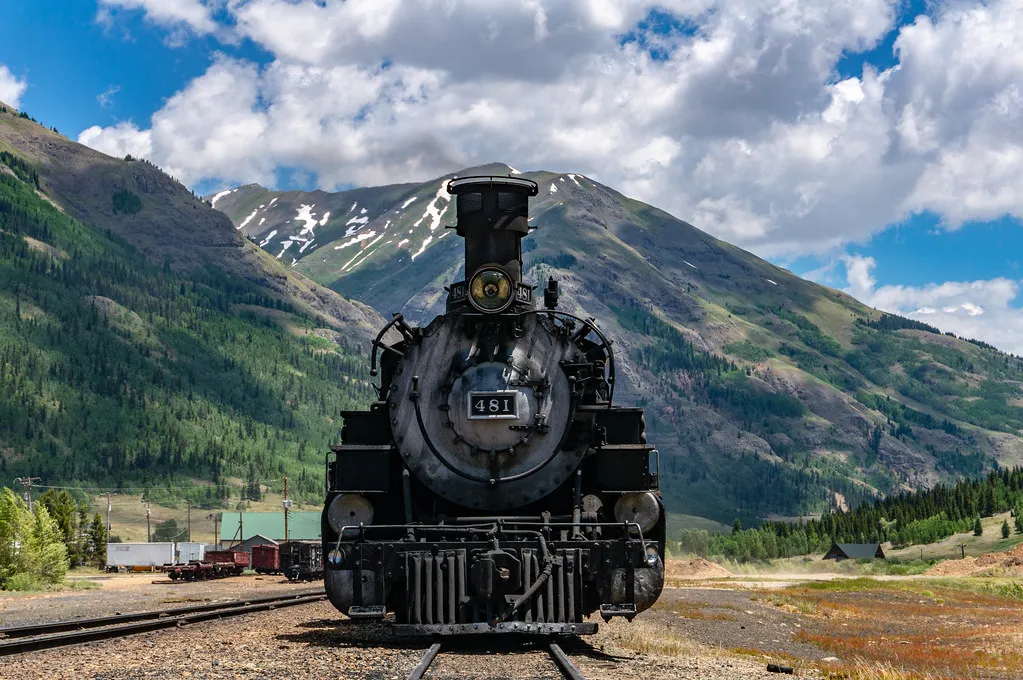
Perhaps the most striking thing about a ride today is that the machinery pulling the train is not a replica. The line has run continuously since 1881, and it is one of the few places in the US which has seen continuous use of steam locomotives.
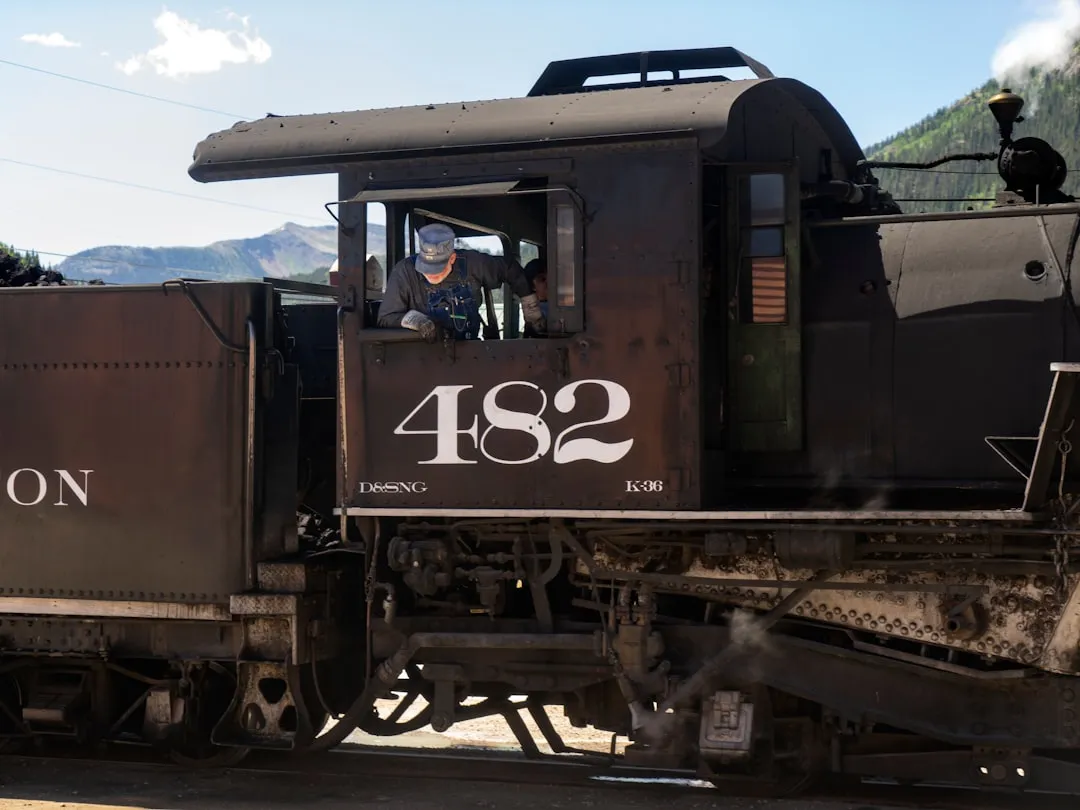
The locomotives used for excursions are coal-fired iron horses from 1923 to 1925, and the railroad owns three K-28 class steam engines and four K-36 class engines, housed in a roundhouse that is itself part of the experience. Visitors can watch these engines being serviced and turned before departure, a small ritual that has changed little in a hundred years.
The Ride Through The San Juan Mountains Today
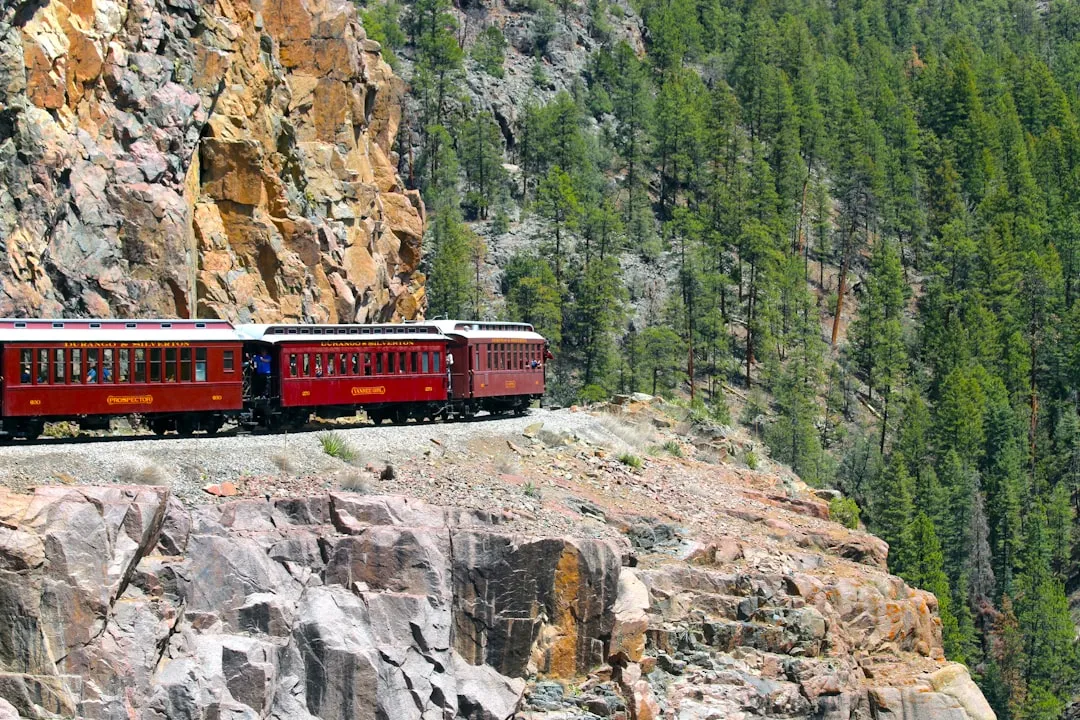
The modern journey still follows the original route, climbing from Durango’s historic depot into the wilderness of the San Juan National Forest. Constructed by the Denver and Rio Grande Railway in 1881 to 1882, the narrow gauge line from Durango to Silverton climbs nearly 3,000 feet in 45 miles.
A round trip is an all day undertaking, with the journey from Durango to Silverton a 45 mile trip that takes about 3.5 hours each way. Recent seasons have also brought renewed attention to the line’s heritage, including the 2026 return of a restored Rio Grande Southern locomotive to the very tracks it once ran on, a reminder that this railroad’s history is still being actively preserved rather than simply displayed behind glass.
Weather, Wildfire, And A Line That Keeps Going
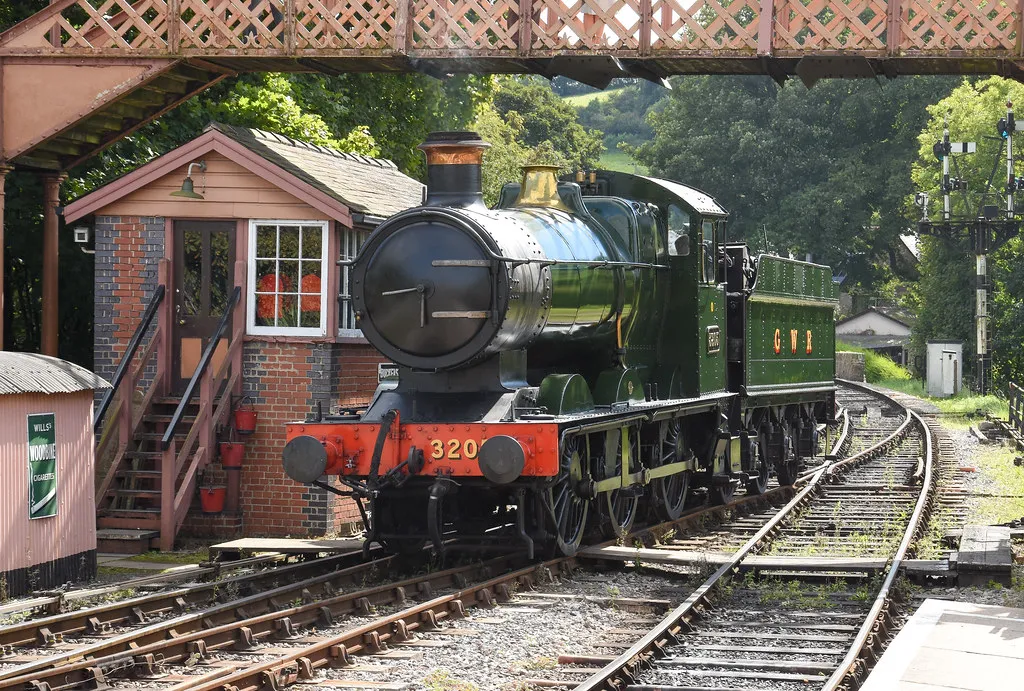
Running trains through a remote canyon for more than a century has never been without setbacks. In recent summers the railroad has had to reroute or pause service due to rockslides and wildfire precautions, including a 2026 slide near Needleton that briefly halted trains bound for Silverton while crews cleared the tracks.
Each time, the railroad has restored service rather than abandon the affected stretch, a pattern consistent with its history since the 1960s. That resilience, as much as the scenery or the steam engines, is what has kept this particular stretch of Rocky Mountain railroad running when so many others quietly disappeared.
What makes the Durango and Silverton worth knowing about is not just its age, but the fact that it never had to be reinvented as a heritage attraction from scratch. It simply kept doing, for paying passengers, what it had always done for miners and freight haulers, and the mountains it passes through never gave it much reason to stop. A century and a half later, that same whistle still carries up the Animas Canyon each morning, doing exactly what it was built to do.
AI Disclaimer: This article was created with the assistance of AI tools and reviewed by a human editor.