

Most pet owners genuinely love their animals. They buy the good food, schedule the vet visits, and would never dream of putting their dog in harm’s way. Yet every summer, well-meaning people make a decision that takes about thirty seconds and can cost their pet its life. They leave an animal in a parked car, convinced the errand is too short to matter.
The science says otherwise, and the numbers are sobering. This isn’t about blaming pet owners. It’s about understanding a physical reality that most of us seriously underestimate, one that has the power to turn an ordinary parking lot into a genuine emergency.
The Core Rule: 70 Degrees Outside Is Already Dangerous
The single most important thing to understand is where the danger zone begins. The temperature danger zone for dogs starts at 70°F outside. At this seemingly comfortable temperature, a car’s interior reaches 89°F within 10 minutes and climbs to 104°F after 30 minutes.
All dogs begin to experience heat stress when the air temperature exceeds 85 degrees. That means even a mild spring morning can become a crisis inside a closed vehicle well within the window of a typical errand. The outside temperature doesn’t need to feel warm for the inside of a car to become dangerous.
How Fast Temperatures Actually Climb
Research on vehicle safety indicates that the temperature inside a vehicle can rise about 20 degrees Fahrenheit in just 10 minutes, and almost 30 degrees in 20 minutes. At one hour, a vehicle’s interior temperature can be more than 40 degrees higher than the outside temperature. Even on a 70-degree day, that’s more than 110 degrees inside.
Roughly 80 percent of that total temperature rise happens in the first half hour. This is the window that matters most. The first 30 minutes in a parked car are when the most dramatic and dangerous heat accumulation occurs, which means there’s very little safe margin for delay.
The Scale of the Problem in Recent Years
In 2024 alone, 111 animals died due to heat-related deaths and another 388 were rescued from the heat. Those are only the reported cases. In 2025 alone, 151 animals endured heat-related deaths and another 365 were rescued from the heat, and those are just the ones that were reported.
Incidents continue into 2026 as well. In April 2026 in Culpeper, Virginia, a dog died after being left inside a hot car. The dog’s internal temperature was 109 degrees, and when police rescued the dog, the temperature inside the car was 113 degrees. Cases like this are recurring, not exceptional.
Cracking the Window Changes Almost Nothing
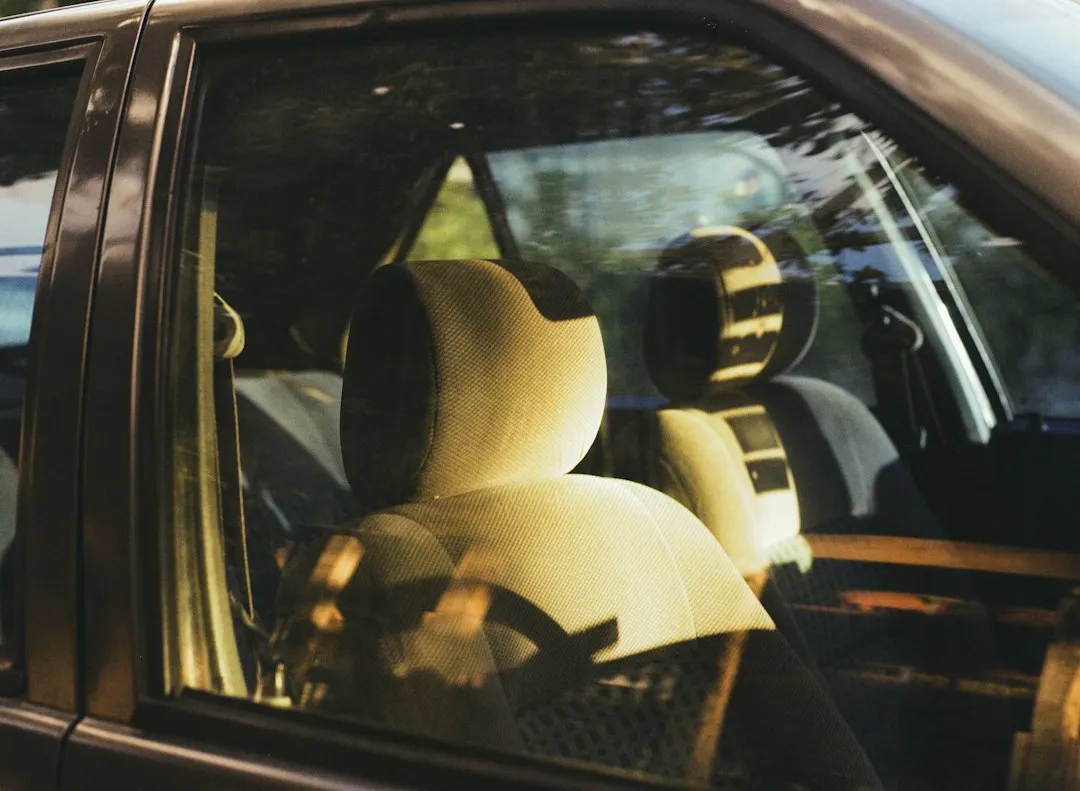
It’s one of the most persistent myths in pet safety. Many owners believe that leaving a window cracked a few inches creates enough airflow to keep temperatures manageable. Studies consistently show that cracking the windows has minimal impact on the maximum temperature reached inside the vehicle.
A car can overheat even when the window has been left cracked an inch or two. Glass windows trap longer-wavelength heat inside the cabin. The trapped heat has nowhere to go, so it builds up rapidly, causing the air temperature to skyrocket. An open window, without active airflow, simply doesn’t counteract this greenhouse effect.
Shade Doesn’t Make It Safe Either

Parking in the shade feels like a responsible middle ground, but it offers far less protection than most people assume. A vehicle can quickly reach a temperature that puts a pet at risk of serious illness or death, even on a day that doesn’t seem that hot, and even if the car is left in the shade.
In a comparison of temperatures in dark sedans versus light sedans, data from Consumer Reports shows that both types of vehicles still reach above 90 degrees Fahrenheit in under 30 minutes, and over 100 degrees Fahrenheit in less than an hour. Neither shade nor car color offers a meaningful safety buffer for a pet left inside.
How Dogs Experience Heat Differently Than Humans

Dogs cannot cool themselves efficiently like humans can. While humans sweat across the entire surface of the body, dogs rely primarily on panting to regulate temperature, a system that works by exchanging hot air for cooler air. Panting with hot air gives no relief at all, and the risk of heatstroke rises very rapidly in a sealed vehicle where the ambient temperature exceeds the dog’s body temperature.
When temperatures are higher than 82°F, a dog will have trouble cooling itself down naturally by panting and the chance of heatstroke rises. As the normal body temperature of dogs is between 99.5 and 102.2 degrees Fahrenheit, a warm car recording a temperature of 109°F can result in a dog suffering from multiple organ failure and possibly even death.
Breeds and Conditions That Increase the Risk

Not all dogs face the same level of danger at the same pace. Short-muzzle breeds, also known as brachycephalic breeds, as well as older or overweight dogs, are at higher risk for heatstroke. Dogs with a restricted airway, such as brachycephalic breeds, have a higher risk of developing heatstroke, and for these breeds, clinical signs of heatstroke can occur when the outside temperature and humidity are only moderately elevated.
Elderly dogs, overweight pets, and those with heart conditions cannot regulate temperature effectively. For these animals, the danger arrives faster and with less warning, making it even more important to keep them out of parked cars entirely during warm months.
Recognizing the Signs of Heatstroke
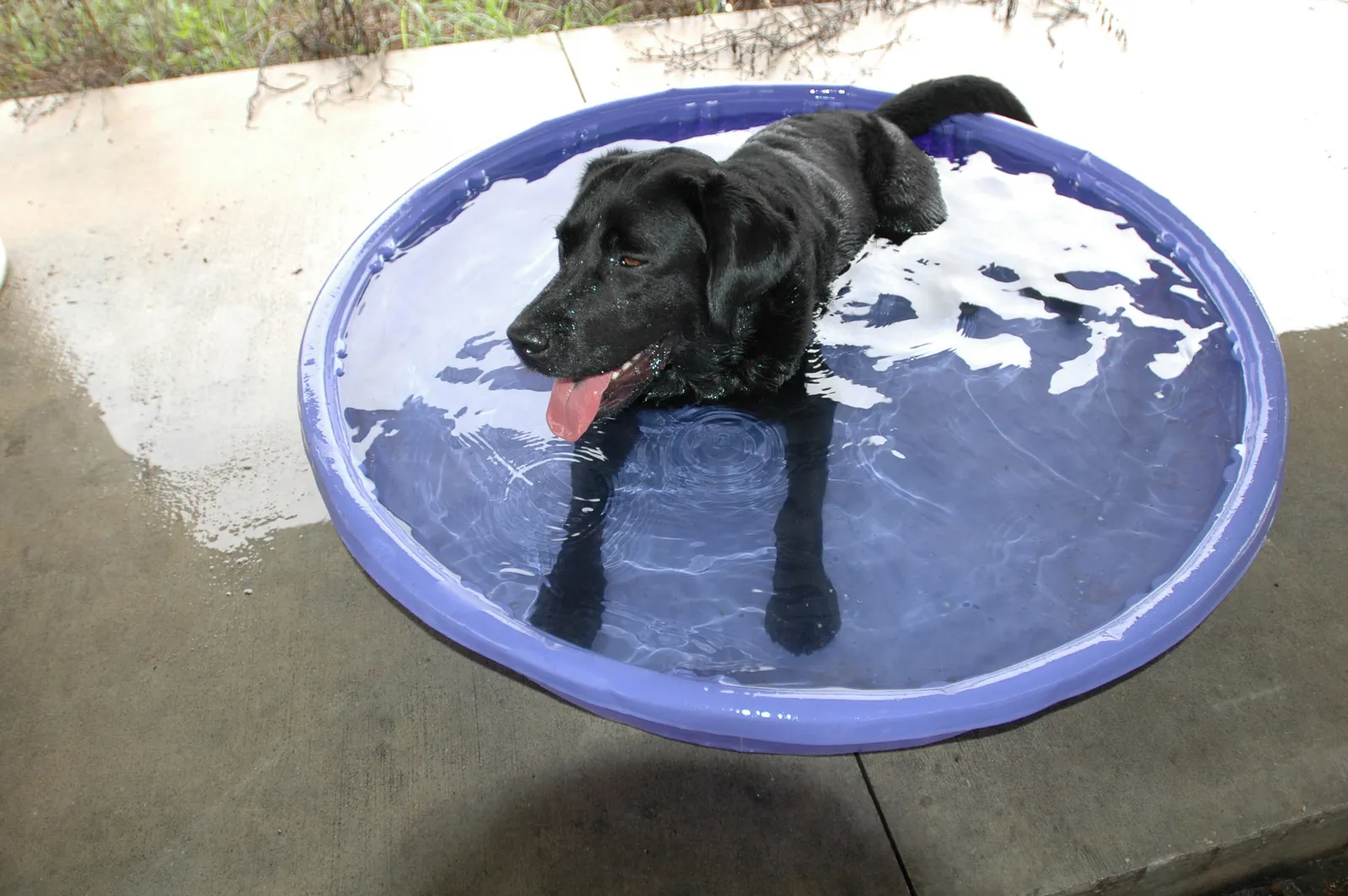
Heatstroke in dogs is a life-threatening condition that occurs when a dog’s body temperature rises above 104°F. Common signs of heatstroke in dogs include excessive panting, drooling, vomiting, weakness, and collapse. If elevated body temperatures are prolonged, they will cause damage to every organ in the body. Heatstroke commonly leads to acute kidney injury, blood clotting issues, and shock.
Dogs experience three stages: heat stress with mild panting and thirst, heat exhaustion with heavy panting, drooling, and fatigue, and heatstroke involving collapse or severe symptoms requiring emergency care. Knowing these stages can mean the difference between a close call and a fatal outcome. Time is the critical variable here.
What to Do If You Find a Dog in a Hot Car
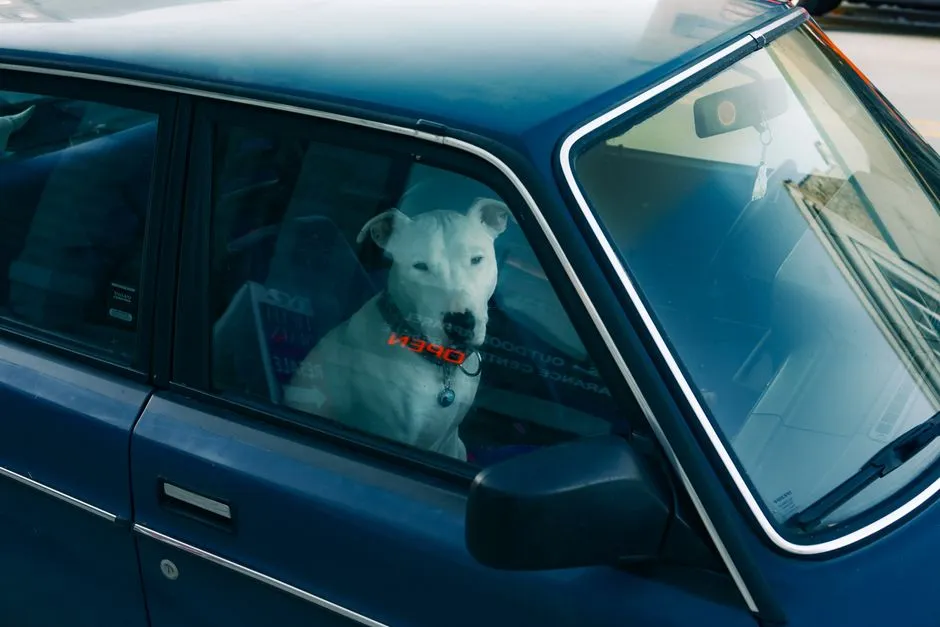
If you notice a dog left in a car under dangerous conditions, keeping in mind that an outside temperature of just 70 degrees Fahrenheit is hot enough for the inside of a car to become dangerous, your first step should be to locate the owner of the car. If that isn’t possible quickly, alert store management and contact local authorities immediately.
Nine states have good Samaritan laws granting immunity to citizens who have forcibly entered a hot vehicle to rescue an animal. Laws vary by state, so it’s worth knowing the rules in your region before acting. If you do need to help a dog already showing signs of distress, owners should start cooling their dog immediately by wetting the dog with cool water and by placing them directly in front of the car’s air conditioning while on the way to a veterinary hospital.
First Aid Steps Before You Reach the Vet

If a dog is showing symptoms of heatstroke, do not wait to see if they improve on their own. Studies have shown that starting treatment as soon as possible, even before the dog reaches the practice or hospital, significantly improves the prognosis. One of the most effective ways to start cooling is directing a fan or car air conditioning toward the dog while applying cool or tepid water to the skin. Never cover the dog with a wet towel, as it will quickly heat up and not allow heat to escape.
The goal is to decrease the body temperature to about 103°F. Do not immerse the dog in ice water. Ice water can cause the blood vessels in the skin to constrict, which actually slows the cooling process. Tepid water and moving air are more effective, and getting to a vet quickly remains the top priority.
The Simple Rule That Saves Lives
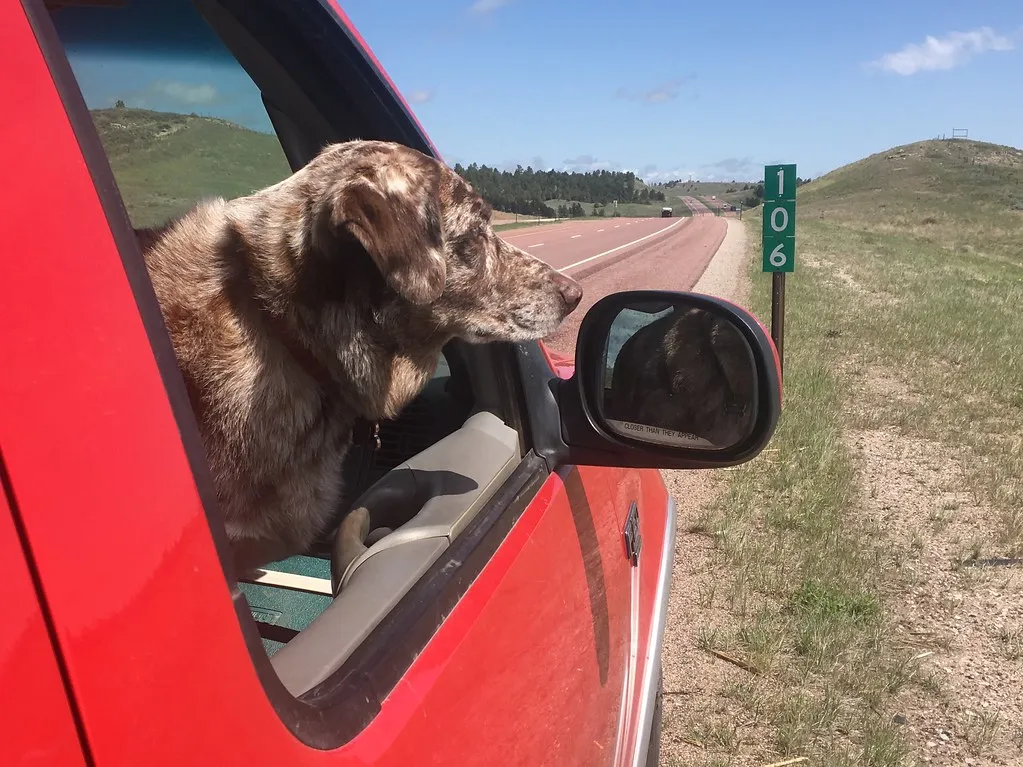
When all the data is considered, it points to one clear and consistent conclusion. There is no safe way of leaving your dog alone in the car. Even on milder days, the interior can reach high temperatures in a short space of time. There’s no ideal window, no perfect shade spot, and no cracked window solution that changes this reality.
Research has shown that the temperature inside a vehicle can rise by 20°F in just 10 minutes and by 40°F in an hour, even with the windows cracked. Simply put, leaving your pet in the car is never safe, no matter how cool it feels outside. The rule is straightforward, even if it sometimes feels inconvenient: if the dog can’t come with you, the dog stays home.
A Closing Thought
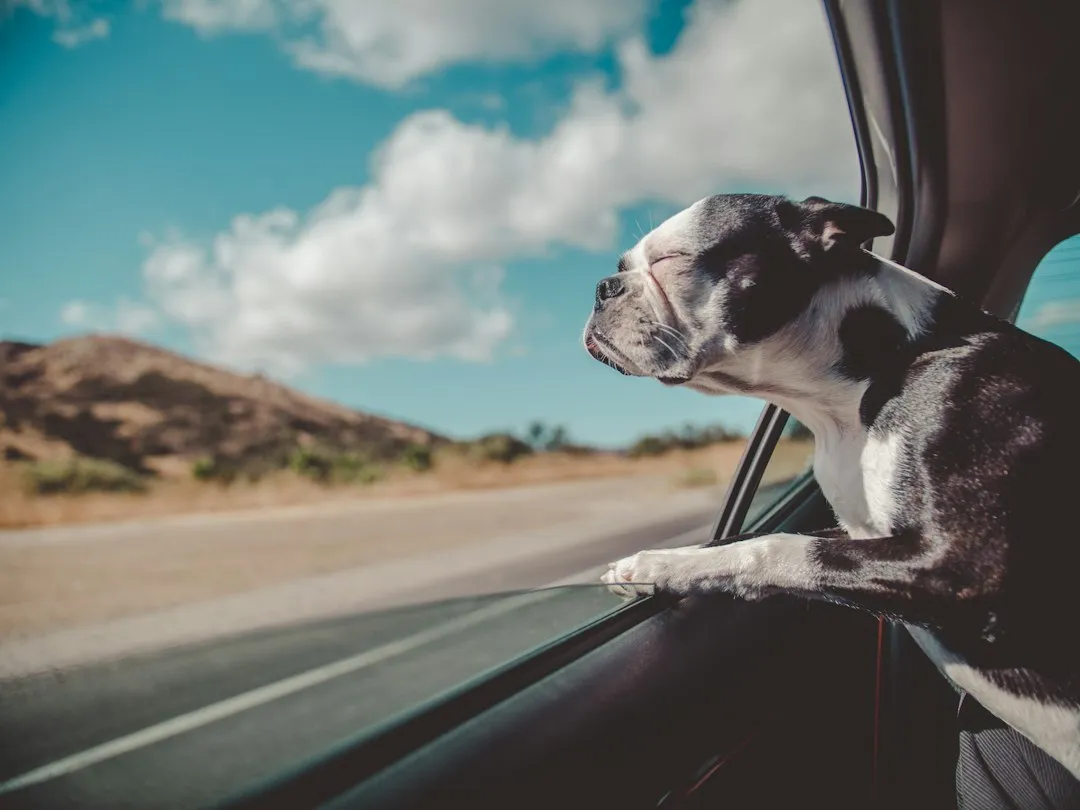
The gap between “just a minute” and a life-threatening emergency is surprisingly small when a pet is sitting in a parked car on a warm day. The temperature data is consistent, well-documented, and unambiguous. What changes outcomes is awareness, specifically, knowing what’s happening inside that vehicle long before it looks dangerous from the outside.
Carrying this knowledge is one of the simplest and most consequential things a pet owner can do. The rule itself is easy to remember: when in doubt, leave your pet at home. That one small habit is backed by all the science you need.
AI Disclaimer: This article was created with the assistance of AI tools and reviewed by a human editor.