
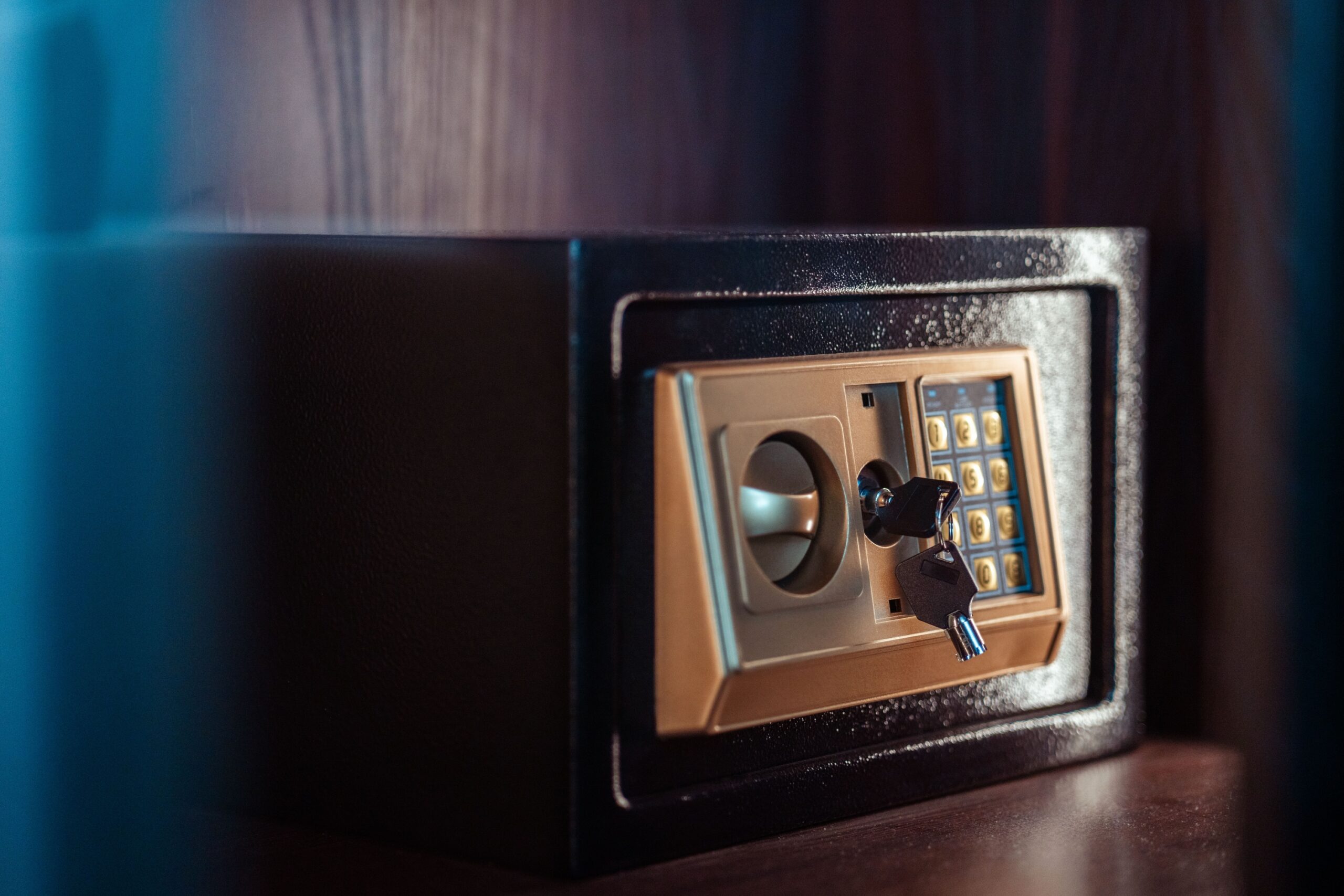
There’s a small metal box sitting in the wardrobe of your hotel room right now. It beeps when you lock it. It has a keypad. It looks official. Most travelers trust it immediately, without a second thought – because that’s exactly what it’s designed to make you do.
That in-room safe is one of the most universally trusted amenities in hospitality. It’s also, by nearly every security measure that matters, one of the most quietly unreliable. Here’s what the fine print on your welcome card never tells you.
The Illusion of Security Starts With the Lock Itself
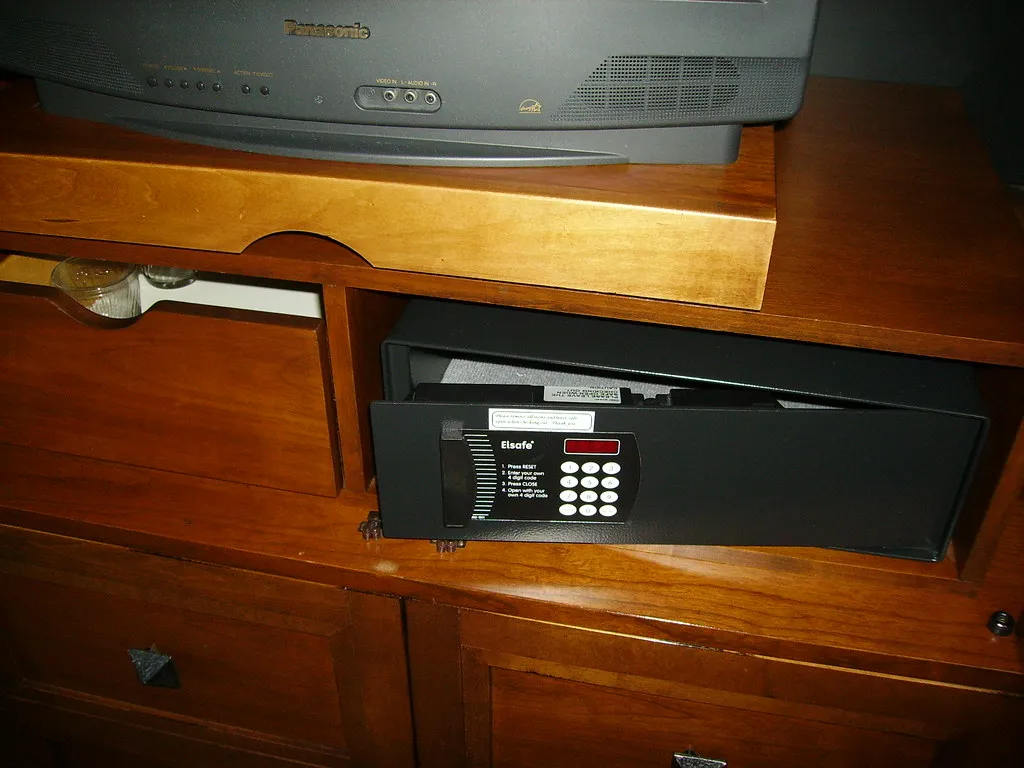
That heavy-looking safe in your hotel room creates a comforting illusion of security for your passport, laptop, and jewelry. Unfortunately, hotel room safes are among the least secure storage options available, with vulnerabilities that allow access in seconds using techniques so simple they barely qualify as hacking.
Most hotel safes are designed for convenience first and actual security second. They look solid, they beep, they lock, and they sit bolted in a wardrobe or hidden in a drawer, which gives a nice illusion of control.
All hotel room safes have a backdoor or “special way” to access room safes so the staff can get into the safe in case a guest forgets the code, or loses the key to the safe, or electronics fail. Some safes may use a master key or card while others may have a special override code to open the door.
The Master Code Problem Every Traveler Should Know About
What most hotel guests don’t know is that the electronic safes in the building have a master code that gives hospitality staff the ability to open each one. Some models also have a keyed master lock that allows any keyholder to open it up and access the safe’s contents. Although this feature is added to access the safe in case a guest forgets their code, it also becomes a safety disadvantage.
Default master codes are typically very simple sequences, for example 000000, 111111, 123456 for six-digit safes, or 0000, 1111, 1234 for four-digit models. These generic codes are public knowledge, and even a quick internet search or YouTube video will reveal them. That means a thief who gains access to your room could try a common default code and open the safe in one quick attempt.
In some cases, hotels fail to change the default factory code, making it easy for thieves to research and exploit these vulnerabilities. That’s not a fringe scenario. It’s common enough that security researchers and investigative journalists have been flagging it for years, with little changing on the ground.
What Happens When the Override Is Tested in Real Life
Investigators checked into half a dozen hotels in four states across the nation and tested in-room safes from multiple manufacturers. They put a wallet and some cash inside the safes, then locked them with a random code they intentionally failed to write down or remember, and then asked hotel staff members to get into the locked safes.
In one case, a housekeeping supervisor volunteered to enter the hotel’s master code into the safe while they were in a friend’s room with the door open. She never asked for identification and entered the secret code in front of them. They successfully used that master code to override their own code on the safe in the next room.
The security guard did not ask for identification before opening the safe, and turned down the offer to show an ID. One explanation is that guests who forget their combinations often lock their wallets or purses inside, preventing them from showing an ID to the staff. The system is designed around convenience, not verification.
Thin Metal, Basic Locks, and a Budget That Prioritizes Cost
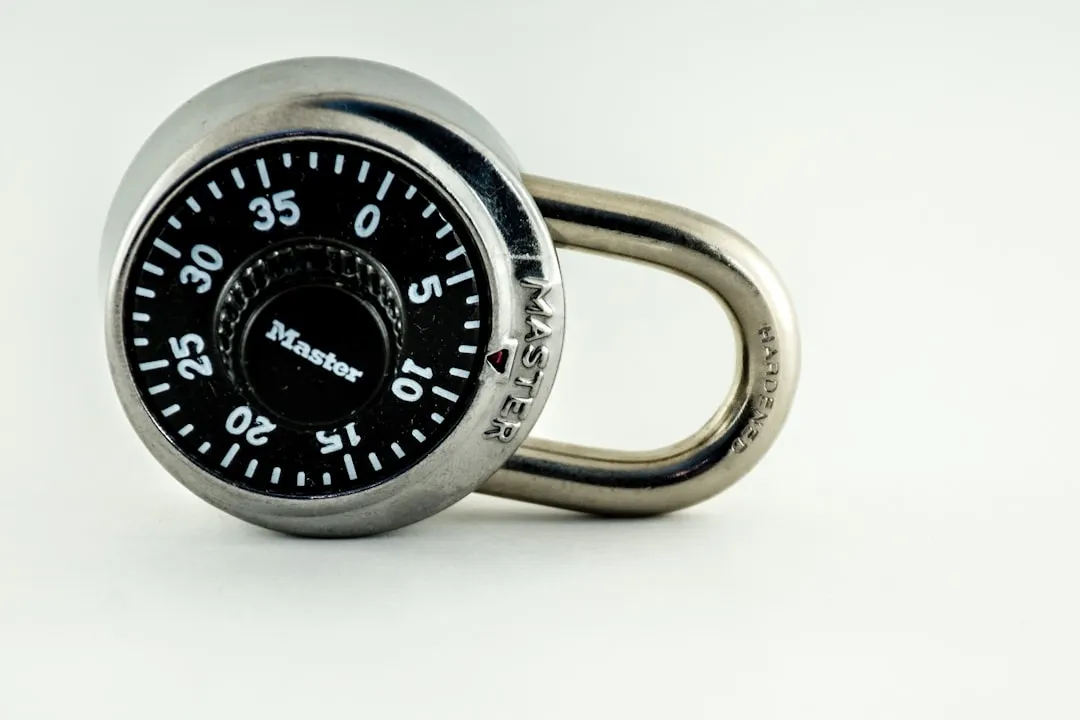
Physical construction of hotel room safes often prioritizes cost over security. Unlike home safes or bank safe deposit boxes, hotel safes are built to price points that allow mass installation across hundreds of rooms. This results in thinner metal, simpler locking mechanisms, and fewer security features.
Safes made with thin steel or low-quality locking mechanisms can often be bypassed with basic tools or simple lock-picking methods. With a bit of know-how, some safes can be cracked in between two to ten minutes, even faster if factory-set codes or reset buttons are left unchanged.
Hotel room safes are often standardized, meaning hundreds of rooms in the same property might use the exact same model, with the same vulnerabilities. If someone figures out how to bypass one, they may be able to bypass them all. This, combined with easy room access, can make safes an appealing target for opportunistic theft.
The Staff Access Factor: A Real and Documented Risk
According to Mike Moske, a certified lodging security director and private investigator with 25 years of experience managing hotel and resort security, staff perpetrates sixty to seventy percent of hotel theft and not someone from outside, because staff already have access to your room.
The hospitality industry experiences theft of cash, inventory, and customer data. From hotels to restaurants, employees may exploit opportunities to divert funds or steal customer information, impacting trust and operational efficiency.
There’s no doubt that in-room safes can be opened by unscrupulous staff. Most safe manufacturers for the hospitality industry include backup methods for opening room safes by card, code, or key, and although those methods are usually used to help guests who forget their security codes, it’s still possible they could be used for the wrong reasons.
No Monitoring, No Accountability, No Paper Trail
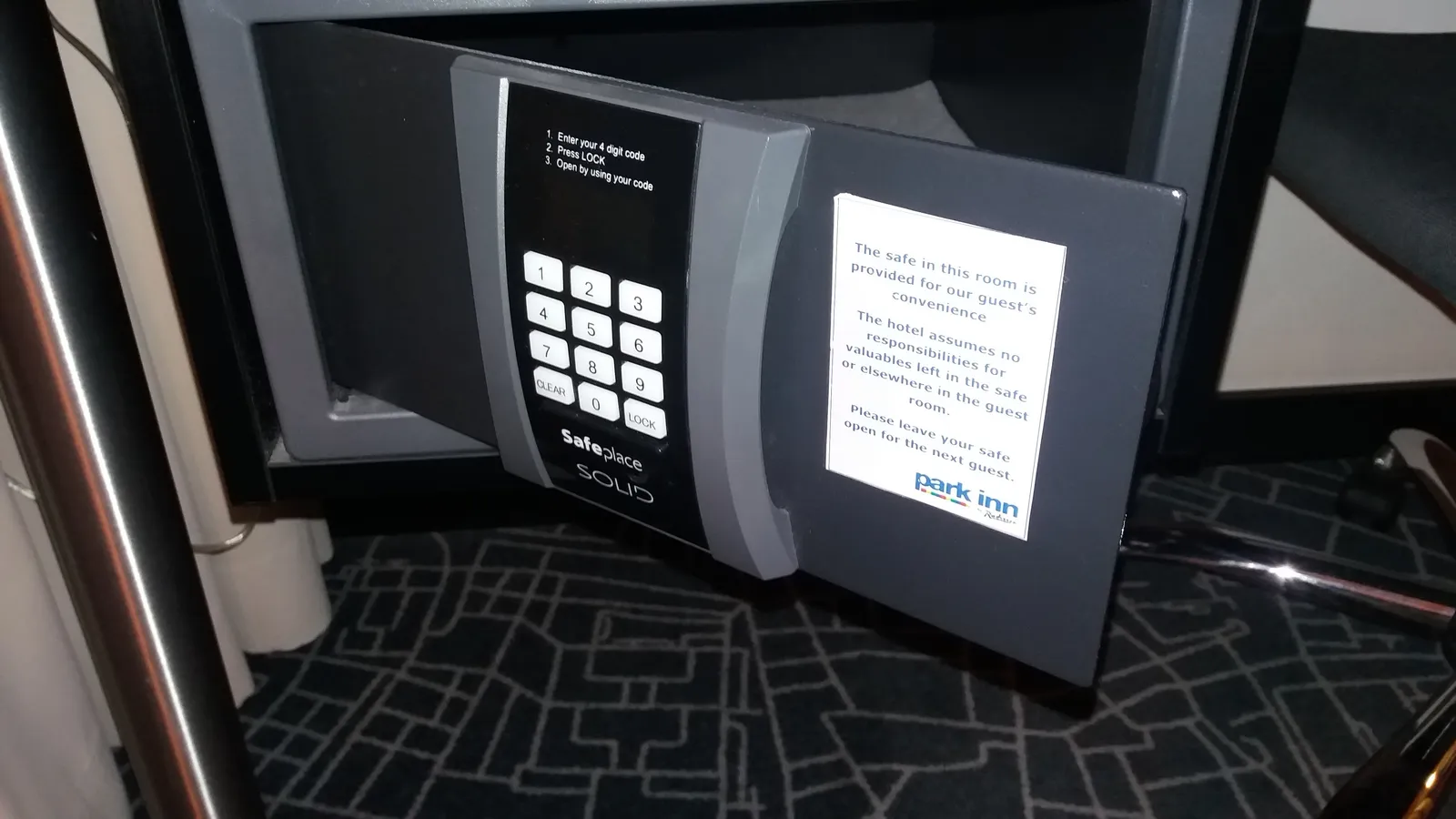
Unlike safes that are monitored by security cameras or require check-ins, hotel safes are often not monitored. If a valuable item goes missing, it can be difficult to prove theft. By contrast, a safe deposit box at the front desk usually involves a log of access, providing more accountability for the security of your items.
Always check the hotel’s security policy, as many establishments do not take responsibility for valuables stolen from room safes. That’s a meaningful legal reality. In many jurisdictions, the hotel’s liability ends the moment the safe door closes.
In most states, the hotel is not liable for theft from your room, even if you lock things in the room safe provided by the hotel. Travelers rarely read this into their stay until something has already gone wrong.
The Rise of Digital Vulnerabilities in Modern Safes
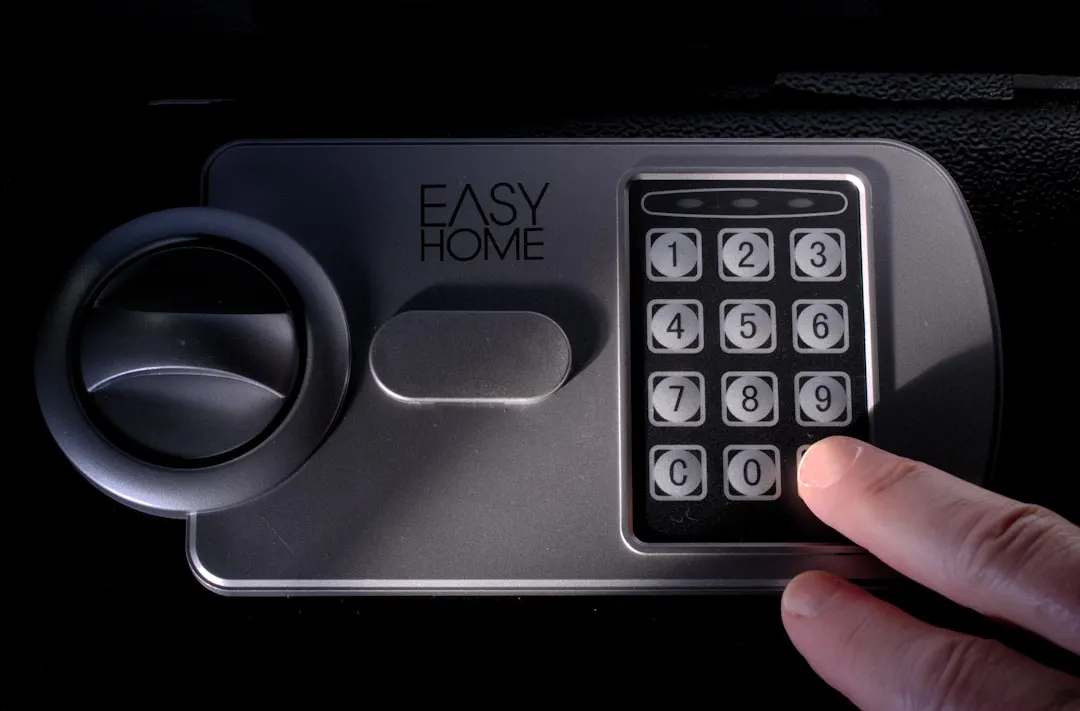
Beyond master codes, hotel safes are vulnerable to physical manipulation techniques. Many electronic safes can be reset to factory settings using simple button sequences, often involving holding down specific buttons while opening the door or removing the battery. These reset procedures are designed to help hotel staff resolve guest lockout situations but also allow unauthorized access.
Many electronic hotel safes have a hidden button inside the door, often behind a removable panel, that triggers a master-code entry. Others require a physical key that is kept at the front desk. ASSA ABLOY’s manual describes both keypad-only and card-plus-keypad models, meaning the override path can vary by installation.
G Data security researchers noted that hackers could connect to the same data port used to override electronic locks, creating an additional vulnerability. The more technologically advanced the safe looks, the more potential entry points it can carry.
Smaller Hotels Carry Particular Risks
Industry advisories warn that smaller independent hotels and boutique properties can be particularly vulnerable. Many rely heavily on external vendors for everything from Wi-Fi to point-of-sale terminals, sometimes with limited in-house expertise to vet security standards or monitor suspicious activity.
The same master key code can be used to break into virtually every safe in the hotel facility. If a hotel does not have enough security to protect the master code, anyone can access the safe. In smaller properties, code management is rarely a formal process with strict oversight.
This doesn’t mean boutique or independent hotels are unsafe places to stay. It does mean that security protocols around in-room safes tend to be less rigorously enforced outside of large branded chains, and that’s worth knowing before you lock your passport inside one.
What You Can Actually Do to Protect Your Belongings
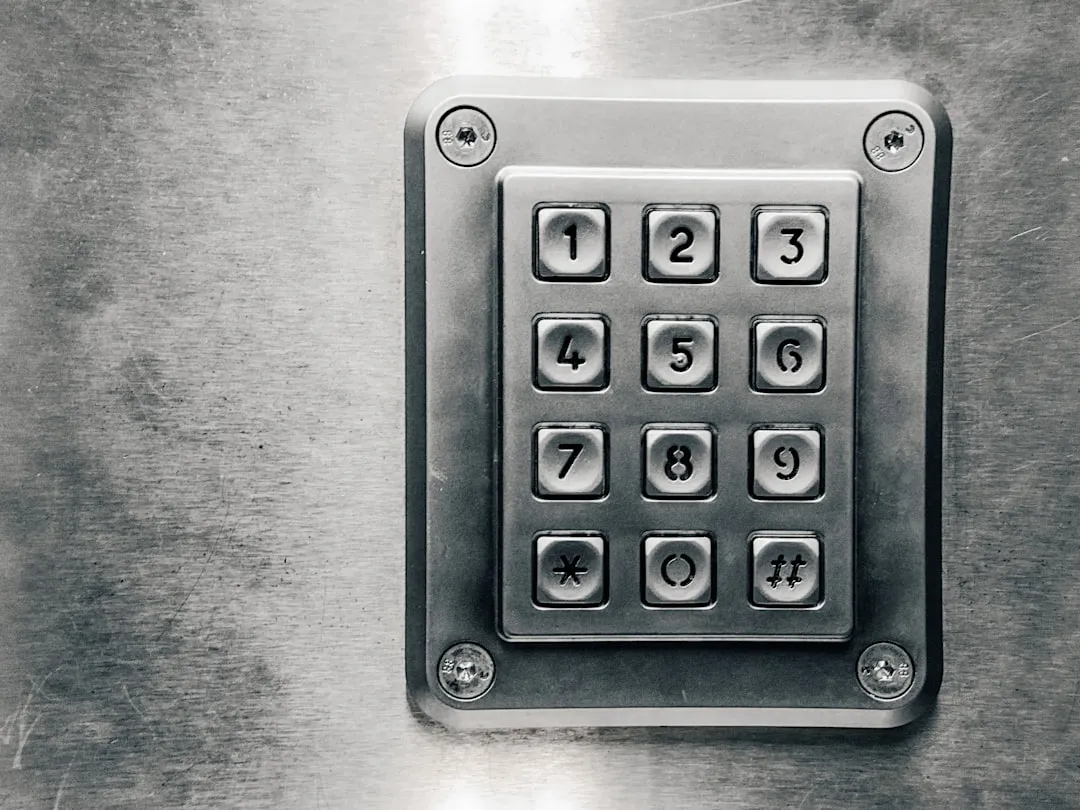
If your hotel room safe comes with a pre-set code, make sure it isn’t simple. Easy-to-guess codes like 00000 or 1234 are not secure. If your hotel safe comes with a pre-set code and that code is too obvious, tell management and have a security officer reset it.
To improve your security, consider alternative protection methods: use a portable travel safe that can be locked to a fixed object in the room, invest in tamper-evident bags to detect unauthorized access, and distribute valuables by keeping some in less obvious places rather than relying solely on the hotel safe.
A safe deposit box at the front desk usually involves a log of access, providing more accountability for the security of your items. While in-room safes may provide a basic level of deterrence, they should not be considered the most secure option for protecting your most valuable possessions.
The Broader Picture: Hotels Are Still Safer Than Many Alternatives
Hotels are generally safer than home-sharing accommodations, according to Harding Bush, associate director for security operations at Global Rescue, a provider of medical, security, evacuation and travel risk management services. Hotels staffed around the clock make it much harder to commit a crime.
Recent crime statistics in major travel markets suggest that overall violent crime has eased from pandemic-era peaks, yet isolated incidents in and around hotels continue to generate outsized anxiety for guests. Publicly available FBI data for the United States indicates that violent crime declined in 2024 compared with previous years.
The point isn’t to distrust every hotel you book. It’s to understand exactly what an in-room safe can and cannot do. It deters casual opportunists. It does not stop a determined, informed, or authorized person from accessing your things.
The Takeaway
The hotel in-room safe works best as one layer of a broader strategy, not as the single answer to keeping your valuables secure on the road. Treat it like you would a standard lock on a rental car: useful, worth using, but not a vault.
Passport, irreplaceable documents, and significant cash deserve either the front-desk safe deposit box with its access log, or to travel with you in a secure bag. The beep of the keypad is reassuring. Just don’t let it be the last security decision you make for the night.
AI Disclaimer: This article was created with the assistance of AI tools and reviewed by a human editor.