
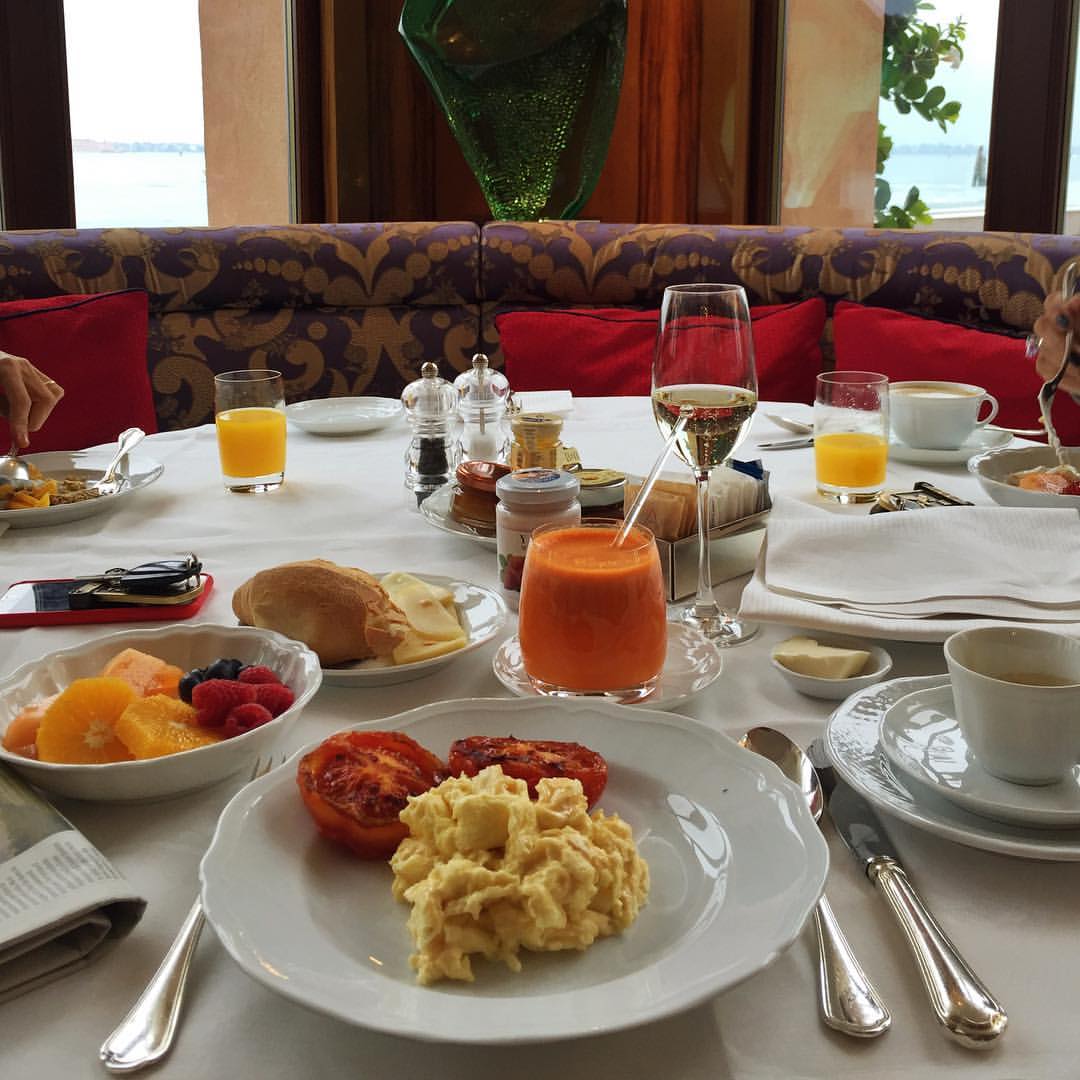

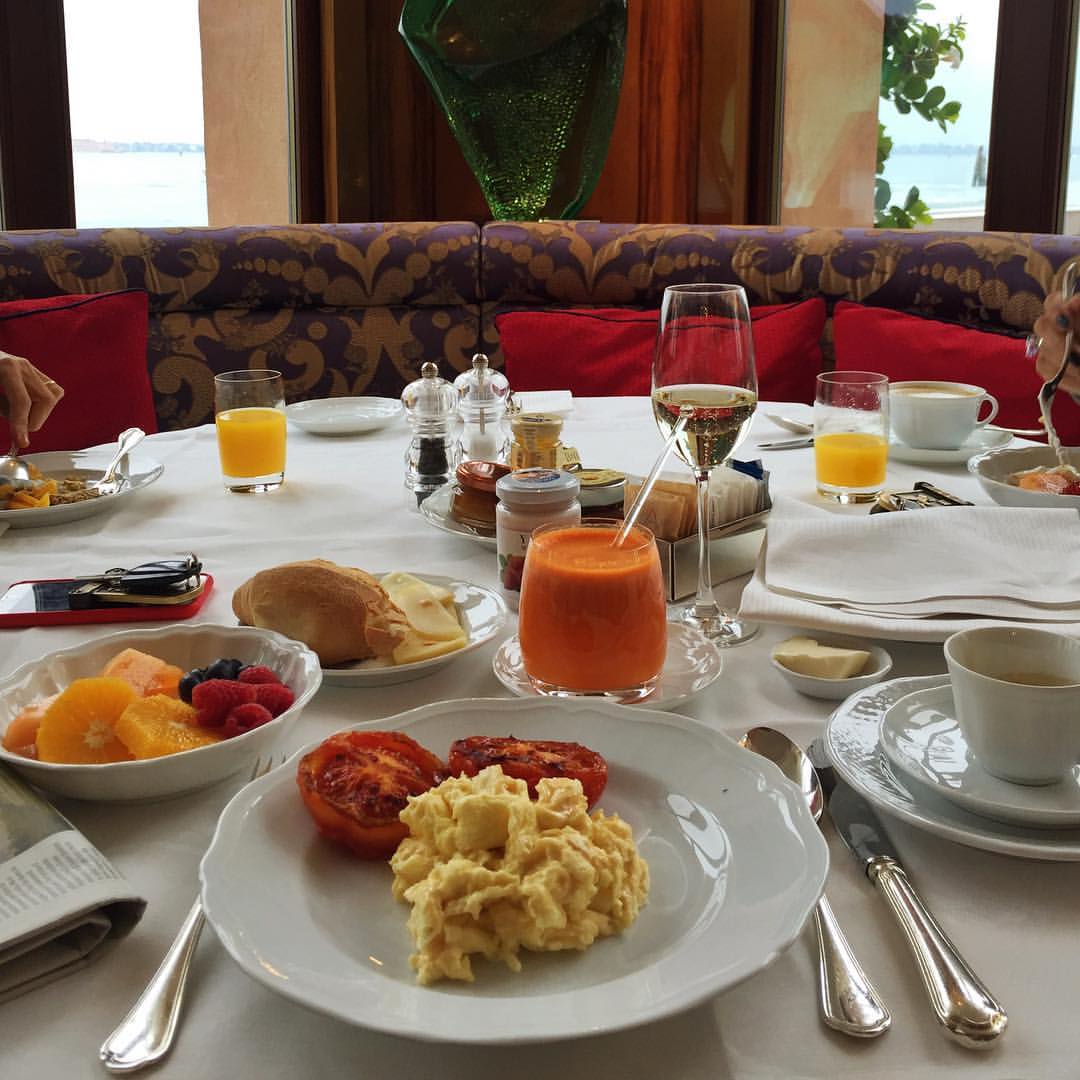
There’s a quiet social experiment running every morning in hotel dining rooms around the world. It doesn’t involve questionnaires or observers with clipboards. It just involves scrambled eggs, a pair of tongs, and the way you carry yourself through a breakfast buffet.
Experienced hotel staff will tell you that the buffet reveals character faster than almost any other moment in a guest’s stay. It’s a low-stakes setting where social guards come down, and the habits that emerge, from how much you take to how you treat the people refilling the orange juice, communicate far more than most guests realize.
How Much You Pile onto Your Plate

Research published in the Journal of Travel Research by Juvan et al. found that guests at hotel breakfast buffets often take more food than they actually consume, creating avoidable plate waste and unnecessary cost. Staff observe this pattern every single morning, and they’ve seen enough to know the difference between someone genuinely hungry after a red-eye flight and someone loading up simply because the spread is there.
According to a 2024 study from the University of Michigan’s Ross School of Business, all-you-can-eat buffets generate more food waste than any other restaurant format, with over seventy percent of that waste being plate waste: food that diners serve themselves but leave uneaten. The size of your plate at breakfast, quite literally, leaves an impression.
In a five-star hotel in Malaysia, research found that each patron left behind an average of 300 grams of food at breakfast and 400 grams at dinner, of which 92 percent was considered avoidable waste. For staff managing those dining rooms, a nearly empty plate at the end of a meal signals a mindful guest. A mountain of uneaten food signals something else entirely.
Whether You Greet the Staff or Ignore Them
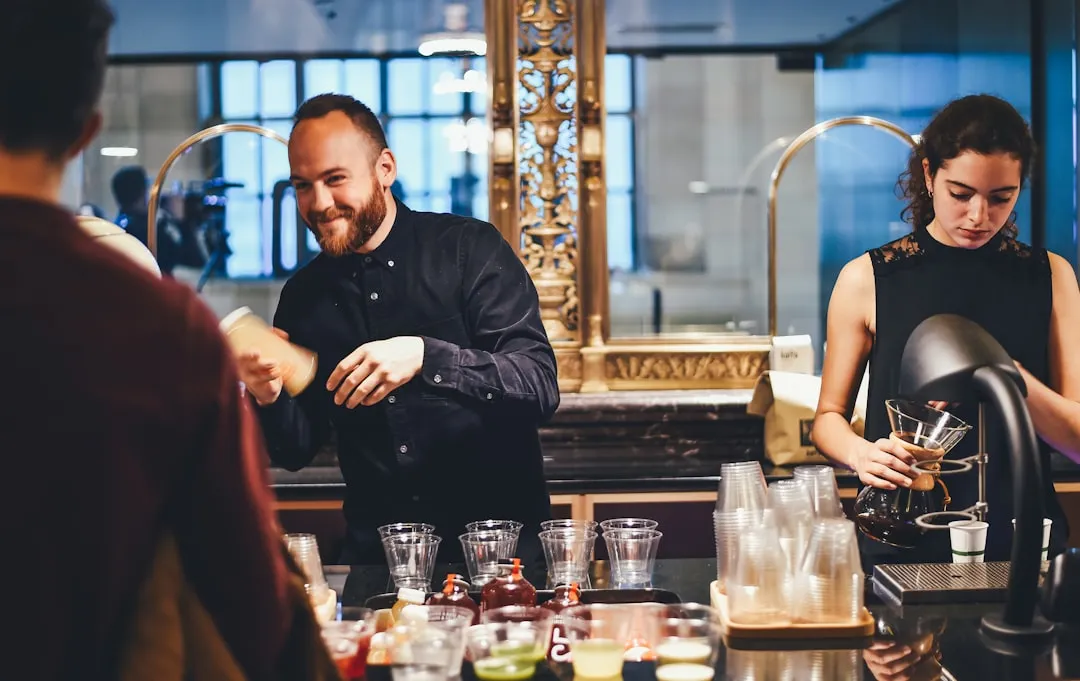
Acknowledging the staff, making eye contact, and saying thank you when someone refills the coffee or replaces a tray costs nothing and changes the texture of the interaction for everyone involved. Yet a surprising number of guests move through the buffet without a single word to the people keeping it stocked and clean.
According to a 2024 report by the American Hotel and Lodging Association, guests ranked “staff interactions” among the top three reasons they would leave a positive review for a hotel. Staff remember the guests who acknowledge them. Those guests often find that service across their entire stay feels a little warmer in return.
Where You Stop and Stand

The stationary grazer is a familiar presence at any hotel breakfast buffet. This is the guest who arrives at the egg station, focuses on assembling a plate, then stops moving entirely while weighing their options. Behind them, the line backs up toward the juice station as they debate their choices, seemingly unaware that others are waiting.
Something interesting happens to people at a buffet. The usual social contracts that govern how we move through shared spaces seem to loosen slightly the moment a pair of tongs gets involved. Staff watch this every morning, and they can predict within seconds whether a guest has situational awareness or is entirely in their own world. It is one of the clearest behavioral signals there is.
Whether You Smuggle Food Out
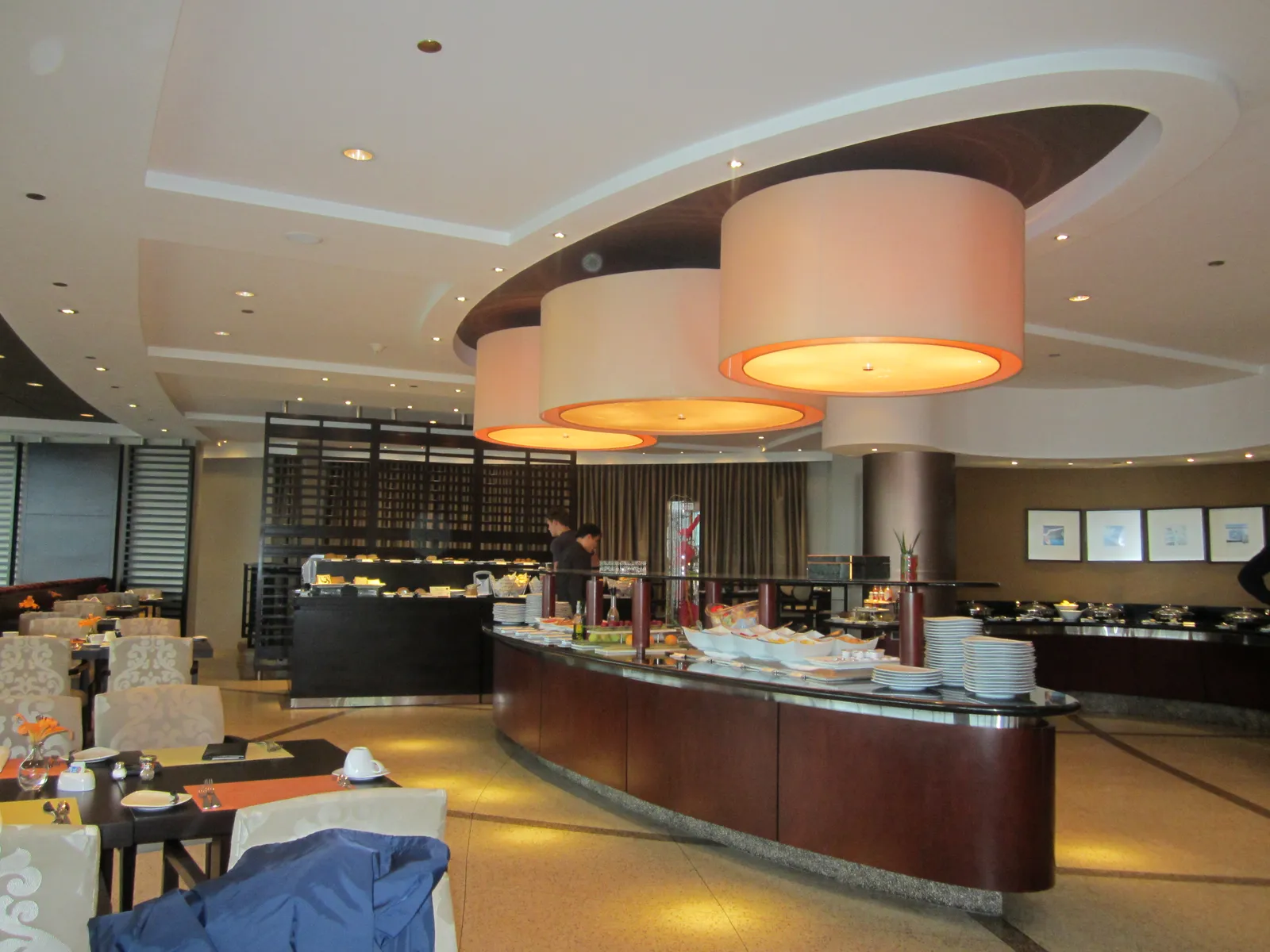
A Hotels.com study conducted with 2,000 British adults found that one in three hotel guests admit to smuggling food from the breakfast buffet to snack on later in the day. Housekeeping staff often know exactly who these guests are, because the evidence tends to turn up in the mini-fridge or wrapped in a napkin on the desk.
The obvious reasons hotels frown on this practice are that they could lose money if everyone loaded up their plates with several meals’ worth of food and then walked it out the door. Most hotels already have policies in place that clearly state “no leftovers,” and some charge additionally for taking food out of the dining area. Staff flag this behavior, and in hotels that track guest profiles, it tends to be noted.
How You Handle the Serving Utensils
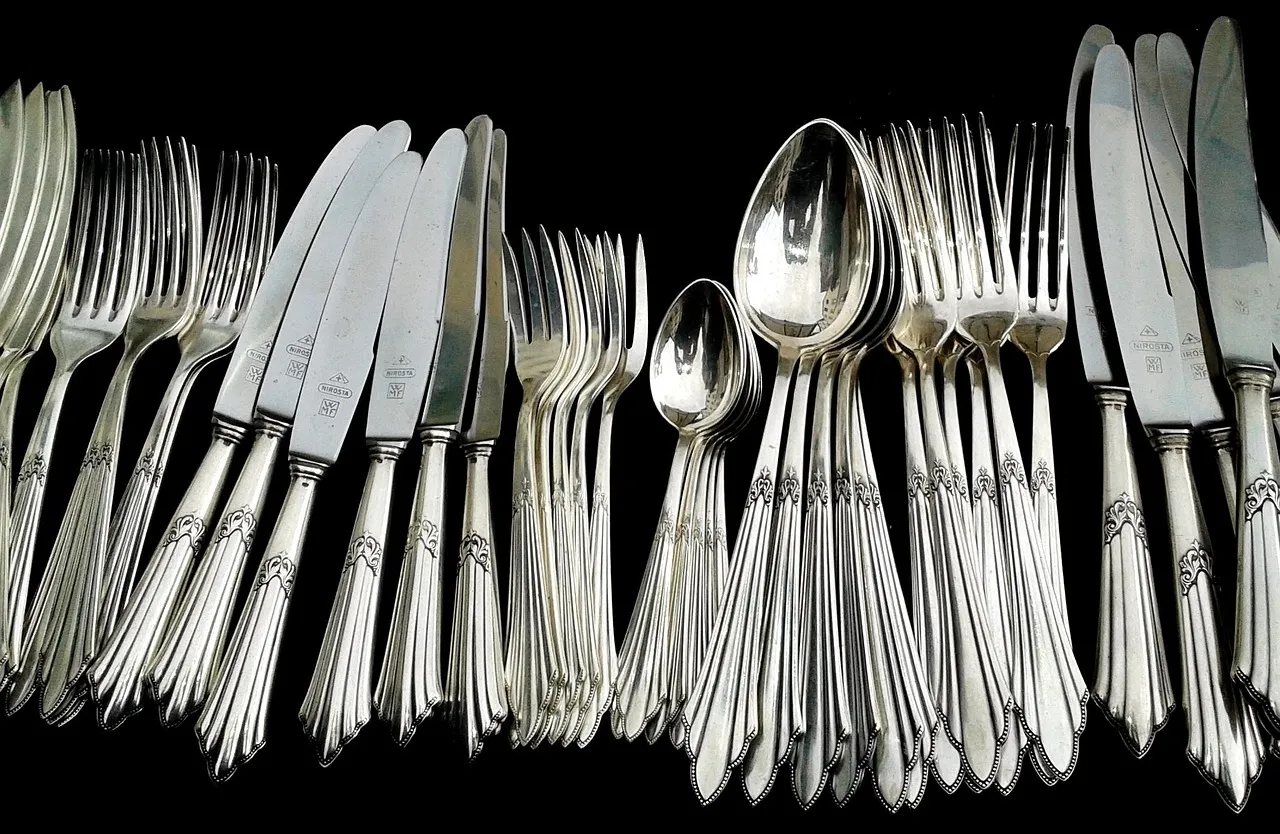
Using serving utensils properly is an essential part of buffet etiquette. It is important to follow a few basic rules: always use the appropriate utensil for each dish, such as a spoon for soups and sauces, tongs for grabbing solid foods, and a serving fork for meats and vegetables. Guests who bypass the utensils entirely tell staff a great deal about how they view shared spaces.
Hotel managers and chefs are specifically positioned to observe, reflect on, and influence both the production and disposal of food waste, along with the decision-making processes around buffet management and, in most cases, their direct interactions with guests’ behaviors. The utensil habits of guests are among the first things seasoned staff notice at the start of service.
When You Arrive at the Buffet
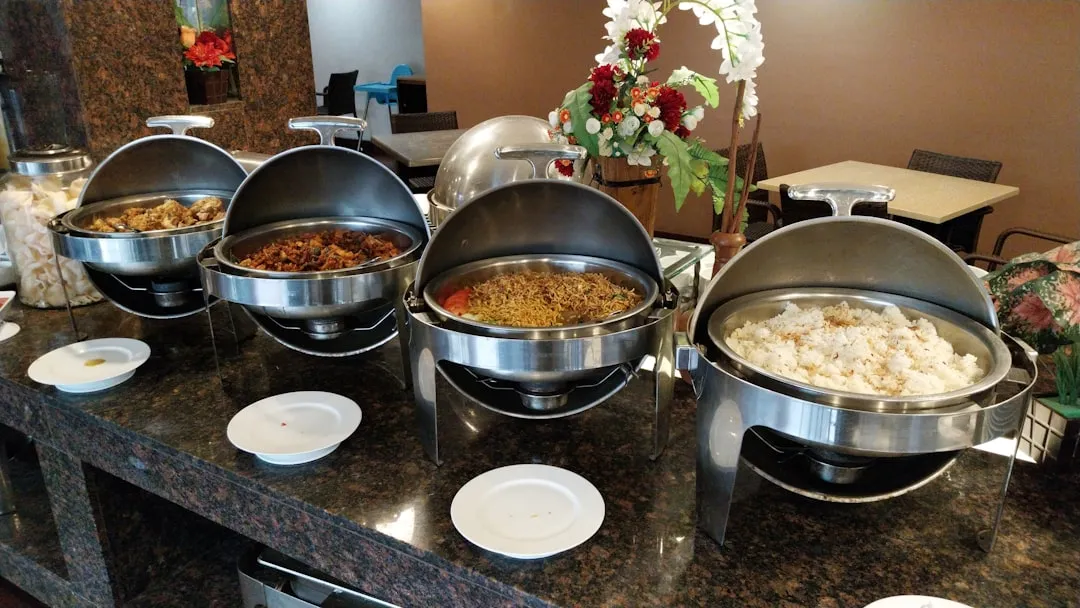
Most hotel and resort buffets operate on a rhythm, and guests who tune into that rhythm tend to have a noticeably better experience than those who fight it. Arriving at the edges of peak breakfast hours means shorter lines, fresher replenishments, and more relaxed staff.
Observational data from hospitality research show that the latest breakfast serving time is associated with worse food waste patterns than the earliest, and high-end breakfast buffets tend to produce worse waste outcomes than budget ones. Guests who arrive during the final minutes of service, load up, and linger create operational challenges that experienced staff track closely. Timing says a lot about how considerate a traveler intends to be.
Whether You Treat the Table as Yours Alone
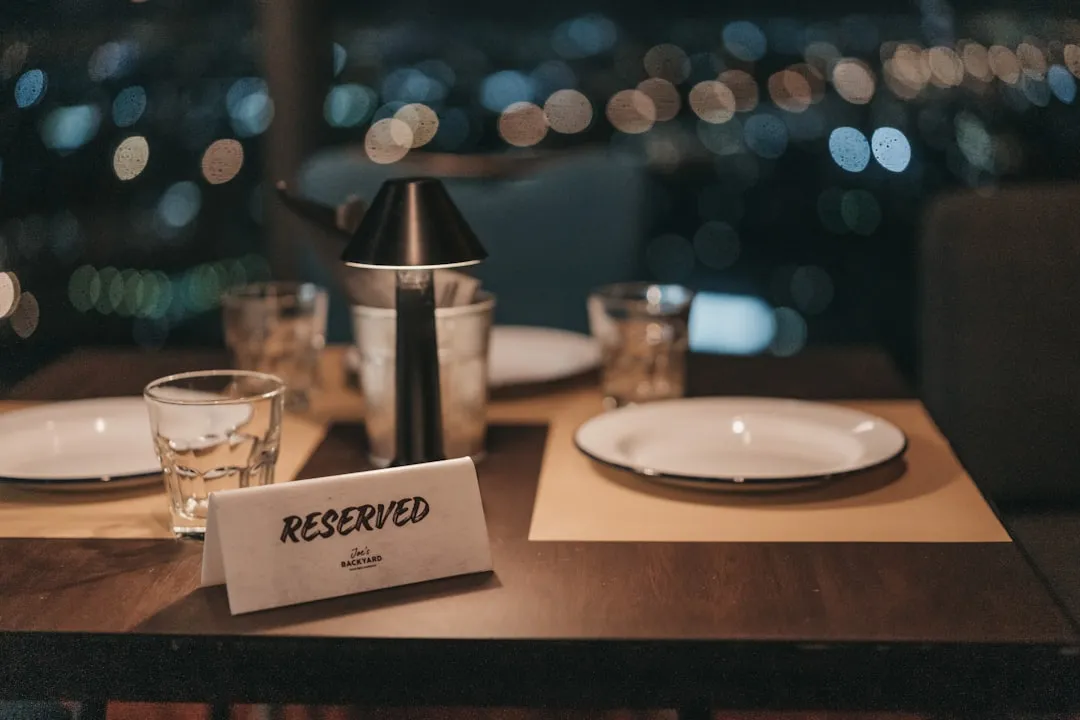
The reserved table with the abandoned plate or sunglasses is its own category of behavior. This is the system where one member of a travel group sits down, places a plate or a coffee cup at a large table to claim it, and then disappears to the buffet for fifteen minutes while the table sits effectively empty. At a resort where seating is limited, holding a table for an extended period before anyone is ready to sit is a meaningful inconvenience to other guests, even when it does not feel like one.
Staff often have to quietly manage these situations without creating embarrassment for anyone involved. The guest who monopolizes four seats during a packed morning service is remembered, not always fondly, and not only by the staff who had to work around them.
How You Respond When Something Runs Out
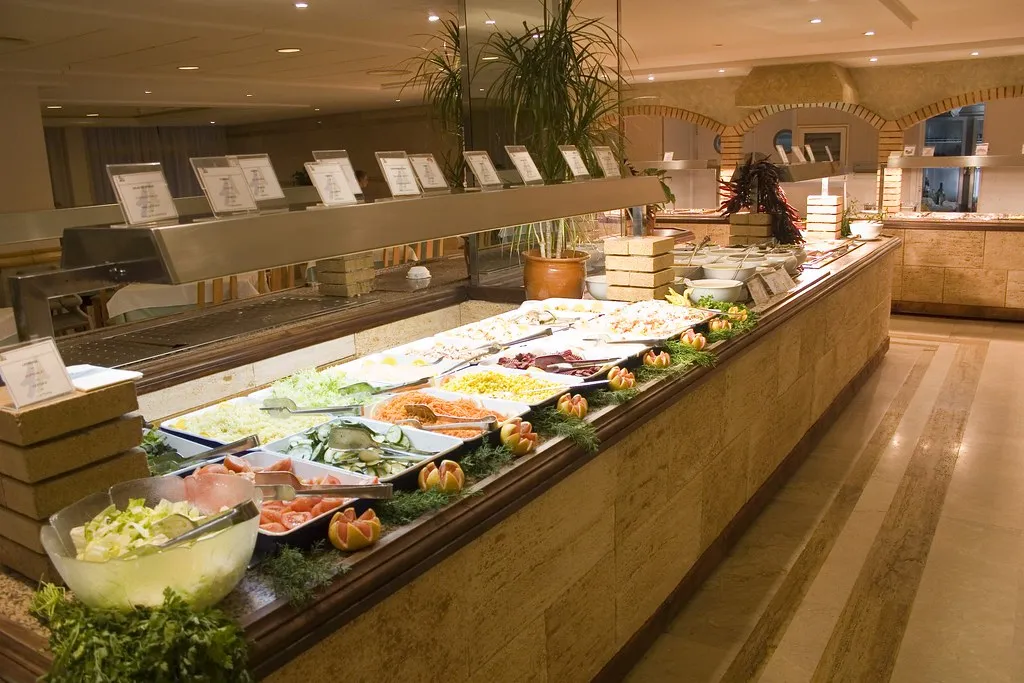
At a well-run hotel or resort buffet, staff will constantly replenish, but there is always a window between the person who takes the last of an item and the moment a fresh tray arrives. Taking a reasonable amount and returning for more if needed is the approach that keeps the spread working for everyone.
The guest who reacts to an empty tray with patience earns quiet respect from the team behind the counter. The guest who loudly complains or snaps at a server who is already on their way with a fresh batch tends to color how the whole team views the rest of that stay. According to Axonify’s 2024 survey, nearly half of frontline hospitality managers have had to ask a guest to leave or ban a guest from returning within the last year due to their poor treatment of other guests or workers.
Whether You Think About Waste at All
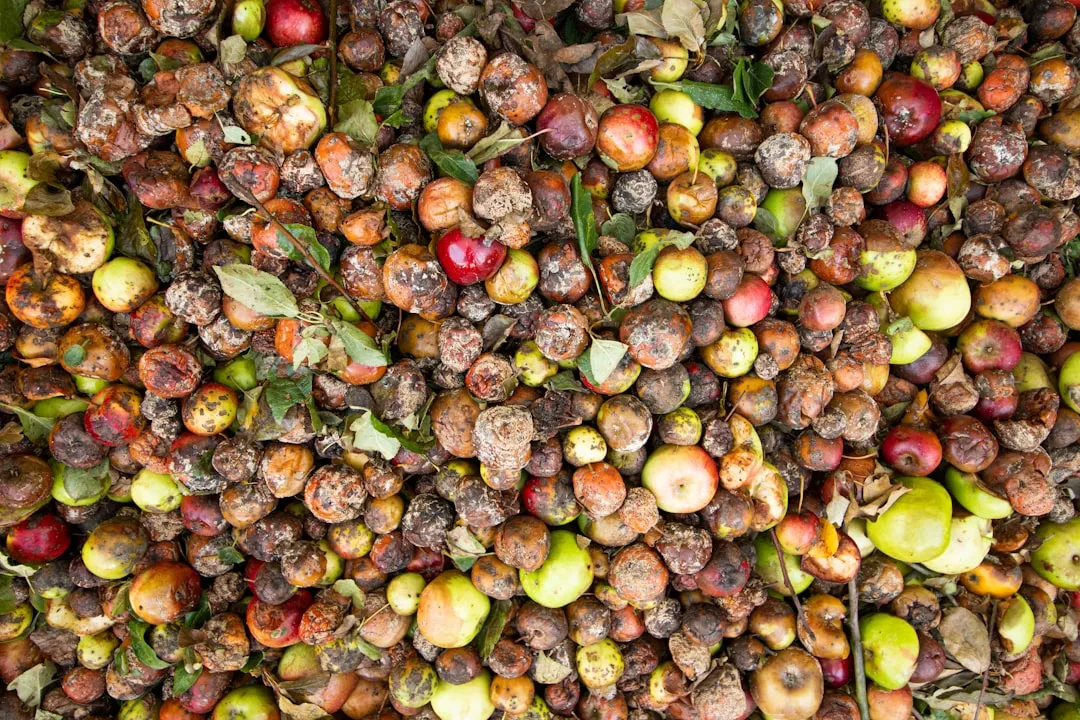
The United Nations Environment Programme’s 2024 Food Waste Index estimated that 19 percent of food available to consumers was wasted in 2022, amounting to over one billion tonnes globally. UNEP also noted that food loss and waste account for roughly eight to ten percent of global greenhouse gas emissions.
Research has shown that two simple and non-intrusive nudges, reducing plate size and providing social cues, can reduce the amount of food waste in hotel restaurants by around twenty percent. Guests who naturally moderate their portions without any prompting are noticed. In early 2025, EU co-legislators struck a provisional deal to cut food waste by thirty percent per capita across retail, restaurants, food service, and households by 2030, meaning the way guests behave at buffets is becoming a matter of genuine policy interest, not just internal hotel observation.
How You Leave Your Table
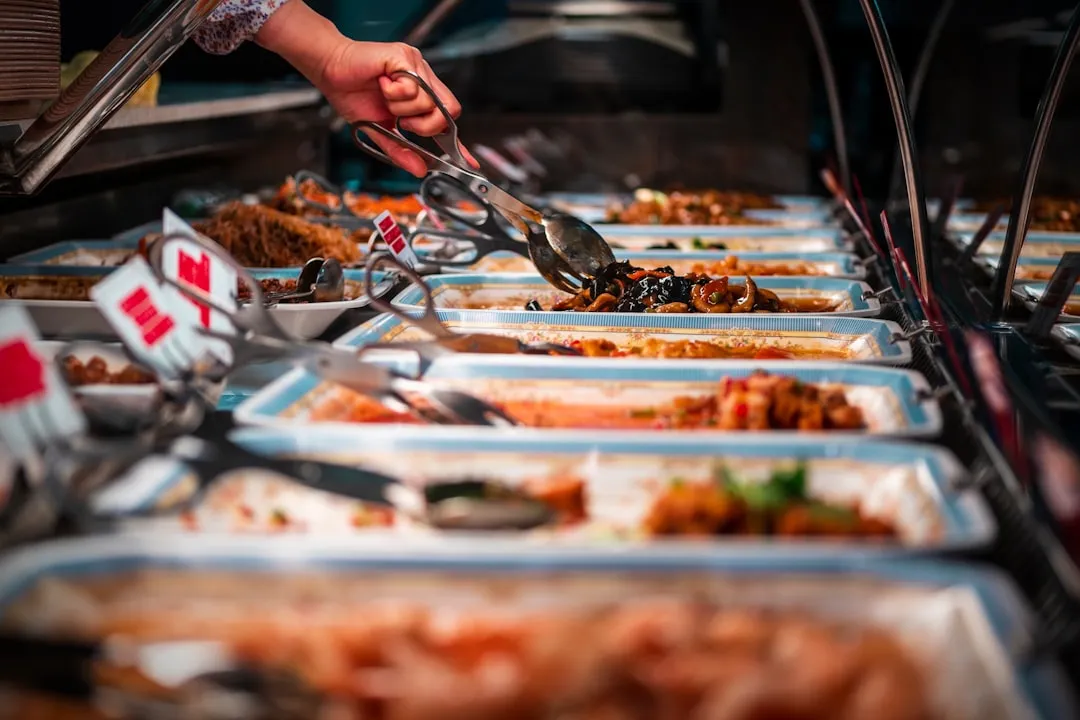
Returning plates and cups to a cleared area rather than leaving them spread across the buffet counter makes a genuine difference to the flow of service. A guest who stacks their dishes neatly and leaves a tidy table behind communicates a basic awareness of the team that has to reset that space for the next person.
Properly handling used plates and utensils is essential when it comes to buffet etiquette. It is important to separate used plates from food waste, to neatly stack plates and utensils together to make it easier for staff to clear the table efficiently. It is a small gesture, but after a full morning service, the staff absolutely notice who made their job easier and who left chaos behind.
The Takeaway
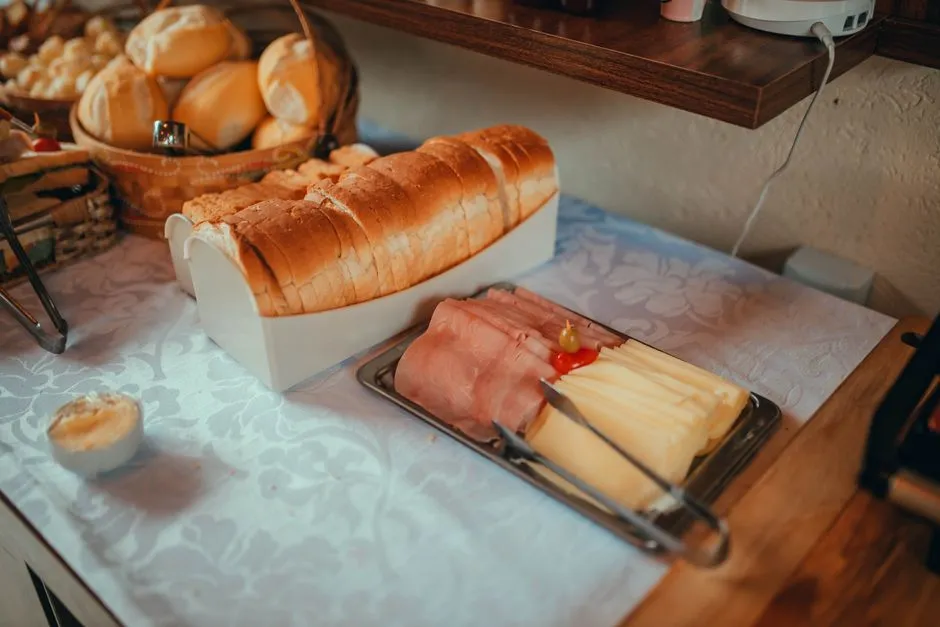
The hotel buffet is not just a place to eat. For staff who spend hours there each morning, it is a quiet stage where guest character plays out in real time. Most hotel and resort buffets operate on a rhythm, and guests who tune into that rhythm tend to have a noticeably better experience than those who fight it.
None of this is about being judged harshly. It is simply the nature of a shared space, observed by people who are paid to pay attention. A hotel buffet at its best is a low-stakes pleasure, the kind of unhurried morning ritual that makes a vacation feel like a vacation. Most people are one or two small adjustments away from being the guest that makes that experience better for everyone around them rather than harder.
How you move through that breakfast room, quietly, considerately, and with a little awareness of the people around you, says more than your star rating preference or your loyalty program tier ever will.
AI Disclaimer: This article was created with the assistance of AI tools and reviewed by a human editor.