

Most hotel guests spend considerable time planning their arrival – the perfect room, the ideal location, the best loyalty rate. The checkout, though? That tends to happen in a blur of last-minute packing, half-drunk coffee, and a frantic glance at the clock. It’s the part of the trip that almost nobody plans for, and it shows.
The checkout process is the set of steps a guest and a property complete to close out a stay – settling charges, returning room access, issuing the final invoice, and releasing the room for housekeeping. It is the last thing a guest experiences, and a slow or confused departure can undo an otherwise good stay right before they write the review. That final impression carries real weight. Getting checkout right isn’t just about convenience; it shapes the entire memory of a trip.
1. Check Your Bill the Night Before, Not at the Front Desk

One of the most practical habits seasoned travelers share is reviewing their folio the evening before checkout, not while standing at reception with bags in hand. Pulling every charge into one bill – room nights, minibar, room service, late checkout, tourist tax, and any extras – requires real-time syncing so that the guest sees the same total the hotel does. Disputes over charges are far more stressful and time-consuming when you’re already running for a taxi.
Most guests have a credit card on file, making it easy to charge incidentals like minibar purchases or room service. Offering multiple ways to settle the bill is increasingly standard, including pre-checkout payment the night before, which is ideal for early departures. Spending five quiet minutes with your itemized bill in the evening is a far better use of your time than holding up the queue at the front desk at 9 a.m.
2. Use Mobile or Express Checkout Whenever It’s Available

Almost half of hotel guests now prefer to check out using their smartphone, with mobile checkout solutions becoming a key convenience feature that reduces wait times and enhances guest satisfaction. This shift isn’t just about technology for its own sake – it genuinely removes one of the most friction-heavy moments of any hotel stay.
A digital checkout lets the guest review charges, pay, and confirm departure from their phone, which removes the morning queue and the manual billing reconciliation behind it. Many properties today also allow express checkout with pre-authorized payment, and digital receipts sent directly to a guest’s email, reducing paper waste and enhancing convenience. If your hotel offers this, it’s almost always worth using.
3. Do a Thorough Room Sweep Before You Close the Door

The most commonly forgotten items are clothes, phone chargers, and adapters, and the sheer volume of lost property uncovered by Hotels.com’s annual Hotel Room Innsights Report suggests that travelers could really do with some assistance when it comes to checking out. Over a third of hotels surveyed say that guests leave behind items in their rooms on at least a quarter of stays.
Around 40 to 42 percent of guests forget their clothes and electronic devices in hotels, and some people have been known to travel over 30 miles just to reclaim a device charger. The fix is remarkably simple: a slow, deliberate walk through the room – checking under the bed, inside the safe, behind the bathroom door, and inside every drawer – before you leave takes under two minutes and saves enormous hassle later.
Guests often keep valuable items in safety lockers and forget to take them in the rush to catch a flight or train, leaving the locker unattended until housekeeping visits the room. The safe is genuinely the most commonly overlooked spot at departure.
4. Know Your Checkout Time and Plan Around It
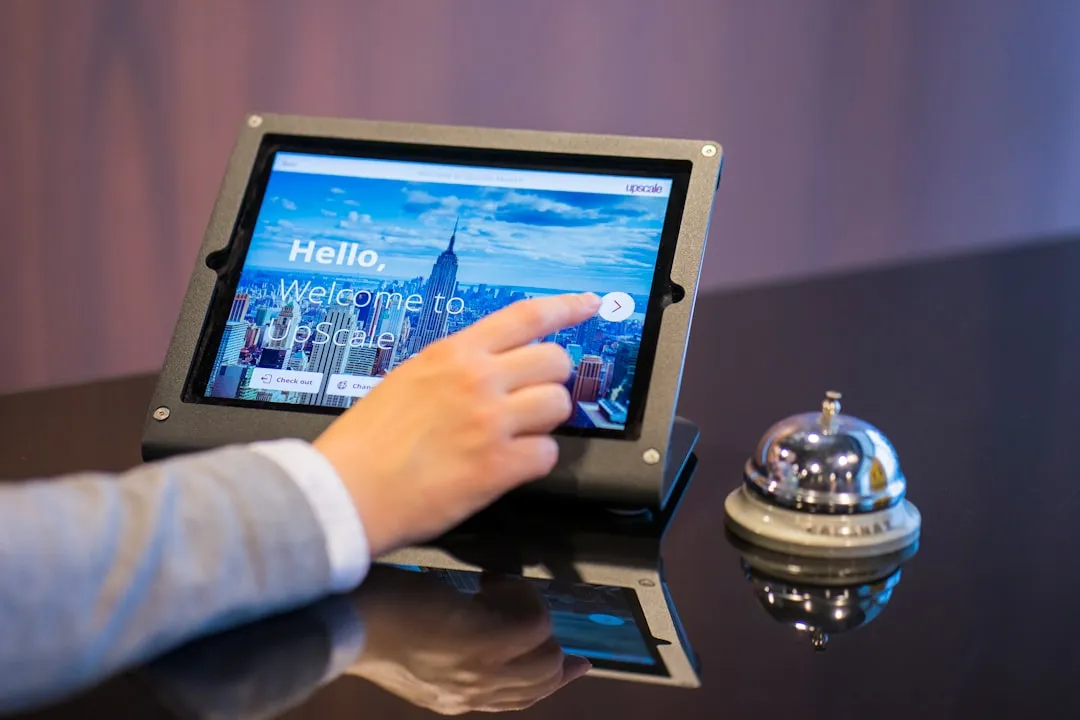
When checkout time approaches, hotels send guests a reminder via text, email, or in-app notification, and many also include checkout details on in-room TV systems or printed materials. Clear reminders ensure guests are prepared, reducing delays and last-minute confusion at the front desk. That reminder, though, should prompt action rather than a prolonged snooze.
Guests often need a gentle nudge before departure, especially during early mornings or busy schedules, and timely reminders help them plan their exit better. Knowing the exact checkout time from the moment you arrive – and treating it as a real deadline rather than a vague suggestion – changes how you structure your final morning entirely. It’s the difference between a calm goodbye and a chaotic scramble.
5. Request a Late Checkout if You Need More Time
Guests requesting extended stays may incur additional charges, so it’s essential to communicate the terms clearly and coordinate with housekeeping to manage room availability. Most properties are genuinely willing to accommodate a later checkout when occupancy allows, especially for loyalty program members, but the request needs to come well in advance.
The mistake most travelers make is waiting until the morning of departure to ask. Front desks receive dozens of these requests at the same time. Asking the evening before, or even at check-in, gives staff a realistic chance to accommodate you. VIP guests and loyalty members can often expect express checkout, private billing discussions, or complimentary assistance to ensure a memorable departure. Membership, it turns out, does have its privileges here.
6. Settle Loyalty Points and Preferences Before You Leave

Checkout is not just about settling bills – it is also an opportunity to collect feedback, address concerns, and leave a lasting impact. A well-handled checkout process enhances guest loyalty, minimizes billing errors, and ensures accurate financial records. From the guest’s side, that same moment is the right time to confirm that any loyalty points have been correctly credited to your account.
Future reservations are another opportunity worth taking advantage of during a positive checkout interaction, making it a natural moment to discuss future stays or explore loyalty program benefits. It sounds small, but frequent travelers who treat checkout as a two-way conversation – rather than a transaction to rush through – tend to build the kind of history with a property that pays off in real, tangible ways on future trips.
7. Pack Strategically the Night Before

The most underrated checkout habit is the one that happens the evening prior: packing. Not fully closing your bag at 11 p.m., necessarily, but organizing your belongings so that the final morning is just a matter of adding toiletries and closing a zip. Travelers who pack incrementally throughout a stay – rather than all at once in a panic – leave far fewer things behind.
Making a list of essentials, checking everything prior to departure, using the hotel safe, tagging belongings, and ensuring everything is well-organized are among the most reliable strategies for preventing loss. The list doesn’t need to be elaborate. Even a quick mental inventory of where your chargers, adapters, and travel documents are located can prevent the kind of frantic search that makes departure mornings miserable.
8. Coordinate Transport and Luggage Storage in Advance

The day before or morning of departure, a good hotel will send a message with the checkout time, the option to check out online, and a prompt about luggage storage or transport. Taking action on that prompt – rather than scrolling past it – is the move that separates calm departures from chaotic ones. Booking a taxi or airport transfer the night before removes one of the most stressful variables of travel-day logistics.
Hotels typically offer bell staff assistance for heavy or multiple bags, especially for guests with mobility concerns, and provide information about taxi services, airport shuttles, or ride-sharing options. If there’s a gap between your checkout time and your transport departure, most hotels will hold your luggage without charge – a simple request that frees up your final hours considerably.
9. The Final Bill Dispute: How to Handle It Calmly and Effectively
Billing errors at departure do happen. A slow or confused departure can undo an otherwise good stay right before a guest writes their review, and for hotels, checkout is where billing errors, front-desk queues, and missed opportunities most visibly appear. When a charge looks wrong, the most effective approach is always to raise it clearly and specifically, not impulsively.
Have a clear record of what you ordered or used during your stay. Reference specific dates and services. When guests know what to expect, the checkout process becomes faster and more organized. Keeping notes on significant in-room purchases throughout your stay isn’t paranoid – it’s simply sensible. Most disputes resolve quickly when a guest arrives at the desk with specifics rather than generalizations.
10. Leave a Review That Reflects the Full Experience

Checkout is the best moment to gather feedback while the stay is still fresh in the guest’s mind. From the traveler’s side, it’s equally the best time to form your own balanced view of the property before the memory softens or sharpens unfairly. A review written from the lobby, minutes after a smooth or difficult departure, captures the experience at its most accurate.
Hotel checkout is the final touchpoint in the guest journey, and it often decides how a stay is remembered. If the departure feels smooth, quick, and organized, the guest leaves with a positive impression. If it feels slow or confusing, even a good stay can end on a weak note. Your review, written fairly and with care, contributes to a more honest and useful travel ecosystem for every traveler who comes after you.
The Habit That Ties It All Together

None of the steps above require special knowledge or significant effort. What they share is a single underlying habit: treating checkout as something you prepare for, not something you survive. While we’ve all forgotten things in hotels, these lapses in memory are not a foregone part of the checkout experience, and hotels and experts are actively developing new strategies to ensure guests leave with everything they came with.
The data from J.D. Power’s research confirms that check-in and checkout remain a core dimension of overall hotel guest satisfaction, measured consistently across every hotel segment year after year. That measurement reflects real guest sentiment, and it cuts both ways. The experience of leaving a hotel shapes how you remember the entire stay, far more than most travelers realize until they’re sitting in a departure lounge, already rehearsing the story of what went wrong.
A good departure isn’t accidental. It’s the result of a few quiet decisions made the night before – and that, more than anything, is the habit worth building.
AI Disclaimer: This article was created with the assistance of AI tools and reviewed by a human editor.