
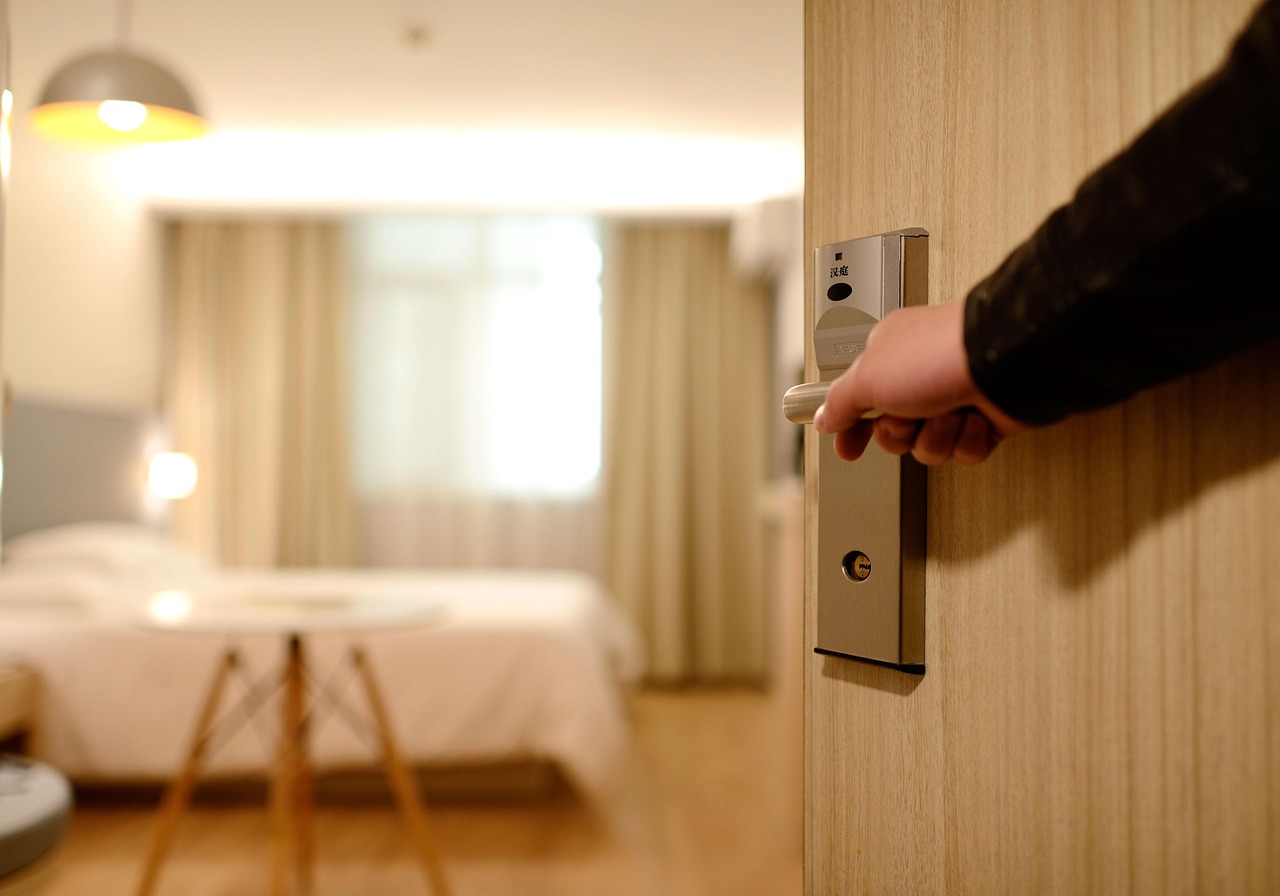

Most travelers tuck their hotel key card into a pocket or wallet without a second thought. It’s routine, almost invisible. Yet that small plastic card, and the habits surrounding it, are at the center of a surprisingly active area of security research and real-world crime.
The risks are not hypothetical. In recent years, security researchers have exposed vulnerabilities affecting millions of hotel locks across more than a hundred countries, and the tools needed to exploit them are cheap and widely available. Understanding what you’re actually carrying, and what you’re doing with it, matters more than most guests realize.
Leaving the Room Number Envelope in Plain Sight

When front desk staff hand over a key card at check-in, it often arrives inside a small paper sleeve printed with a room number. That sleeve feels convenient, like a helpful reminder. Security professionals consider it one of the most common and avoidable risks travelers create for themselves.
Leaving a key card in its sleeve with the room number visible is essentially handing someone both a “key” and the “address” to use it. If it’s lost or stolen, it makes unauthorized entry almost effortless for someone with bad intent. The fix is simple: discard the envelope at check-in, memorize or photograph your room number separately, and never carry the two pieces of information together.
How Easy It Actually Is to Clone a Key Card

It’s now relatively easy to copy most forms of hotel key cards on the market using a device called a Flipper Zero, and this can be done through a key card carrier’s pocket or purse. That detail tends to surprise travelers who assume a physical card requires physical contact to be copied.
The hardware needed to reprogram hotel cards isn’t restricted or illegal to own. Devices like magnetic stripe writers or RFID encoders are sold online and used for a variety of applications. The barrier to entry is low, which makes it a growing concern for hotel security. For the determined bad actor, accessing the necessary equipment is genuinely straightforward.
The Unsaflok Vulnerability: When Millions of Locks Were Exposed
In March 2024, researchers Ian Carroll and Lennert Wouters disclosed a critical vulnerability in a widely deployed hotel lock system. It affects three million or more locks in more than 13,000 properties across 131 countries. The scale of that exposure made it one of the most significant hotel security disclosures in recent memory.
An attacker needs only one expired key card from the target property and a $200 RFID cloning device to create two forged cards that open any door in the hotel, including deadbolted rooms. Hotels began upgrading their systems to resolve the vulnerability in November 2023, and researchers went public in March 2024. Despite this, as of March 2024, only 36 percent of the impacted locks had been updated or replaced.
Why Magnetic Stripe Cards Carry Particular Risk
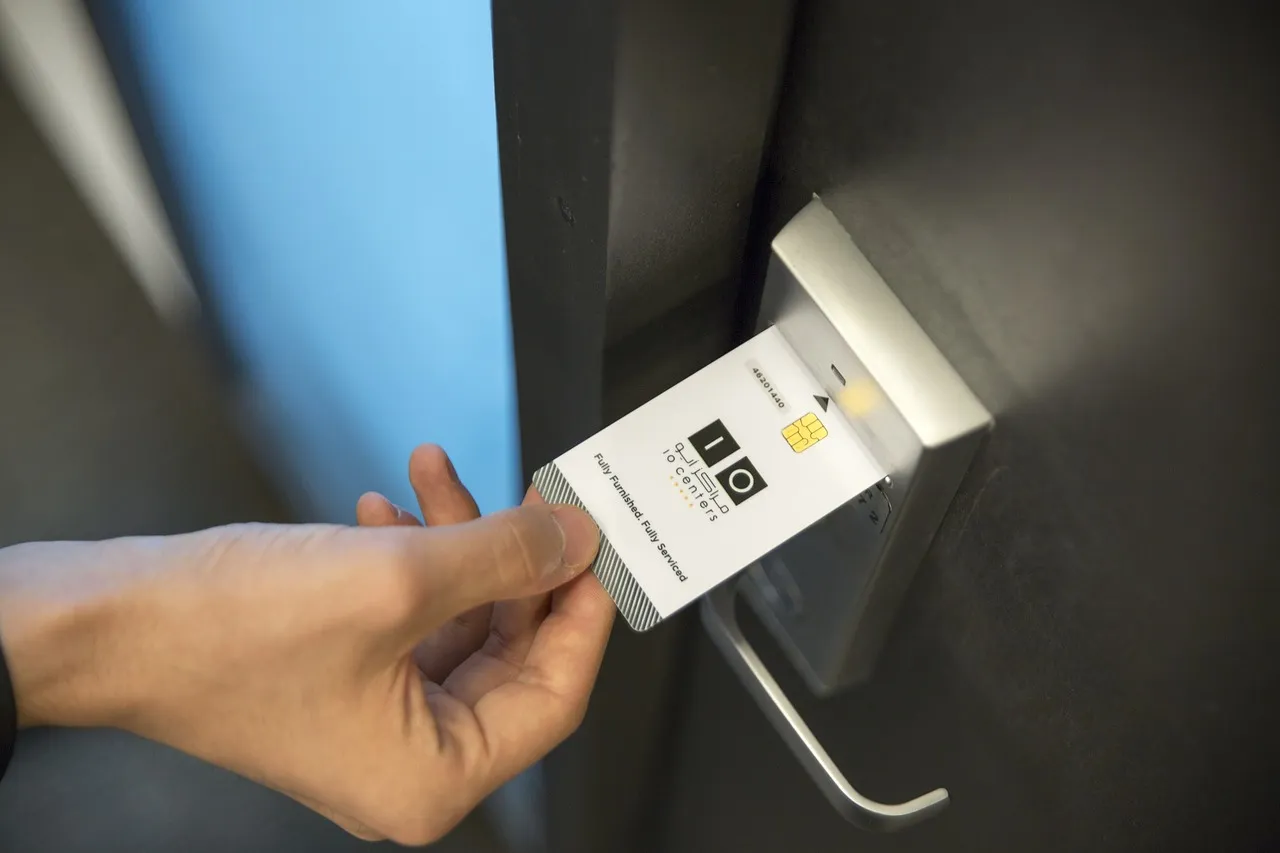
Not all key cards are equal. Older magnetic stripe cards, the kind that look and feel like a standard credit card with a dark band across the back, are considerably easier to compromise than modern RFID alternatives.
Although magnetic stripe cards were once an innovative solution, advancements in technology have revealed major security vulnerabilities. Hackers can use inexpensive equipment to clone the card’s information and misuse it. Magnetic stripe cards lack real-time monitoring or tamper-proof technology. Once card information is compromised, it can be difficult for hotel systems to detect the breach in a timely manner. The good news is that magnetic stripe is no longer part of any major chain’s forward technology roadmap.
Skimming: The Hidden Threat Near Card Readers
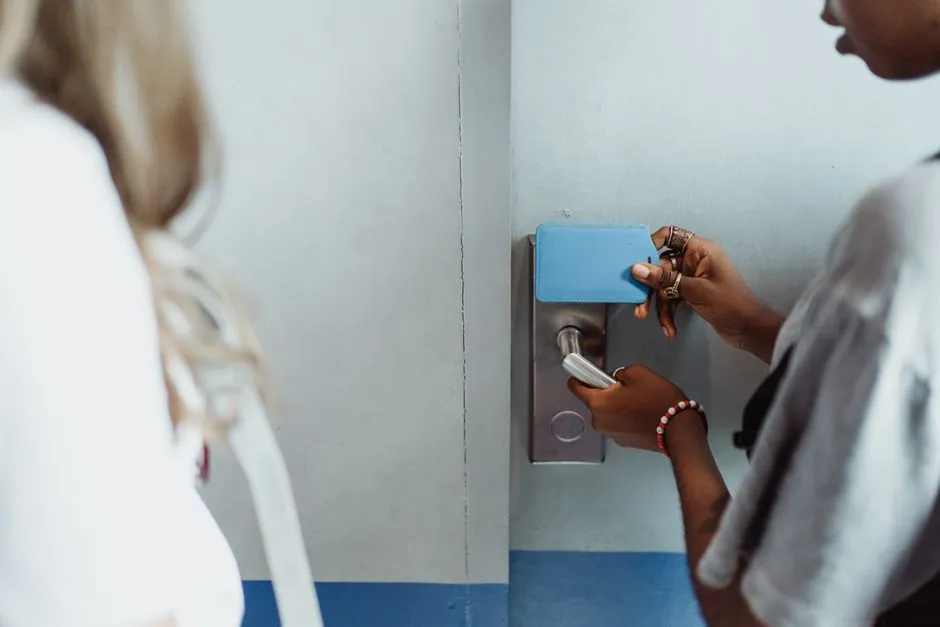
Cloning a card you’re carrying is one threat. Skimming is another, and it operates without any direct interaction between an attacker and the guest.
Skimming is a technique used by hackers to steal information from a key card. It’s usually done by using a skimming device placed near a key card reader, such as a hotel elevator or electronic lock. When a key card is used, the skimming device captures information stored on the card, including the guest’s room number and check-in and check-out dates. This information can then be used to gain unauthorized access to a hotel room. Guests rarely notice anything unusual during these interactions, which is precisely what makes skimming effective.
The Expired Card Problem: Don’t Leave It Behind

Many travelers return key cards to the front desk at checkout. Others leave them in the room, pocket them as souvenirs, or toss them in a bin near the lobby. That last habit deserves more scrutiny than it gets.
Used hotel key cards can be reprogrammed and reused with surprising ease, posing serious security risks. Reprogramming a hotel key card requires an encoder, a device that writes data onto magnetic stripes or RFID chips. Using open-source hotel key templates or cloned access data, a person can reprogram the card to mimic another guest’s credentials, which can unlock a room, utility area, or staff-only space. Even a card that appears expired can carry usable data if the lock system is outdated or unpatched.
Eavesdropping on Wireless Signals
RFID cards communicate wirelessly, which means there is a brief window during which data is in motion between the card and the reader. That window is exploitable, even if doing so requires more technical sophistication than basic cloning.
Hackers can listen to the wireless signals between the card and reader, a technique known as eavesdropping. Spoofing is also possible: attackers may trick the system by pretending to be a valid card. These attack vectors are less common in everyday hotel crime, but they are real enough that security researchers and lock manufacturers take them seriously as part of the overall threat landscape.
What Happens When Cloned Staff Cards Enter the Picture

The vulnerability isn’t limited to guest rooms. Staff access cards, which often open far more doors than a standard guest card, carry their own risks when they fall into the wrong hands.
There have been documented cases of criminals using reprogrammed key cards to enter hotel rooms and steal valuables. In some instances, cloned staff cards have been used to access service areas and commit fraud. These incidents often go undetected until significant losses are discovered. The challenge for hotel security teams is that a cloned card, by definition, looks identical to a legitimate one from the perspective of most lock systems.
The Legal Reality of Key Card Crimes
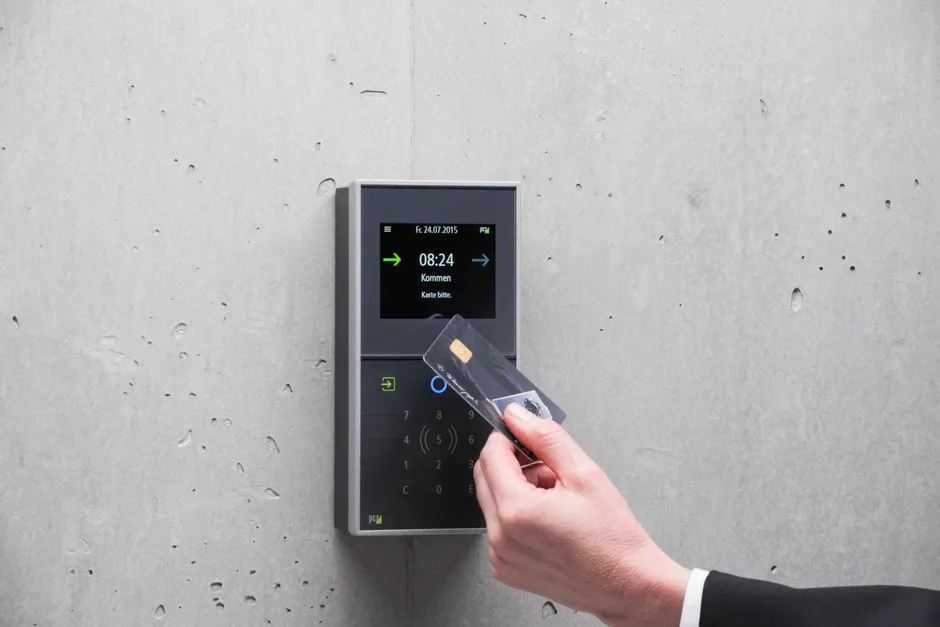
It’s worth being clear about where the law stands. Possessing an RFID encoder or a Flipper Zero is legal in most jurisdictions. Using one to access a room you’re not authorized to enter is not.
Reprogramming a key card without authorization is illegal and considered a form of trespassing or hacking. Hotels can press charges against anyone caught using cloned or rewritten cards to gain access. Some researchers perform these hacks to highlight system flaws, but others use the knowledge for theft or espionage. The law treats these offenses seriously, especially if they result in harm or property damage. The legal line between research and criminal exploitation is real, even if the technical steps can look similar from the outside.
What Modern Encryption and Mobile Keys Offer
The hotel industry has not stood still. The hospitality industry is converging on three access technologies: RFID key cards with AES-128 encryption, NFC-enabled mobile keys via smartphone apps, and hybrid systems supporting both. These represent meaningful improvements over older systems.
By 2025, mobile key adoption was projected to exceed 70 percent of hotels worldwide. This shift provides convenience to guests and can enhance security, since digital keys are encrypted and can be remotely revoked if a phone is lost. Major chains including Marriott, Hilton, IHG, and Accor specify exclusively RFID or mobile key systems for all new-build properties. Still, mobile key adoption has not replaced physical cards entirely. Guest adoption rates vary by market, and hotels need physical backup cards for guests without compatible smartphones, for group check-ins, and for secondary cards.
Practical Habits That Genuinely Reduce Your Risk
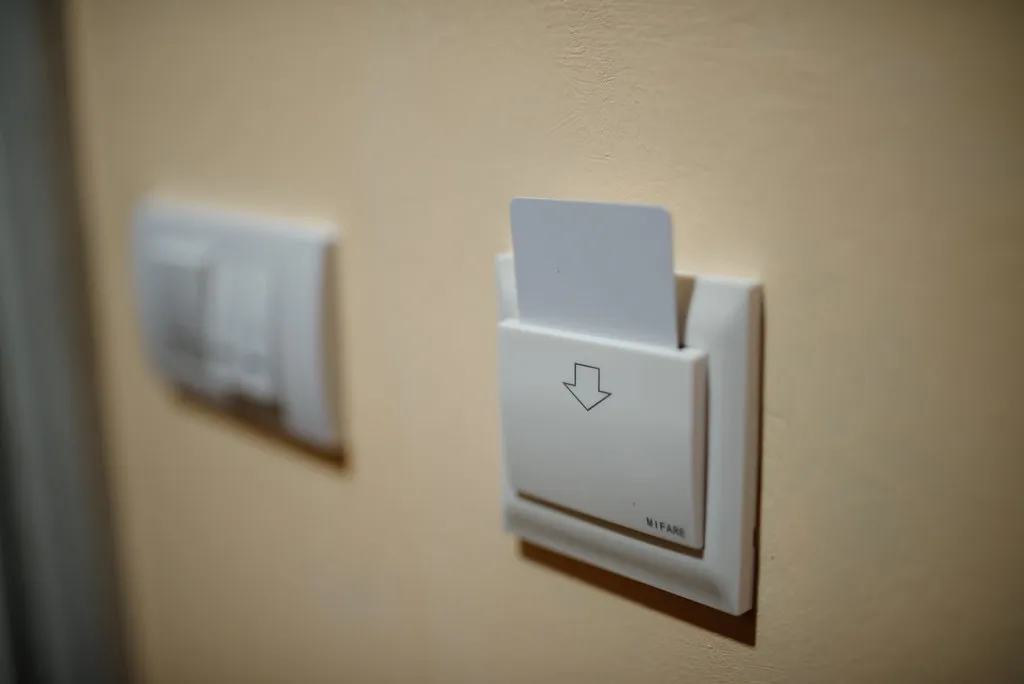
Most of the real risk to guests comes not from sophisticated attacks, but from careless everyday habits. Storing a key card next to the room number sleeve, leaving it face-up on a restaurant table, or discarding it carelessly at checkout all create unnecessary exposure.
Keep your key card in a shielded wallet or cardholder if you carry other contactless cards, and be mindful of where you place it in public areas. If you lose your card mid-stay, report it immediately so the hotel can deactivate it. Hotels can easily manage and deactivate lost cards, improving security and guest convenience. That deactivation only works, though, if the guest actually reports the loss rather than assuming the card will expire on its own.
A Closing Thought on Routine and Risk

Hotel key card security sits at a quiet intersection of digital vulnerability and everyday human habit. The technology has improved significantly. The risks are real but manageable. What tends to close the gap between the two is awareness, not anxiety.
Travelers who understand what their card carries, and how it can be misused, are already better protected than most. The next time you check in and reach for that paper sleeve, that small moment of awareness is genuinely worth something.
AI Disclaimer: This article was created with the assistance of AI tools and reviewed by a human editor.