

The Markup Is Far Bigger Than You’d Guess
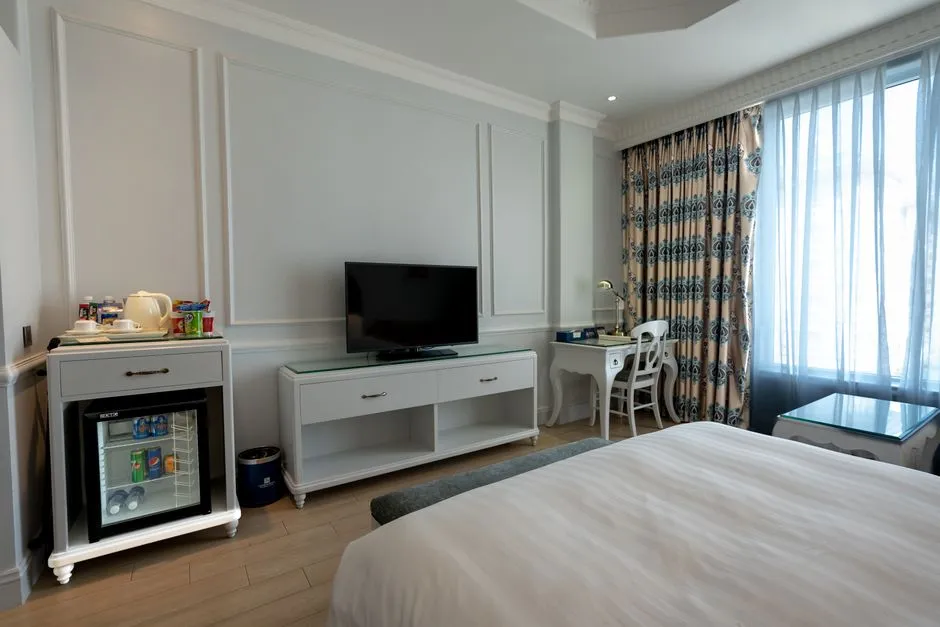
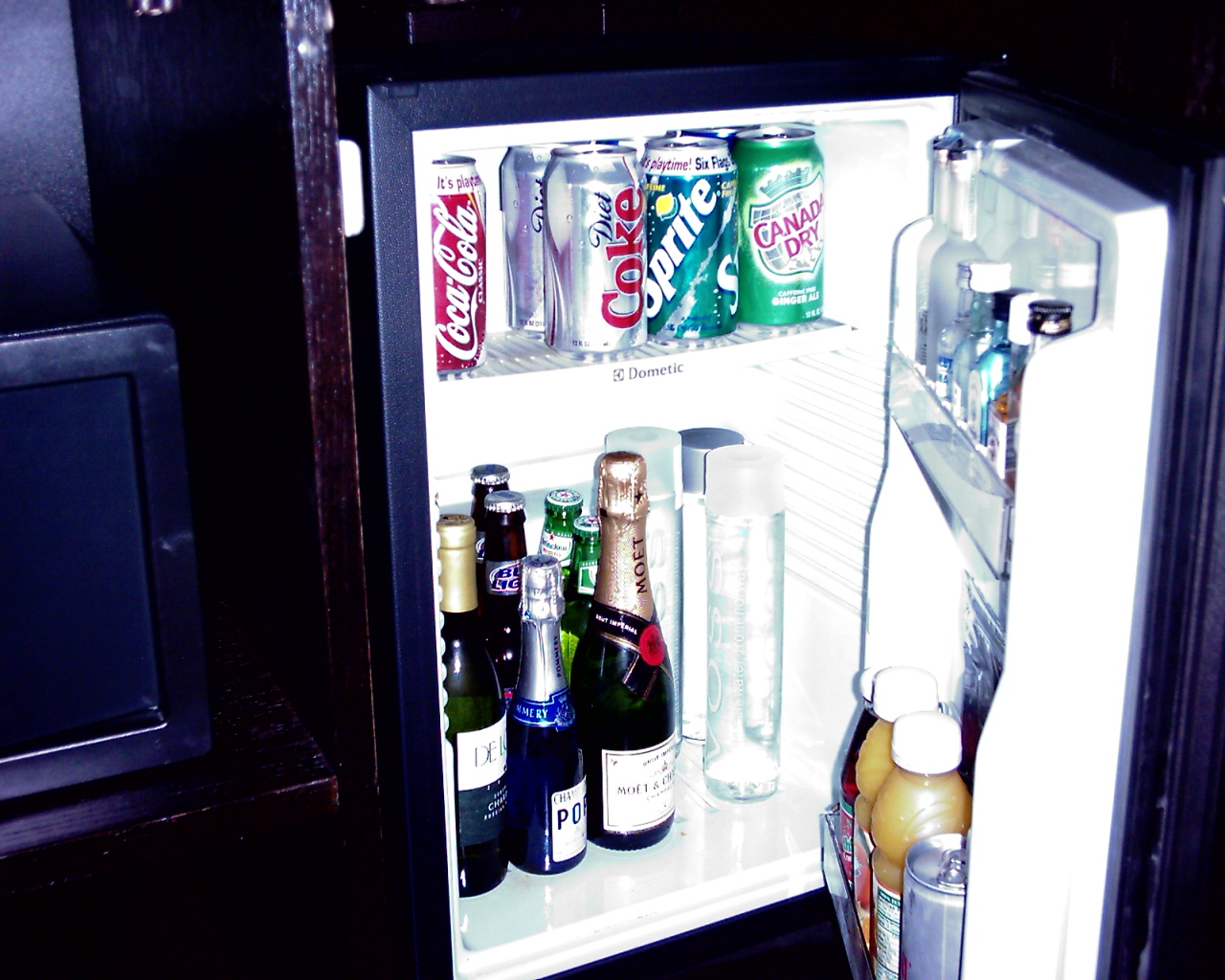
The price difference between minibar items and what you’d pay at a grocery store isn’t just a small convenience premium. Minibar snacks and drinks are typically priced somewhere between 300 and 400 percent above retail. That means a simple bottle of water or a can of soda effectively costs four times what it would just a few blocks away.
According to a Hotel News Resource article, the industry standard markup can range from 200 to 500 percent on honor bar items. For alcohol, those numbers can climb even higher. Walk into any mid-to-luxury hotel room and you’ll likely find a can of soda priced around four dollars, a mini-bottle of Jack Daniel’s at twelve dollars, or a glass of Chardonnay listed at nineteen dollars.
According to a study by SmarterTravel, the average markup on minibar snacks and drinks is around 400 percent. That’s not a rounding error. It’s the business model.
Sensors That Charge You for Simply Looking
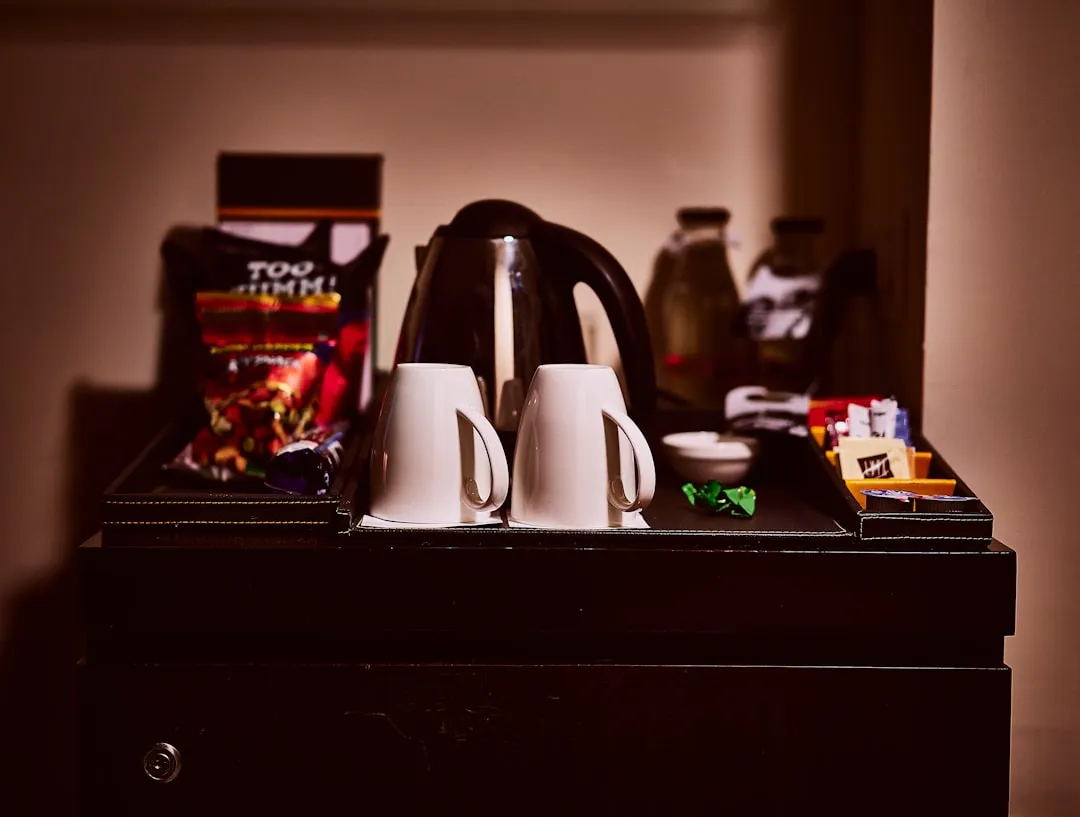
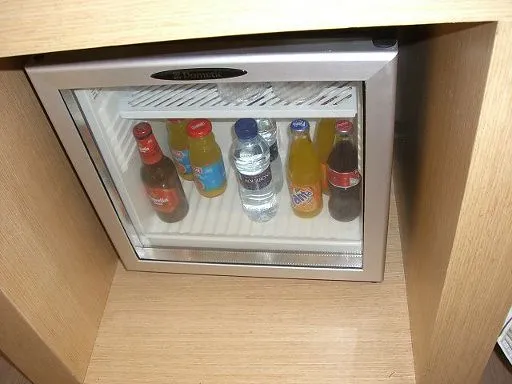
Most travelers understand that drinking from the minibar will result in a charge. What far fewer people know is that some hotels will automatically charge your bill if you so much as touch the snack tray, even if you don’t eat anything. This is where the minibar habit gets genuinely costly for unsuspecting guests.
Sensor-equipped minibars typically log a charge after an item has been out of position for 60 seconds. If you don’t replace the item in its exact position, or you dwell too long reading the ingredients, you’ll be charged, even if you put the item back.
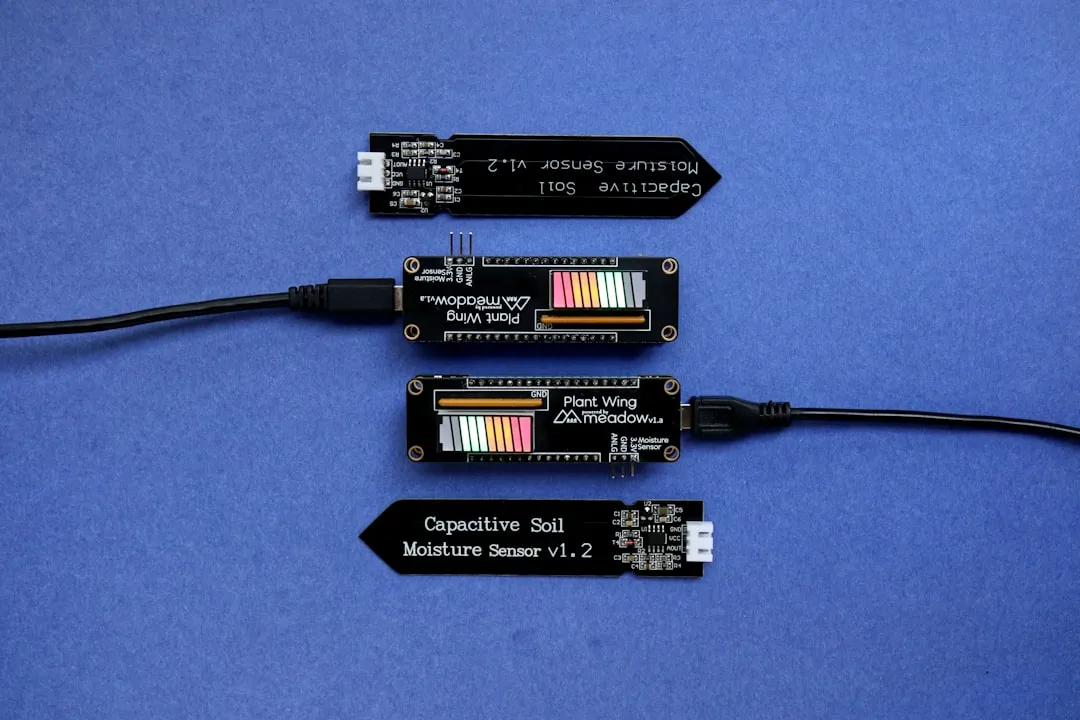
Modern minibars use infrared beams, microswitches, or magnetic sensors to detect when an item is removed. The technology is precise enough that simply rearranging something to make room in the fridge can trigger a purchase you never intended.
The Error Rate Is Surprisingly High
False charges from automated minibar systems are not rare exceptions. A manager at Milwaukee’s Ambassador Hotel estimated that as many as 90 percent of automatic charges for the minibar turn out to be in error. That’s an extraordinary figure for a billing system that guests are expected to simply trust.
That same hotel addressed the problem by having a staff member manually check each room and correct errors before the guest is charged. At many other hotels, though, it’s left entirely up to guests to discover false charges on their own.
Automated minibars with sensors and snack trays with built-in electronic scales are common practice at hotels including Hilton, InterContinental, DoubleTree, and Sheraton. Yet a number of complaints in hotel reviews online reveal that guests are still caught off guard when they find charges for food they never consumed.
Why Hotels Price Minibars the Way They Do
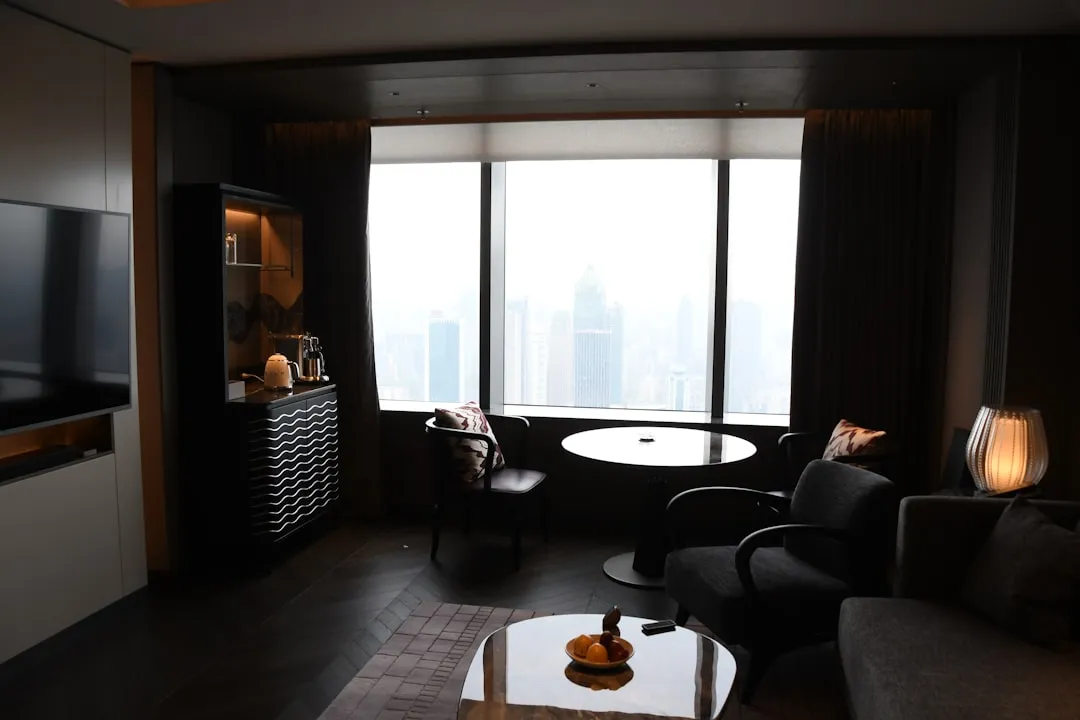
There’s a logic behind the pricing, even if it stings. Only about one in three guests actually uses the minibar, meaning the costs of stocking and monitoring all rooms are spread across a relatively small user base. Every room gets stocked whether it’s used or not, and that overhead has to be recovered somewhere.
Operational costs are substantial. Hotels must pay for refrigeration, electricity, and regular staff checks to restock and verify inventory. A single priced item may absorb several dollars in labor, tracking, and shrinkage insurance, and hotels apply shrinkage premiums averaging 28 to 35 percent on top of base markup.
Over 60 percent of U.S. hotels outsource minibar operations to third-party vendors. These firms charge a significant percentage of gross minibar revenue, plus setup, hardware leasing, and software licensing fees, costs that are ultimately passed directly to guests.
The Psychology Behind the Late-Night Reach

Minibar pricing isn’t just a numbers exercise. It’s also built on a clear understanding of how travelers make decisions. Hotels lean on the relaxed mindset of guests who are on holiday or business trips, expecting them to be less price-sensitive than they would be at home.
A 2023 Cornell School of Hotel Administration study found that minibar revenue contributes between 3.2 and 4.7 percent of total food and beverage profit, but up to 11 percent of room-level operating margin in luxury properties. That makes it a meaningful revenue line, particularly in high-end hotels where guests are already primed to spend.
Guests who’ve already paid several hundred dollars for a room subconsciously assign higher value to in-room convenience. The premium Scotch isn’t priced against what it costs at a liquor store; it’s priced against the perceived cost of leaving the room, getting dressed, and walking to a bar. That framing changes everything.
The Hidden Restocking Fee Most Guests Miss
Beyond the cost of individual items, some hotels layer in an additional charge that many guests never anticipate. Minibar restocking fees, usually ranging between three and six dollars, are often charged after the first item is removed. So the first drink you take triggers not just the cost of that drink but an extra fee on top of it.
Room service tray charges range from about two dollars and fifty cents to nearly six dollars added on top of an automatic gratuity, and minibar restocking fees have been estimated at two dollars and ninety-five cents to five dollars and ninety-five cents per day once the first item is removed. These figures come from hospitality analyst Bjorn Hanson of NYU’s Preston Robert Tisch Center for Hospitality, Tourism, and Sports Management.
The restocking fee is easy to overlook on a checkout bill, especially when it appears as a separate line item from the actual minibar purchase. Many guests focus on the item price and miss the surcharge sitting just below it.
Real Guests, Real Unexpected Bills
These situations aren’t hypothetical. A Milwaukee Journal Sentinel reporter visiting a DoubleTree hotel in Chicago discovered six charges marked “minibar” on his bill, ranging from just over six dollars to nearly eight dollars each. He was puzzled because he and his family hadn’t eaten anything from the snack tray and had never seen any warning that touching items would trigger a charge.
A writer for The Points Guy experienced something similar during a stay at the Ritz-Carlton Tysons Corner. The hotel minibar had weight sensors that were tripped by simply lifting an item, operating on an effective you-touch-it-you-buy-it policy. Rifling through the alcohol bottles to read the labels inadvertently ran up an eighty-dollar charge.
Stories like these aren’t rare. They accumulate quietly across travel review sites, credit card dispute queues, and hotel front desks every single day.
How the Billing Happens After You Leave
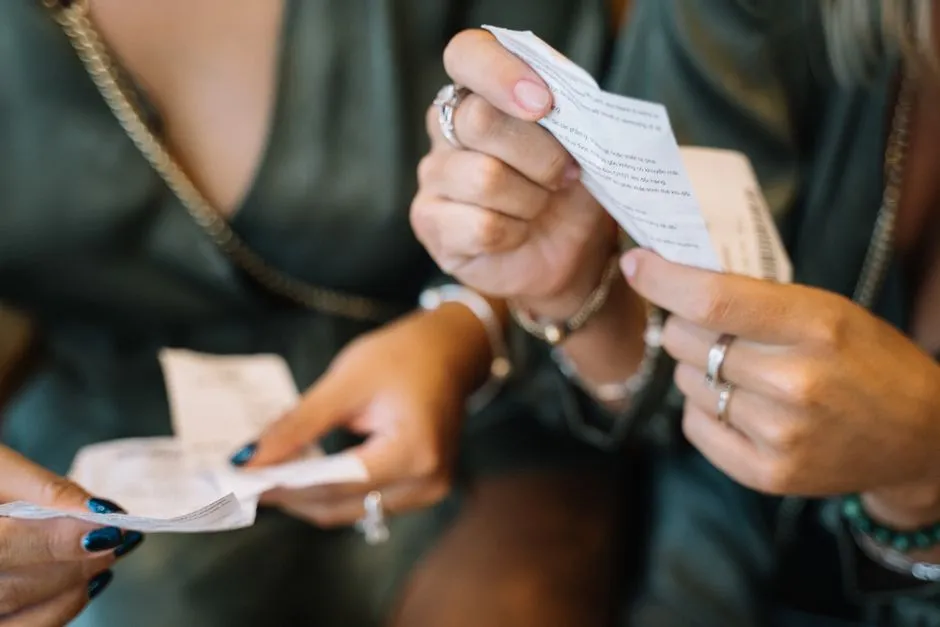
One of the more unsettling aspects of minibar charges is the timing. Many guests don’t discover charges until they see their credit card statement days or even weeks after checkout. The minibar is a hotel feature that can easily cause travelers unexpected stress, especially when they return home to find they’ve been charged for items they didn’t actually use.
An important purpose of hotel minibar regulations is to prevent errors and ensure proper inventory management. Hotels are required to maintain accurate records of minibar inventory and sales to prevent discrepancies or losses. In practice, though, the standards of enforcement vary widely from property to property.
When the charge shows up weeks later, memory gets fuzzy. It becomes harder to dispute with confidence, and some guests simply absorb the cost rather than go through the effort of contesting it.
What You Can Actually Do About It

The most practical advice from travel experts is to avoid touching items in sensor-equipped minibars altogether. If you want to know what’s inside, ask the front desk for a price list rather than picking items up to inspect them. That one habit change eliminates most of the risk.
Some travelers end up with false charges simply because they weren’t aware of the sensor technology in place. In some hotels, guests are automatically charged when sensors detect that anything has been moved for more than 60 seconds. Even innocently browsing items or examining labels can leave you with an unexpected charge on your final bill.
If both the hotel manager and the concierge say they can’t help remove a charge, the next step is to escalate to the corporate customer service team. Corporate complaints can often be submitted through online chat, submission portals, or a dedicated phone number. It takes effort, but most chains will reverse a clearly erroneous charge if you’re persistent.
The Minibar’s Uncertain Future
By 2017, a CBRE Hotels report found that minibars accounted for just 0.4 percent of the revenue generated by hotel food and beverage services. That’s a remarkably small number for an amenity that requires daily staffing, hardware, and inventory management.
Concerns over exorbitant pricing and perceived price gouging have led some hotels to reconsider their minibar strategies. The growing popularity of food delivery services and an increasing focus on sustainability have prompted some establishments to phase out minibars altogether.
Many hotel chains have responded by installing on-premises convenience stores where guests can purchase soft drinks, light fare, and bagged snacks, creating a profit center to replace the minibar with prices that are considerably more reasonable. It’s a more transparent arrangement, and guests seem to prefer it.
The Takeaway for Every Traveler
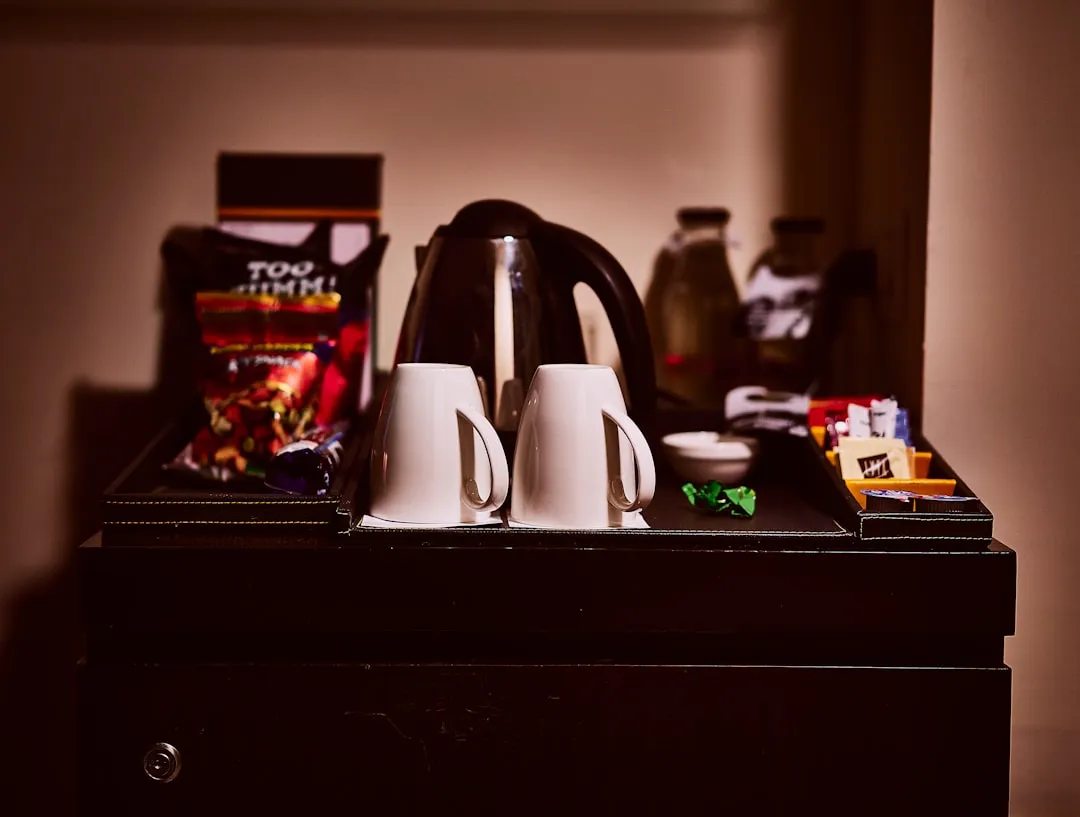
The minibar isn’t evil. It’s a business tool built around convenience, psychology, and a pricing structure that rewards inattention. Knowing how it works is genuinely half the battle.
Check your bill carefully before you leave any hotel, not just the room rate. Look for minibar line items, restocking fees, and any incidental charges that weren’t there when you checked in. If something looks wrong, raise it at the front desk before you step outside.
The best protection is simple awareness. That glowing little fridge is easy to ignore once you understand what touching it might cost. Travel with that knowledge and it loses most of its power.
AI Disclaimer: This article was created with the assistance of AI tools and reviewed by a human editor.