
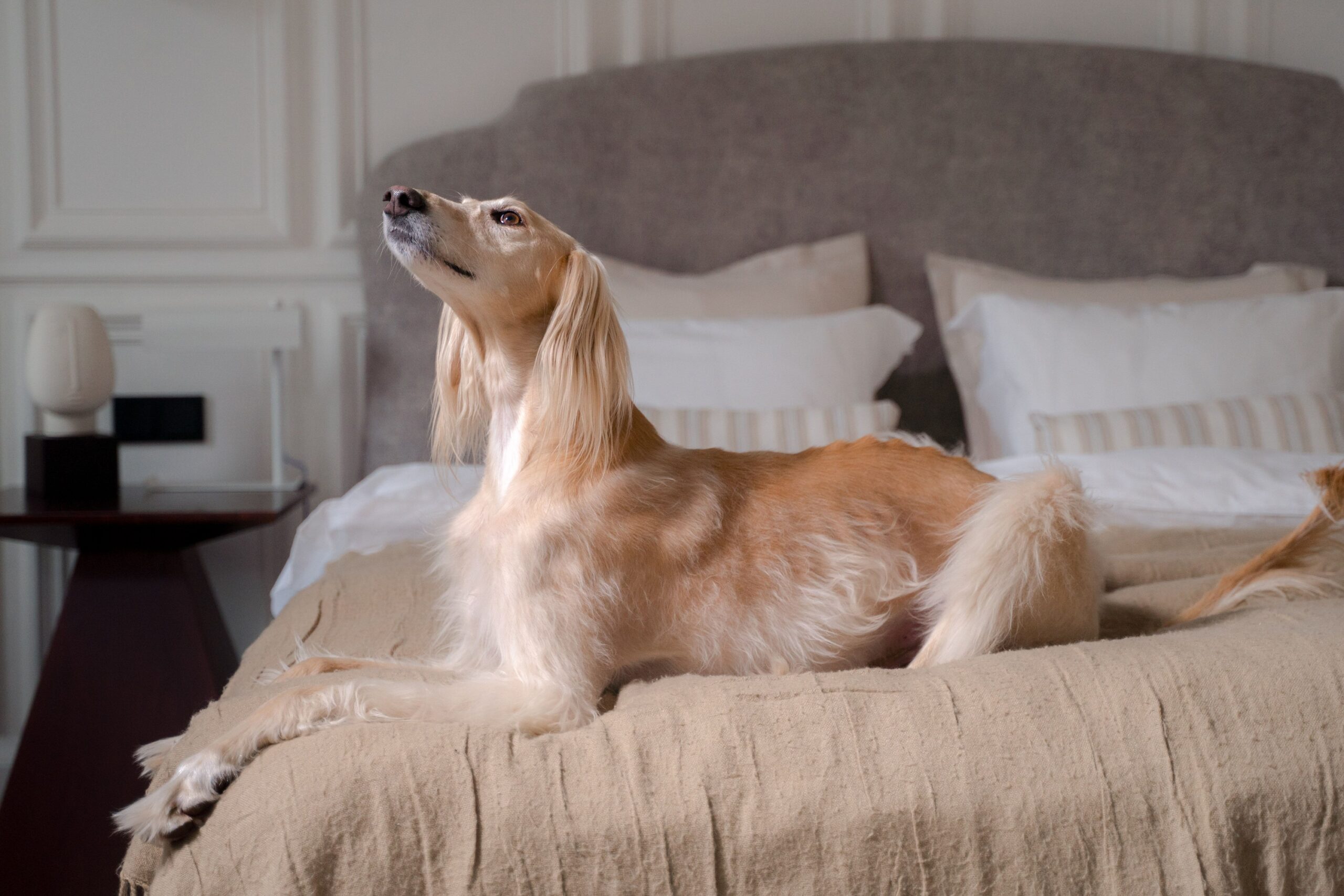

Traveling with a pet has become one of the fastest-growing trends in modern tourism. New statistics have highlighted the rising demand for pet-friendly travel experiences, with the 2024 Annual Vacation Confidence Index by Allianz Partners USA finding that over 40% of US travelers aged 34 to 54 plan to include their pets on their next holiday. That’s a lot of wagging tails and anxious cats in hotel rooms across the country.
The problem is that most travelers drop their bags, let their pets loose, and start unpacking without a second thought. A hotel room that looks clean and welcoming to you can quietly contain a handful of real hazards for a curious dog or cat. A quick, methodical check before anything else happens can make a genuine difference.
Scan the Floor Along the Baseboards First
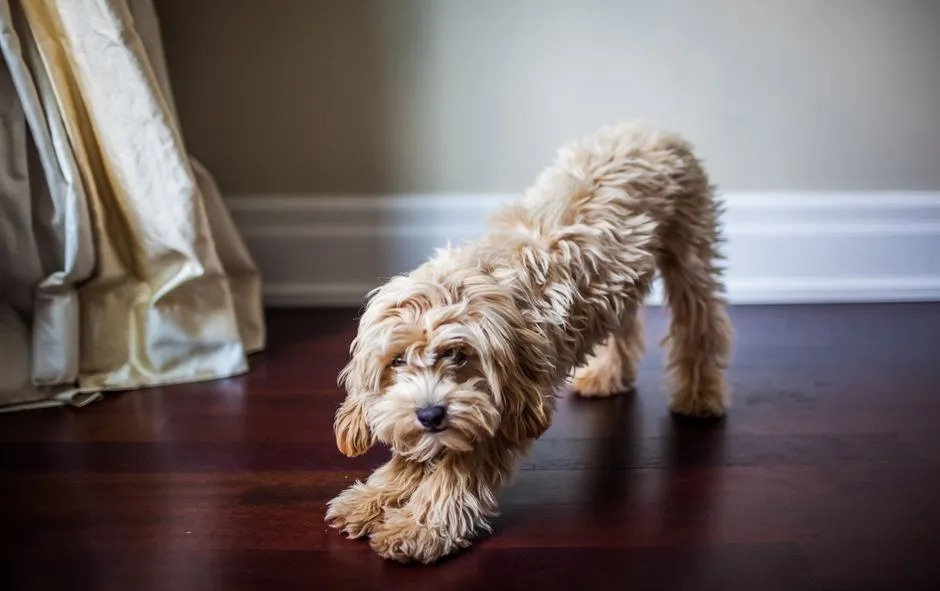
Once you arrive in your hotel room, quickly inspect the floor, especially along the baseboards and near the bed, to ensure that housekeeping did not miss any small toxic items, such as dropped medication, batteries, and travel-size toiletries, that could pose a life-threatening risk to your pet. These objects are easy to miss in low lighting and even easier for a small dog or cat to find.
Pets may accidentally ingest pills that are dropped on the floor or left within reach. Previous guests may have left ibuprofen, blood pressure tablets, or supplements behind without realizing it. A thorough sweep of the floor takes about two minutes and costs nothing.
Check Under the Bed and Behind Furniture
Before letting your pet out of their carrier, inspect the room for any safety concerns and potential hazards. Check under the bed, even if it looks like there is no space, and behind the headboard and other furniture. Cats in particular are notorious for finding the most out-of-the-way hiding spots, so know where those are and block them off if you don’t want your pet possibly getting stuck or lost in your hotel room.
Hotel room beds are often sitting on top of solid block bed frames and give the illusion of not being able to get under them. Do not assume a space is inaccessible. If you can slide a hand under a piece of furniture, your pet may be able to follow.
Assess Any Cleaning Product Residue on Surfaces

Ammonia, bleach, and various surfactants are all toxic to dogs and cats, yet are often found in many all-purpose cleaners, window cleaners, and dishwashing detergents. The really hazardous thing about cleaning substances is that they don’t necessarily have to be ingested to be harmful. Pets can easily suffer reactions through inhalation or direct paw and skin exposure.
Even residues left on floors can be ingested when pets groom their paws. If the floor smells strongly of disinfectant when you arrive, let the room air out before allowing your pet to walk freely. Phenols, present in disinfectants like Pine-Sol, Dettol, and Lysol, are particularly toxic to cats. It’s worth being aware of what a freshly cleaned hotel floor might still be carrying.
Inspect Windows, Balconies, and Gaps Near Doors
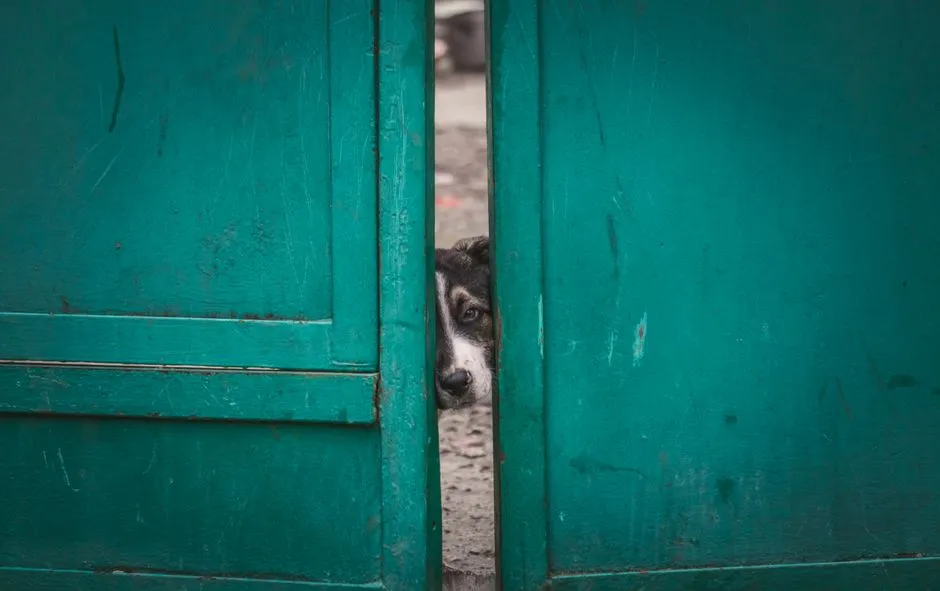
If your hotel room has a balcony or windows that open, make sure they are secure before allowing your dog to roam freely. This is especially important in upper-floor rooms where a screen alone may not hold the weight or curiosity of a determined animal. Cats in particular are drawn to open windows and can misjudge heights.
Check the gap under the main door and any adjoining room doors as well. Some doors have a wider clearance than you might expect, and a small dog or kitten could potentially slip through or become stuck. Slide a towel along the base of the door if needed until you can verify everything is properly secured.
Look for Rodenticide Traps or Pest Bait Stations

Rodenticides cover a notable share of annual pet toxin exposures according to the ASPCA Animal Poison Control Center. Safe placement of rodent bait is important in households with pets. Hotels are not exempt from pest management, and bait stations are sometimes placed in discreet corners, behind furniture, or near baseboards in lower-floor or ground-floor rooms.
Pull furniture gently away from the wall and check corners near the bathroom and kitchen areas if your room has them. Bait stations designed for rodents are often attractive to dogs due to their grain-based composition. Finding one before your pet does is exactly the kind of unglamorous but important task this whole check is built around.
Confirm the Room’s Escape Routes Are Blocked
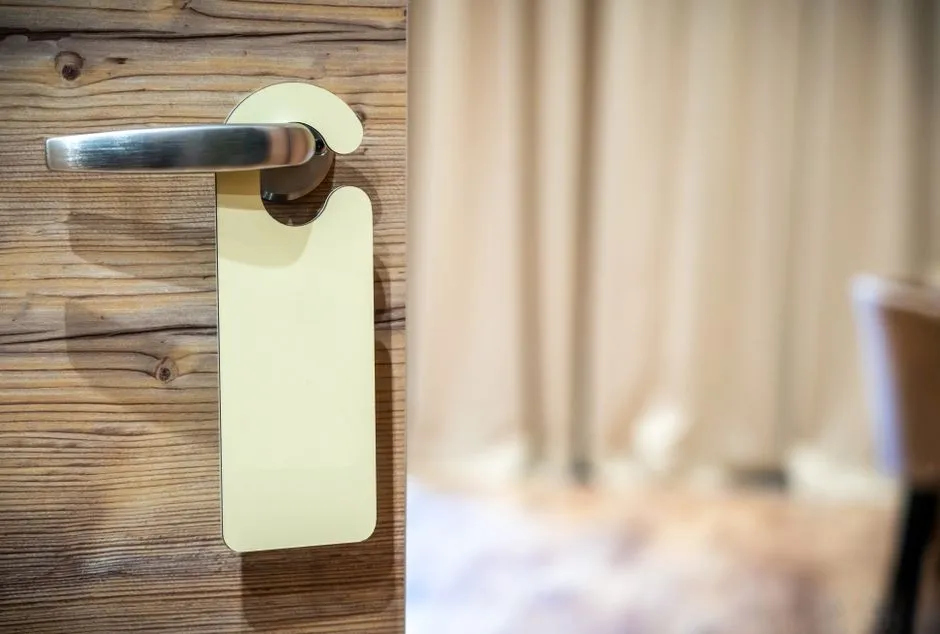
Hotels are busy places. Housekeeping staff may knock and enter, maintenance workers may arrive, and other guests may pass in the corridor. Putting up a “Do Not Disturb” sign and an additional sign that notifies hotel staff there is a pet inside the room is a simple but often overlooked step.
Beyond signage, think about the physical layout of the room before releasing your pet. Decide where your pet will be if someone enters unexpectedly, and whether the space near the door is clear of potential escape opportunities. As a general rule, do not leave dogs who have destructive or barking tendencies alone in a hotel room. Having a clear plan for entries and exits matters more than it might seem in an unfamiliar space.
Test the Room Temperature and Ventilation
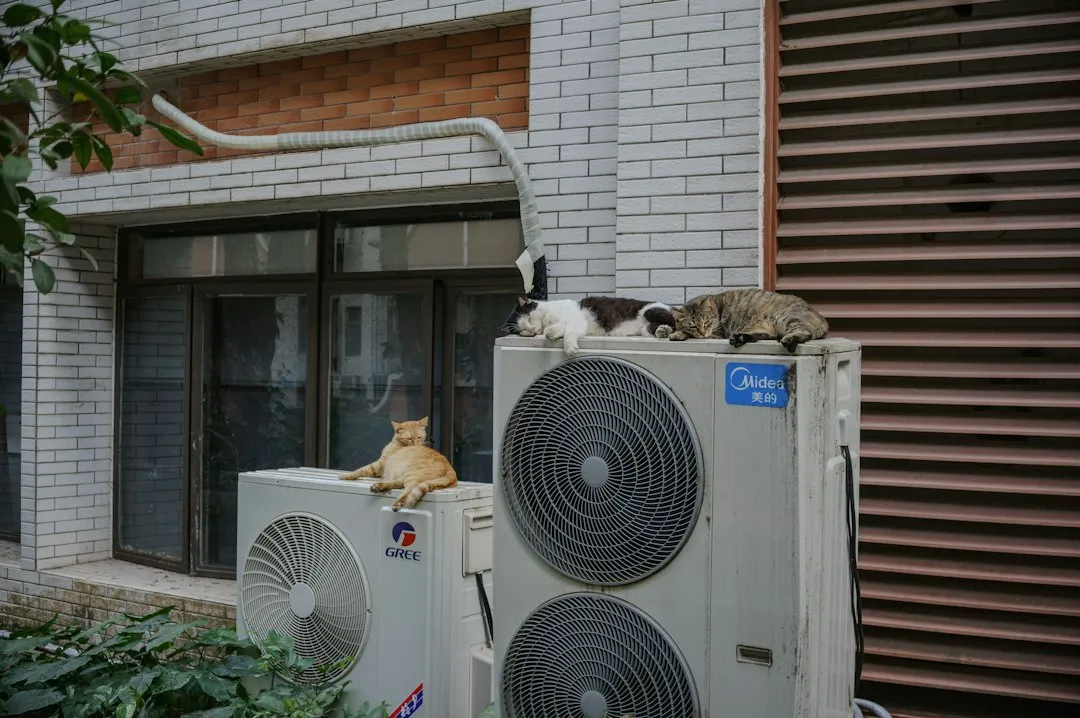
Pets regulate temperature differently from humans, and a room that feels comfortable to you may be too warm or too cool for your animal. Check that the air conditioning or heating system is functional and consistent before settling in. Some older hotel HVAC units cycle erratically, which can create uncomfortable conditions over several hours.
If your pet is anxious in the room, try closing the curtains, turning on the television, and providing them with a long-lasting activity such as a frozen-filled Kong or pet-safe chew toy. If your pet is sensitive to sounds, opt for a room away from the elevator or other amenities, such as the pool, gym, or recreation room. Temperature and noise together are the two environmental factors most likely to cause pet distress in a hotel setting.
Check the Minibar and Any Food Left in the Room
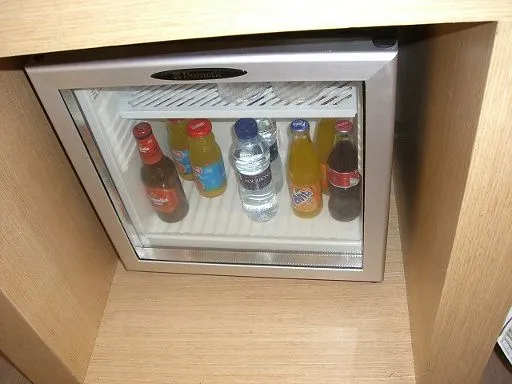
Many hotel rooms include a minibar stocked with chocolate, macadamia nuts, raisins, and alcohol. All of these are genuinely toxic to dogs and cats. Chocolate alone makes up over 13% of pet toxin exposures reported by the ASPCA, with dogs being the most common culprit. A minibar at floor level, or one with an unsecured door, needs to be addressed before your pet has unsupervised access to the room.
If the minibar cannot be locked, ask the front desk whether items can be temporarily removed. Most hotels are willing to accommodate this request, particularly those with established pet programs. It’s a quick conversation that removes an entire category of risk.
Take Photos of the Room Before Your Pet Settles In

Take pictures of the hotel room, especially if there are existing stains and damage, to make sure you aren’t charged erroneously. This is practical advice that serves two purposes: it protects you from unfair damage fees at checkout, and it also forces you to look carefully at the room before your pet begins exploring it.
Moving through the room with your phone camera is actually a useful secondary check. You’ll catch things in a photo that you might walk past in person. Existing scratches near the door, stains on carpet that might indicate previous pest issues, or furniture that’s been repositioned in an unusual way are all details worth noting before unpacking begins.
Identify the Nearest Emergency Veterinary Clinic
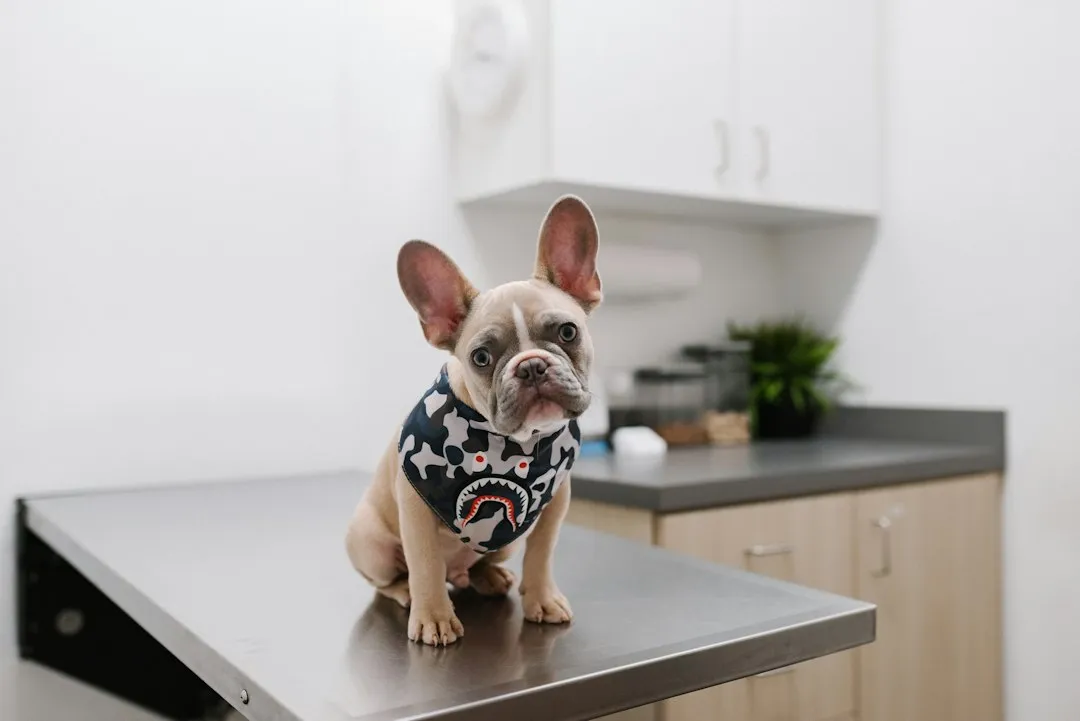
Having the emergency vet telephone number in close proximity to the hotel is something recommended even in hotel pet welcome guides. It’s a step many travelers skip because it feels overly cautious, but five minutes of research at check-in is far easier than a panicked search at midnight when something has gone wrong.
The ASPCA Animal Poison Control Center receives hundreds of thousands of calls each year about potential pet poisonings, many involving common items like cleaning supplies, human foods, and medications. Save the ASPCA Animal Poison Control hotline in your phone before every trip, and locate the nearest 24-hour emergency vet clinic as soon as you arrive at your destination. Travel with your pet’s vaccination records and any routine medication information as well.
The Takeaway
None of these checks are complicated, and taken together they add perhaps ten minutes to your arrival routine. Roughly three quarters of American pet owners travel with their pets each year, which means millions of hotel check-ins happen with animals in tow, most of them without any formal safety sweep of the room.
The goal here isn’t anxiety. It’s a calm, methodical walk-through that lets you enjoy your trip knowing the space is actually ready for your pet, not just labeled as pet-friendly. There’s a real difference between the two, and now you know exactly what to look for.
AI Disclaimer: This article was created with the assistance of AI tools and reviewed by a human editor.