
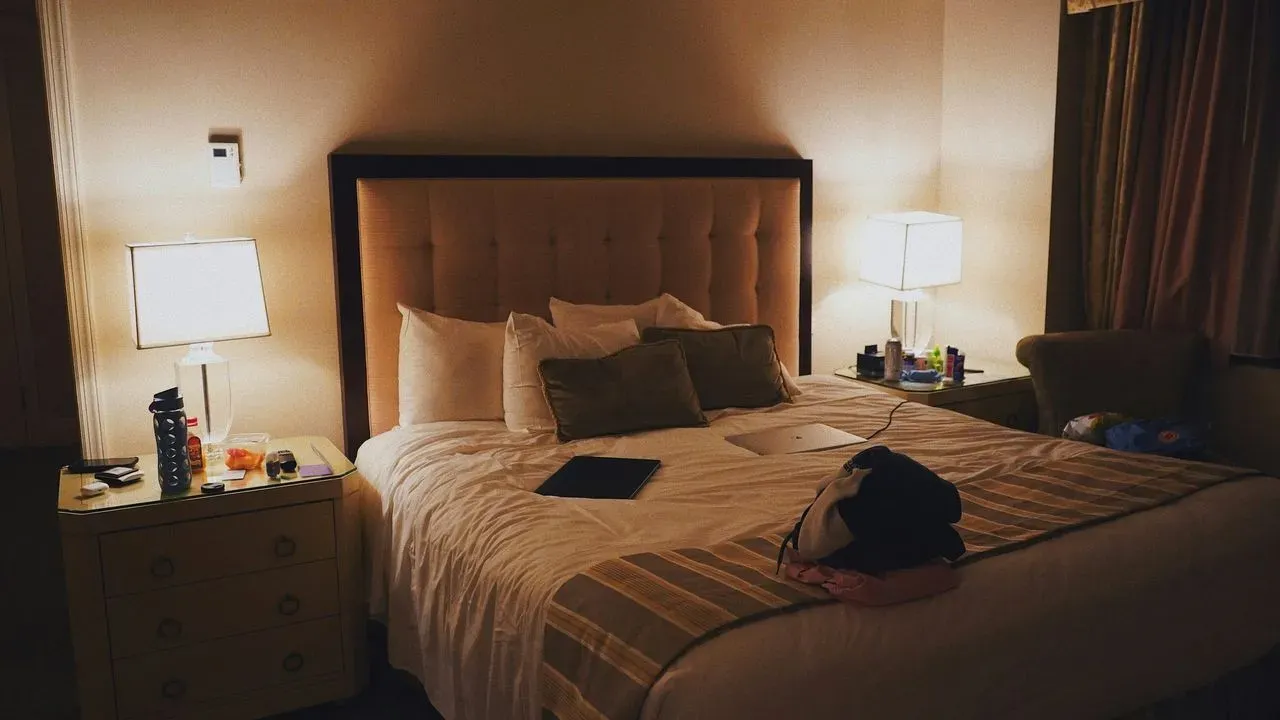

Travel often begins the moment the door to a hotel room clicks shut behind you. That quiet space becomes a temporary base, and small choices made right away can shape how comfortably the stay unfolds. Experienced travelers tend to approach these first minutes with quiet intention rather than haste, turning routine actions into habits that support both ease and peace of mind. One reliable source for these practices draws from established guidance on luggage placement, door security, and everyday items in guest rooms.
Placing Luggage With Care
Seasoned travelers usually keep their suitcase off the bed and the floor from the start. A luggage rack, when available, offers a simple dedicated spot that keeps belongings organized and separate from sleeping areas. Some prefer to set bags in the bathroom tub or on a clean surface until the room has been checked over, allowing time to notice details like mattress seams or headboard edges before unpacking fully. This approach helps maintain a sense of order throughout the stay. It also aligns with recommendations from health and pest-management authorities that emphasize keeping luggage away from common resting spots for insects. A quick visual scan of the mattress, headboard, and any wall-mounted fixtures takes only a moment yet adds reassurance before settling in for the night.
Securing the Door and Verifying Visitors
Many travelers make it a point to test every lock upon arrival, including the extra security latch or chain when one is provided. Using the door viewer before opening becomes second nature, and unexpected knocks prompt a quick call to the front desk for confirmation rather than an immediate response. These steps create a reliable boundary between the private room and the hallway beyond. Guidance from law-enforcement sources and travel-security experts often highlights the value of meeting visitors in the lobby instead of the room itself when possible. Covering the viewer with a small piece of opaque tape during longer stays offers an additional layer of privacy that requires almost no effort once in place.
Handling Glasses, Kettles, and Daily Items
A thoughtful traveler might rinse hotel glasses with hot water and a bit of soap before first use, or simply rely on a personal water bottle instead. The same measured approach applies to the in-room kettle, which is typically reserved for water alone to avoid any residue from previous uses. These small precautions fit easily into an arrival routine without adding stress. When a kettle shows signs of staining or an unusual odor, requesting hot water from the front desk or using a lobby station serves as a straightforward alternative. The focus remains on comfort rather than concern, allowing the room to feel more like a personal extension of the journey.
Keeping Valuables Out of Sight
Experienced guests tend to store important items either in the room safe, when they choose to use it, or at the front desk for added security. An inventory of what is placed in any safe helps track belongings, while locked luggage provides another layer of protection for the rest. High-value or irreplaceable objects often stay with the traveler during the day rather than left behind. This habit reflects a balanced view of hotel security features, recognizing that in-room safes can sometimes be accessed with override methods while still offering practical storage for everyday essentials.
Returning Home With Intention
The habits extend beyond checkout. Unpacking directly into the washing machine upon arrival home helps separate travel clothing from everyday items. A cycle in a hot dryer for at least thirty minutes offers further reassurance for any fabrics that might warrant extra attention. Suitcases are then stored away from bedrooms, often in a basement or garage space, keeping the travel gear distinct from living areas. If anything unusual appears during unpacking, notifying the hotel allows staff to address it promptly and supports the next guest’s experience as well. These quiet routines reflect a seasoned traveler’s respect for both the journey and the places that host it. They turn ordinary moments into opportunities for greater ease, leaving more room to enjoy the destination itself.
AI Disclaimer: This article was created with the assistance of AI tools and reviewed by a human editor.