
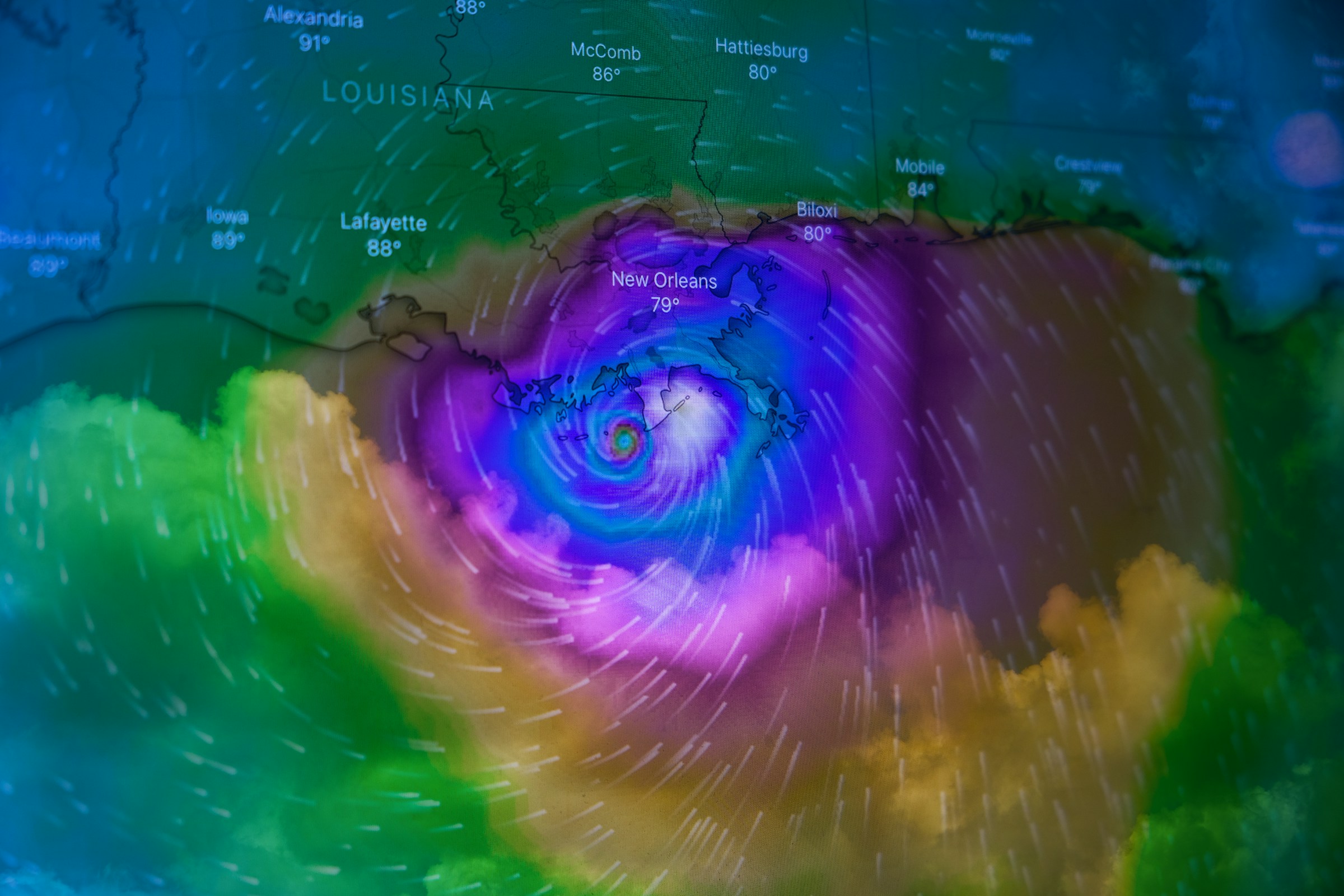

Coastal travel between June and November carries a particular kind of beauty, and a particular kind of risk. The Atlantic hurricane season runs from June 1 to November 30, overlapping with the busy summer travel season. That’s essentially half the calendar year during which any trip to a Caribbean island, Gulf Coast beach town, or Atlantic shoreline destination could shift dramatically with very little warning.
The data from recent seasons makes that reality plain. The 2024 Atlantic hurricane season produced 11 hurricanes and caused roughly $131 billion in damage, making it the third-costliest tropical cyclone season on record. Despite this, only about one in four Americans feel confident they know what to do in a major disaster. Getting your packing right before a trip to any hurricane-prone coast isn’t about fear. It’s about traveling smarter.
Understanding the Window: When Risk Is Highest
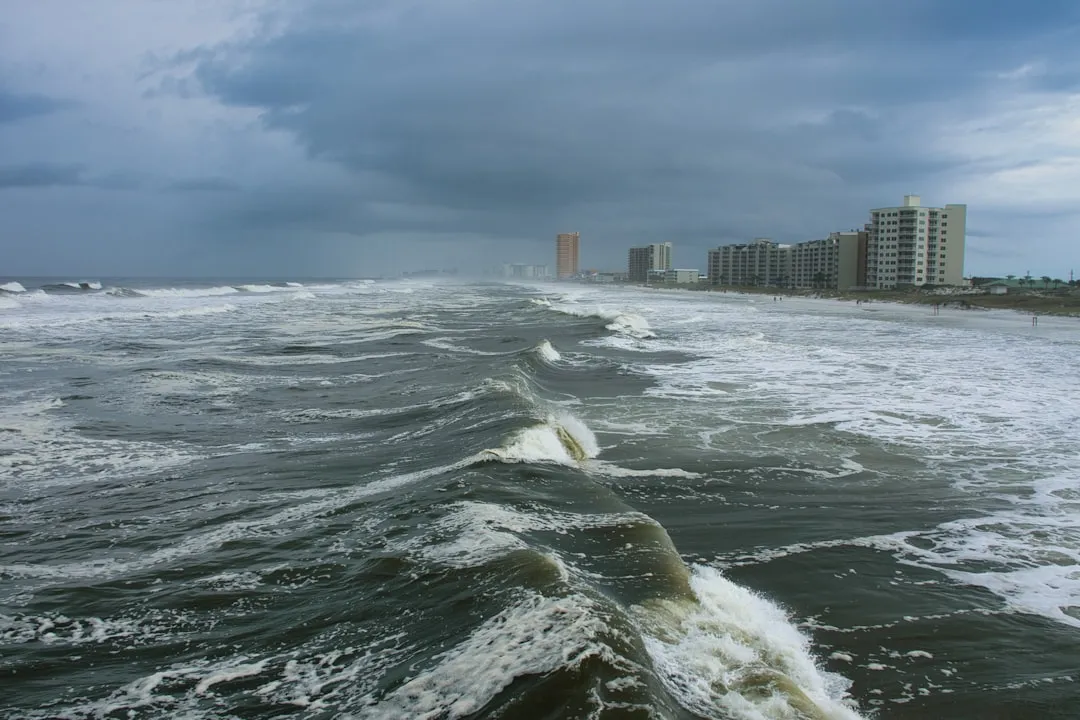
Hurricane season occurs between June and November, which means that for about half of the year, travelers may have to contend with a hurricane interrupting their plans, depending on where they’re going. The peak of activity typically falls between August and October, when warm Atlantic waters fuel the most powerful systems.
Hurricanes can affect areas as far as several hundred miles inland. Asheville, North Carolina, for example, sits more than 250 miles from the nearest coastline, yet Hurricane Helene devastated the city in 2024. This is a useful reminder that a coastal packing list isn’t just for people staying on the beach.
NOAA forecast a 60 percent chance of above-normal hurricane activity for the 2025 Atlantic season, which began June 1 and runs through November 30. Planning ahead before any summer or fall coastal trip isn’t overcaution. It’s just good sense.
The Go-Bag: Your Most Important Piece of Luggage
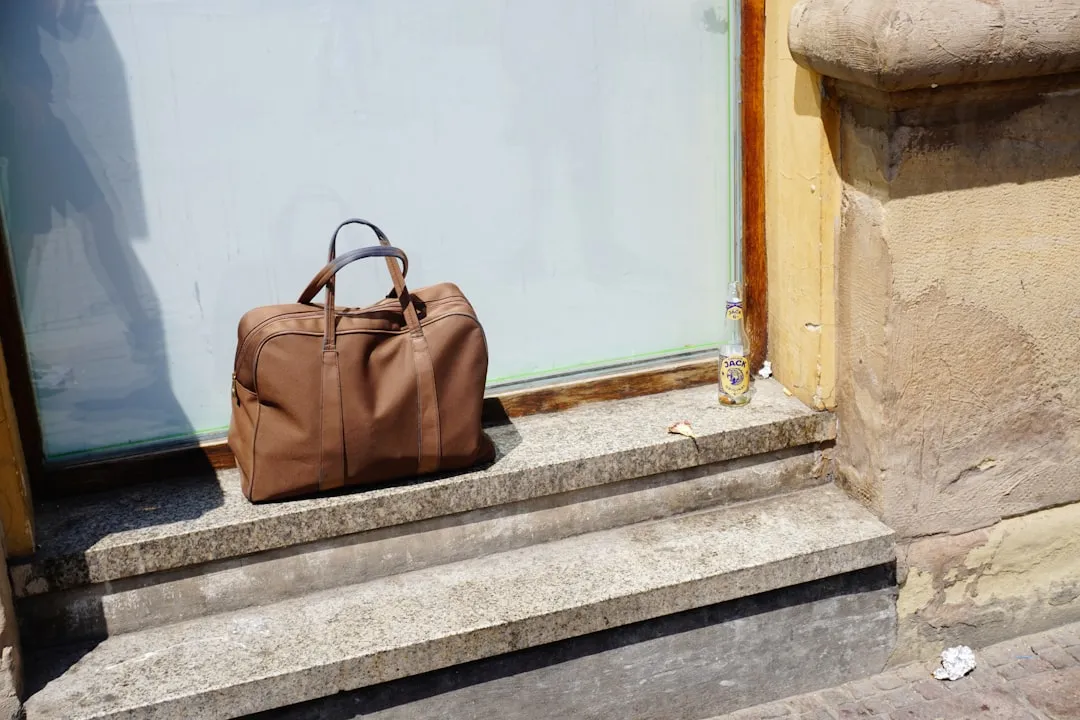
Your evacuation kit, or “go-bag,” should include everything your family needs to stay safe, healthy, and connected for at least 72 hours after leaving home, covering important documents, medications, food and water, chargers, pet supplies, and backup power. Think of it as the bag you grab when there’s no time to think.
Emergency situations may require you to survive on your own for a few days. When prepared properly, a go-bag can equip you with necessities until you reach a safe location or help arrives. The smartest travelers treat their go-bag as a permanent piece of kit during hurricane season, not something they scramble to assemble as a storm approaches.
Choose an easy-to-carry, waterproof duffel bag. Many duffel bags are now designed to be carried like a backpack, which frees your hands during a chaotic evacuation. Weight and mobility matter when roads are congested and conditions are deteriorating fast.
Water: The Non-Negotiable Priority
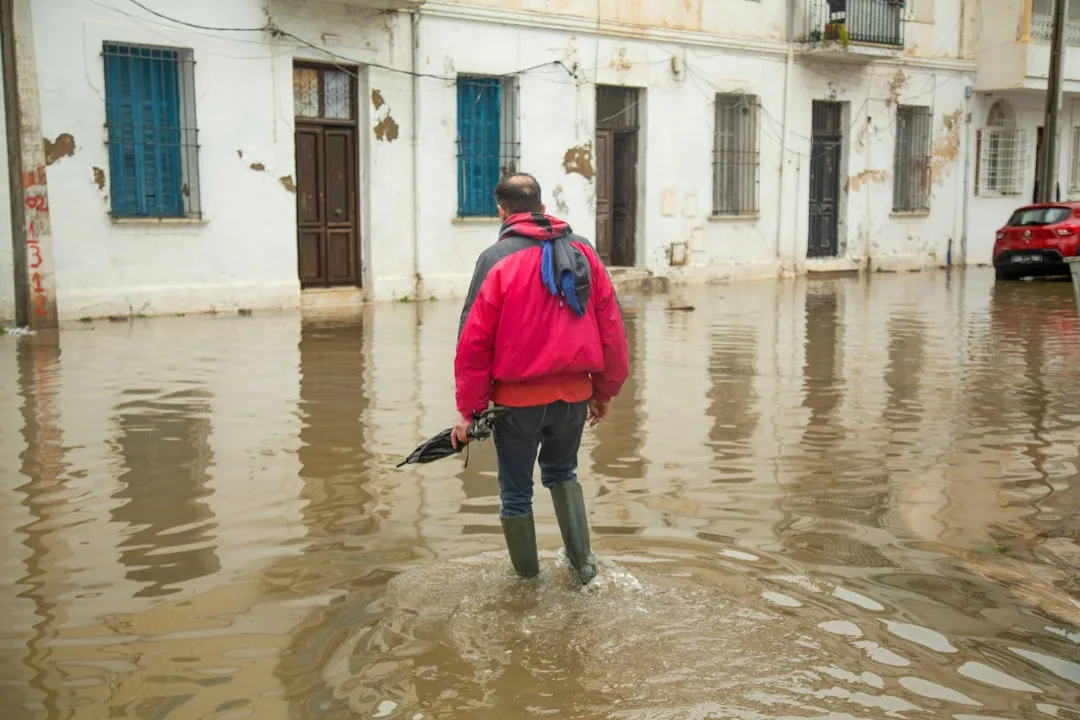
Water is a necessity, so make sure you have it bottled and ready to go. Plan for each person to use one gallon of water per day. For a 72-hour kit for two people, that means at least six gallons, ideally stored in clearly labeled, sealed containers.
Water purification options such as LifeStraw filters or Aquatabs can make questionable water sources safe to drink, a crucial capability in an extended emergency. These are lightweight, inexpensive, and take up almost no space in a bag, which makes them a smart addition even if you never need them.
Water purification tablets or household chlorine bleach with a medicine dropper are also recommended. To use bleach as a disinfectant, dilute nine parts water to one part bleach. As an emergency water treatment, add 16 drops per gallon of water. Knowing these ratios before an emergency is far more useful than trying to look them up when cell service is gone.
Food Supplies That Actually Sustain You
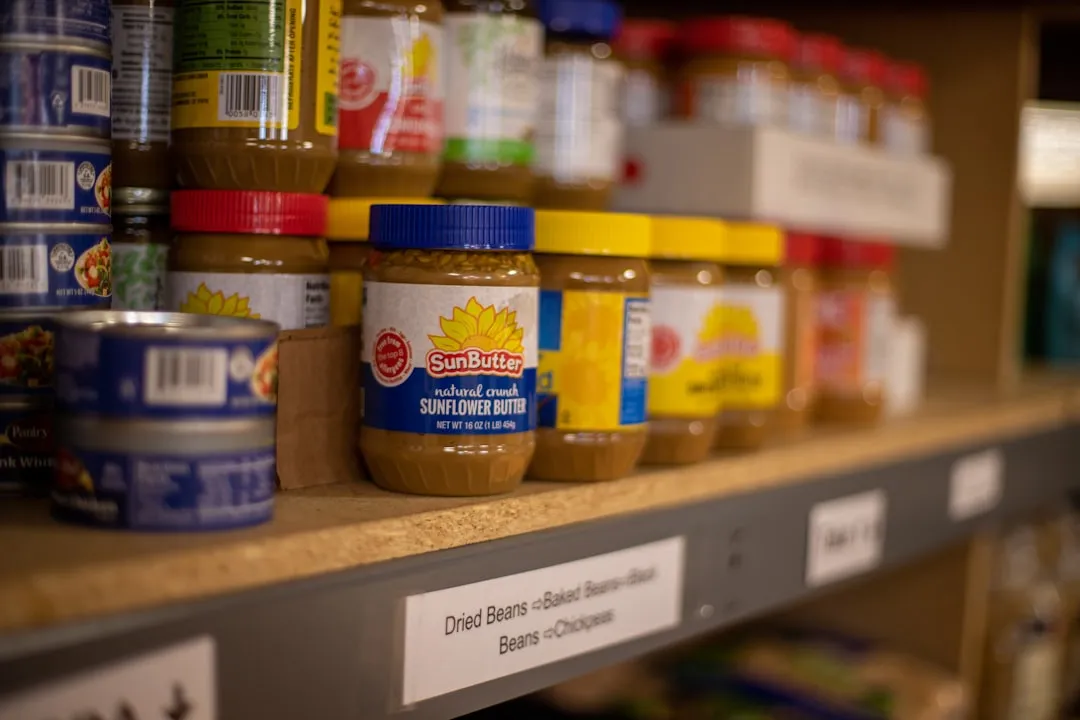
Pack at least four days’ worth of food for each person. High-energy foods that don’t contain much water, such as peanut butter, crackers, and protein bars, are a reliable foundation. They’re calorie-dense, require no cooking, and hold up well in heat.
Pre-packaged, non-perishable foods like oatmeal, tuna, and fruit snacks are also practical choices that last a long time. Variety matters more than you might expect during a stressful few days stuck in a shelter or unfamiliar accommodation.
Include at least a three-day supply of non-perishable food, and bring a can opener if any of your supplies are in canned form. This is a detail that gets forgotten with surprising frequency, and it’s one of the most frustrating things to discover after the fact.
Medications and Health Essentials
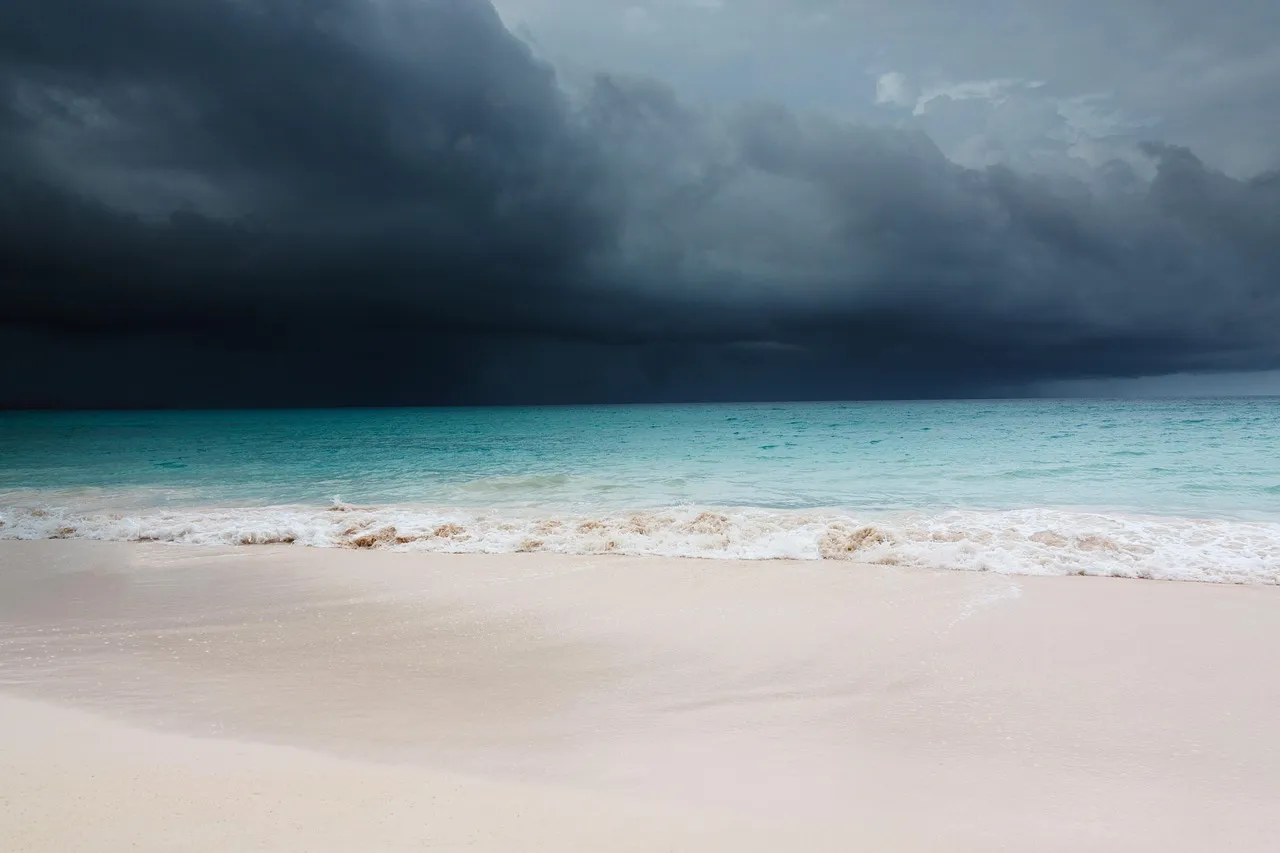
When packing a hurricane go-bag, keep health priorities in mind. If you don’t prepare in advance, you might leave behind medicines, medical supplies, important paperwork, and other essentials that can help you stay healthy. This is especially true for travelers who manage chronic conditions.
Include a seven-day supply of both prescription and over-the-counter medicines. Add eyeglasses or contact lenses, including any necessary cleaning solutions. Seven days is the recommended window because you may not be able to access a pharmacy for longer than you’d expect after a major storm.
No matter what, your go-bag should be able to hold a first aid kit, water, food, power sources, and tools like flashlights. A well-stocked first aid kit should cover bandages, antiseptics, and pain relief at a minimum, and it should be checked and refreshed at the start of every hurricane season.
Critical Documents in Waterproof Protection
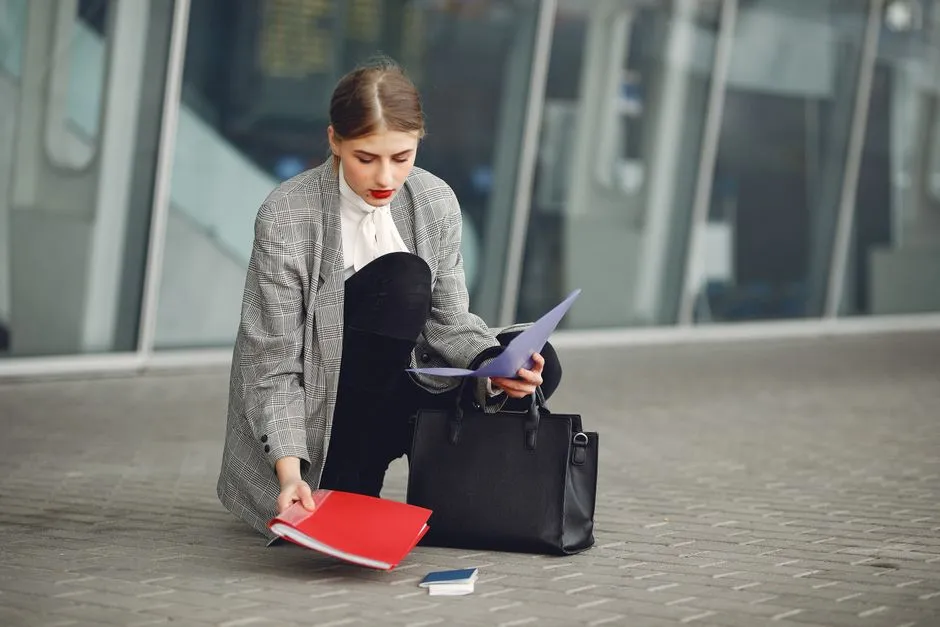
Keep an emergency kit ready with your passports, other important documents, your prescription medications, and local currency in a watertight plastic bag. This is guidance directly from the U.S. Department of State, and it applies just as much to domestic travelers as it does to those heading abroad.
Copies of important documents, including identification, insurance policies, and medical records, should be stored in a waterproof container. During hurricane season, there’s always the threat of flooding, which can damage your important documents in ways that are difficult to recover from.
The list of documents to protect should include birth certificates, identification, insurance information, bank account information, and immunization records, especially anything you might need if you lose access to your phone or computer. A digital backup stored in a secure cloud account adds another layer of protection.
Power, Communication, and Staying Informed
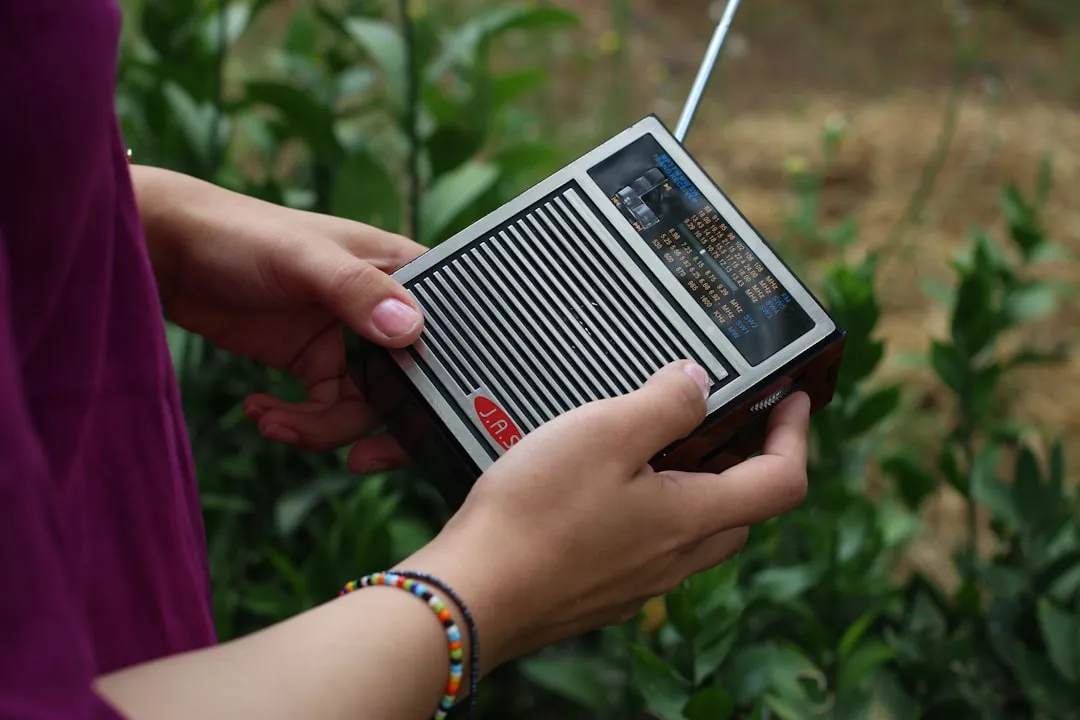
A battery-powered or hand-crank radio is essential for staying updated on emergency broadcasts. When cell towers go down and internet access disappears, a NOAA Weather Radio can be the most reliable source of information you have about where the storm is heading.
Travelers should think carefully about how to communicate during a hurricane. Update social media status often and send messages as regularly as possible to let friends and family know how you’re doing. Having a written list of emergency contacts is important in case you’re unable to access information on your cell phone. A handwritten contact list costs nothing and could be invaluable.
Chargers for electronic devices and a backup cell phone if you own one are both worth including, along with a digital backup of photos and videos of personal property. That property documentation matters for insurance claims after the storm passes, a detail most people don’t think about until it’s too late.
Clothing and Shelter Supplies
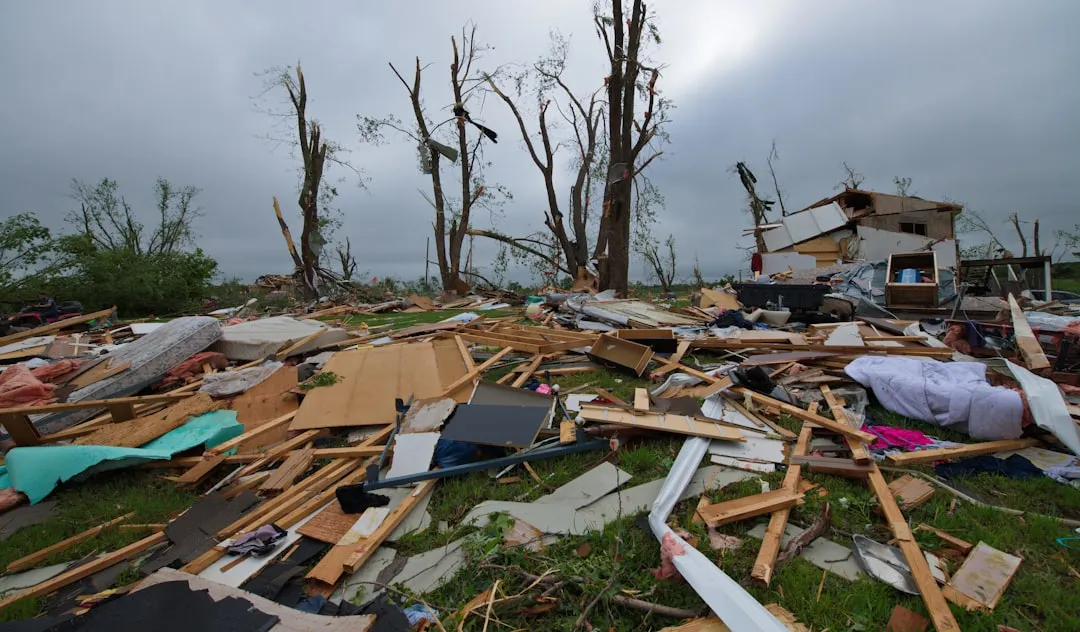
Pack clothing items like merino wool socks, which are excellent for maintaining warmth even when wet, a crucial consideration in many hurricane emergency scenarios. Coastal storms are warm, but wet clothing in any temperature becomes uncomfortable and can create health issues during extended displacement.
Plastic sheeting and duct tape are useful inclusions for temporary shelter or emergency repairs. These are lightweight enough to justify the space they take up, and they can serve multiple purposes in a post-storm situation. Think of them as a backup when infrastructure is compromised and quick fixes are necessary.
Sturdy, closed-toe footwear is worth packing separately and keeping accessible. Storm debris, flooding, and compromised roads create conditions where flip-flops or sandals become genuinely hazardous. A pair of waterproof boots or trail shoes belongs near the top of any coastal traveler’s list during hurricane months.
Tools, Safety Gear, and Practical Add-Ons
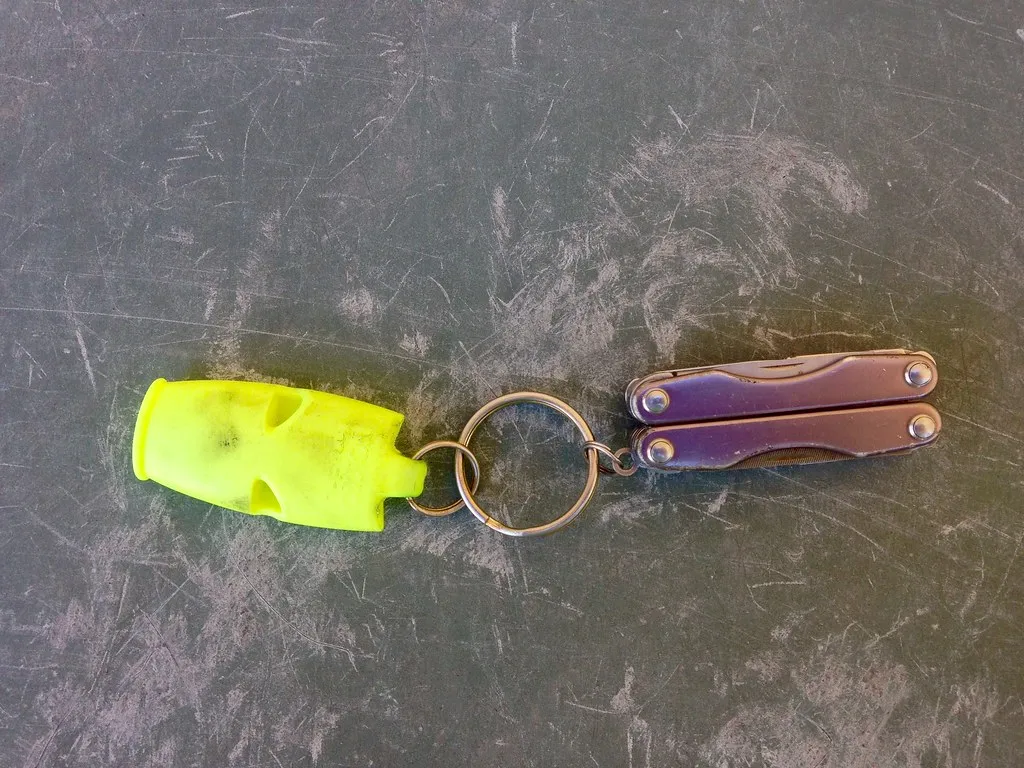
A multi-tool or pocket knife is useful for various emergency tasks, and a whistle can help you signal for help if needed. These are small, cheap items that have a disproportionate impact in an emergency. The whistle especially: it requires no battery, no signal, and no skill to use.
An N95 dust mask and bug spray are both worth including. It’s common for mosquitoes to lay eggs and hatch after a hurricane has passed, and post-storm air quality in some areas can be compromised by debris and mold. Neither of these risks feels urgent when you’re packing at home, but both become very real after the storm.
Keep your vehicle’s fuel tank at least half full during hurricane season and maintain an emergency kit in your car. Keep a full tank of gas in your vehicle when a storm threatens. Gas stations are frequently closed or drained dry during evacuations, and running out of fuel in a traffic jam on an evacuation route is a situation that’s entirely avoidable.
Travel Insurance and Financial Preparedness
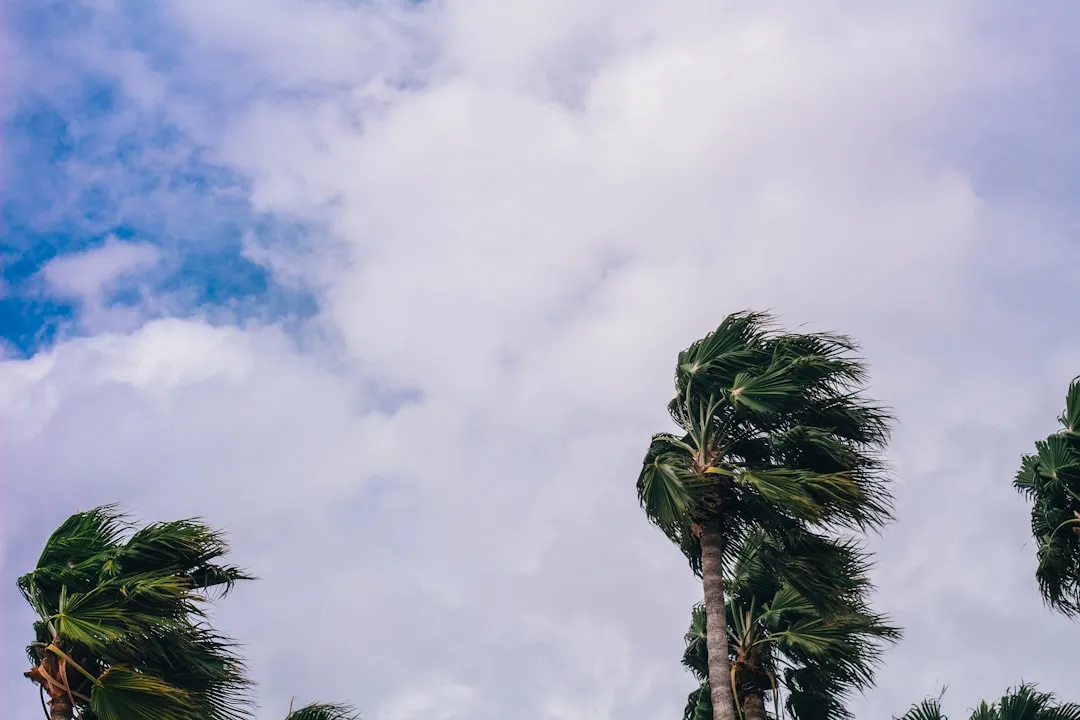
Despite forecasters predicting significant hurricane activity in recent seasons, more than half of travelers remain unconcerned about natural disasters affecting their travel plans. Roughly a third of respondents to the Spring 2025 Global Rescue Traveler Sentiment and Safety Survey said they were “not concerned at all” about natural disaster disruption. That gap between risk and perception is worth thinking about before booking any coastal trip during peak season.
FEMA has provided more than $14.3 billion in flood insurance payments and grants to survivors of the 2024 storms. That figure reflects the scale of what travelers and residents face after a major hurricane. Having your own travel insurance policy that includes hurricane cancellation, medical evacuation, and interruption coverage is a practical safeguard, not a luxury.
Keep a small amount of cash on hand as well. Cash belongs with your important documents and supplies in a location that remains high and dry. Card readers and ATMs stop functioning when power goes out, and even a modest amount of local currency can make an enormous difference during the first hours of an evacuation.
The Takeaway
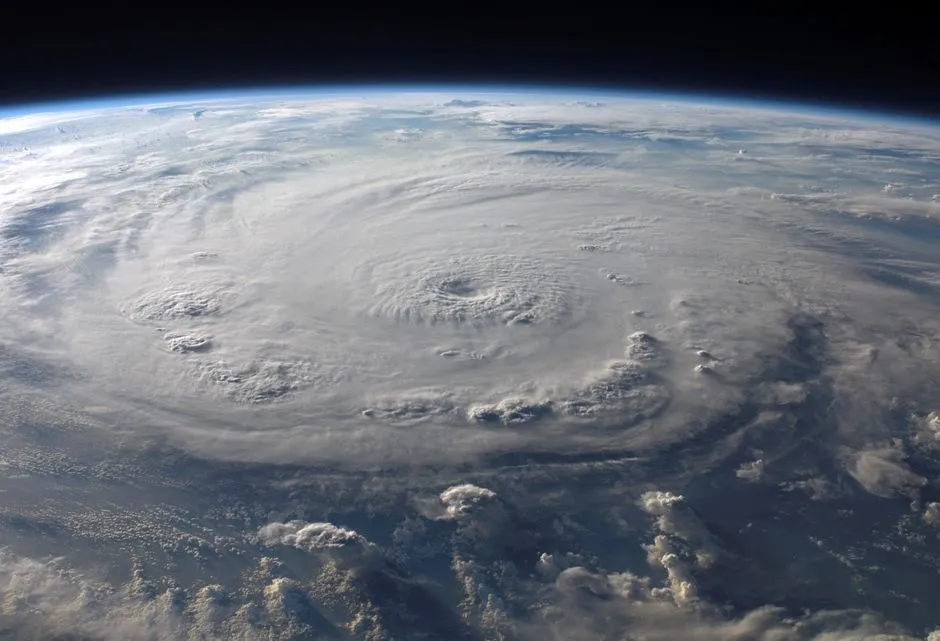
Roughly three in five American adults have not practiced what to do in a disaster by participating in a drill or preparedness exercise at home, work, or school. That statistic is worth sitting with. Knowing what’s in your bag is one thing. Knowing how to use it, and where to go, is another.
Coastal travel during hurricane season remains genuinely rewarding. The beaches are less crowded, the prices are often lower, and the landscape carries a particular kind of drama. None of that has to be abandoned. It just has to be approached thoughtfully, with a bag that’s ready before the forecast changes.
The travelers who navigate hurricane season well aren’t the ones who got lucky. They’re the ones who packed carefully, stayed informed, and treated preparation as part of the trip itself rather than an afterthought.
AI Disclaimer: This article was created with the assistance of AI tools and reviewed by a human editor.