
You ordered bottled water. You checked the seal before you twisted the cap. You skipped the tap, declined the glass of local juice, and felt reasonably confident about your choices. Then the waiter dropped three ice cubes into your glass, and everything changed.
It’s one of the most consistent blind spots in travel health: careful, well-read travelers who follow every safe-water rule abroad still get sick because of ice. The cubes look harmless. They’re cold, crystalline, and feel cleaner than a glass of murky tap water. The science, however, tells a very different story.
The Illusion of Safety in a Frozen Cube
Most people assume that freezing water kills whatever was living in it. This is one of the most persistent and consequential myths in food safety. According to the USDA Food Safety and Inspection Service, “while freezing does not kill most bacteria, it does stop bacteria from growing.” Stopping growth is not the same as elimination.
While many people take pains to avoid drinking unsafe water while in developing countries, ice cubes are often overlooked, despite the fact that freezing does not kill most microorganisms. The pathogens simply wait. They are suspended, not destroyed.
Contrary to popular belief, freezing food doesn’t always kill bacteria. It can reduce their numbers, or it may simply put them on pause. If frozen food isn’t thawed correctly, bacteria can start multiplying again once the temperature rises. In a drink, that thawing process starts the moment the ice hits warm liquid.
What Actually Survives Inside the Cube
A range of common pathogens are known to survive freezing temperatures and can become active again upon thawing, including Salmonella, Escherichia coli, and Listeria monocytogenes. These are not exotic organisms. They are the classic causes of traveler’s illness worldwide.
Viruses such as Norovirus and Hepatitis A also demonstrate resistance to freezing and can remain infectious in frozen foods. Certain parasites, like Toxoplasma gondii and Trichinella spiralis, can likewise survive freezing. Norovirus, in particular, is worth paying attention to. It takes an extremely small number of viral particles to cause infection.
In most cases, there is a small amount of liquid water between the ice crystals. Research shows that some microbes migrate to these tiny “water puddles” inside the ice, where they can stay alive and maintain an active metabolism, even below -40°F. The cube looks solid. Inside, life continues.
Ice as a Documented Outbreak Source
This isn’t theoretical risk. Ice has been named as the confirmed source of multiple documented illness outbreaks. Evidence from a peer-reviewed investigation suggests that a viral gastrointestinal outbreak among Christmas party goers was caused by contaminated ice cubes at a restaurant. The setting was a developed country with generally reliable water infrastructure.
Diners who drank water or drinks with ice cubes had an increased risk in a dose-response manner, with a risk ratio as high as 8.2 for those who consumed both. The more ice consumed, the higher the likelihood of illness. That dose-response relationship is a strong indicator of causation in epidemiological research.
Contaminated ice has also been linked to a norovirus outbreak at a San Diego restaurant, where county health officials identified ice as the foodborne source that sickened at least 61 people. These are documented, investigated events, not theoretical scenarios drawn up to frighten travelers.
The Scale of Ice Contamination Around the World
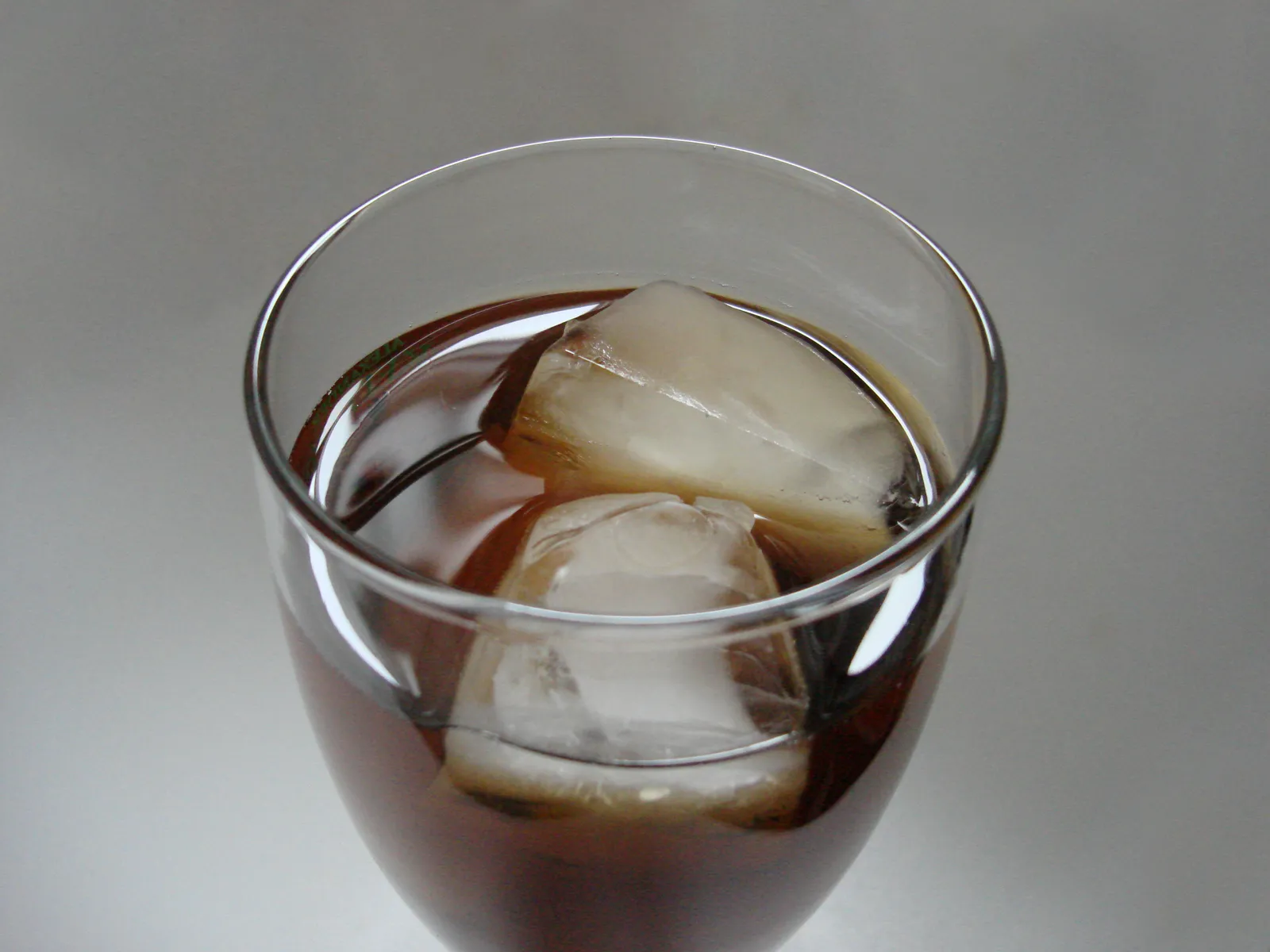
Research on the hygienic quality of food ice is sobering. In one collection of ice samples, roughly half, specifically 41 out of 79 samples tested, were found to be polluted. That’s not a fringe finding from a single study conducted in one remote location.
In samples collected from food retailers in Malaysia, fecal coliform bacteria were detected in more than a third of ice cube samples. Meanwhile, samples of bottled mineral water used as a control tested negative. The contrast is striking: the bottles travelers trusted were clean, while the ice served alongside them was not.
A nationwide study by the Swiss cantonal chemists association found that more than a quarter of ice cubes used in bars and restaurants contained fecal bacteria such as E. coli, with 26 percent of samples falling short of legal health standards. Switzerland is not considered a high-risk destination by most travel advisories. The problem is broader than people expect.
Ice Machines: A Hidden Contamination Point
Even when the source water is safe, the journey from water to cube introduces new risks. Ice contamination does not appear to be directly related to the hygienic quality of water, but is likely linked to the production, storage, and maintenance of ice machines. A clean water supply can produce contaminated ice if the machine is neglected.
Research found E. coli in ice samples while it was absent in the water used to make them. E. coli was found in a significant proportion of ice machine surface samples. The machine itself becomes the contamination source. Biofilm builds up in the internal components of ice machines over time, and routine cleaning is often inconsistent, especially in high-volume food service environments.
This matters for travelers because it shifts the question. It’s not only about whether the restaurant’s water is safe. It’s also about whether the ice machine was last cleaned, and that information is almost never available to a guest ordering a drink at a table.
How Ice Undermines Bottled Water Logic
The entire purpose of ordering bottled water abroad is to bypass the local water supply. It’s a sound strategy. In many parts of the world, particularly where water treatment, sanitation, and hygiene are inadequate, tap water can contain disease-causing agents, including bacteria, viruses, parasites, or chemical contaminants.
The problem is that ice is almost always made from that same local water supply. Tap water might be unsafe for drinking, preparing food and beverages, making ice, cooking, and brushing teeth. Similarly, travelers should avoid ice since it may have been prepared with tap water. The CDC makes this explicit in its 2024 Yellow Book guidance for international travelers.
Ordering a sealed bottle and then accepting ice from a venue is the equivalent of locking your front door and leaving the window open. The precaution is real, but it’s incomplete.
The Bacteria-to-Drink Transfer Happens Fast
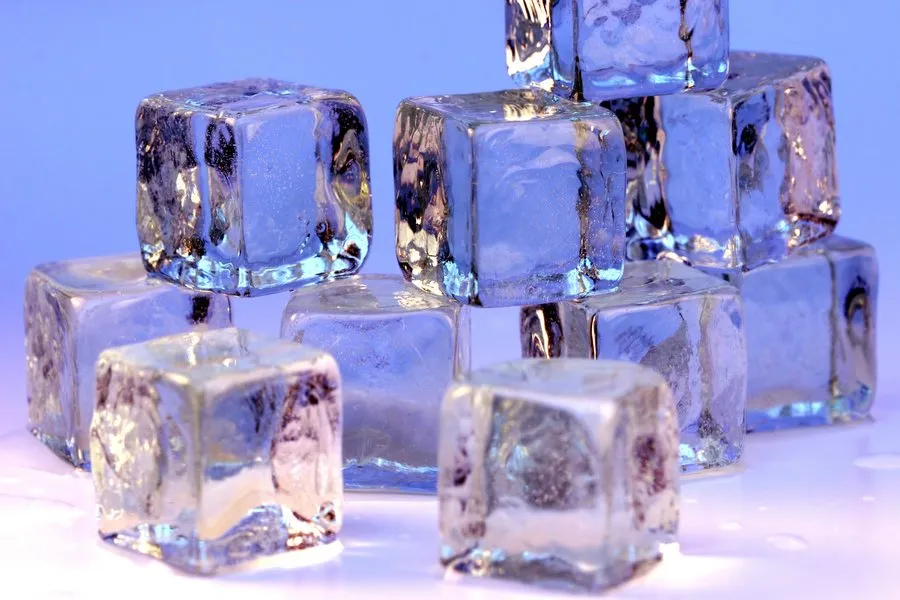
Ice doesn’t need to fully melt for pathogens to enter your drink. As soon as a contaminated cube makes contact with a liquid, bacteria on the surface transfer almost immediately. While freezing slows microbial activity, it does not eliminate all pathogens. Contaminated ice can spread bacteria, leading to foodborne illnesses.
The alcohol-kills-everything belief is also worth addressing directly. Alcohol in a drink won’t keep you safe from contaminated water or ice, according to Mayo Clinic. A splash of spirits does not sterilize ice cubes in a cocktail. The concentrations are far too low to act as a disinfectant.
This is true even for beverages like wine and beer that have some natural antimicrobial properties. In a diluted mixed drink with melting ice, those properties offer essentially no meaningful protection against the bacterial load that a contaminated cube carries into the glass.
Which Ice Is Safer? Reading the Shape
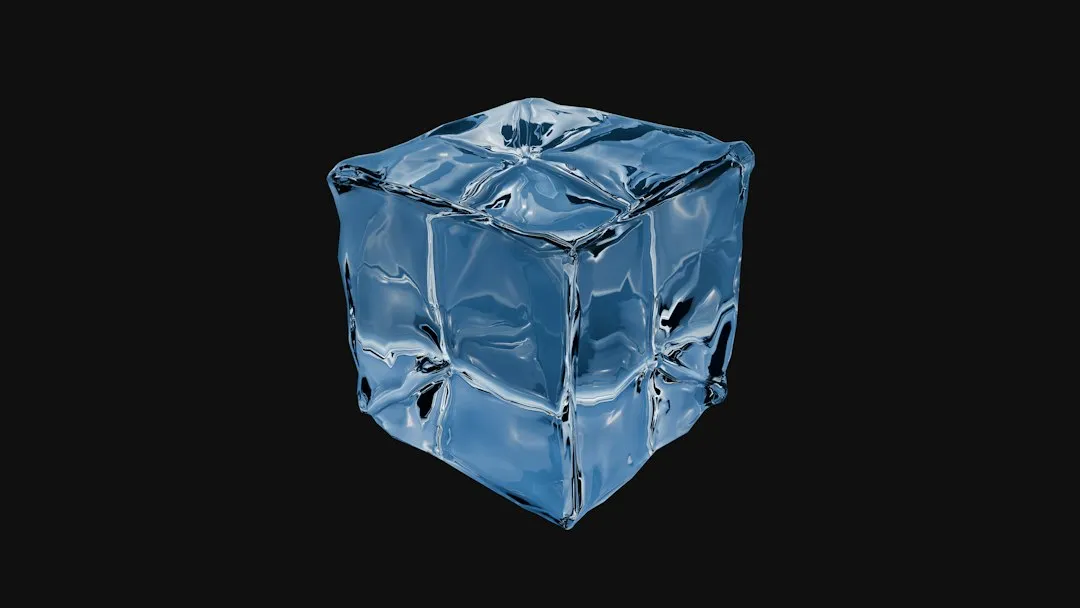
Not all ice carries the same risk, and there is a practical visual shortcut that experienced travelers use. In tourist-facing restaurants in places like Bangkok or Cusco, ice is usually factory-made from filtered water and shaped as cylinders or cubes with a hole through the center. Crushed, irregular ice from a roadside stall is the kind to skip.
Factory-produced ice, made in commercial facilities with filtered water and then packaged, generally carries a lower contamination risk than ice made on-site from tap water. The cylindrical shape with the hollow center is a widely recognized marker of commercially produced ice in much of Southeast Asia and Latin America. It’s not a guarantee, but it is a meaningful distinction.
Irregular, hand-chipped, or crushed ice at informal vendors almost always comes from a block frozen directly from the local water supply. Common sources of bacteria that cause diarrhea include undercooked or raw foods, contaminated food, or contaminated water, including ice cubes. The informal ice is a direct path to exactly that.
High-Risk Destinations and the Ice Question

Traveler’s diarrhea is the most common illness that affects international travelers. It usually happens when you consume contaminated food or water. Ice sits squarely in the water category, even though many travelers mentally file it under “frozen” and treat it as something separate.
You’re more likely to get traveler’s diarrhea when you travel to places that have very different food handling and cleaning practices or water treatment standards than your home country, often in places such as Central and South America, Southeast Asia, and parts of Africa. These are also regions where ice from local water supplies is common in restaurants and street stalls alike.
Infants, young children, pregnant women, older people, and immunocompromised people might be especially susceptible to illness from contaminated food and water, including ice. For these travelers, the ice question isn’t a minor precaution. It should be a firm habit.
What to Do Instead
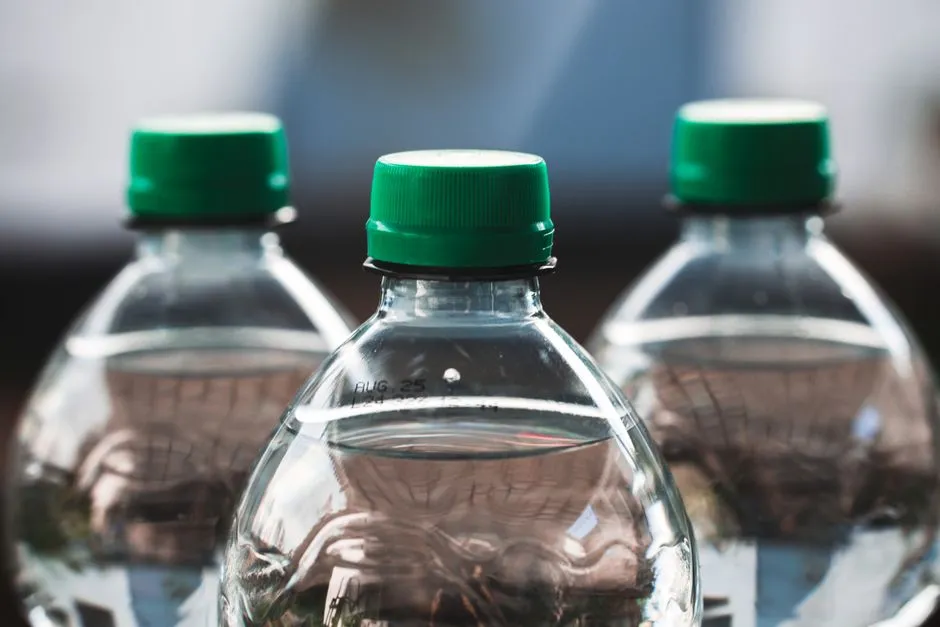
Safe drinks include bottled carbonated beverages, beer or wine, and boiled or treated water, while ice, tap water, and unpasteurized milk carry increased risks of infection. If you want a cold drink abroad in a high-risk destination, carbonated bottled drinks served in their original sealed containers are a reliable choice. The carbonation itself adds a layer of protection.
Drink only bottled water with unbroken seals, boiled tap water, and purified water. Avoid ice cubes unless you make them yourself with water you know is clean. That second part, making your own ice, is the clearest standard. If you didn’t control the water source, you can’t fully trust the cube.
When traveling in regions where water quality is uncertain, asking for drinks without ice is a small, easy request. Carry a quality insulated bottle. Use it to bring your own safe cold water wherever you go. Boiling water for one minute kills everything, and three minutes above 2,000 meters. Bottled water is fine if the seal cracks when you twist it, as a smooth twist means it’s been refilled. These habits travel well.
The Takeaway
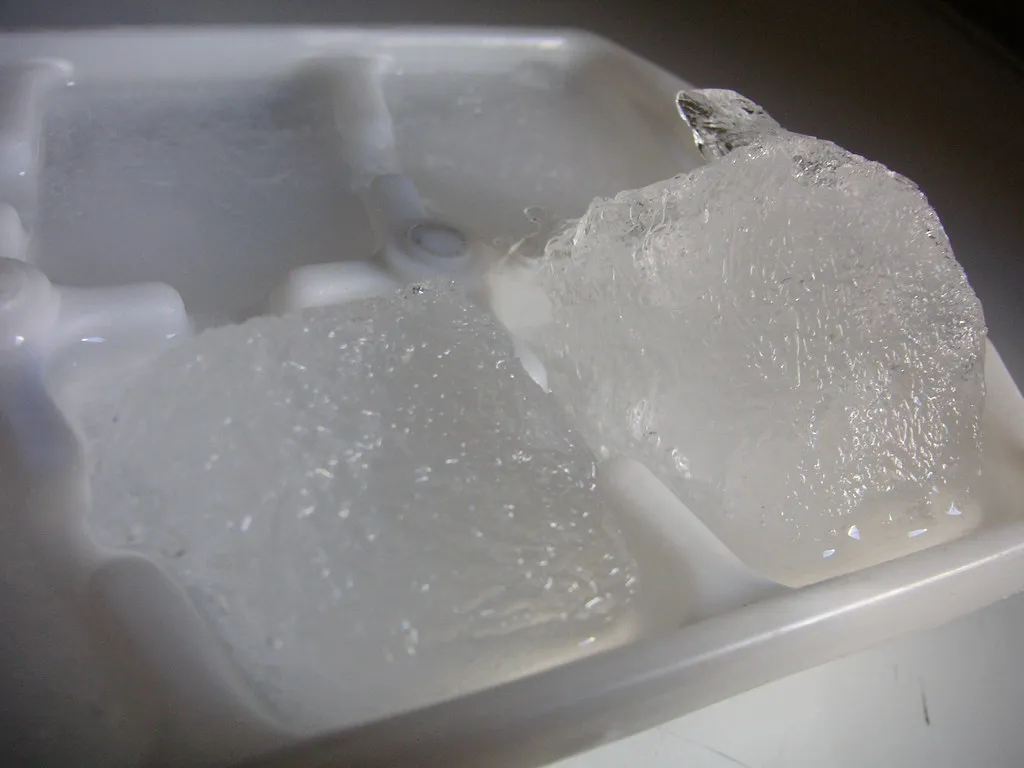
The ice cube problem is not about being paranoid or refusing to enjoy a meal abroad. It’s about closing the gap between the precautions you’re already taking and the one small detail that quietly opens everything back up. Choosing bottled water was the right call. The ice undid it.
Travel health awareness tends to focus on dramatic risks, contaminated wells, cholera outbreaks, unsafe street meat. The quieter risks, the cube floating in a glass of otherwise safe bottled water, get less attention precisely because they look so ordinary. They aren’t.
Before your next trip, build one habit: when in doubt, go without. A warm drink, a sealed sparkling water, a carefully sourced local tea served steaming hot. There are good options. The ice just doesn’t have to be one of them.
AI Disclaimer: This article was created with the assistance of AI tools and reviewed by a human editor.