
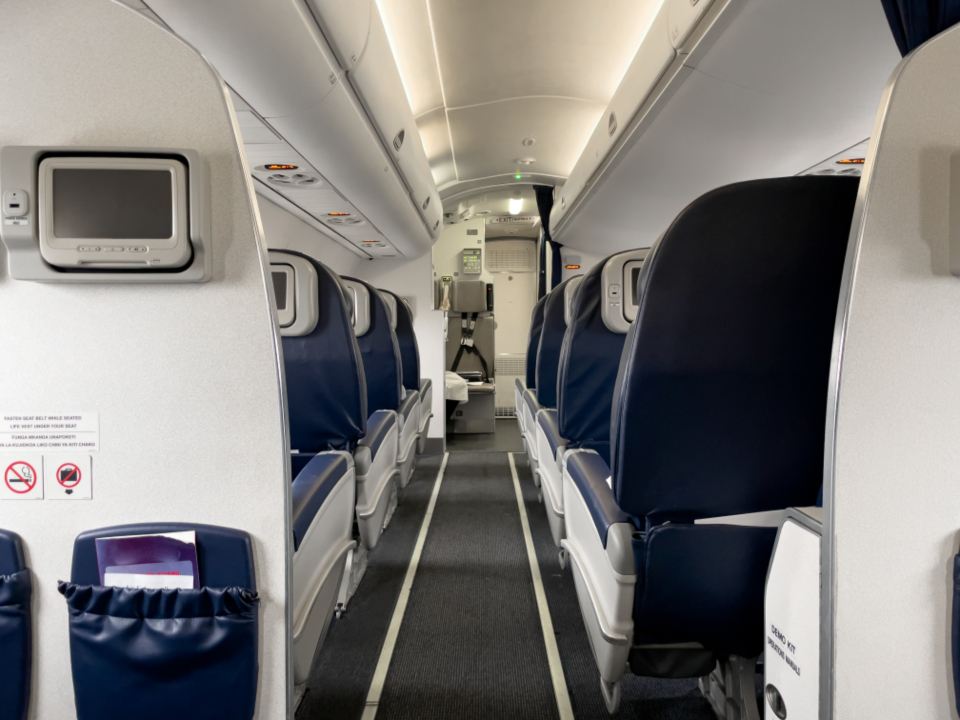

There was something almost ceremonial about it. You’d settle into your seat, fasten your belt, and before the engines even spooled up, your hand would reach into that seatback pocket and pull out a glossy, slightly dog-eared magazine. No login required. No notifications. Just ink on paper at thirty-five thousand feet.
That ritual is, for most American travelers, now gone. The question is why it mattered so much – and why it still quietly does.
The Moment the Last Holdout Folded
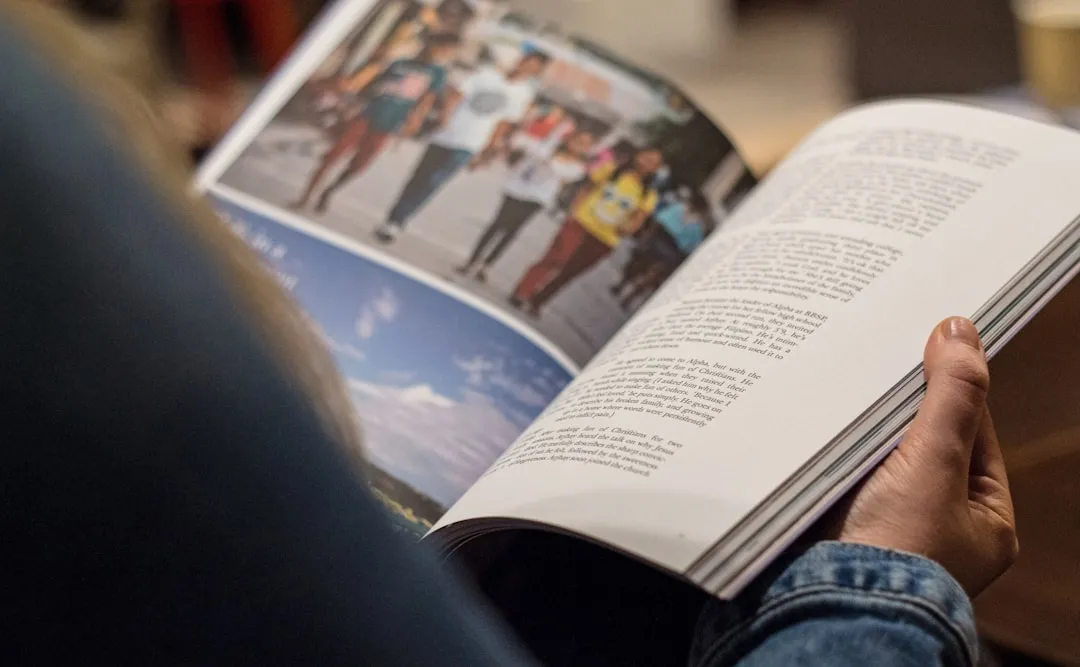
United Airlines announced the end of its printed in-flight magazine, Hemispheres, with the last paper edition published in September 2024. United was the last print holdout among the top U.S. carriers. The decision ended a 32-year product that had won hundreds of writing awards.
Delta Air Lines and Southwest Airlines had already stopped issuing printed in-flight magazines during the pandemic, and American Airlines stopped publishing American Way in print in 2021. American Way itself had been in circulation for 55 years before it was retired in June 2021. The quiet dominoes fell one after another, each departure barely making the news cycle.
Where It All Began

The first in-flight magazine, Clipper Travel, debuted aboard Pan American World Airways in 1952 and was named after the airline’s iconic Boeing 314 Clipper. After that, magazines became a fixture of seatback pockets across the globe, serving as a useful marketing tool and revenue generator for airlines.
As tastes shifted toward digital media and the costs to print and carry magazines grew, in-flight entertainment evolved and the books fell victim to cost cutting starting in the 2010s. Seven decades of uninterrupted publishing, compressed into a pandemic-era collapse that none of the editors saw coming quite so fast.
The Route Map Was Its Own Kind of Magic
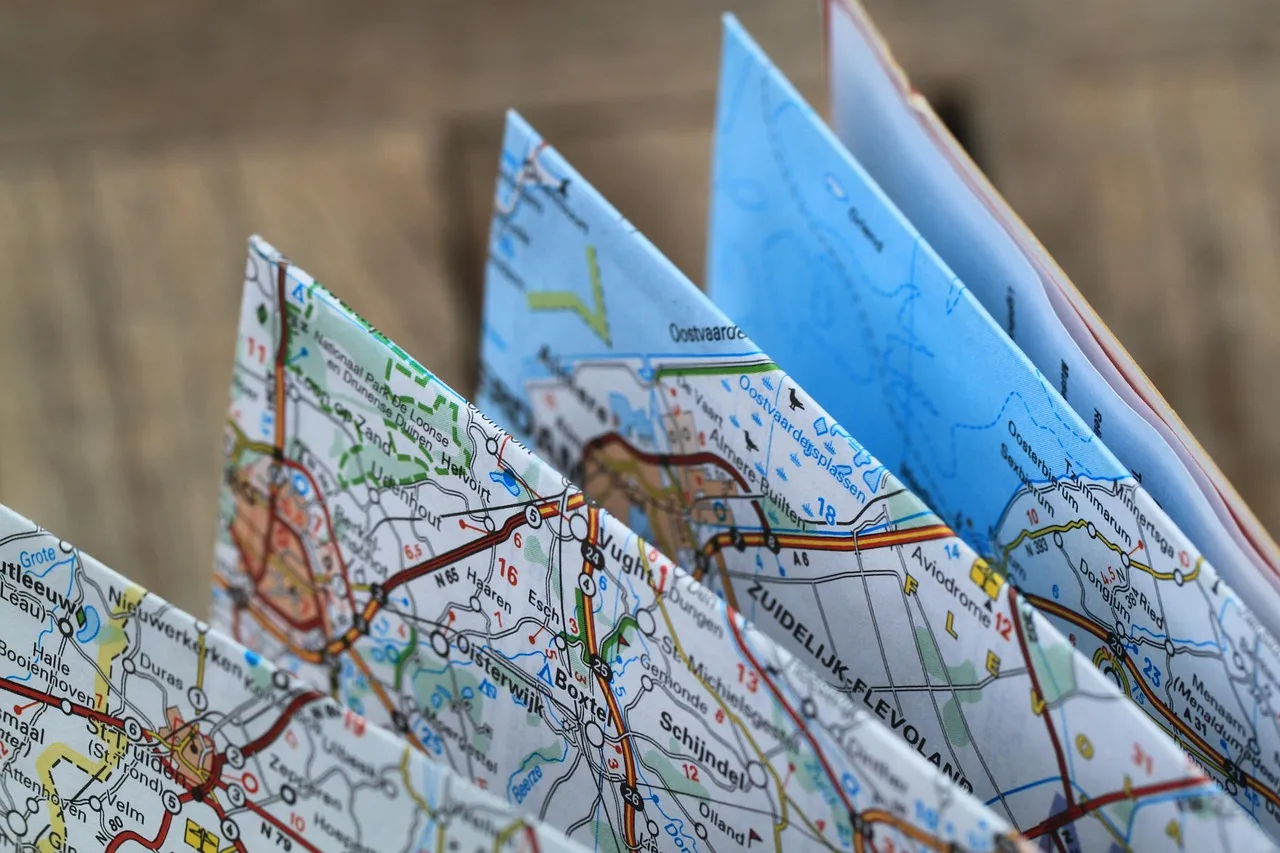
As a child, the first thing many passengers would do when sitting in their airline seat was grab the magazine from the seatback pocket and study the route map at the back. For many, that was where a love of maps and geography quietly began.
Those sprawling network maps, arcing lines connecting cities across continents, did something that no algorithm has quite replicated. Frequent flyers would stare at the route maps thinking about where they’d want to go next. It was passive exploration, the kind you didn’t know you needed until it was no longer there.
A Captive Audience, Gladly Captured
The readers, being passengers essentially stuck in a tin can at altitude, were much more likely to pick up an in-flight magazine than print media in other contexts. In-flight magazines also had to compete with smartphones, the internet, and video games, so they featured well-researched and carefully crafted reading material and visuals.
In-flight magazines never pretended to offer breaking news or timely political analysis. That was precisely the point. They offered something slower, more considered – a curated world that matched the suspended reality of flight itself.
The Editorial Quality That People Underestimated
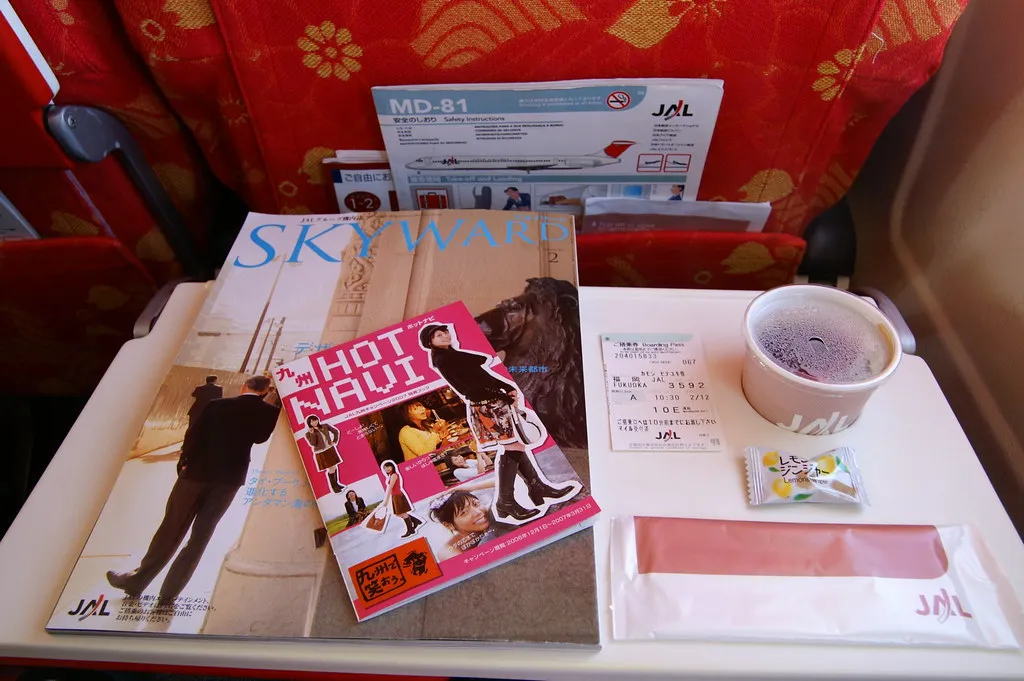
What people missed most came down to travel inspiration. Passengers received a curated level of content that the internet can’t easily replicate, where endless surfing often replaces the focus that a well-edited magazine naturally creates.
Many in-flight magazines had elite audiences. With a frequent flier as a frequent reader, publishers could argue that their audience had a level of affluence, education, and sophistication that was genuinely rare, with a global demographic to match. The advertising world understood this, and so did the editors who poured genuine craft into those glossy pages.
SkyMall and the Wonderful Absurdity Next to It

SkyMall, tucked alongside the main magazine, understood the brief and buoyant contradictions of air travel acutely, offering an array of smart idiosyncrasies, luxurious gags whose appeal seemed specific to the temporary whims of flight. Easter Island doorstops. Toasters that burned your dog’s silhouette into bread. Products you would never buy on the ground.
SkyMall was a phenomenon precisely because people literally had nothing else to do on planes. You might not have boarded thinking you needed the world’s largest wine glass or a glow-in-the-dark toilet seat, but by landing you were considering a full redesign of your home and your life’s priorities. Several years ago, SkyMall filed for bankruptcy – probably a foreshadowing of what was to come for print altogether.
The Weight Argument and What Airlines Really Gained

Some airlines still offer hard-copy in-flight magazines, including Japan Airlines, Hawaiian Airlines, and Lufthansa on long-haul flights. When Finnair removed its print magazines, the carrier estimated it would save between 110 and 276 pounds per aircraft. Small numbers, perhaps, but meaningful at scale across thousands of daily flights.
United, for its part, had launched its own media network, dubbed Kinective Media, which enables the airline to sell targeted ads through its app and seatback screens. The economics simply moved elsewhere. The magazine’s advertising value didn’t disappear; it was repackaged into something more trackable and more profitable for the airline.
The Airlines Still Holding On – and the Ones Coming Back
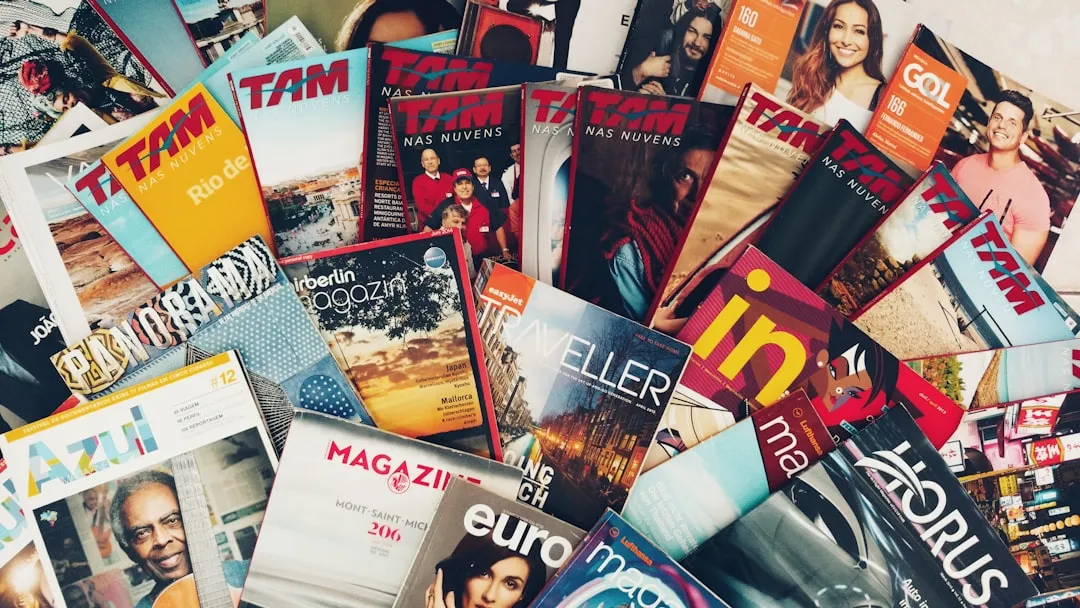
In recent months, a number of airlines have seen print relaunches, from Etihad Airways’ Beyond to Singapore Airlines’ SilverKris and Cebu Pacific’s Smile. This quiet reversal surprised many in the industry who had already written the obituary.
SilverKris, the in-flight magazine of Singapore Airlines, returned to print from March 2026, appearing once again in seat pockets across the airline’s global network. The March-April 2026 edition marked the publication’s first printed issue since April 2020, when seat-back literature was temporarily moved to digital formats during the pandemic. The magazine is printed on FSC-certified paper and supported by recycling initiatives for retired copies.
The Analog Refuge That Flew Without Wi-Fi
Airplanes were, for a time, the last refuge where passengers could get away from the internet for hours at a stretch. Having a hard-copy magazine in front of you was simply part of that analog experience. Nobody logged in. Nobody checked notifications. The flight was, briefly, its own sealed world.
That quality of disconnection was never really the magazine’s selling point – it was simply the environment it lived in. It’s still genuinely useful to have non-battery-powered media when traveling. The phone dies. The Wi-Fi drops. The magazine, at least in the years it existed, never needed charging.
The Industry in 2026: Smaller, More Focused, Still Alive
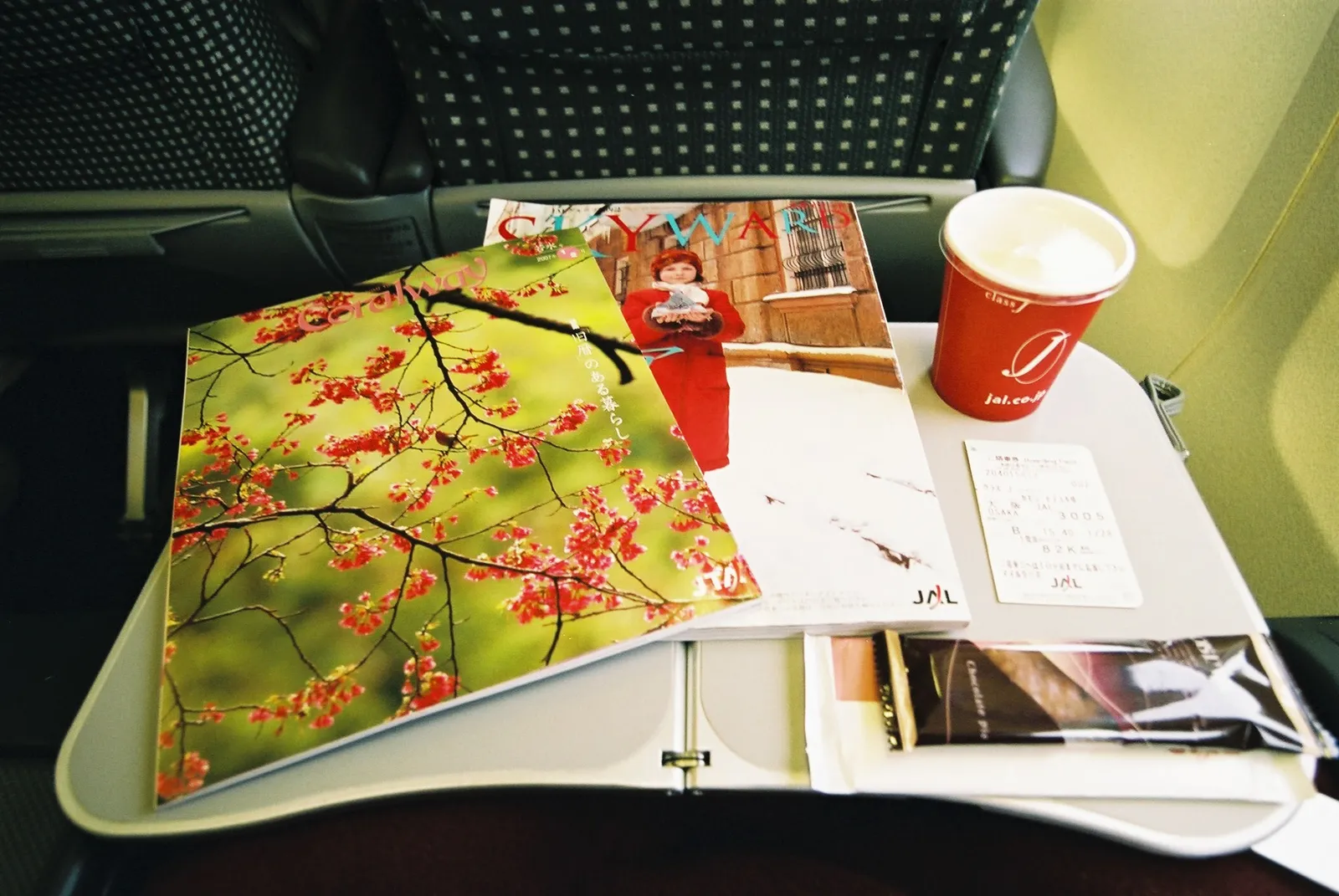
The in-flight magazine sector in 2026 is smaller than it was at its peak, but still described as healthy and more focused. Airlines have become more selective, and the publications that remain tend to have a clearer purpose and stronger editorial quality.
Other airlines worldwide have canceled their paper magazines, introducing digital versions or simply relying on their massive investment in in-flight entertainment content to keep passengers occupied. The format has fractured into many shapes. What remains is more intentional, if considerably thinner on the ground.
The Quiet Collectors Who Saved Their Copies

Passengers have been collecting in-flight magazines since childhood, mostly for the route maps. One article from the Alaska Airlines Magazine from the mid-1990s, a well-researched piece on the growth of Starbucks and fancy coffee in the U.S., proved so memorable it was saved to this day. That’s the kind of staying power no seatback screen has yet managed.
The September 2024 final edition of Hemispheres quickly became a collector’s item. Copies surfaced almost immediately on resale platforms, pulled fresh from seatback pockets by passengers who knew they were holding something that wouldn’t come back. United had even mailed copies directly to elite-tier members during the peak of COVID, treating the magazine as genuinely valuable to its most loyal travelers.
What the Ritual Actually Meant
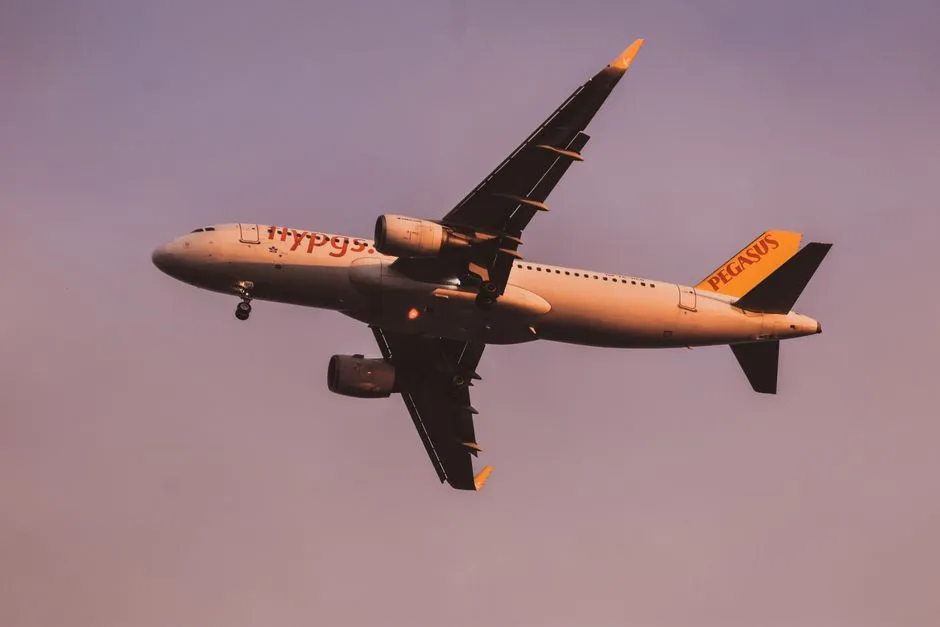
The in-flight magazine wasn’t just reading material. It was a transition object, something to hold between the chaos of the terminal and the strange quiet of being airborne. With editorial noted for its distinctly upbeat, positive content and tone, in-flight magazines occupied a niche publishing space that punched well above its weight in a struggling publishing industry.
Frequent flyers didn’t always finish the articles. They skimmed, they browsed, they lingered on a photo of somewhere they’d never been. Many in-flight magazines boasted impressive national readership numbers and gained broad national advertiser support – evidence that this casual, unhurried engagement was real and measurable, not just romanticized in hindsight.
A Measured Farewell, Not a Eulogy
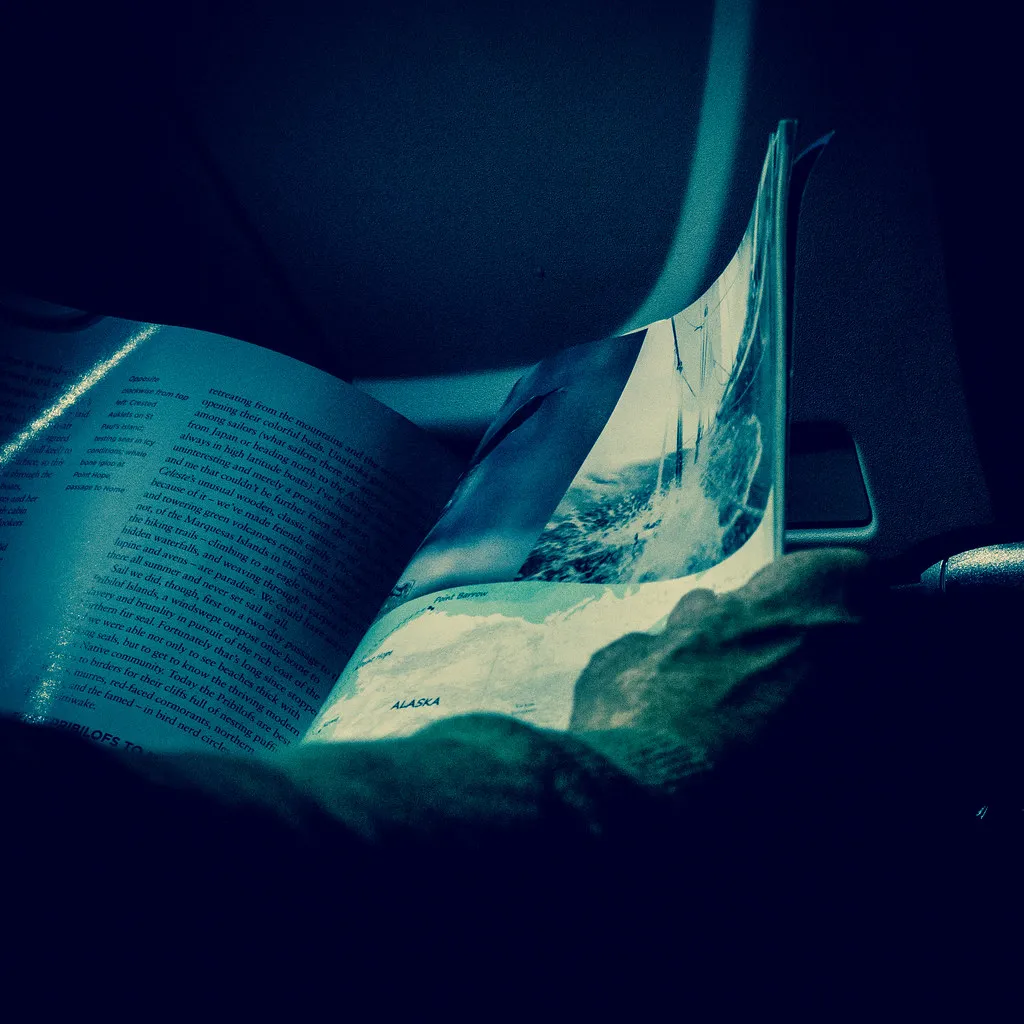
The in-flight magazine was never meant to be literature. It was meant to be company at altitude – reliably warm, occasionally surprising, and always there in that pocket in front of you. The fact that some airlines are bringing it back, carefully and sustainably, suggests the format had more resilience than the industry assumed.
What frequent flyers miss, underneath all the nostalgia, is probably simpler than they realize. It was a built-in reason to slow down and pay attention to something that wasn’t urgent. At thirty-five thousand feet, that turns out to be harder to replicate than anyone expected.
AI Disclaimer: This article was created with the assistance of AI tools and reviewed by a human editor.