
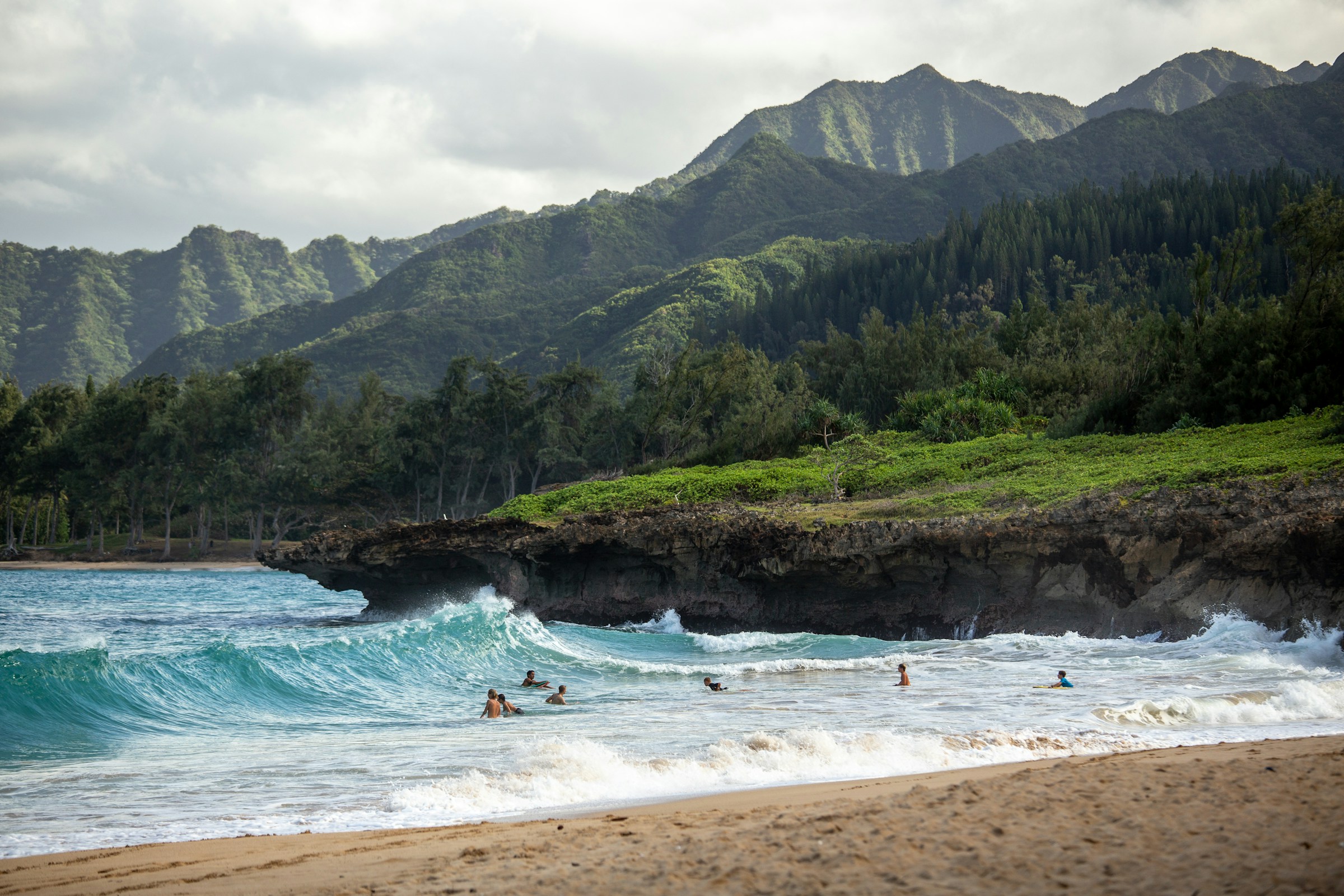

Most visitors arriving in Hawaii have the best of intentions. They pack their sunscreen, book their rental car, and head straight for the nearest stretch of sand, hearts full of anticipation. Nothing about the routine feels remotely harmful.
Yet some of the most friction-causing tourist behaviors on Hawaii’s beaches aren’t dramatic acts of disrespect. They’re quiet, everyday habits that visitors don’t even realize carry weight in a place where the beach is not just scenery. It’s someone’s home, heritage, and livelihood. Here’s what’s quietly driving locals to the edge.
Spreading Out at Local Beaches Like It’s a Resort
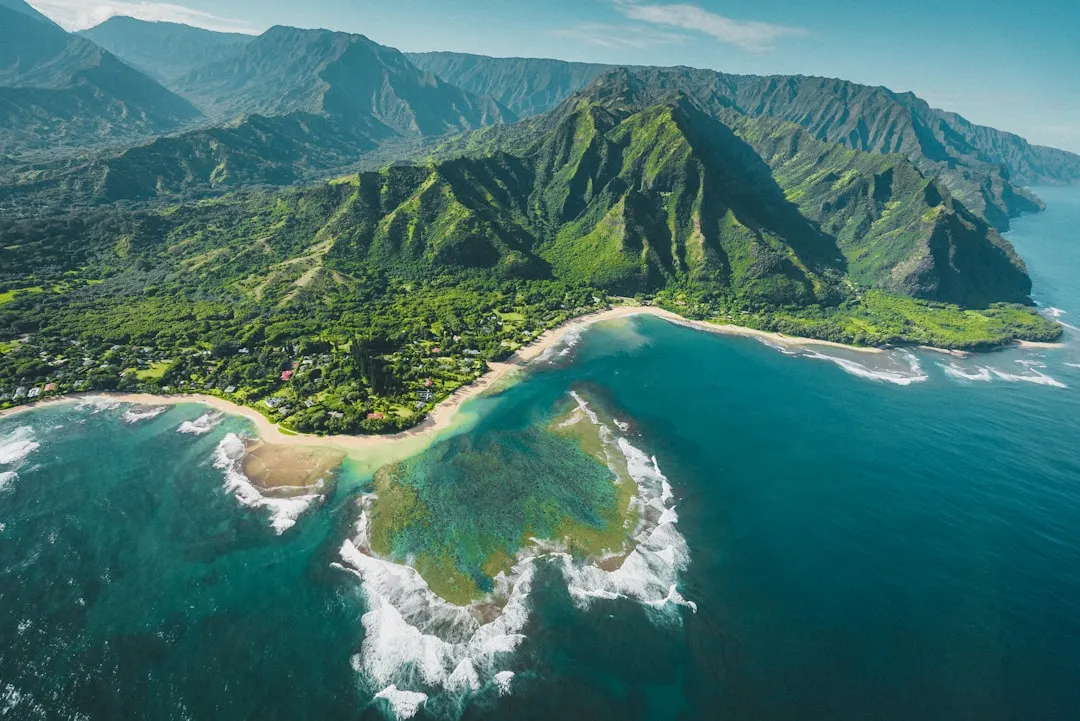
Decades ago, beaches like Hā’ena Beach Park on Kaua’i’s North Shore served as gathering spots for Native Hawaiian and local families, where keiki learned to swim and surf in the turquoise waters and the grassy areas provided ample camping grounds. That became rare as visitor arrivals increased. Today, those same beaches are often unrecognizable to the residents who grew up on them.
The parking lot often fills quickly, rental cars at times spill over and clog the narrow, winding highway, and residents regularly say they no longer even try to go there. For locals, this isn’t an inconvenience. It’s a loss of something irreplaceable.
As one community member who grew up next to the beach park put it: “When you push community out of these places that are so special, you know, that breaks up a community.”
Using Reef-Damaging Sunscreen Without a Second Thought
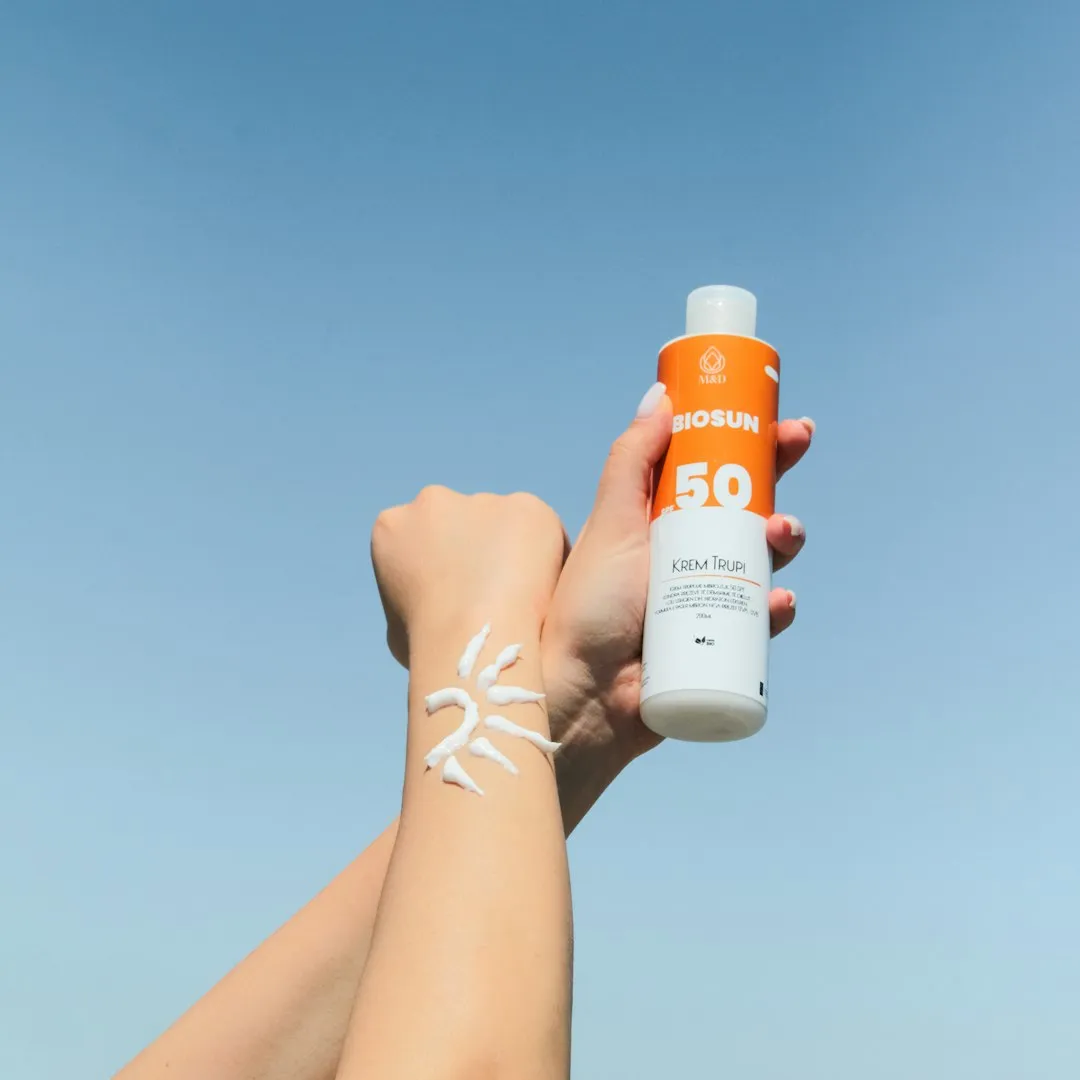
A pressing environmental concern has arisen from a seemingly innocuous product that visitors use every day: sunscreen. Traditional sunscreens contain ingredients that are harmful to coral reefs. Most people grabbing a bottle at a mainland pharmacy have no idea they’re doing anything wrong.
Scientific studies have linked even small concentrations of these chemicals to coral bleaching, DNA damage in coral larvae, and disruption of marine life. Hawaii’s law banning certain sunscreen ingredients was created to help protect reefs already under stress from climate change, warming ocean temperatures, and heavy visitor use.
For Native Hawaiians, the ocean and its inhabitants hold deep cultural significance. They have long regarded the sea and its resources as interconnected with their way of life, and damage to coral reefs is not only an ecological concern but also an affront to Hawaiian heritage and traditions.
Claiming the Only Parking Spots Near the Water
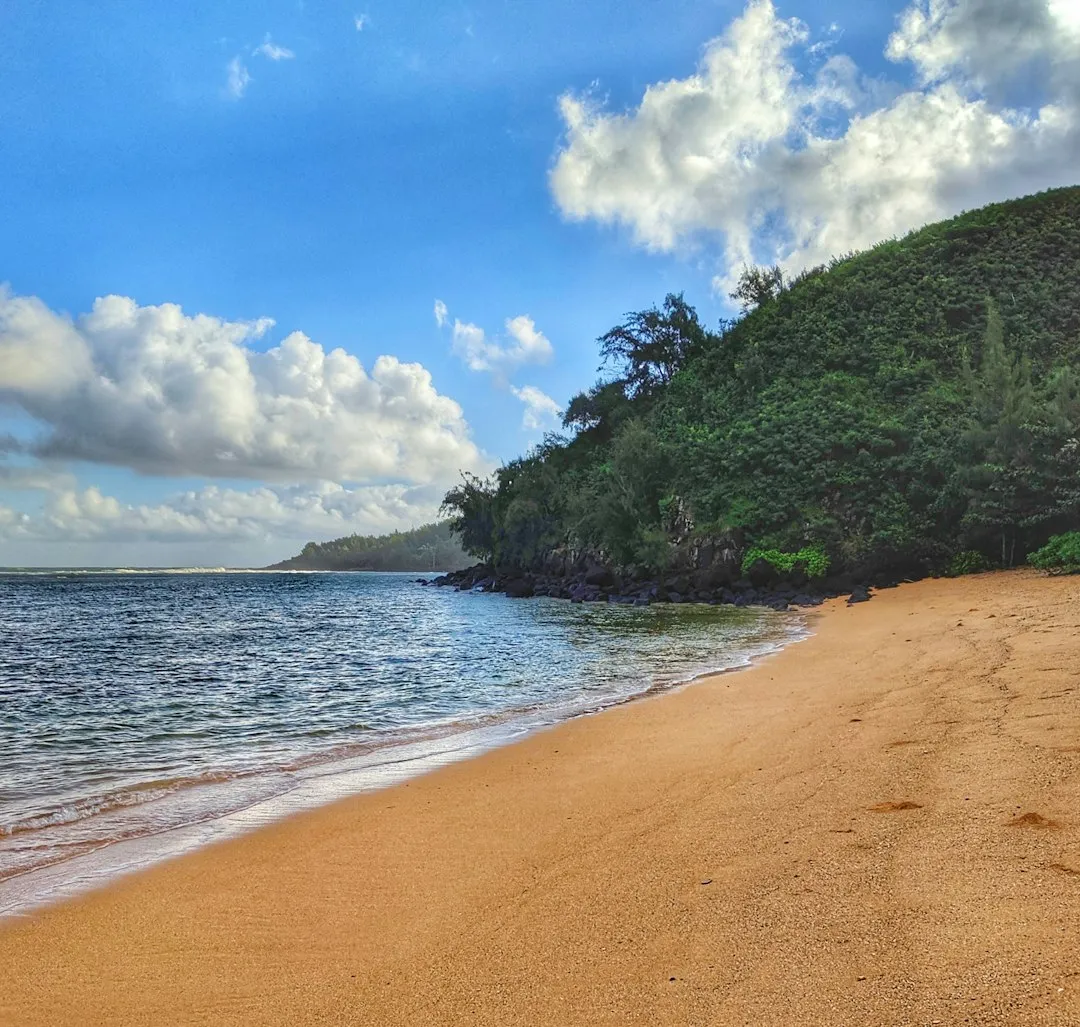
For visitors, a Kaua’i beach day can become a parking fight. A short drive can become a very long backup. A place that looks manageable on social media can be functionally full by the time you arrive. For tourists, this is frustrating. For residents, it’s daily life.
For residents, the crowding is more tiring than a vacation inconvenience. It is daily life getting squeezed by systems that are already maxed out. Locals who simply want to spend a Sunday morning at the beach they grew up visiting are often shut out entirely.
Community surveys from Maui’s Park Maui initiative confirmed that “no parking for locals is an issue at the beach parks,” with residents directly citing tourists taking all the available spots. That frustration is documented and real.
Crowding into “Secret” Spots Found on Social Media
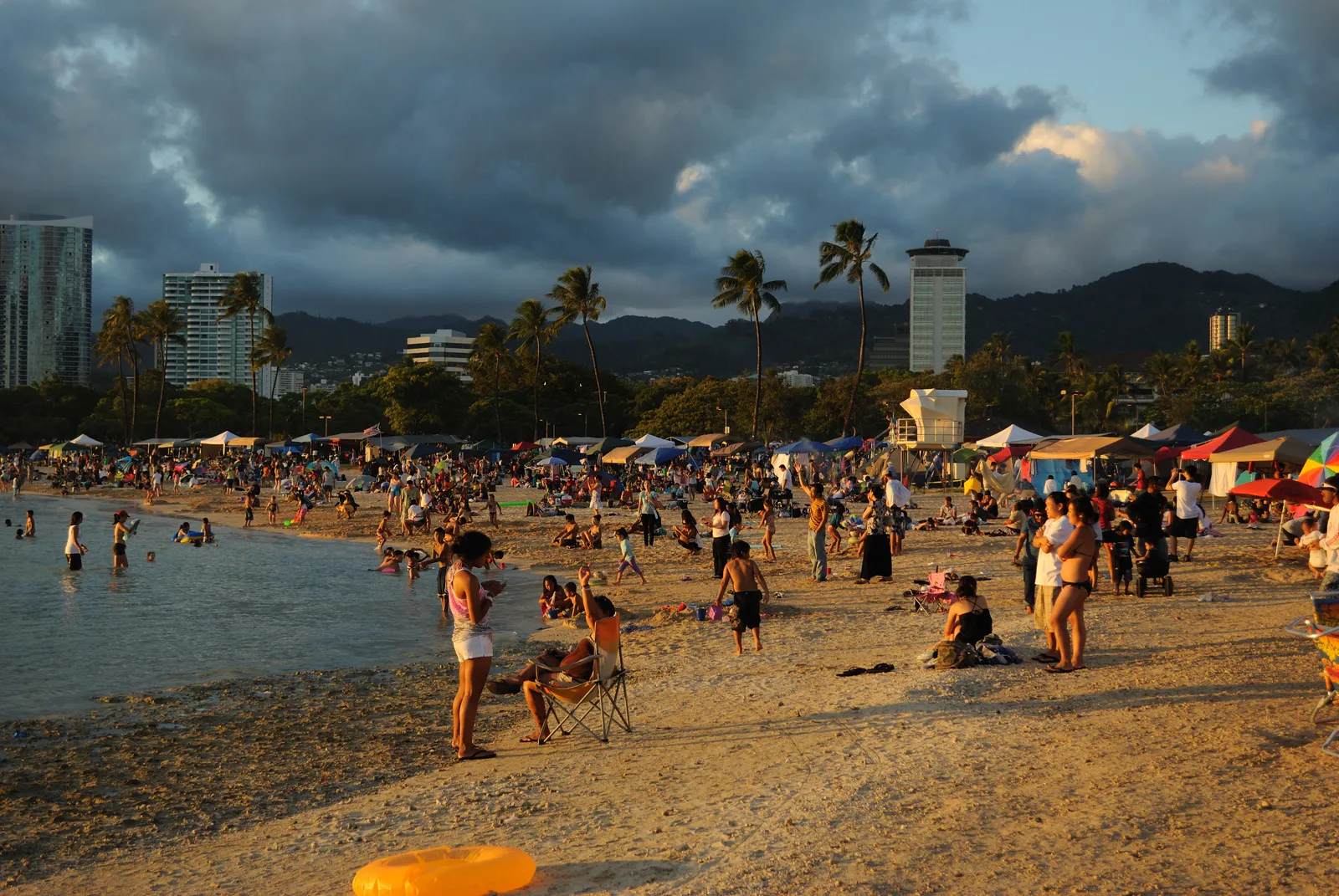
Hawaii’s overtourism problem has been further fueled by social media. Scenic locations once quiet and relatively unknown have become overwhelmed by visitors eager to recreate the perfect Instagram moment. What was once a quiet cove known to a handful of families becomes a destination practically overnight.
One Maui resident explained the frustration directly: when tourists film in local communities and brag they’ve “discovered” something off the beaten path, the next thing locals know, fifty tourists show up at a little freshwater pond, and with that comes degradation because visitors don’t know how to treat the place respectfully.
While tourism isn’t new to Hawaii, the scale and the way people travel has changed dramatically in the last decade. Previously, tourists mostly stuck to areas where there were hotels. Now tourists are parking on residential streets and staying in houses next door. As Dr. Jerry Agrusa, professor at the University of Hawai’i’s Shidler College of Business, puts it: “A lot of tourists now want to go where the locals are, but the locals don’t want them there.”
Approaching Hawaiian Monk Seals and Sea Turtles
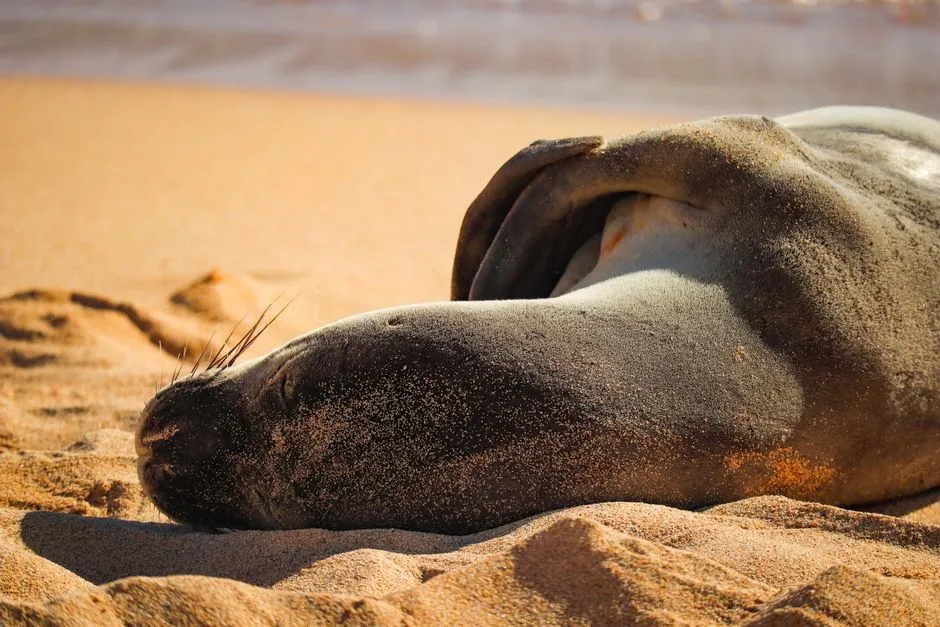
Viral videos of beachgoers chasing endangered Hawaiian monk seals have brought this issue into the public spotlight, making the impact that visitors have on Hawaii’s wildlife a subject of long-overdue attention. These encounters look innocent from a distance but carry serious consequences.
Locals note that tourists are “always going up to turtles and get in the way of locals trying to fish.” These aren’t exotic creatures behind glass. They’re native animals living in the same waters where Hawaiian families fish, surf, and swim. Approaching them is not just frustrating for locals but federally prohibited.
The Hawaiian monk seal is one of the most endangered marine mammals in the world. Disturbing resting seals can cause pregnant females to abandon their nursing young. The gesture that looks like a tourist marveling at wildlife can cause harm that takes seasons to repair.
Leaving Trash Behind at Beaches With No Bins
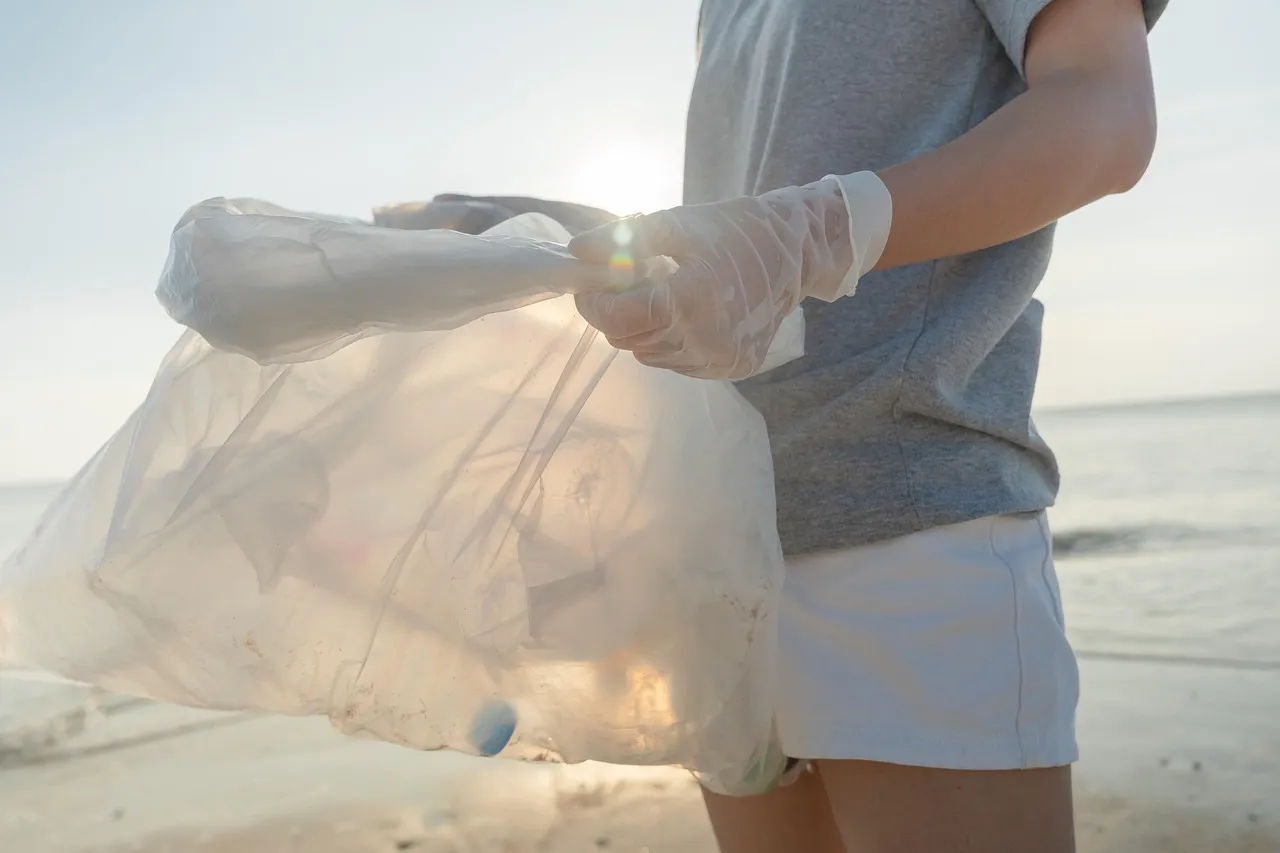
Sunscreen tubes, water bottles, snack wrappers, and microplastic-sized pieces of broken coolers all end up in the next tide. Many Hawaii beaches have no trash cans, and if there isn’t one where visitors are sitting, they are expected to carry their trash out. Many visitors simply don’t know this.
At Sunset Beach and Pupukea on Oahu’s North Shore, weekends bring steady horns, overflowing trash bins, and families darting across the highway to reach the sand. The neighborhood board’s vice chair called it “a daily reminder that our home has turned into a corridor.”
The absence of a bin is intentional at some beaches. It’s a management strategy meant to discourage overuse and protect fragile shorelines. Treating the lack of infrastructure as permission to leave things behind misses the point entirely.
Treating Sacred Cultural Sites as Photogenic Backdrops
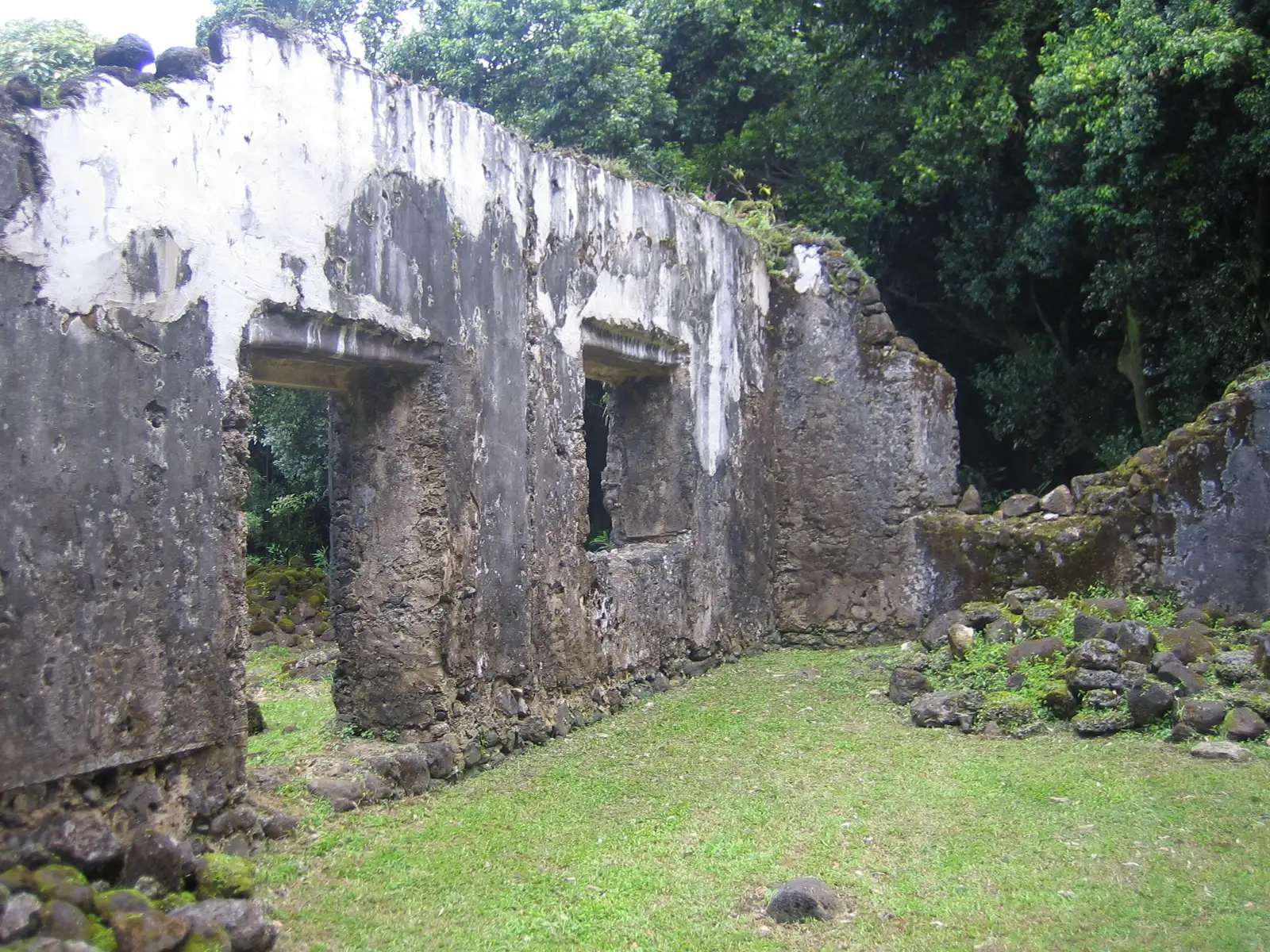
Kaniakapupu Ruins, the historic summer home of King Kamehameha III, has been severely damaged by visitors ignoring closure signs after discovering the site online. Places with deep ancestral meaning are sometimes reduced to coordinates on a travel app.
Native Hawaiian writer Gisele Bisch has outlined the issues brought about by overtourism, citing negative effects that range from congestion of roads to tourists trespassing on sacred land and the exoticization of indigenous heritage. These aren’t minor complaints. They reflect a broader pattern of cultural disregard that accumulates over time.
As longtime industry observer Thompson, who has worked in and around the tourist industry for 45 years, notes: Waikiki is a tourist spot, so if you’re a local and you go there, you’re not frustrated at tourism. It’s when tourism starts to impact local existence, bringing traffic and degradation of sacred sites, that it becomes truly frustrating.
Booking Short-Term Rentals in Residential Neighborhoods
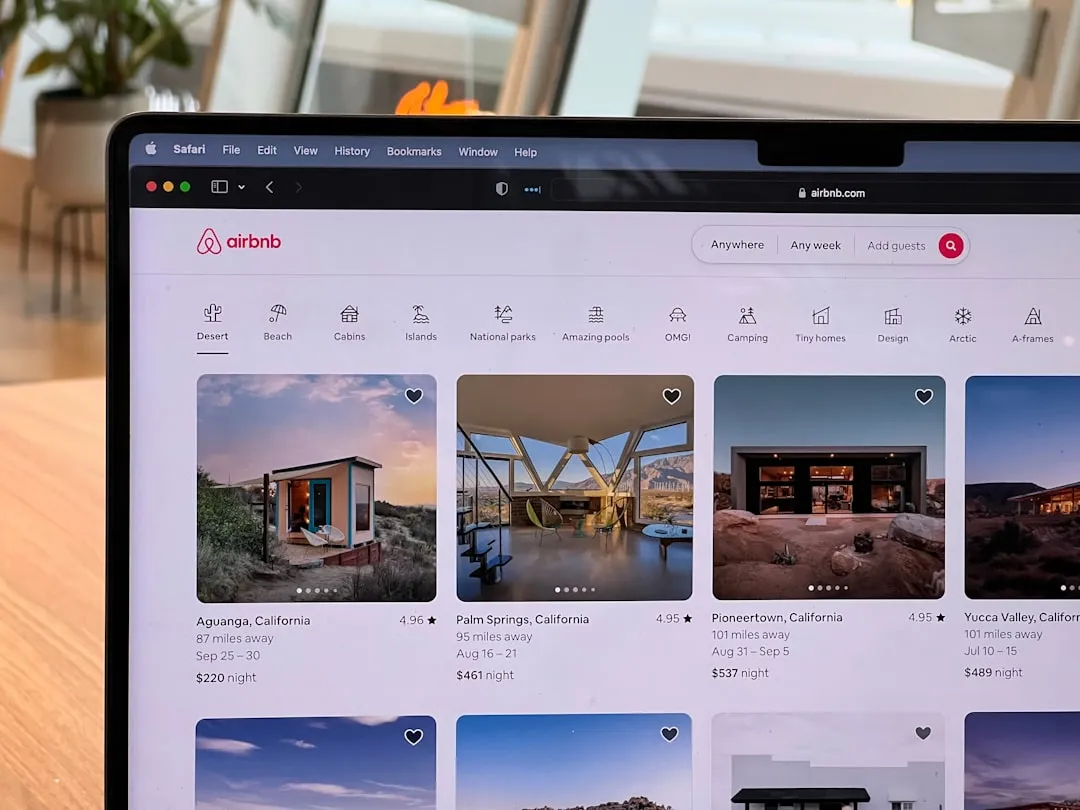
Staying in Airbnbs or other short-stay rentals is directly fueling resentment among locals as rental prices skyrocket, contributing to Hawaii’s housing crisis. The decision feels neutral to a visitor comparing options on an app. On the ground, it has real community consequences.
Dr. Jerry Agrusa has been direct about the problem: “A normal person can’t buy a home. There are 27,000 short-term rental units in Maui. It’s a disaster.” That number represents housing that could be home to families who have been pushed out entirely.
Perhaps the most difficult casualty of unchecked tourism is that residents can no longer afford to live on the archipelago, due to exorbitant housing costs and the abundance of vacation rentals and second homes. The beach day a tourist books on a whim is connected to a housing market that many locals can’t survive in.
Ignoring the Real Scale of Overtourism’s Pressure
Dr. Jerry Agrusa of the University of Hawai’i describes the scale of the shift plainly: Hawaii went from six million tourists in 2009 to ten million in 2019. The islands, the roads, the reefs, and the communities simply weren’t designed for that volume.
Tourism is deeply embedded in Hawaii’s economy, accounting for nearly a quarter of the state’s GDP. The industry is responsible for countless thousands of jobs, and efforts to reduce visitor numbers often face backlash from businesses and some in local government who rely on the revenue. The tension is genuine and not easily resolved.
Hawaii has openly acknowledged that many of its most visited beaches, trails, and towns are stressed, and that most of them will not receive direct fixes in the near term due to resource limitations. Understanding that context changes how a beach day feels, at least for those willing to look.
Misreading Aloha as Infinite Tolerance
Mindful tourism, as defined by the Hawaii Tourism Authority, encourages visitors to respect the land, support local businesses, avoid culturally insensitive behavior, and engage in meaningful experiences. It emerged as a response to overtourism and the real strain it has placed on Hawaii’s environment and communities.
What comes through most clearly from resident voices is not hostility but exhaustion. One person described watching the island she had known for decades become unrecognizable, not from a single event but from years of accumulation with no correction. Aloha is a value, not a guarantee of silence.
Hawaii asks its guests for kindness, civility, and respect. Tourists’ actions amount to honoring and acknowledging their hosts’ home, and protecting a delicate ecosystem. That’s a reasonable request, and one that most visitors, if they understood it clearly, would be glad to honor.
A Kinder Way to Visit
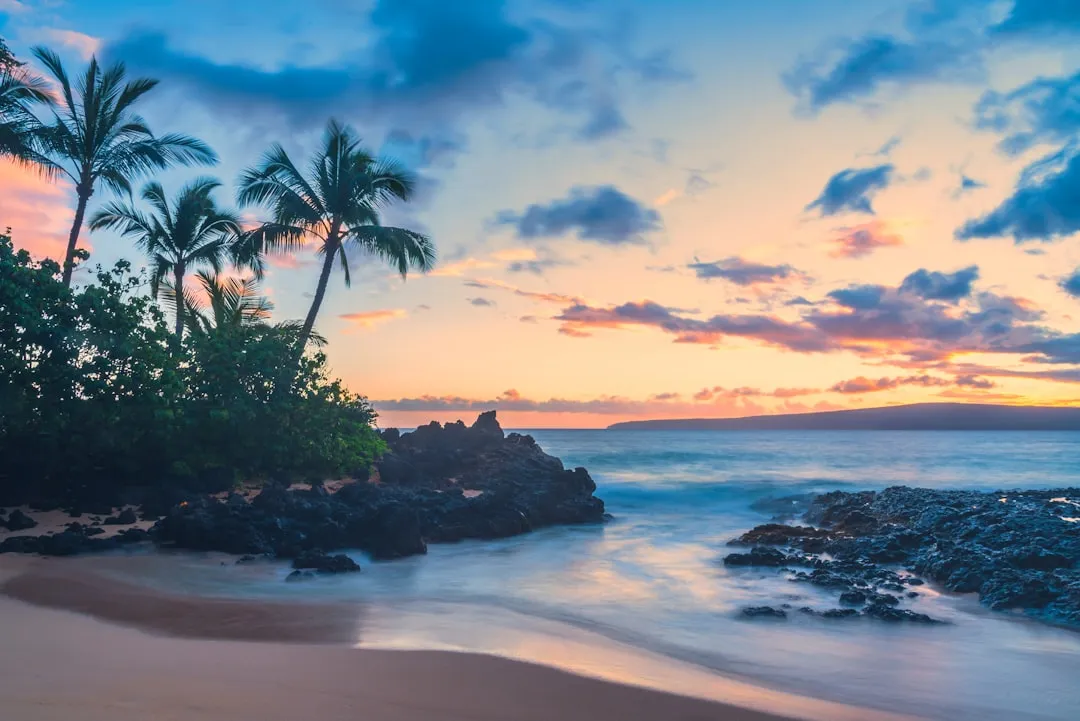
None of the habits described here come from bad intentions. Most come from simply not knowing, from arriving in a place of extraordinary beauty and following the instincts of a holiday rather than the customs of a community. The good news is that awareness changes behavior, and most visitors, given the chance to understand what’s at stake, want to do things right.
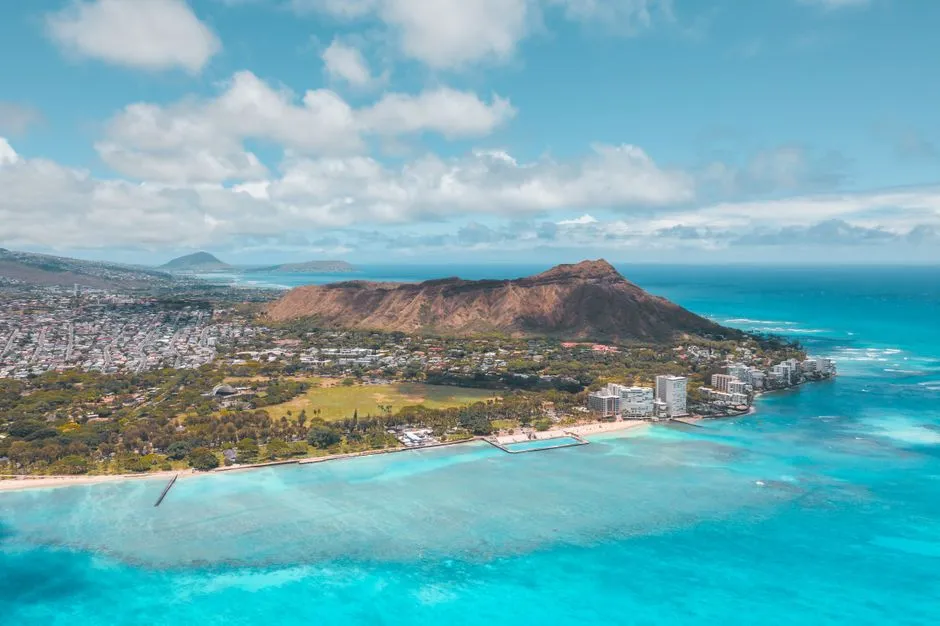
Hawaii has already taken meaningful steps: banning toxic sunscreen chemicals, limiting visitors to over-trafficked parks like Diamond Head, Hanauma Bay, and Haena State Park, and implementing the Mālama Campaign. In Hawaiian, mālama means to give back, and the campaign provides visitors with hands-on experiences to steward the islands, from planting trees to reef restoration and food delivery to elders.
The most enduring piece of beach etiquette in Hawaii isn’t really about rules. It’s about perspective. The sand you’re sitting on is someone’s ancestral home. The reef beneath the water is someone’s food source. The parking spot you took may be the only one a local family had. Holding that in mind, even briefly, changes the entire experience, for everyone.
AI Disclaimer: This article was created with the assistance of AI tools and reviewed by a human editor.