
Lazio Gets the Credit, But the Story Is Complicated
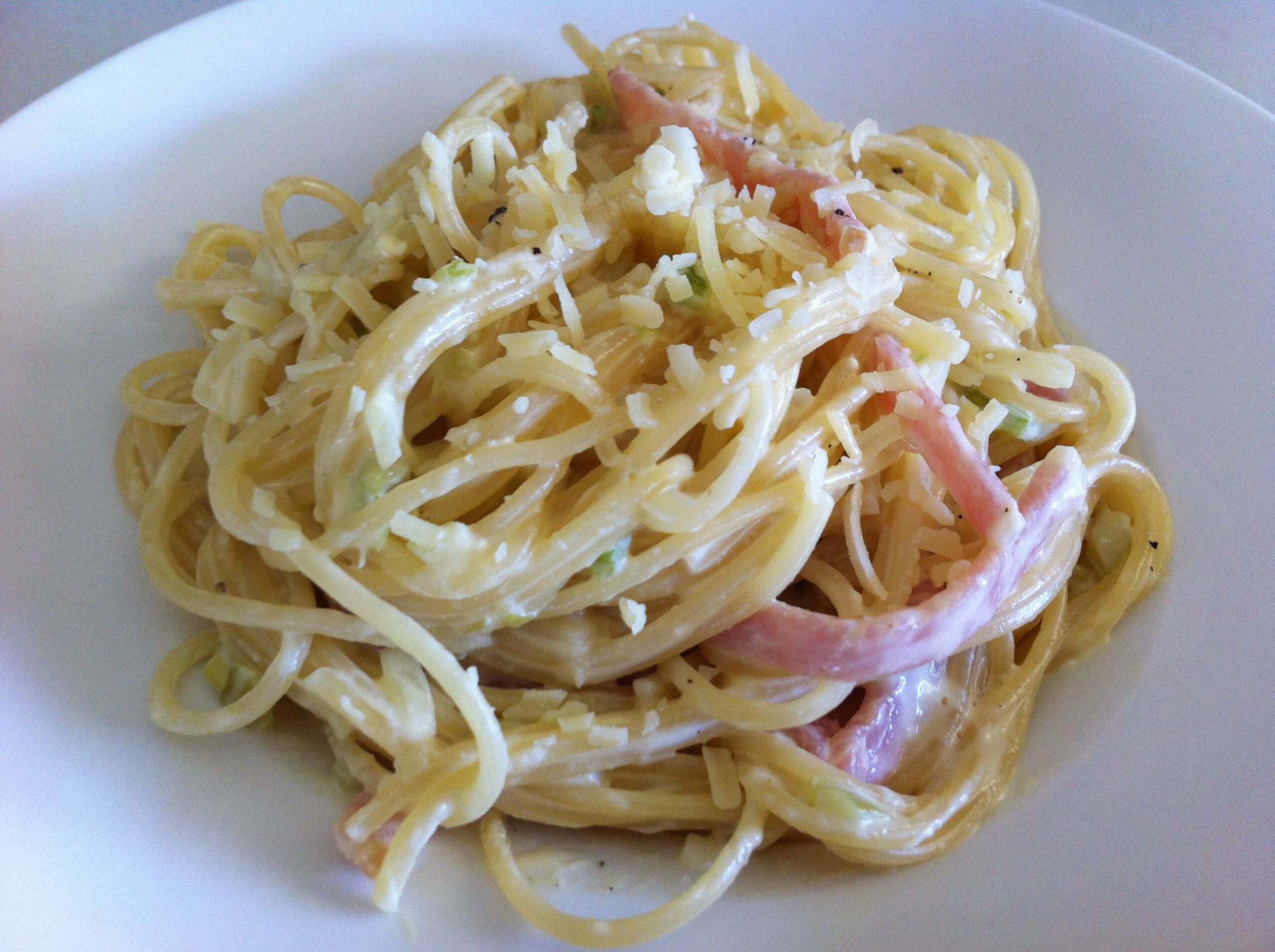
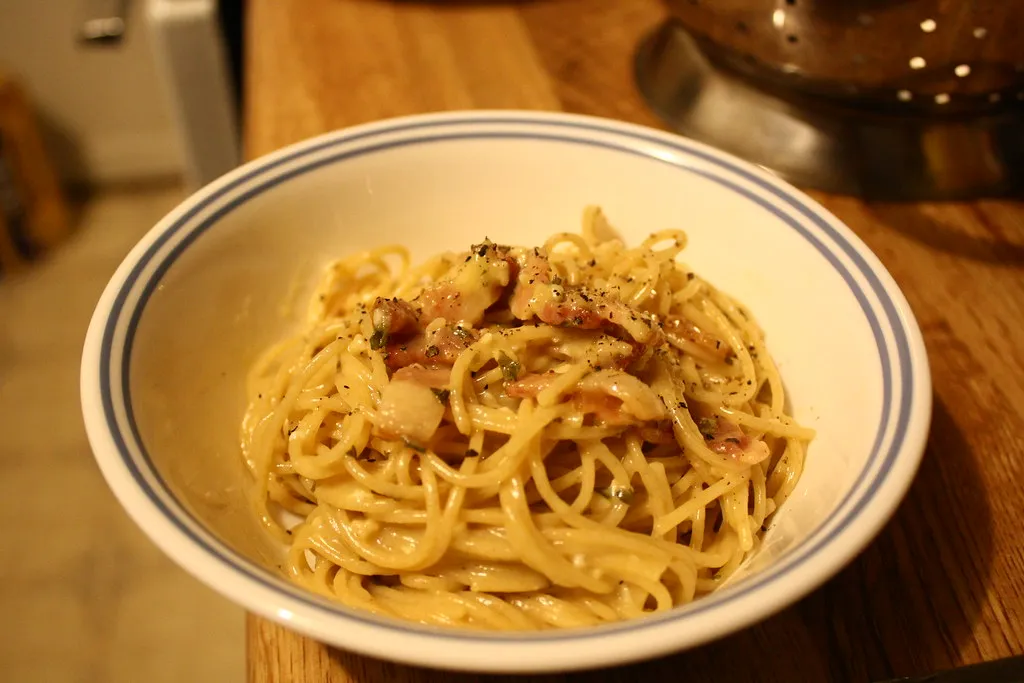
Carbonara is among the most appreciated Italian pasta specialties in the world. Though it cannot boast ancient origins, it is widely considered a symbol of Roman and, more broadly, Lazio region gastronomy. Most visitors to Rome will encounter it on virtually every trattoria menu, and the city has long treated it as a native son.
Carbonara is most associated with Rome and the Lazio region, but as with so many Italian dishes, in Italy, its origin provokes much speculation and debate. That debate has become more vocal in recent years, particularly as food historians dig deeper into archival records.
The Abruzzo Claim That Won’t Go Away
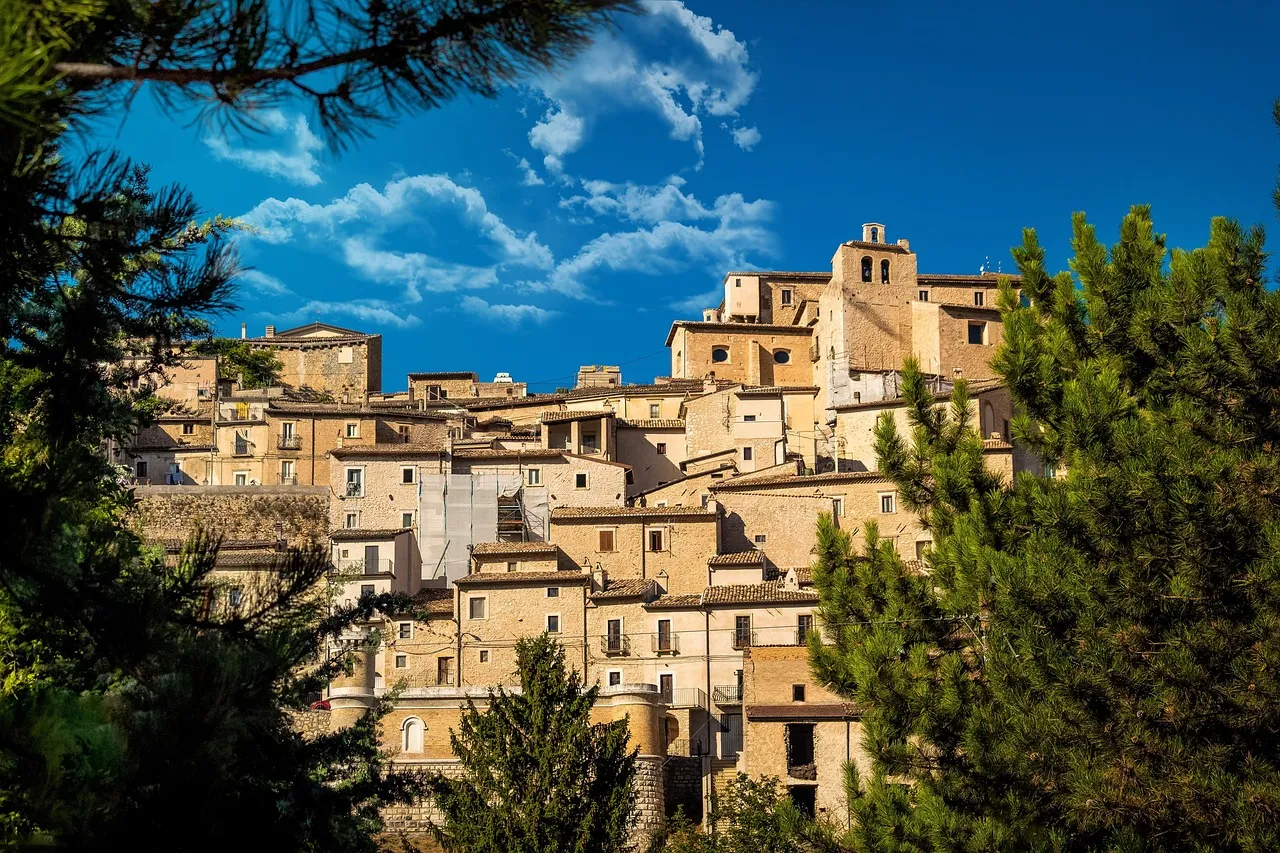
While Rome is famous for Carbonara, the strongest evidence actually shows that its truest origins are in the Abruzzo-Apennine mountains. This argument isn’t just local pride talking. It has linguistic, cultural, and culinary threads that researchers take seriously.
The “Carbonari Hypothesis” suggests the dish was created by charcoal burners known as carbonari, who needed simple, hearty food for long days working in the woods. Their meals were made up of ingredients that were readily available and easy to transport, like eggs, aged Pecorino, and guanciale.
Recognized as a typical dish of Roman cuisine, carbonara is in reality linked to the gastronomic culture of two Italian regions: Lazio and Abruzzo. Both regions are crossed by the Apennines, a mountain range where in the past abundant flocks of sheep passed seasonally, following the ancient practice of transhumance.
The Linguistic Evidence from Abruzzo
The Abruzzese language even provides a clue: the word carbonada refers to salted pork cooked over coals. This connection reinforces the idea that carbonara’s roots are firmly in Abruzzo.
Charcoal workers made a dish called cacio e ova, originally from Lazio and Abruzzo, which many believe evolved into carbonara over time. Pepper was readily available because it was used to preserve pork. Olive oil was too expensive for most workers, so animal fat or lard was used instead.
The Ancestor Dish: Cacio e Ova
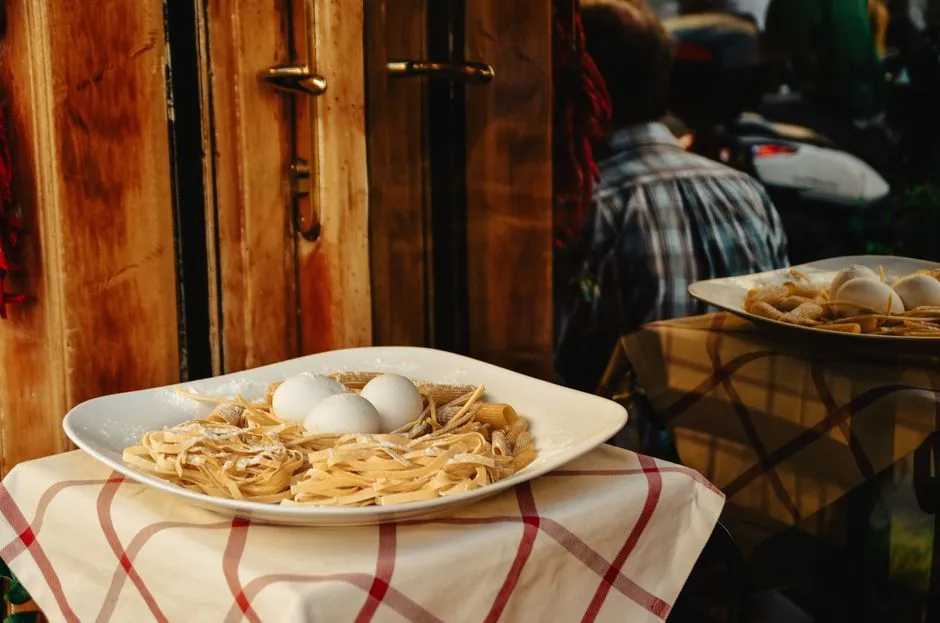
Carbonara is considered the evolution of the dish called cacio e ova, originally from Lazio and Abruzzo, which the Carbonari used to prepare the day before and carry in their “tascapane,” consuming it with their hands. This portable, no-fuss meal made perfect sense for men spending days deep in the forested mountains.
Carbonara is very similar to pasta cacio e uova, a dish dressed with melted lard and a mixture of eggs and cheese, but not meat or pepper. Cacio e uova is documented as far back as 1839 and, according to some researchers, anecdotal evidence indicates that some Italians born before World War II associate that name with the dish now known as “carbonara.”
Pasta alla Gricia: The Even Older Ancestor
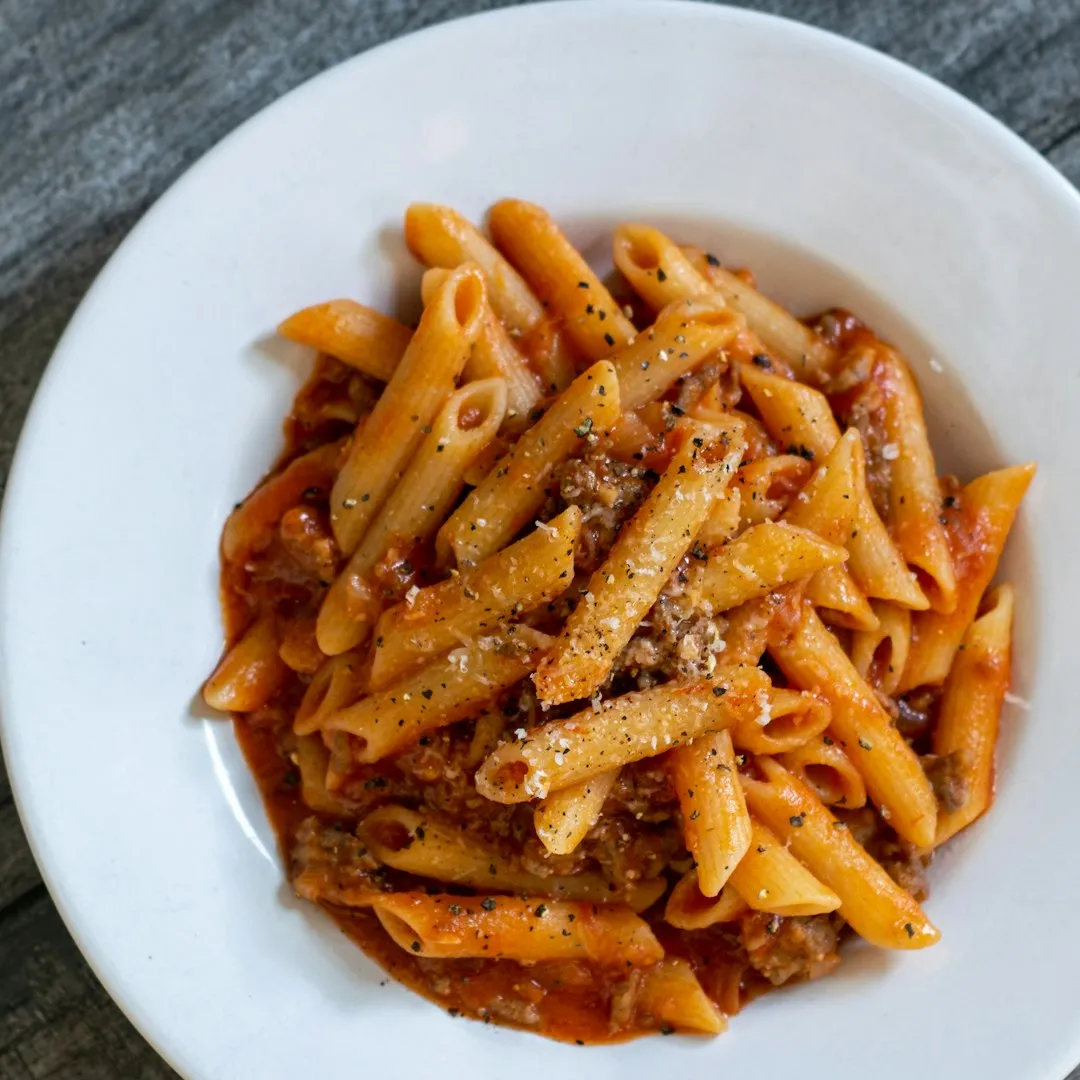
The oldest of carbonara’s relatives is Pasta alla Gricia, often considered the “ancestor” of both Carbonara and Amatriciana. Going back to around the 18th century, it is a simple dish made with guanciale, Pecorino Romano cheese, and black pepper. It originated in the town of Amatrice, which was historically part of Abruzzo, not Rome.
Both Pecorino cheese and guanciale – the two non-negotiable ingredients in authentic Carbonara – are products of Abruzzo. That’s a detail supporters of the Abruzzo claim return to again and again, and it’s hard to dismiss.
Why Ada Boni’s Silence Matters
Historians agree on one fact: no trace of carbonara exists in cookbooks or restaurant menus before World War II. Traditional texts of Roman cuisine, such as Ada Boni’s La Cucina Romana published in 1930, make no mention of it. This is a striking absence for a dish that is supposedly the pride of the Eternal City.
Surprisingly, in contrast to Amatriciana and Gricia, Carbonara is not found in Ada Boni’s classic 1930 “Roman Culinary Guide.” If carbonara had deep Roman roots by then, one would reasonably expect to find it there. Its absence has fueled the argument that the dish arrived in Rome from elsewhere, and settled there only later.
The World War II Connection
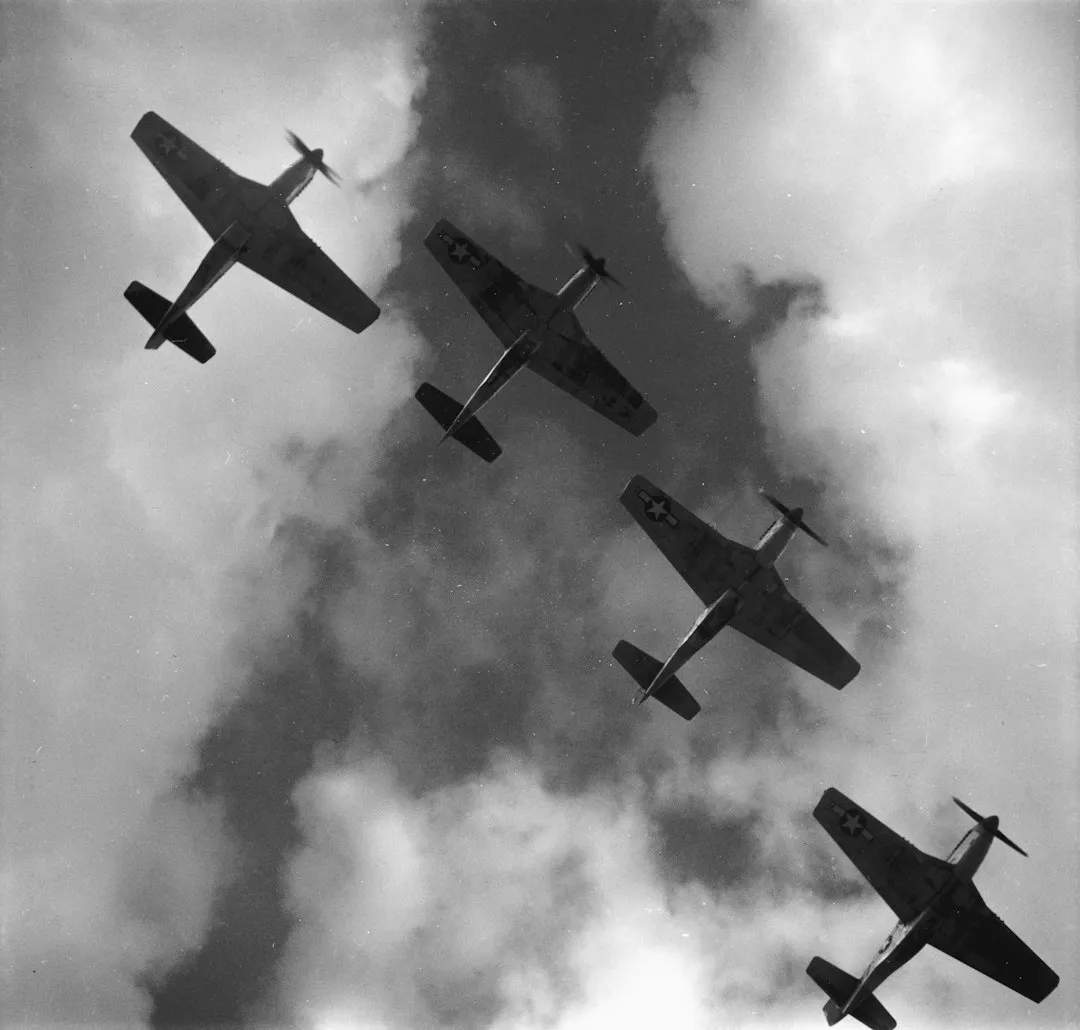
The first printed reference only appears in 1950, in La Stampa, which described carbonara as a dish loved by American soldiers in post-liberation Rome. After 1944, Allied troops flooded the capital, bringing army rations that included powdered eggs and bacon. Combined with local pasta and cheese, these ingredients formed the skeleton of what we now recognize as carbonara.
It is said that American soldiers, during World War II, tasted the “cacio e ova” pasta from Abruzzo prepared by charcoal burners in the L’Aquila area, and from there the name “carbonara” emerged. Adding the guanciale came almost naturally. The recipe soon spread to Rome, which made it its own, adopted it, and made it a legend.
The First Written Recipes Tell Their Own Story
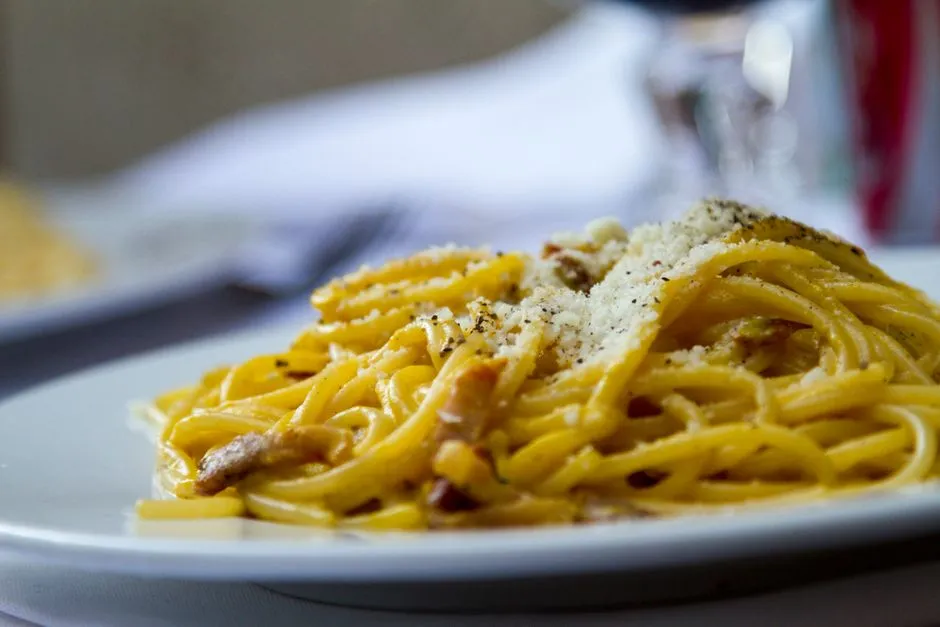
In 1952, author Patricia Bronté published a recipe for carbonara in Chicago, and two years later British food writer Elizabeth David included the recipe in her famous Italian Food cookbook in 1954. The fact that carbonara appeared in a Chicago restaurant guide before it appeared in an Italian cookbook of note is itself telling.
The first authoritative Italian recipe appeared in La Cucina Italiana in August 1954. Strikingly, it called for pancetta, garlic, Gruyère cheese, eggs, and pepper – a far cry from today’s strict orthodoxy. It wasn’t until 1960, in “La Grande Cucina,” that a recipe was published that used guanciale. The modern version arrived gradually, not as a fixed tradition handed down through generations.
What the Authentic Recipe Actually Requires
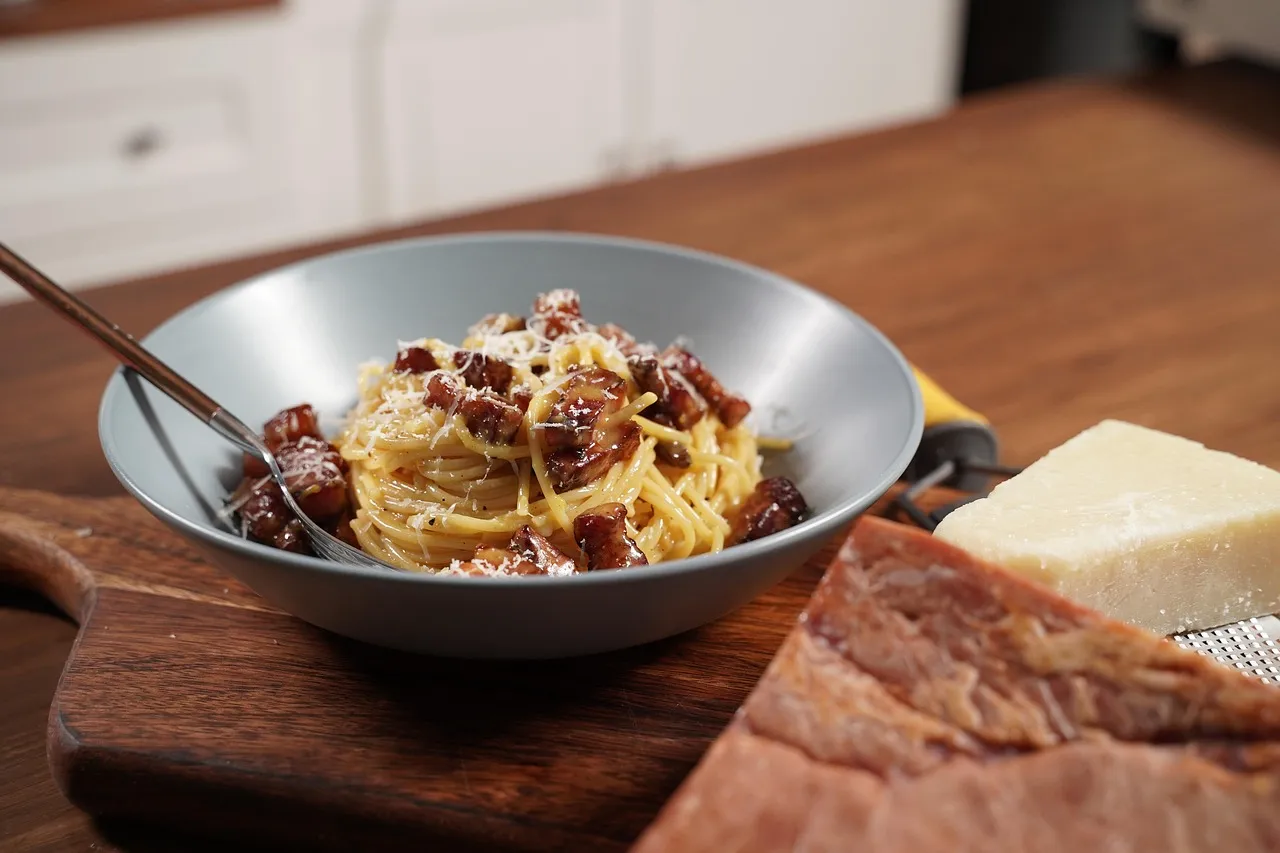
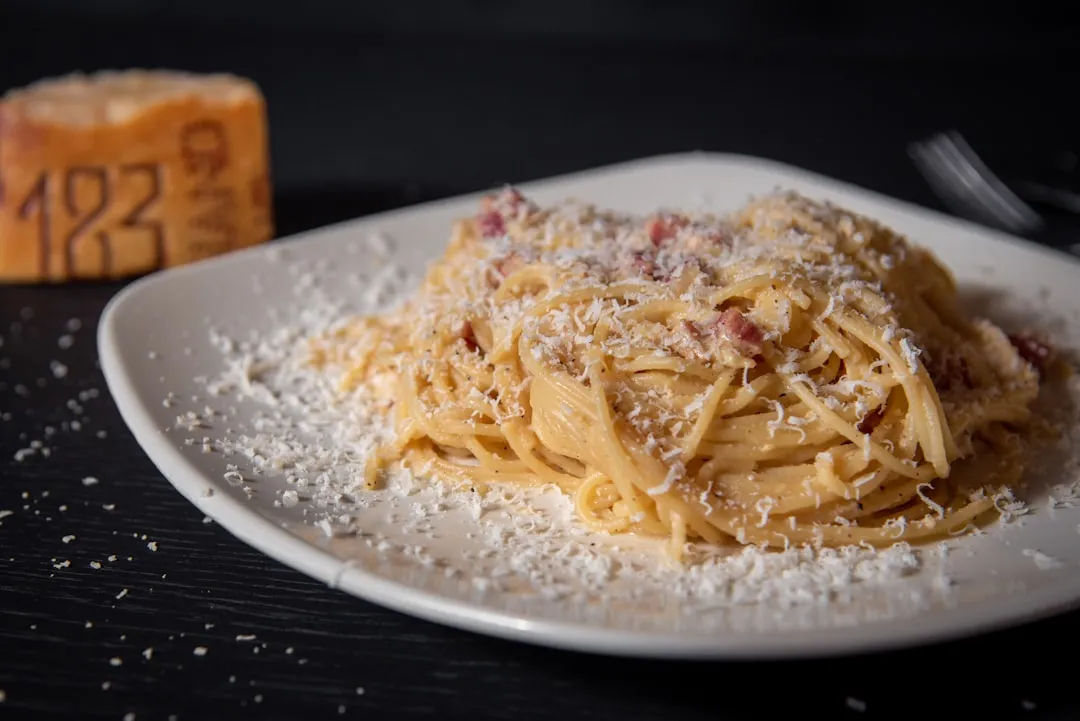
The five essential ingredients for authentic Carbonara are: guanciale, Pecorino Romano cheese, whole eggs and/or egg yolks, black pepper, and pasta, typically spaghetti, rigatoni, or bucatini. That’s the version Italians defend with genuine passion, and the version that most closely reflects the mountain worker tradition.
Real Roman carbonara has never had cream in it. The cream version is a French and American addition from the 1960s. In 2024, when Heinz released a canned carbonara in Italy made with cream, it provoked outrage from Italian food authorities and headlines across Europe. The backlash revealed how carbonara has become more than a recipe: it is a symbol of cultural pride, fiercely defended against distortion.
The Dublin Gastronomy Symposium Weighs In
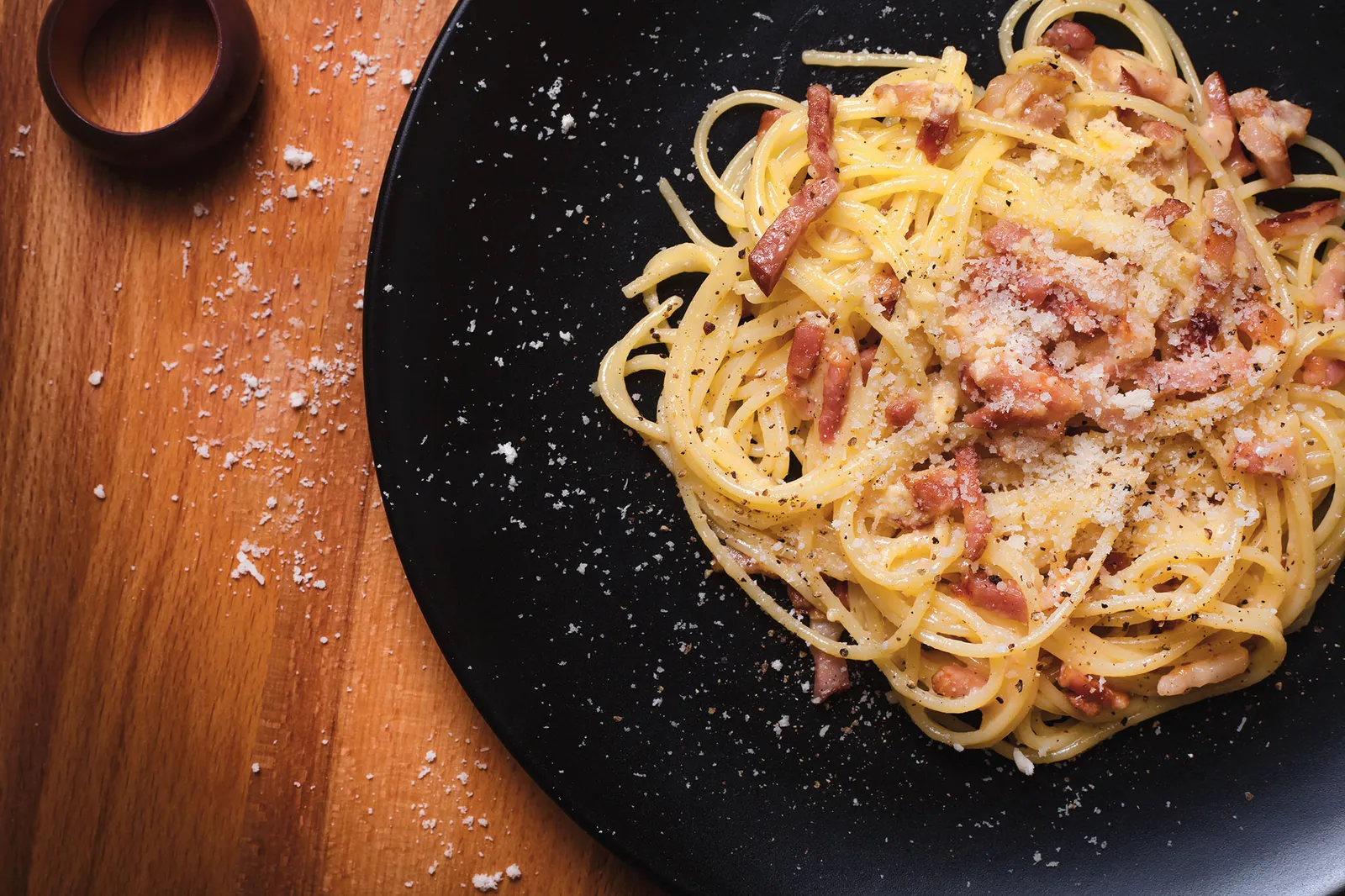
A 2024 paper presented at the Dublin Gastronomy Symposium asked directly: “Can a recipe divide historians, gastronomes, and chefs?” The answer is yes, if we are dealing with carbonara, an iconic Italian dish famous throughout the world.
In recent years there have been increasing discussions around the true origins of Carbonara. Such concern has led both experts and enthusiasts to question the general narrative that distinguishes Carbonara as one of the national dishes of the country. There are undeniable proofs that place the birth of this dish decades after World War II, as a likely reinterpretation of the Lazio region. The academic community, in other words, has caught up with what many Abruzzesi have quietly believed for generations.
A Dish Without a Definitive Passport
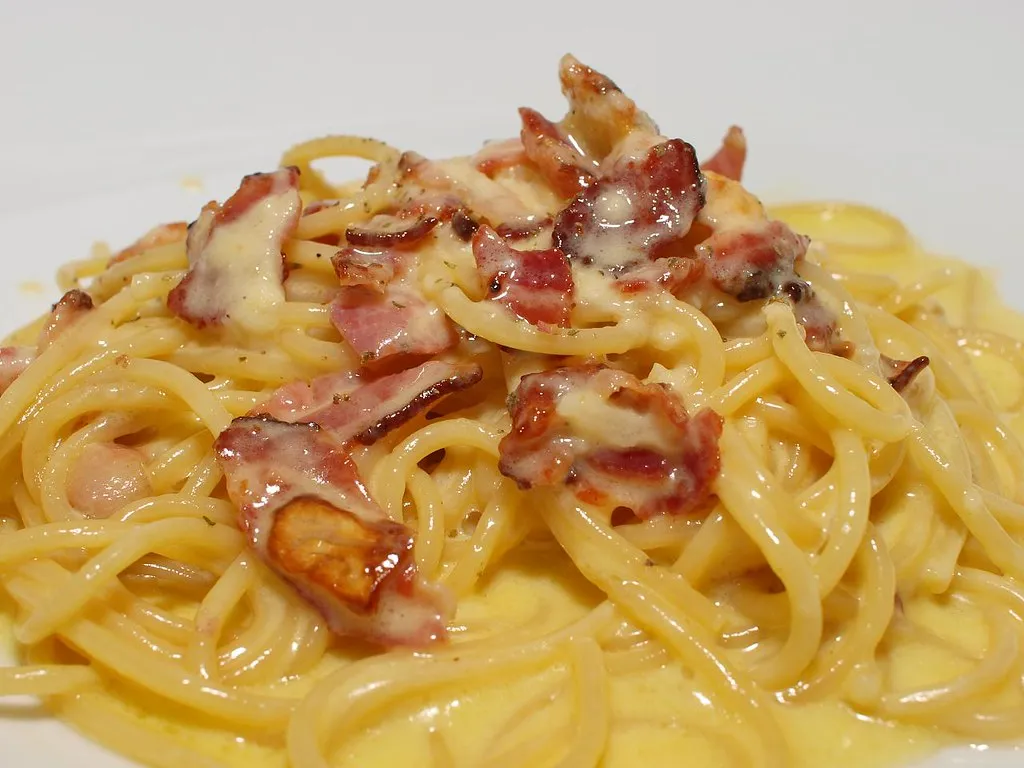
What this debate ultimately reveals is that carbonara is not so much a dish with a single birthplace as it is a convergence: Abruzzese ingredients and mountain traditions, filtered through Roman trattorias, reshaped by the chaotic circumstances of wartime, and then crystallized into something iconic. No recipe causes more quarrels between chefs, scholars, and admirers than that of Carbonara pasta. The reason for these debates is closely linked to the profound uncertainty about its origins, since there is no written evidence to be presented as proof.
Perhaps that’s what makes it so compelling. A dish born from necessity, carried down from mountain forests, claimed by a great city, shaped by war, and now eaten on every continent doesn’t need a single origin story. It simply needs to be made well. The Apennine mountains that straddle Lazio and Abruzzo hold the answer – and they’re not talking.
AI Disclaimer: This article was created with the assistance of AI tools and reviewed by a human editor.