
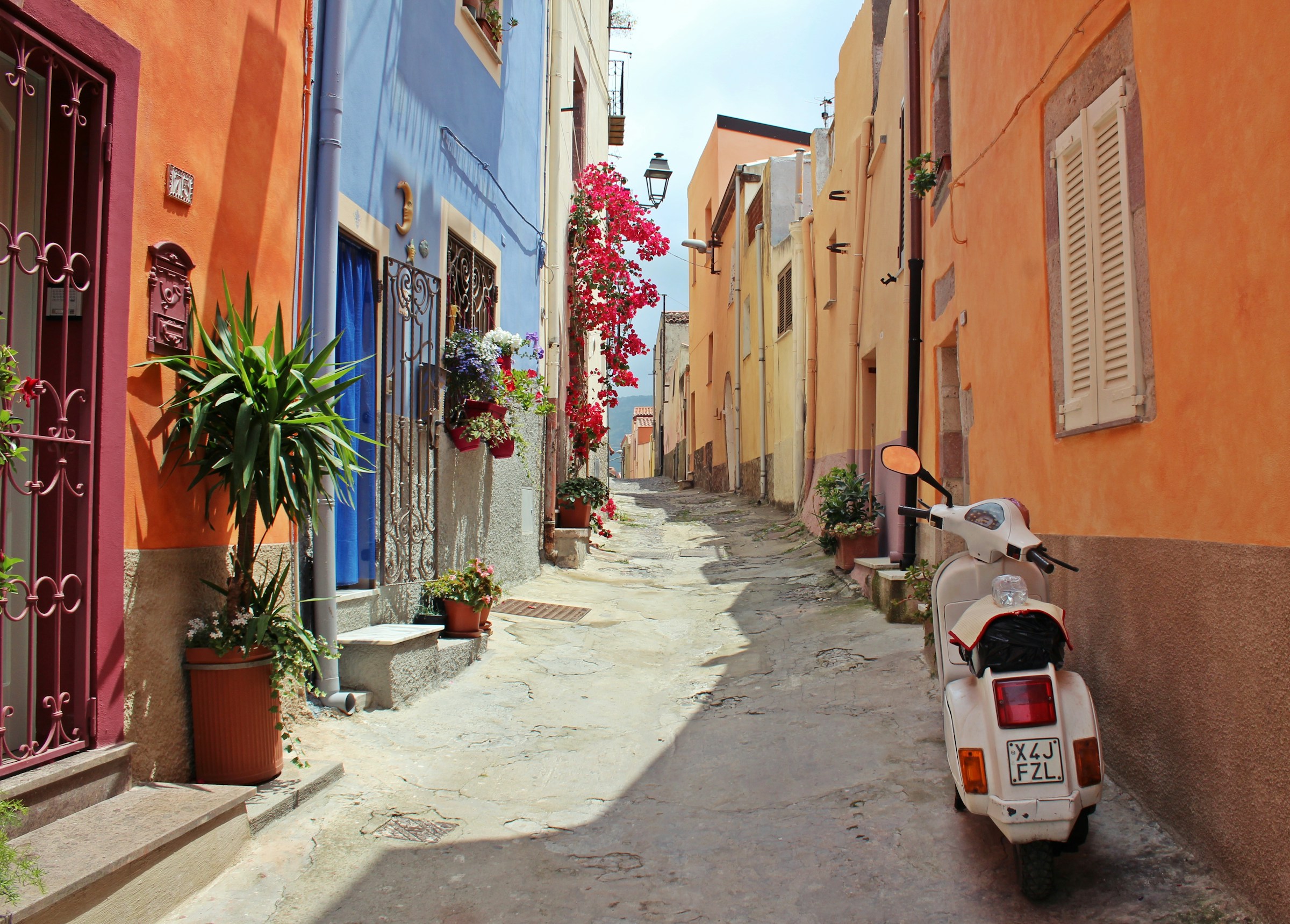
Italy’s coastline has long drawn travelers with its striking blend of natural beauty, historic architecture, and unhurried culture. From the painted villages above the Ligurian Sea to the sun-bleached towns of Puglia, summers here feel timeless. What is changing, though, is how these communities are responding to the pressures of mass tourism.
A growing number of Italian coastal and lakeside towns now enforce strict dress codes beyond the water’s edge, with real fines for anyone wandering the streets shirtless or in swimwear. These aren’t vague social suggestions. They are enforceable municipal ordinances, and they are catching visitors off guard in greater numbers each season.
Portofino: Italy’s Most Exclusive Village Has Rules to Match
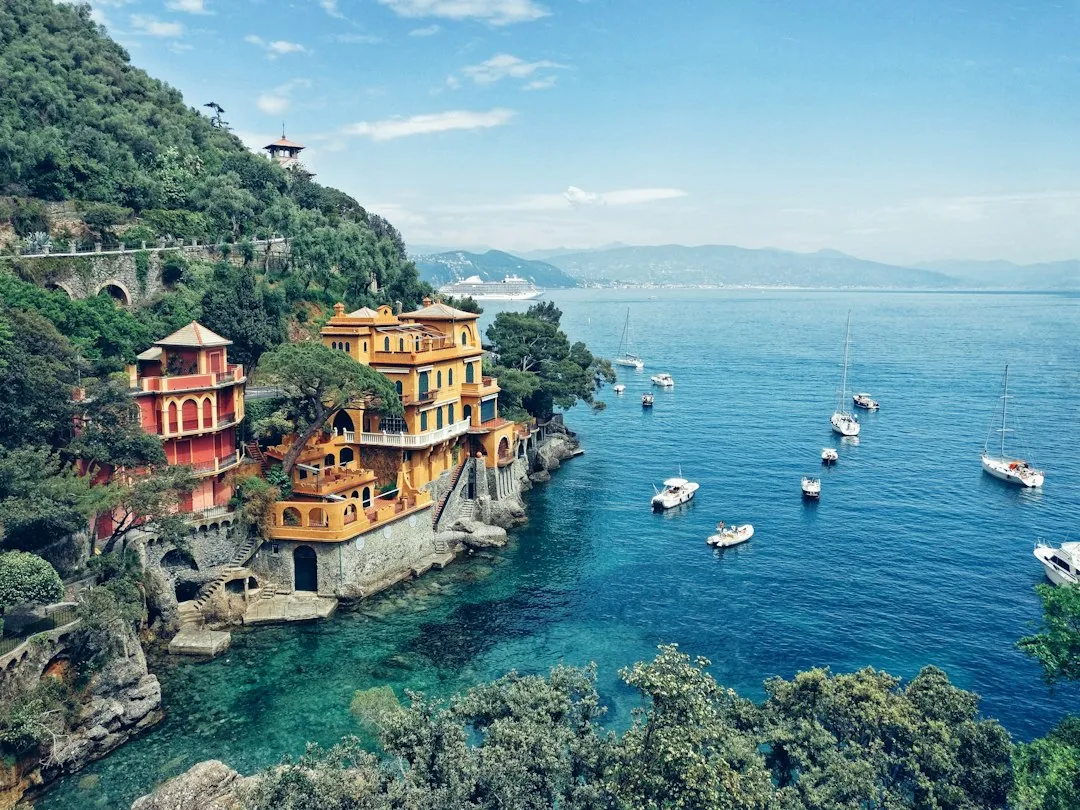
Walking barefoot through town or sitting in the piazza in swimwear is prohibited in the chic seaside resort of Portofino on the Italian Riviera. The regulations are deliberately broad, covering everything from attire to behavior in the historic center and harbor area. Those lingering in public spaces with suitcases, picnic equipment, or portable speakers also risk fines ranging from €25 to €500, depending on the violation.
The aim of the measure, according to the regulation, is to protect the “peace and relaxation of residents and tourists” in the fashionable coastal resort. Portofino has also taken a firm stance on overcrowding more broadly. In 2023, Portofino made headlines when it banned stopping at particularly popular viewpoints, officially citing safety reasons, though many believed it was a disguised selfie ban.
Sorrento: Gateway to the Amalfi Coast, and One of the Earliest Enforcers
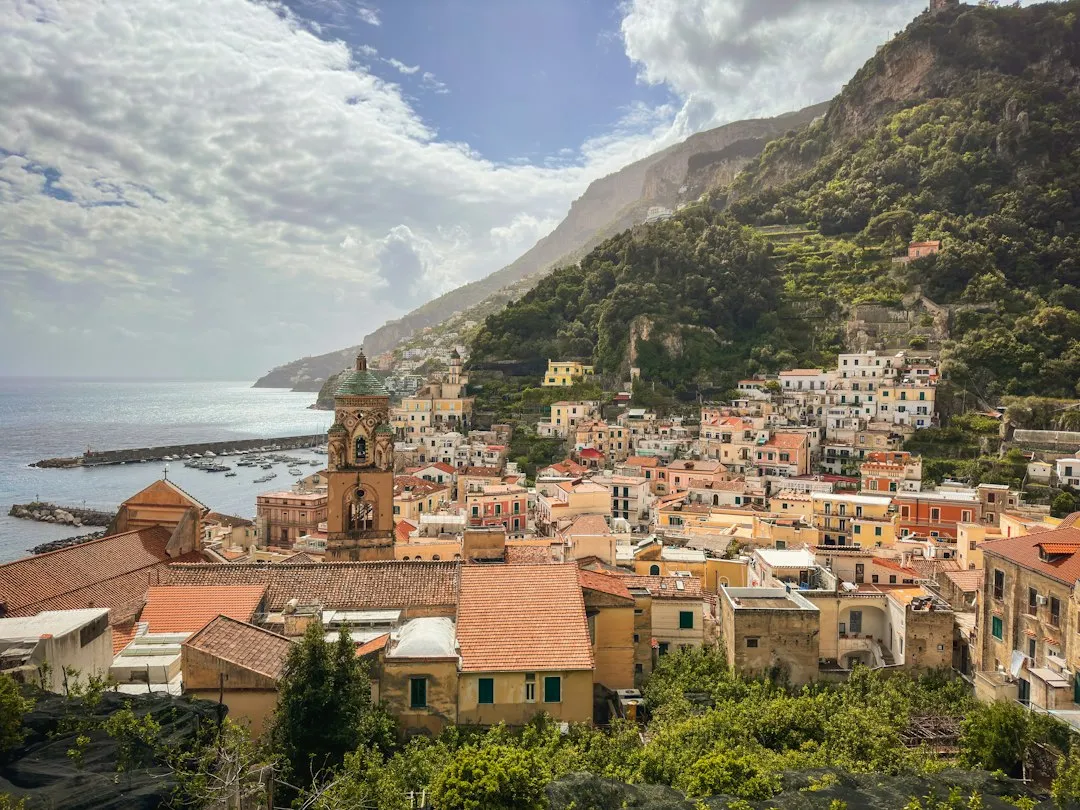
Sorrento, the gateway to Italy’s Amalfi Coast, made headlines in 2022 for banning swimsuits with fines of up to €500. The town’s former mayor was openly blunt about the motivation behind the ban. Sorrento’s then-mayor described walking around in swimming gear and bare-chested as “widespread indecorous behaviour” that was tainting the town’s image.
Those walking around bare-chested or wearing swimwear, including bikinis, swimsuits, and swimming trunks, outside of Sorrento’s beaches or pools could face fines of up to €500. The ban applies not just to side streets but to the town’s main squares and commercial zones. Sorrento previously imposed heavy fines after labelling bare-chested walking and town swimwear as widespread indecorous behaviour.
Varenna on Lake Como: A Village of 646 Residents Overwhelmed by Millions of Visitors
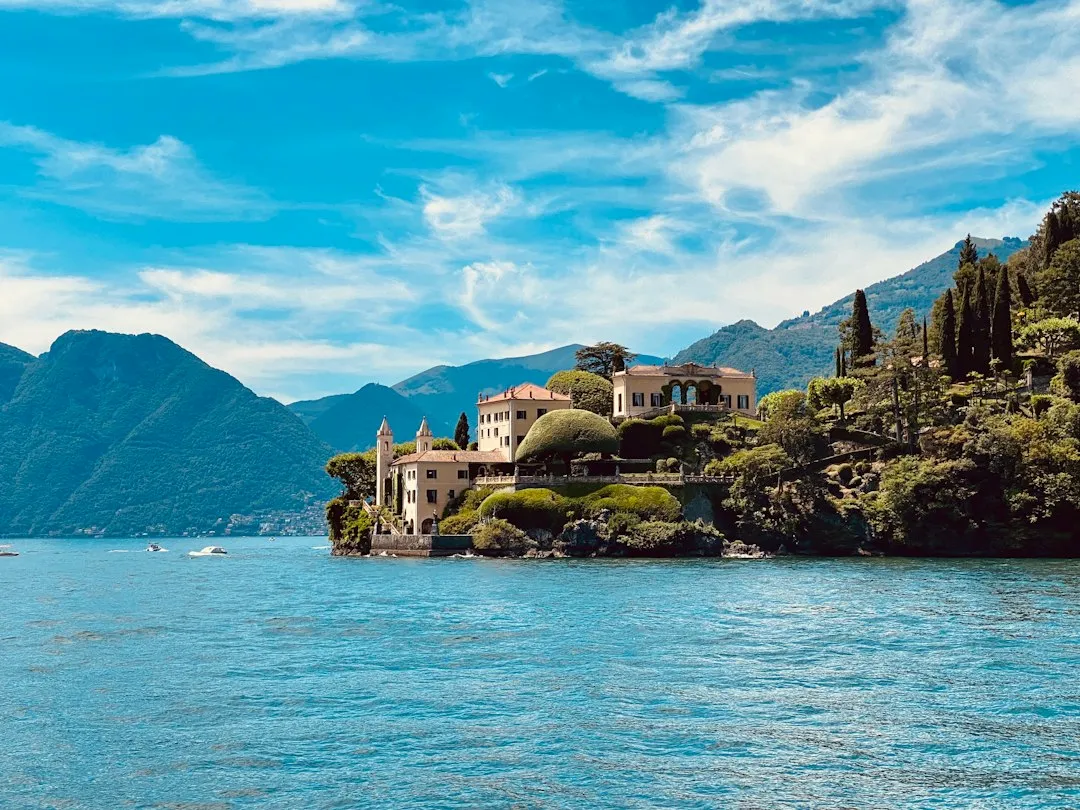
Varenna, a popular lakeside village on Lake Como in northern Italy, recently updated its urban police regulations to prohibit visitors from walking around town shirtless or wearing only swimwear. The scale of the challenge facing this tiny community is striking. Italy’s national statistics agency says that Varenna spans about 4.85 square miles and has a population of 646 residents, highlighting the challenges that mass tourism can pose for the small village.
These changes form part of new urban, police-enforced regulations that took effect on June 27 after multiple complaints were received from locals about foreigners mostly stripping off where it was not considered appropriate. The council introduced the measures to ease pressure from rising visitor numbers on a community of roughly 650 permanent residents. The fine can range from about $57 to about $228, or €50 to €200.
Gallipoli: Puglia’s Baroque Pearl Extends the Ban Across the Whole Municipality
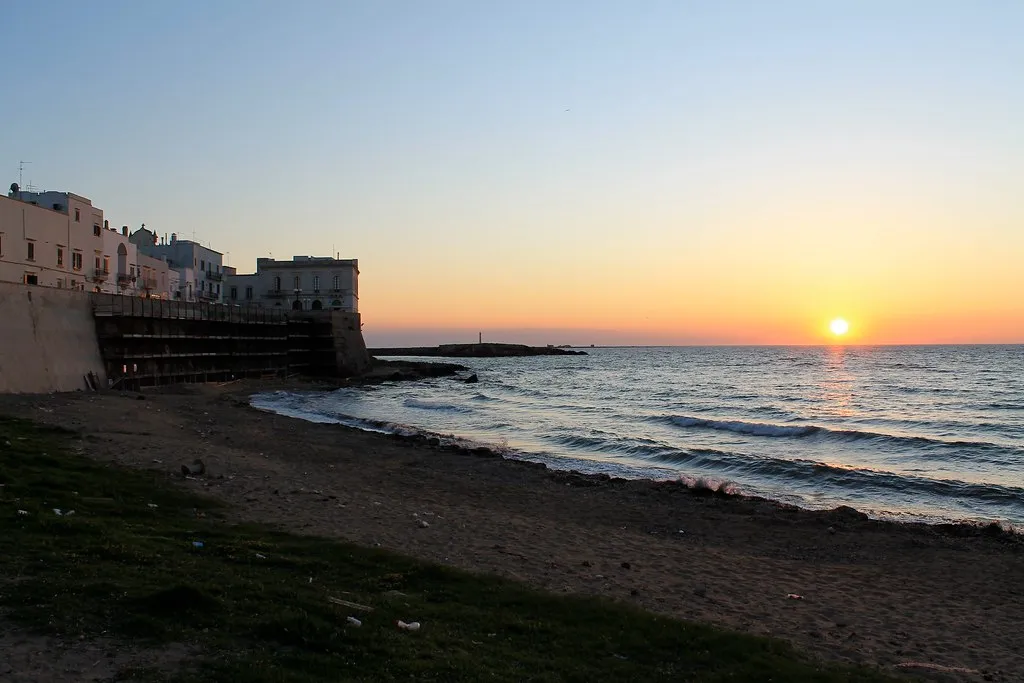
In the Old Town area of Gallipoli, visitors who forget their shirts when leaving the beach risk fines of up to €500. What makes Gallipoli’s approach particularly notable is its geographic scope. The ordinance prohibits walking shirtless, in a swimsuit, or in clothing deemed damaging to urban decorum on the streets and squares of Gallipoli. The emergency order was signed by Mayor Flavio Fasano and remained in force through the end of September.
The measure aimed to protect the dignity of the city during the summer season, introducing wider rules than in previous years by extending the bans across the entire municipal territory. Gallipoli’s Old Town sits on a small island connected to the mainland by a bridge, making its narrow medieval streets especially vulnerable to the pressures of seasonal crowds.
Venice: A Rule on the Books Since 2018

It is against the law to go shirtless while walking around Italy’s floating city. The rule was introduced in 2018 and is outlined on the Venice City Council website, forbidding walking around either shirtless or wearing swimwear. Venice is often associated with other tourist restrictions, from bans on picnicking near monuments to rules about sitting on bridges, but the dress code is one that continues to catch visitors off guard. The penalty for breaking the rule is a fine of €250.
American tourists made headlines in 2026 when a couple jogging through the city discovered the rule firsthand, having had no idea the restriction existed. Venice isn’t the only place in Italy to take a stricter stance on apparel in recent years. The city’s regulations reflect a broader philosophy that historic urban spaces deserve a different kind of respect than a beach or waterfront promenade.
The Cinque Terre: UNESCO Villages with Visitor Pressures and Behavioral Rules
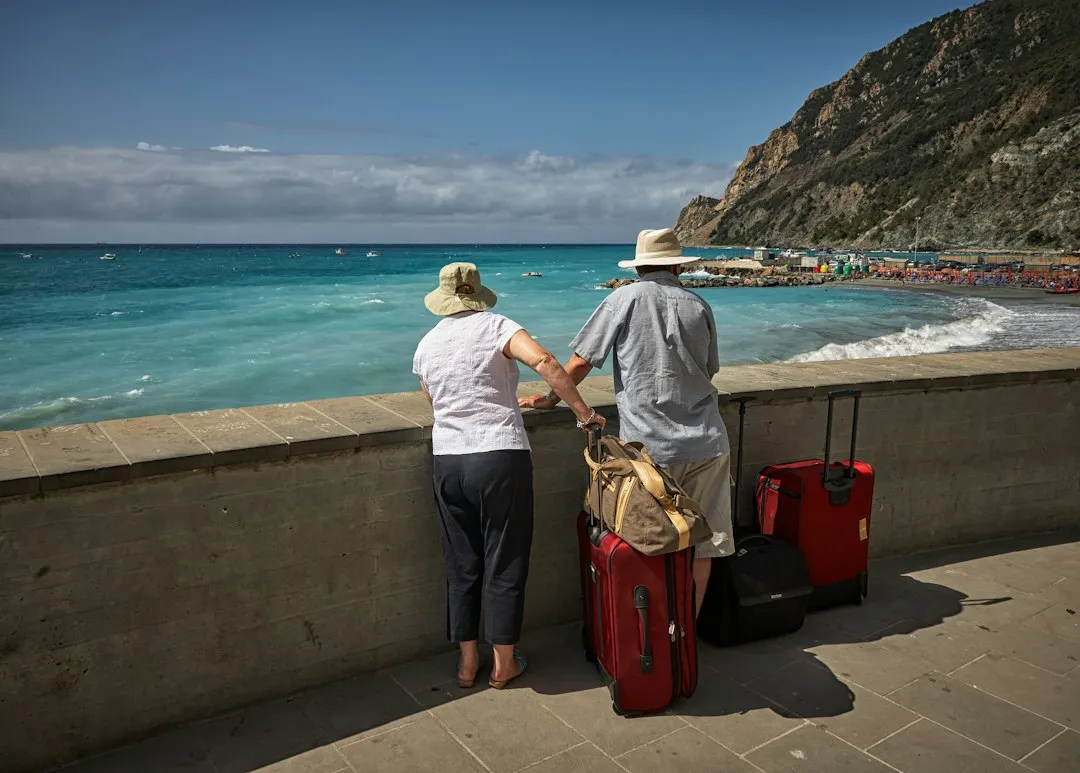
Portofino, Gallipoli, Sorrento, and the Cinque Terre have all imposed similar bans on shirtless and shoeless tourists leaving their beaches. The five villages of the Cinque Terre, perched dramatically on the cliffs of the Ligurian coast, receive tourist volumes that are genuinely difficult to reconcile with the physical scale of the communities. The rules around attire sit alongside access limits on the famous coastal hiking trails, which now require paid permits during busy periods.
The Cinque Terre is a UNESCO World Heritage Site, and local authorities have long argued that protecting the dignity of the villages is inseparable from protecting their cultural and architectural integrity. Italy has become one of Europe’s most active countries in introducing local regulations against inappropriate tourist clothing. The Cinque Terre’s approach is consistent with this national pattern.
Amalfi and Positano: Where the Dress Code Extends Well Beyond the Waterfront
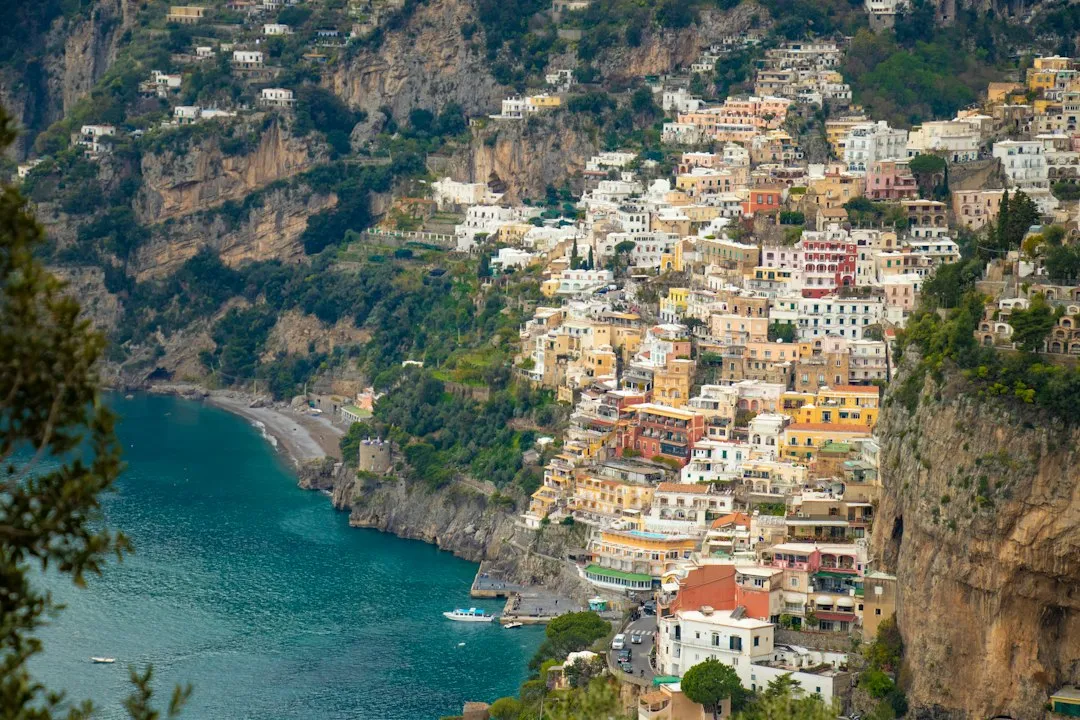
Along the famous Amalfi Coast, including in Positano and Sorrento, swimwear is banned in public squares and city streets. The Amalfi Coast as a whole has historically carried some of the highest fines for swimwear violations in Italy, with penalties reaching up to €500 in certain municipalities. The bans apply to public spaces like town centers, shopping streets, and areas near churches.
Positano in particular is a town that can feel overwhelming in peak summer. Its steep, winding lanes are narrow even without crowds, and local residents have pushed for clearer enforcement of dress standards as visitor numbers have intensified. The restrictions here are not new, but the consistency of enforcement has noticeably increased since 2024.
Why These Rules Exist: The Broader Reality of Overtourism

Officials said the new rules are aimed at addressing the effects of overtourism, as hundreds of thousands of visitors flock to the village each year. The situation in many of these towns is genuinely difficult to quantify without visiting. Communities with populations in the hundreds are receiving visitors in the millions annually, and the physical and cultural strain of that imbalance shows in everyday life. There is a growing trend among Mediterranean towns where leaving the beach or lake topless or in swimwear is forbidden.
Italy has become one of Europe’s most active countries in introducing local regulations against inappropriate tourist clothing, with several municipalities now fining visitors who wander through historic streets wearing only swimwear or without shirts. The enforcement of dress codes is one visible outcome of a much larger conversation about how communities can retain their identity and quality of life while remaining open to global tourism.
What the Fines Actually Look Like in Practice

Fines range from €25 to €500 across Italy’s coastal towns. The variation depends on the specific municipality, the nature of the violation, and whether it is a first offense. Crucially, these fines are actually enforced. Visitors should not assume they will get away with it just because they are tourists.
According to local reports, guides who violate the rules in places like Varenna could face fines of €100 to €400. Tour operators and group leaders carry particular responsibility, as tour guides and operators face extra controls under the same regulatory package, with groups limited to 25 people maximum while loudspeakers and any form of voice amplification are outright prohibited.
Practical Guidance for Visiting Any Italian Coastal Town
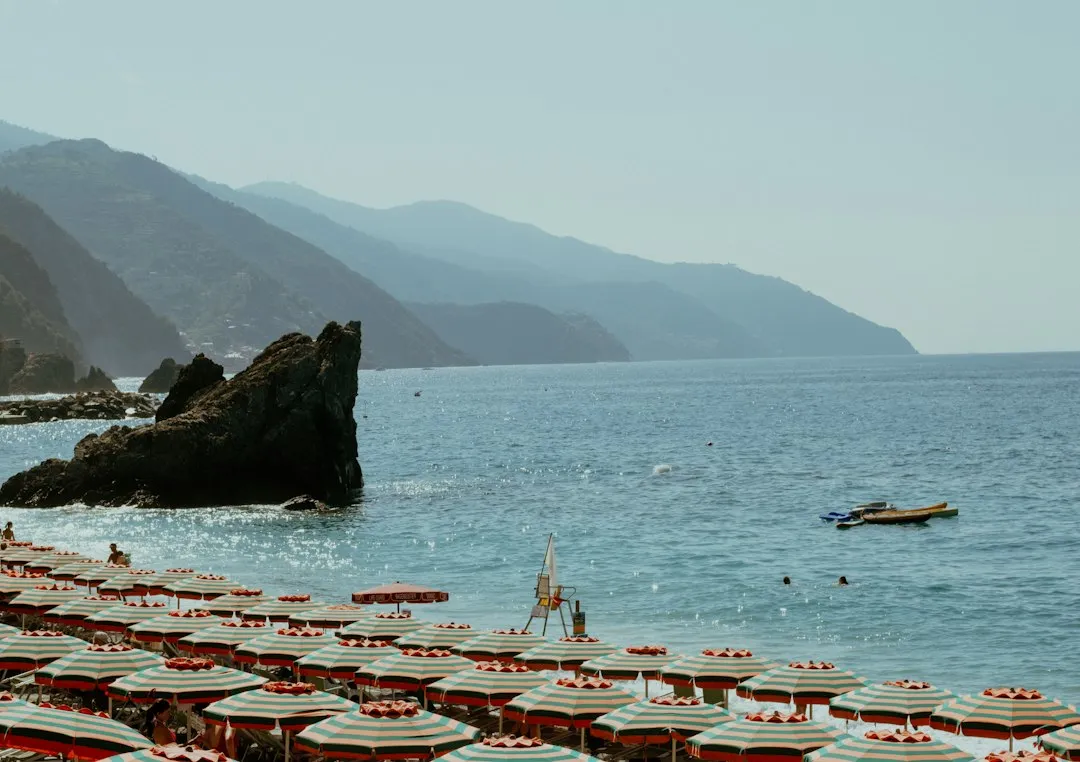
Walking around shirtless or in swimwear in any metropolitan area is strictly restricted to the beach or lido. A light cover-up, a linen shirt, or a sarong carried in a beach bag is genuinely all it takes to avoid the issue entirely. Some beach clubs in Italy have showers, changing rooms, and public bathrooms where you can change into your swimsuit in a pinch.
It is rare to see locals in countries like Italy, Spain, France, and Greece walking around city streets in athleisure wear or wearing swimsuits without some kind of cover-up. Following that local standard is both the practical and the respectful approach. The bans apply to public spaces like town centers, shopping streets, and areas near churches, so the rule of thumb is simple: once you step away from the beach, cover up.
A Final Word on Respect and Reciprocity

These rules are not about bureaucratic rigidity or hostility toward visitors. They reflect something more nuanced: communities asserting that tourism should be a relationship of mutual respect, not a transaction in which anything goes because money is being spent. The towns enforcing these dress codes are, without exception, places of genuine beauty and cultural depth.
Visiting them on their own terms, rather than on the assumption that a holiday mindset overrides local norms, makes for a richer experience anyway. A shirt costs nothing to carry. The fine for leaving it behind can cost considerably more, in euros and in the goodwill between travelers and the communities they visit.
AI Disclaimer: This article was created with the assistance of AI tools and reviewed by a human editor.