

Why the Rule Existed in the First Place
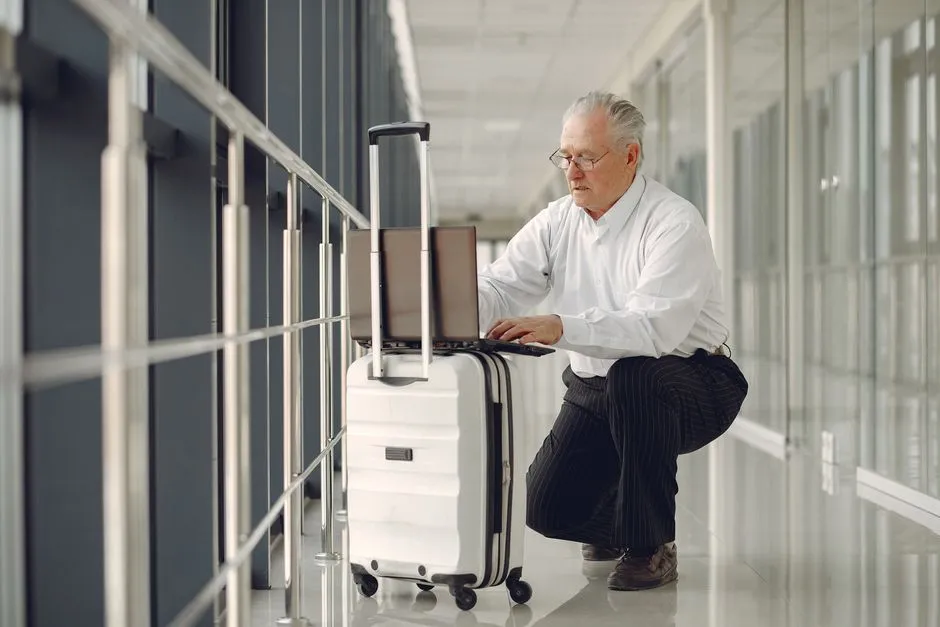
The laptop removal rule didn’t come from nowhere. Strict laptop guidelines started just after the terrorist attacks of September 11, 2001, when travelers carrying laptops were suddenly required to remove those devices when passing through airport security checkpoints. The rule has held firm for well over two decades.
The main reason you must remove your laptop from your bag is that its battery and mechanical components are too dense for X-rays to pass through easily, especially with older airport scanning systems. Laptop rules are also in place for the same reason as TSA’s liquid rules: a laptop could theoretically be used as an explosive.
By separating personal electronic items such as laptops, tablets, e-readers, and handheld game consoles for screening, security officers can more closely focus on resolving alarms and stopping potential threats. That logic made perfect sense for the technology of the time.
The Scanner Technology That’s Changing Everything
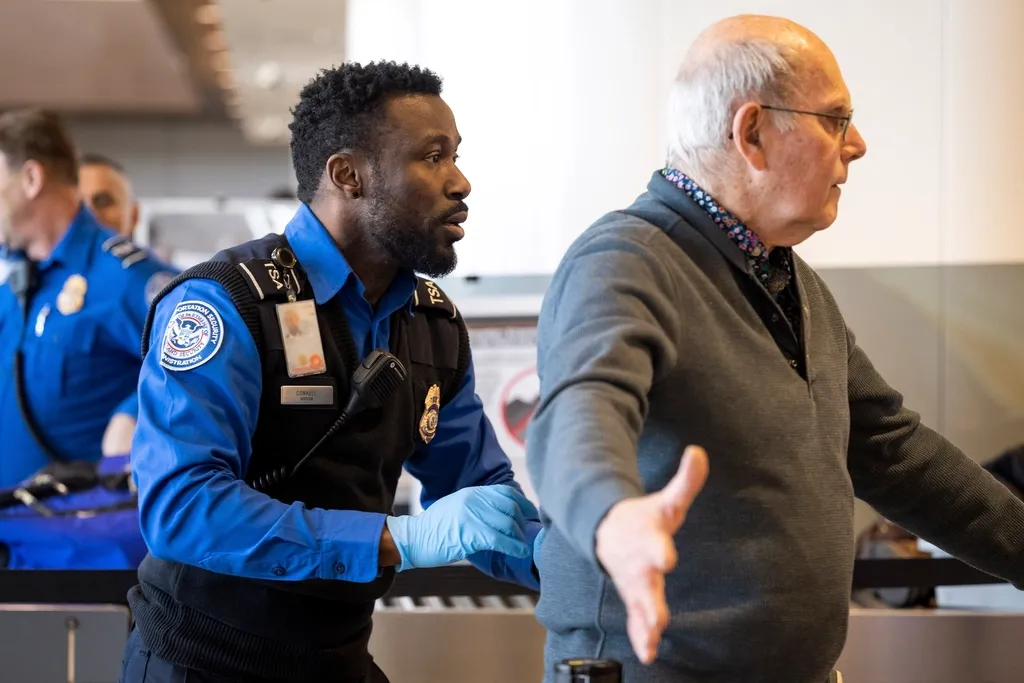
The TSA has been rolling out advanced computed tomography, commonly known as CT, scanners as part of a major security technology upgrade. In March 2022, the agency awarded two orders totaling up to $781.2 million for base and full-size CT X-ray systems for airport checkpoints. These machines are designed to improve threat detection by creating three-dimensional images of carry-on bags.
TSA officers can rotate and inspect those images in ways that were not possible with older two-dimensional X-ray machines. For travelers, the most obvious change is the reduced need to unpack their hand luggage at the conveyor belt, since TSA has stated that under current screening procedures for CT lanes, laptops are allowed to remain in bags.
Which U.S. Airports Already Have CT Lanes
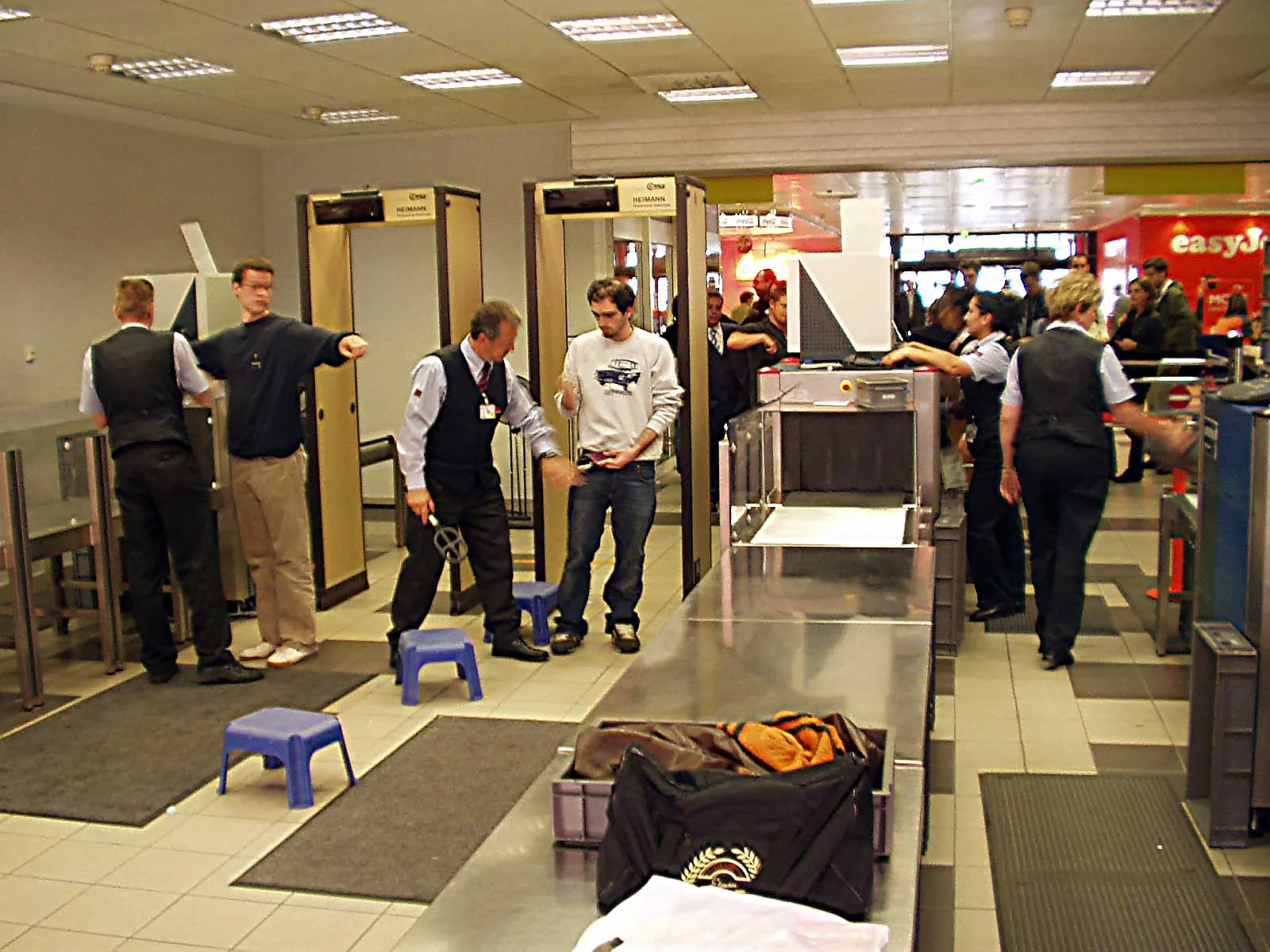
Early CT trials and deployments have taken place at several major hubs, including Phoenix, Boston, and New York’s JFK International Airport, with more airports including reports for Hartsfield-Jackson Atlanta having since added or currently installing units.
As of March 2026, the TSA had deployed 983 CT units in 254 airports nationwide. That sounds like a lot, but there’s a significant catch. Full CT integration at U.S. airports will take a decade, and it won’t likely be complete until 2035 to 2040 at the earliest, according to the TSA. In terms of full lane coverage, a TSA spokesperson confirmed complete operating capability is still slated for 2042.
Not every checkpoint has upgraded equipment, so practices can differ. Travelers often encounter mixed procedures depending on the lane. This is exactly why two people standing at the same airport can have completely different experiences.
How UK Airports Handled the Transition
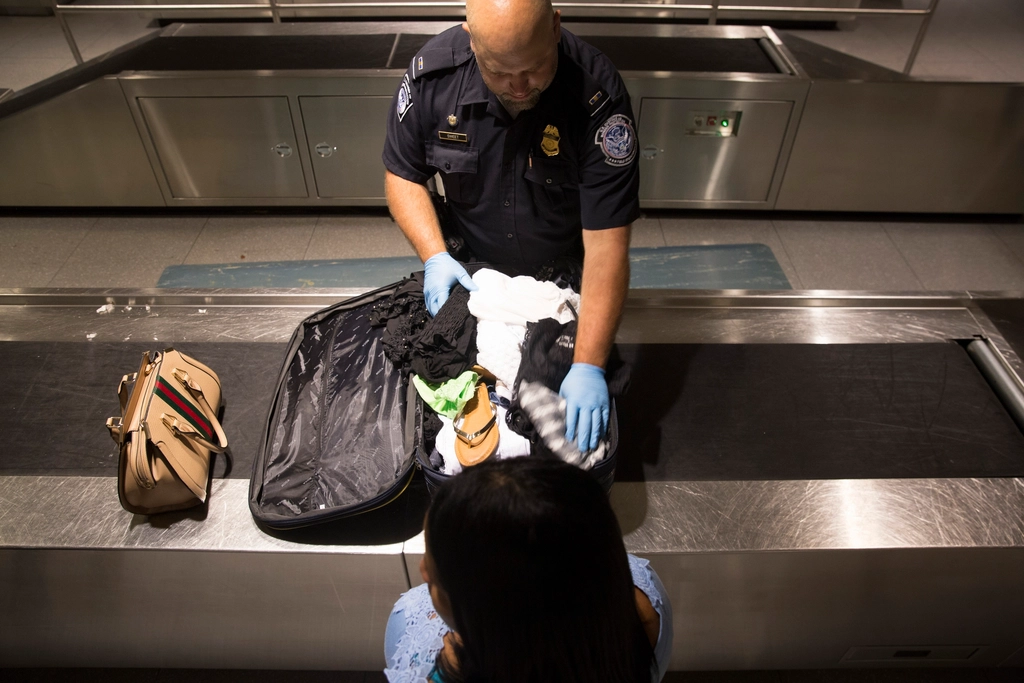
The United Kingdom took a more centralized approach to this shift. A government mandate required major airports to implement advanced CT scanners by June 2024. London City Airport and Teesside International Airport pioneered this move, with airports like Heathrow following suit.
Newcastle, Leeds Bradford, London City, Aberdeen, Southend, and Teesside airports are among those already fully integrating CT scanning technology. Since July 2024, all security lanes at London Luton Airport have been equipped with CT scanner technology, meaning that travelers can leave liquids and electronic items in their bags as they pass through security.
The rollout hit real-world obstacles, though. In 2022, the UK government set a deadline for all major UK airports to transition to this technology by June 2024. However, many major UK airports were unable to meet the deadline and extensions had to be granted. Restrictions on carrying liquids over 100ml in hand luggage were actually reintroduced in the UK in June 2024, and across the EU in September, after regulators flagged operational challenges with the technology.
What Happens When Airports Have a Mix of Old and New Lanes
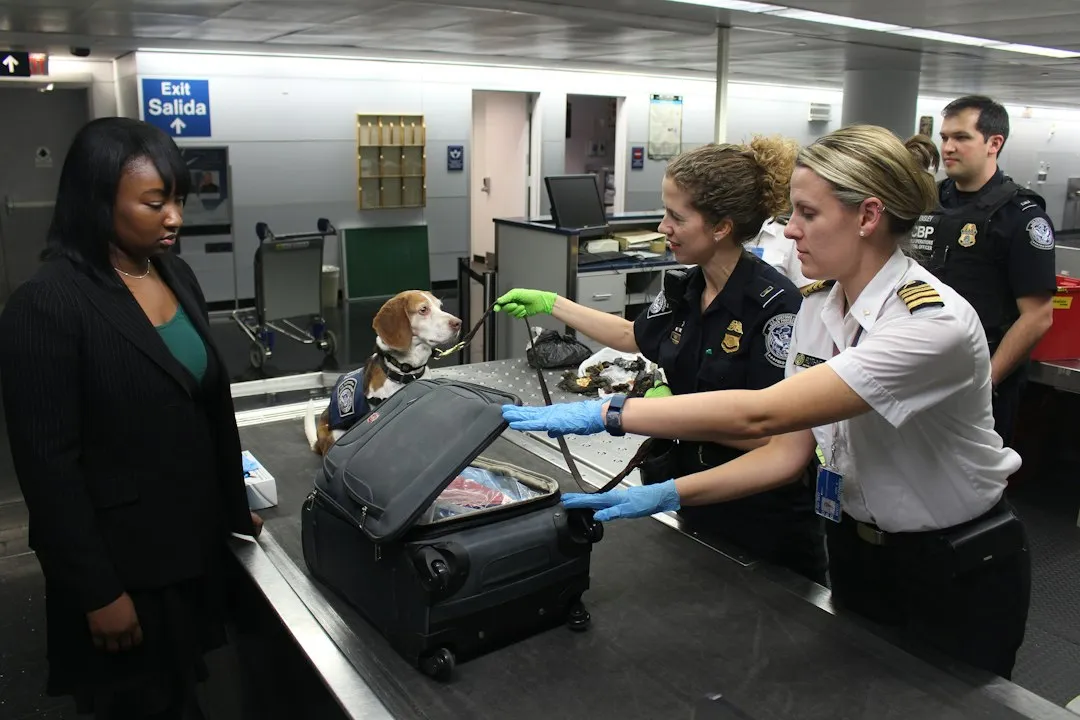
The rules sometimes vary depending on the checkpoint, which can create confusion and delays. Laptop guidelines are one common example of this. In some airports, you might get reprimanded for not taking your laptop out of your carry-on bag, but in others, you may be ordered to keep it packed away to keep the line moving.
If bins are filling with laptops, you’re likely at a traditional X-ray lane, which means you’ll need to get yours out too. If bags are going through intact without a visible scramble, the lane may have an upgraded machine. Typically, these kinds of scanners have a large, circular tunnel versus a flatter, more rectangular one.
There have been inconsistencies in how security agents treat laptop bags and sleeves, with some requesting that the computer be removed from its bag or sleeve, while others have allowed laptops to be screened in a protective cover if there aren’t other items present that may obscure the view of the scanner.
TSA PreCheck Still Makes the Biggest Difference
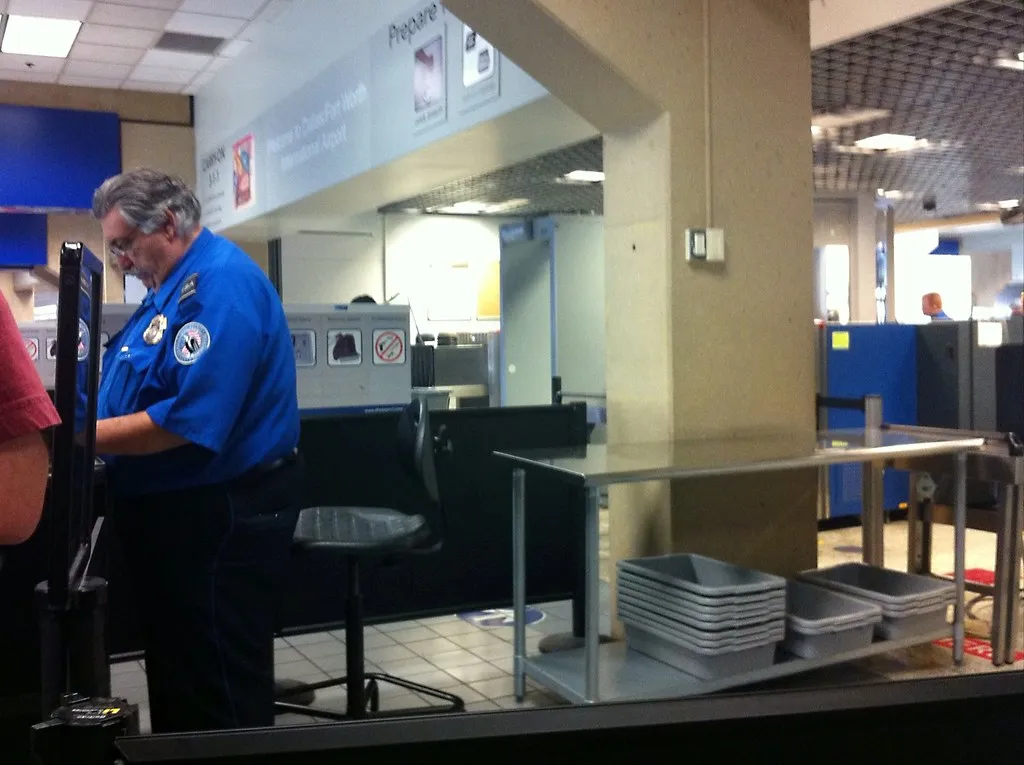
TSA PreCheck travelers do not need to remove shoes, laptops, 3-1-1 liquids, belts, or light jackets at the checkpoint. This remains one of the most practical benefits of the program, especially for anyone regularly flying through airports that haven’t yet upgraded their lanes.
TSA PreCheck members keep their laptops, shoes, belts, and TSA-approved liquids packed in every lane, regardless of scanner type. That single detail makes it worth the enrollment fee for frequent travelers. TSA PreCheck is valid for five years with an enrollment fee of $76 to $85.
International Travel Adds Another Layer of Complexity
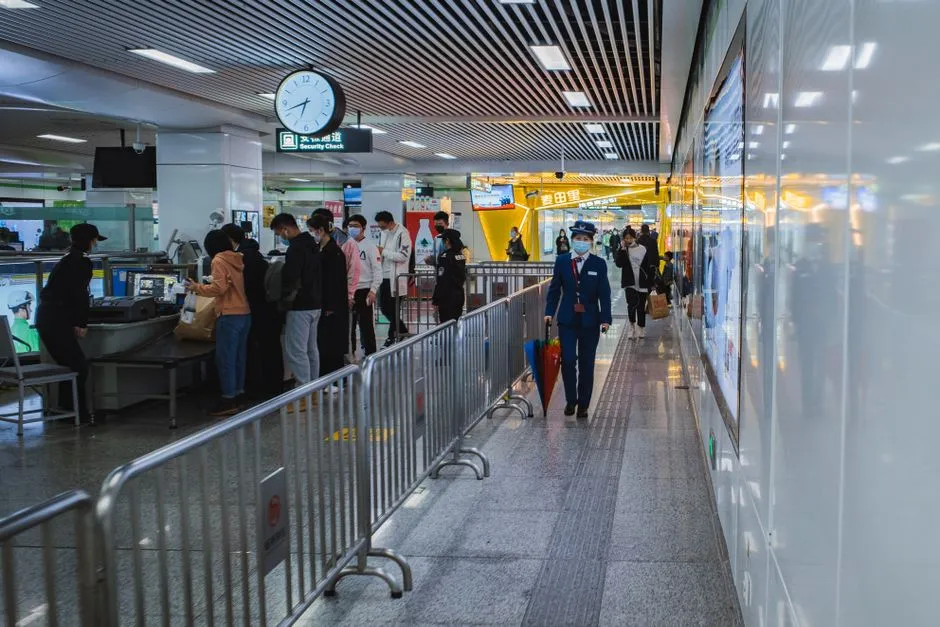
TSA rules only apply at U.S. airports. When you return to the U.S., the security authority of the country you’re leaving may have their own procedures, which you will need to follow. Many travelers don’t realize this until they’re already in the queue abroad.
Screening procedures can differ from country to country, or even airport to airport, depending on whether CT scanners or traditional X-ray machines are in use. Battery limits, however, are close to universal, since the 100 Wh and 160 Wh thresholds come from ICAO standards, which most countries have adopted.
The Lithium Battery Factor That Affects Your Laptop Bag
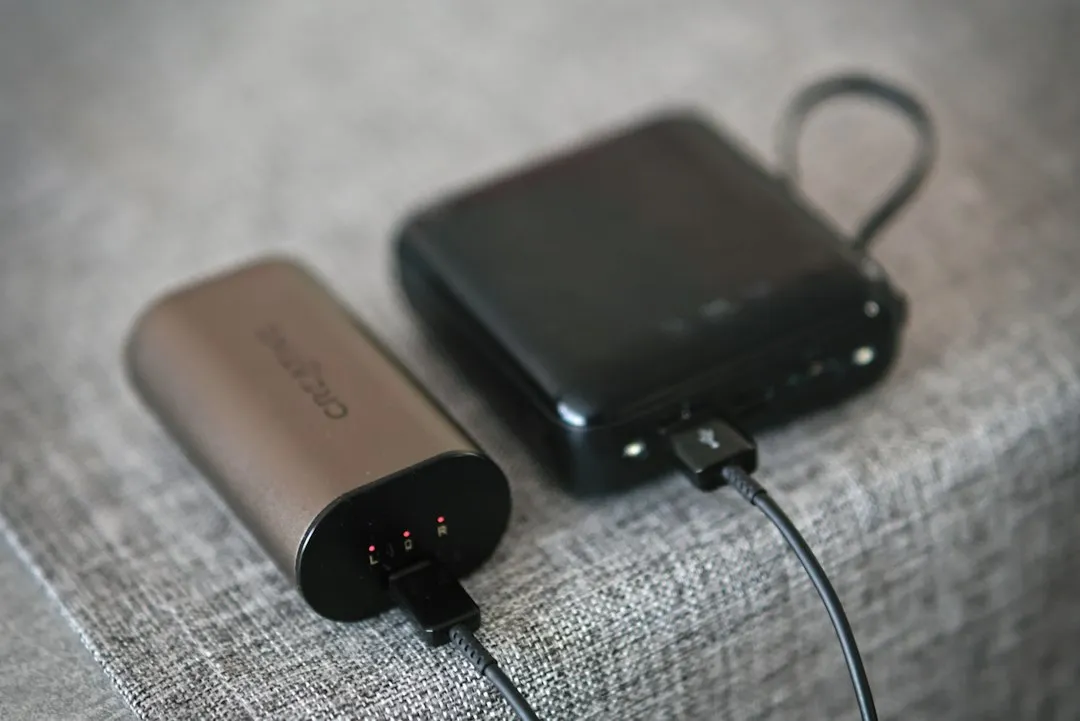
In January 2025, an Air Busan aircraft caught on fire at Gimhae Airport in South Korea, and investigators traced the cause of the fire to a power bank that had been placed in a bag in the overhead bin. Events like this have accelerated policy changes beyond just how you pack your laptop.
The FAA logs dozens of lithium battery incidents each year, and as a result, airlines are tightening their battery rules and allowances. Power banks are now capped at two per passenger with a 100 Wh maximum on some carriers, and they are no longer allowed in the overhead bin. They must stay within reach.
For checked luggage, laptops are generally allowed but must be powered off, and spare lithium batteries remain restricted to carry-on only. This applies broadly, regardless of which country you’re flying from.
What a TSA-Friendly Laptop Bag Actually Means

Consider using a TSA-approved laptop bag that can unzip and lay flat on the conveyor belt. These bags are designed to speed up screening, making it quicker and less of a hassle for both you and the security staff.
During the screening process, security officers may ask you to power on your laptop or tablet to verify that they are functioning devices. To avoid any issues, make sure your devices are sufficiently charged before arriving at the airport. A dead laptop can cause real delays, particularly at international checkpoints that still request a device demonstration.
Paying attention to what agents are instructing can save you from the most common mistake, which is unpacking a bag that didn’t need to be unpacked, or forgetting to take a laptop out and having to wait in line for a bag search.
What Changes in 2026 and Beyond
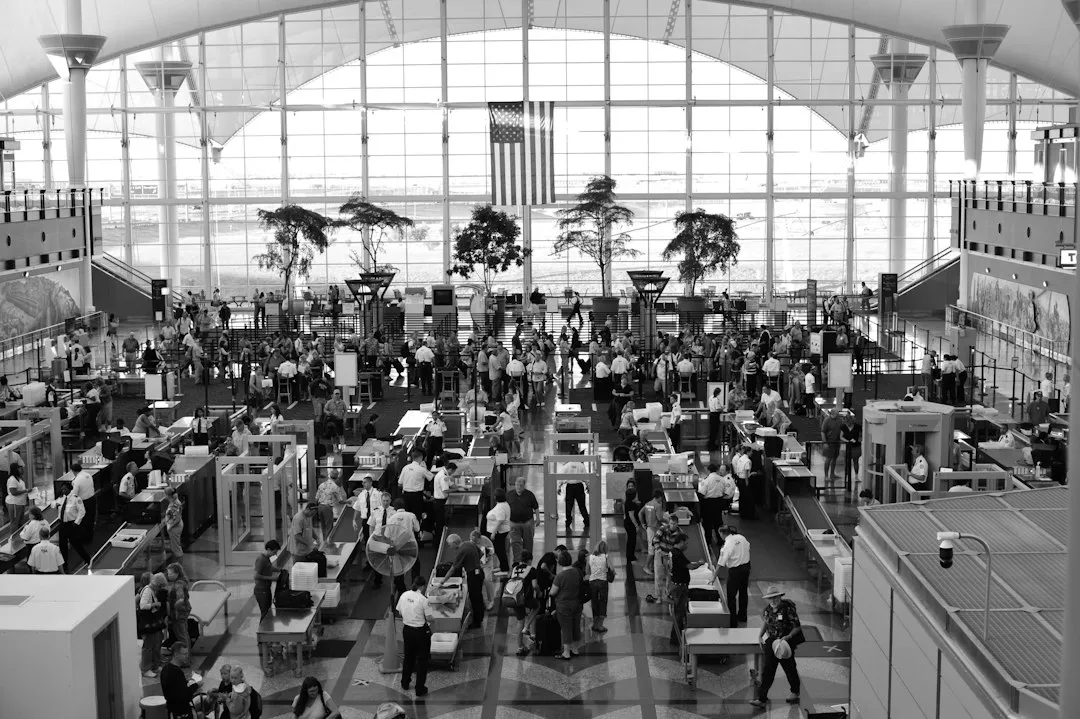
U.S. airline passengers no longer need to remove their shoes at standard TSA security checkpoints, a major policy shift that took effect in July 2025, expected to streamline the screening process and reduce wait times. Laptop removal rules appear to be the next frontier under review.
The Department of Homeland Security is piloting new security lanes and evaluating broader changes to screening procedures, especially in preparation for upcoming large-scale events such as the 2026 FIFA World Cup and the 2028 Olympics.
In the UK and over a similar timescale in other western countries, liquids and electronics will be permitted to stay within hand luggage as passengers pass through security checkpoints. A simplified system could critically help process roughly a third more passengers per hour. The direction of travel is clear, even if the pace is uneven.
The Smarter Way to Navigate It All Right Now
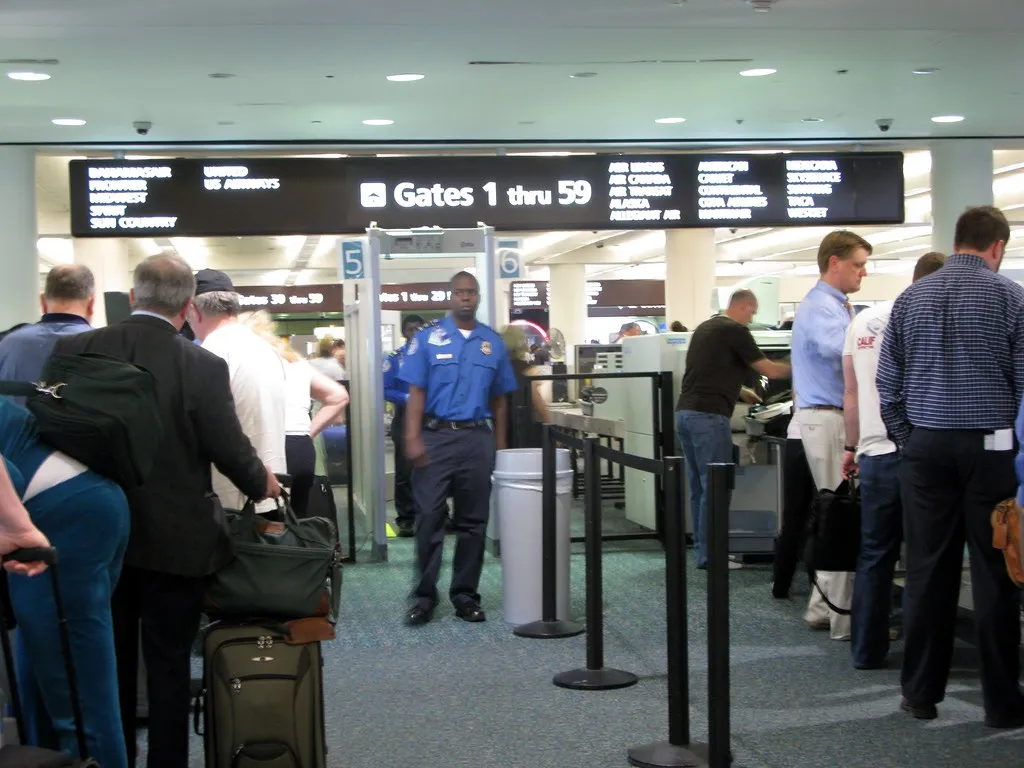
The laptop bag rule isn’t disappearing overnight. It’s fragmenting, which in some ways makes it more complicated, not less. The same journey through the same airport can require different things depending on which lane you’re assigned.
The practical takeaway is simple: watch the lane before you commit to unpacking anything. If you fly internationally with any regularity, check the procedures for your departure airport specifically. Rules vary by country and airline, and checking official sources before traveling avoids problems. TSA PreCheck remains the most reliable way to sidestep the confusion entirely within the U.S.
The broader shift toward CT scanning is real and it’s accelerating. With software to detect prohibited items and algorithms for automatic explosives detection, CT scanners support faster, more accurate screening and boost operational efficiency at the security checkpoint. Within a decade, pulling your laptop out of your bag may feel as quaint as remembering to remove your shoes. For now, though, keep an eye on the tunnel shape and listen to the agents. That’s still the clearest guide you’ve got.
AI Disclaimer: This article was created with the assistance of AI tools and reviewed by a human editor.