
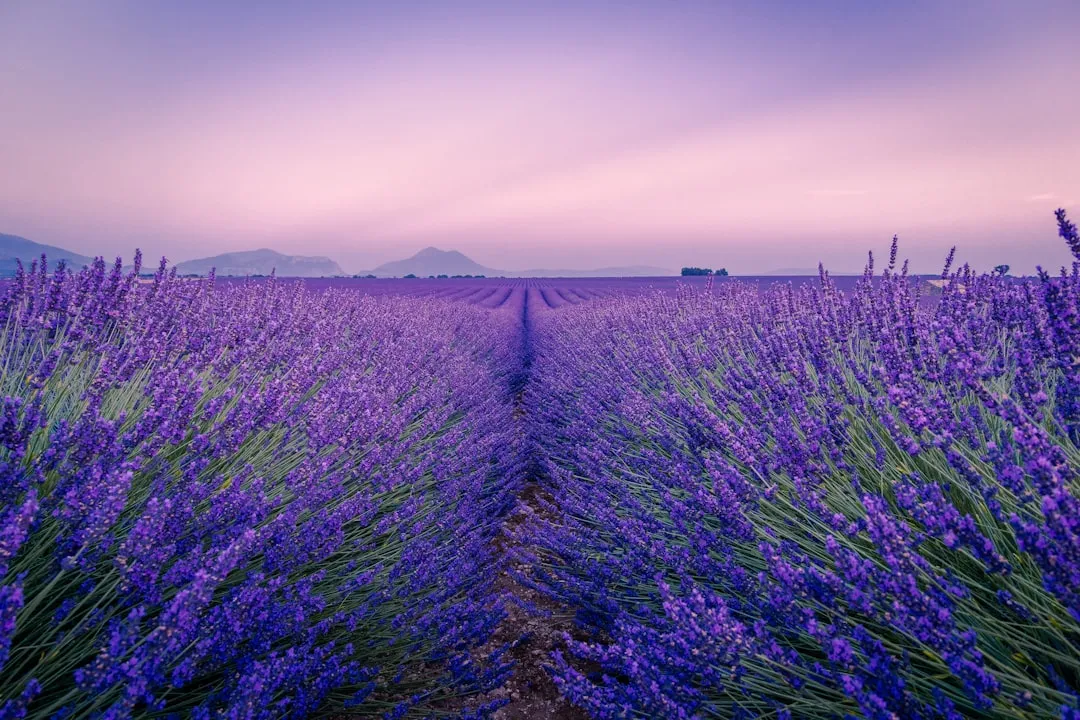

There’s a moment, usually sometime in early July, when the Provence countryside stops looking like a photograph and starts feeling like something you can’t quite explain. The air carries it first. Before you see a single purple row, the scent finds you on a country road somewhere between Avignon and the Luberon, drifting through an open car window like a quiet announcement.
This corner of southern France has drawn travelers, painters, and restless wanderers for centuries. The lavender is the famous headline, but the villages scattered across these hills, plateaus, and valley floors are the real story. They’re older than tourism, stranger than postcards, and more varied than any single visit can cover.
The Valensole Plateau: Where the Purple Begins
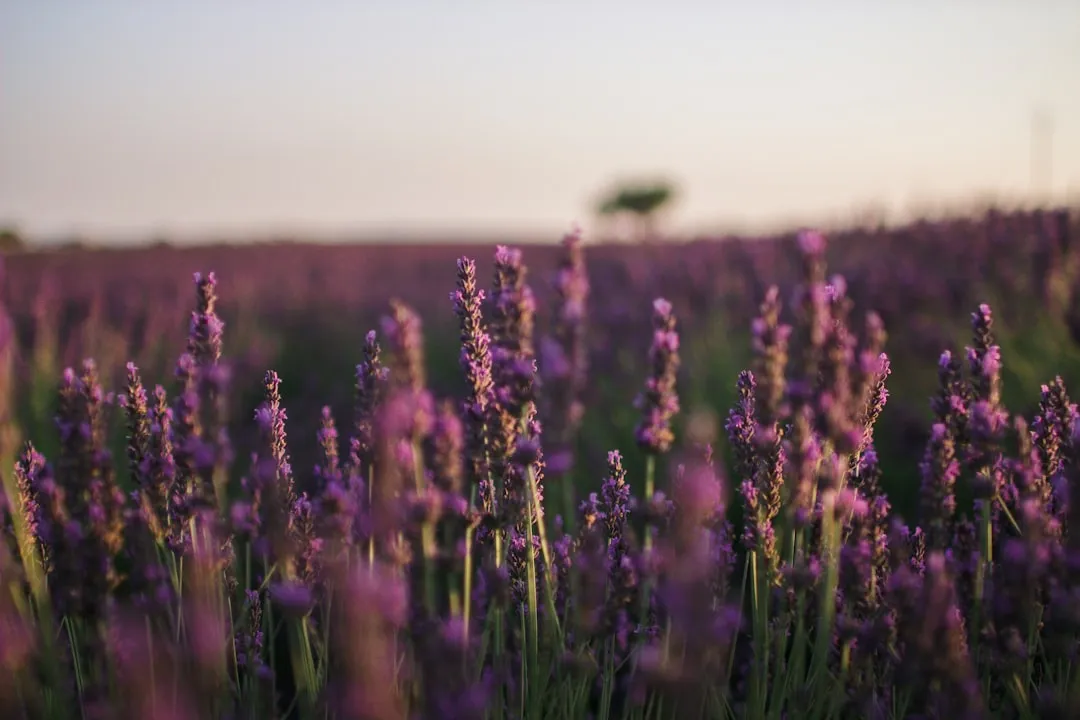
The Valensole Plateau is famous the world over for its lavender fields, but it’s also home to impressive historical sites, golden fields of wheat and sunflowers, charming Provençal villages, and deep turquoise lakes. Lavender and wheat fields stretch as far as the eye can see and over more than 800 square kilometers in varying shades of blues and gold.
The colourful village of Valensole itself sits elevated above the plateau, with the 11th-century St Blaise church at its helm, and pastel-coloured houses crowding the narrow streets. The village particularly hosts the most famous Lavender Festival in Provence on the third Sunday of every July.
When to Go: Timing the Bloom
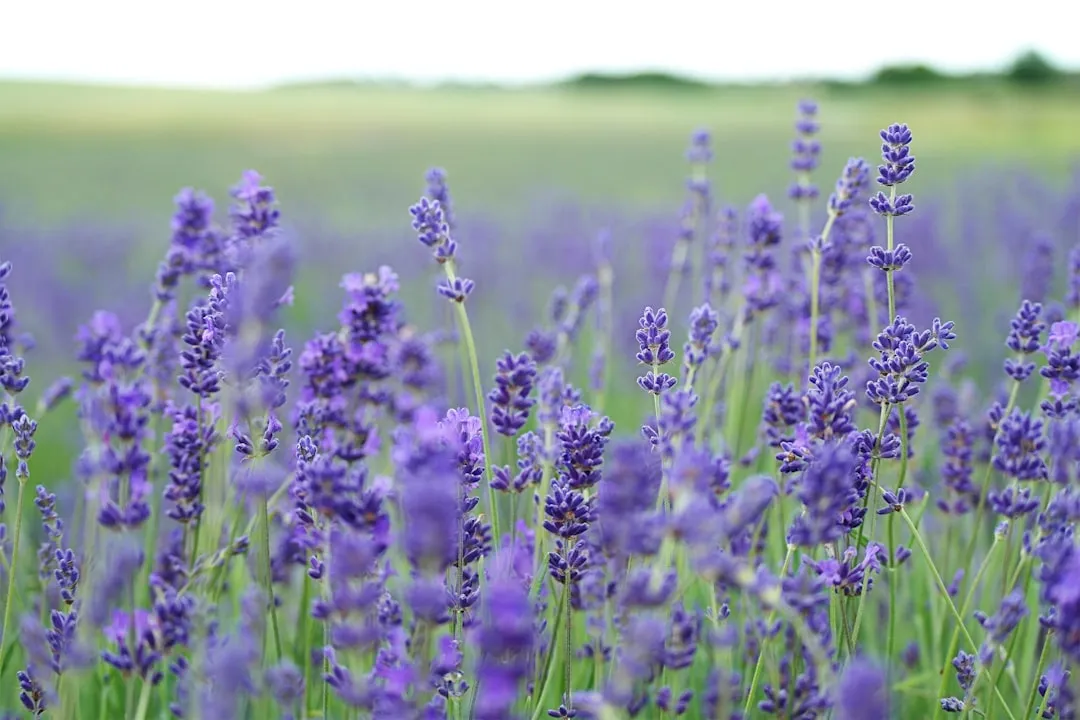
Timing a trip to see Provence’s lavender fields in bloom is harder than it looks. The lavender season lasts only a few weeks, varies by area and altitude, and shifts from year to year depending on spring temperatures. Low-altitude fields like Valensole see bloom start around late June, often peaking by the first or second week of July, while higher-altitude areas like Sault or the Luberon Plateau bloom slightly later, with peak season in mid to late July. The Sault festival on August 15 is the only one that reliably guarantees fields still in bloom, as locals don’t cut before the festival by tradition.
Gordes: The Village on the Rock
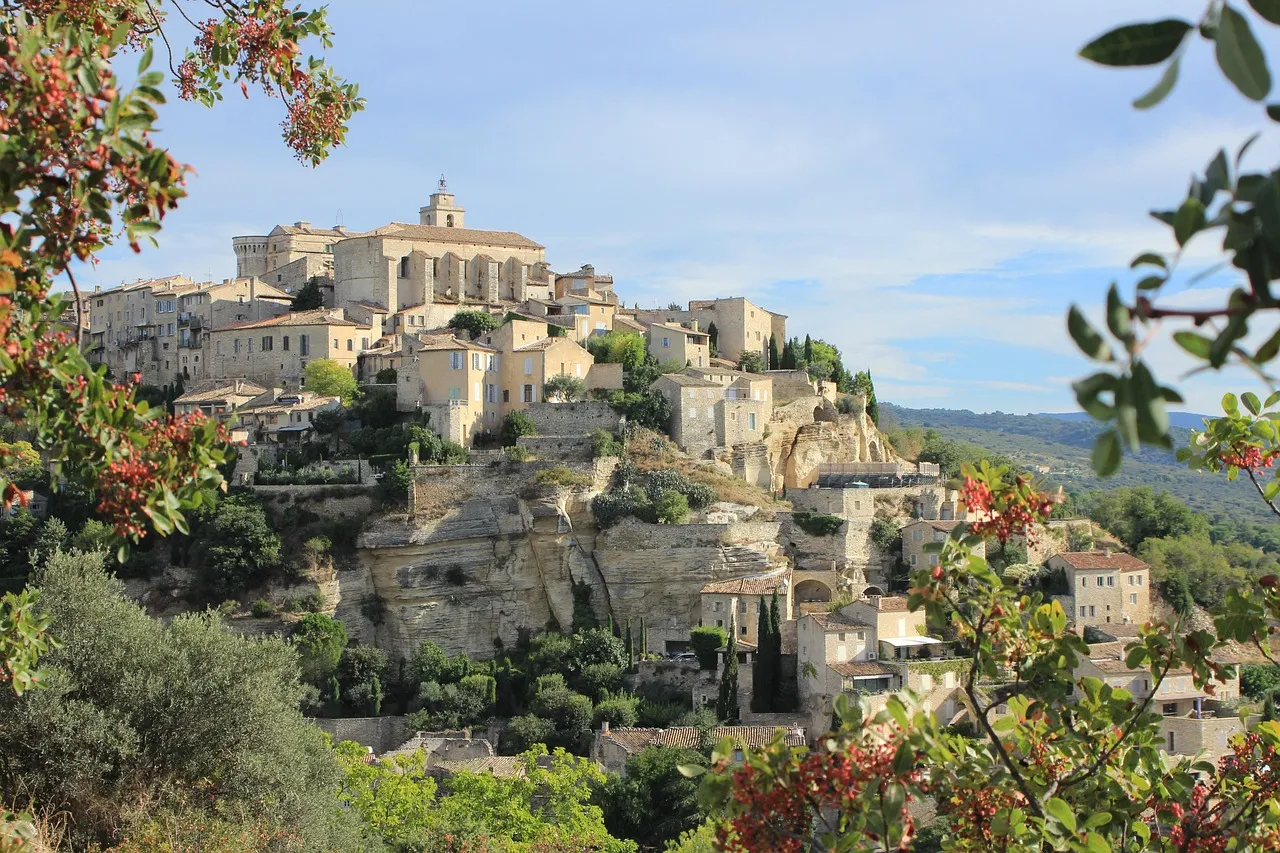
One of the most beautiful villages of France, Gordes is a picture-perfect place you won’t want to miss on a trip to this region, and it has been voted by Travel + Leisure as the “most beautiful village in the world” in 2023. Gordes is perched high up on the hill, 340 meters above the valley and overlooking the lush landscapes of the Luberon. A circular mass of stone houses soaring up to a peak, you can’t help but be awe-struck by the view, and the village summit offers unrivaled views of the landscape below. The only downside is that it tends to get crowded midday as tour buses include it on their Provence route, so going early or late in the day is strongly advisable.
Abbaye de Sénanque: Nine Centuries of Lavender and Stone
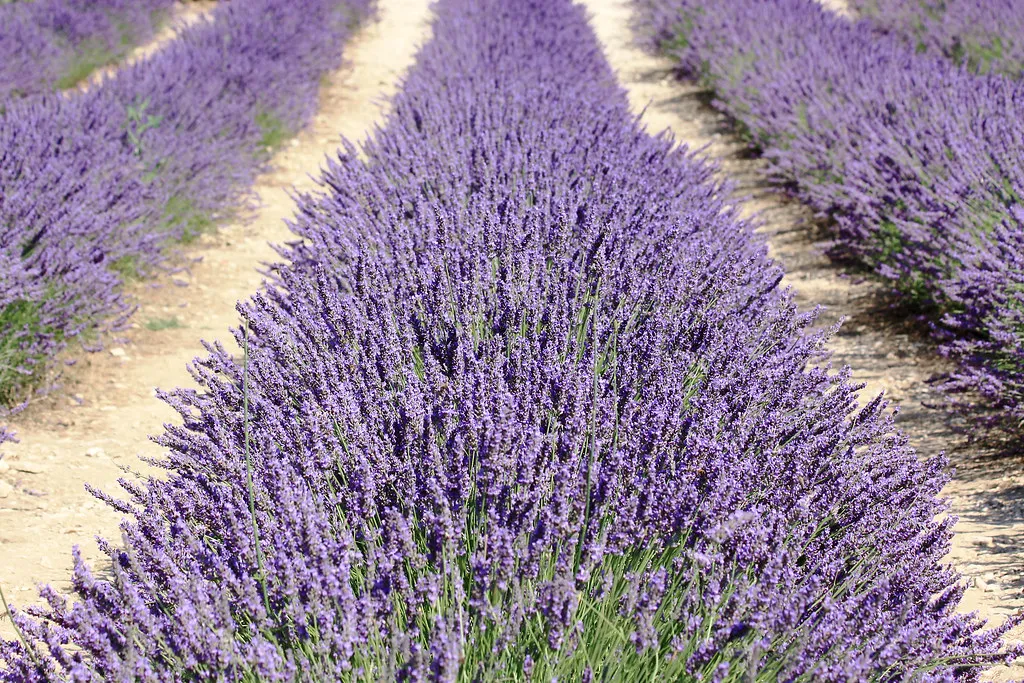
Founded in the 12th century and still inhabited today by a community of Cistercian monks, Sénanque Abbey is not a monument frozen in time. It remains a living place where an almost thousand-year-old monastic tradition continues. The abbey was founded in 1148 by monks from Ardèche and Mazan. In summer, particularly during the month of June when the lavender is in bloom, the Sénanque Abbey, with its limestone stones and slate-covered roofs, offers a postcard-perfect spectacle. The monks live and maintain the premises thanks to their work in lavender fields, olive tree cultivation, beekeeping, visits to the abbey, hospitality, and the monastic store.
Roussillon: The Village That Glows Orange
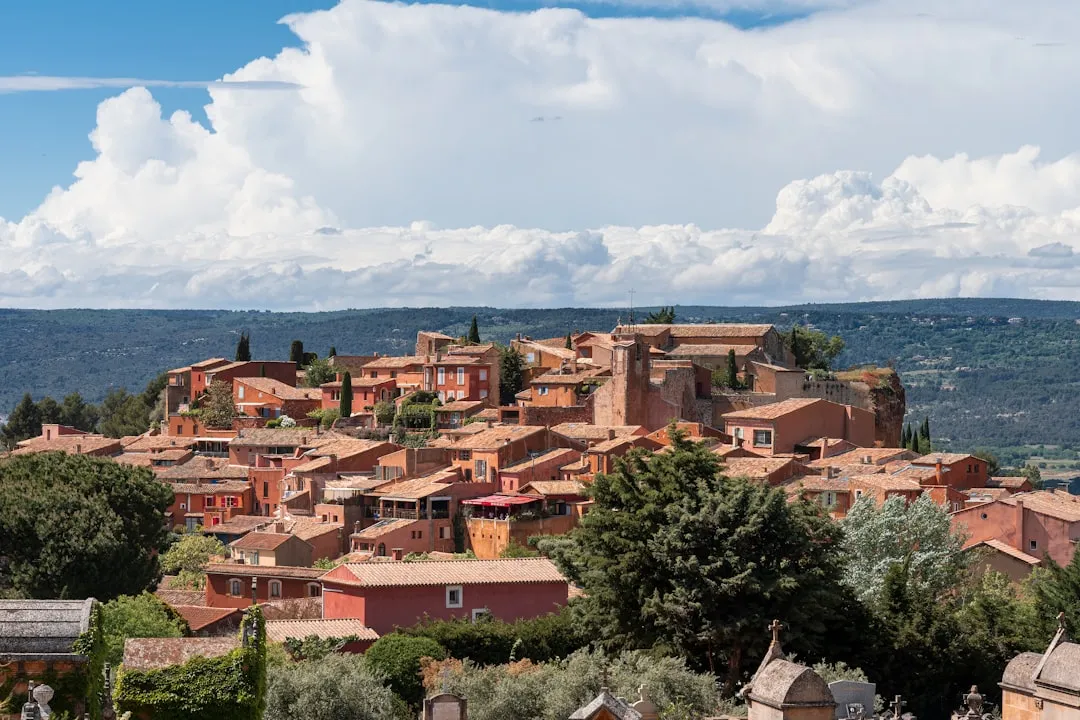
Called the “red town,” Roussillon is one of the most unusual and beautiful villages in Provence. The village sits next to a deep canyon where they used to mine ochre, and the inhabitants used it to paint the facades, making each home a colorful ochre tone spanning from terracotta oranges to dark reds.
Known for its distinctive ruddy color due to being built from the surrounding ocher cliffs, Roussillon is loved for its trails through the old ocher quarries and a strong artistic scene, and its famous former residents include playwright Samuel Beckett, who hid in Roussillon at the end of World War II. Roussillon is one of the more popular towns in Provence, so visiting early or late in the day in high season helps, and going on a Thursday lines up with the local market, where you can pick up handcrafted goods such as soaps and pottery.
Sault: The Lavender Capital at Altitude
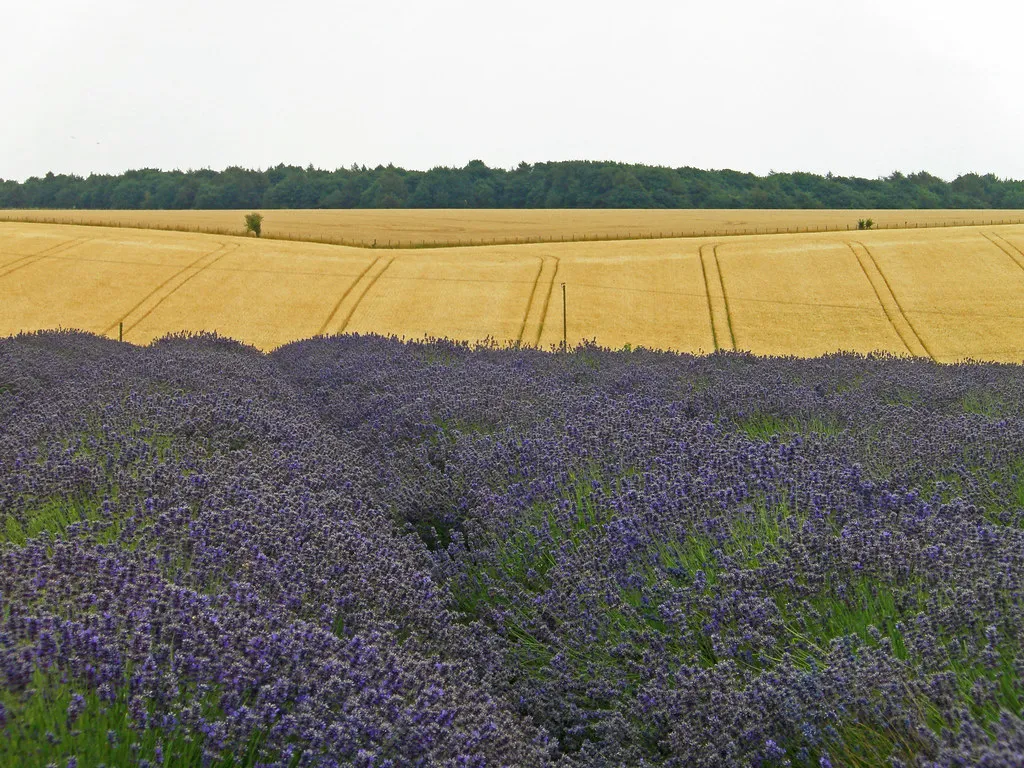
Often referred to as the “capital of lavender,” Sault sits at a higher elevation, making it ideal if you’re visiting later in the season, and the landscape here feels wilder and more spread out, with views stretching over valleys and distant peaks. The fortified village of Sault sits on a ridge wedged between a thick wooded forest on one side and a rolling agricultural valley on the other, and it’s well-preserved and brimming with history, worth wandering through the medieval streets to sample the unique flair of this northern Provençal village.
The Chemin des Lavandes walking trail in Sault blends the pleasure of a lovely walk with the discovery of a lavender field in flower, nestled near this charming village. The trail is a 4-kilometer walking loop through the Provençal landscapes. It passes through the biggest production area of true lavender in Europe.
L’Isle-sur-la-Sorgue: The Antique Town on the Water
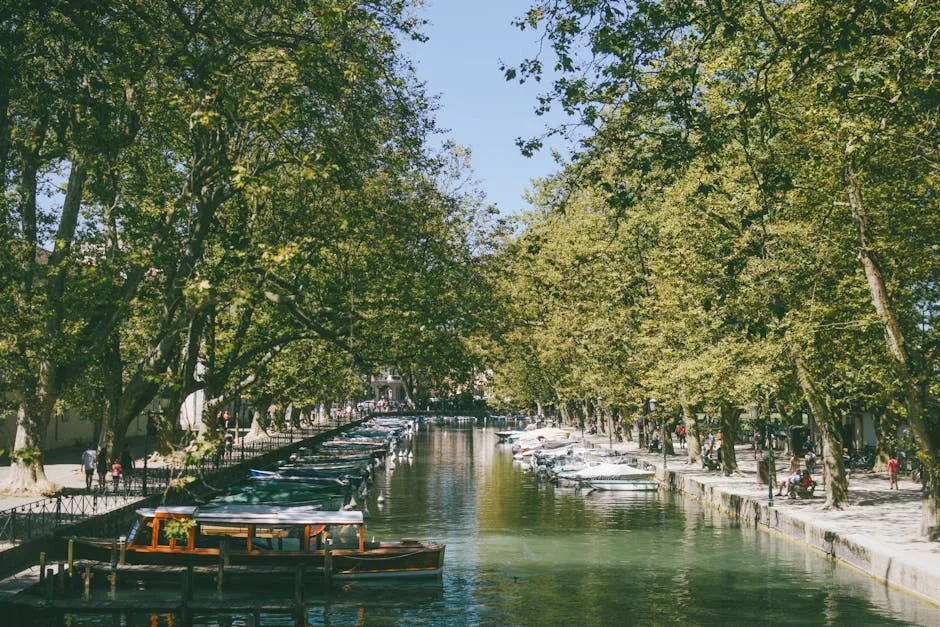
Known as the “Venice of Provence,” L’Isle-sur-la-Sorgue is a picturesque town where canals wind gently through streets lined with antique shops, galleries, and cafés, and it has become a haven for art and antique lovers, boasting one of the largest antique markets in Europe. The town’s waterwheels, remnants of its industrial past, add to its storybook charm, spinning slowly along the crystal-clear waters of the Sorgue River, and strolling along the canals and crossing stone bridges is a pleasure in itself. Sundays are a special time here, as the bustling market brings vendors selling everything from fresh produce and artisanal bread to vintage finds and fine art.
The Luberon Villages: Bonnieux, Lacoste, and Beyond
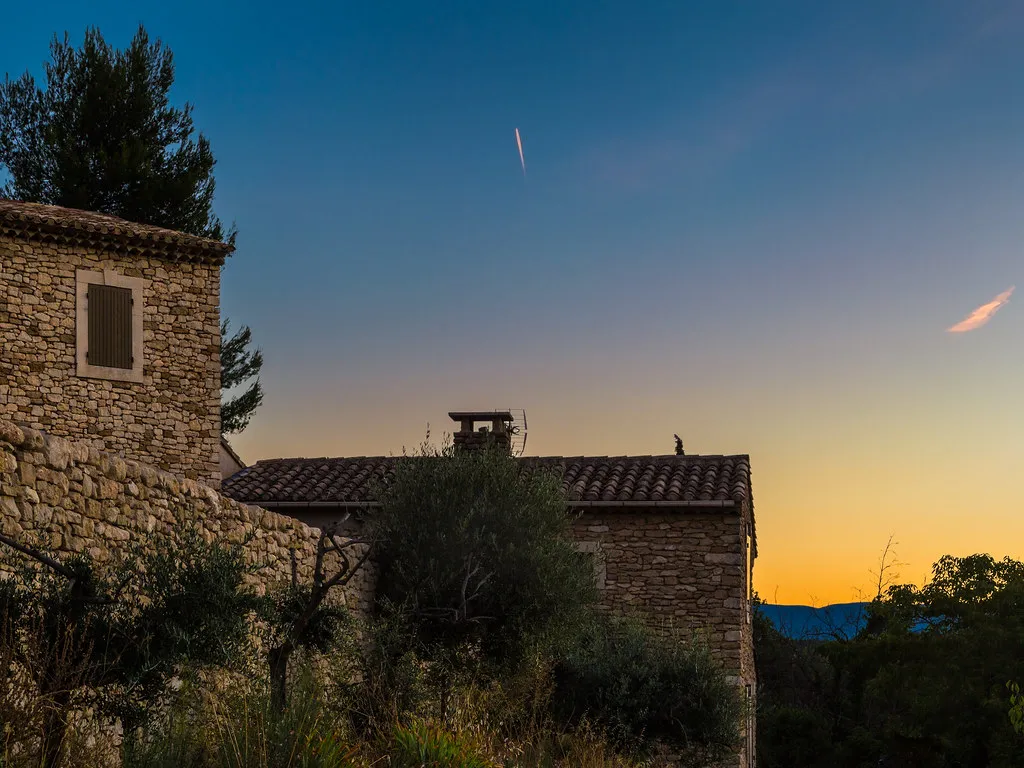
The Luberon valley is a place where hilltop villages collide with dramatic scenery and history is ingrained in its soul. It’s a place to go for a drive through whimsical roads, a walk through fragrant foliage, or to explore the cobbled lanes and advantageous views of its villages. Bonnieux makes a good home base for exploring villages to the east and west, with amazing views of the Luberon Valley and Mont Ventoux, winding cobblestone streets, and a few of the region’s top-rated restaurants.
Lacoste, once home to the infamous Marquis de Sade, has some of the most dramatic views in the Luberon, and a unique international ambiance thanks to the Savannah College of Art and Design, which has had a satellite campus there since 2002, making it a lively hub for arts and culture with exhibitions and events throughout the year.
The Lavender AOP: What Makes Haute-Provence Lavender Different
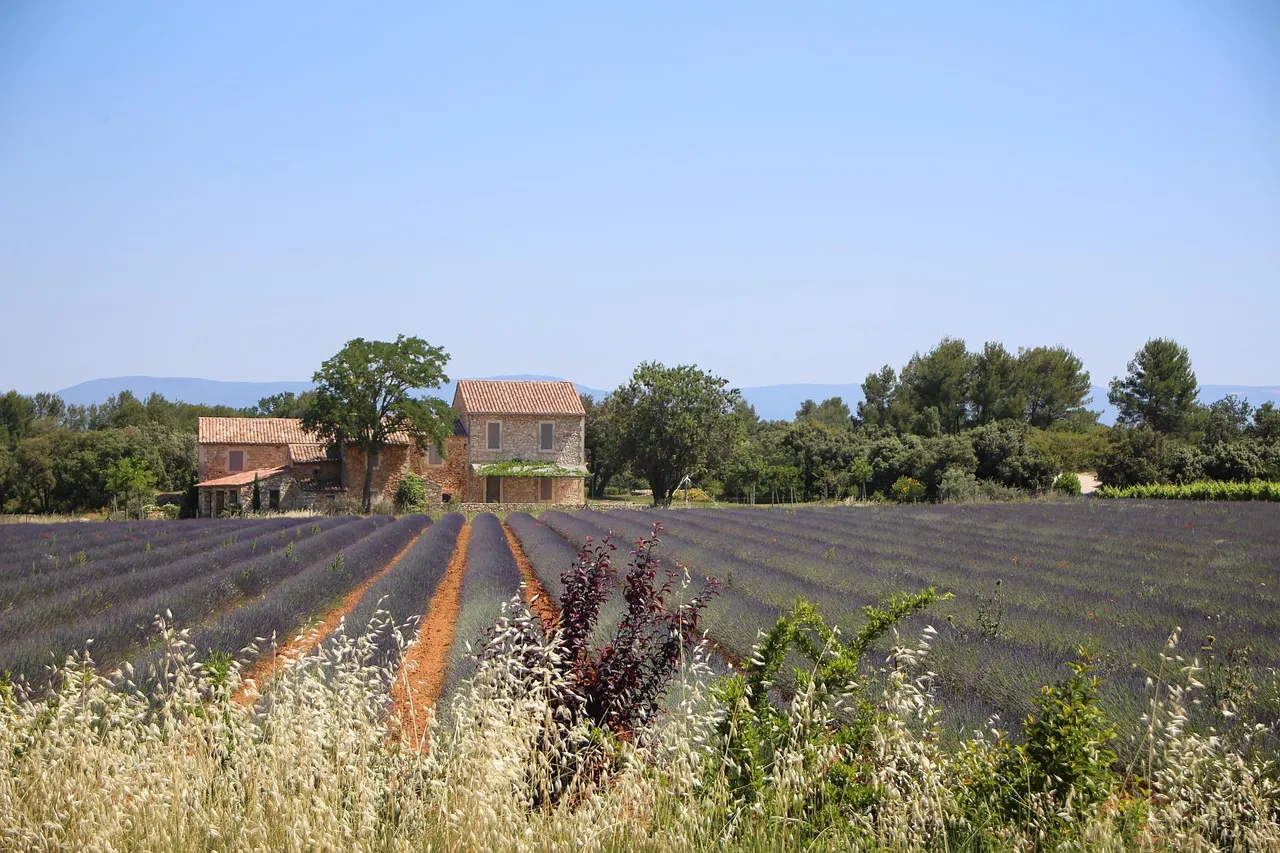
The “Huile essentielle de lavande de Haute-Provence” (lavender essential oil from Haute-Provence) holds the Appellation d’Origine Protégée, a protected designation of origin. Production of Lavenders of Provence is located in four departments, covers around 20,000 acres under cultivation, involves roughly 2,000 growers and about 25,000 related workers, and includes 120 distilleries, of which 30 are open to visitors.
Only producers from four French departments, with communes located above 800 meters in altitude, can present their lavender essential oil production for the quality selection of AOP Lavender from Haute-Provence. True lavender carries a gentle, delicate fragrance, and its essential oil is prized for its soothing and healing properties, while lavandin has a more camphoraceous and powerful scent, often used in cosmetics and household products.
Getting Around, Markets, and the Provençal Pace
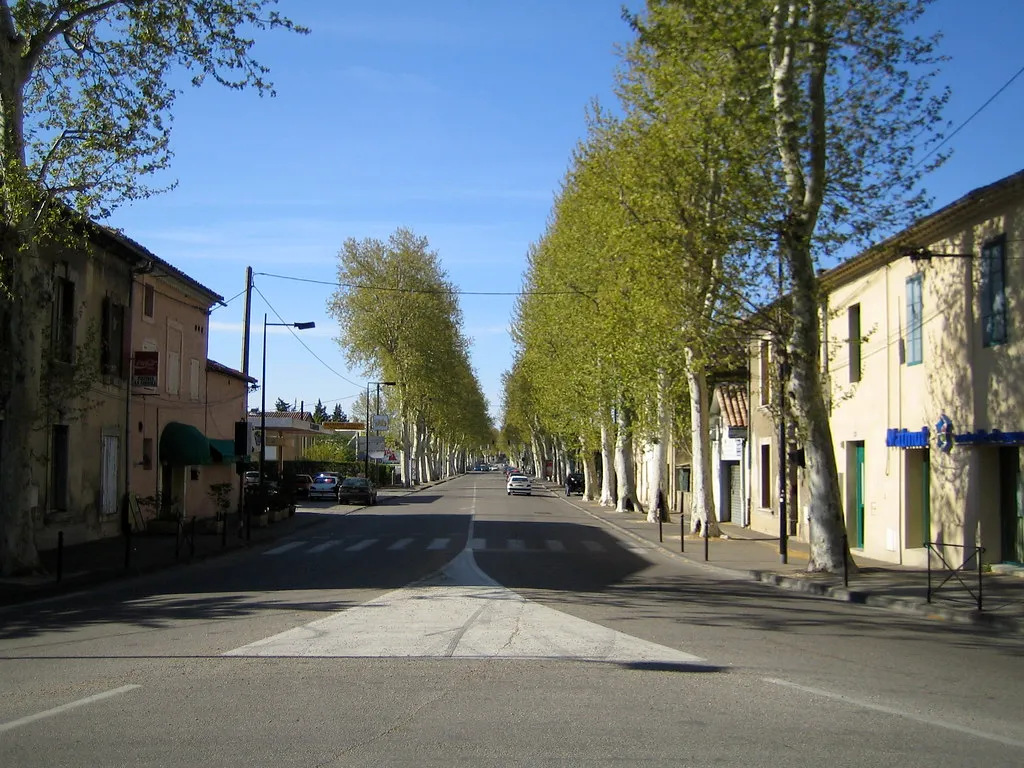
Public transport is limited, and the real magic of Provence is tucked away in the countryside, far beyond the reach of train lines and bus stops. To truly experience the region’s charm, renting a car is essential, preferably a small one, as many village roads are delightfully narrow and winding.
From Apt to Saint-Rémy to Lourmarin, village markets are the soul of Provence, colorful and bustling gatherings that typically run from 8am to 1pm, where stalls brim with local treasures including wheels of fragrant cheese, jars of golden honey, vivid bouquets of lavender, hand-stitched linens, and sun-ripened produce. France’s tourism sector injected a substantial amount into its economy in 2024, contributing over nine percent of its GDP and supporting three million jobs, and the Provence-Alpes-Côte d’Azur region is consistently one of the country’s most visited.
Provence is meant to be savored, not rushed. This isn’t the place for tightly packed itineraries or back-to-back sightseeing. Rather, it’s a destination that invites you to slow down and truly live in each moment.
Conclusion: What Stays with You
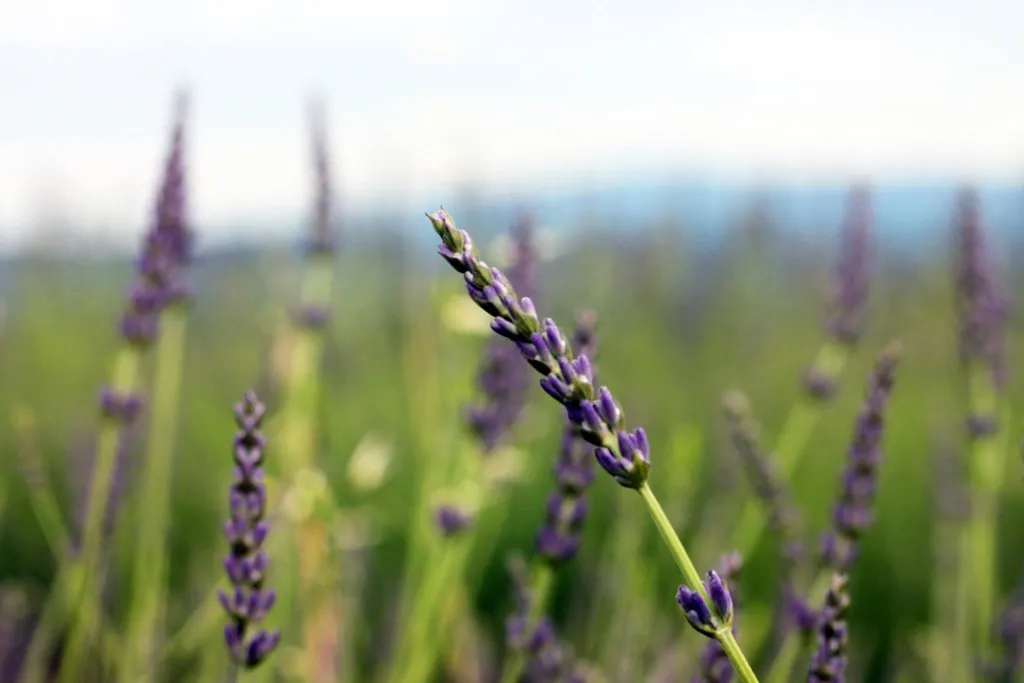
Provence doesn’t need much to make its case. A single morning in a hilltop village, a walk between lavender rows with bees working quietly around you, a glass of rosé as the light turns gold behind Mont Ventoux. These things add up slowly and then all at once.
With its 300 days of sun per year, Provence has become a favourite region for lavender, a flower brought to France by the Phocaeans. The villages and fields that frame the landscape today are the product of centuries of cultivation, stone-laying, and an almost stubborn commitment to living well in a hard, dry, beautiful land.
Come in early July if you can. Go before the midday crowds find the main squares. Take the small roads. The scent will do the rest.
AI Disclaimer: This article was created with the assistance of AI tools and reviewed by a human editor.