

Why the Three-Layer System Works
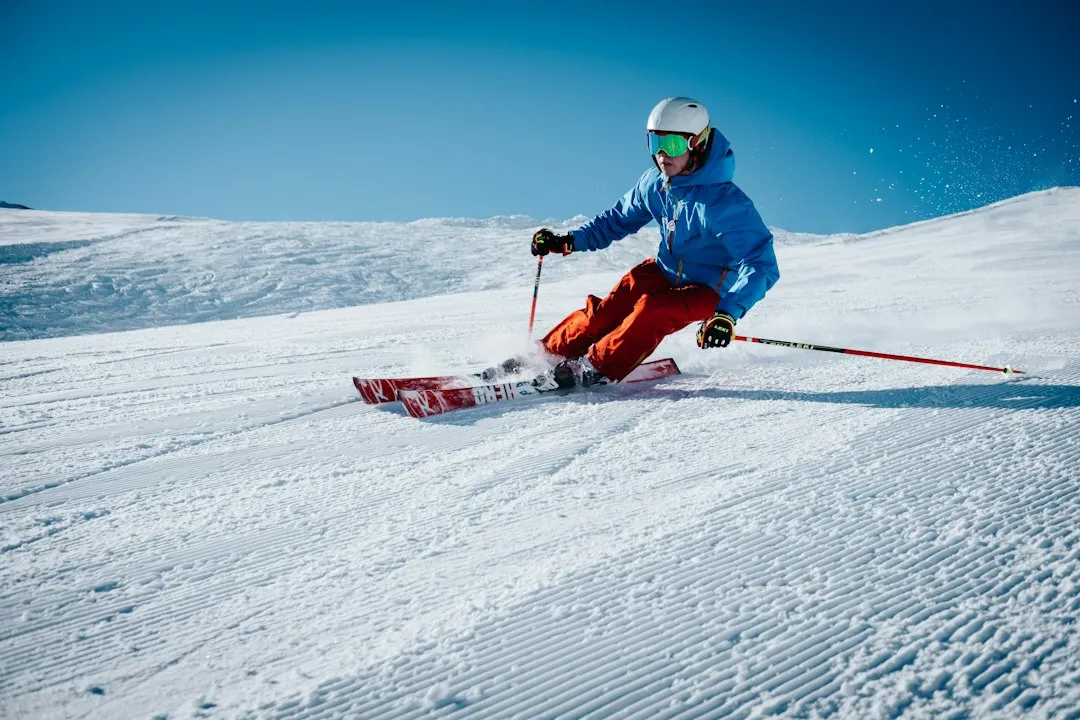
Each layer in the system has a distinct role: the base layer moves moisture away from your skin, the mid-layer traps warm air close to your body, and the outer layer stops wind, snow, and rain from getting in. When these three work in concert, they create a remarkably efficient thermal envelope around your body.
Instead of reaching for bulky pieces, the idea is to use multiple thinner layers that work together. This approach traps warm air between each layer and gives you the flexibility to add or remove pieces as your body temperature or the weather shifts throughout the day.
Layering allows skiers to regulate body temperature and stay dry by adjusting for weather and activity levels. A proper ski layering system keeps you warm on cold lifts, cool during high-output runs, and dry in wet or snowy conditions.
The Base Layer: Your Skin’s First Defense
Base layers are designed to lock in body heat and create a barrier against the cold. They work by trapping air close to the skin, forming an insulating layer that prevents heat loss. Merino wool and synthetic blends are among the popular materials used for base layers, offering excellent thermal regulation.
Skiing is a physically demanding activity that can lead to sweating, even in freezing temperatures. Base layers excel in moisture management, efficiently wicking sweat away from the skin. By pulling moisture to the fabric’s surface, base layers prevent the accumulation of sweat, keeping skiers dry and comfortable. Moisture-wicking properties are especially crucial in extreme cold conditions, as wet clothing can lead to rapid heat loss and discomfort.
Merino Wool vs. Synthetic: Picking Your Base

Warmth is one of the primary considerations when choosing a base layer, and merino wool is undoubtedly warmer than synthetics. The wool fibers do an excellent job trapping heat and retaining it, even when wet, which is a key reason merino has grown so popular. For most cold-weather activities when warmth is at a premium and aerobic output is relatively low, merino earns its reputation.
Synthetics are generally more affordable than merino, breathe better, absorb less moisture, and dry out very quickly. For this reason, they are widely recommended for sweat-inducing activities, mild conditions, or those who run warm. The honest answer is that neither material dominates unconditionally. It depends entirely on how hard you push.
Merino wool is often described as hydrophilic at the fiber core and hydrophobic on the surface. Each wool fiber can absorb a surprisingly large amount of water vapor internally without feeling wet, around a third of its own weight. That’s a meaningful advantage on long, cold days when you’re not generating much heat.
Getting the Base Layer Fit Right
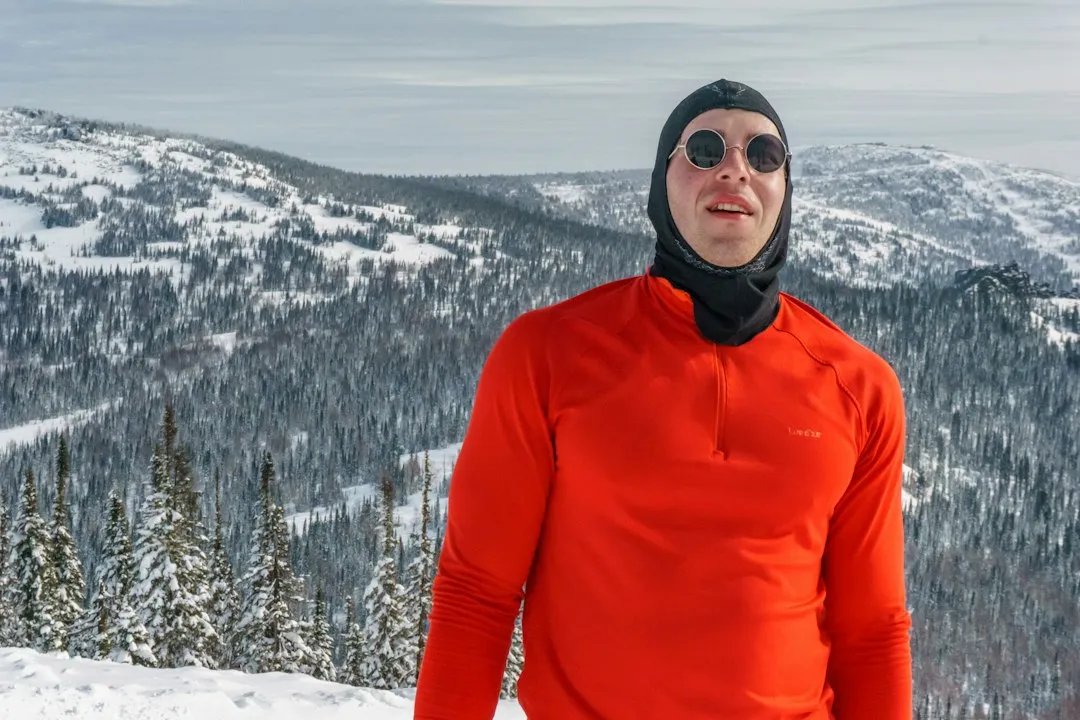
Your base layer should fit close to the body. This not only optimizes heat retention but also ensures efficient moisture transfer. The best base layer is the one that keeps you warm and dry while matching your activity level.
A lightweight base layer in the range of 100 to 150 grams per square metre prioritises moisture-wicking over insulation, making it ideal for high-intensity activities like ski touring where you’re generating significant heat. A mid-weight layer in the range of 150 to 250 grams per square metre balances both functions and suits most general winter skiing.
Seamless or flatlock stitching reduces irritation, enhancing comfort during long ski days. That detail gets overlooked more than it should. A seam rubbing against your shin inside a boot, for example, can become genuinely miserable by early afternoon.
The Mid-Layer: Where Real Warmth Lives
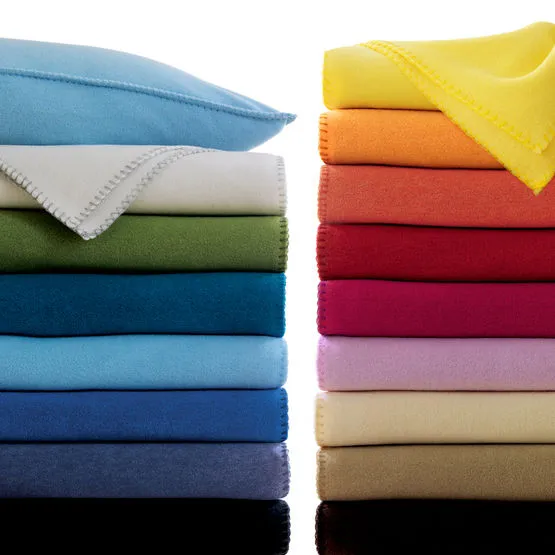
The midlayer is your primary insulating layer. Its purpose is to retain heat created by your body in a protected pocket of air between your base layer and outer layer. Fleece or lightweight insulated jackets are perfect for this role. On really cold days, a medium-weight puffy coat can work well, as long as you’re not too restricted underneath your shell.
Your midlayer provides warmth by trapping body heat. It should be lightweight, breathable, and easy to move in. Don’t overdo it; bulky layers reduce mobility. One warm midlayer is usually enough.
Fleece vs. Synthetic Insulation for the Middle Layer
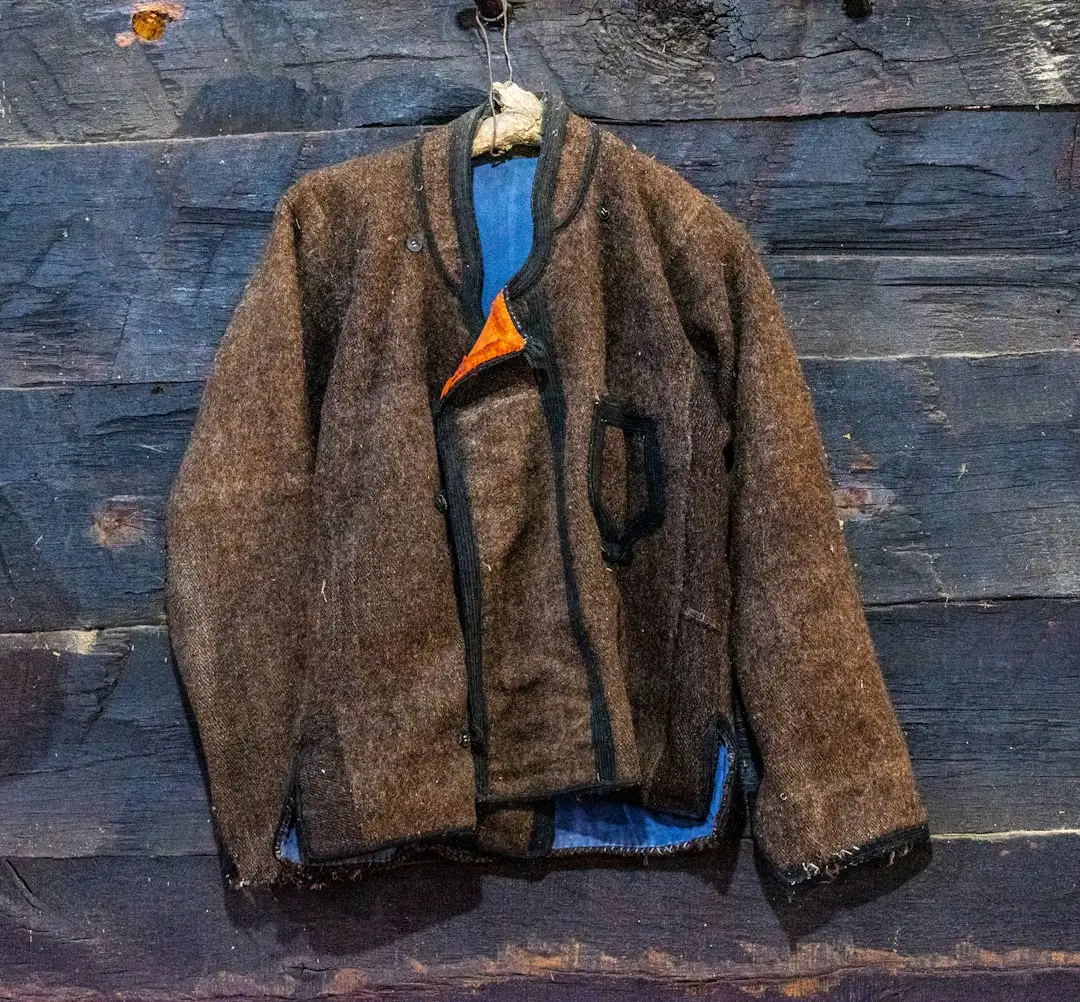
Fleece is known for being cozy, breathable, and affordable, with designs ranging from heavier, bulkier jackets to sleek, performance-oriented options. Synthetic jackets can also be very breathable, especially those with a soft and stretchy shell, and are generally a good bit warmer than fleece without too much added bulk.
A quality midlayer drives your layering system by trapping body heat and managing moisture. Effective insulation relies on materials like merino wool or synthetic grid fleeces, which retain warmth even when damp.
A good midlayer provides warmth without adding excessive bulk. Materials like fleece or advanced synthetic insulations such as LIFALOFT offer notable advantages. LIFALOFT is an insulation built around the principle of more warmth with less weight and bulk, making it well-suited for active days on the mountain.
The Outer Shell: Your Weather Shield
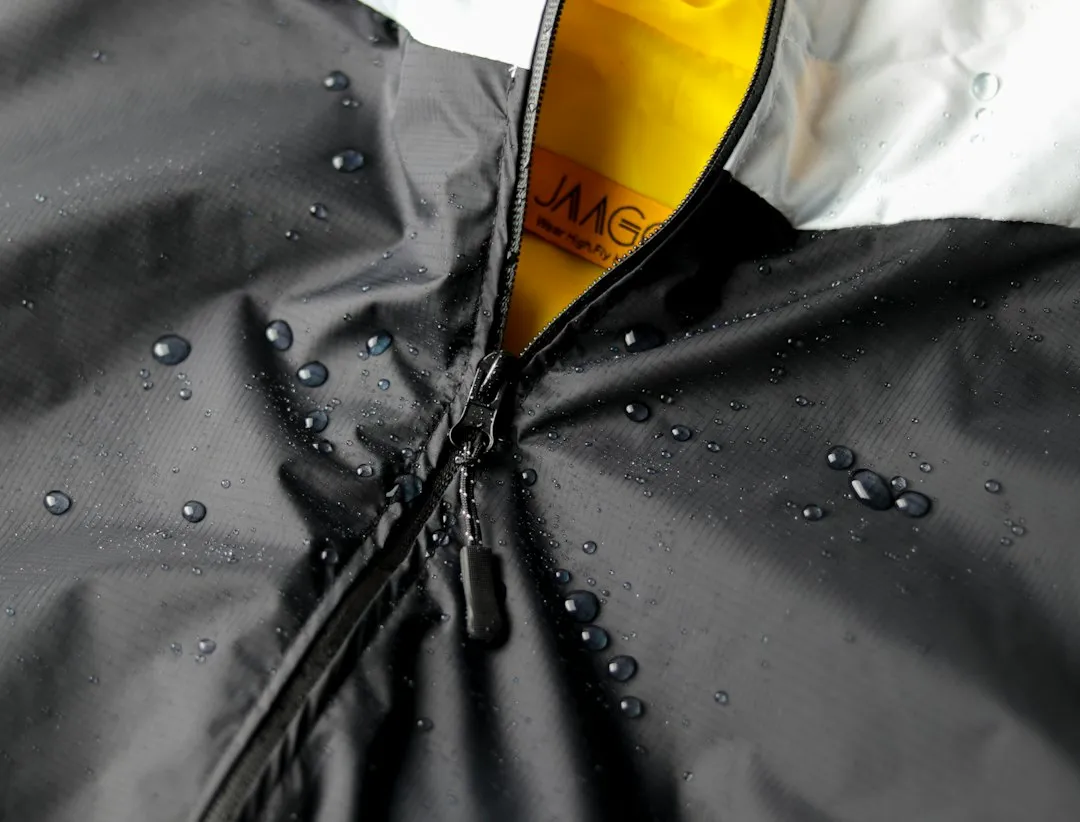
When your layering system is dialed in, you can always tweak depending on the day, adding or removing a layer underneath to fine-tune for the right temperature. A waterproof-breathable shell is the final touch to the whole layering setup.
Options for the outer layer range from lightweight fleece pullovers to heavily insulated down jackets, but outer layers are the most specialized component of your layering system and often the most expensive. That cost is generally worth it. A quality shell that breathes well and blocks wind reliably can extend the comfort of an otherwise basic mid and base combination considerably.
What to Avoid: The Cotton Problem

Avoid cotton, which traps moisture, and don’t over-layer to prevent overheating. Cotton is comfortable in everyday life, but on a ski slope it becomes a genuine liability. Once it absorbs sweat, it stays wet, and wet clothing against cold skin accelerates heat loss quickly.
Merino wool and synthetics wick moisture and keep you warm; cotton does the opposite. It’s a simple rule, but it matters more than most skiers realize. Even cotton-blend socks can undercut an otherwise well-planned kit.
Adjusting for Conditions and Effort Level
The mid-layer provides insulation to retain your body heat and can be adjusted based on the temperature and your activity level. A mellow day of groomers demands different decisions than a powder session that has you hiking bootpacks. Tuning your layers to match your planned output, not just the temperature, is one of the more underrated habits of experienced mountain skiers.
Most skiers will only need one base layer, but doubling up is a smart alternative to adding a midlayer. The double-base combo tends to sit at the “warm but not warm warm” level, which is perfect for mild days or high-output skiing.
While base layers are excellent at retaining body heat, they also prioritize breathability to prevent overheating. Breathable base layers allow excess heat and moisture to escape, ensuring temperature regulation even during intense physical activity. This balance between warmth and breathability is essential for skiers as they transition between high-energy descents and moments of rest.
Socks, Gloves, and the Accessories That Complete the Formula
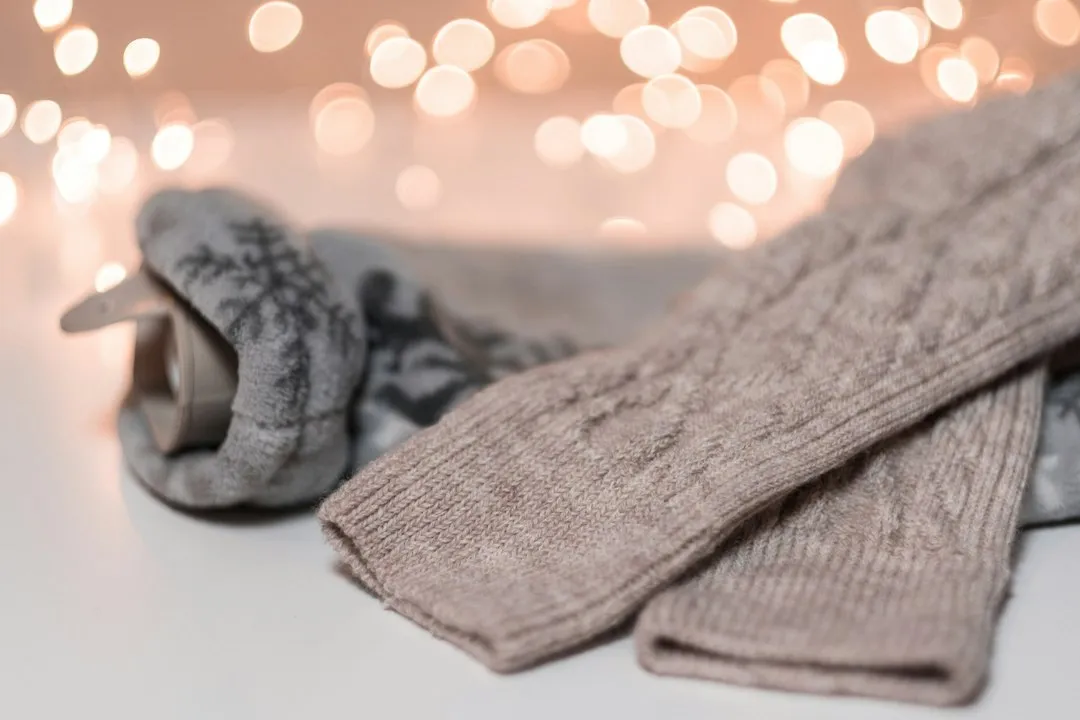
Thin ski socks are warmer than thick ones, with one purpose-made pair per foot being the general recommendation. This surprises many skiers who assume more sock equals more warmth. In practice, thick socks compress the blood vessels in your foot, reducing circulation and making you colder, not warmer.
The same layering principle applies to gloves and headwear. A thin liner glove inside a waterproof outer mitten follows the exact same logic as the rest of your system: moisture management closest to the skin, insulation in the middle, and weather protection on the outside. Mixing a fleece neck gaiter with a thin helmet liner covers the head without adding the weight of a thick beanie that makes your helmet fit poorly.
The Takeaway
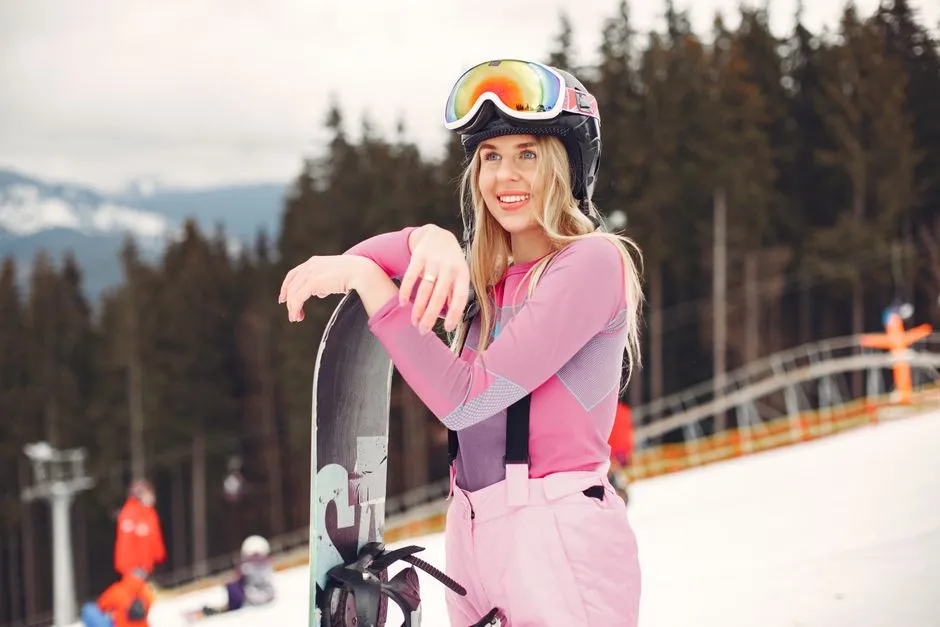
The layering formula for skiing is genuinely not complicated, but it does require intention. Each piece needs to earn its place in the stack by doing a specific job, and no single item should be asked to do everything at once. A snug, moisture-wicking base, a breathable and slim insulating mid, and a weatherproof shell that actually breathes will outperform a giant puffer every time.
Warmth on the mountain isn’t really about how much you’re wearing. It’s about how well everything you’re wearing works together. Get the formula right once, and you’ll rarely need to think about it again.
AI Disclaimer: This article was created with the assistance of AI tools and reviewed by a human editor.