
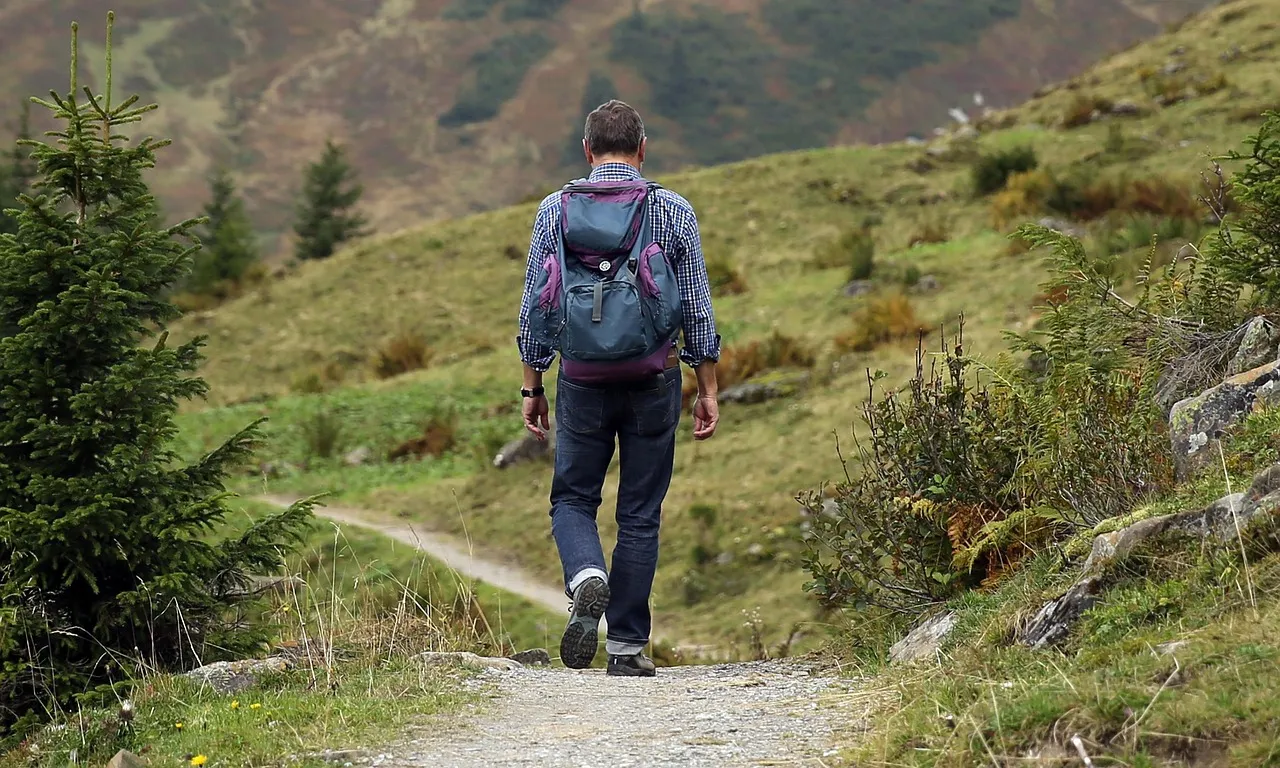

America’s public lands are having a moment. Trails that once saw a few hundred visitors a season now see thousands on a single weekend, and the evidence is accumulating in ways that are hard to ignore – compacted soil off the edges of marked paths, litter tucked beneath trailside shrubs, and campfire rings multiplying across fragile meadows. The gear in your pack is not a neutral thing. It either helps you leave a place better than you found it, or it quietly makes things a little worse.
The National Park Service’s 2024 visitation statistics revealed a record-breaking year, with more people exploring America’s national parks than ever before, reporting 331.9 million recreation visits, a 2% increase from 2023 and nearly one million more visits than the previous all-time high set in 2016. That’s a staggering number of footprints. What follows is a considered packing list built around the Leave No Trace (LNT) framework – gear chosen not just for your safety and comfort, but for the health of the land itself.
Why Your Gear Choices Actually Matter Right Now

The strain on park resources has led to overcrowding, maintenance delays, and visitor safety concerns, all while 2024 was a record-breaking year for the National Park Service. Rangers are stretched thin, budgets are tight, and the land itself can only absorb so much. That means the responsibility for stewardship has shifted – more than ever – to individual visitors.
Millions of people visit public lands each year, and the combined effects of these visits begin to leave a mark on the land. It is the responsibility of each person to develop a personal set of outdoor ethics to ensure that millions of visitors to public lands will continue to make lasting memories for generations to come.
The 7 Principles of Leave No Trace are well-established and widely known but not static. Leave No Trace continually examines, evaluates, and reshapes the Principles and conducts research to ensure that they are up to date with the latest insights from biologists, land managers, and other leaders in outdoor education. What you pack should reflect that same spirit of ongoing commitment.
A Reusable Trash System: Pack It In, Pack It Out

Properly disposing of waste may be the most-violated principle, especially among people who hate the idea of carrying out trash or waste. A dedicated, sealed trash bag – ideally a reusable silnylon dry bag or a few lightweight compostable liners – is non-negotiable. Keep one clipped to the outside of your pack so it’s accessible without digging.
Leave no trace behind by carrying all your garbage out, and possibly even picking up trash found along the trail. Many experienced hikers carry a second small bag specifically for trail cleanup. It’s a modest habit that compounds meaningfully when thousands of visitors share the same corridor.
Pack it in, pack it out. Check your campsite and rest stops for trash and spilled food, and carry out everything, including food scraps. Food scraps are worth emphasizing – they condition wildlife to associate human presence with food, which tends to end badly for the animals.
A Human Waste Kit: The Conversation Nobody Wants to Skip

In some of the more popular camping spots, human waste has become a serious issue, and shallow burials and wads of toilet paper are unsightly. Human waste can decompose but it can also introduce pathogens and pollutants that can harm wildlife and water sources. This is one of the most ecologically sensitive areas of trail ethics, and it demands the right gear.
A WAG (Waste Alleviation and Gelling) bag is basically a toilet in a bag. It’s a way of collecting human waste in order to pack it out with you. WAG bags generally contain a waste bag with a NASA-developed powder that gels and deodorizes waste, an outer zip-close disposal bag, hand sanitizer, and some toilet paper. They’re lightweight, odor-controlled, and widely accepted at trailhead disposal stations.
Desert and alpine areas will require visitors to pack out human waste and toilet paper in a WAG bag or other portable toilet equipment that safely holds waste until it can be disposed of properly. Solid human waste must always be packed out from areas like narrow river canyons. A cathole trowel and extra hand sanitizer round out the kit for environments where burial is still permitted.
Navigation Tools: Map, Compass, and the Off-Trail Problem
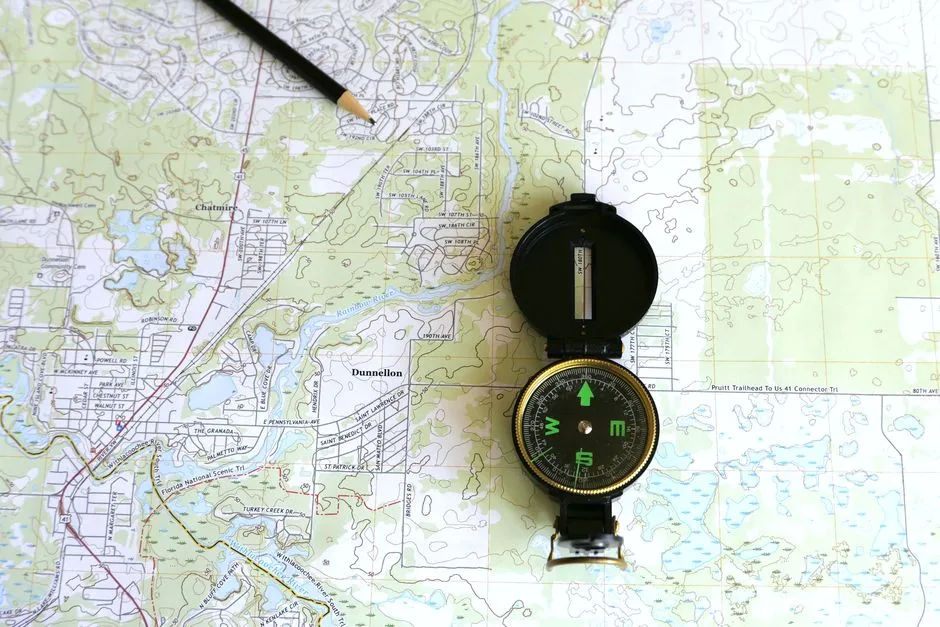
While some trips may not require all ten essentials, navigation should always be considered during trip planning. Carry a map and compass, and consider backup tools like a GPS device or altimeter when the terrain is complex or unfamiliar. Always have a non-electronic option in case batteries fail.
Staying on designated trails is more than a personal safety matter. Off-trail foot traffic compacts root systems, kills cryptobiotic soil crusts, and widens trails in ways that take years to heal. Durable surfaces include maintained trails and designated campsites, rock, gravel, sand, dry grasses, or snow. Knowing exactly where you are makes it easier to stay on them.
Know how to use a topographical map, compass, or GPS unit before going out. Bring a physical map as a backup. You can also use the NPS app or download a map onto your phone or GPS. Paper maps cost very little and weigh almost nothing; they’re worth keeping in a waterproof sleeve on every trip.
Biodegradable Soap and a Proper Wash Basin

To wash up or clean dishes, carry water 200 feet from any stream or lake and use a little biodegradable soap. Strain and scatter the dishwater. Even biodegradable soap can disrupt aquatic ecosystems when used directly in or near water sources, so the 200-foot rule isn’t optional – it’s the whole point.
A collapsible silicone basin weighing just a few ounces makes it easy to carry wash water the required distance from any source. Pair it with a small mesh strainer to catch food particles before you scatter grey water, since those particles attract animals just as much as an improperly stored food bag does. The kit takes up almost no space and removes one of the most common backcountry impact patterns entirely.
A Bear Canister or Bear-Resistant Food Storage
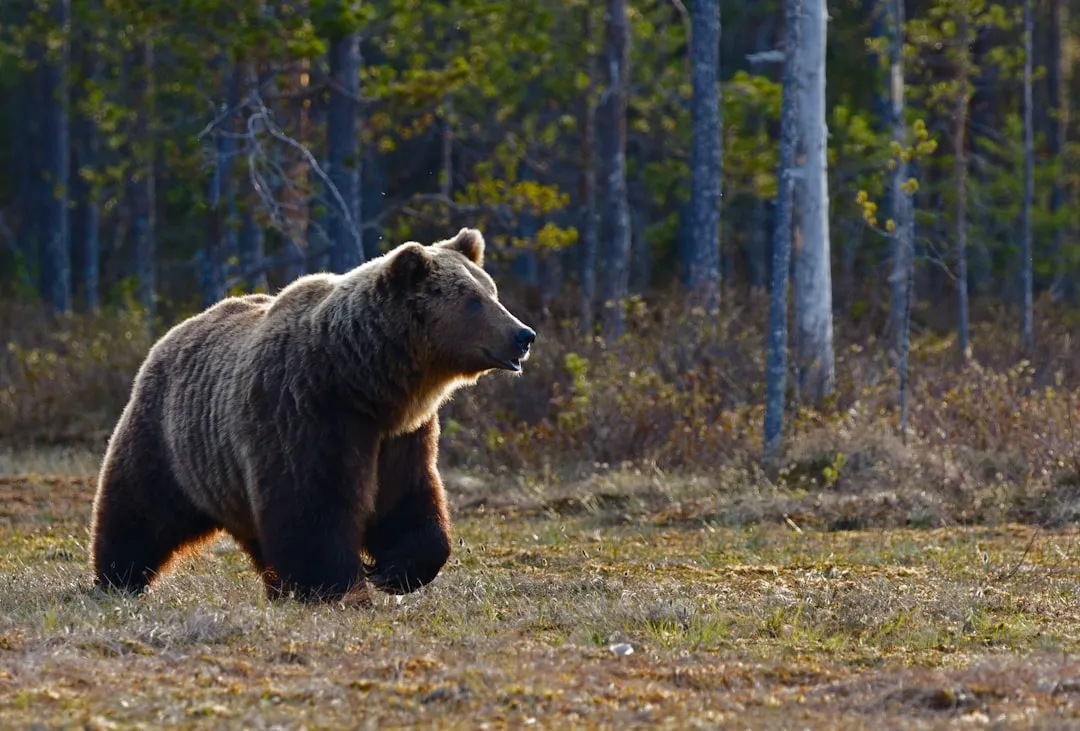
A proper bear hang keeps food and scented items out of reach. In many wilderness areas, certified bear canisters are no longer just recommended – they are legally required. The National Park Service and the U.S. Forest Service specify approved canister models for certain high-use zones, so checking current regulations before any overnight trip is essential.
Beyond bears, proper food storage prevents encounters with smaller animals: marmots, mice, ravens, and raccoons have all learned that human camp areas often offer easy calories. A hard-sided canister or a lightweight Ursack Major stored at least 200 feet from your sleeping area addresses the full spectrum of this problem. It’s gear that protects the wildlife as much as it protects your food supply.
A Lightweight Backpacking Stove
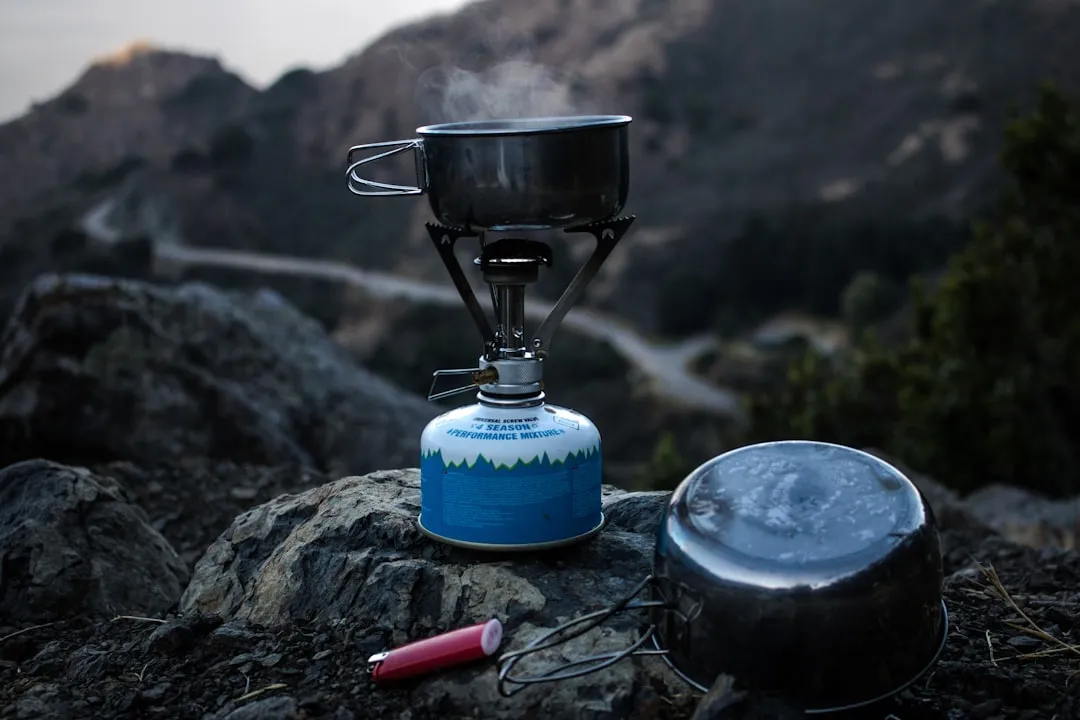
Campfires scar the ground and consume deadwood that wildlife depends on, and an escaped fire can level a forest. Leave No Trace asks you to weigh whether you need a fire at all. Use a stove for cooking and a lantern or headlamp for light. A lightweight backpacking stove is faster and far gentler on the land than a fire.
Fires and the demand for firewood have degraded the natural appearance of many camp areas over time. When considering whether or not to build a fire, consider the potential damage to the backcountry. A canister stove weighing under 100 grams boils water faster than any campfire and leaves nothing behind. For the vast majority of conditions most hikers encounter, it’s the better tool in every meaningful way.
Sun Protection Gear That Keeps You on the Trail

Sun protection is necessary to protect your skin and eyes against harsh UV rays responsible for sunburns and skin cancer. Consider using sunglasses, sunscreen, and hats. Sun-protection clothing such as pants and long sleeve shirts can also help minimize your exposure to the sun. Seasoned hikers know that sun exposure is one of the most underestimated hazards on exposed ridgelines and high desert terrain.
The LNT connection here is practical: a hiker who overheats or suffers sunstroke may be forced to camp at an unplanned location, cut cross-country to find shade, or require a search and rescue response that damages fragile terrain. Being well-prepared supports Leave No Trace ethics. When you plan ahead, choose reliable gear, and expect change, you reduce the chances of unplanned impacts. Good sun protection keeps you moving on the trail and off the vegetation.
A Headlamp With Extra Batteries

Lighting is important in the outdoors at night and can help you find your way out or signal for help. Items include flashlights and headlamps. Headlamps are the recommended light source because they are hands-free. Be sure to pack extra batteries. Running out of light on the trail is one of the most common reasons hikers leave marked paths – with all the soil and vegetation damage that entails.
A good headlamp with a red-light mode also matters for wildlife reasons. Bright white light at night can disturb nesting birds, confuse nocturnal animals, and interrupt natural behaviors in ways that are easy to overlook from a human perspective. Keeping light pointed downward at camp, and using a red-light mode when possible, is a small but thoughtful habit.
A First Aid Kit Sized for Self-Sufficiency
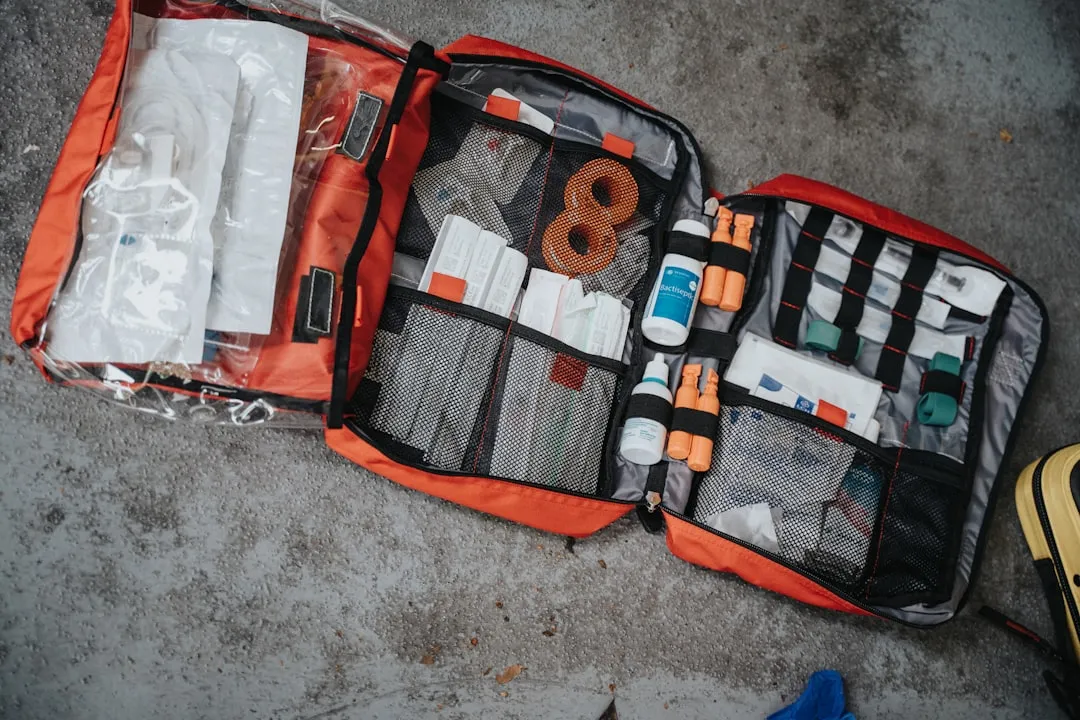
First aid kits can be purchased pre-packaged or assembled to suit the unique requirements of a specific hike or hiker. At the bare minimum, your kit should include tweezers, blister care products, treatments for cuts and scrapes, common medications, and any personal medications you might need. A well-stocked kit lets you manage minor injuries without cutting a trip short, which reduces the likelihood of improvised decision-making under pressure.
Start with a pre-made kit and modify it to fit your trip and your medical needs. Check the expiration date on all items and replace them as needed. Include any personal medications you regularly take. Self-sufficiency in the backcountry means fewer search and rescue operations, which have a real and measurable impact on both staff resources and sensitive terrain.
Conclusion: What You Carry Is a Commitment
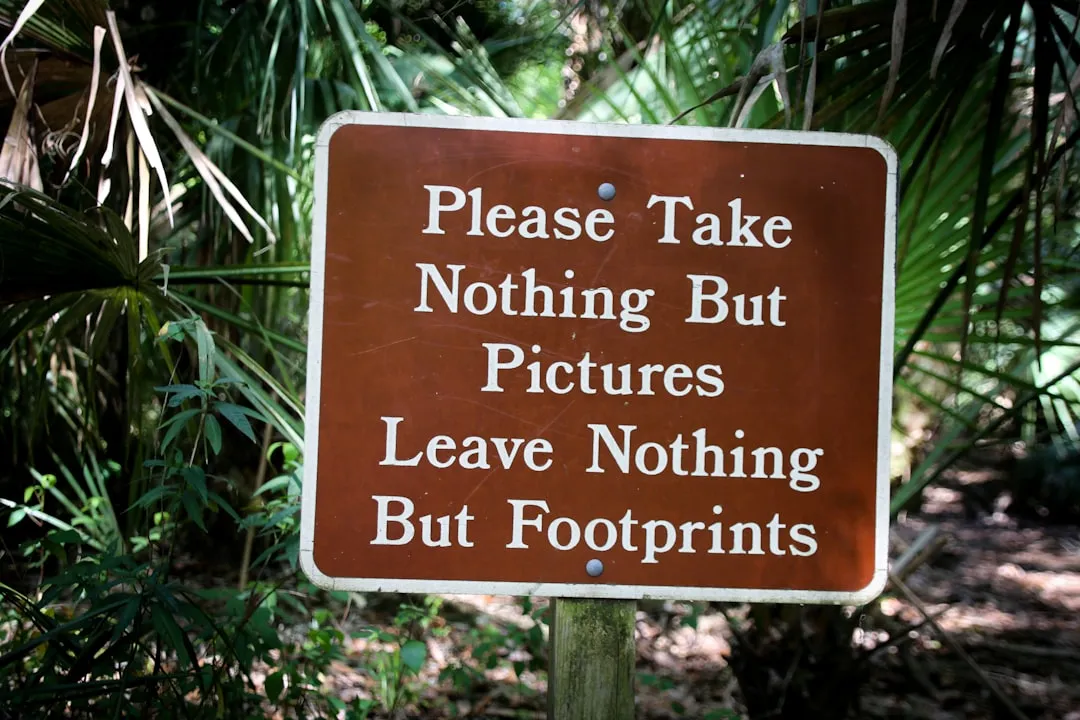
Nearly 30 national parks set individual visitation records in 2024, and 38 parks had more visitors than the 10-year average for every single month of the year. These numbers make it tempting to feel like individual choices don’t matter much in the broader picture. They do.
A twenty-first century LNT ethic requires learning how to care for the land and one another, and asking what we can give back to our human and non-human communities. Each piece of gear on this list is a quiet answer to that question – not a sacrifice, but a considered choice made by someone who values these places enough to protect them.
The lands we love are resilient, but not unconditionally so. The best thing that can happen for a wilderness area is for a well-prepared visitor to pass through it and leave no evidence that they were ever there at all. That’s a standard worth packing for.
AI Disclaimer: This article was created with the assistance of AI tools and reviewed by a human editor.